Massachusetts Affidavit (Decedent)
Understanding this form
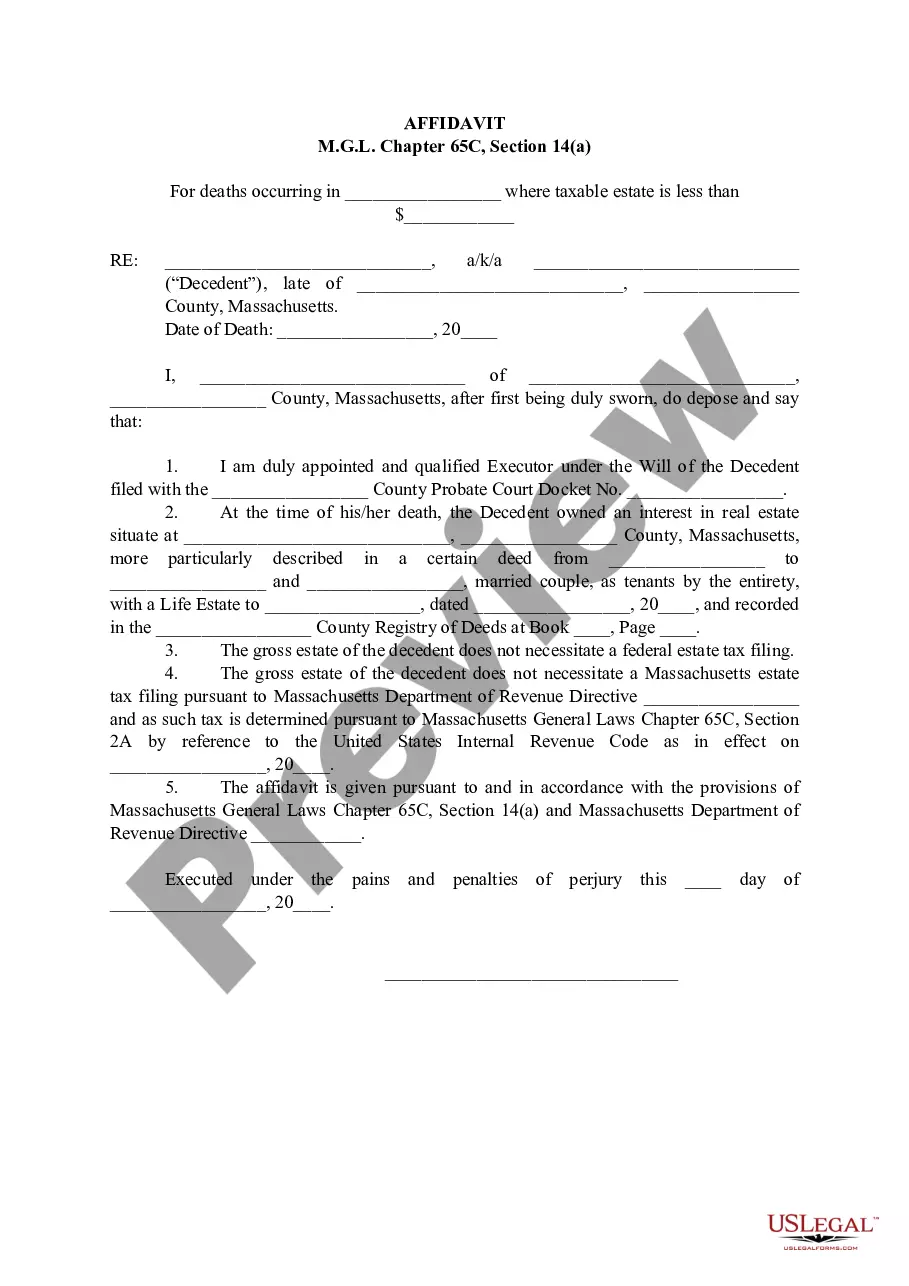
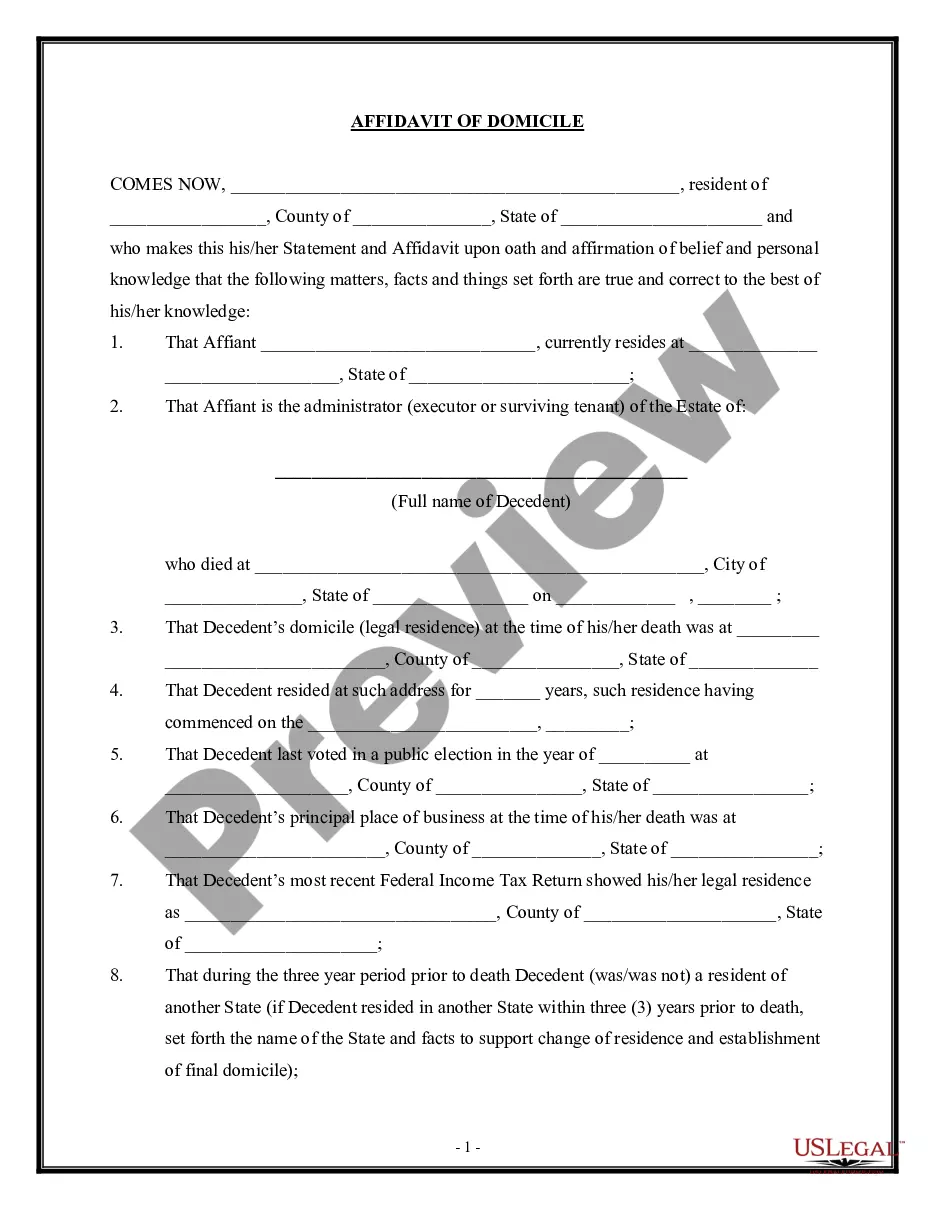
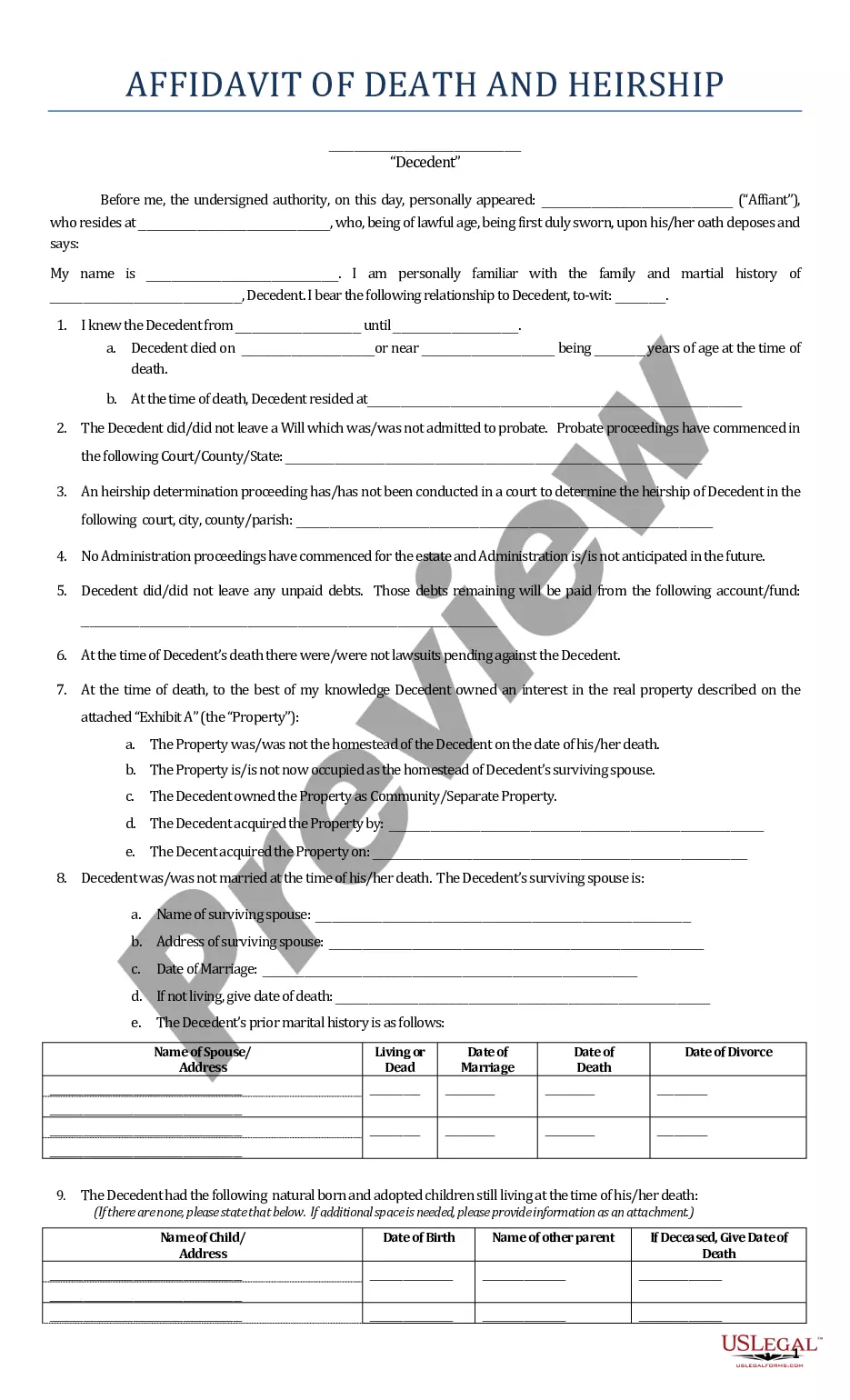
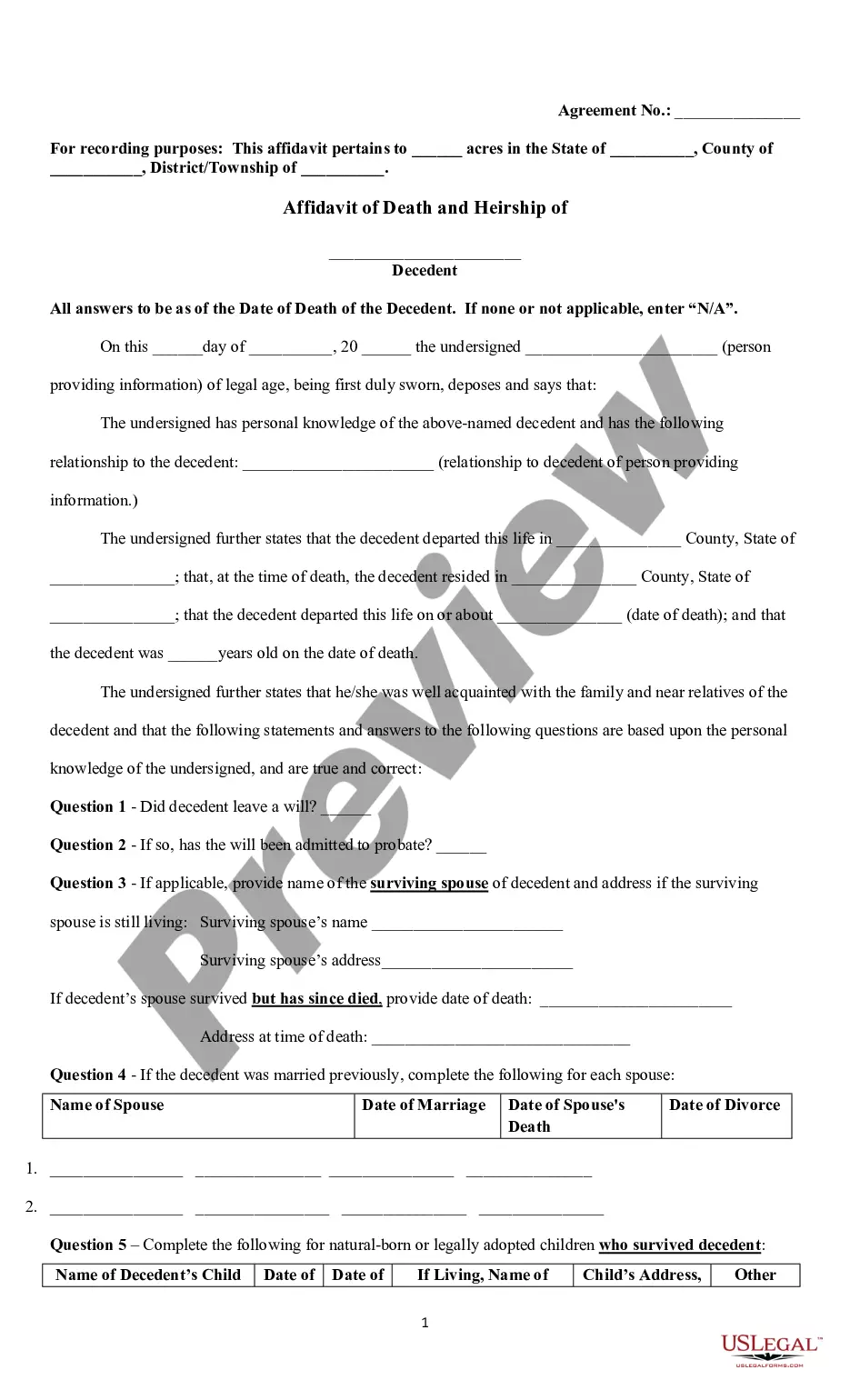
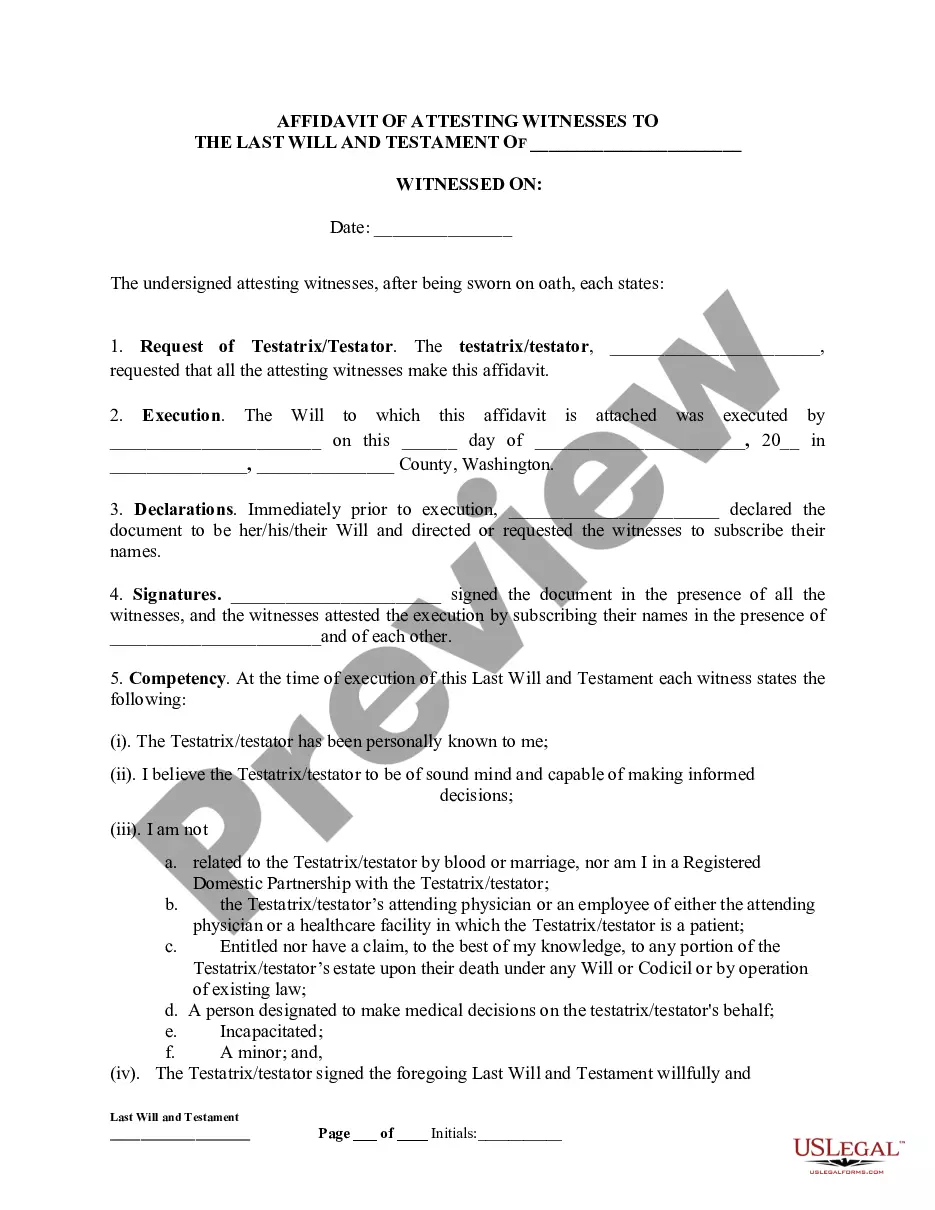
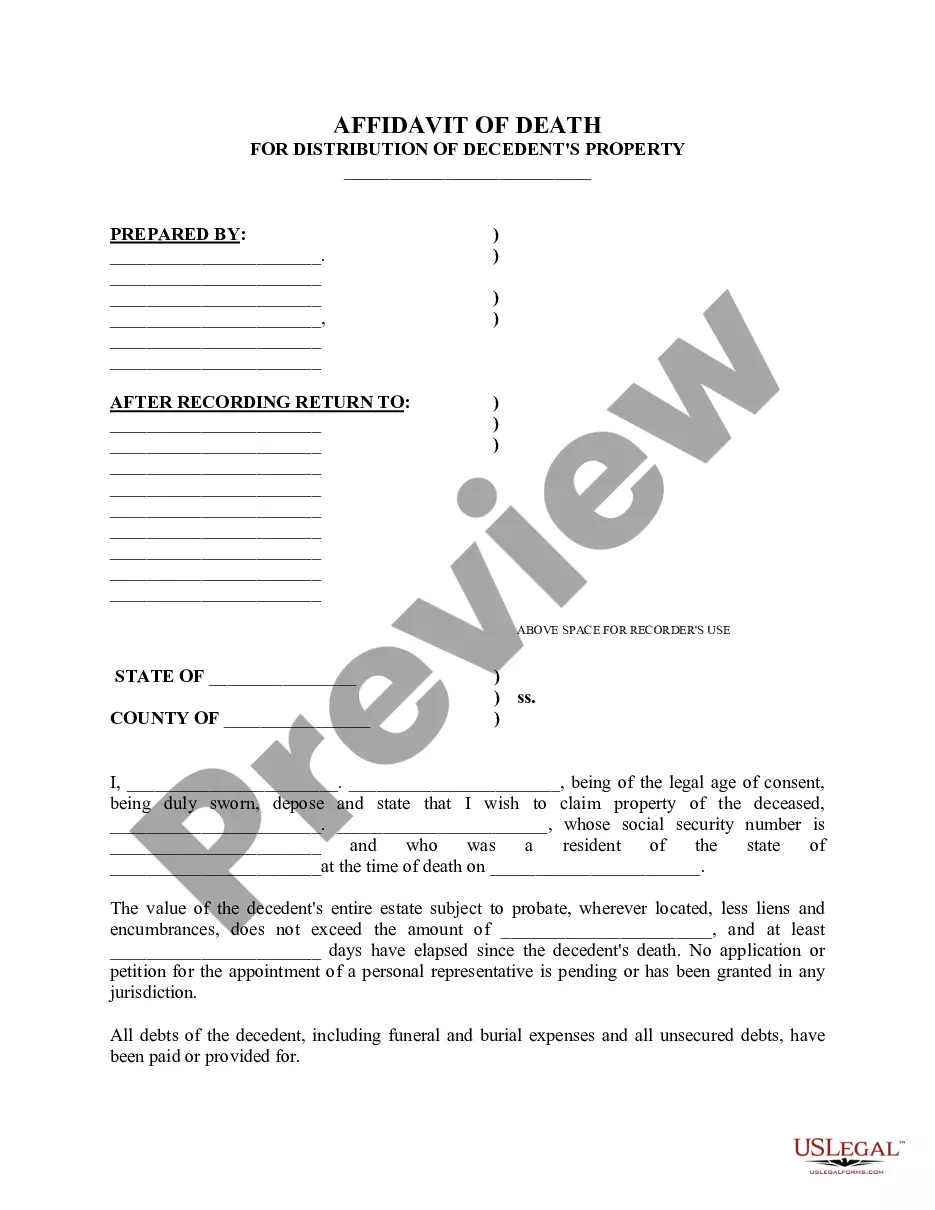
The Affidavit (Decedent) is a legal document used by the executor of an estate to declare that the gross estate of a deceased person does not require filing for federal estate tax. By completing this affidavit, the executor can effectively release the estate from any tax lien. This form is specifically tailored for situations when the estate value falls below the thresholds set by law, distinguishing it from other estate-related forms that may require tax filings.
Form components explained
- Identification of the decedent and executor, including names and addresses.
- Declaration of the date of death and relevant tax thresholds.
- Affirmation of the executor's appointment under the decedent's will.
- Details about real estate ownership pertinent to the estate.
- Assertion that no federal or Massachusetts state estate tax filing is necessary.
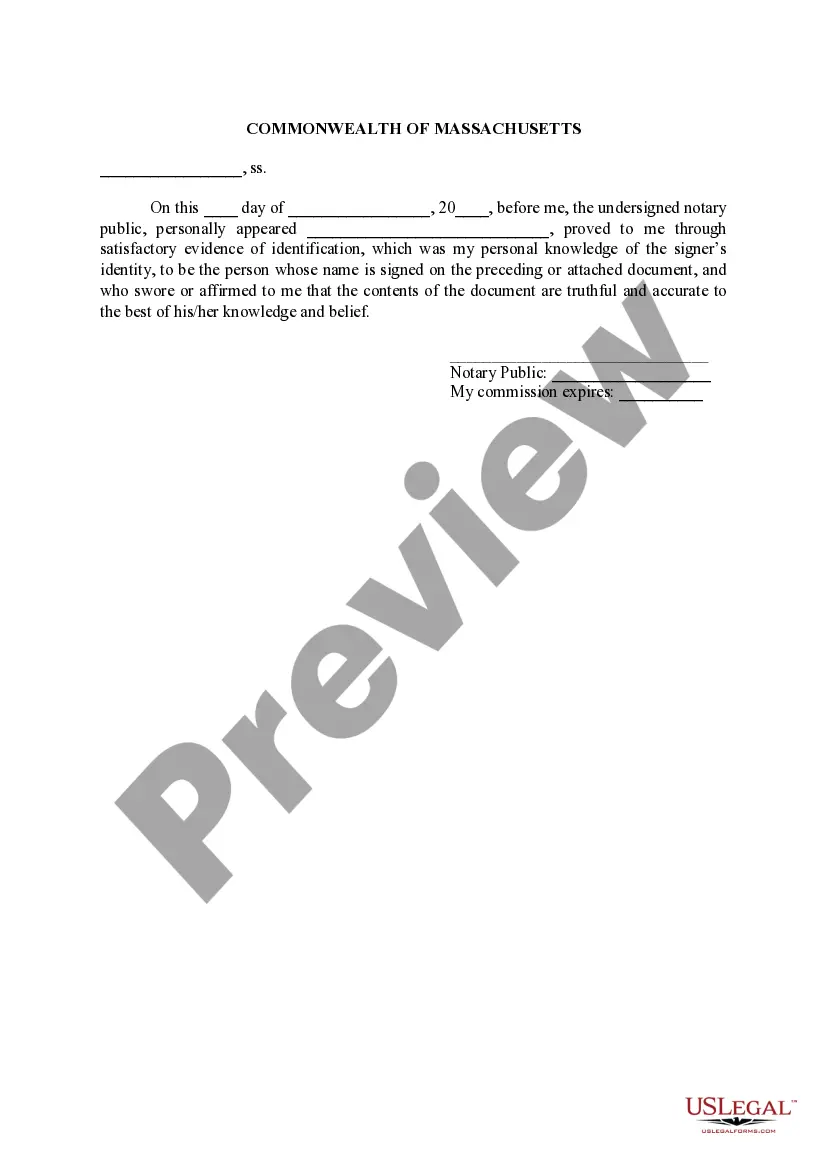
- Notary section confirming the affidavitâs execution under penalties of perjury.
When this form is needed
This affidavit is used when a decedent passes away and the total value of their gross estate is below the federal and Massachusetts state tax filing thresholds. Executors typically file this affidavit to avoid unnecessary estate tax requirements, clearing any liens associated with the estate and ensuring a smoother transfer of assets.
Who needs this form
This form is intended for:
- Executors of estates who are responsible for managing the affairs of the deceased.
- All individuals handling estates where the gross estate value is below tax filing thresholds.
- Legal representatives who need to certify estate conditions for probates.
How to complete this form
- Identify the decedent by entering their full name and date of death.
- Enter the executor's details, including name and residential address.
- Specify the real estate details and relevant deed information.
- Clearly state that the gross estate does not require tax filings.
- Sign the affidavit in the presence of a notary public, ensuring proper acknowledgment.
Does this document require notarization?
Yes, this form must be notarized to be legally valid. The notary public will attest to your identity and the accuracy of the contents, ensuring it fulfills legal requirements. US Legal Forms provides integrated online notarization options, allowing you to complete this step securely through a video call without needing to travel.
Get your form ready online
Our built-in tools help you complete, sign, share, and store your documents in one place.
Make edits, fill in missing information, and update formatting in US Legal Forms—just like you would in MS Word.
Download a copy, print it, send it by email, or mail it via USPS—whatever works best for your next step.
Sign and collect signatures with our SignNow integration. Send to multiple recipients, set reminders, and more. Go Premium to unlock E-Sign.
If this form requires notarization, complete it online through a secure video call—no need to meet a notary in person or wait for an appointment.
We protect your documents and personal data by following strict security and privacy standards.

Make edits, fill in missing information, and update formatting in US Legal Forms—just like you would in MS Word.

Download a copy, print it, send it by email, or mail it via USPS—whatever works best for your next step.

Sign and collect signatures with our SignNow integration. Send to multiple recipients, set reminders, and more. Go Premium to unlock E-Sign.

If this form requires notarization, complete it online through a secure video call—no need to meet a notary in person or wait for an appointment.

We protect your documents and personal data by following strict security and privacy standards.
Avoid these common issues
- Failing to accurately assess the gross estate value, leading to incorrect tax filing decisions.
- Not including all required property details or not referencing the correct deeds.
- Neglecting to have the affidavit notarized, causing it to be considered invalid.
- Leaving spaces blank that are required for legal compliance.
Advantages of online completion
- Access to reliable and up-to-date legal templates drafted by licensed attorneys.
- Convenient download options for immediate use in estate management.
- Opportunity to customize the affidavit to meet specific estate needs.
- Time-saving access to legal forms without the need for a lawyer's visit.
- The affidavit serves as a formal declaration regarding estate taxes under Massachusetts law.
- It is enforceable as long as it is completed correctly and notarized.
- This form should be utilized only in Massachusetts to ensure appropriate compliance with state laws.
Main things to remember
- An affidavit (decedent) is essential for executors managing estate tax issues.
- Completing this affidavit correctly helps avoid unnecessary tax complications.
- Notarization is required for the affidavit to hold legal weight.