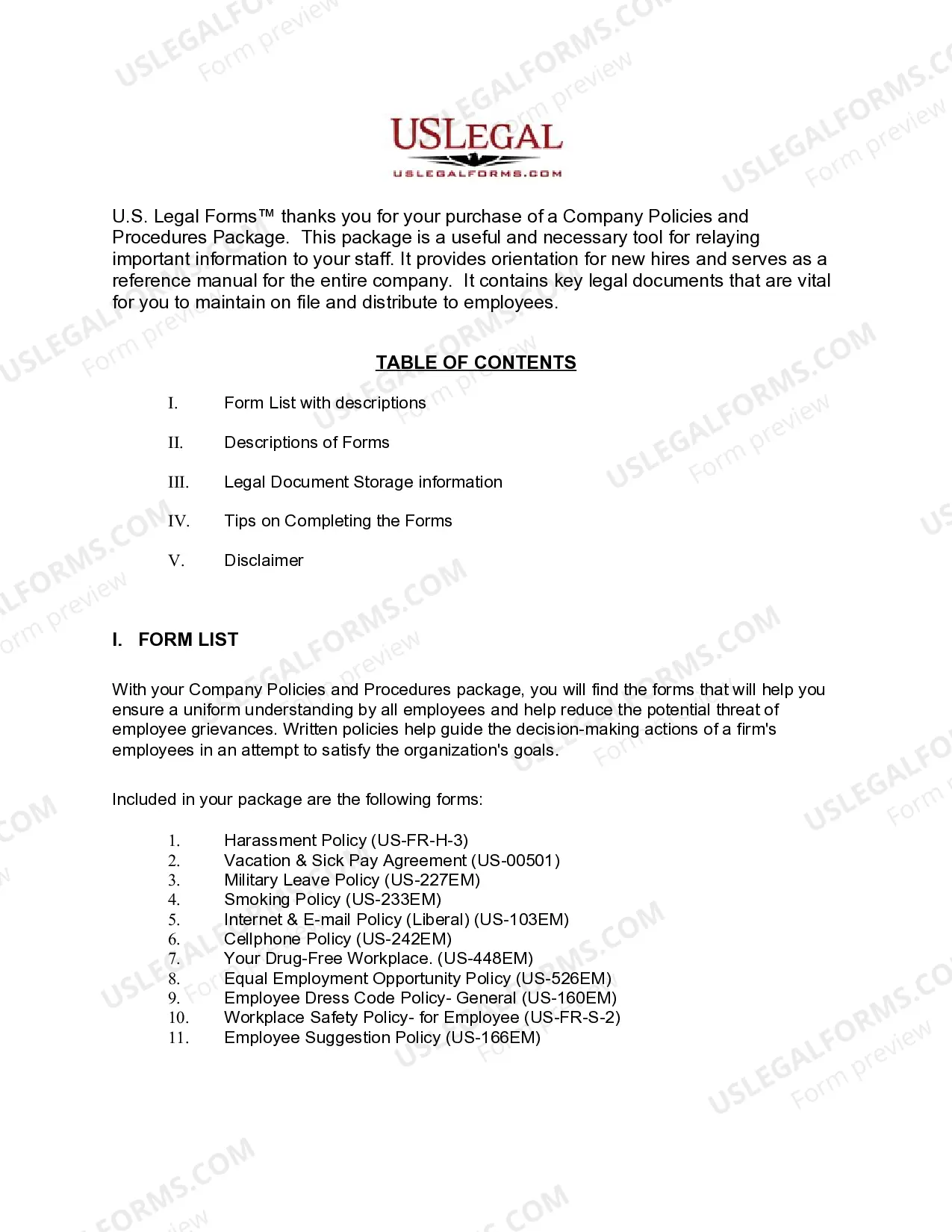
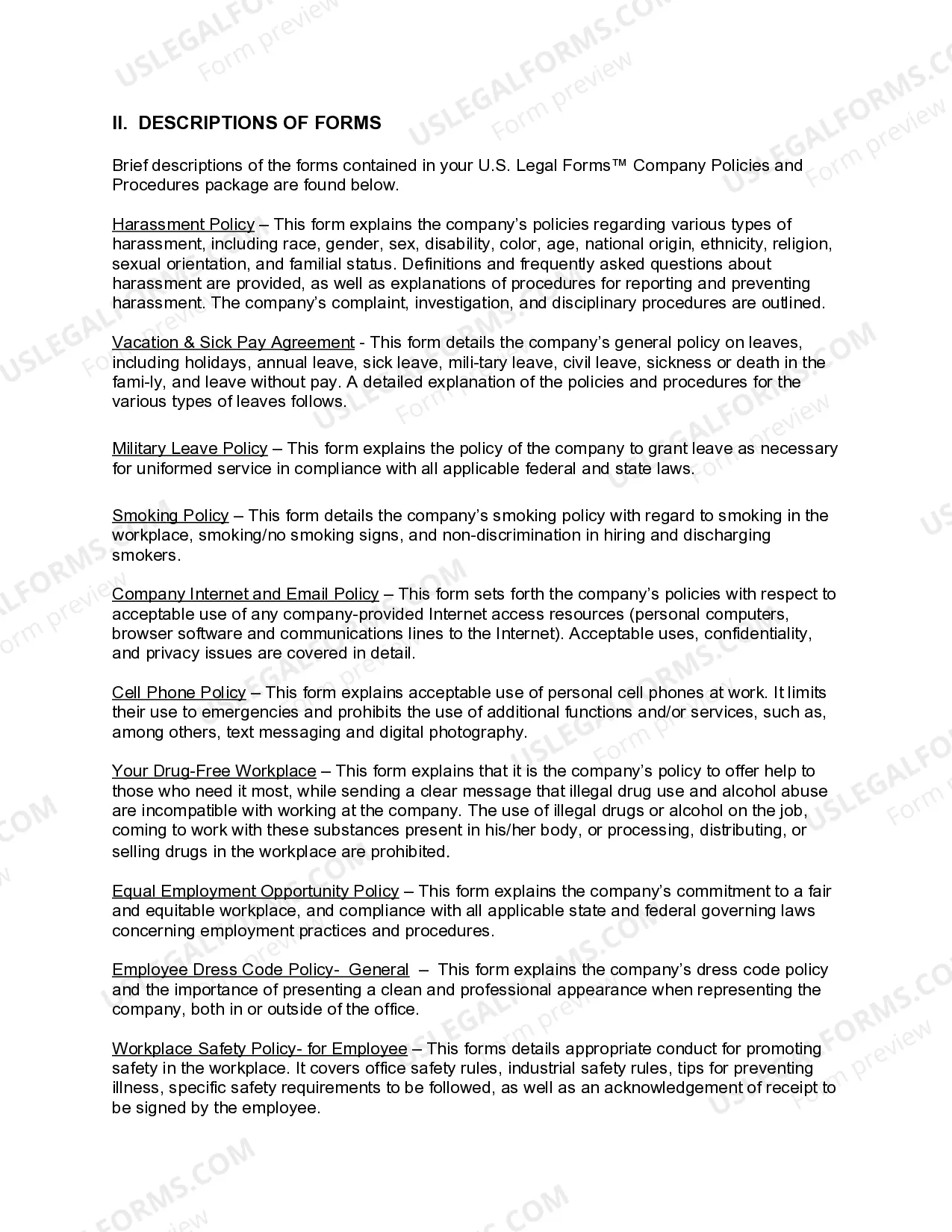
1. Harassment Policy
2. Vacation & Sick Pay Agreement
3. Military Leave Policy
4. Smoking Policy
5. Internet & E-mail Policy (Liberal)
6. Cellphone Policy
7. Your Drug-Free Workplace
8. Equal Employment Opportunity Policy
9. Employee Dress Code Policy- General
10. Workplace Safety Policy- for Employee
11. Employee Suggestion Policy
Louisiana Company Employment Policies and Procedures Package
Category:
State:
Louisiana
Control #:
LA-P008-PKG
Format:
Word;
Rich Text;
PDF
Instant download
Description
This package contains essential policy and procedures forms to help your company ensure a uniform understanding by all employees and help reduce the potential threat of employee grievances. It provides orientation for new hires and serves as a reference manual for the entire company. The documents in this package include the following:
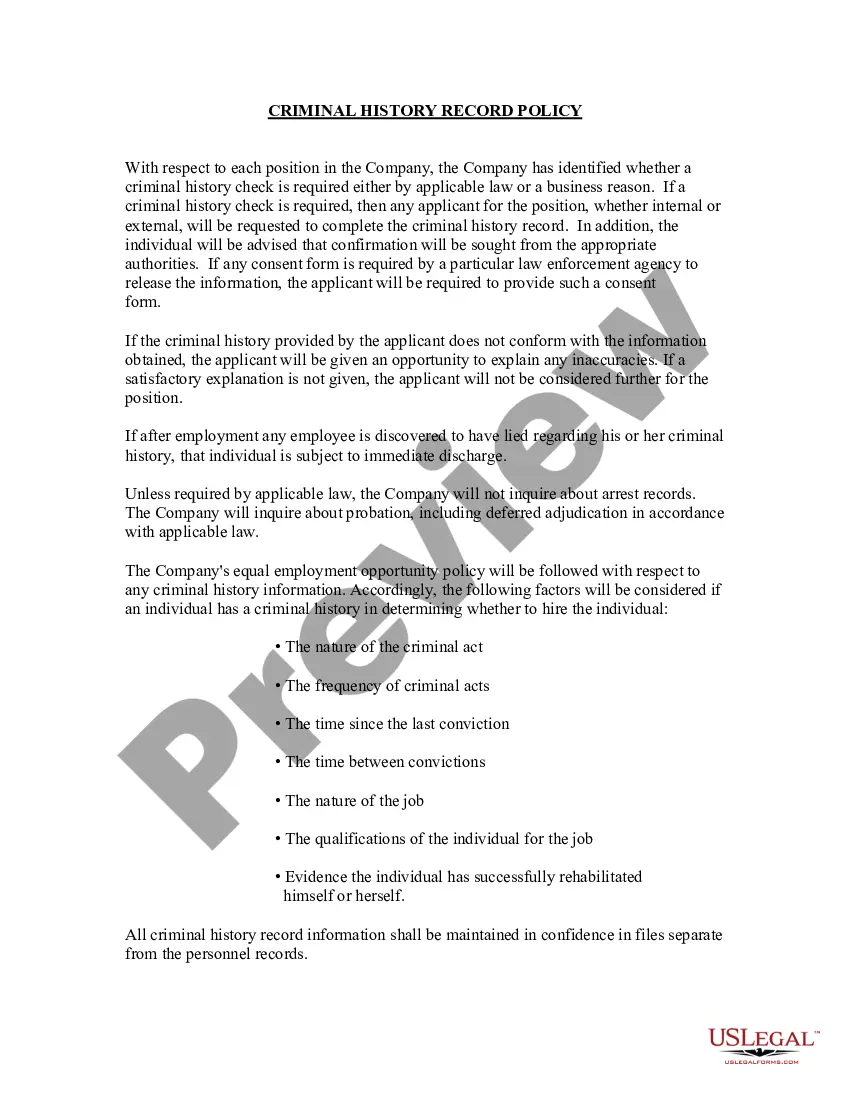
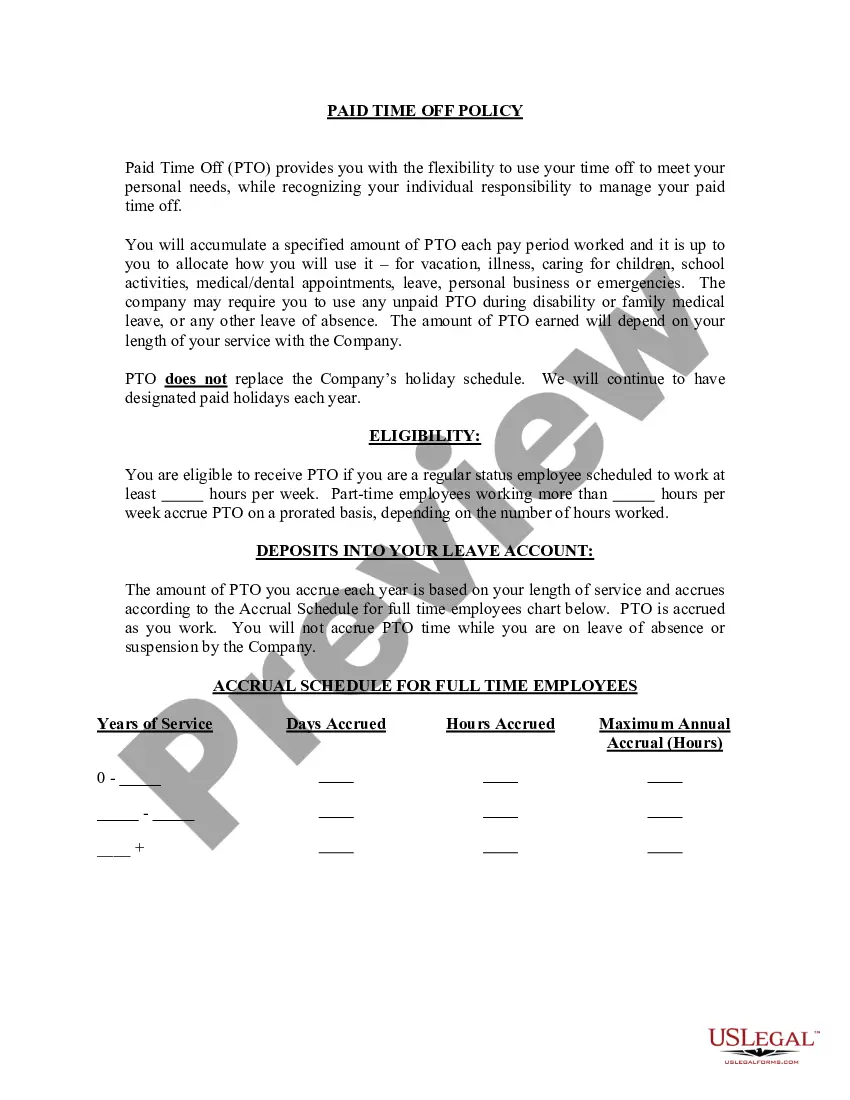
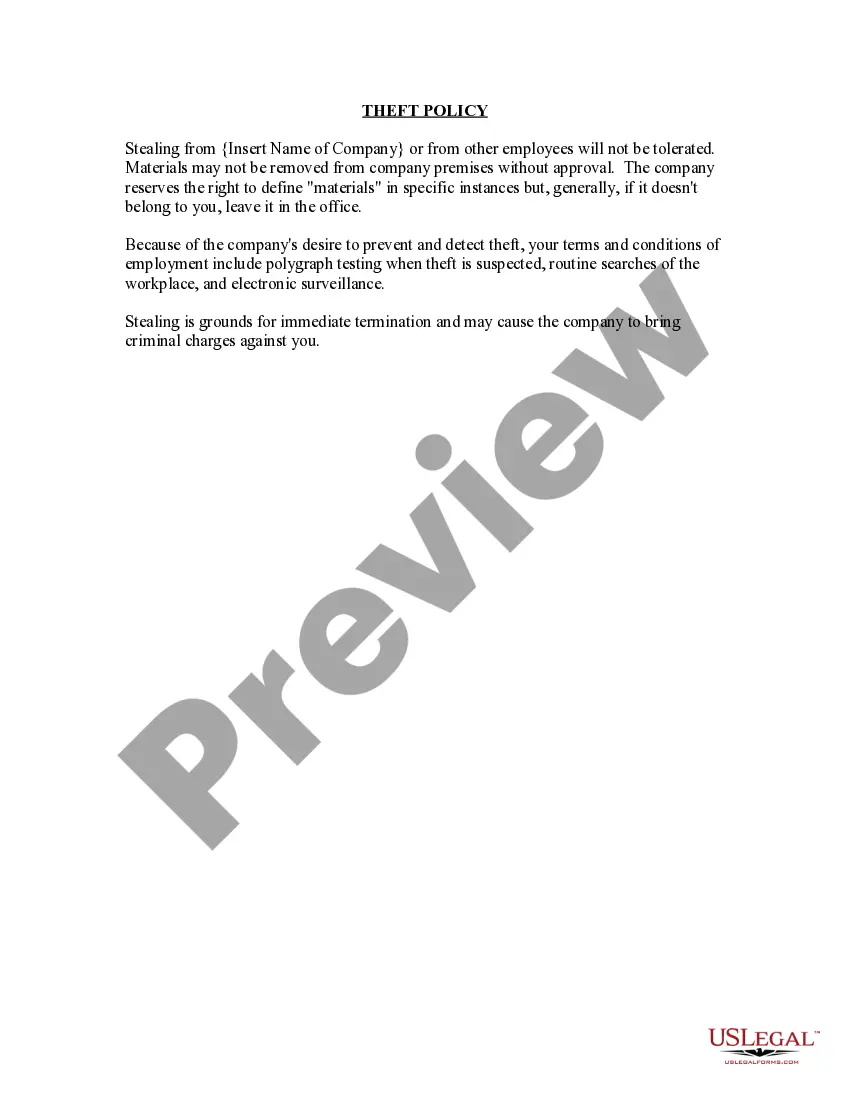
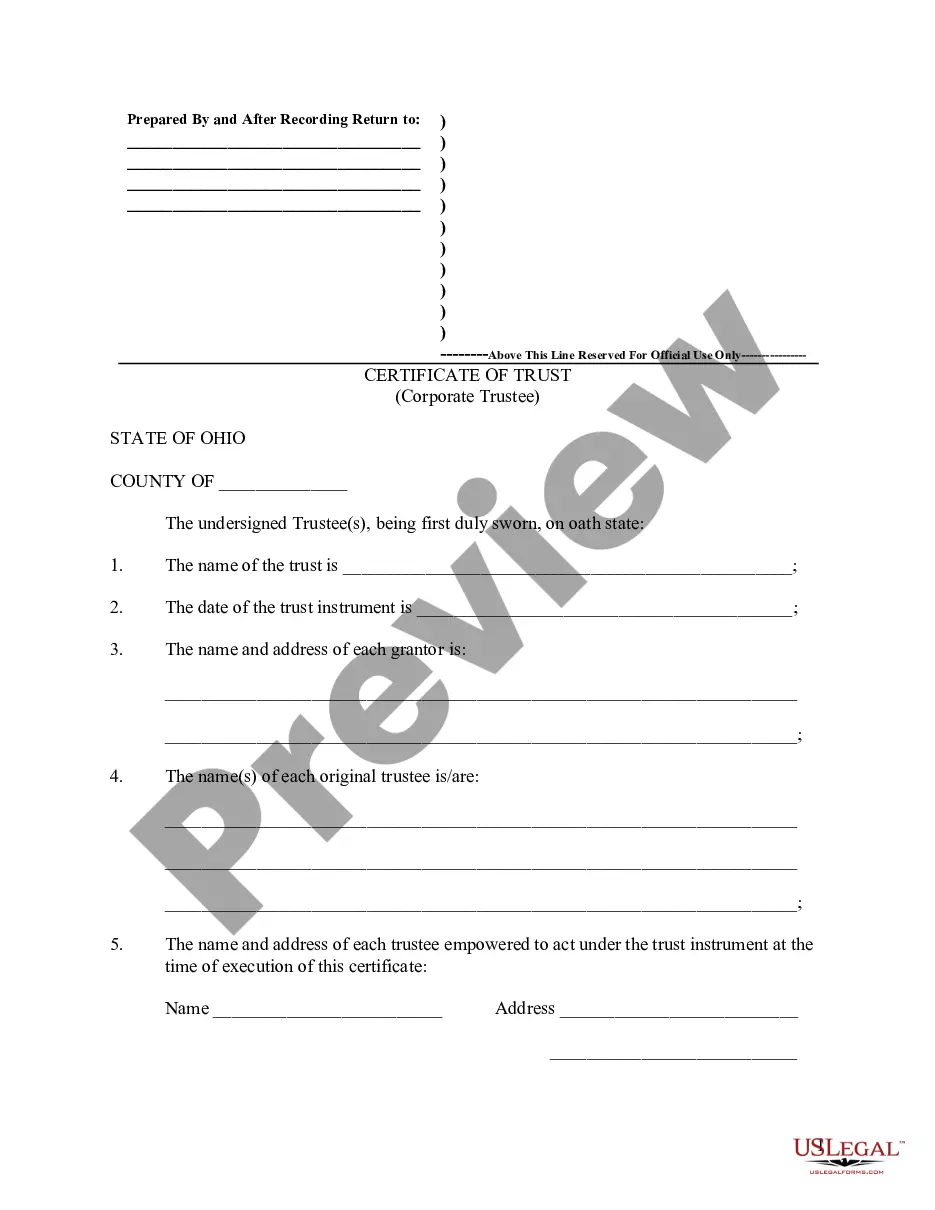
Free preview
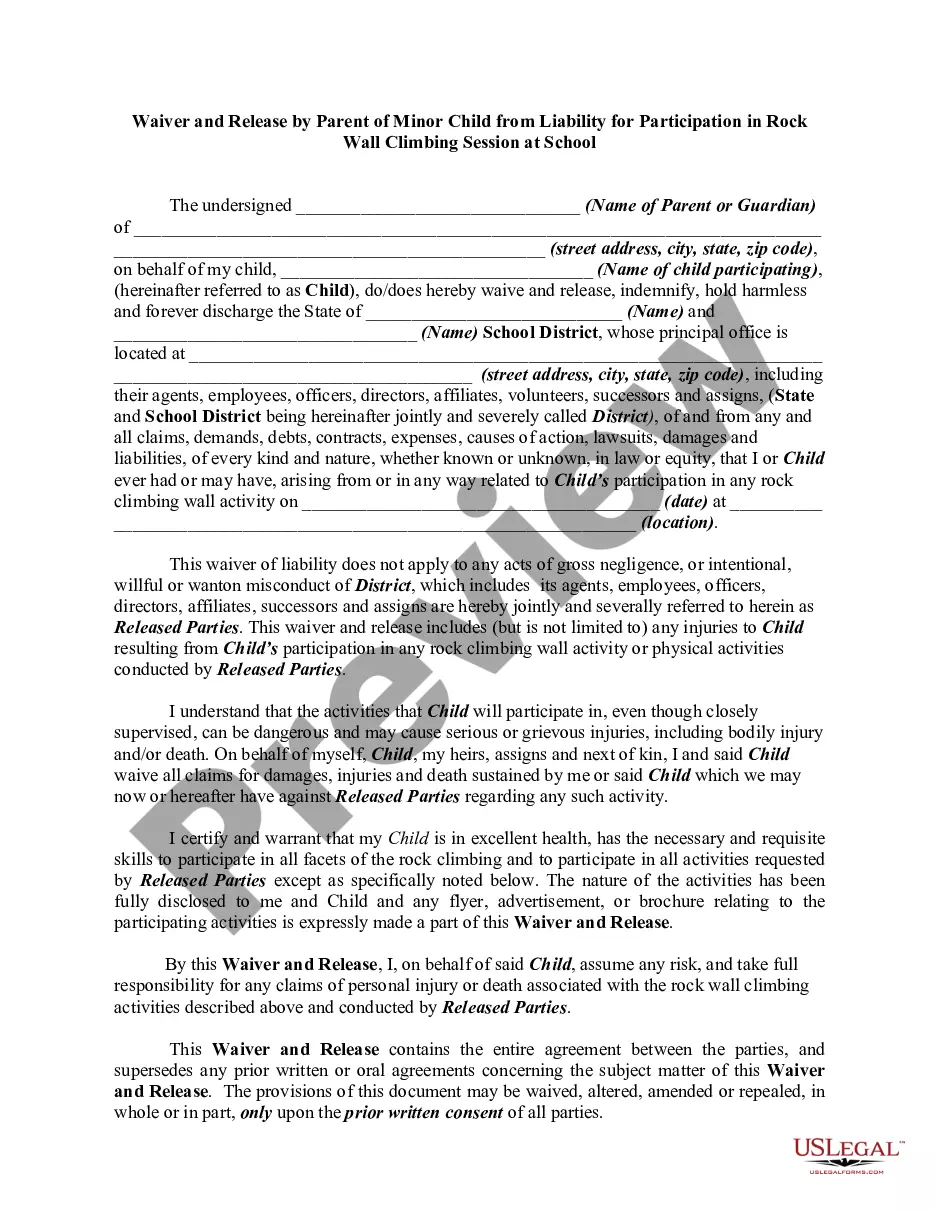
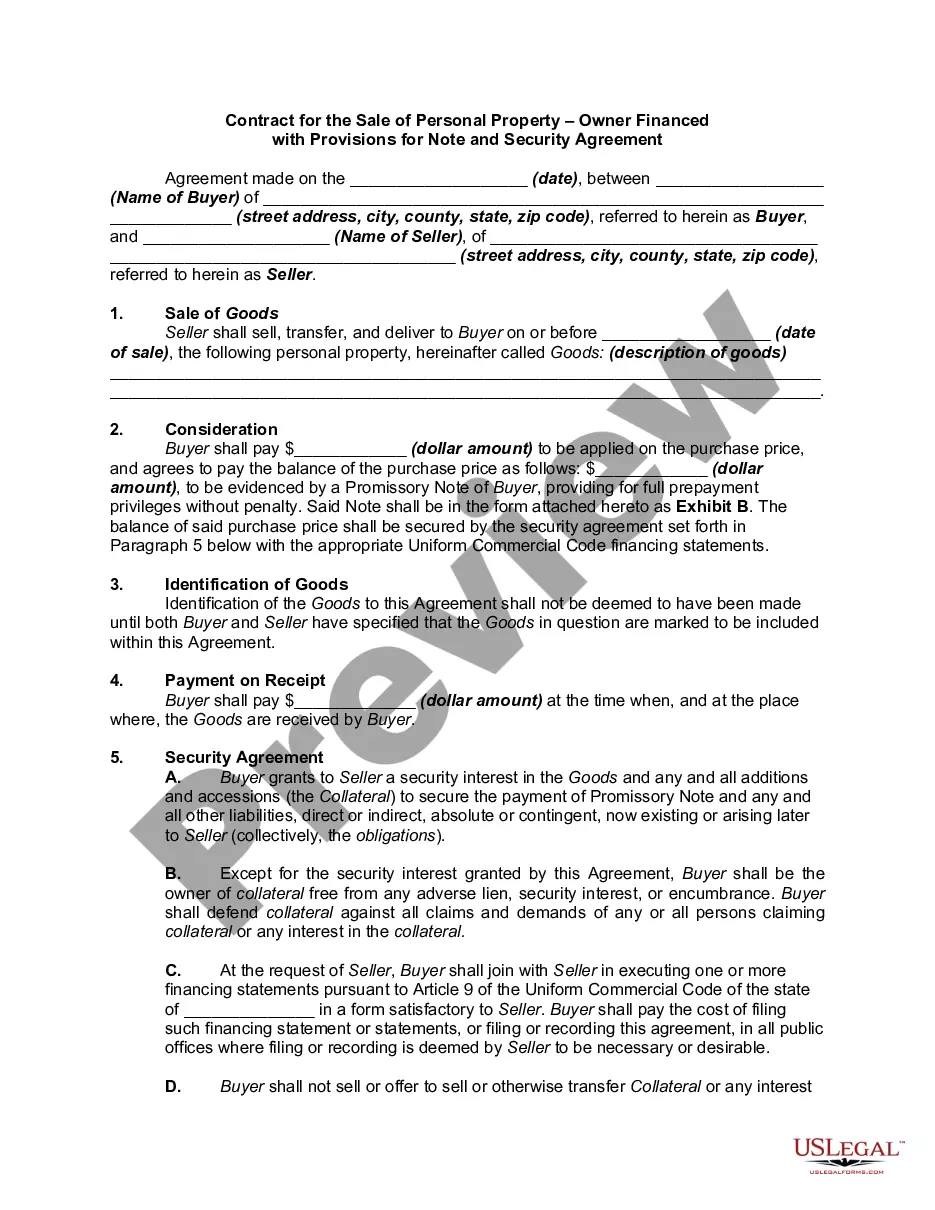
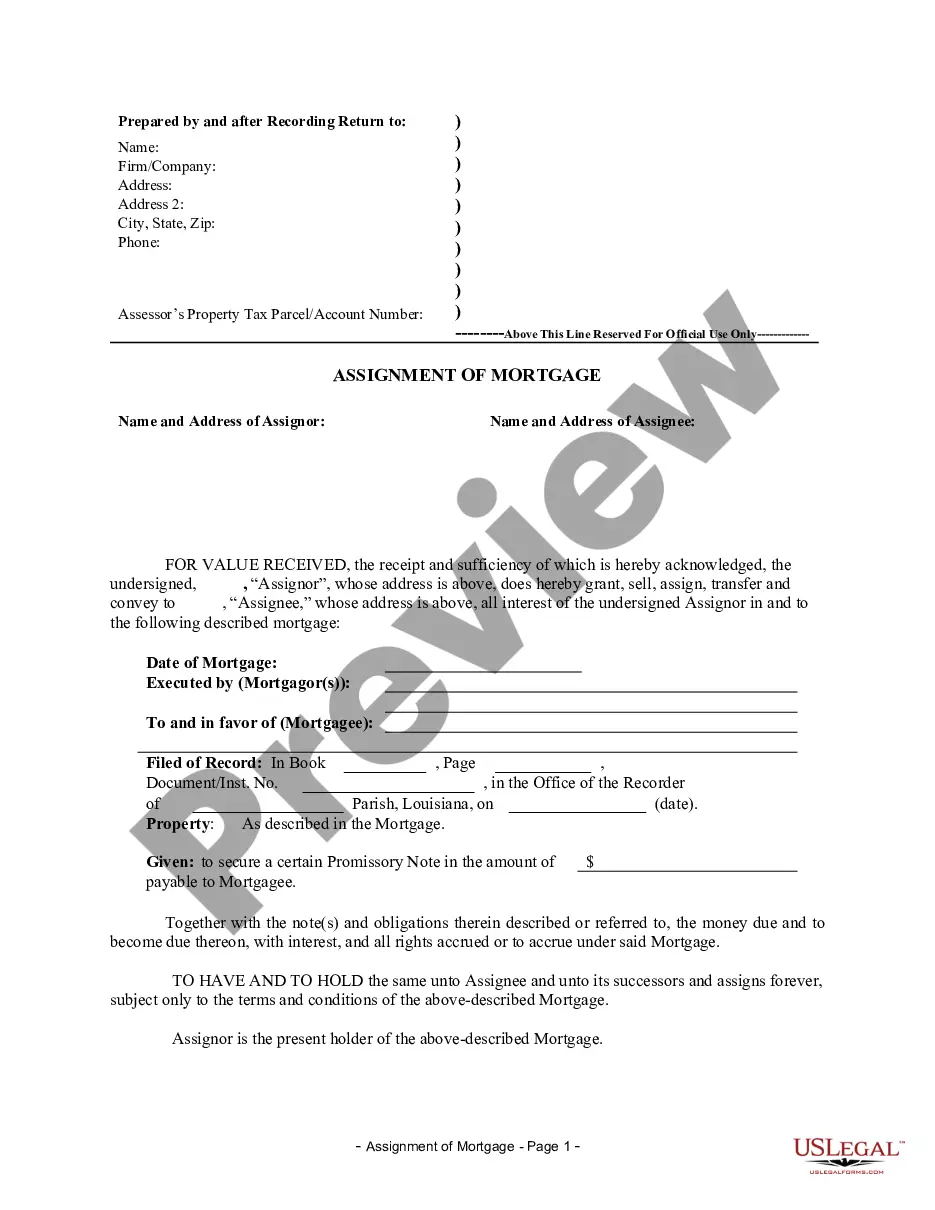
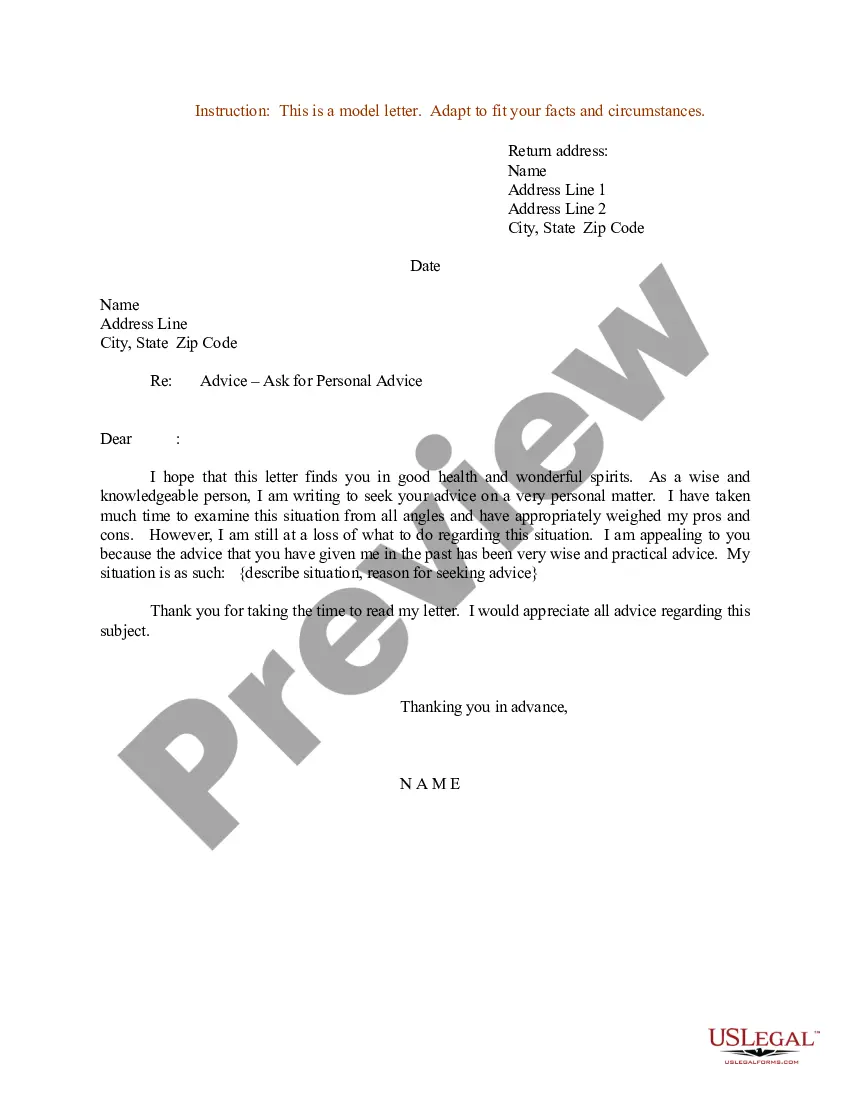
How to fill out Louisiana Company Employment Policies And Procedures Package?
Welcome to the greatest legal files library, US Legal Forms. Here you will find any template such as Louisiana Company Employment Policies and Procedures Package templates and save them (as many of them as you want/require). Prepare official documents with a several hours, rather than days or even weeks, without having to spend an arm and a leg with an lawyer. Get the state-specific example in clicks and feel assured understanding that it was drafted by our qualified legal professionals.
If you’re already a subscribed consumer, just log in to your account and then click Download next to the Louisiana Company Employment Policies and Procedures Package you want. Because US Legal Forms is online solution, you’ll always have access to your downloaded files, no matter the device you’re utilizing. Find them inside the My Forms tab.
If you don't come with an account yet, what exactly are you awaiting? Check out our guidelines below to start:
- If this is a state-specific sample, check its applicability in the state where you live.
- View the description (if offered) to understand if it’s the correct template.
- See much more content with the Preview option.
- If the document matches your needs, click Buy Now.
- To make your account, choose a pricing plan.
- Use a credit card or PayPal account to subscribe.
- Save the template in the format you require (Word or PDF).
- Print the document and fill it with your/your business’s details.
When you’ve completed the Louisiana Company Employment Policies and Procedures Package, give it to your lawyer for confirmation. It’s an extra step but an essential one for being sure you’re fully covered. Join US Legal Forms now and access a large number of reusable samples.
Form popularity
FAQ
Step 1: Review and Make Required Revisions to the Current Company Policies. Step 2: Create an Outline of What to Include in the Employee Handbook. Step 3: Create Summarized Versions of Each Policy and Procedure. Step 4: Add Each Summary Statement in the Appropriate Sections According to the Outline.
W-4 form (or W-9 for contractors) I-9 Employment Eligibility Verification form. State Tax Withholding form. Direct Deposit form. E-Verify system: This is not a form, but a way to verify employee eligibility in the U.S.
Prioritize a policy list. Keep in mind that you can't tackle every policy at once. Conduct thorough research. Take a look at your existing procedures to zone in on how things are currently done. Write an initial draft. After defining what you need to cover, you can begin your first draft. Validate the procedures.
Use clear language. With a major purpose of HR policies being to outline relevant information to your staff and volunteers, it's critical they understand what you're trying to convey. Keep it as brief as possible. Avoid information that may become quickly outdated. Clarify eligibility. Allow for necessary exceptions.
A typical new hire packet template should include traditional items such as a new hire welcome letter, employee handbook, employment contract, health insurance and other benefit forms, and more.
Use the handbook as a communication tool. Employees can be full of legal agreements and notices, which important as they are, can be daunting. Safety and security. Get a legal review. Outline your expectations/Code of conduct. Hours, benefits, and compensation. Don't be redundant. Make it readable. Leave room for change.
Examples include government policies that impact spending for welfare, public education, highways, and public safety, or a professional organization's benefits plan.
Welcome letter from CEO or founder. Company's mission statement. Ideal company culture. Annual office closures. Behavioral expectations including attendance and dress code if relevant.
Step 1: Determine the Purpose and Intention of the Policy. Step 2: Assemble All Prior Writings and Practices on the Same or Similar Topics. Step 3: Obtain Information and Input from Relevant Stakeholders. Step 4: Conduct Research to Determine Status of the Law and Identify Trends.