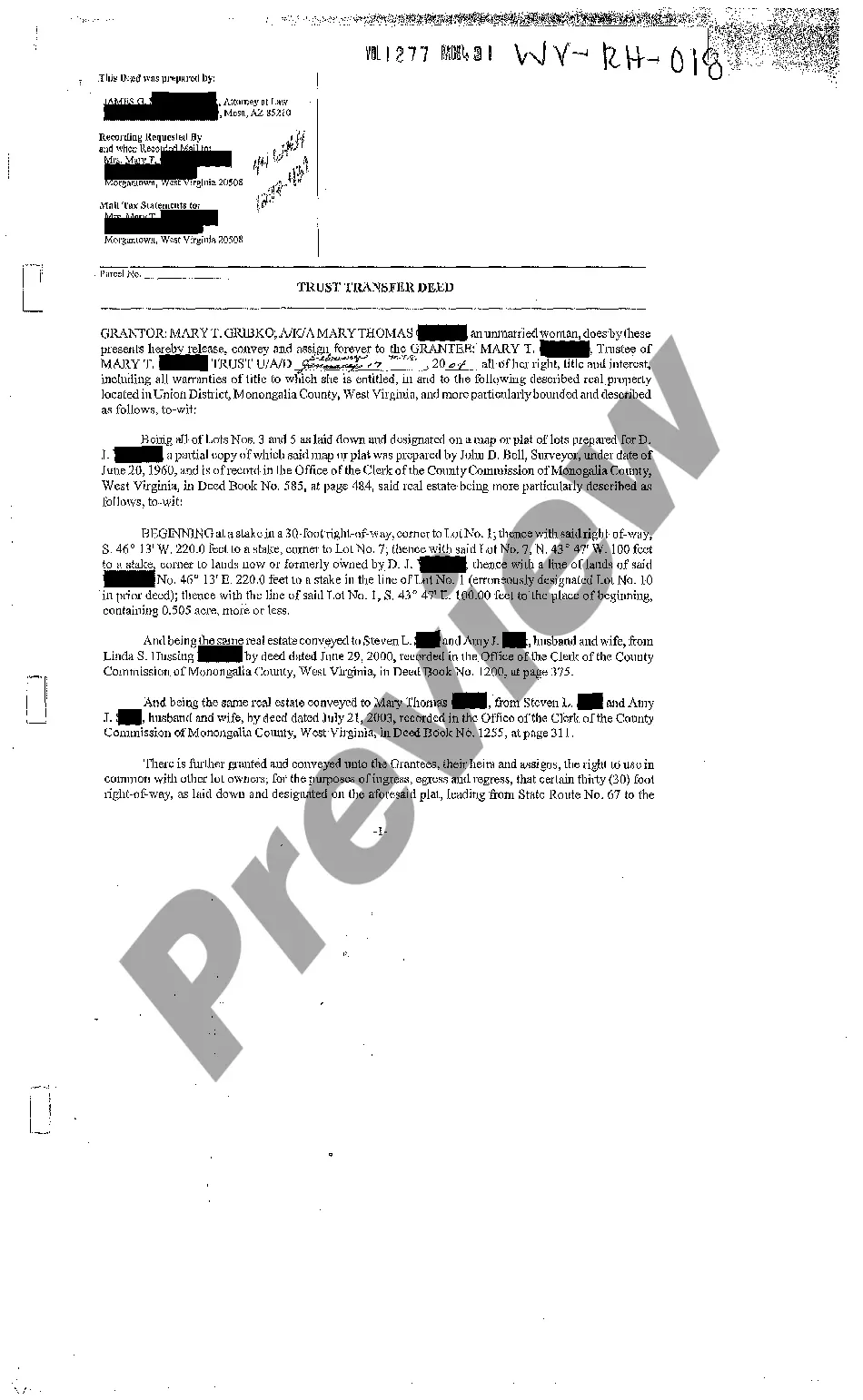
Louisiana Living Trust for Husband and Wife with One Child
What is this form?
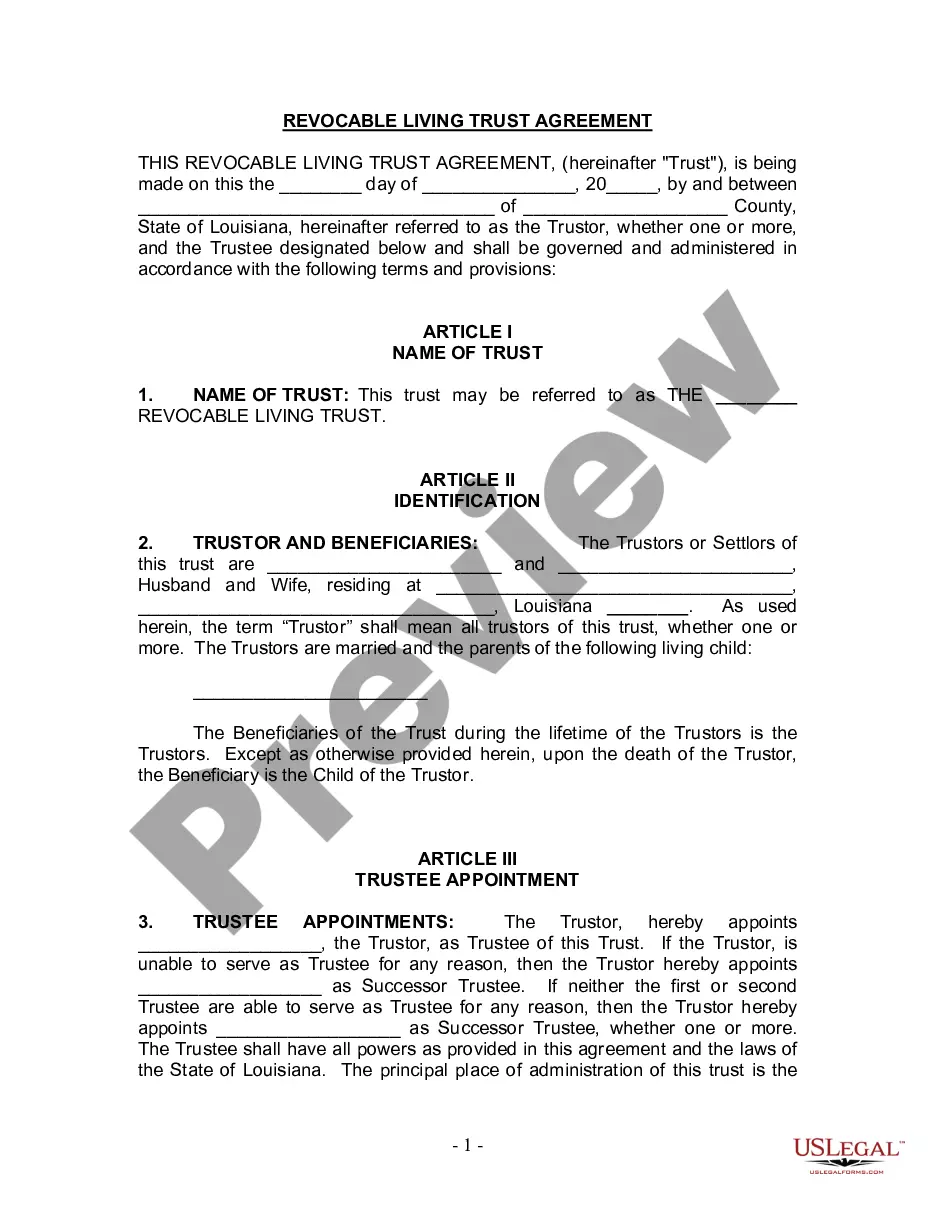
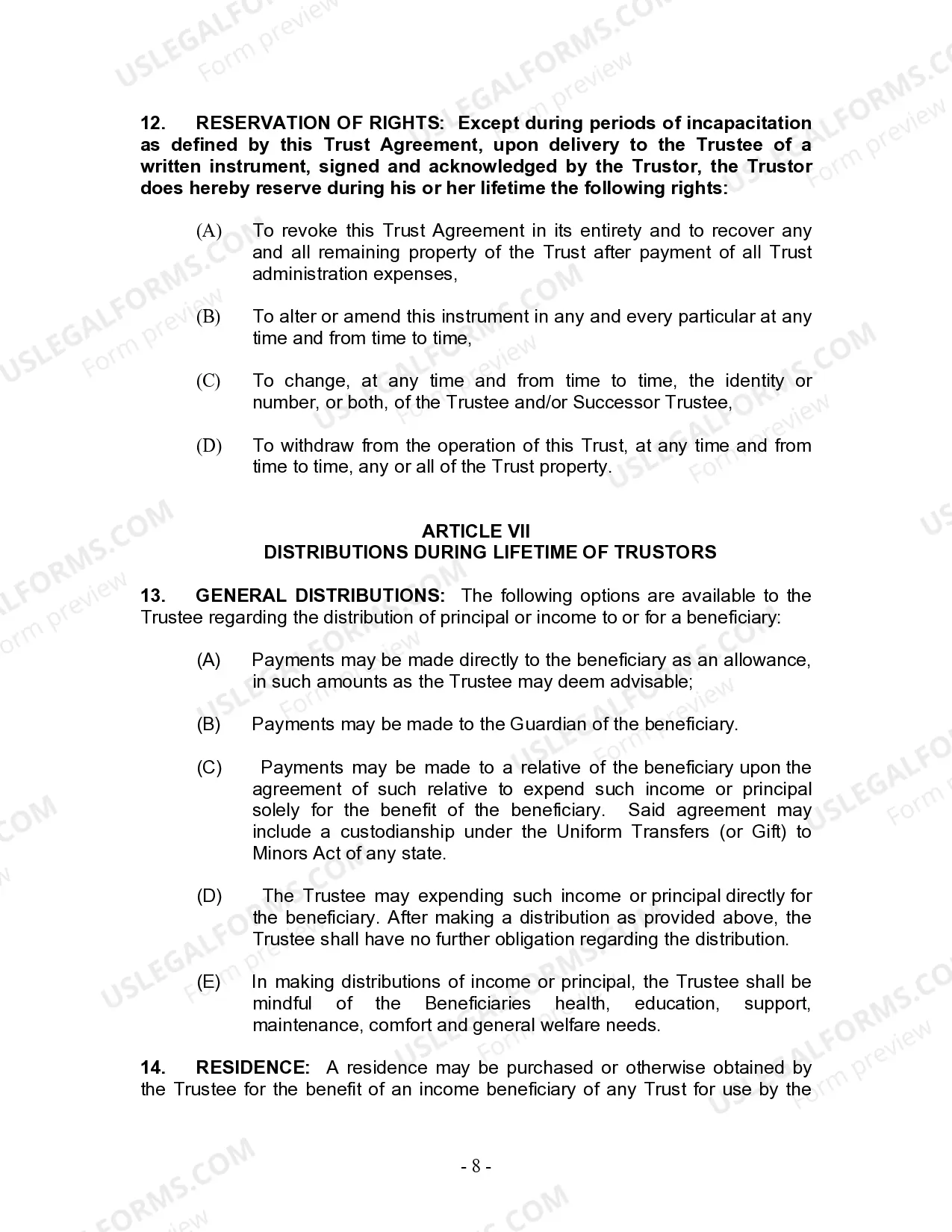
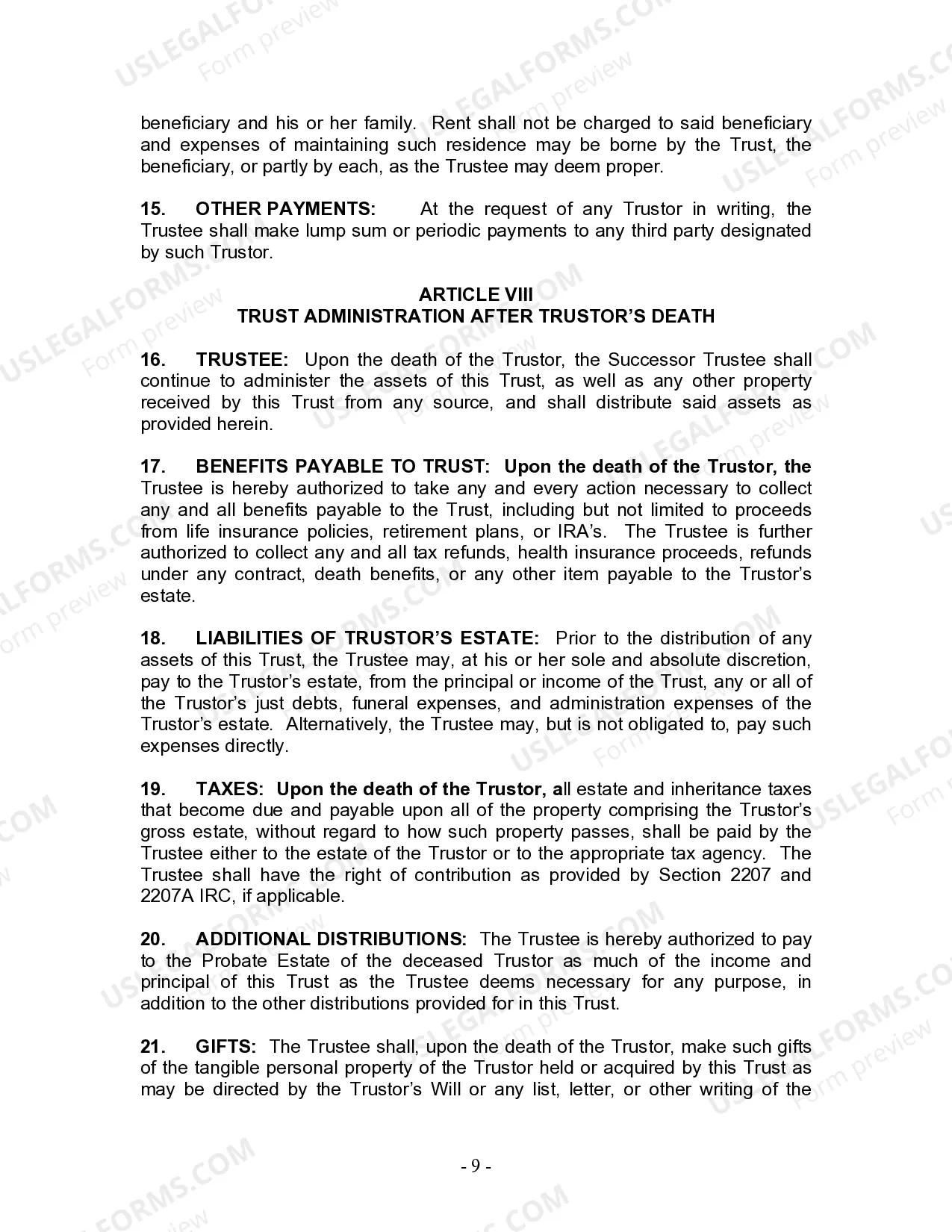
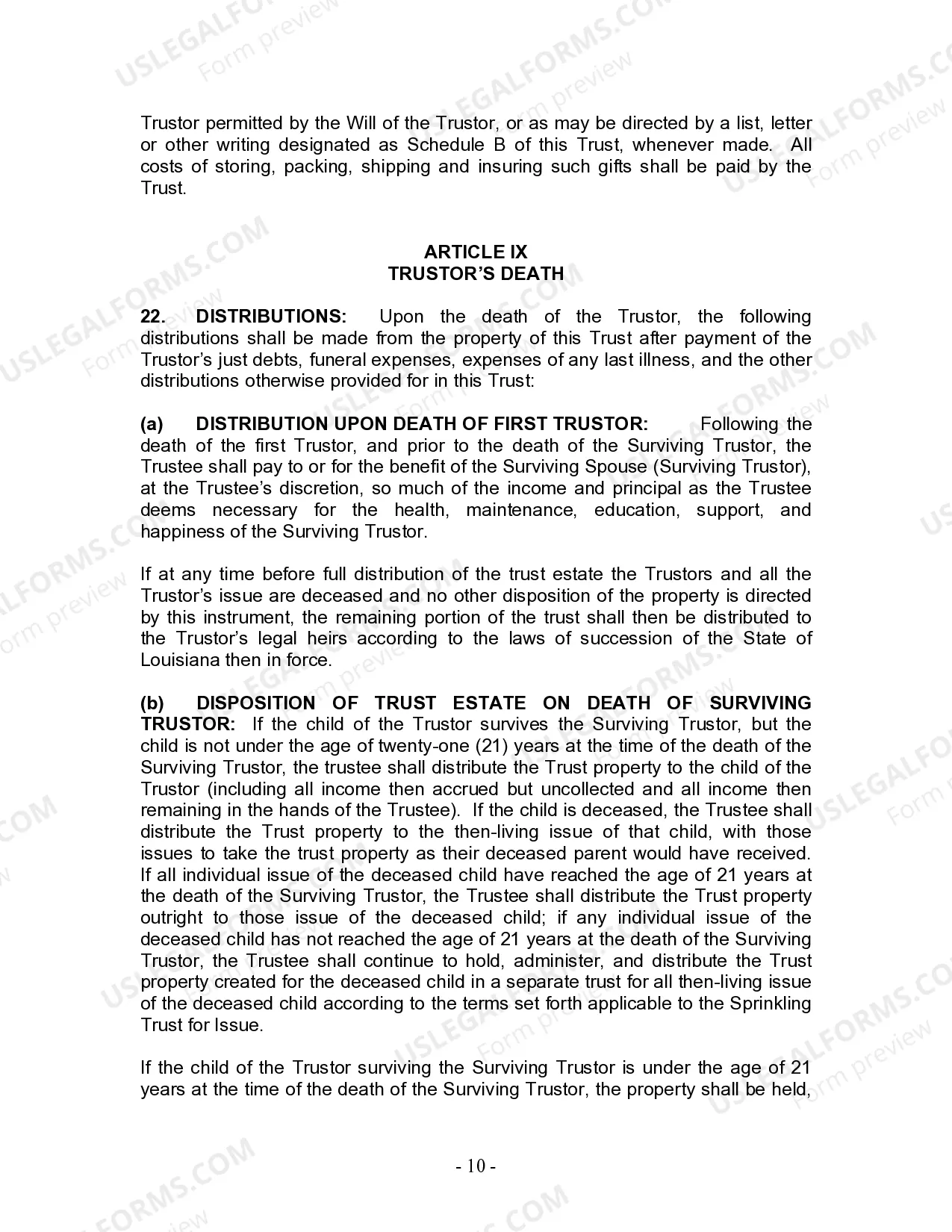
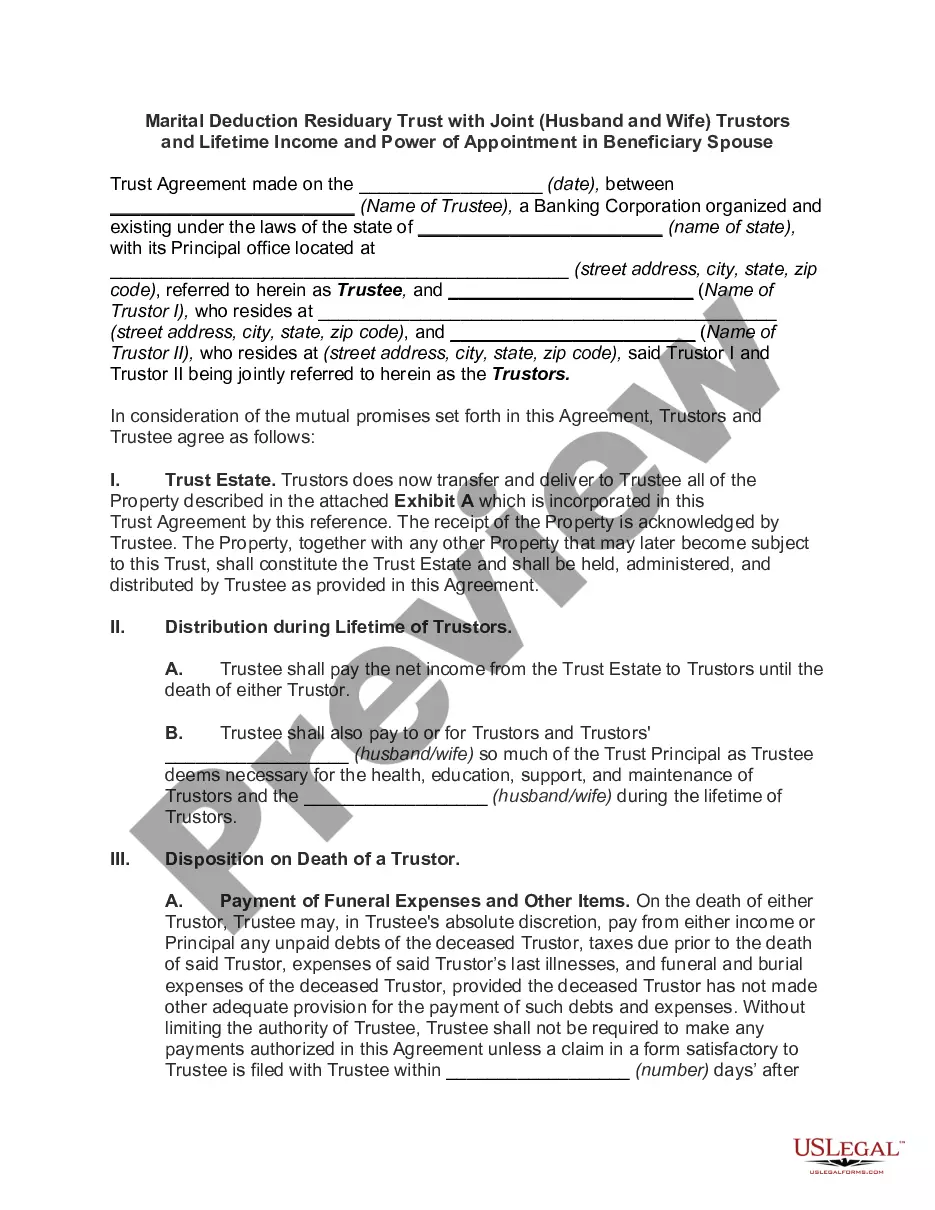
This Living Trust for Husband and Wife with One Child is a legal document that establishes a revocable living trust specifically designed for married couples with a child. A living trust allows individuals to manage their assets during their lifetime while providing clear instructions for asset distribution after death, avoiding the probate process. This type of trust centers around the creators (the Trustors, typically the husband and wife) and benefits their child as the named beneficiary, ensuring their assets are managed and distributed efficiently according to their wishes.
Key components of this form
- Name of Trust: The specific name assigned to the trust for identification purposes.
- Trustors and Beneficiaries: Identification of the Trustors (husband and wife) and their child as the primary beneficiary.
- Trustee Appointments: Designation of the initial trustee and successor trustees to manage the trust assets.
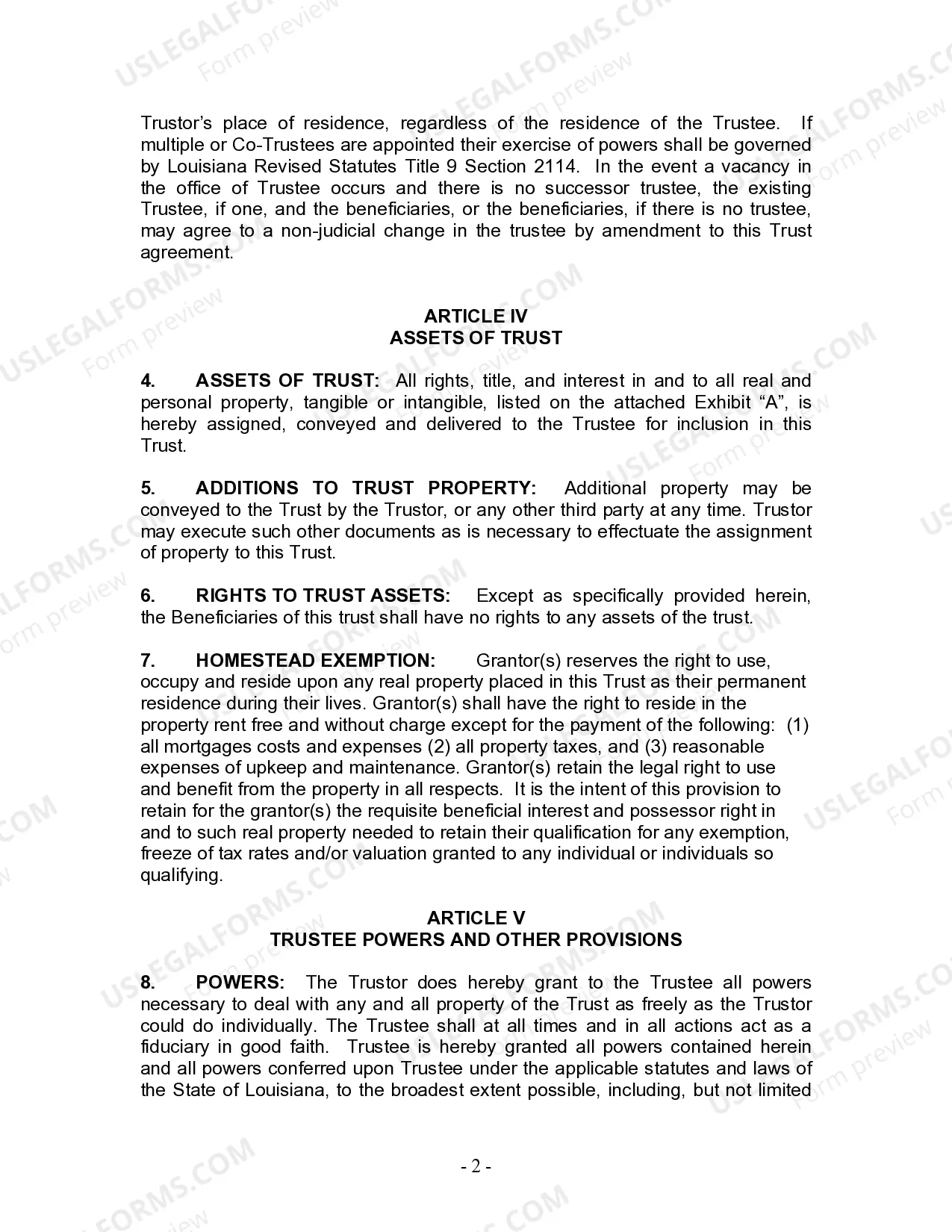
- Assets of Trust: Specification of the assets to be included in the trust and guidelines regarding property handling.
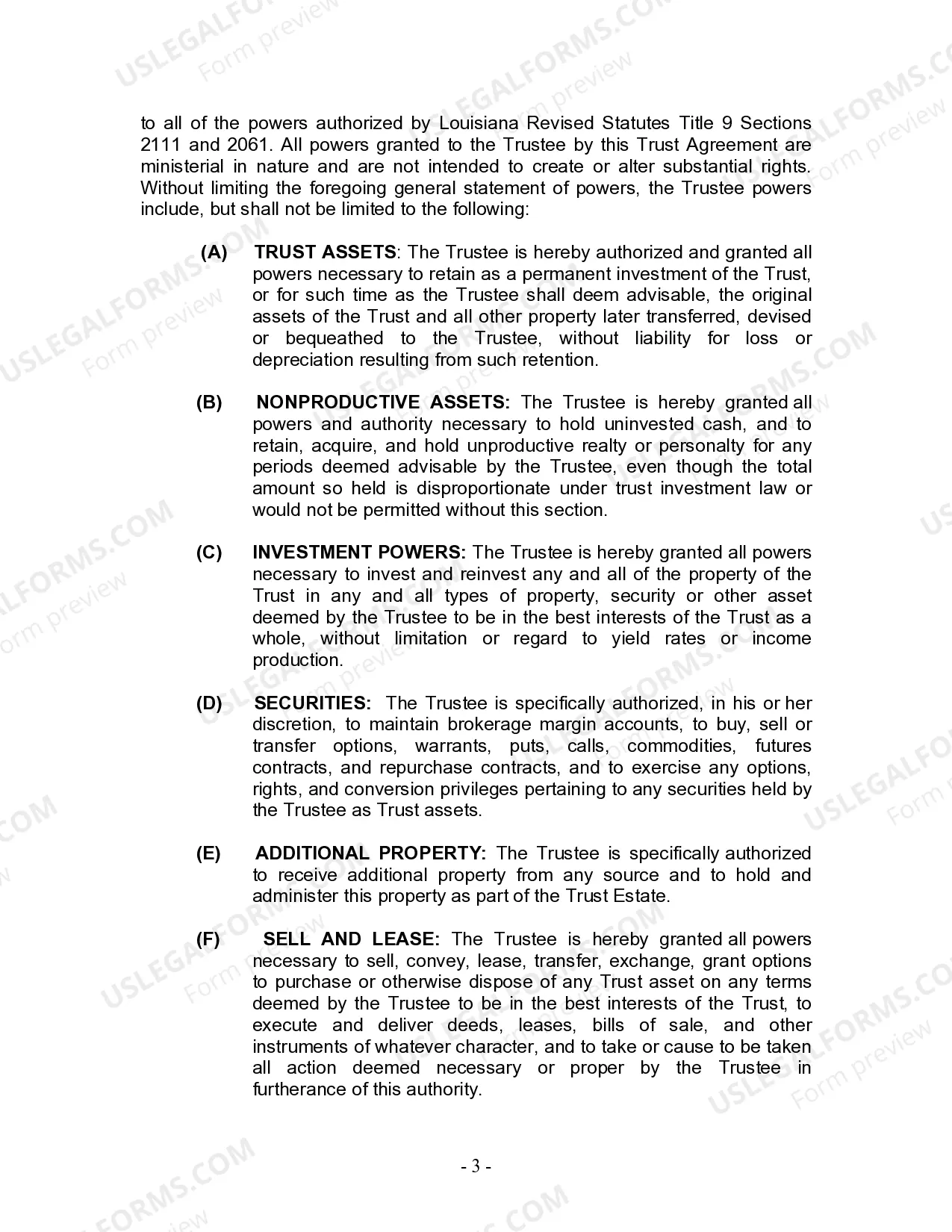
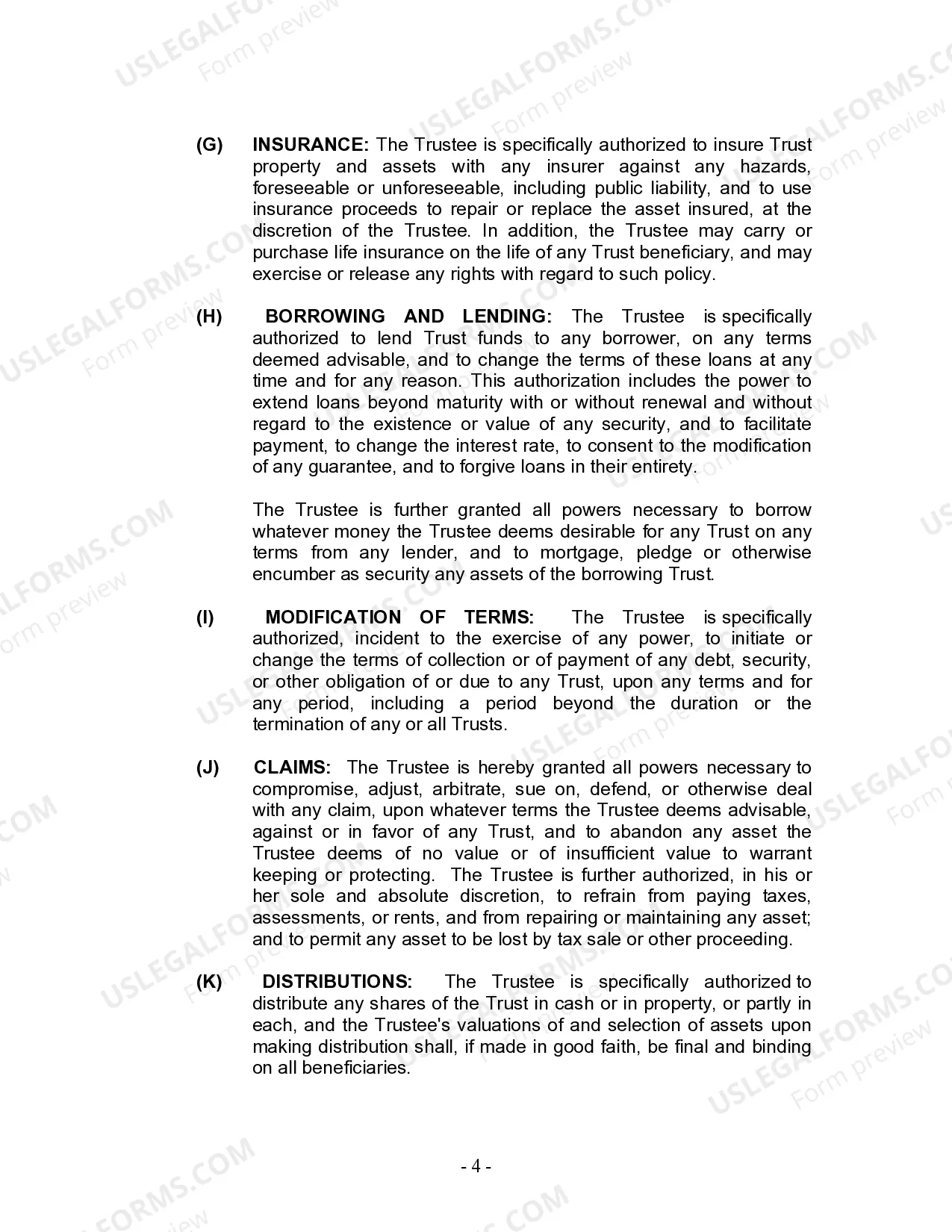
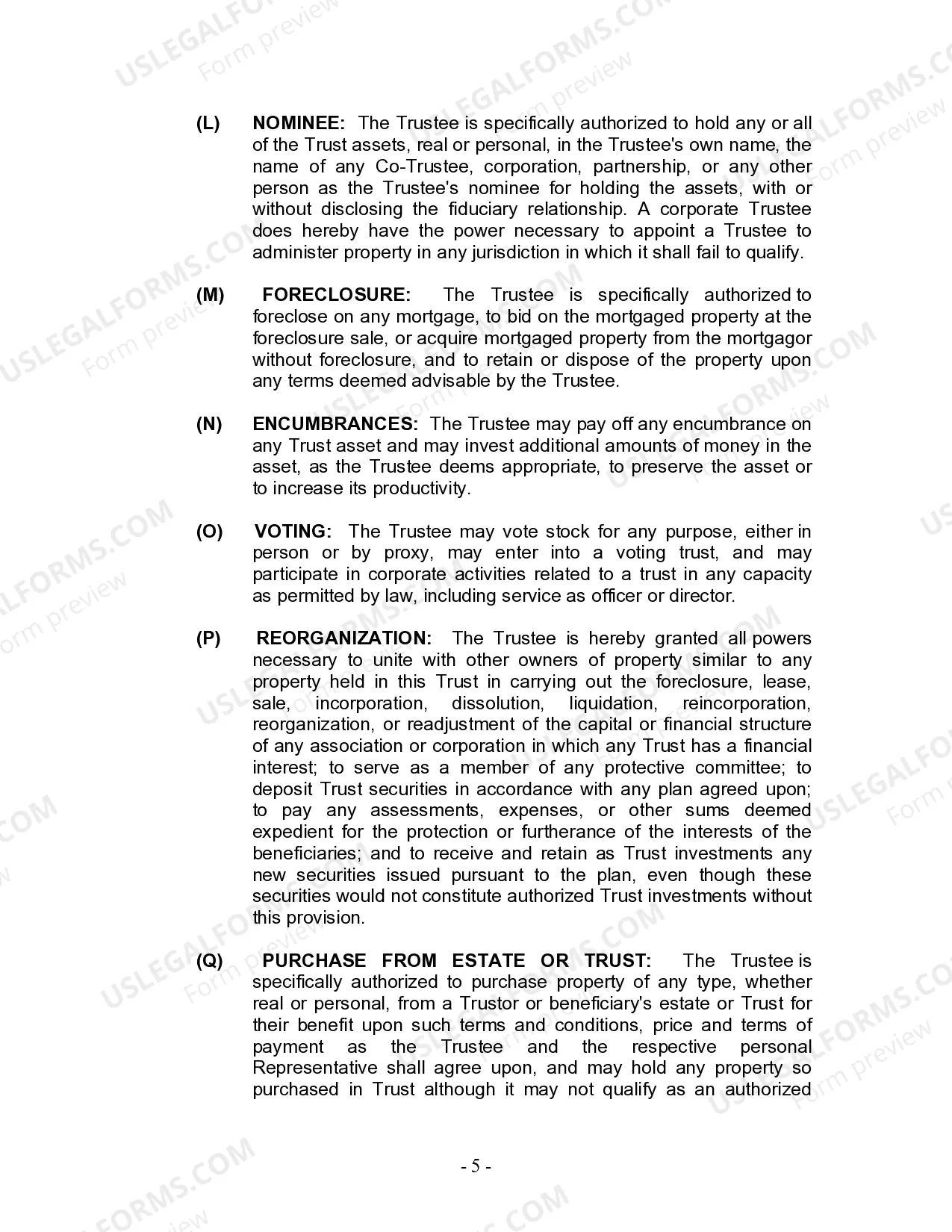
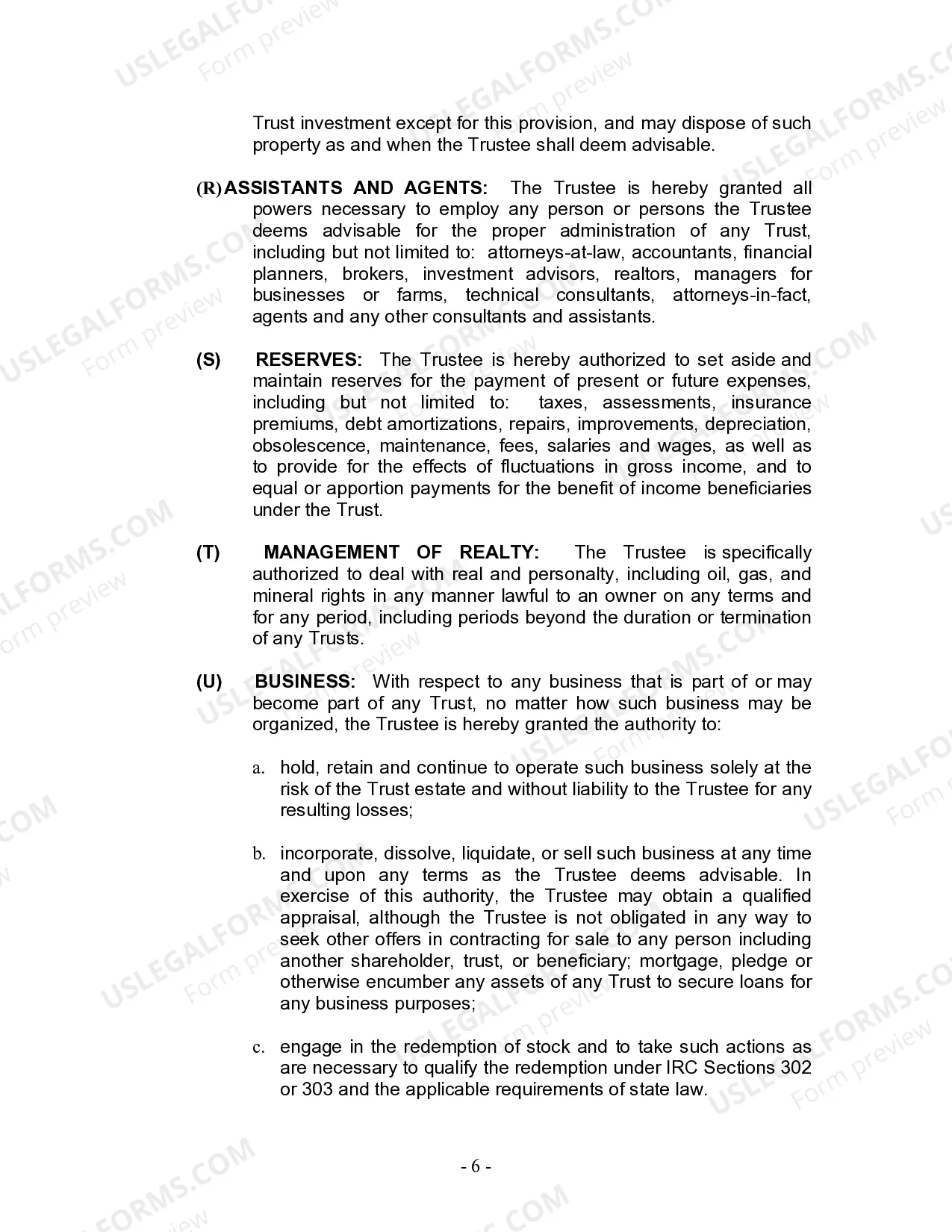
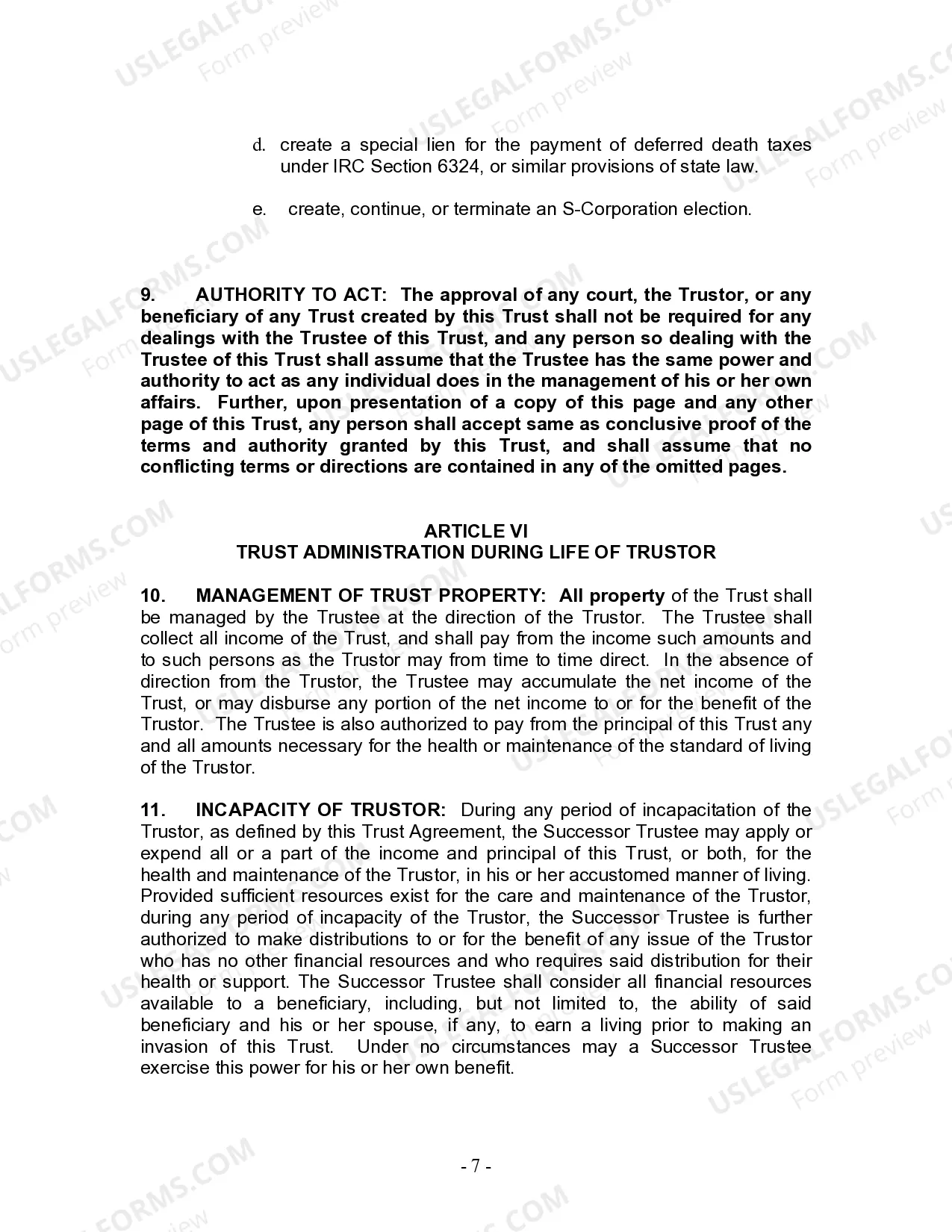
- Trustee Powers: Detailed powers granted to the trustee for asset management and distribution.
- Distribution Terms: Instructions on how and when trust assets should be distributed to beneficiaries after the Trustors' death.

When to use this form
This form is particularly useful when a husband and wife with a child wish to establish a living trust to manage their property and assets. It is ideal for those looking to avoid probate, ensure the seamless transfer of assets upon death, and maintain control over their estate planning while alive. Scenarios may include preparing for unexpected life events, simplifying estate management, or protecting assets for their child's future.
Who needs this form
This form is intended for:
- Married couples with one child seeking to establish a living trust.
- Individuals who want to avoid probate for their estate.
- Parents interested in securing their child's financial future and managing their assets effectively.
How to complete this form
To complete this Living Trust for Husband and Wife with One Child, follow these steps:
- Identify the parties involved, including the Trustors (husband and wife) and the designated trustee.
- Specify the name of the trust and include all relevant personal information of the Trustors.
- List all assets that will be included in the trust, making sure they are fully described.
- Appoint successor trustees in the event the initial trustee is unable to serve.
- Have the Trustors sign the document in the presence of a notary public, if required.
Does this form need to be notarized?
This form does not typically require notarization unless specified by local law. It's advisable to verify local requirements to ensure the document's legality.
Get your form ready online
Our built-in tools help you complete, sign, share, and store your documents in one place.
Make edits, fill in missing information, and update formatting in US Legal Forms—just like you would in MS Word.
Download a copy, print it, send it by email, or mail it via USPS—whatever works best for your next step.
Sign and collect signatures with our SignNow integration. Send to multiple recipients, set reminders, and more. Go Premium to unlock E-Sign.
If this form requires notarization, complete it online through a secure video call—no need to meet a notary in person or wait for an appointment.
We protect your documents and personal data by following strict security and privacy standards.

Make edits, fill in missing information, and update formatting in US Legal Forms—just like you would in MS Word.

Download a copy, print it, send it by email, or mail it via USPS—whatever works best for your next step.

Sign and collect signatures with our SignNow integration. Send to multiple recipients, set reminders, and more. Go Premium to unlock E-Sign.

If this form requires notarization, complete it online through a secure video call—no need to meet a notary in person or wait for an appointment.

We protect your documents and personal data by following strict security and privacy standards.
Common mistakes to avoid
- Failing to clearly identify all assets that should be placed in the trust.
- Not appointing backup trustees, which can lead to complications if the primary trustee is unable to serve.
- Overlooking the need for notarization in some jurisdictions.
Why complete this form online
- Convenience of creating a legally binding document online.
- Editability of the form allows for customization based on individual needs.
- Reliable templates developed by licensed attorneys, ensuring compliance with local laws.
- This trust is a legally recognized instrument for estate planning in Louisiana.
- It is enforceable within the jurisdiction, providing a clear pathway for asset distribution upon the death of the trustors.
- Properly executed, it helps avoid probate complications and delays.
Summary of main points
- The Living Trust for Husband and Wife with One Child is designed to simplify estate management for couples with one child.
- It allows for control over assets during life and avoids the probate process after death.
- Ensure all assets are correctly designated and that the document is notarized as required by Louisiana law.
Looking for another form?
Form popularity
FAQ
Separate trusts provide more flexibility in the event of a death in the marriage. Since the trust property is already divided, separate trusts preserve the surviving spouse's ability to amend or revoke assets held within their own trust, while ensuring that the deceased spouse's trust cannot be amended after death.
Under California law, a marriage automatically invalidates any pre-existing will or trust as to the new spouse's inheritance rights, unless the documents provide for a new spouse, or clearly indicate a new spouse will receive nothing.
Costs of setting up the trust. A trust agreement is a more complicated document than a basic will. Costs of funding the trust. Your living trust is useless if it doesn't hold any property. No income tax advantages. A will may still be required.
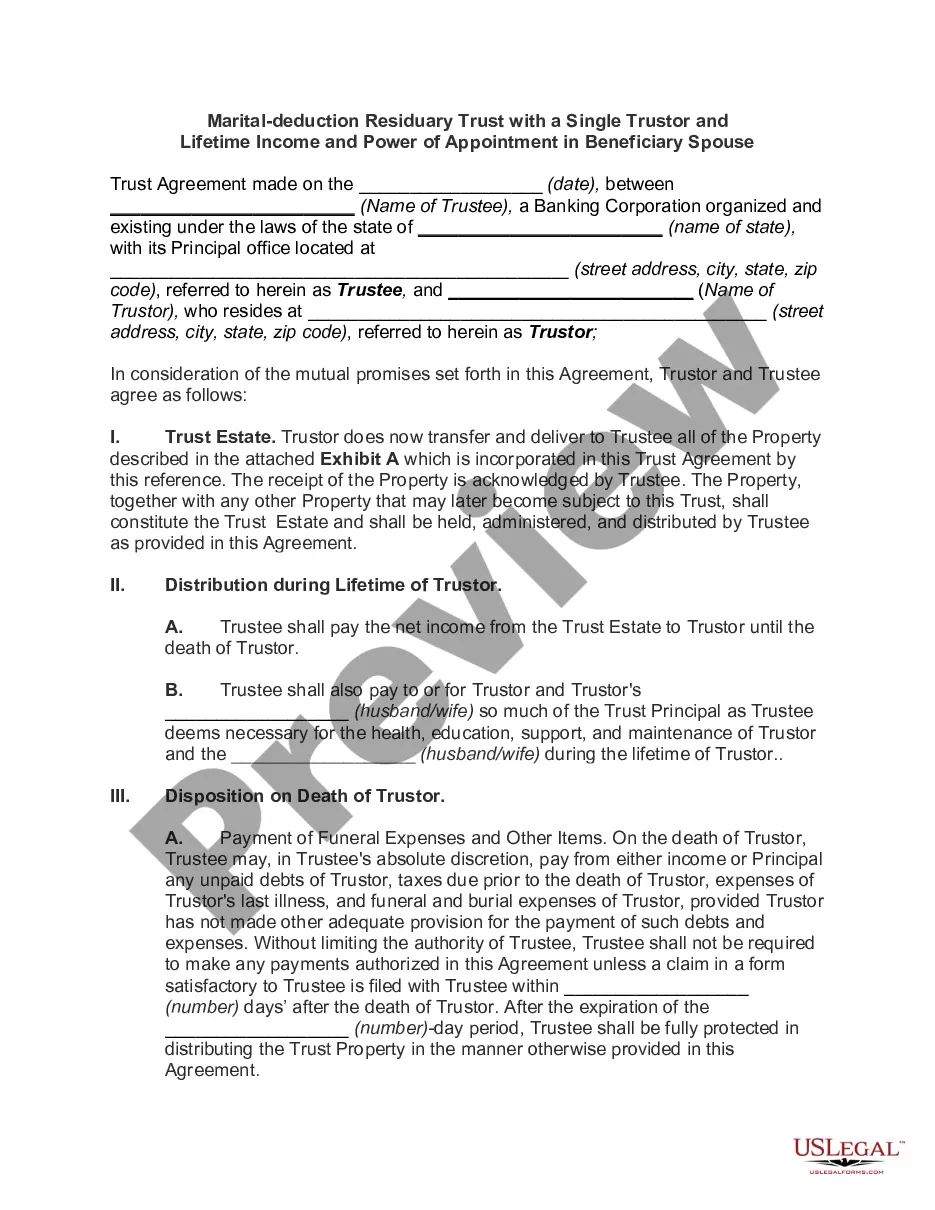
A Trust (or Marital Trust) It is a trust that takes advantage of the unlimited marital deduction in order to avoid estate taxes at the time of the first spouse's death in the event that the first spouse's individual estate is more than the individual exemption amount.
In Louisiana, your children are forced heirs if, at the time of your death, they have not attained age 24. Children of any age, who because of mental incapacity or physical infirmity, are permanently incapable of taking care of their person or administering their estate at the time of your death are also forced heirs.
A marital trust allows the couple's heirs to avoid probate and take less of a hit from estate taxes by taking full advantage of the unlimited marital deductiona provision that enables spouses to pass assets to each other without tax consequences.
A marital trust allows the couple's heirs to avoid probate and take less of a hit from estate taxes by taking full advantage of the unlimited marital deductiona provision that enables spouses to pass assets to each other without tax consequences.
At the time of your death, the assets in your family trust are protected by the exemption, and the assets in your marital trust are protected by the marital deduction. No estate taxes are due.
A marital trust is a type of irrevocable trust that allows you to transfer assets to a surviving spouse tax free. It can also shield the estate of the surviving spouse before the remaining assets pass on to your children.