Louisiana Affidavit of Lost Promissory Note
Understanding this form
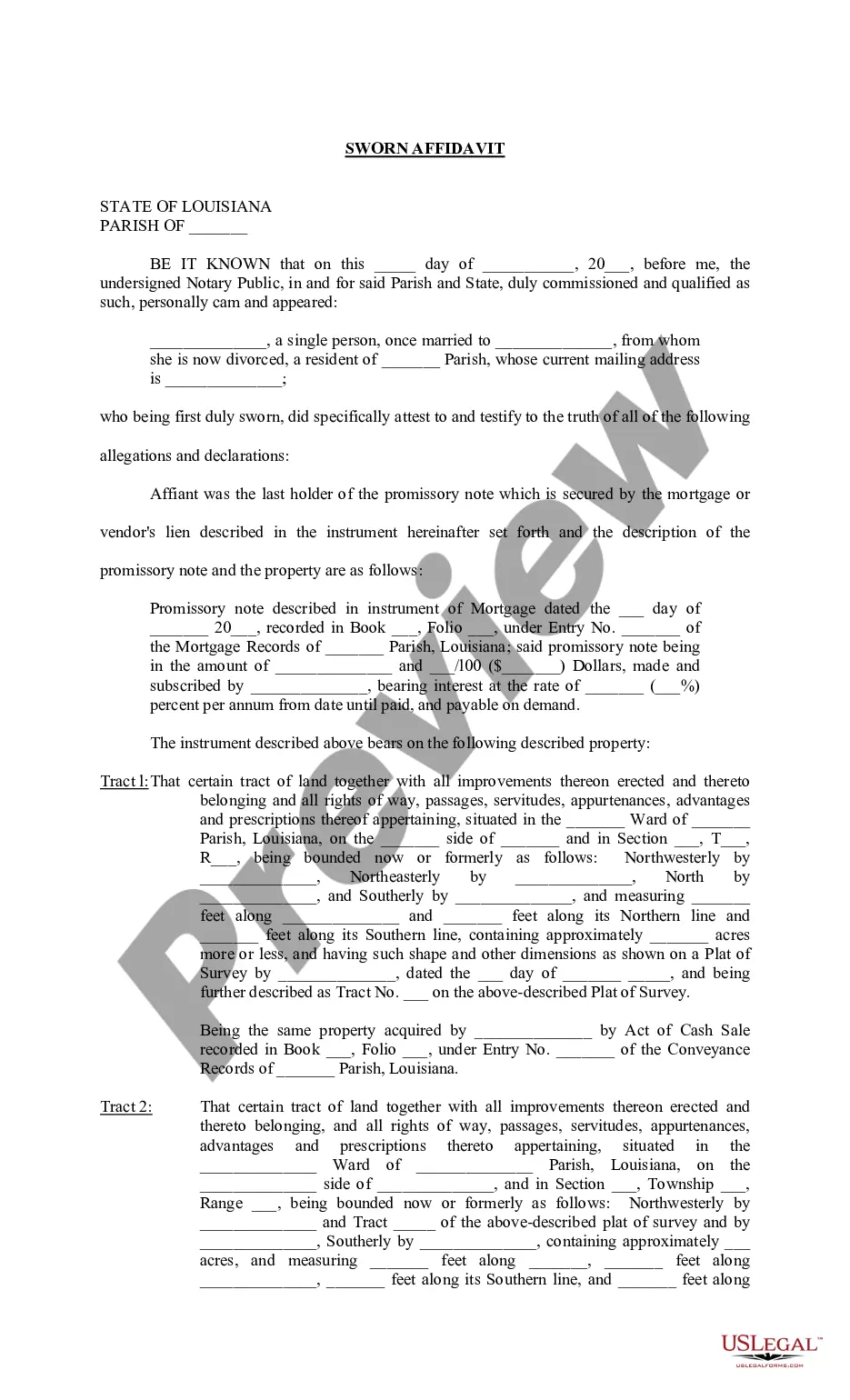
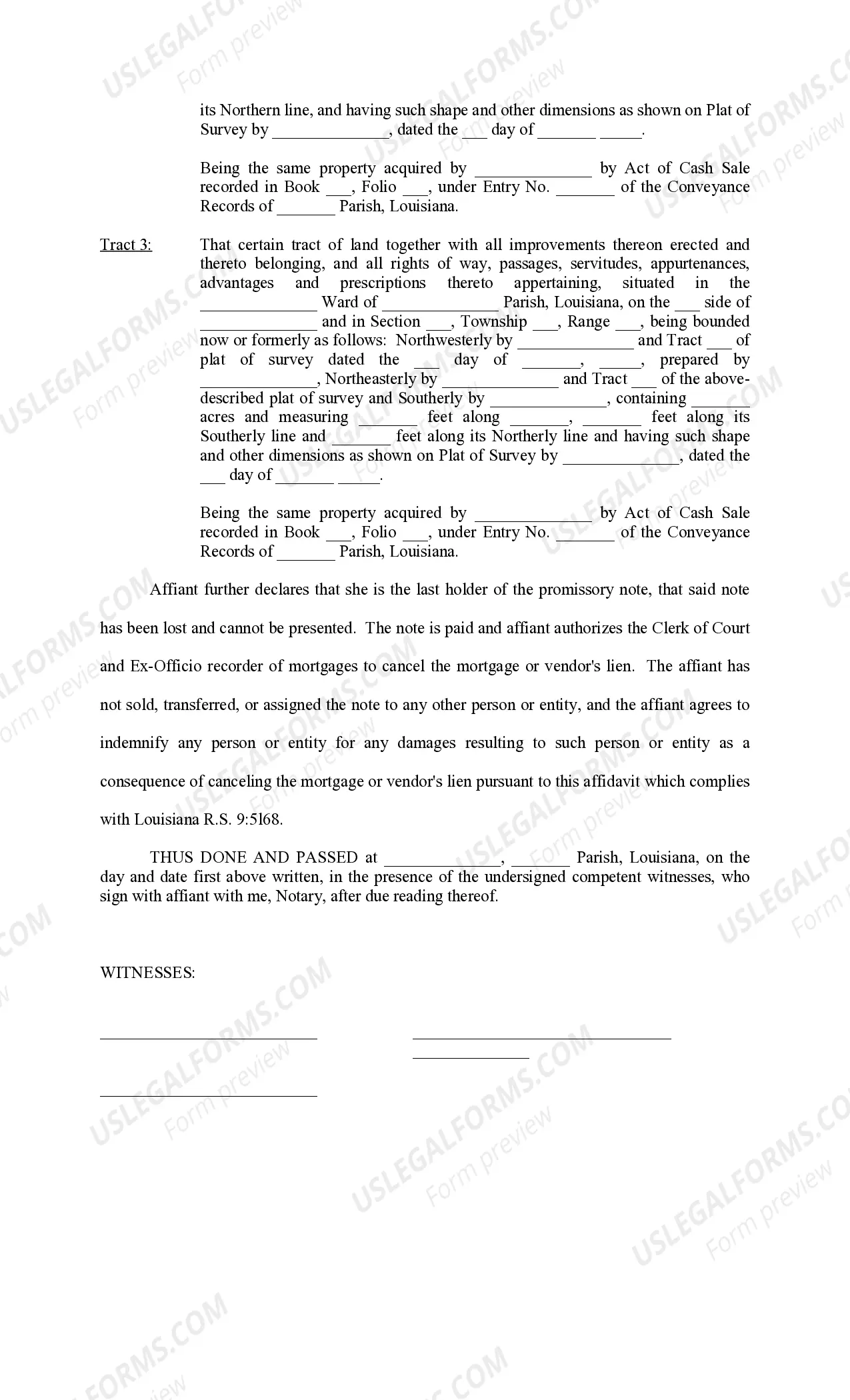
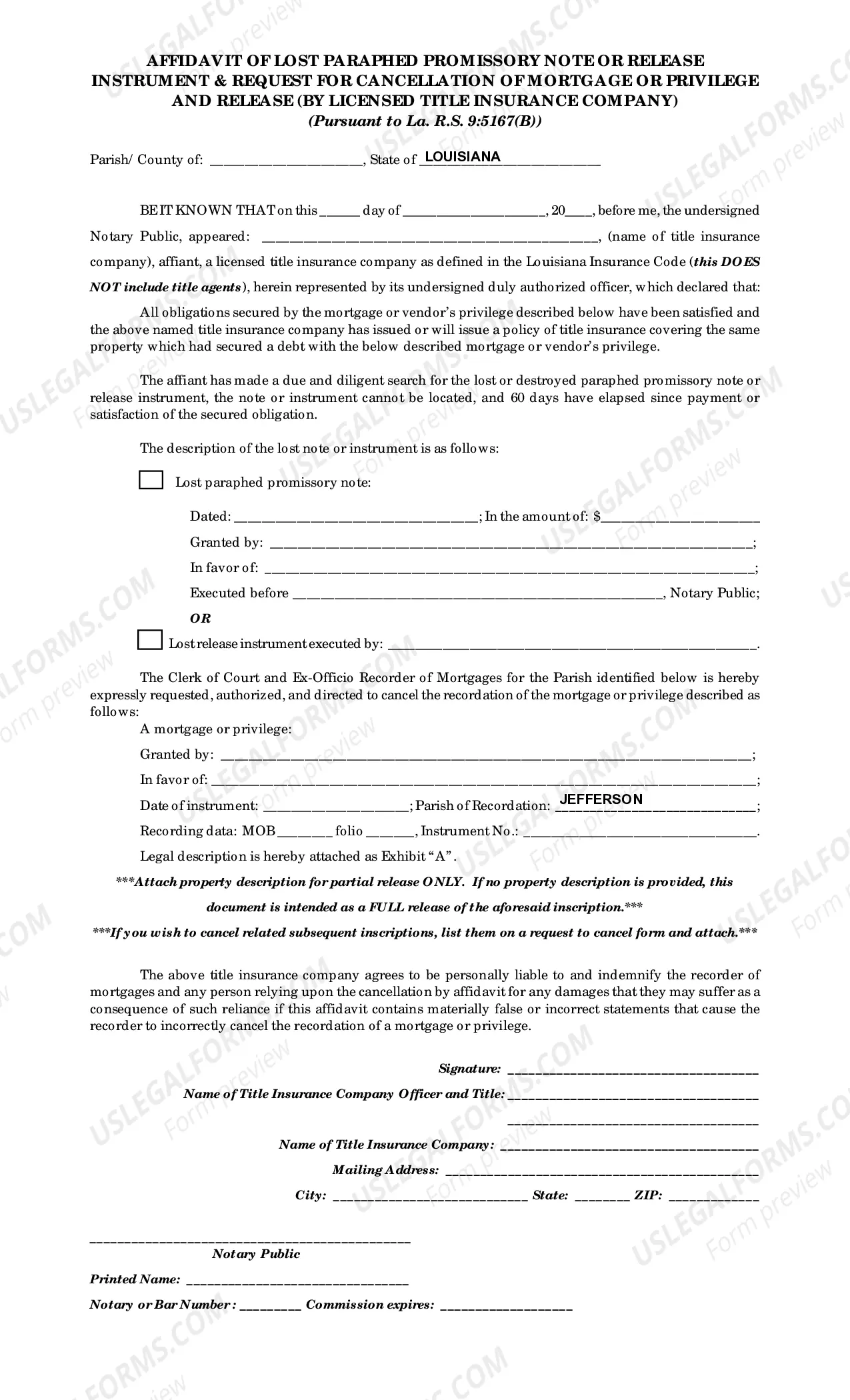
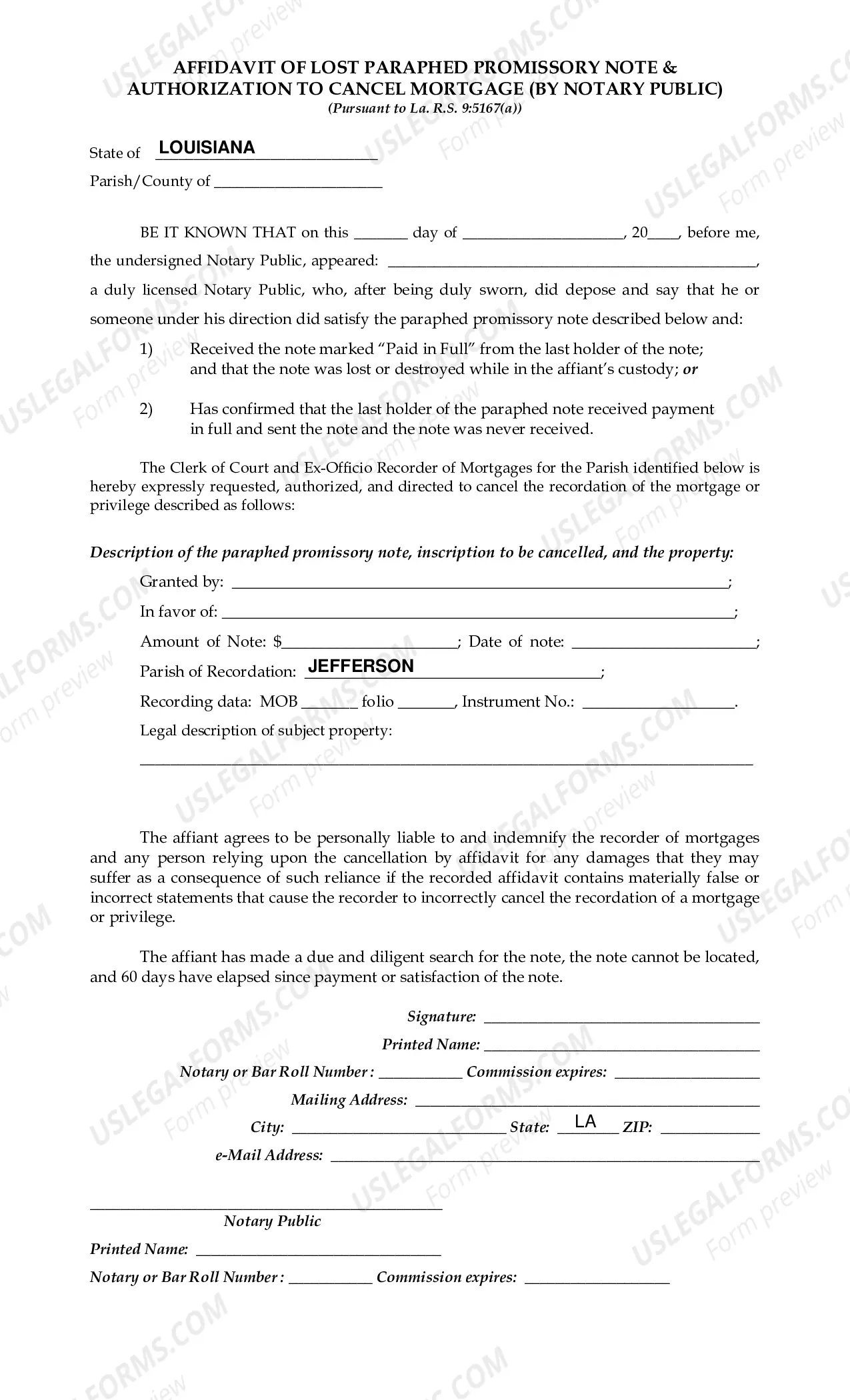
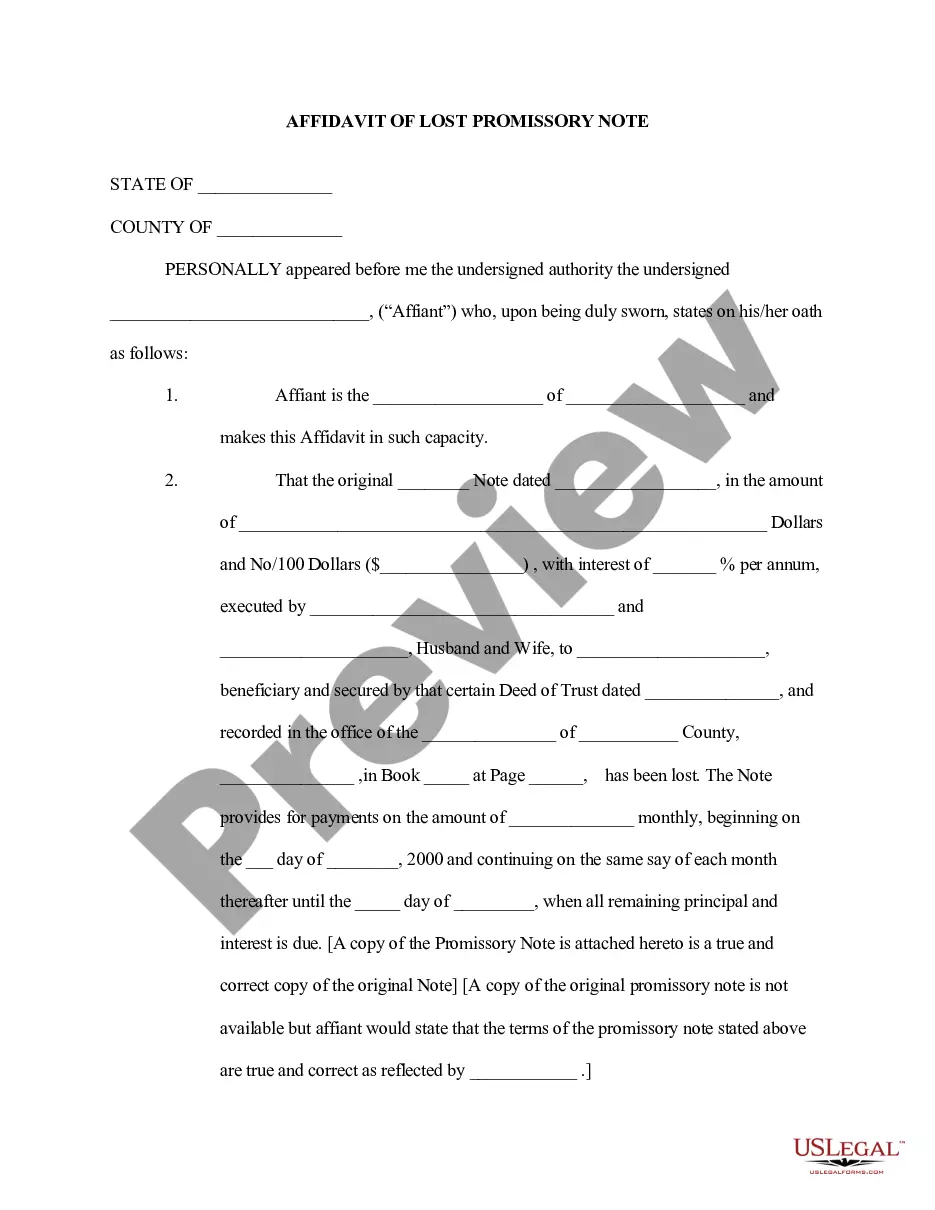
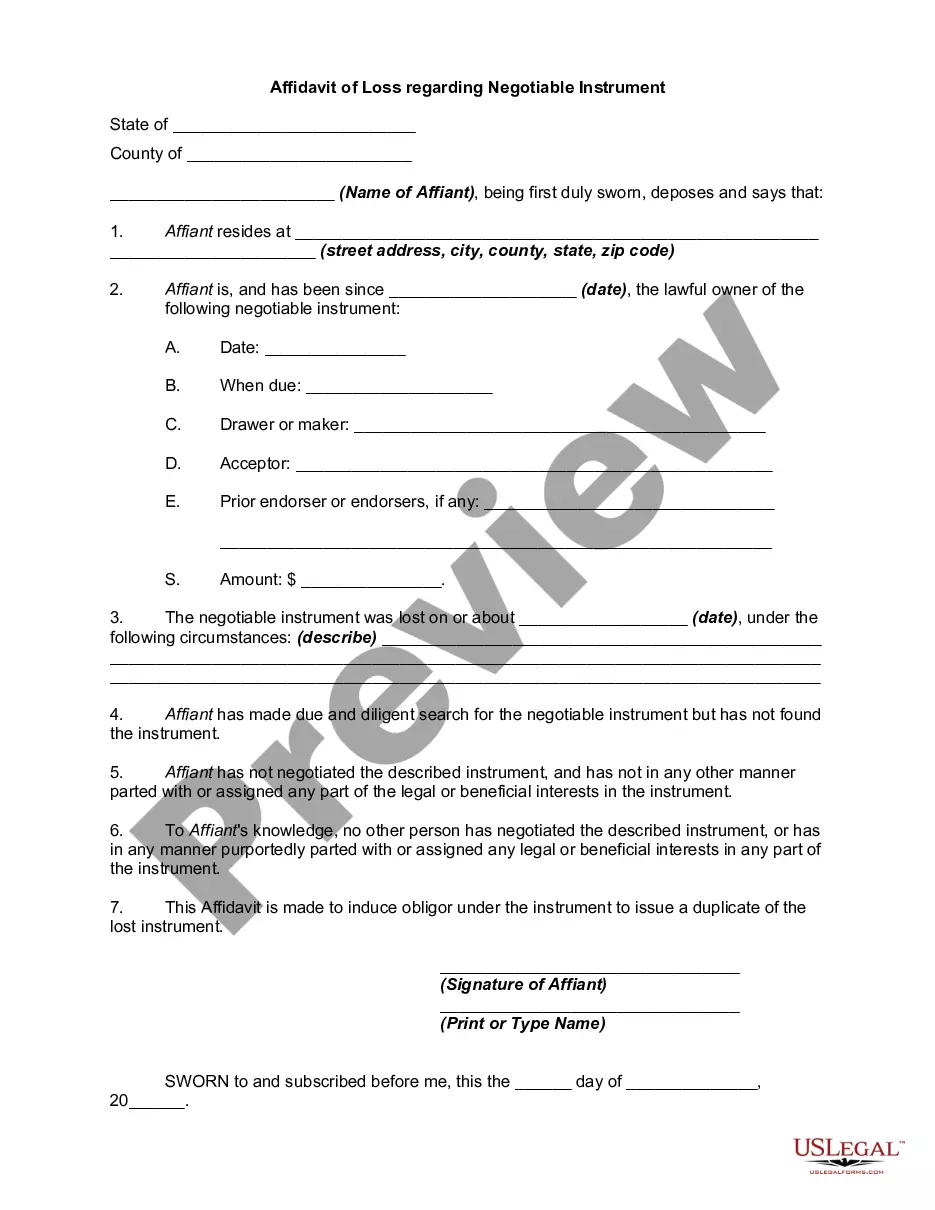
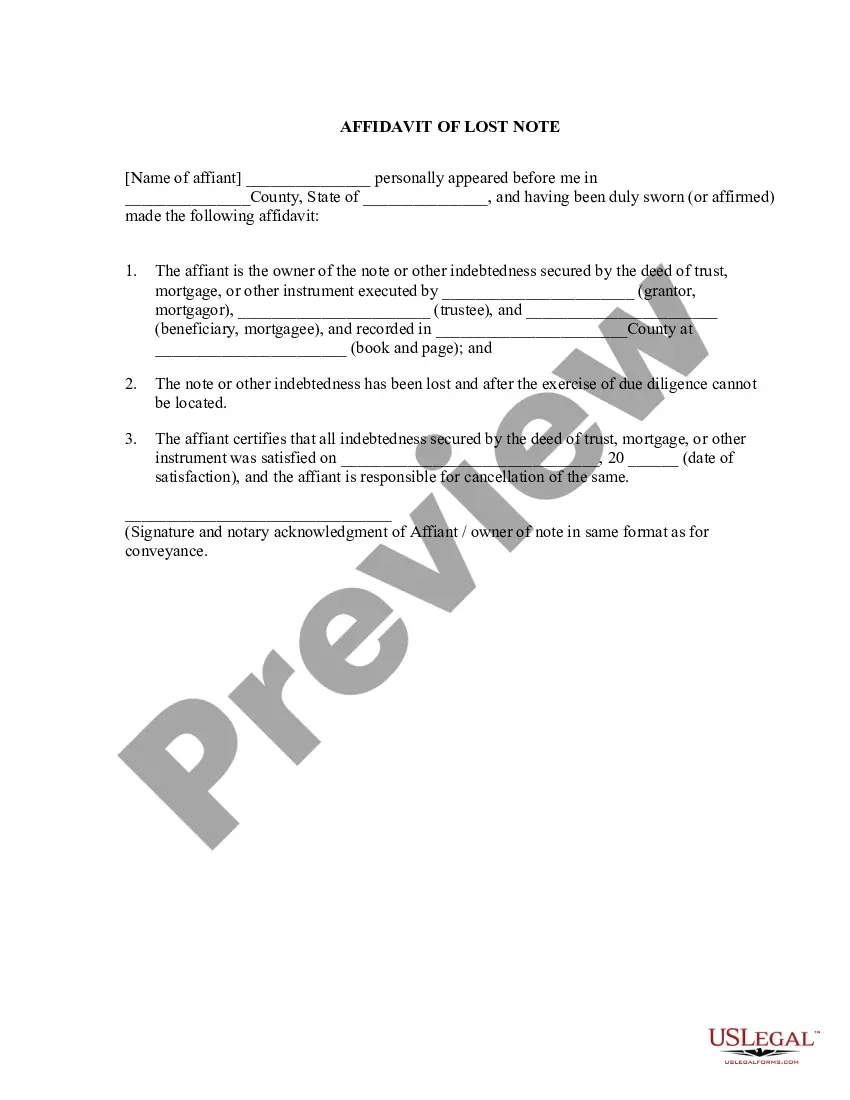
The Affidavit of Lost Promissory Note is a legal document used by a person (the affiant) to declare the loss of a promissory note that they previously held. This document states that the note has been paid in full and authorizes the cancellation of any associated mortgages or vendorâs liens. Unlike other forms, this affidavit specifically addresses situations where a promissory note is lost but has been satisfied, ensuring the affiant's interests are protected.
Key parts of this document
- Identification of the affiant and their relationship to the promissory note.
- Details about the lost promissory note, including amount and interest rate.
- Authorization for the Clerk of Court to cancel any mortgage or vendorâs lien associated with the note.
- Statement confirming that the note has not been sold or transferred to any other party.
- Indemnity clause protecting against potential future claims related to the cancellation of the mortgage or vendorâs lien.
Situations where this form applies
This form is typically used when you have lost a promissory note and need to confirm that it has been paid. It is essential in situations where cancellation of a related mortgage or vendorâs lien is necessary to clear titles to property or fulfill legal obligations. Common scenarios include real estate transactions, refinancing, or when seeking to correct public property records.
Who can use this document
- Individuals who are the last hold of a promissory note that has been lost.
- Homeowners needing to cancel a mortgage or vendorâs lien on their property.
- Borrowers who have completed payment on a loan but cannot locate the note.
- Anyone seeking to provide a legal declaration of the noteâs status for property records.
Instructions for completing this form
- Identify and provide the full name and details of the affiant.
- Fill in the date the affidavit is being sworn and the notary's details.
- Describe the promissory note, including the amount and interest rate.
- Specify the property associated with the mortgage or vendorâs lien.
- Include a statement affirming the note has been paid and is lost.
- Obtain necessary signatures from the affiant and witnesses, followed by notarization.
Does this form need to be notarized?
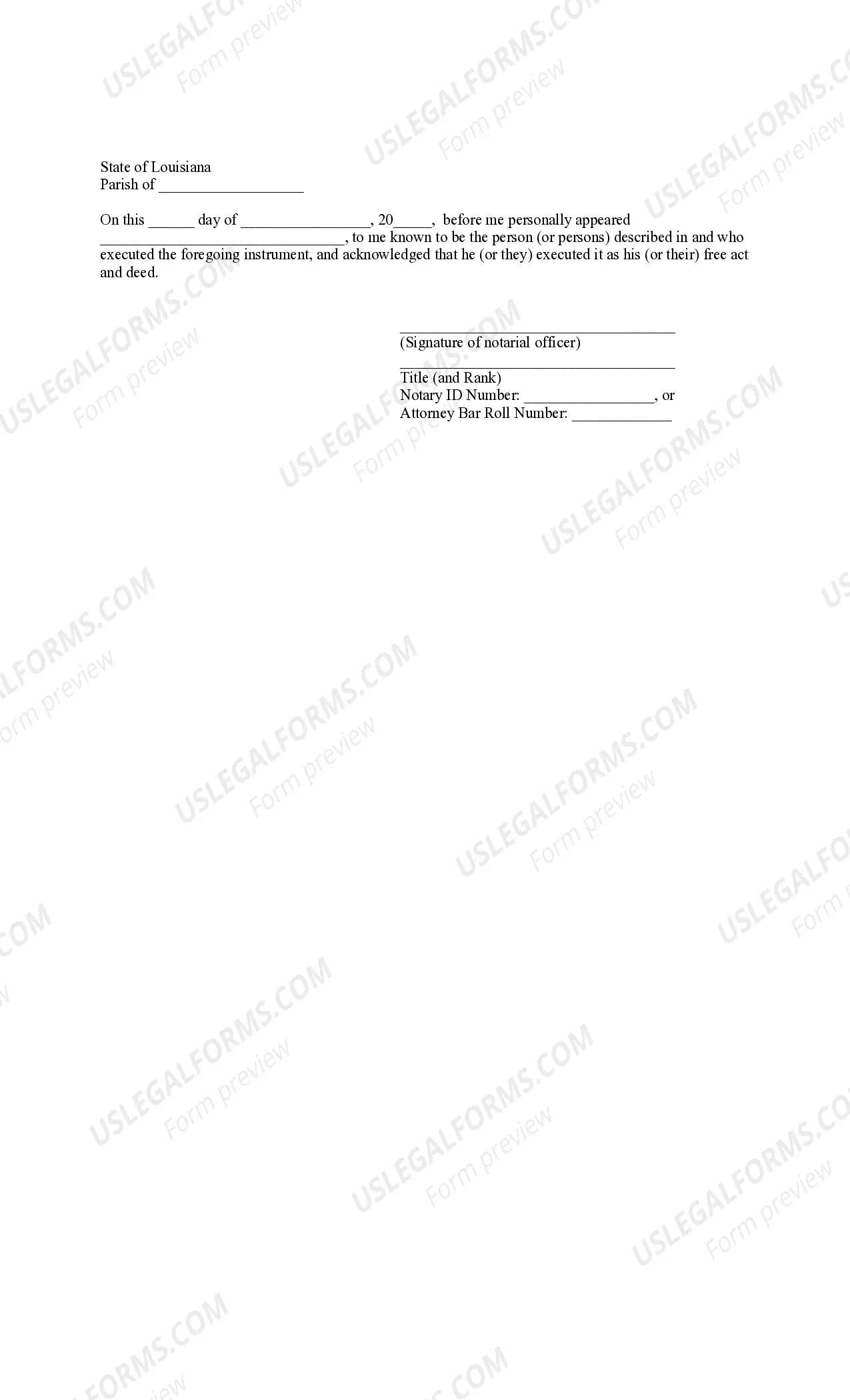
Yes, this form must be notarized to be legally valid. Using US Legal Forms, you can benefit from integrated online notarization, available 24/7, allowing you to complete the process securely through a video call without the need for travel.
Get your form ready online
Our built-in tools help you complete, sign, share, and store your documents in one place.
Make edits, fill in missing information, and update formatting in US Legal Forms—just like you would in MS Word.
Download a copy, print it, send it by email, or mail it via USPS—whatever works best for your next step.
Sign and collect signatures with our SignNow integration. Send to multiple recipients, set reminders, and more. Go Premium to unlock E-Sign.
If this form requires notarization, complete it online through a secure video call—no need to meet a notary in person or wait for an appointment.
We protect your documents and personal data by following strict security and privacy standards.

Make edits, fill in missing information, and update formatting in US Legal Forms—just like you would in MS Word.

Download a copy, print it, send it by email, or mail it via USPS—whatever works best for your next step.

Sign and collect signatures with our SignNow integration. Send to multiple recipients, set reminders, and more. Go Premium to unlock E-Sign.

If this form requires notarization, complete it online through a secure video call—no need to meet a notary in person or wait for an appointment.

We protect your documents and personal data by following strict security and privacy standards.
Common mistakes
- Failing to fully identify the promissory note or property involved.
- Not including a complete indemnity clause.
- Leaving sections blank or failing to sign in the presence of a notary.
- Not providing accurate details regarding past ownership of the note.
Benefits of using this form online
- Convenience of completing the form from home without needing to visit an attorney's office.
- Editability to customize fields as per individual situation before downloading.
- Access to reliable templates that comply with current legal standards.
- Time-efficient process to quickly secure necessary documents for legal use.
Quick recap
- The Affidavit of Lost Promissory Note helps in formally stating the loss of a promissory note that cannot be presented.
- It allows the affiant to cancel associated liens, clarifying their legal standing regarding the property.
- Properly completing and notarizing the affidavit is crucial to its legal effectiveness.
Looking for another form?


Form popularity
FAQ
Who must sign the promissory note? A loan agreement is signed by both parties but only the borrowing party needs to sign a promissory note. A witness need not sign but the note can be notarized as evidence that the borrower did sign the document.
Unlike a mortgage or deed of trust, the promissory note isn't recorded in the county land records. The lender holds the promissory note while the loan is outstanding. When the loan is paid off, the note is marked as "paid in full" and returned to the borrower.
Promissory notes are a valuable legal tool that any individual can use to legally bind another individual to an agreement for purchasing goods or borrowing money. A well-executed promissory note has the full effect of law behind it and is legally binding on both parties.
Before a promissory note can be canceled, the lender must agree to the terms of canceling it. A well-drafted and detailed promissory note can help the parties involved avoid future disputes, misunderstandings, and confusion. When canceling the promissory note, the process is referred to as a release of the note.
The buyer of the note becomes what is called a holder because they hold your note as the owner of it. A holder has a special right to collect from you right away if you don't pay. But only the holder of an original promissory note can collect from you. A promissory note can change many hands as it is bought and sold.
A promissory note, in simplest terms, is the acknowledgment of a debt.Even if a promissory note is lost, the legal obligation to repay the loan remains. The lender has a right to re-establish the note legally as long as it has not sold or transferred the note to another party.
The lender can provide copies of the documents signed at closing. If the loan has changed hands, contact the most current servicer for a copy of your mortgage or deed of trust documents. A lender is required under the Federal Servicer Act to provide you copies of your loan documents if you submit a written request.
Unlike a mortgage or deed of trust, the promissory note isn't recorded in the county land records. The lender holds the promissory note while the loan is outstanding. When the loan is paid off, the note is marked as "paid in full" and returned to the borrower.
Unlike a mortgage or deed of trust, the promissory note isn't recorded in the county land records. The lender holds the promissory note while the loan is outstanding. When the loan is paid off, the note is marked as "paid in full" and returned to the borrower.