Louisiana Judgment on Rule for Child Support
Understanding this form
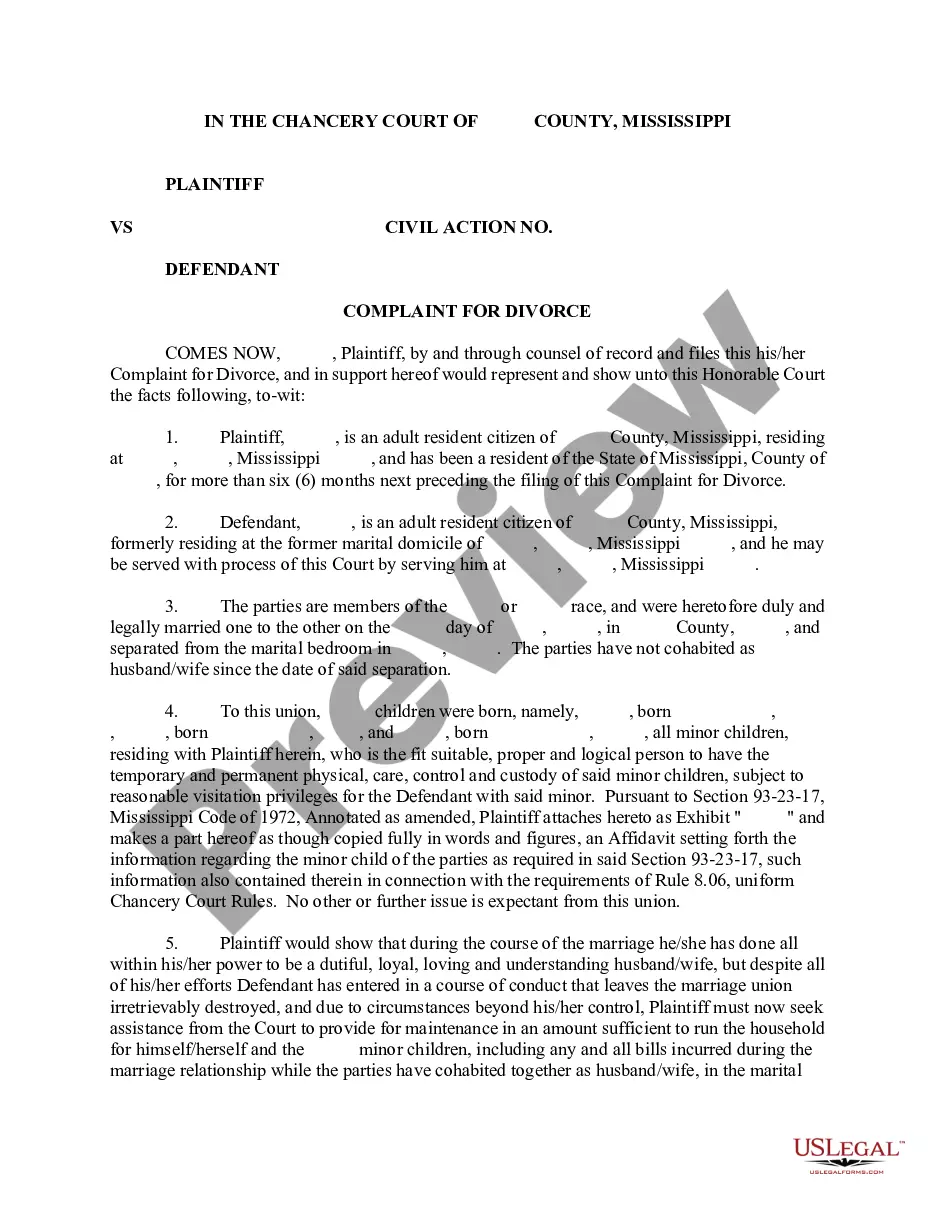
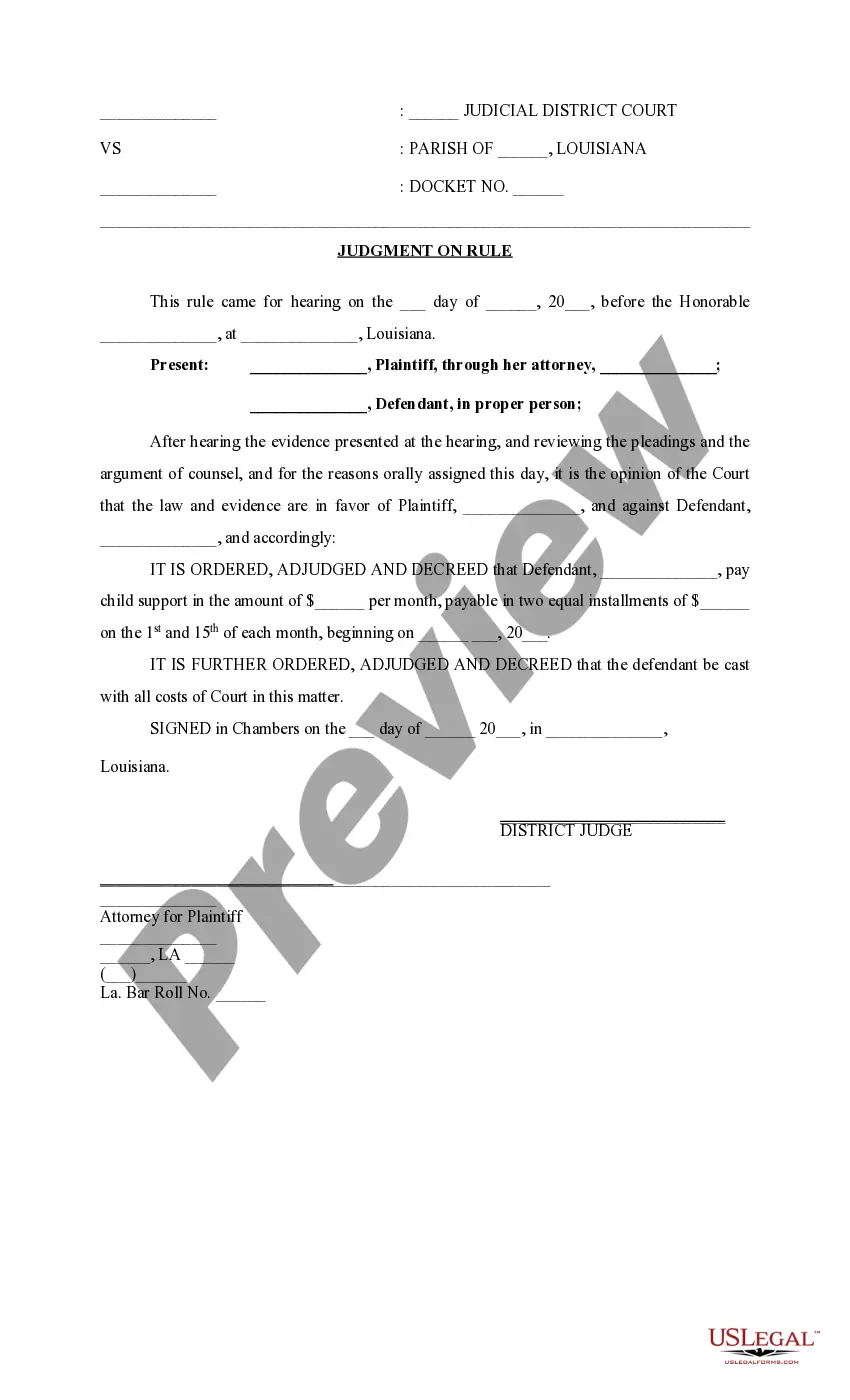
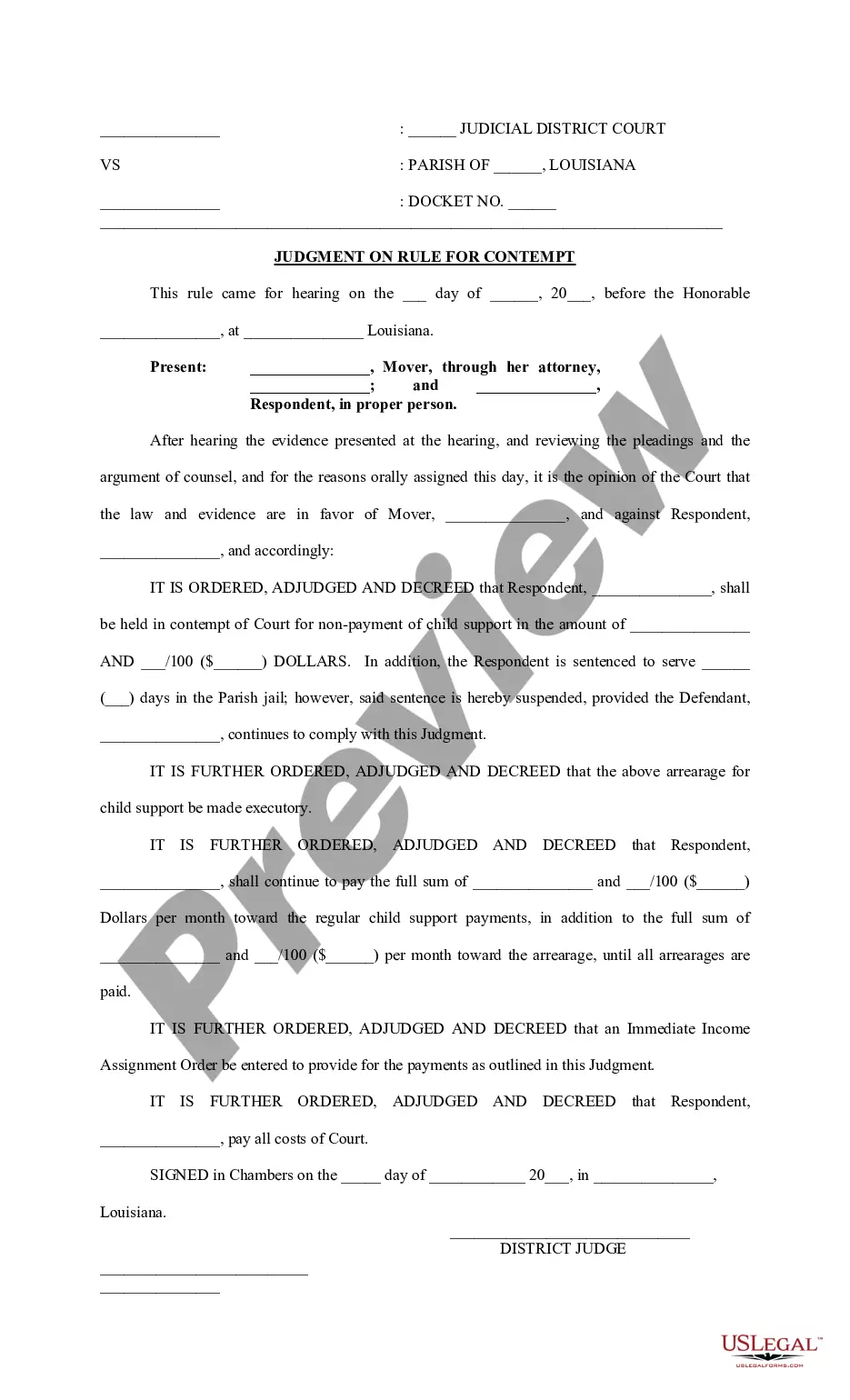
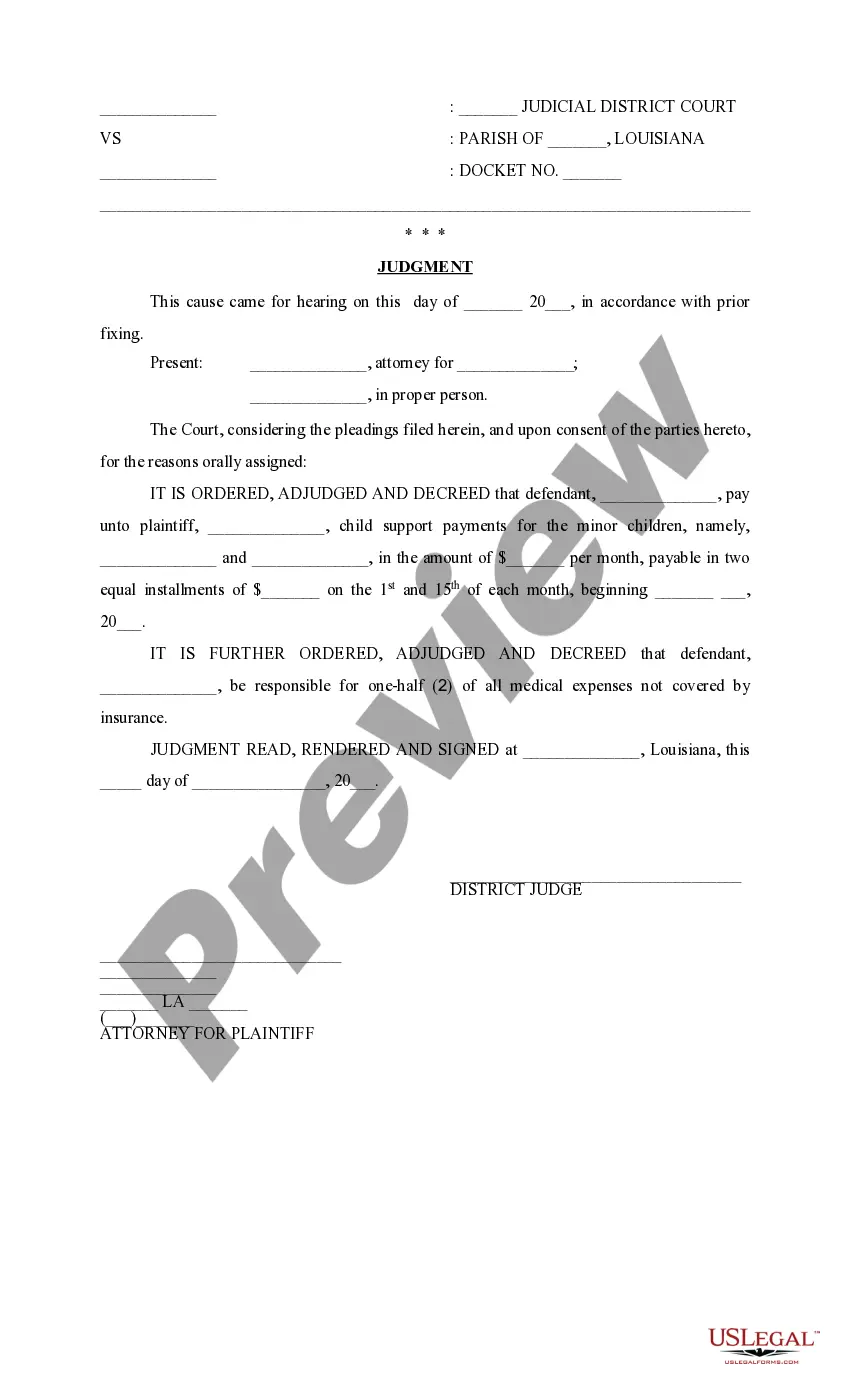
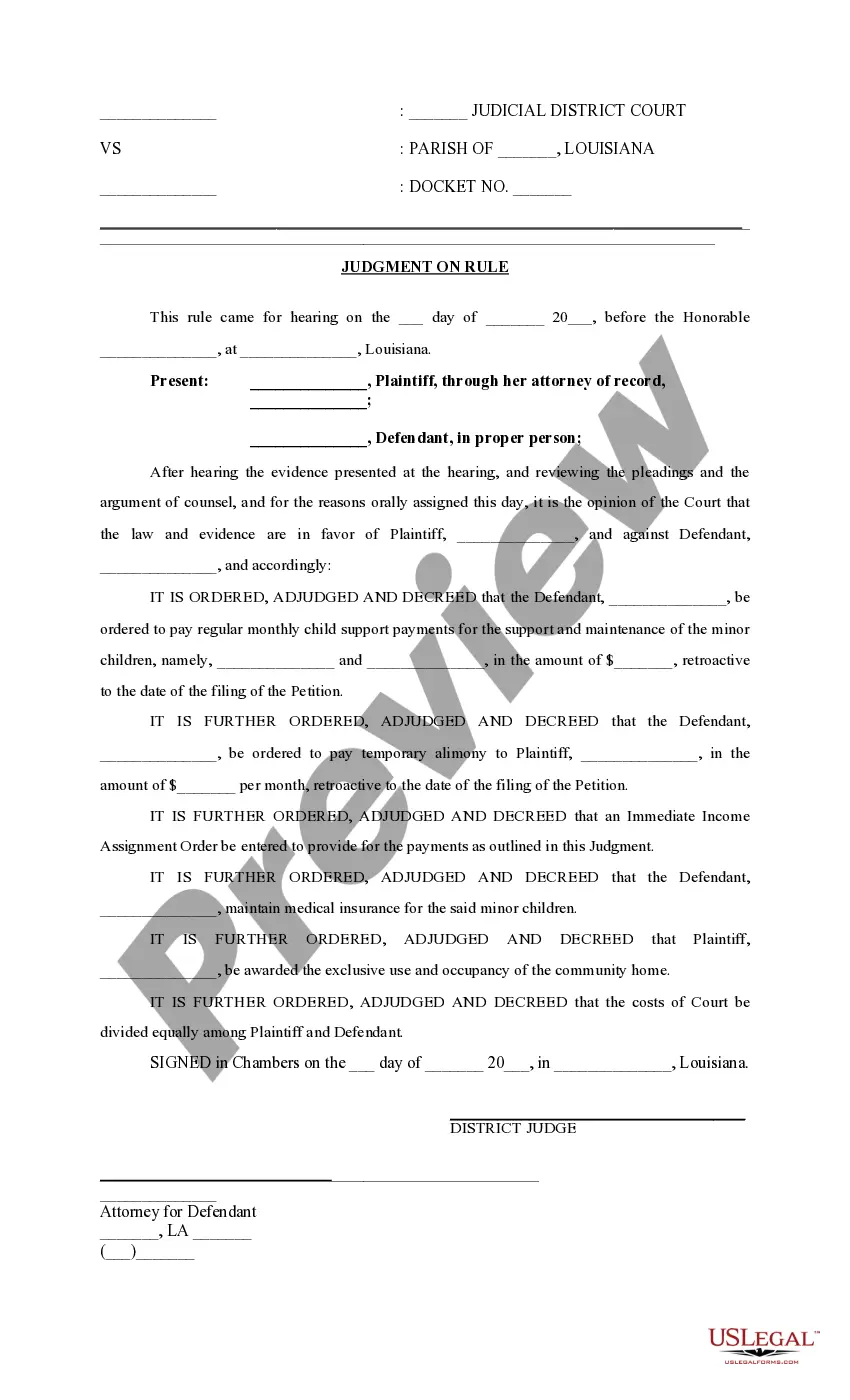
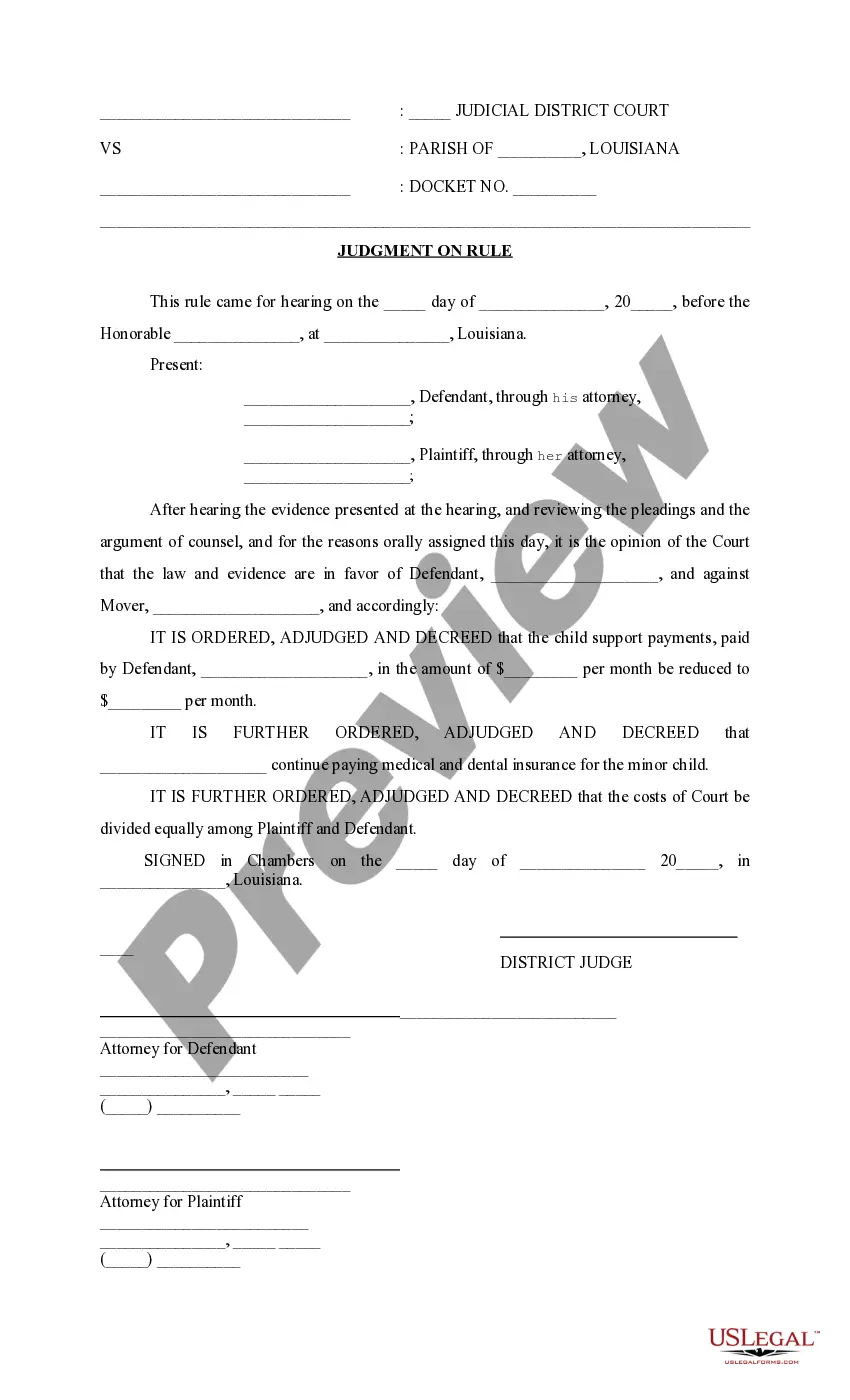
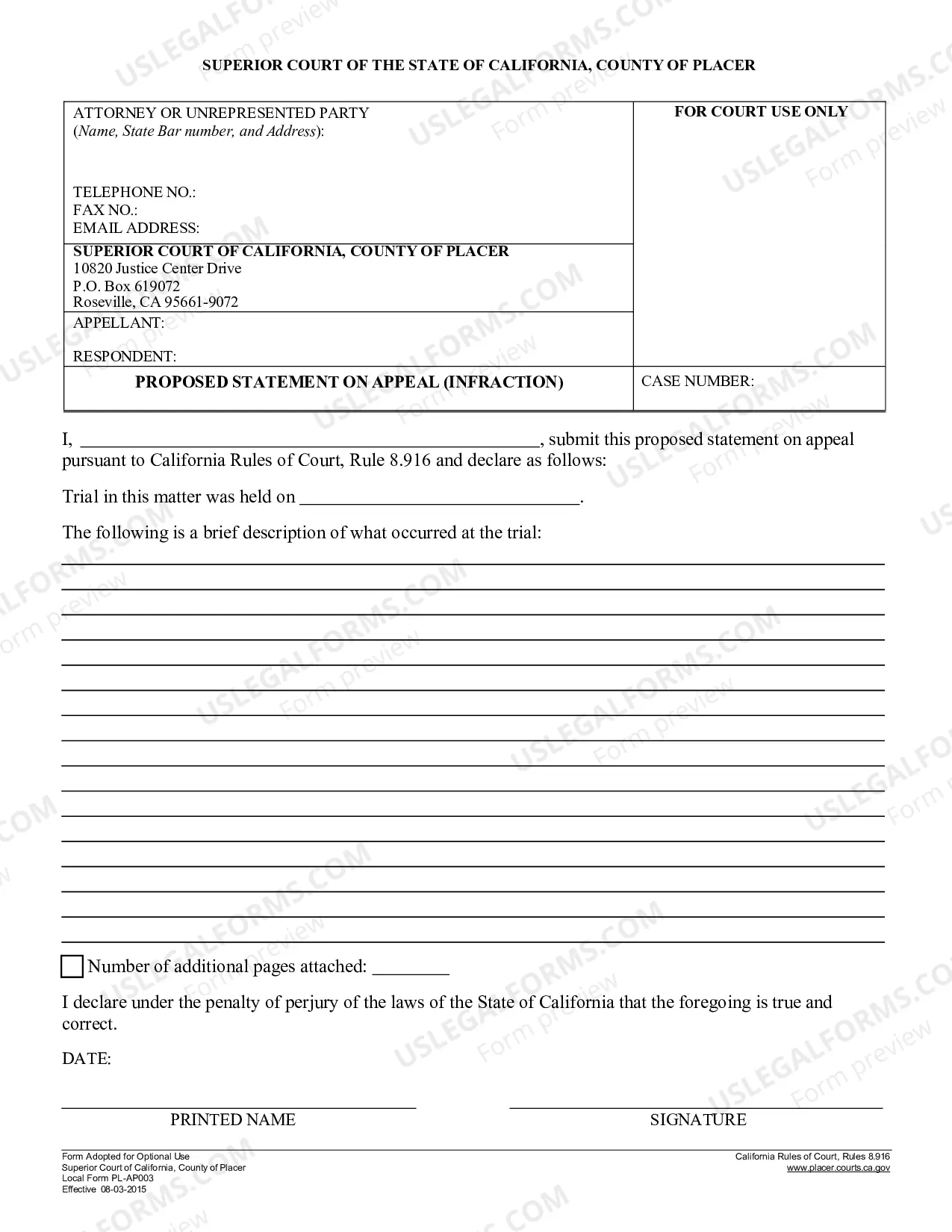
The Judgment on Rule for Child Support is a legal document issued by a court that outlines the terms of child support payments. It is specifically designed for cases where one party (the defendant) is required to make financial contributions to support a child following a legal ruling. This form differs from other child support forms by providing a formal judgment that includes specific payment amounts, schedules, and the assignment of court costs, making it an essential tool for enforcing child support orders.
Form components explained
- The court's name and jurisdiction.
- The docket number related to the case.
- The date of the court hearing.
- Name of the plaintiff and the defendant.
- Amount of child support owed per month.
- Payment schedule, specifying due dates for installments.
- Assignment of court costs to the defendant.
- Signature of the presiding judge.
When this form is needed
This form should be used when a court has ruled on a child support case and a judgment is necessary to formalize the support obligations of the non-custodial parent. If you are seeking to establish or modify the terms of child support as determined by the court, this form provides the necessary legal framework to ensure compliance with the courtâs order.
Who needs this form
This form is intended for:
- Parents or guardians seeking to formalize child support arrangements.
- Individuals who have received a court ruling regarding child support obligations.
- Attorneys representing clients in child support cases.
Steps to complete this form
- Enter the parish and court name at the top of the form.
- Fill in the docket number associated with the child support case.
- Provide the date of the hearing and the names of the parties involved.
- Specify the amount of monthly child support and establish payment details.
- Include the commencement date for payments.
- Ensure the judge's signature is provided at the bottom of the form.
Does this document require notarization?
This form does not typically require notarization unless specified by local law. Ensure to review the specific legal requirements in your jurisdiction to confirm whether notarization is necessary.
Get your form ready online
Our built-in tools help you complete, sign, share, and store your documents in one place.
Make edits, fill in missing information, and update formatting in US Legal Forms—just like you would in MS Word.
Download a copy, print it, send it by email, or mail it via USPS—whatever works best for your next step.
Sign and collect signatures with our SignNow integration. Send to multiple recipients, set reminders, and more. Go Premium to unlock E-Sign.
If this form requires notarization, complete it online through a secure video call—no need to meet a notary in person or wait for an appointment.
We protect your documents and personal data by following strict security and privacy standards.

Make edits, fill in missing information, and update formatting in US Legal Forms—just like you would in MS Word.

Download a copy, print it, send it by email, or mail it via USPS—whatever works best for your next step.

Sign and collect signatures with our SignNow integration. Send to multiple recipients, set reminders, and more. Go Premium to unlock E-Sign.

If this form requires notarization, complete it online through a secure video call—no need to meet a notary in person or wait for an appointment.

We protect your documents and personal data by following strict security and privacy standards.
Common mistakes to avoid
- Failing to specify the correct court and docket number.
- Omitting the payment schedule or amounts.
- Not signing the judgment by the presiding judge.
- Incorrectly filling out the names of the plaintiff and defendant.
Why use this form online
- Convenient access to a legally sound template, drafted by licensed attorneys.
- Editable and customizable fields to fit individual circumstances.
- Reliable format that complies with state-specific legal requirements.
Summary of main points
- The Judgment on Rule for Child Support is essential for legally documenting child support obligations.
- It is designed specifically for use in Louisiana, following state laws.
- Accurate completion of this form is crucial for enforceability in court.
- Online access to this form provides convenience and reliability.
Looking for another form?
Form popularity
FAQ
The default judgment rule in Louisiana allows a court to issue a judgment when one party fails to respond to a legal summons. This means that if you do not appear in court regarding child support matters, a Louisiana Judgment on Rule for Child Support could be entered against you. It's crucial to understand your rights and obligations as failure to respond can lead to significant financial repercussions. If you're unsure about the process, consider using resources like US Legal Forms to guide you.
Louisiana law requires both parents to pay child support based on the needs of the child and the ability of the parents to provide support. Both parents are expected to provide basic financial support for things like food, housing, and clothing.
Yes, because the law requires a non-custodial parent (that is, a parent who does not live with the child) pay a minimum amount of child support. That minimum amount is $100.00 a month for any number of children.
The statute of limitations for child support enforcement in Louisiana is 10 years.
The relationship between the child and each parent. The relationship between the child and any siblings residing in the parents' households. Each parent's ability to care for the child. Each parent's ability to provide shelter, clothing, and food for the child.
Louisiana figures child support amounts based on a strict income shares formula that includes numbers such as gross monthly income for each parent and health care premiums for the children. Louisiana guidelines do not include parenting time as a standard claim on deviating from the state guidelines.
A custodial parent can waive or forgive all arrears owed to him or her directly. Use the Account Summary from the SCU to determine what arrears are owed to the parent, and what arrears are owed to the state (if the custodial parent ever received Public Assistance).
Note: The schedule defined support amounts up to $40,000 of combined monthly adjusted gross income. For cases with combined monthly adjusted gross income above $40,000, the child support obligation should be determined on a case-by-case basis.
The court estimates that the cost of raising one child is $1,000 a month. The non-custodial parent's income is 66.6% of the parent's total combined income. Therefore, the non-custodial parent pays $666 per month in child support, or 66.6% of the total child support obligation.
Child support back pay cannot be totally forgiven or waived, but there are a few situations that can help you handle it. Double-check the amount the court states you are in arrears. You can always ask the court to recalculate this amount to make sure it is correct.You can request a manageable payment schedule.