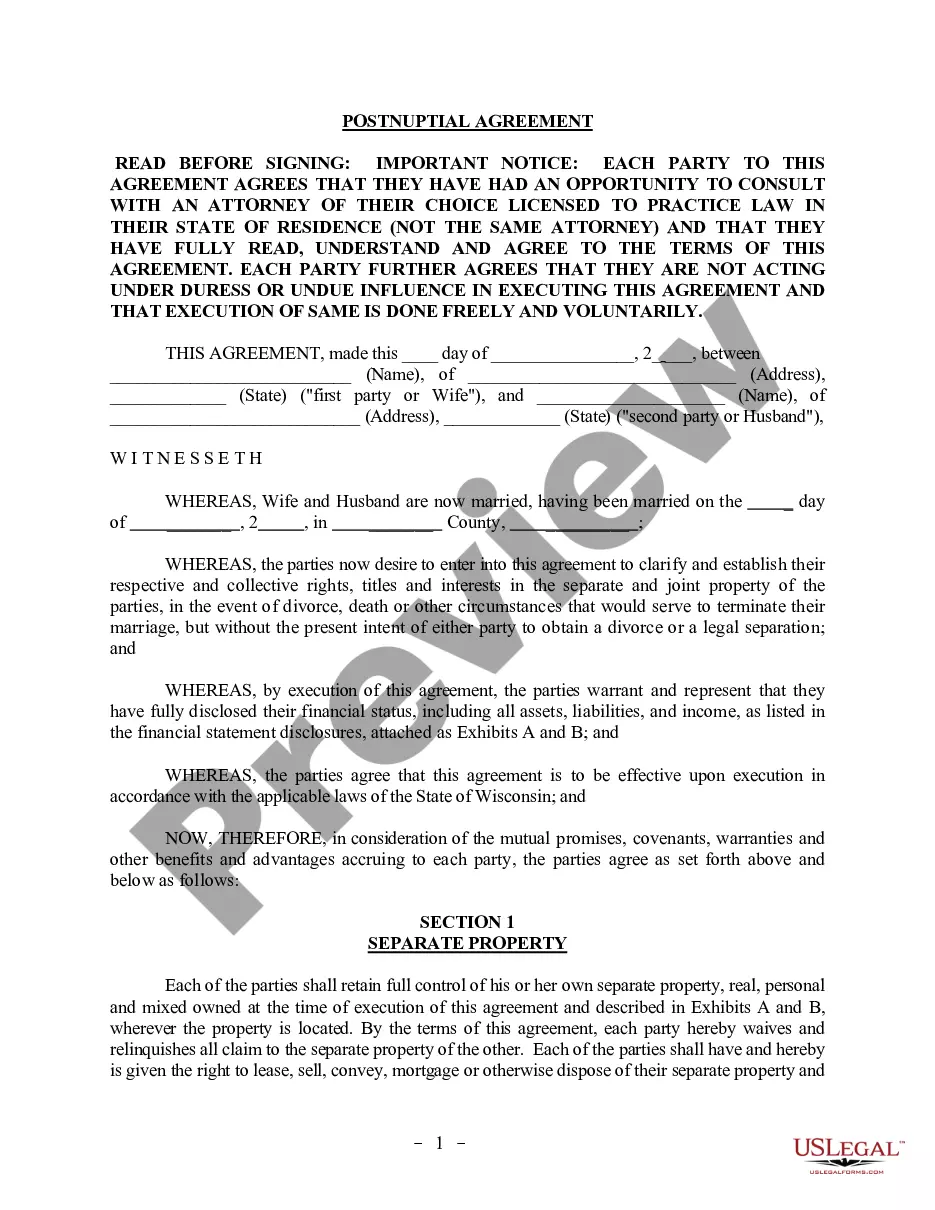
Kentucky Living Trust for Individual Who is Single, Divorced or Widow (or Widower) with No Children

What is this form?
This Living Trust for Individual Who is Single, Divorced, or Widow(er) with No Children is a legal document that establishes a trust during your lifetime. This type of living trust allows you to manage your assets efficiently while avoiding probate. Unlike a will, the assets held in a living trust pass directly to your named beneficiaries upon your death, ensuring a smoother transfer of property without court involvement. This form is specifically designed for individuals without children, making it a unique option for those in different personal circumstances looking to plan their estate effectively.
Key components of this form
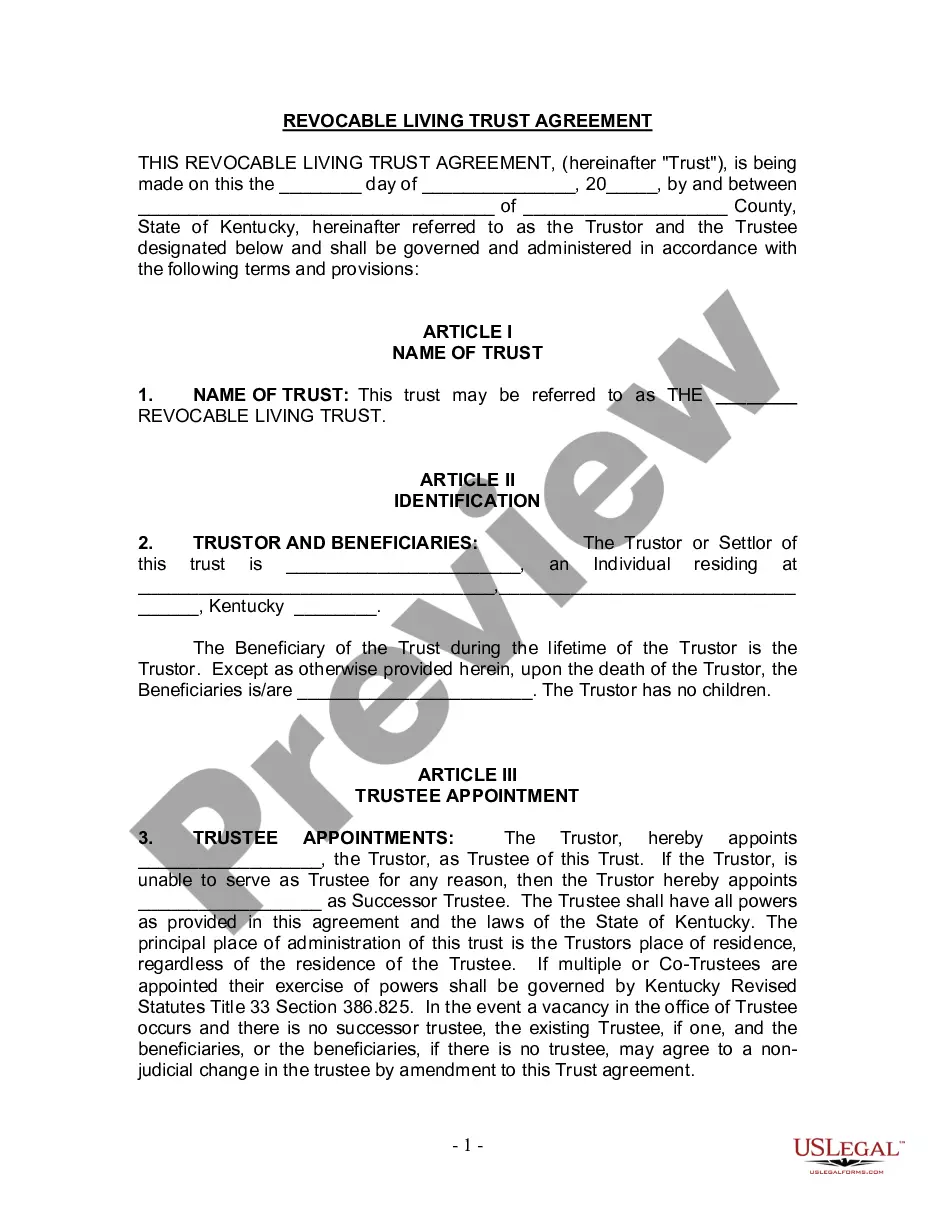
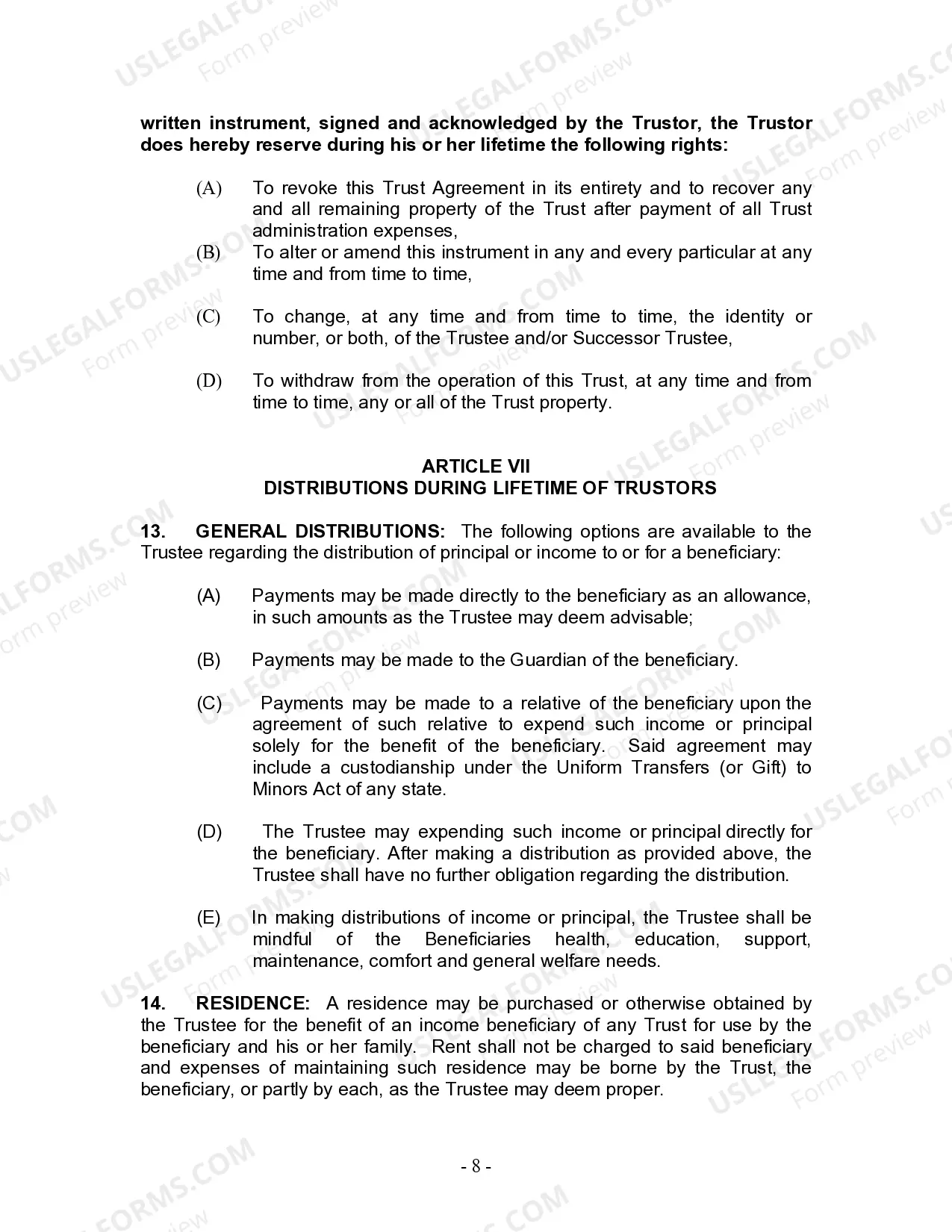
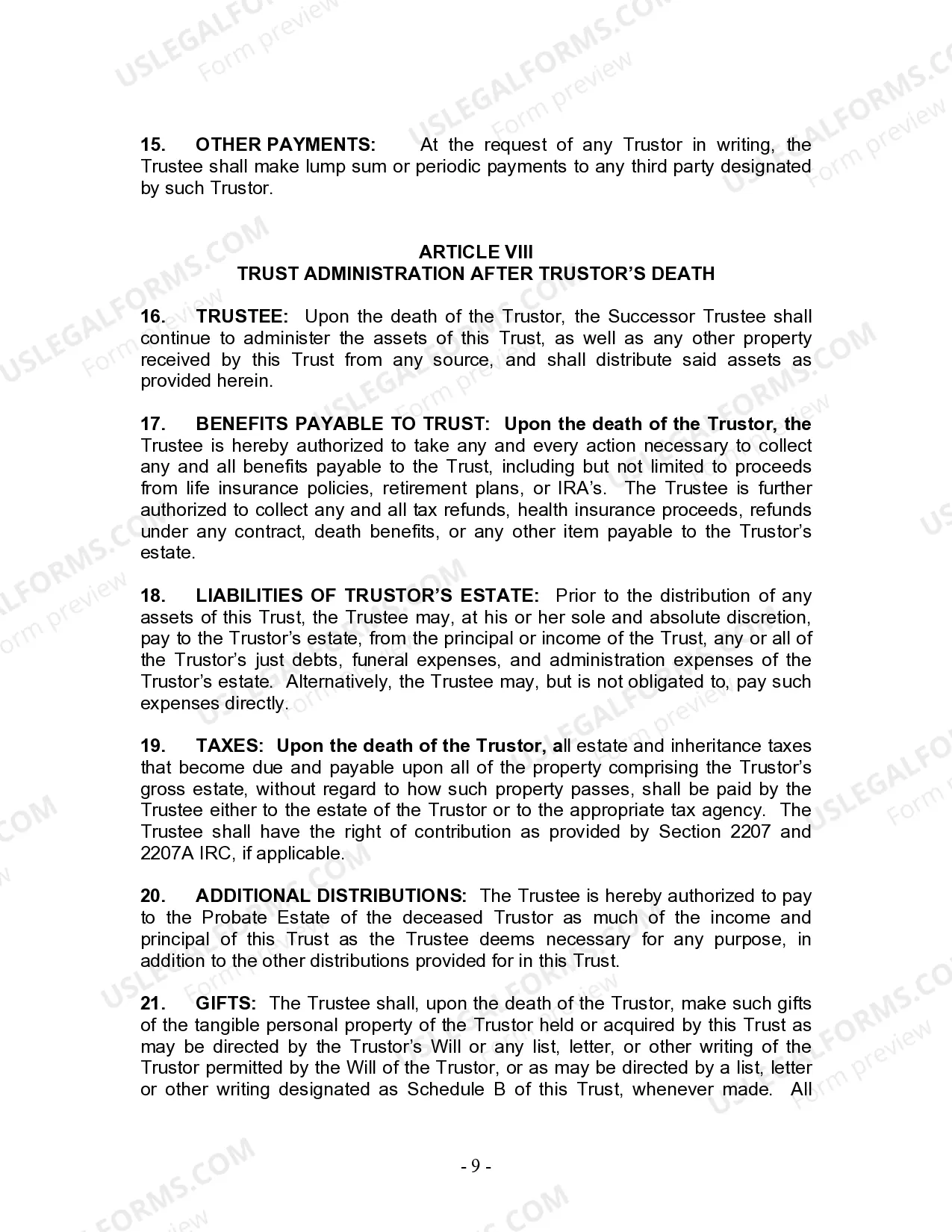
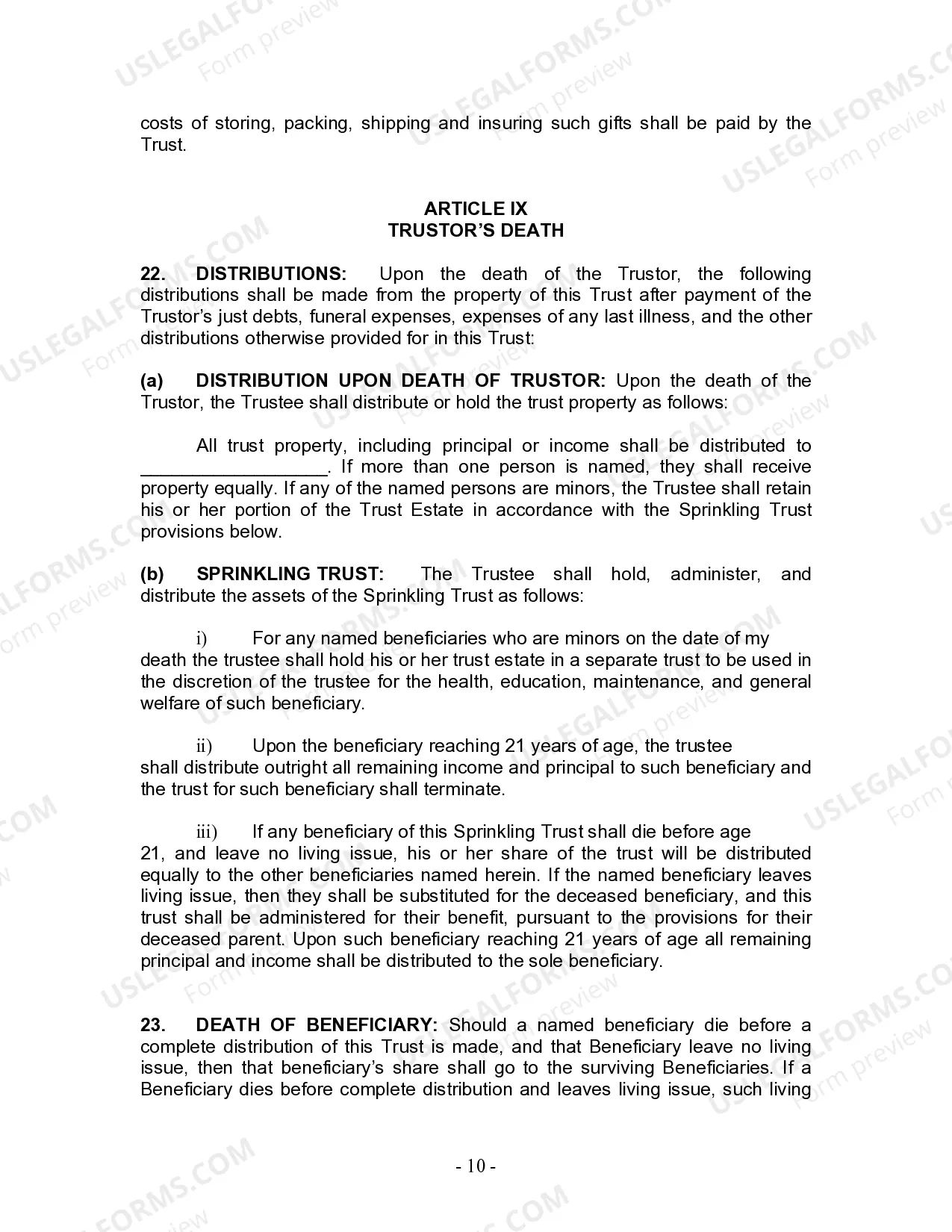
- Name of Trust: Specifies how the trust will be referred to legally.
- Trustor Information: Identifies the individual creating the trust and their residence.
- Trustee Appointment: Outlines who will manage the trust and provisions for a successor trustee.
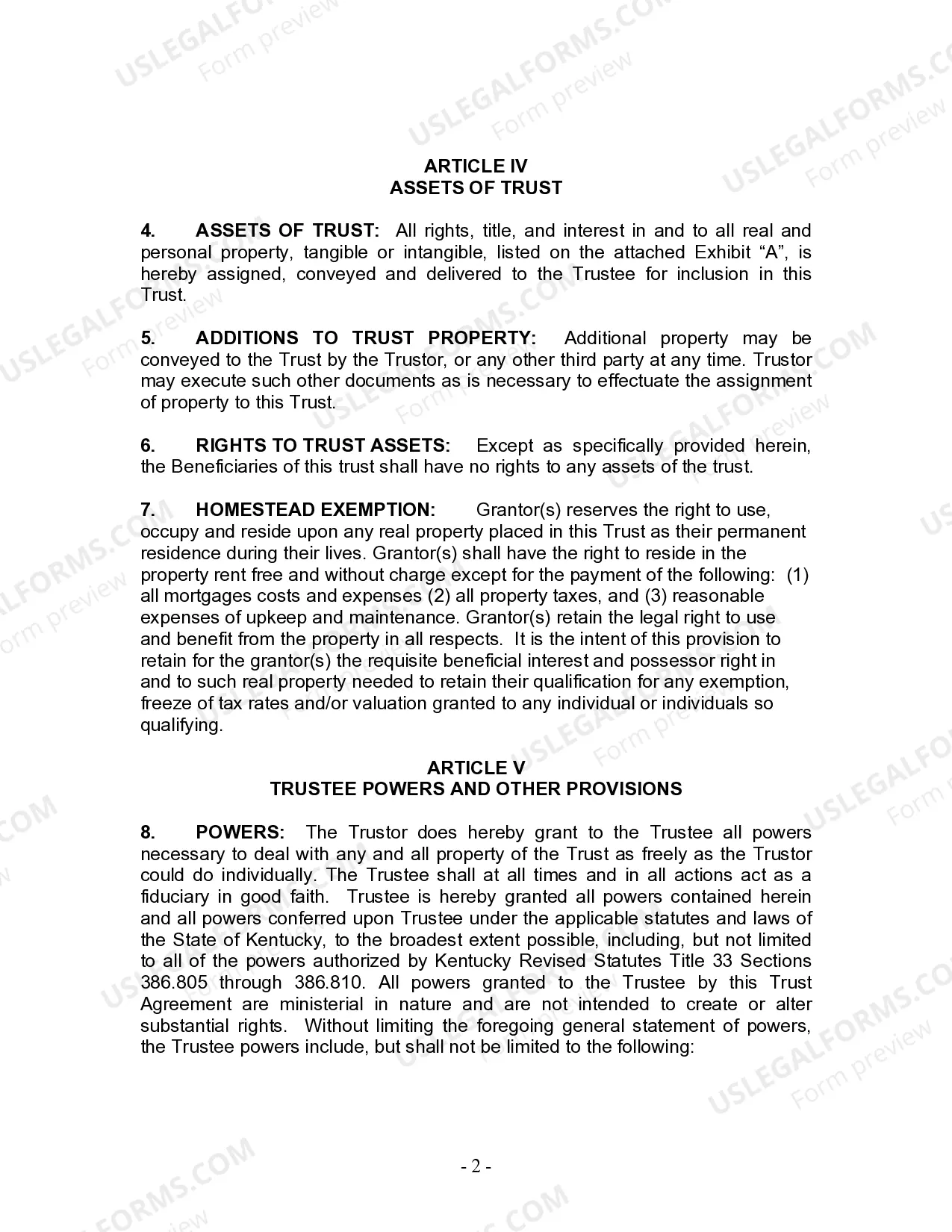
- Assets: Details what property and assets are included in the trust.
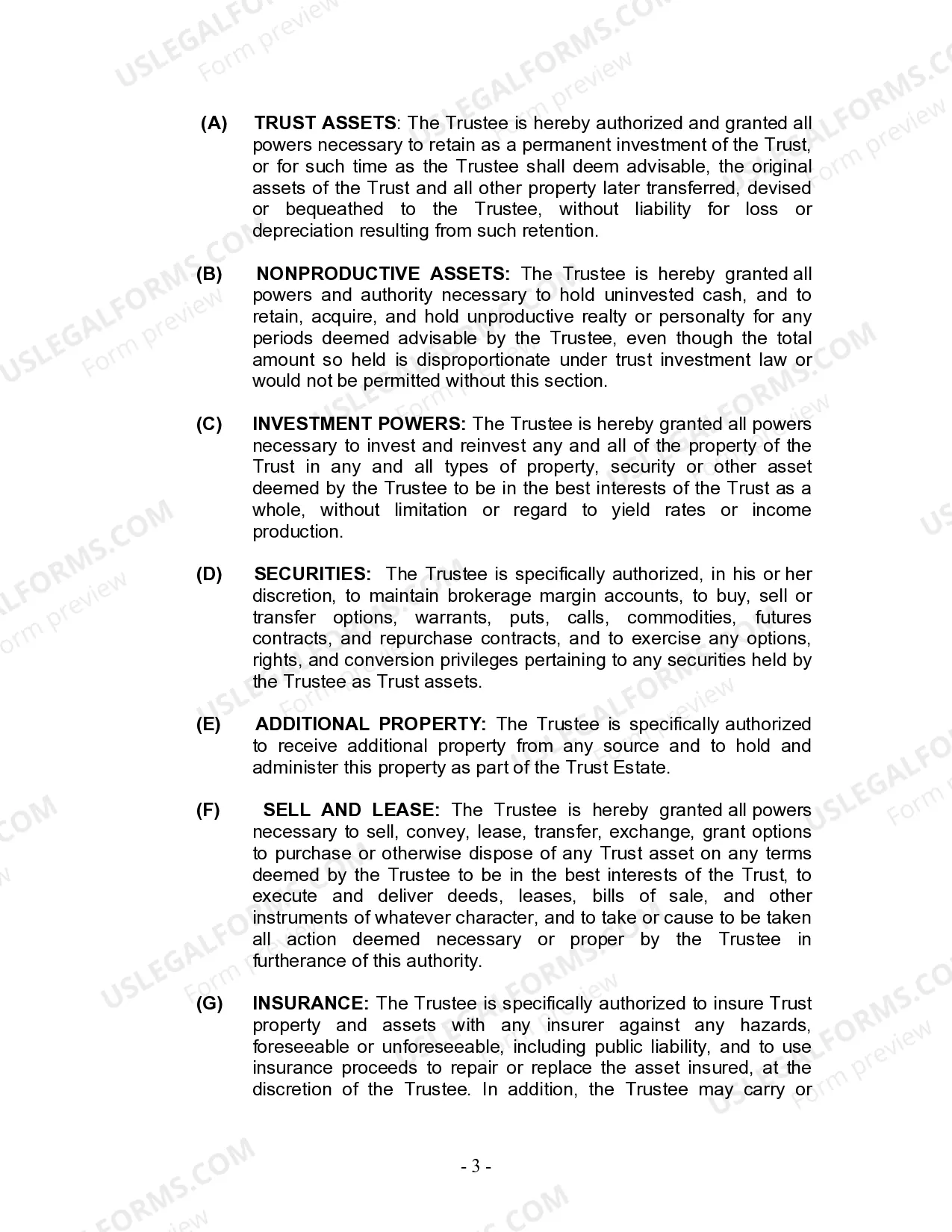
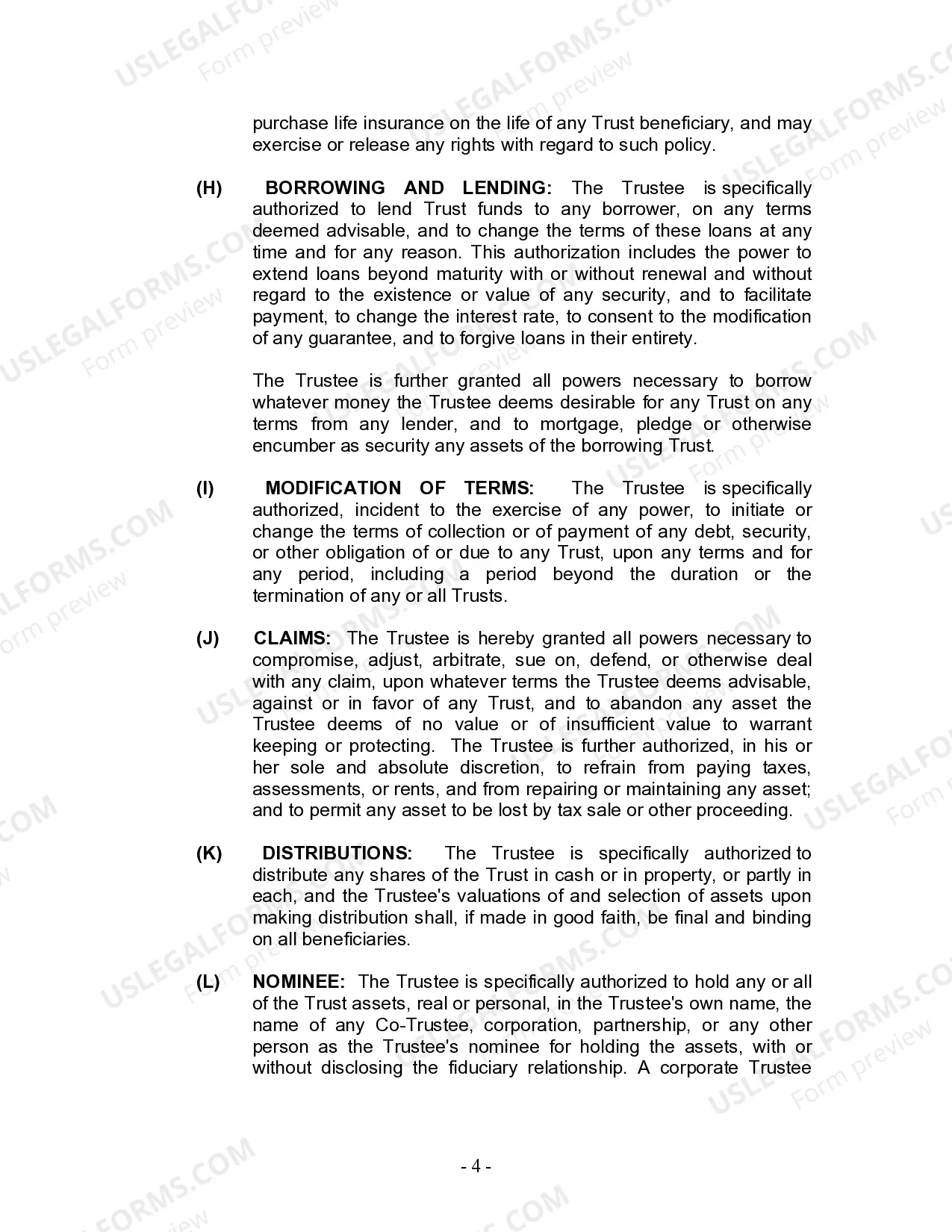
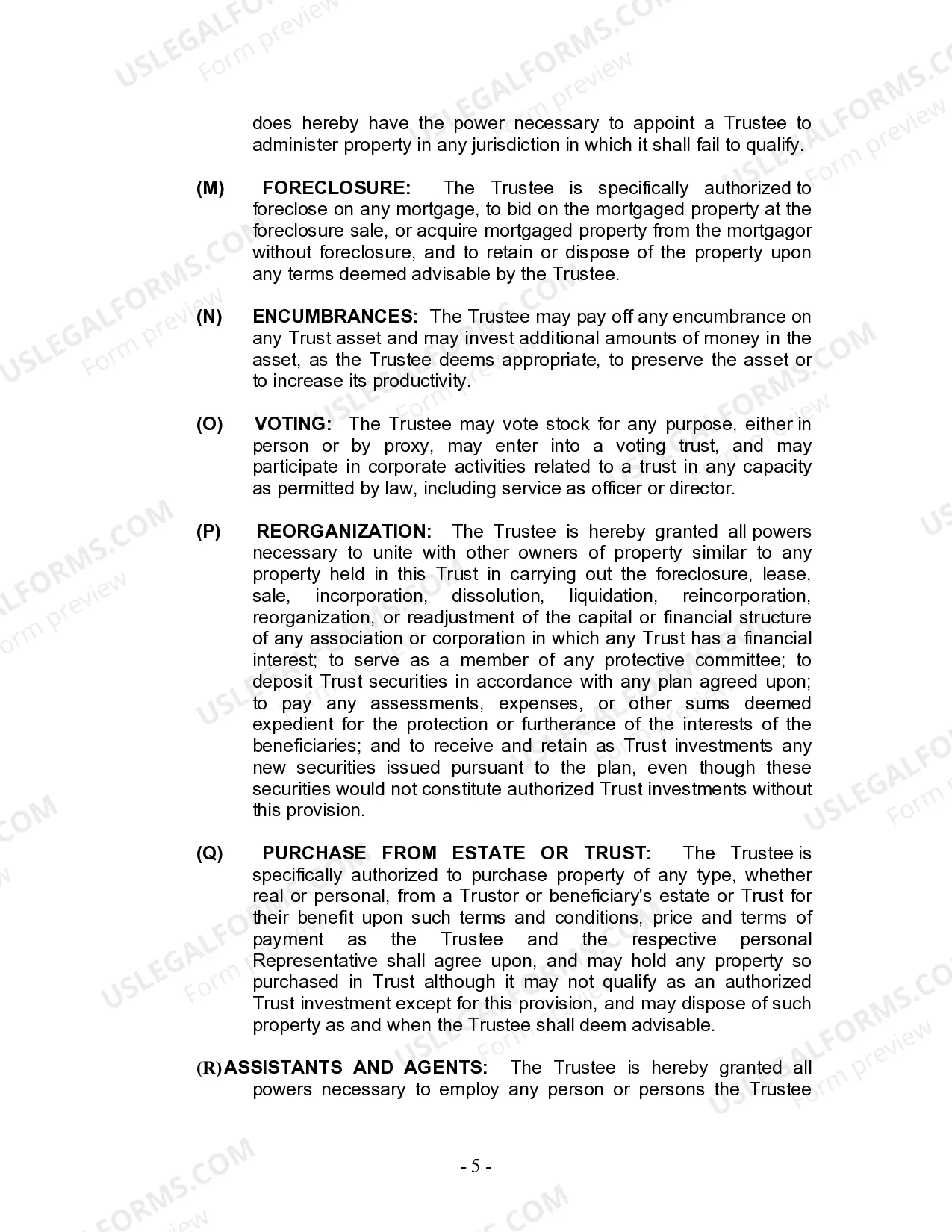
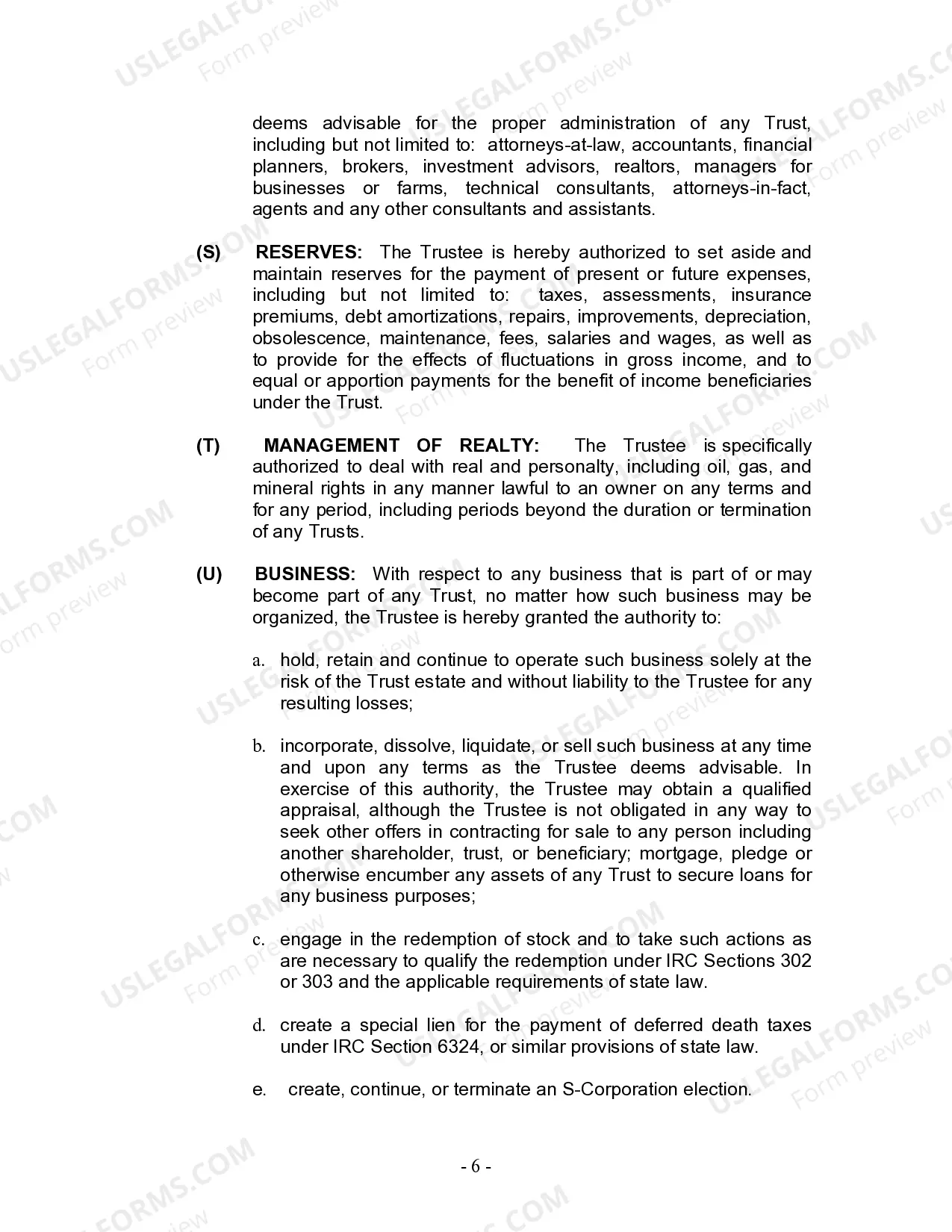
- Trustee Powers: Lists the powers granted to the trustee for managing trust assets.
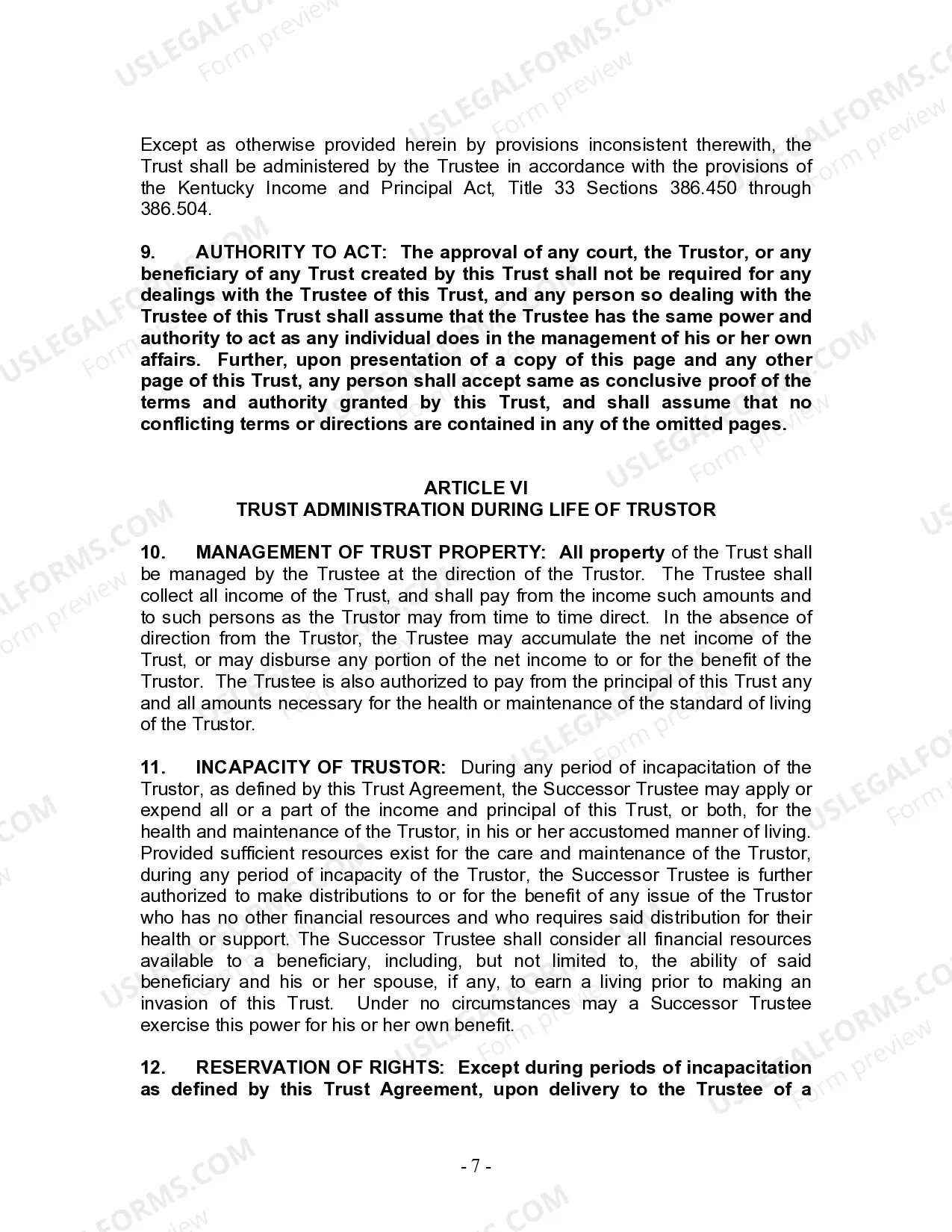
- Distribution of Assets: Describes how the assets will be managed and distributed after the trustor's death.





When this form is needed
This form is ideal for individuals who are single, divorced, or widowed without children and wish to establish a living trust. It is particularly useful when you want to ensure your assets are managed and distributed according to your wishes without undergoing probate. You might consider using this form if you own property, have financial investments, or simply want to streamline your estate planning process.
Who can use this document
- Individuals who are single, divorced, or widowed.
- Persons without children who wish to manage their assets during their lifetime.
- Anyone looking to avoid probate for their estate after death.
- Individuals wanting to retain control over their assets while alive and ensure their smooth transfer to beneficiaries afterward.
How to complete this form
- Identify the parties involved: Fill in the name of the Trustor and Trustee.
- Name the trust: Specify what the trust will be called.
- List the assets: Clearly detail the assets being transferred into the trust.
- Choose successor trustees: Name any successors who will take over management if needed.
- Sign and date the form: Complete the signing in front of a notary, if required.
Is notarization required?
This form must be notarized to be legally valid. US Legal Forms provides secure online notarization powered by Notarize, allowing you to complete the process through a verified video call.
Get your form ready online
Our built-in tools help you complete, sign, share, and store your documents in one place.
Make edits, fill in missing information, and update formatting in US Legal Forms—just like you would in MS Word.
Download a copy, print it, send it by email, or mail it via USPS—whatever works best for your next step.
Sign and collect signatures with our SignNow integration. Send to multiple recipients, set reminders, and more. Go Premium to unlock E-Sign.
If this form requires notarization, complete it online through a secure video call—no need to meet a notary in person or wait for an appointment.
We protect your documents and personal data by following strict security and privacy standards.

Make edits, fill in missing information, and update formatting in US Legal Forms—just like you would in MS Word.

Download a copy, print it, send it by email, or mail it via USPS—whatever works best for your next step.

Sign and collect signatures with our SignNow integration. Send to multiple recipients, set reminders, and more. Go Premium to unlock E-Sign.

If this form requires notarization, complete it online through a secure video call—no need to meet a notary in person or wait for an appointment.

We protect your documents and personal data by following strict security and privacy standards.
Common mistakes
- Failing to list all assets intended for the trust.
- Not designating a successor trustee.
- Signing the document without notarization, if needed.
- Inaccurate personal information about the Trustor or Trustee.
Advantages of online completion
- Convenience: Download and complete the form at your own pace.
- Editability: Customize the document to fit your specific needs and circumstances.
- Reliability: Access legally vetted forms drafted by licensed attorneys.
Quick recap
- A living trust can help individuals manage their assets and bypass probate.
- This particular trust is tailored for single, divorced, or widowed individuals without children.
- Proper completion and notarization of the trust are essential for validity.
- Identifying a Successor Trustee is crucial for smooth administration.
Looking for another form?





Form popularity
FAQ
Your mother's next of kin is her eldest child. The term "next of kin" is most commonly used following a death. Legally, it refers to those individuals eligible to inherit from a person who dies without a will. Surviving spouses are at the top of the list, followed by those related by blood.
In Kentucky, if you die without a will, your spouse will inherit property from you under a law called dower and curtesy. Usually, this means that your spouse inherits 1/2 of your intestate property. The rest of your property passes to your descendants, parents, or siblings.
Children - if there is no surviving married or civil partner If there is no surviving partner, the children of a person who has died without leaving a will inherit the whole estate. This applies however much the estate is worth. If there are two or more children, the estate will be divided equally between them.
As of 2019, attorney fees can range from $1,000 to $2,500 to set up a trust, depending upon the complexity of the document and where you live. You can also hire an online service provider to set up your trust. As of 2019, you can expect to pay about $300 for an online trust.
If you die without a will, you are considered to have died "intestate." Typically, your spouse and children will serve as your next of kin. If you have no spouse or children, then your parents and siblings often qualify as next of kin, though this will differ depending on the state.
In Kentucky, you can make a living trust to avoid probate for virtually any asset you ownreal estate, bank accounts, vehicles, and so on. You need to create a trust document (it's similar to a will), naming someone to take over as trustee after your death (called a successor trustee).
How Is Next of Kin Determined? To determine next of kin in California, go down the list until someone exists in the category listed.For example, if decedent had no surviving spouse or registered domestic partner, but was survived by adult children, then the adult children would be next of kin.
Identify what should go into the trust. Choose the type of living trust. Next, name your trustee, the person will manage the trust. Now create a trust agreement. Then sign the trust document in front of a notary public. Finally, transfer your property into the trust by putting deeds and titles in the name of the trust.
When to See a Lawyer While many people can make a living trust without the help of an attorney, there are some situations require individualized legal advice. For example, don't try to make your own living trust if: You don't have anyone to name as trustee.See a lawyer for advice.