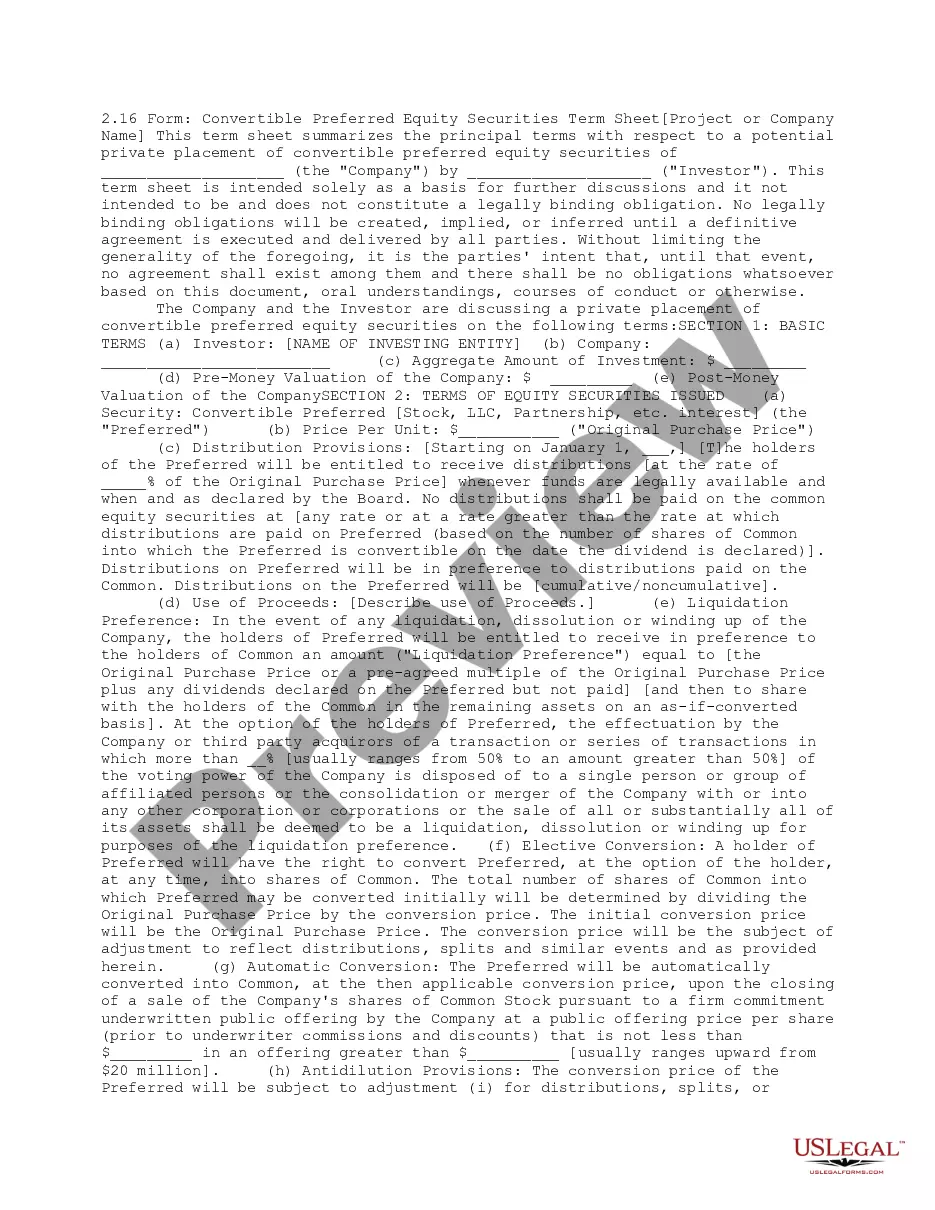
Kansas Protective Covenants for Office Park
Description
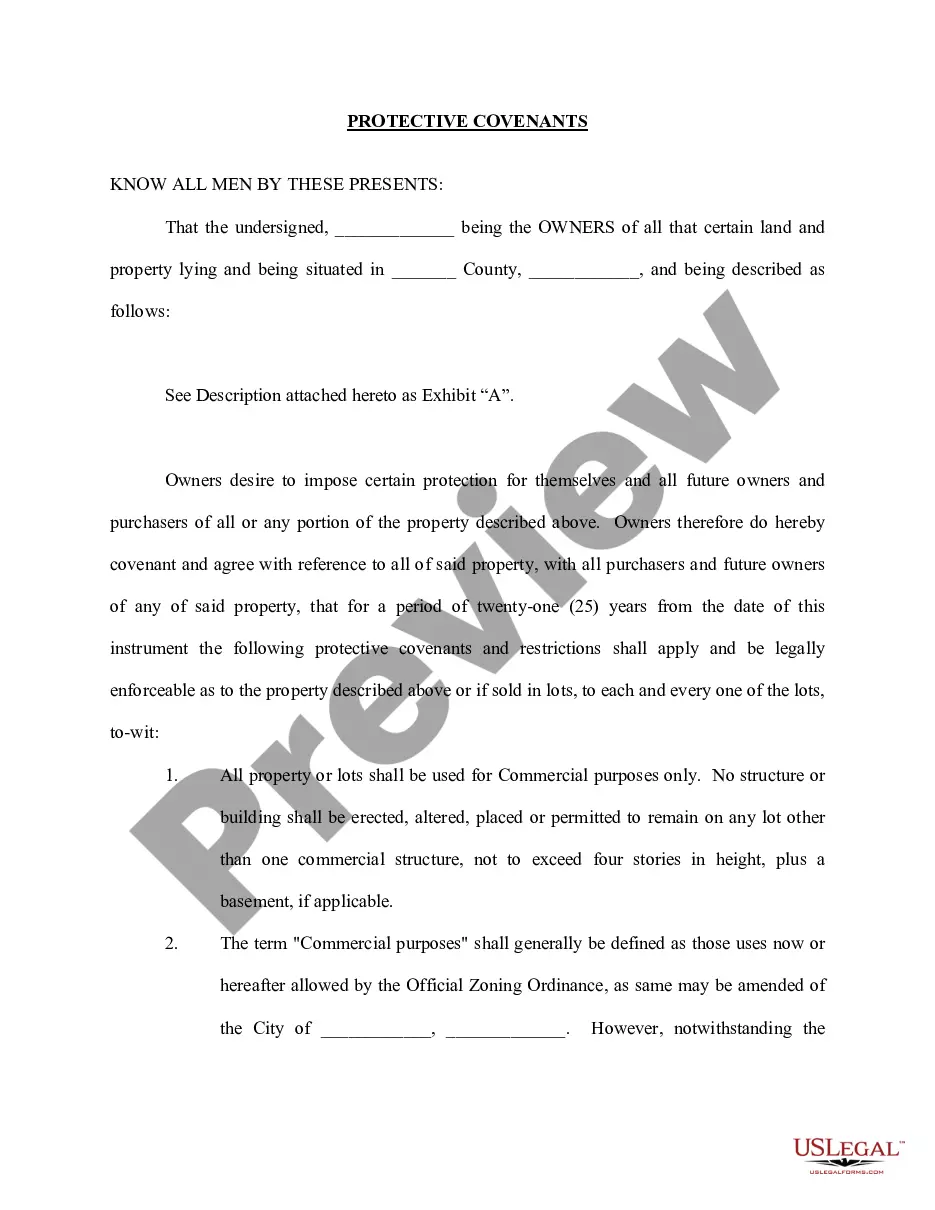
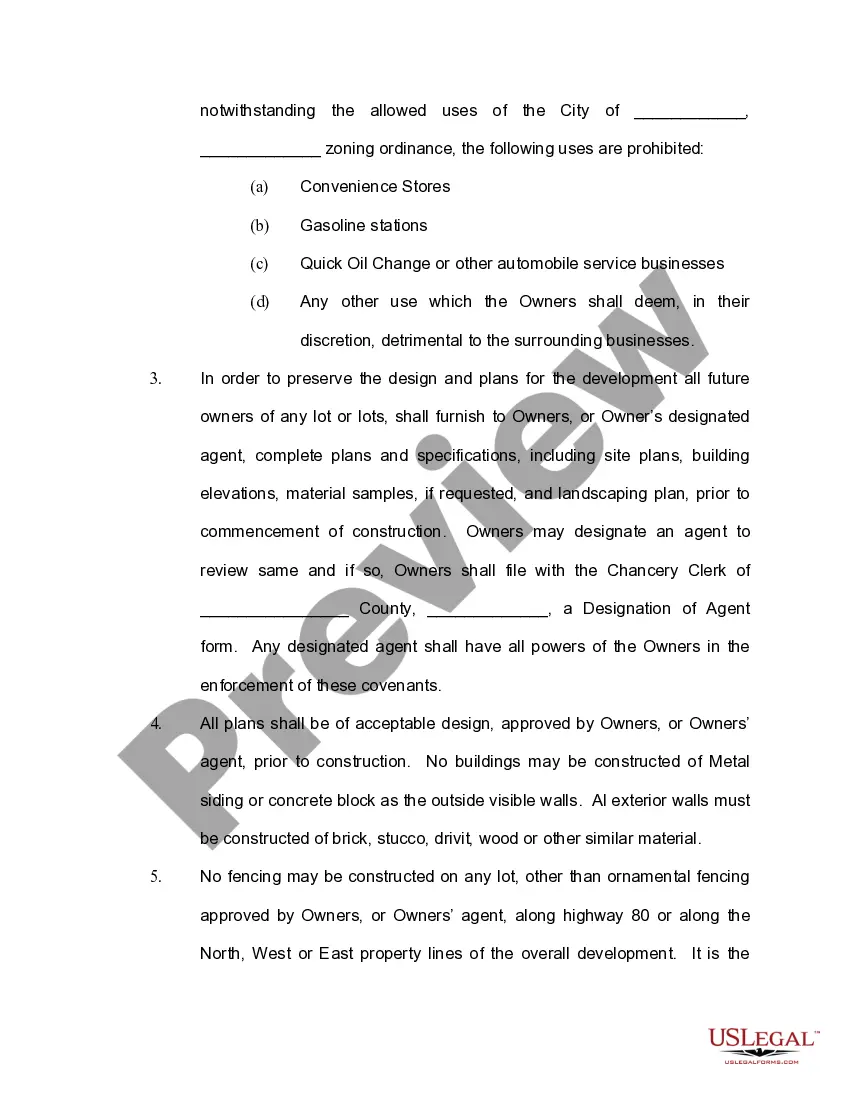
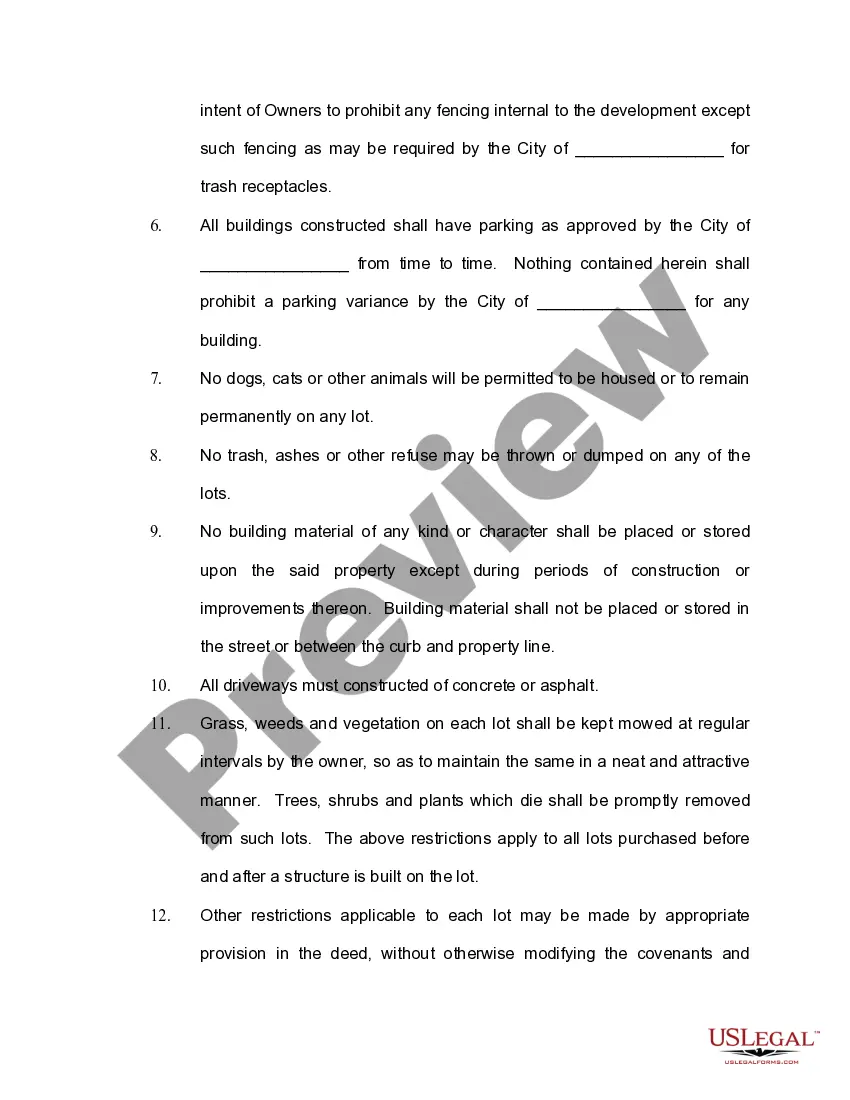
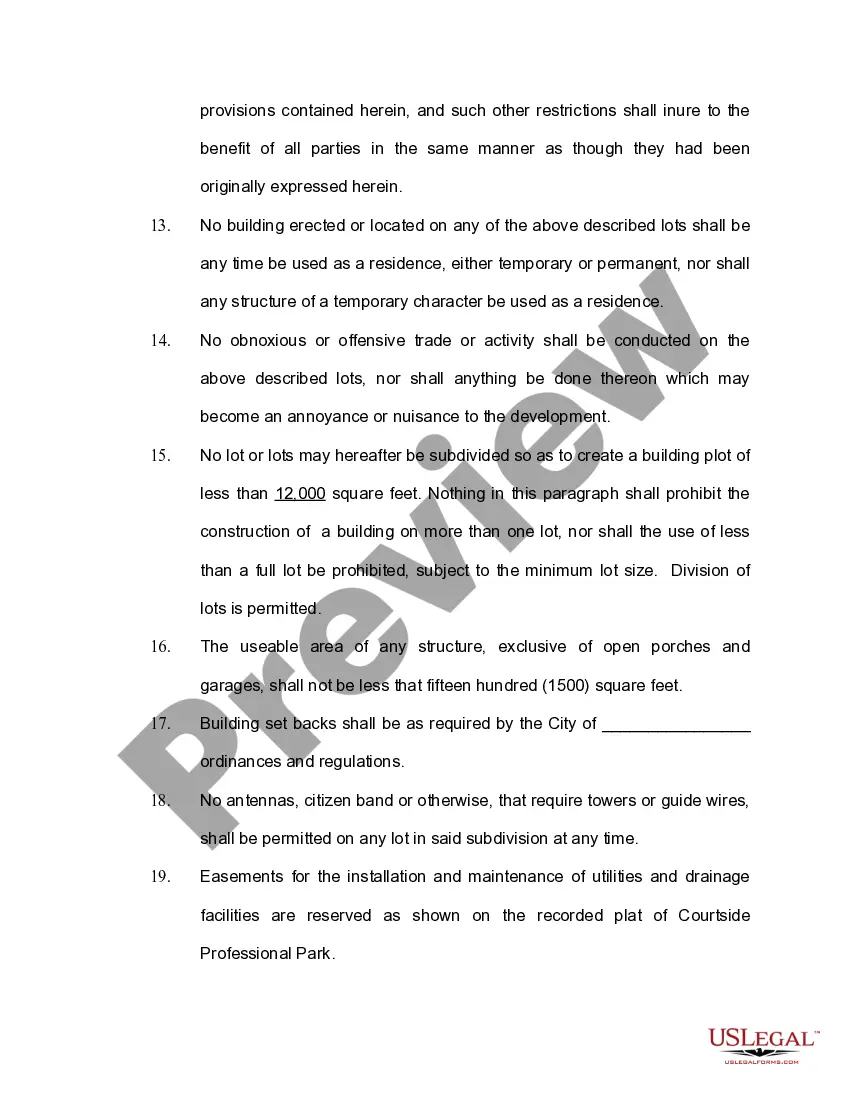
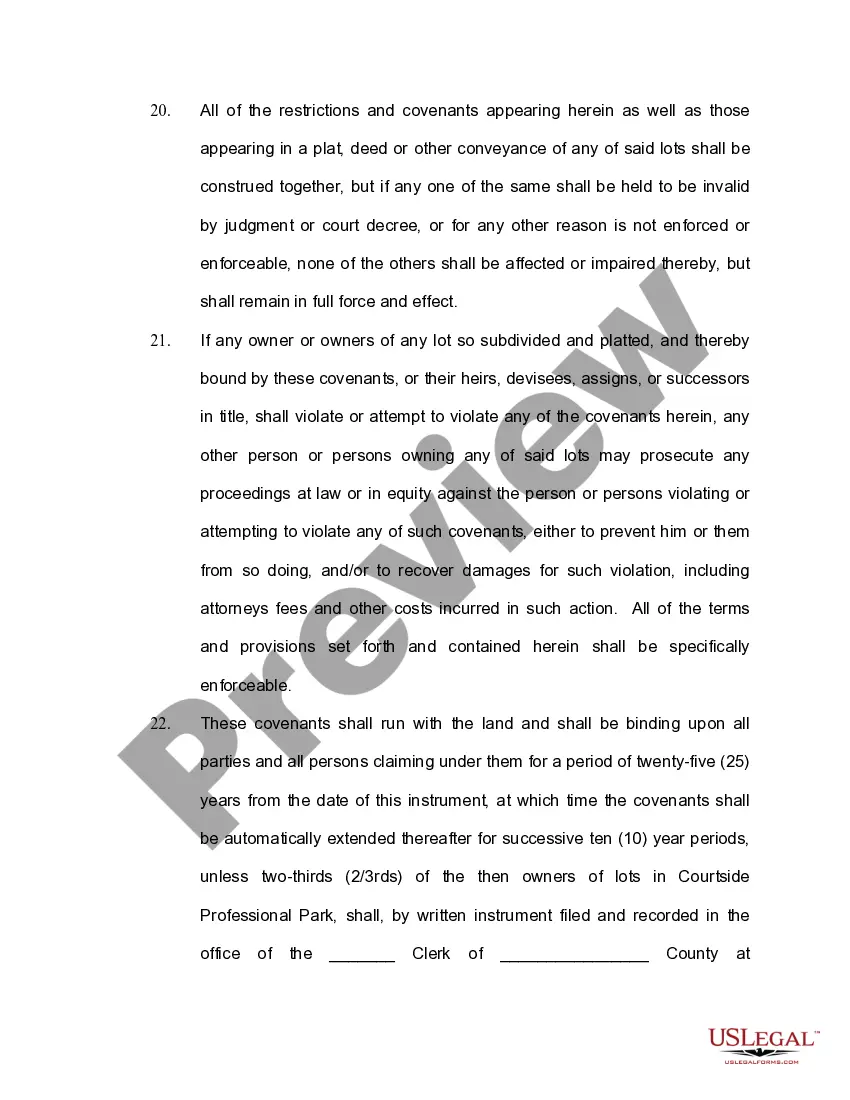
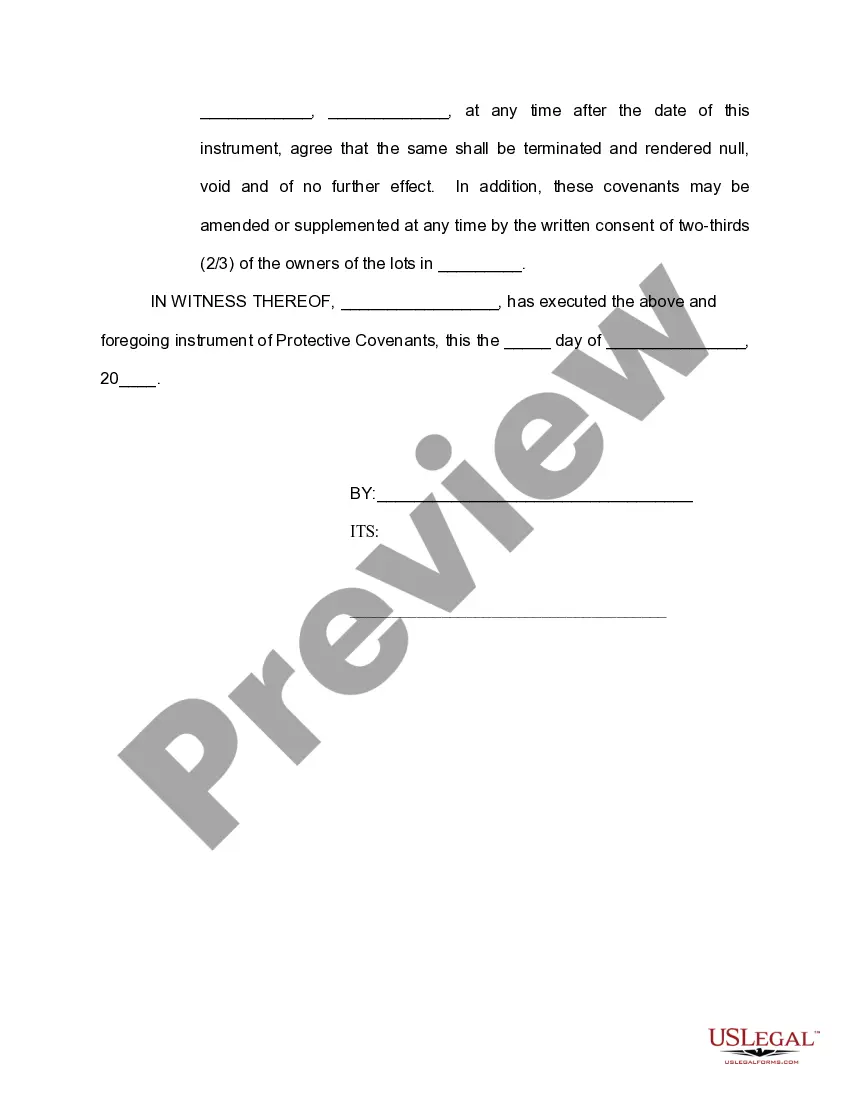
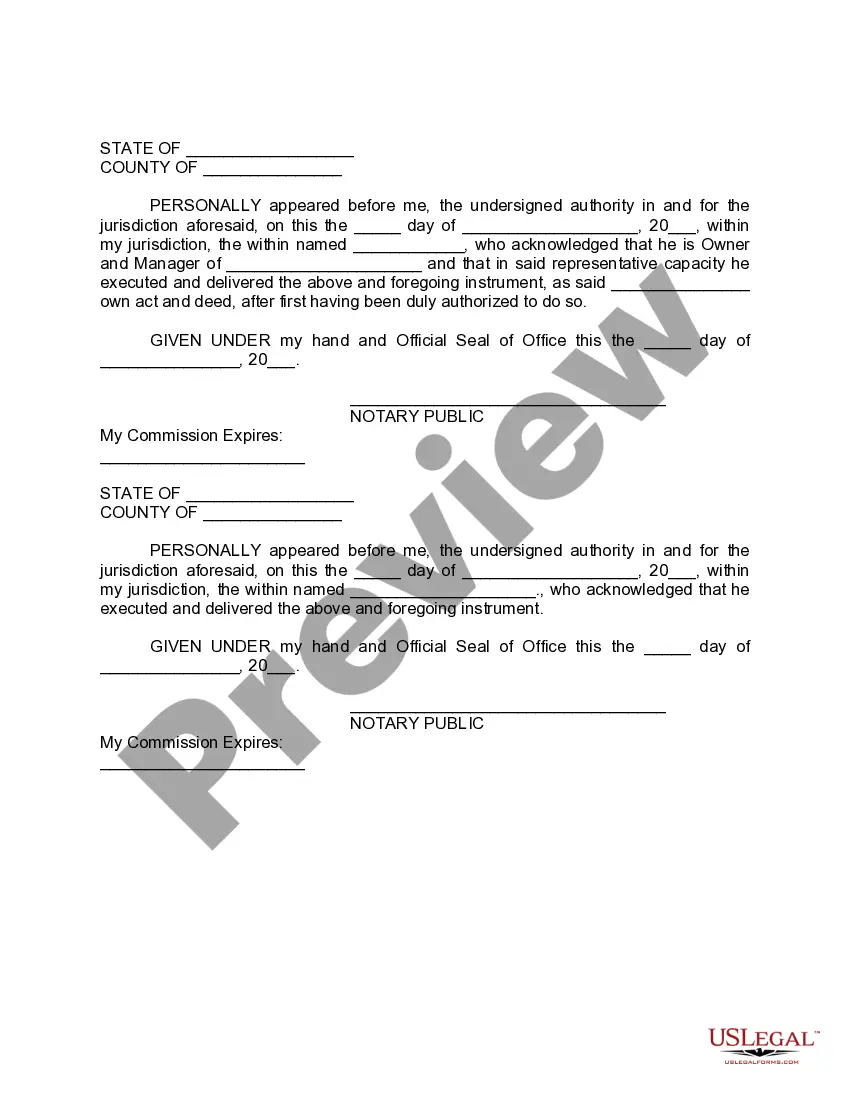
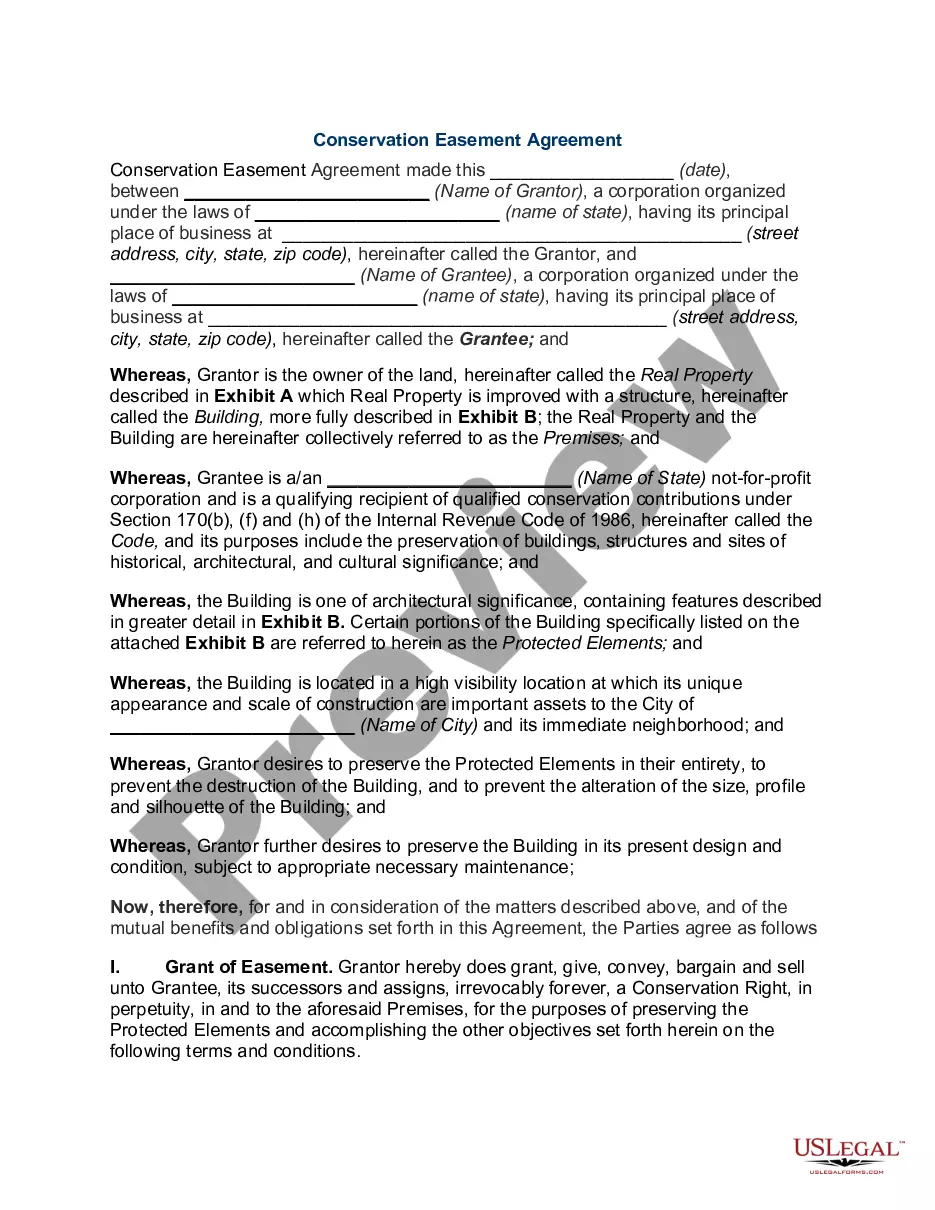
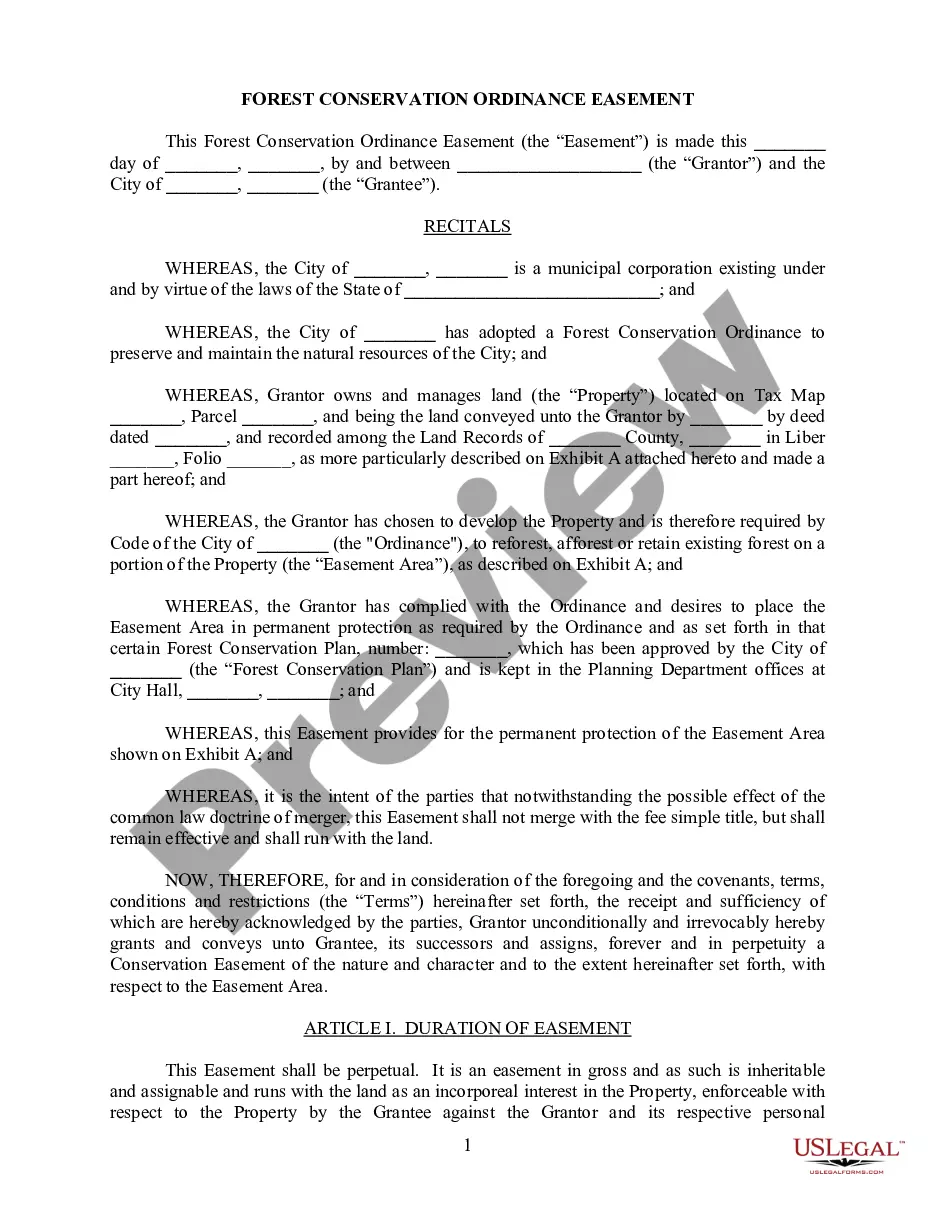
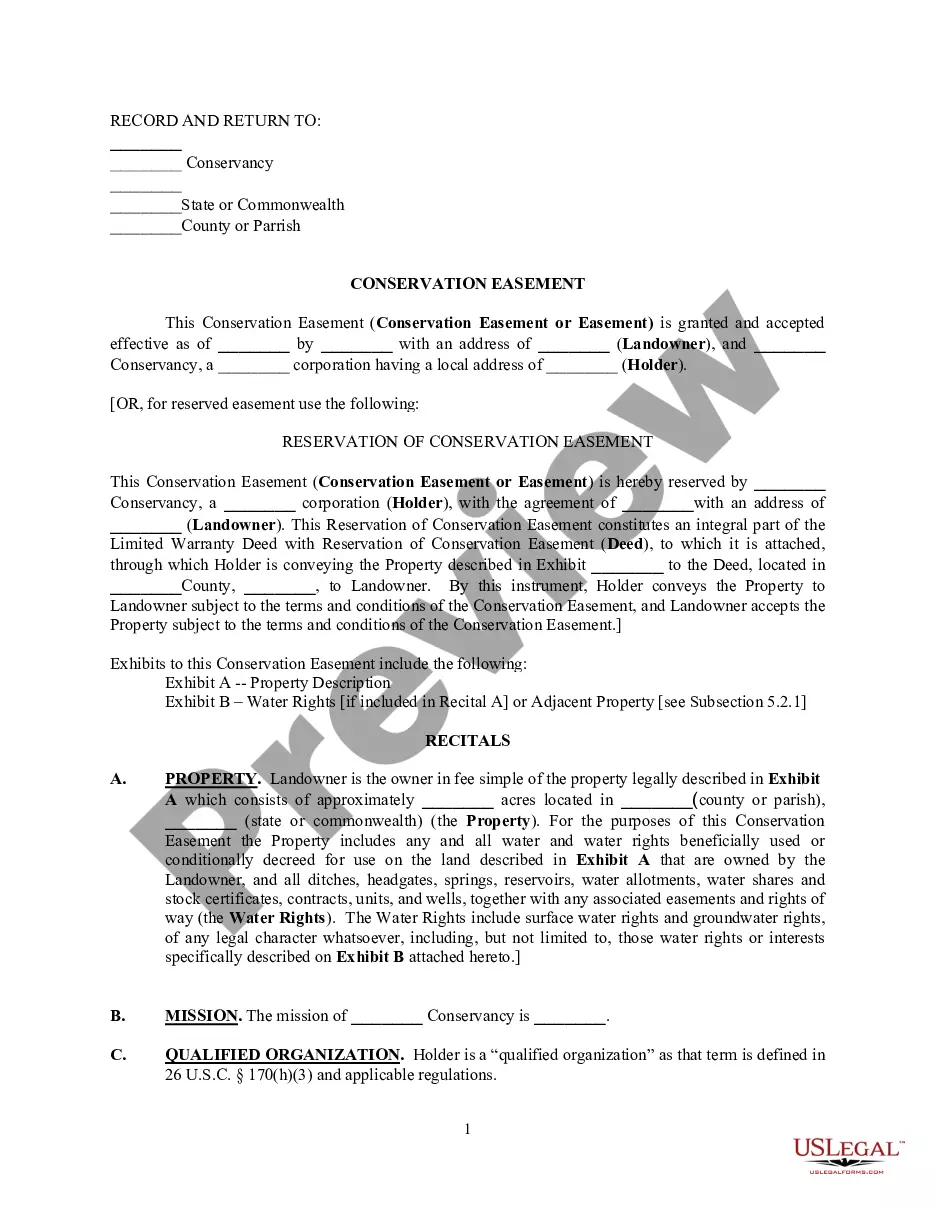
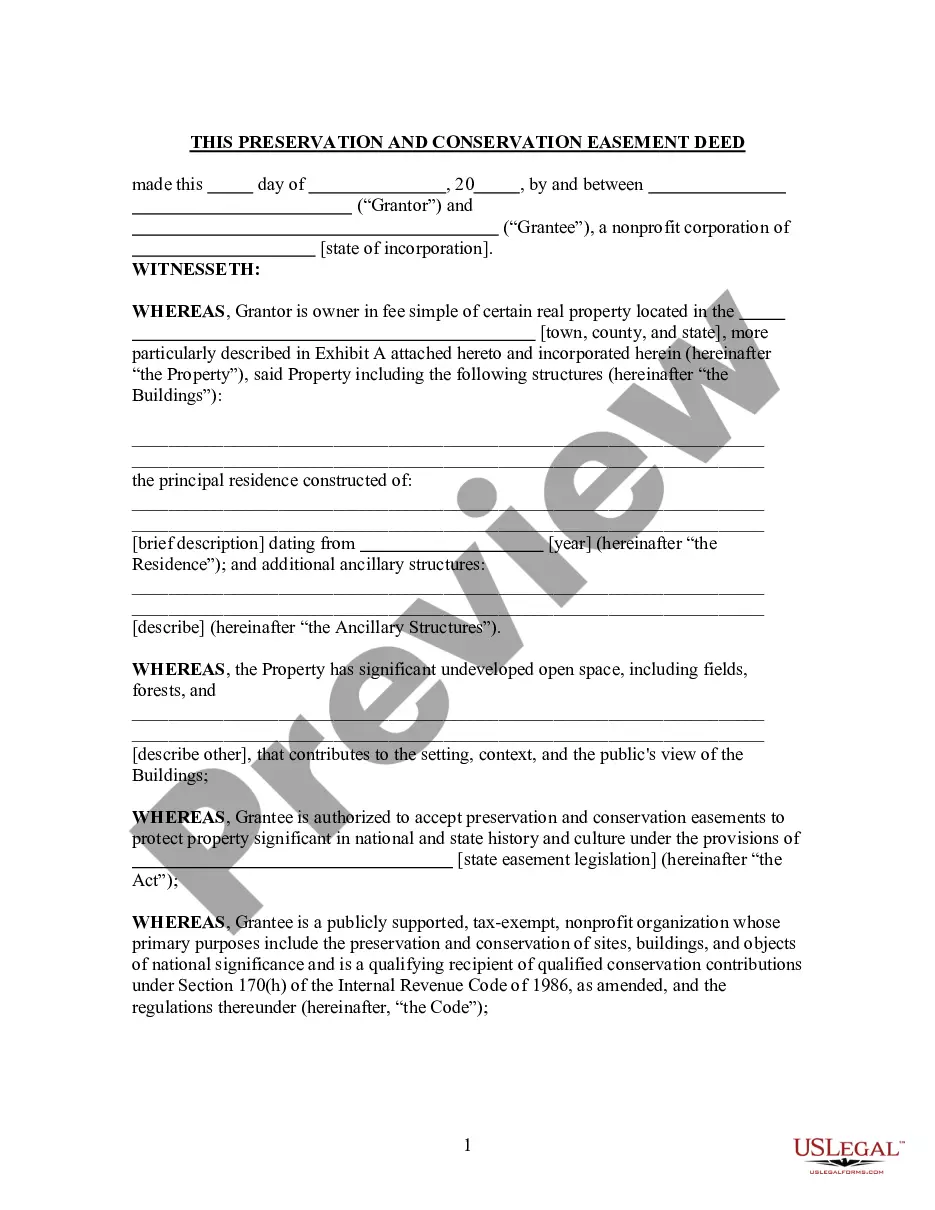


How to fill out Protective Covenants For Office Park?
You have the ability to invest hours online trying to locate the correct legal document format that complies with the state and federal regulations you require.
US Legal Forms offers a vast array of legal documents that have been reviewed by experts.
You can easily acquire or create the Kansas Protective Covenants for Office Park from their service.
If available, use the Review option to look through the document format as well. If you wish to get another version of the form, utilize the Search field to find the format that meets your specifications.
- If you possess a US Legal Forms account, you can Log In and then click the Download button.
- After that, you can fill out, modify, print, or sign the Kansas Protective Covenants for Office Park.
- Every legal document format you purchase is yours permanently.
- To obtain another copy of a purchased form, go to the My documents tab and select the appropriate option.
- If you are using the US Legal Forms website for the first time, follow the simple instructions provided below.
- First, ensure that you have selected the correct document format for your chosen state/city.
- Review the form details to verify that you have chosen the right form.
Form popularity
FAQ
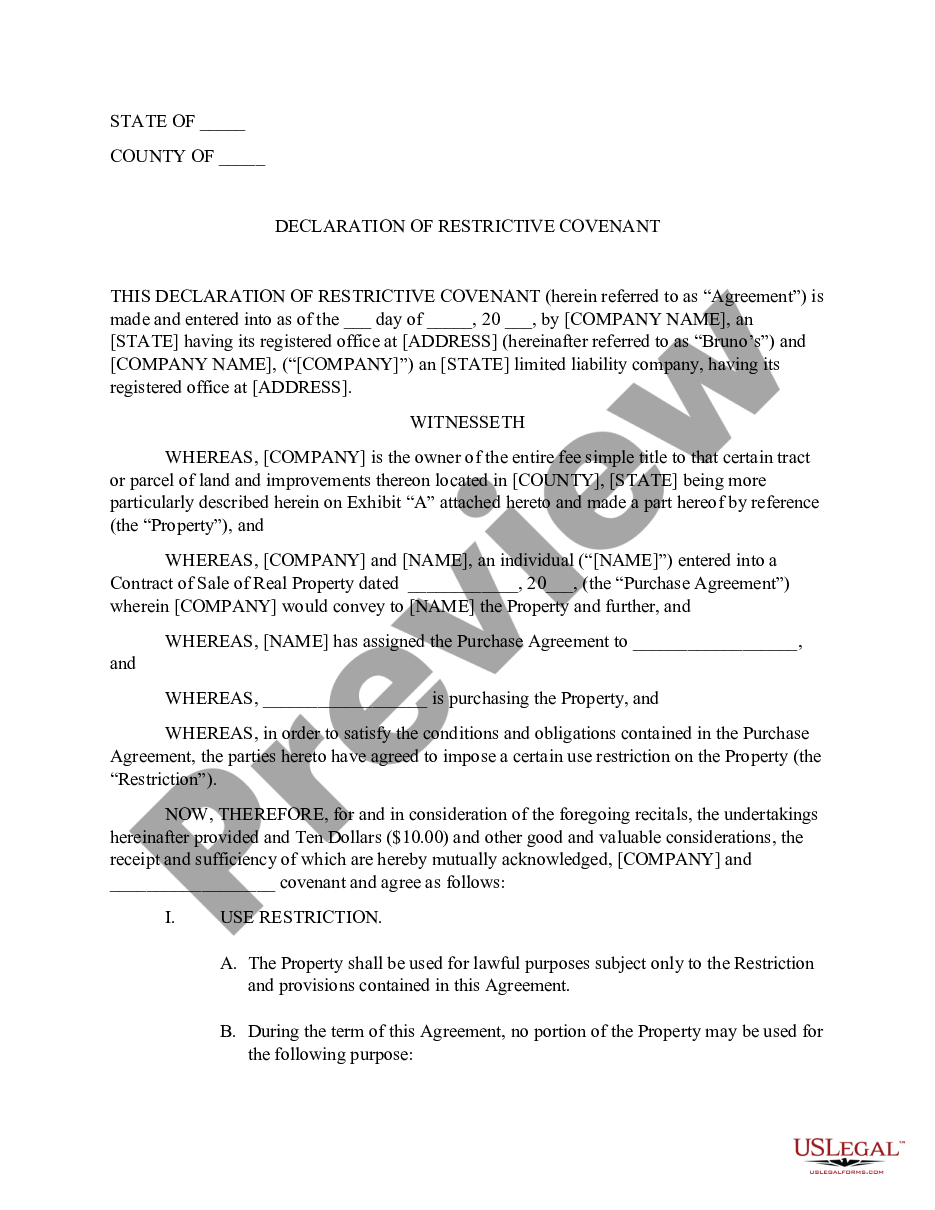
A property protective covenant is a specific type of agreement that restricts how a property can be used. In the context of Kansas Protective Covenants for Office Park, it defines acceptable practices for building and maintaining office space. These covenants are crucial for preserving the character and intended purpose of the area, thereby attracting quality tenants and tenants alike.
A protective covenant agreement is a legally binding document that outlines the specific rules and restrictions for a property or community. For Kansas Protective Covenants for Office Park, this agreement would detail what business activities are permissible and what is not allowed. Such an agreement helps all parties understand their rights and responsibilities, ensuring compliance and fostering a harmonious community.
An example of covenant property law is a provision that prohibits certain types of businesses from operating within an office park. In Kansas Protective Covenants for Office Park, such restrictions might prevent industrial operations to maintain a professional atmosphere. This type of regulation not only protects property values but also promotes a cohesive business environment.
Yes, restrictive covenants remain a valid legal tool across the United States, including Kansas. In the case of Kansas Protective Covenants for Office Park, they regulate how owners and tenants can use their properties. While enforcing these covenants can sometimes be challenged, they generally serve to uphold community standards and make the area more appealing to businesses.
Protective covenants are designed to maintain a certain standard within a community or property development. In the context of Kansas Protective Covenants for Office Park, these rules ensure that the property is used in a manner that promotes its intended purpose and protects property values. They help keep the area attractive and functional for all users, creating a desirable environment for businesses and clients alike.
Typically, covenants have a set duration, but many remain enforceable beyond 20 years if explicitly stated. For covenants like Kansas Protective Covenants for Office Park, extensions may be outlined in the original documents. If you’re uncertain, reviewing the specific terms in the covenant is crucial. In some cases, renewing or re-filing the covenant can ensure ongoing enforceability.
Enforcing covenants without an HOA requires collaboration among neighbors within the community. Residents can form a committee to address violations or hold discussions to ensure adherence to Kansas Protective Covenants for Office Park. Additionally, legal action can be taken by individuals who are affected by another's non-compliance. Consulting legal resources, like US Legal Forms, may help clarify your options.
Private restrictive covenants, such as Kansas Protective Covenants for Office Park, are generally enforced through legal means by impacted property owners. If a violation occurs, affected neighbors may file a complaint with the local court. A judge can order compliance or impose penalties. Therefore, maintaining open communication with neighbors can often resolve issues without litigation.
To enforce a covenant like the Kansas Protective Covenants for Office Park, you need clear language outlining the rules and specific penalties for violations. Additionally, the party seeking enforcement must demonstrate a breach of the covenant. Having a record of the original covenant filed publicly is essential. Without proper documentation, enforcement may prove challenging.
Not necessarily, but violating HOA rules can lead to serious consequences. If you disregard the terms of Kansas Protective Covenants for Office Park, the HOA can impose fines or legal action to enforce compliance. In extreme cases, failure to comply might result in a lien on your property. Understanding the rules is crucial to avoid such situations.