Kansas Acknowledgment for Individuals
What is this form?
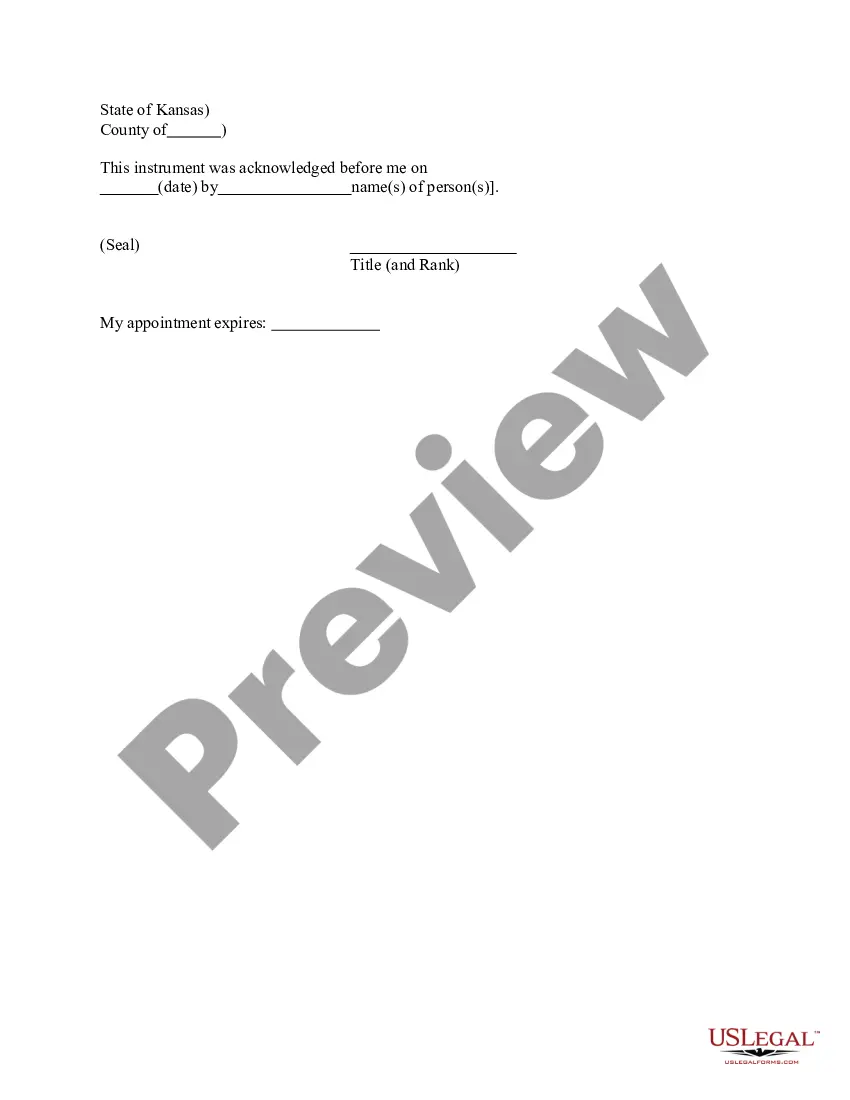
The Acknowledgment for Individuals is a legal document that certifies the identity of the person acknowledging a particular fact or signing a document. This form is crucial in various transactions that require proof of identity and intent, making it distinct from other acknowledgment forms by focusing specifically on individuals. It ensures that the person signing is doing so voluntarily and is aware of the implications of their actions.
What’s included in this form
- Date of acknowledgment: Specifies when the acknowledgment was made.
- Name(s) of individual(s): Requires the individual's full name being acknowledged.
- Notary public section: Space for a notary to verify the identity of the individual.
- Seal: Area for the notary seal, signifying the document's legal validity.
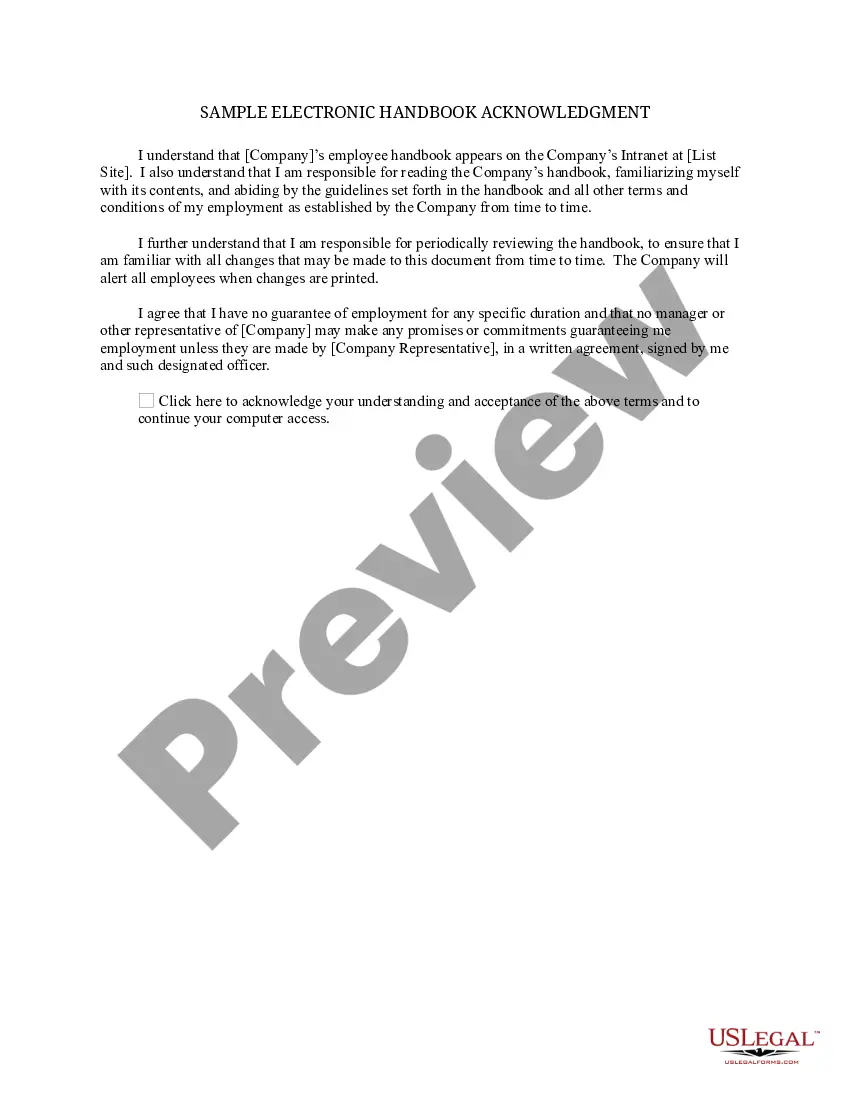
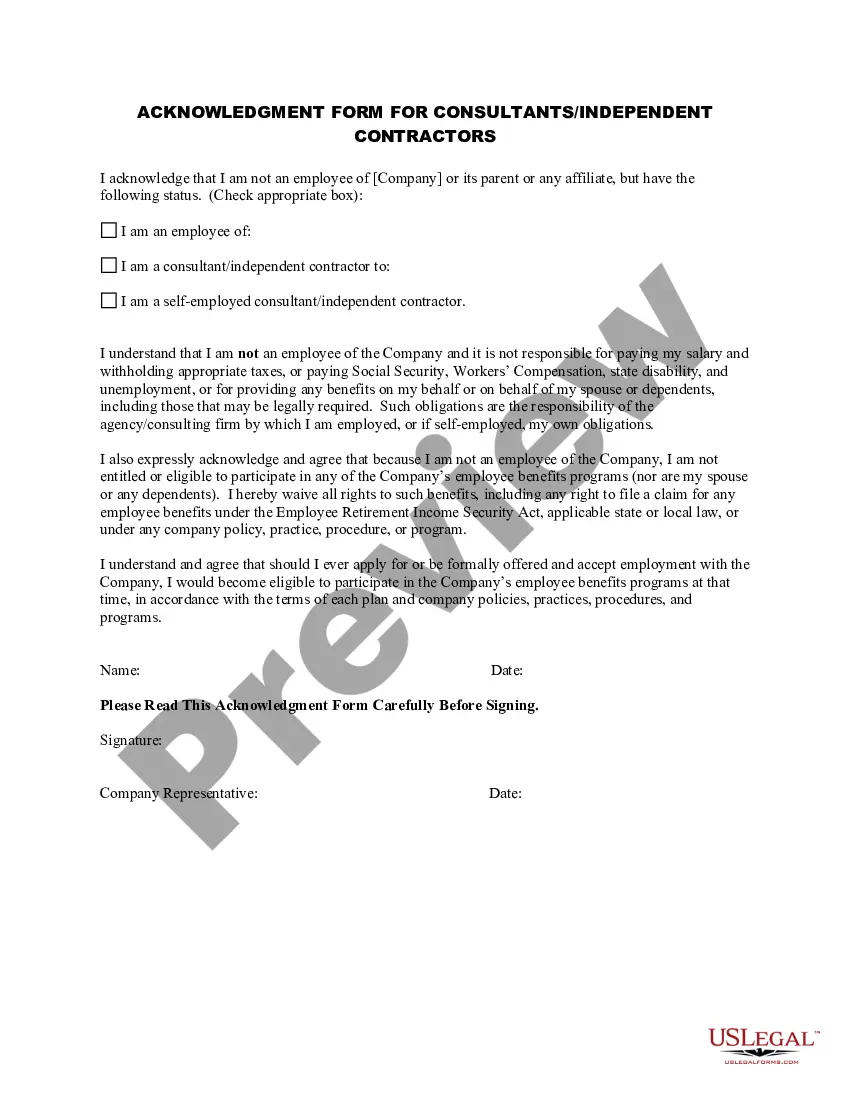
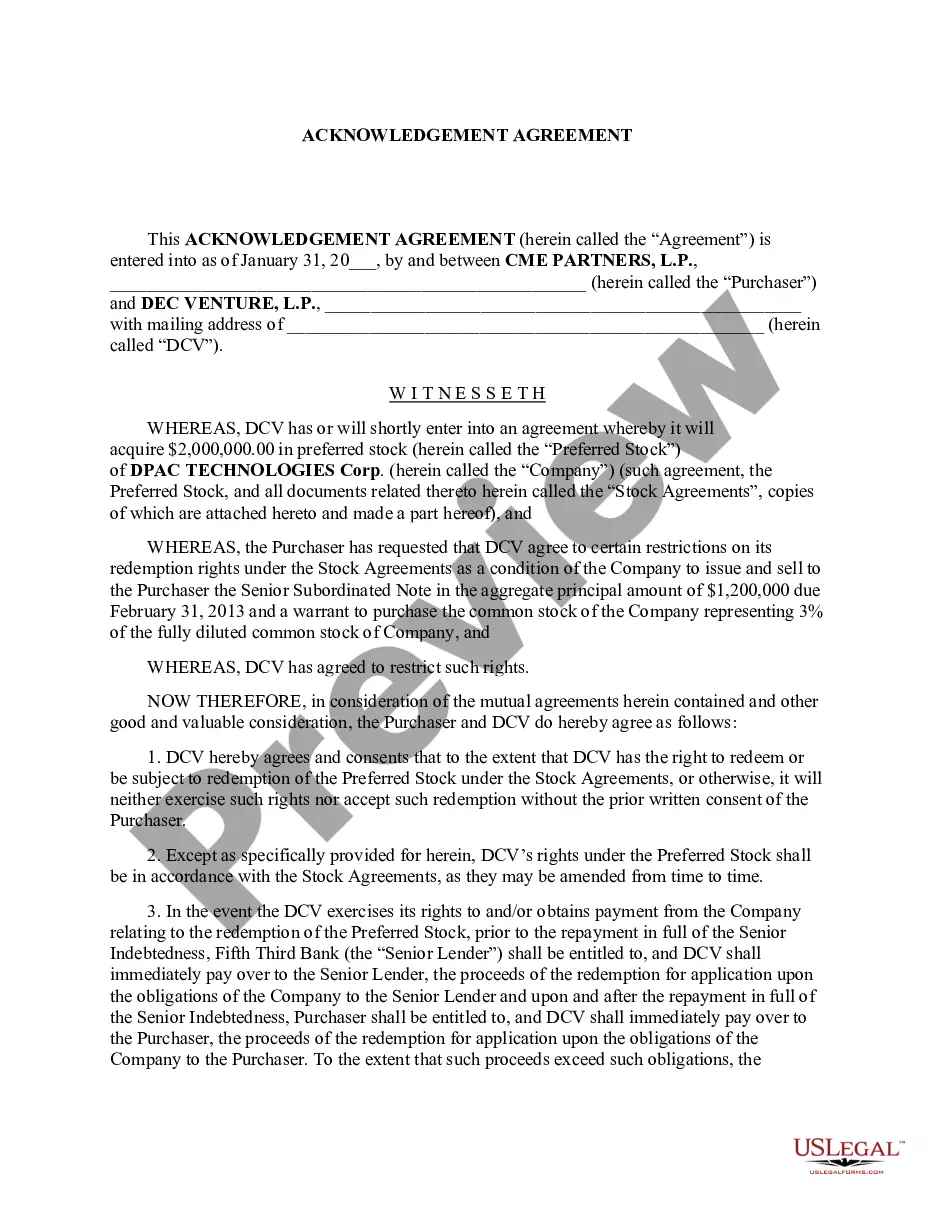
Situations where this form applies
This form should be used when an individual needs to affirm the execution of a document, such as contracts, consent forms, or any legal agreements that require legitimate acknowledgement. It is often used in transactions that involve real estate, financial matters, or legal proceedings where identity verification is critical.
Intended users of this form
This form is appropriate for:
- Individuals engaging in legal agreements requiring acknowledgment.
- Notaries public who need to verify an individual's identity.
- Legal professionals assisting clients in formal transactions.
Steps to complete this form
Follow these steps to accurately complete the Acknowledgment for Individuals:
- Identify the date on which the acknowledgment is made.
- Enter the full name(s) of the individual(s) acknowledging the document.
- Sign the form in the designated signature area.
- Present the form to a notary public for verification.
- Ensure the notary completes their section, including a seal if applicable.
Does this form need to be notarized?
Notarization is required for this form to take effect. Our online notarization service, powered by Notarize, lets you verify and sign documents remotely through an encrypted video session, available 24/7.
Get your form ready online
Our built-in tools help you complete, sign, share, and store your documents in one place.
Make edits, fill in missing information, and update formatting in US Legal Forms—just like you would in MS Word.
Download a copy, print it, send it by email, or mail it via USPS—whatever works best for your next step.
Sign and collect signatures with our SignNow integration. Send to multiple recipients, set reminders, and more. Go Premium to unlock E-Sign.
If this form requires notarization, complete it online through a secure video call—no need to meet a notary in person or wait for an appointment.
We protect your documents and personal data by following strict security and privacy standards.

Make edits, fill in missing information, and update formatting in US Legal Forms—just like you would in MS Word.

Download a copy, print it, send it by email, or mail it via USPS—whatever works best for your next step.

Sign and collect signatures with our SignNow integration. Send to multiple recipients, set reminders, and more. Go Premium to unlock E-Sign.

If this form requires notarization, complete it online through a secure video call—no need to meet a notary in person or wait for an appointment.

We protect your documents and personal data by following strict security and privacy standards.
Avoid these common issues
- Failing to include the date of acknowledgment.
- Not signing the form in the presence of a notary.
- Neglecting to fill in the name(s) fully or accurately.
- Leaving the notary section incomplete.
Why use this form online
- Convenient access to legal forms from any device.
- Editable fields allow customization for your specific needs.
- Reliable, attorney-drafted templates ensure compliance with legal standards.
- Instant download provides immediate availability for use.
Looking for another form?
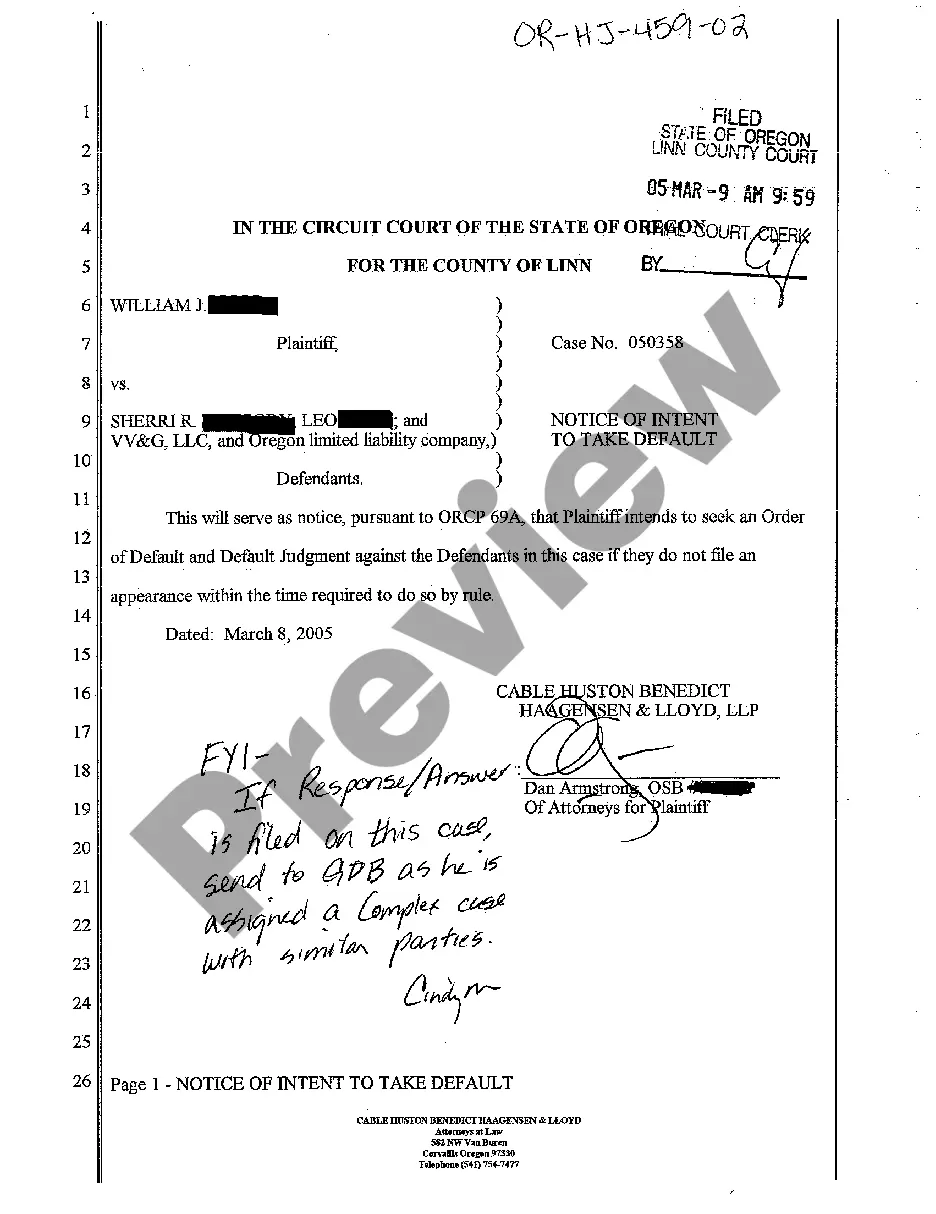

Form popularity
FAQ
An acknowledgment is a formal declaration before an authorized official such as a notary, by a person who has signed a document, that the document is his or her act. Acknowledgments are governed by the Uniform Acknowledgment Act. The person acknowledging the document must personally appear before the notary.
You not need both parties to be physically present at the time of notarization, but you can only notarize for the person who is appearing before you. The other person can have their signature notarized at another time. Kelle Clarke is a Contributing Editor with the National Notary Association.
Kansas Governor Laura Kelly issued executive orders temporarily allowing Notaries to perform remote notarizations and remote witnessing.
As long as the signer is personally present before the notary and acknowledges the signature, then the notary can proceed with performing the notarial act.If the document has already been signed, the signer can sign his or her name again above or next to the first signature. You can then proceed with the notarization.
The Individual Acknowledgment certificate is used when an individual is signing and acknowledging on his or her own behalf.
While notarizing for a parent is not prohibited, as suggested in Article II-B-5 of The Notary Public Code Of Professional Responsibility the NNA recommends that you not notarize for a parent, sibling or other family members related by heredity or marriage because the financial affairs of family members are often
A notary may not notarize his or her own signature, but may no- tarize the signatures of his or her spouse, children, parents or other relatives. However, the power is limited by K.S.A. 53-109 (prohibited notarial acts; financial or beneficial interest).
What Is An Acknowledgment? The purpose of an acknowledgment is for a signer, whose identity has been verified, to declare to a Notary or notarial officer that he or she has willingly signed a document.The signer may either sign the document before appearing before you, or in your presence.
A notary public may notarize documents for relatives or others, unless doing so would provide a direct financial or beneficial interest to the notary public. Given California's community property law, care should be exercised if notarizing for a spouse or a domestic partner.