Kansas Letter to Lienholder to Notify of Trust
Understanding this form
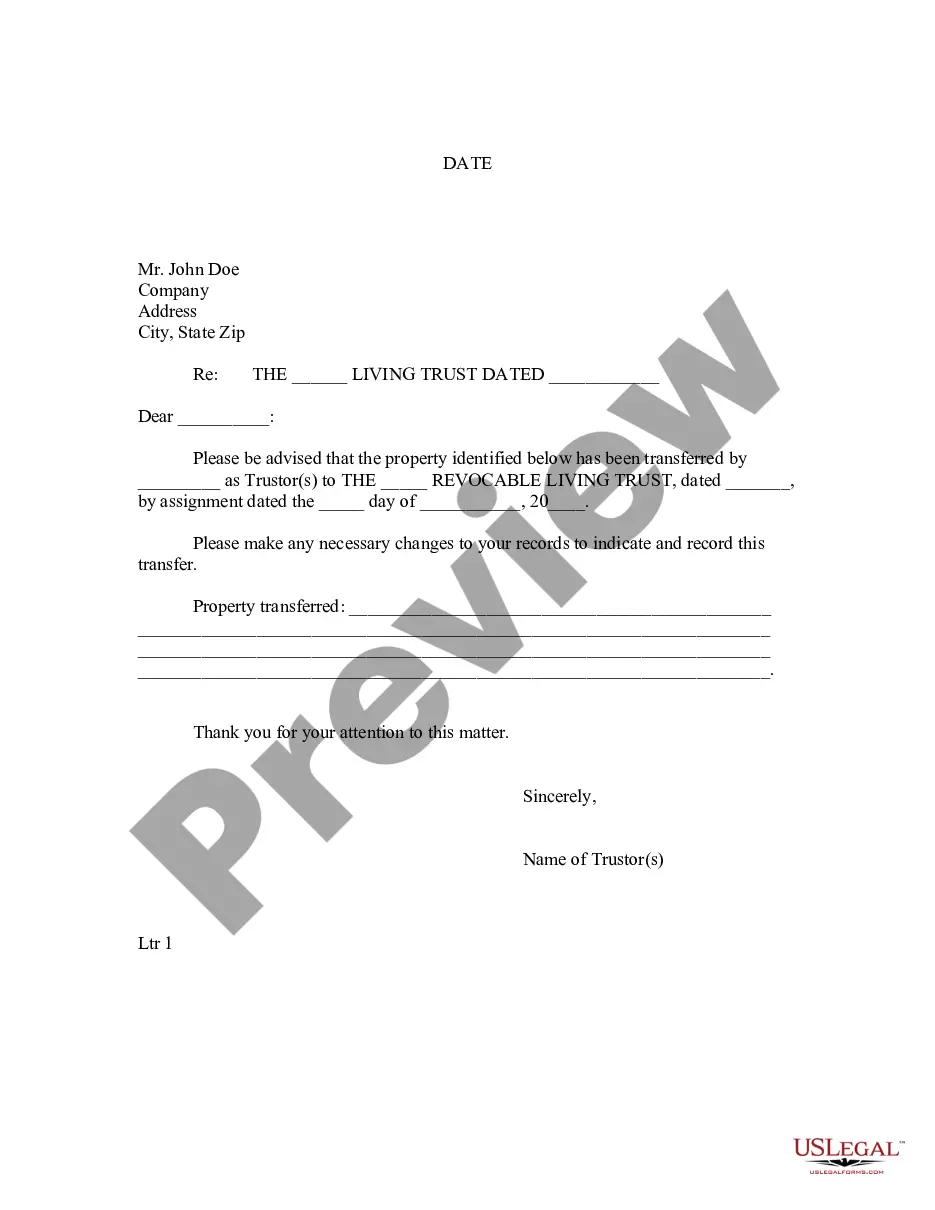
The Letter to Lienholder to Notify of Trust is a formal notice that informs a lienholder that property has been transferred into a living trust. This document serves to clarify ownership and ensures the lienholder updates their records accordingly. Unlike other legal forms, this letter specifically addresses the modification of ownership due to the establishment of a living trust, which is created during a person's lifetime for estate planning purposes.
Main sections of this form
- Date of the letter
- Identification of the lienholder and property
- Statement of transfer to the living trust
- Instruction for the lienholder to update records
- Signature of the trustor(s)
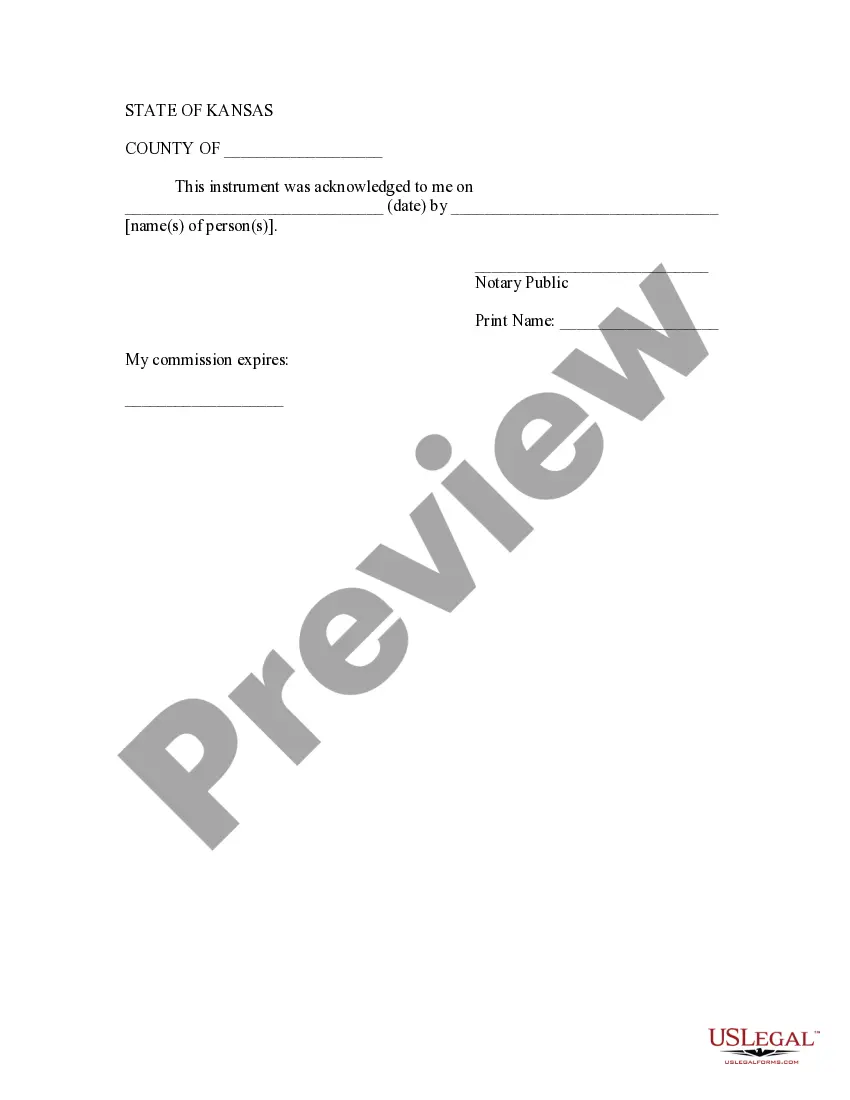
- Notary acknowledgment section
When to use this document
This form should be used when transferring property to a living trust, a common step in estate planning. It is essential when the property, such as real estate or major assets, requires formal notification to lienholders. This letter helps ensure that legal ownership is correctly reflected in lienholder records, which is critical for avoiding any future disputes over property ownership.
Who should use this form
This form is intended for:
- Individuals establishing a living trust
- Trustors who have transferred property into a trust
- Property owners notifying lienholders of trust transfers
- Estate planners assisting clients with trust setup
Steps to complete this form
- Enter the date at the top of the letter.
- Fill in the lienholder's name and address.
- Specify the name of the living trust and the date it was created.
- List the property being transferred to the trust.
- Sign the letter as the trustor(s) and include the necessary notary acknowledgment.
Notarization guidance
This document requires notarization to meet legal standards. US Legal Forms provides secure online notarization powered by Notarize, allowing you to complete the process through a verified video call, available 24/7.
Get your form ready online
Our built-in tools help you complete, sign, share, and store your documents in one place.
Make edits, fill in missing information, and update formatting in US Legal Forms—just like you would in MS Word.
Download a copy, print it, send it by email, or mail it via USPS—whatever works best for your next step.
Sign and collect signatures with our SignNow integration. Send to multiple recipients, set reminders, and more. Go Premium to unlock E-Sign.
If this form requires notarization, complete it online through a secure video call—no need to meet a notary in person or wait for an appointment.
We protect your documents and personal data by following strict security and privacy standards.

Make edits, fill in missing information, and update formatting in US Legal Forms—just like you would in MS Word.

Download a copy, print it, send it by email, or mail it via USPS—whatever works best for your next step.

Sign and collect signatures with our SignNow integration. Send to multiple recipients, set reminders, and more. Go Premium to unlock E-Sign.

If this form requires notarization, complete it online through a secure video call—no need to meet a notary in person or wait for an appointment.

We protect your documents and personal data by following strict security and privacy standards.
Avoid these common issues
- Failing to include all necessary property details.
- Not notifying all lienholders if there are multiple.
- Leaving out the date of the transfer or signing dates.
- Forgetting to notarize the document if required.
Benefits of completing this form online
- Convenient access to professionally drafted legal forms.
- Edit and customize the form according to your specific needs.
- Instant download, allowing for quick use.
- Peace of mind knowing the document is prepared by licensed attorneys.
What to keep in mind
- The Letter to Lienholder to Notify of Trust is vital for notifying lienholders about property transfers into trusts.
- Completing this form properly prevents future disputes over property ownership.
- Users should verify any state-specific requirements to ensure legal compliance.
Looking for another form?
Form popularity
FAQ
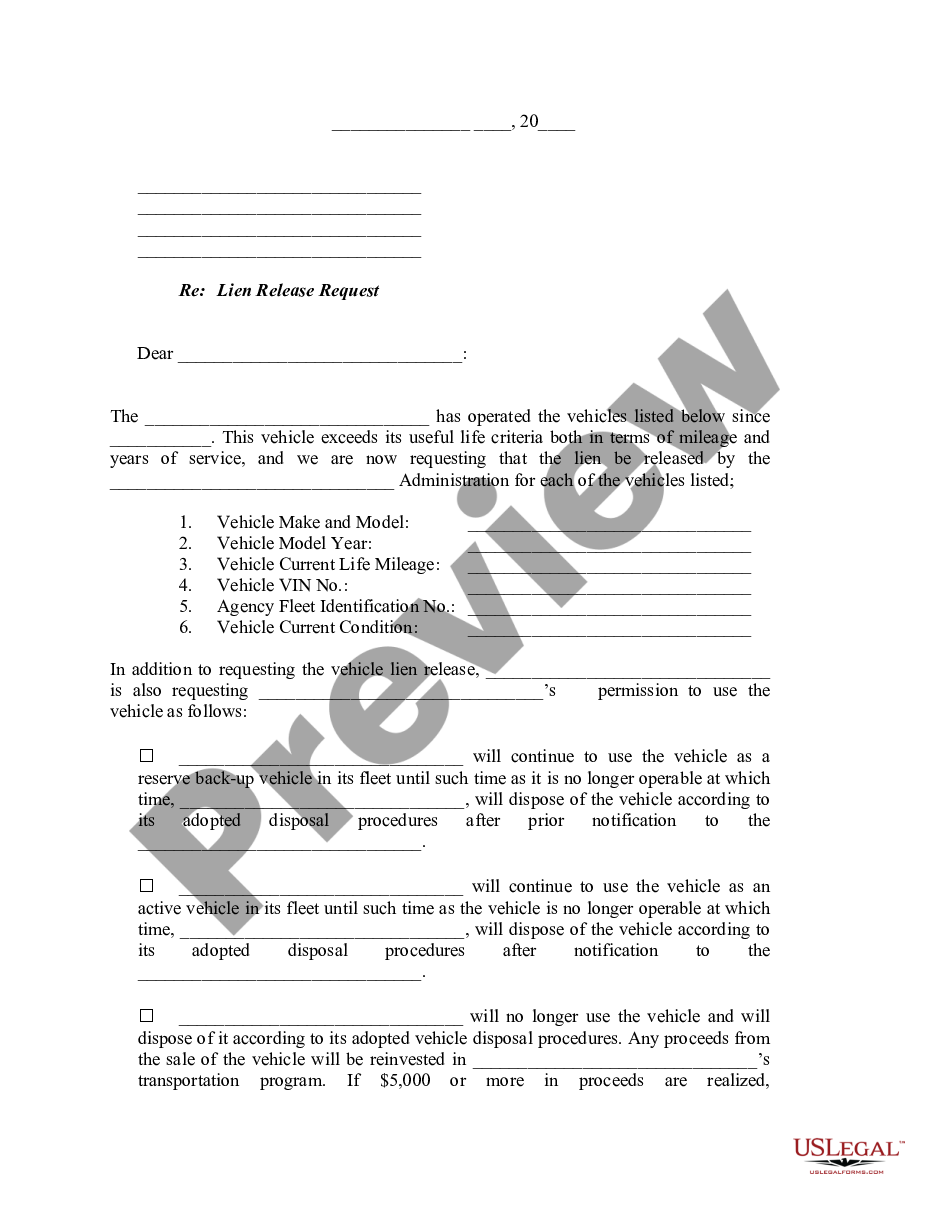
The car (vehicle) lien release form is a document that is used by a lending institution or entity after a borrower has paid the loan in full and the borrower would like to retrieve the title to their vehicle.
The release of lien for an electronic title may be accomplished by providing this completed form to the person who satisfied the lien, purchased the vehicle, or requested the release, and/or by faxing it to the Title & Registration Bureau at (785) 296-2383 or e-mail to KDOR_TR@ks.gov.
Your lienholder has the right to repossess the motor vehicle if you stop making your auto loan payments. Once you make your final payment, you have a right to obtain a lien release from the lienholder. When you get a lien released, you can receive a clear title from the DMV.
Lien Holder Authorization Letter A letter from the lien holder, giving permission for the vehicle to be relocated.
The 2002 Kansas Legislature authorized electronic lien and title by passing Senate Bill 449, making Kansas a paperless title state. As of January 1, 2003, Kansas vehicle owners who borrow money for their cars, trucks, motorcycles, trailers and other motor vehicles will not receive printed, paper titles.
The release of lien for an electronic title may be accomplished by providing this completed form to the person who satisfied the lien, purchased the vehicle, or requested the release, and/or by faxing it to the Title & Registration Bureau at (785) 296-2383 or e-mail to KDOR_TR@ks.gov.
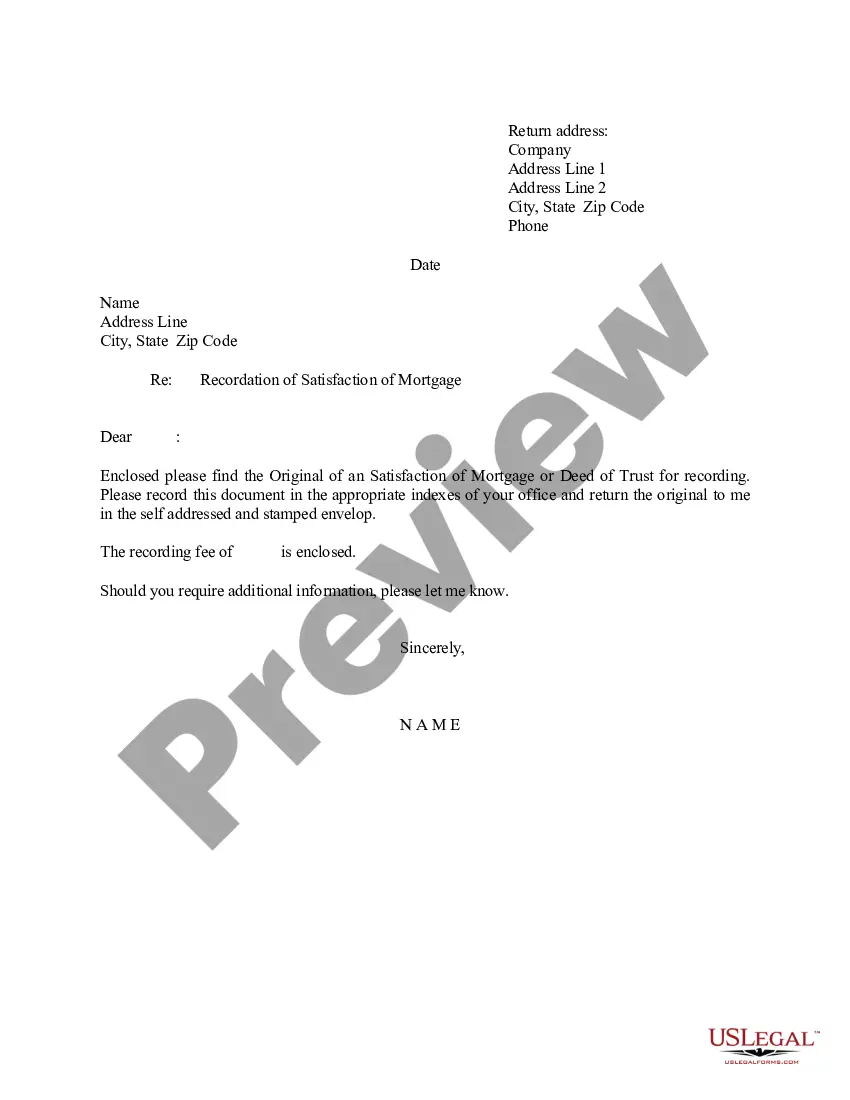
Write your name and return address in the top three lines of the letter. Insert the complete date (month, day, year). Enter the recipient's name, title, company name and address on the next five lines. Greet the reader by writing "Dear (recipient's name):" Skip two lines. State the subject in a subject line.
If the lien has been paid off, use the assignment portion of the Lienholder Consent to Transfer Ownership, Form TR-128, attach the lien release in lieu of the lienholder's portion of the consent and go to your local county treasurer's motor vehicle office and make application for title.
A lien is a claim on property to ensure payment of a debt. When you borrow money to purchase a car, the lender files a lien on the vehicle with the state to insure that if the loan defaults, the lender can take the car. When the debt is fully repaid, a release of the lien is provided by the lender.