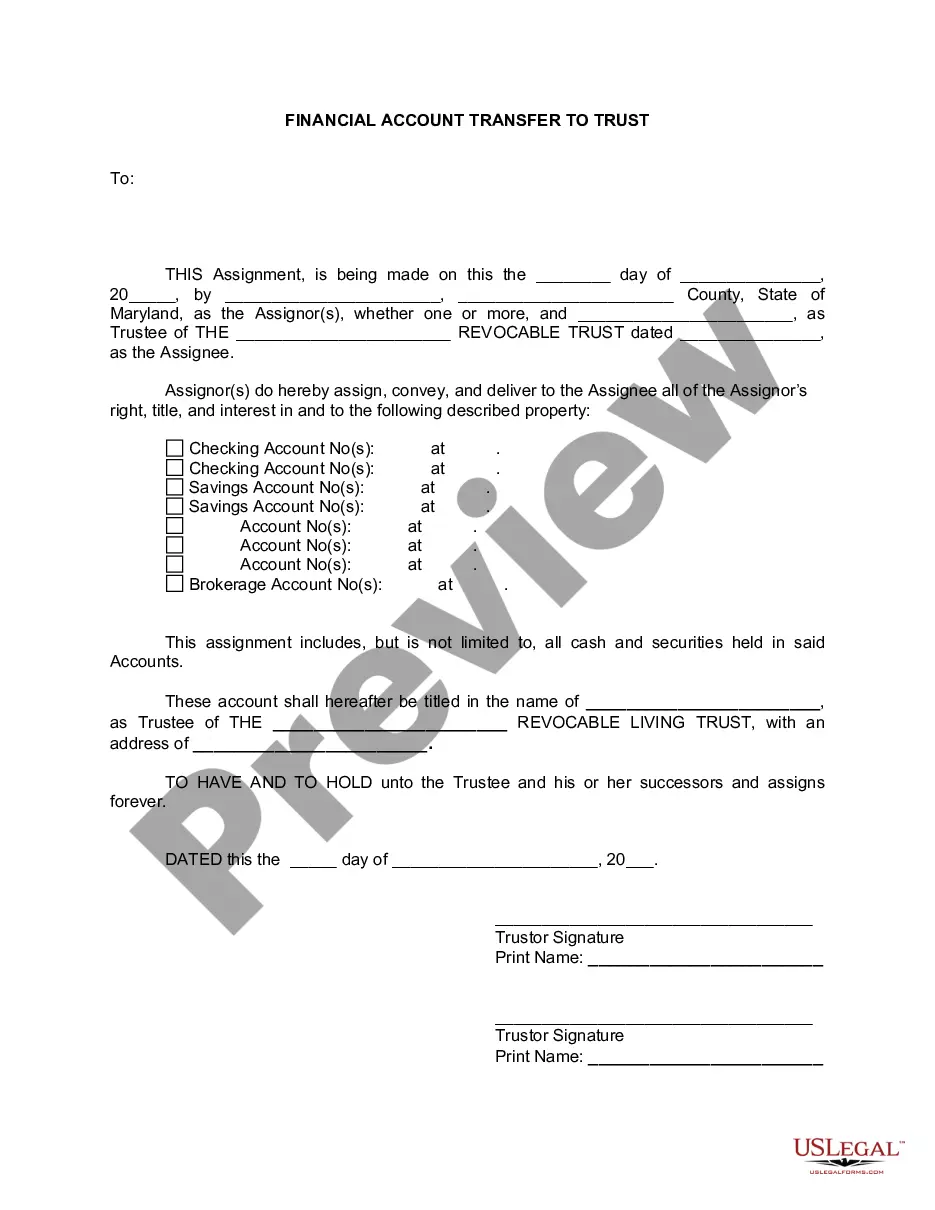
Kansas Warranty Deed from two Individuals to Husband and Wife
Description
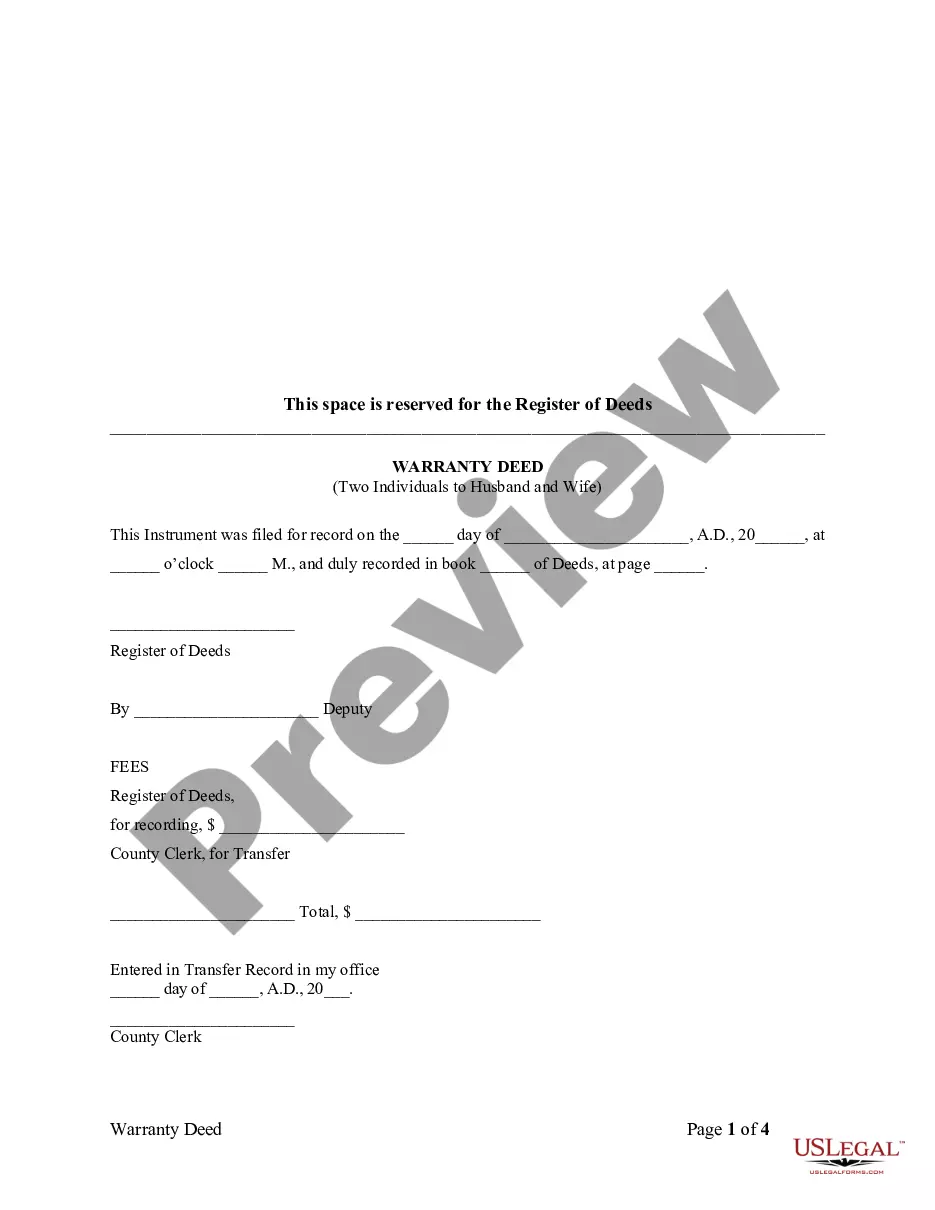
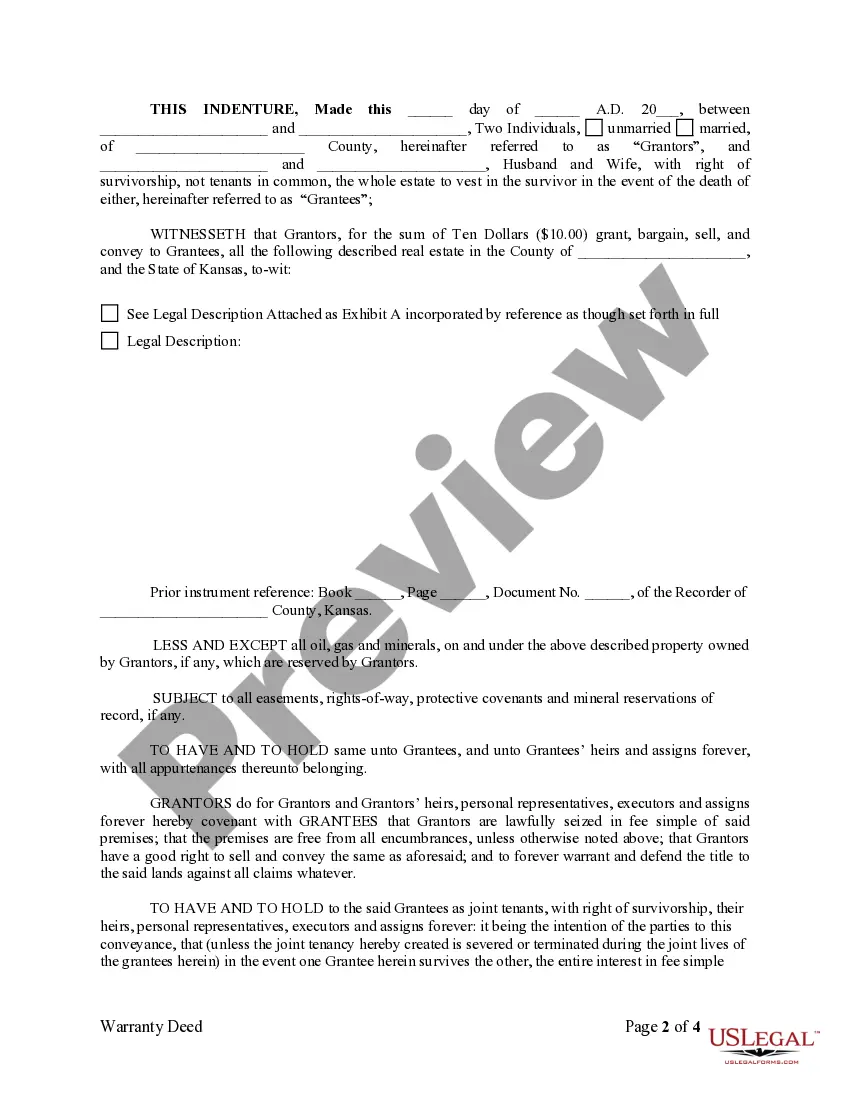

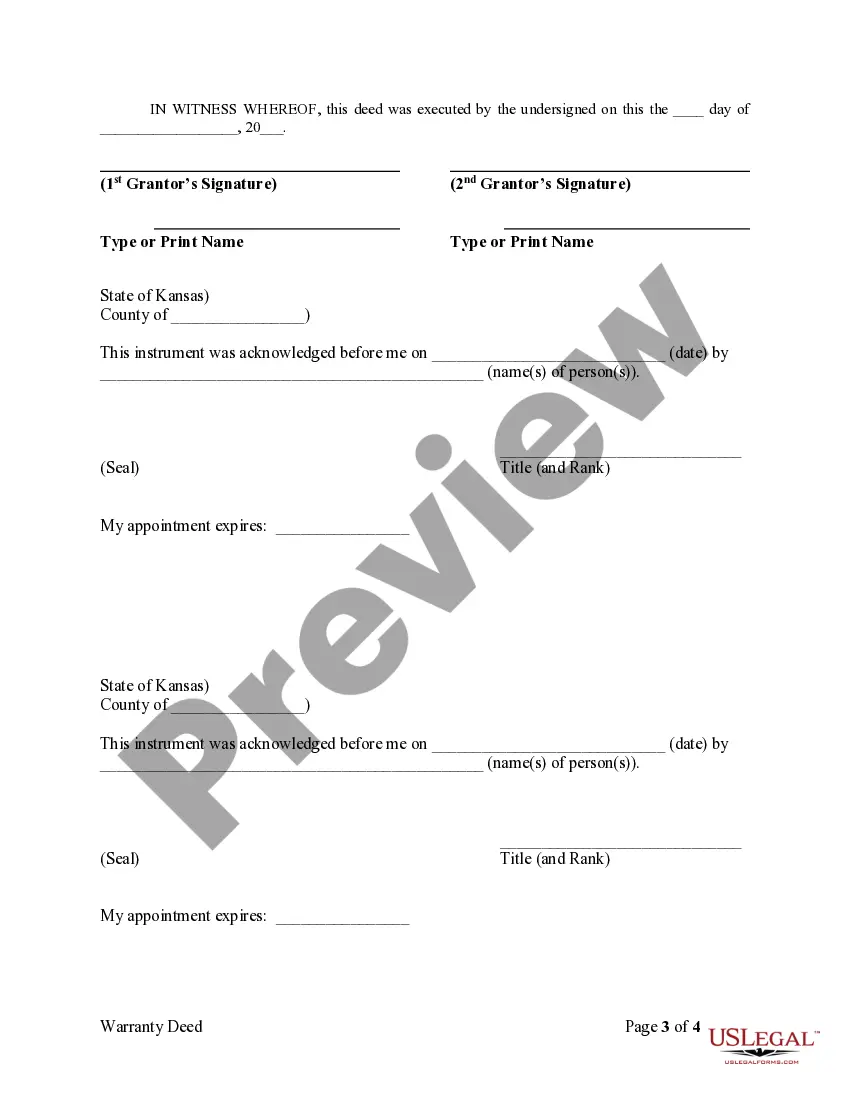
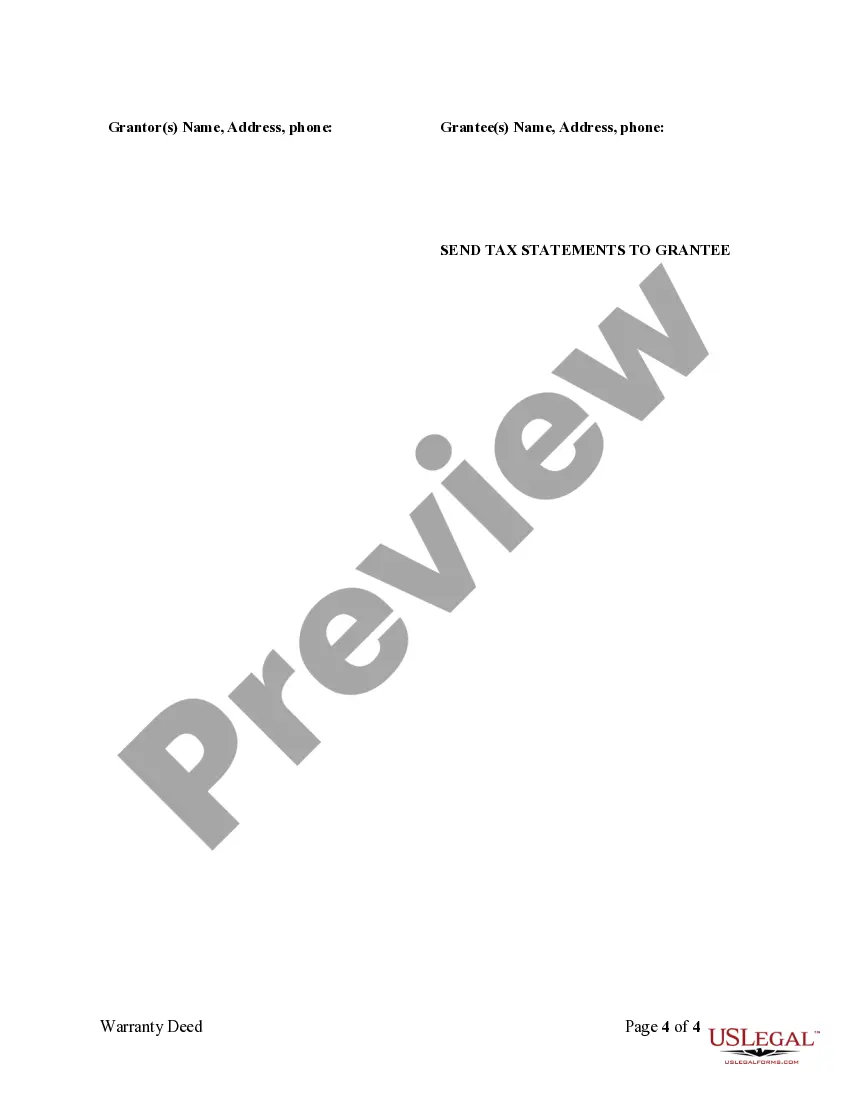






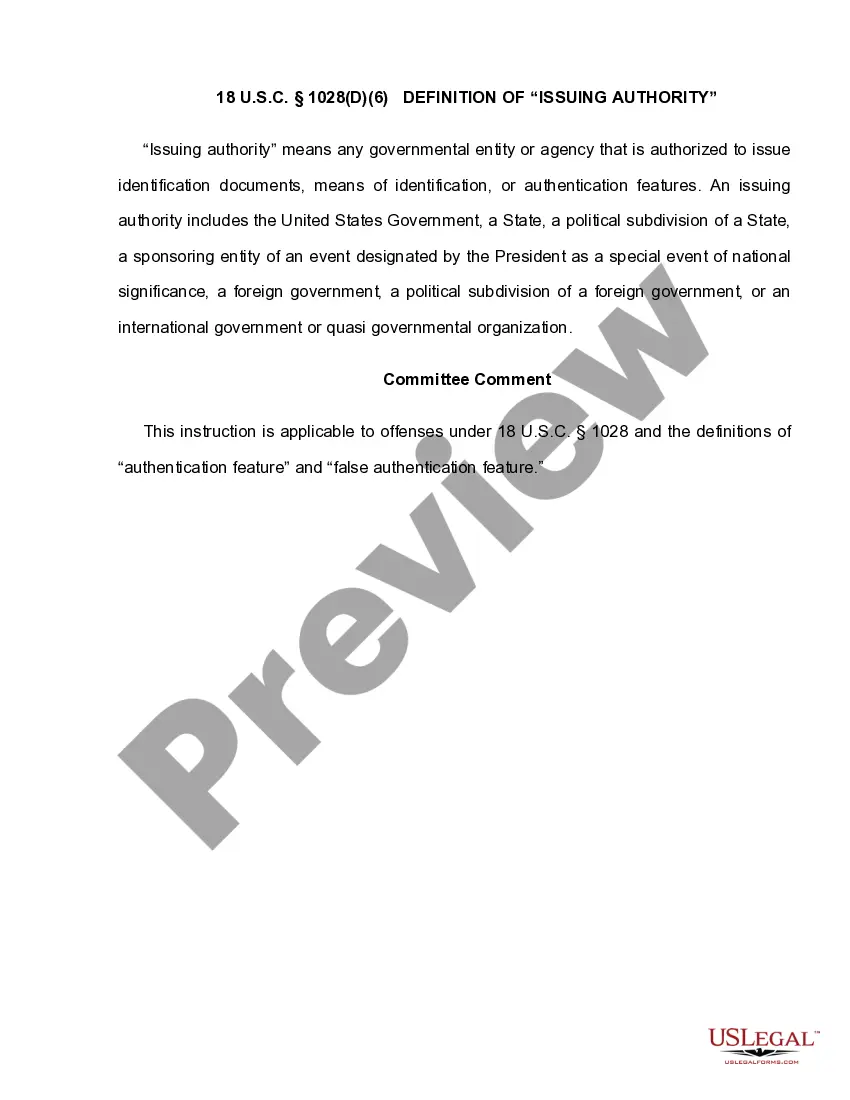
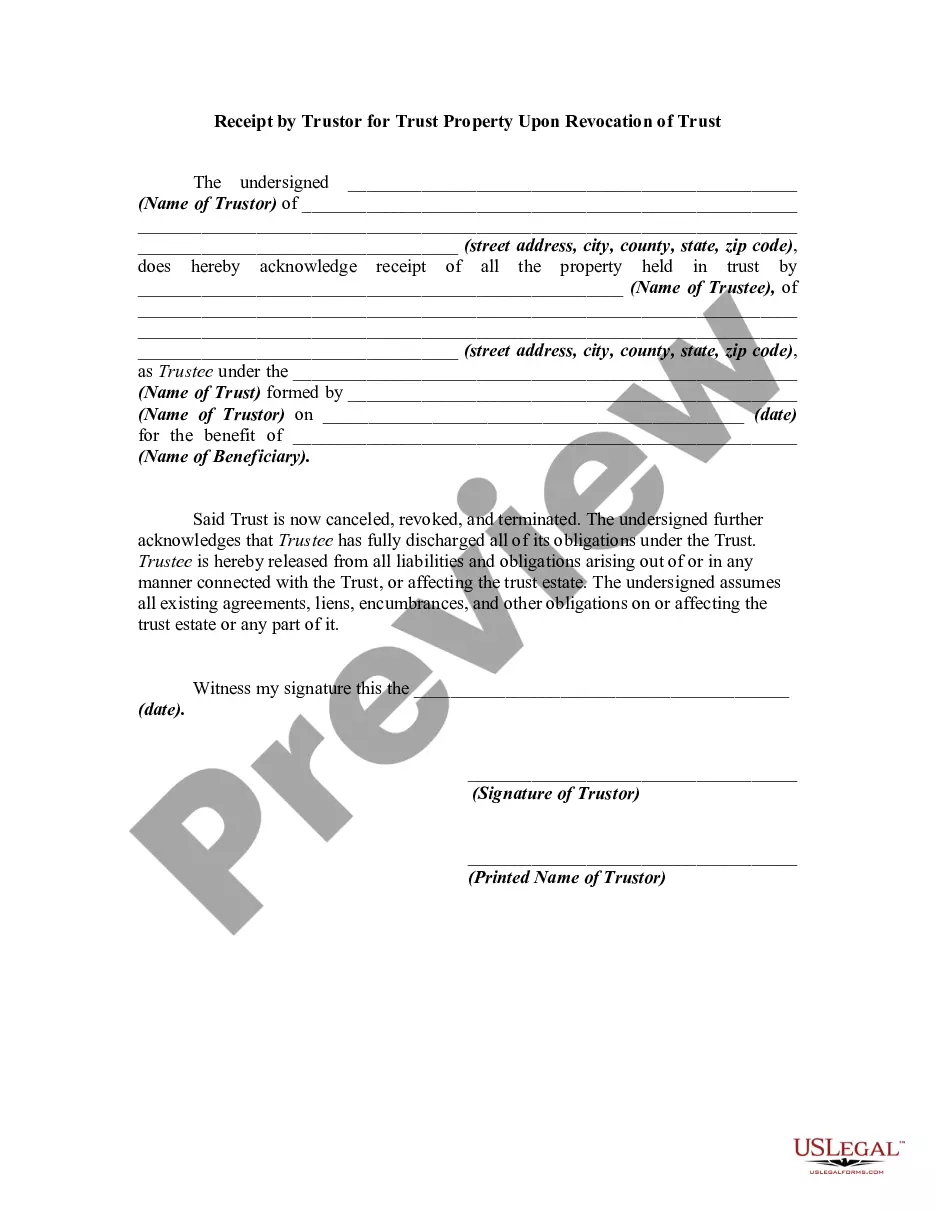
How to fill out Kansas Warranty Deed From Two Individuals To Husband And Wife?
Locating a Kansas Warranty Deed from two Persons to a Husband and Wife template can be rather challenging.
To conserve significant amounts of time, expenses, and effort, utilize US Legal Forms and select the appropriate template tailored for your jurisdiction within just a few clicks.
Our attorneys prepare every document, so you merely need to complete them.
Select your pricing plan and establish an account. Choose your payment method using a credit card or PayPal. Download the file in your selected format. You can print the Kansas Warranty Deed from two Persons to a Husband and Wife template or complete it using any online editor. No need to be concerned about errors as your template can be utilized and submitted, as well as printed out repeatedly. Visit US Legal Forms to access over 85,000 state-specific legal and tax documents.
- Access your account and navigate back to the form's page to save the document.
- All your stored templates are kept in My documents and accessible always for future use.
- If you haven’t signed up yet, you must create an account.
- Review our detailed instructions on how to acquire the Kansas Warranty Deed from two Persons to a Husband and Wife template in just a few minutes.
- To obtain an authorized form, verify its suitability for your jurisdiction.
- Examine the template using the Preview feature (if it’s available).
- If available, read the description to understand the details.
- Click Buy Now if you found what you require.
Form popularity
FAQ
Tenancy by the entirety is the exclusive form of co-ownership that can only be held by married couples. This arrangement offers unique protection and rights that are not available to single owners or co-owners who are not married. When using a Kansas Warranty Deed from two Individuals to Husband and Wife, you ensure that both parties have equal rights to property management and inheritance. In essence, it strengthens the legal bond of ownership between spouses.
One of the simplest ways to add your wife to the home title is by using an interspousal deed. You can transfer the property from your sole and separate property to mutual tenancy, such as joint tenants with right of survivorship, with your wife.
Let's start with the definition of a deed: DEED: A written instrument by which one party, the Grantor, conveys the title of ownership in property to another party, the Grantee. A Warranty Deed contains promises, called covenants, that the Grantor makes to the Grantee.
A warranty deed, also known as a general warranty deed, is a legal real estate document between the seller (grantor) and the buyer (grantee). The deed protects the buyer by pledging that the seller holds clear title to the property and there are no encumbrances, outstanding liens, or mortgages against it.
Recording A quitclaim deed must be filed with the County Recorder's Office where the real estate is located. Go to your County Website to locate the office nearest you. Signing (§ 58-2205) A quitclaim deed is required to be authorized with a notary public present.
The mortgage company usually prepares this deed as part of the loan package and delivers it to the title company for you to sign at closing. The title company is commonly the trustee to the deed and holds legal title to the property until the loan gets fully repaid.
What Is the Difference Between a Warranty Deed & a Survivorship Deed?A warranty deed is the most comprehensive and provides the most guarantees. Survivorship isn't so much a deed as a title. It's a way to co-own property where, upon the death of one owner, ownership automatically passes to the survivor.
In a Non-Warranty Deed, the seller gives no warranties.In a Non-Warranty or Quitclaim Deed, the seller merely is giving the buyer whatever rights, if any, that the seller has in the property and the seller makes no warranties of any nature about the seller's rights in the property.
A warranty deed is a legal document used to transfer, or convey, rights in real property from a grantor (seller) to a grantee (buyer). For Kansas residential property, the primary methods for holding title in co-ownership are tenancy in common and joint tenancy.
With a Survivorship Deed in place, when one of the parties in a joint tenancy dies, the other party (or parties) takes over the deceased party's interest in the property instead of it passing to the deceased's heirs or beneficiaries.