Kansas Drainage Contract for Contractor
What is this form?
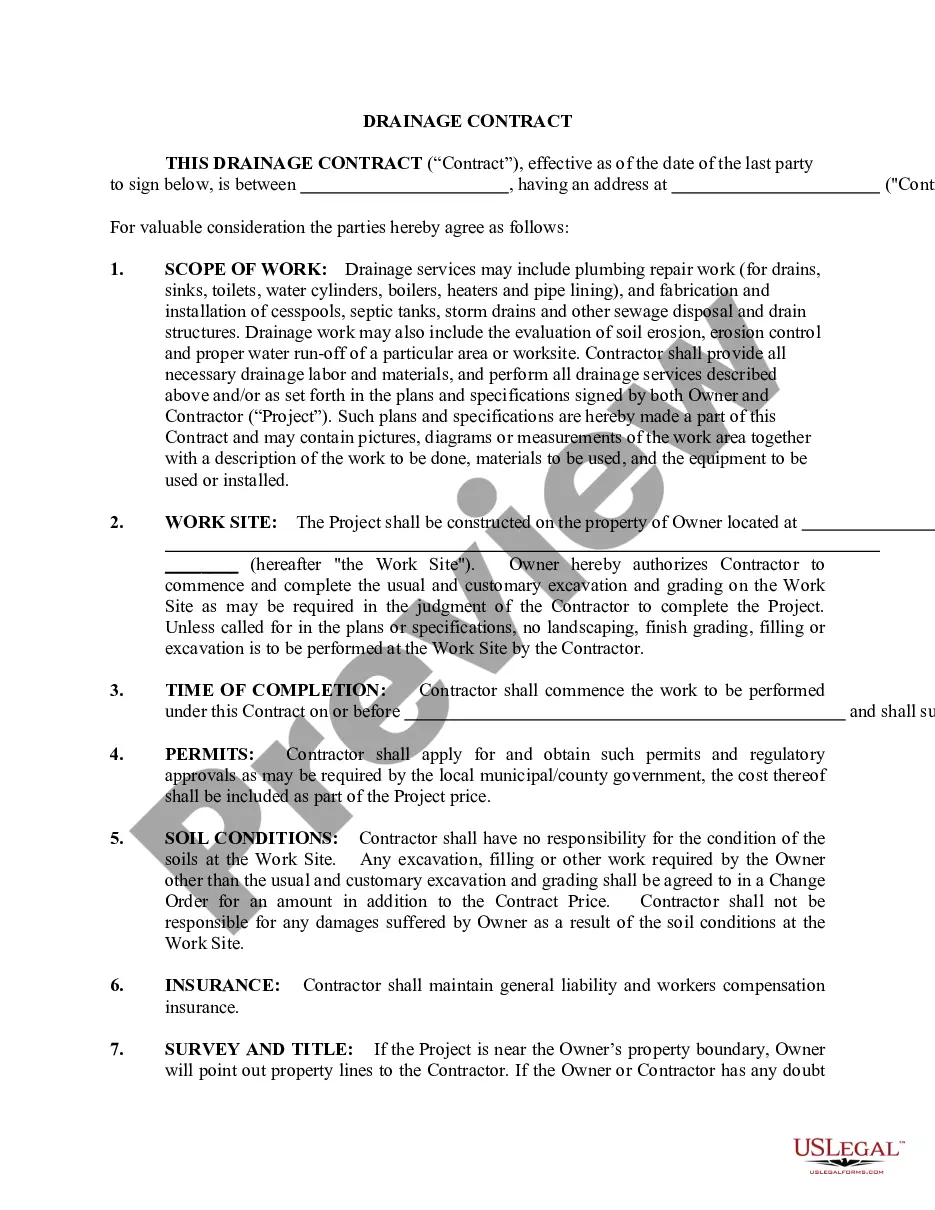
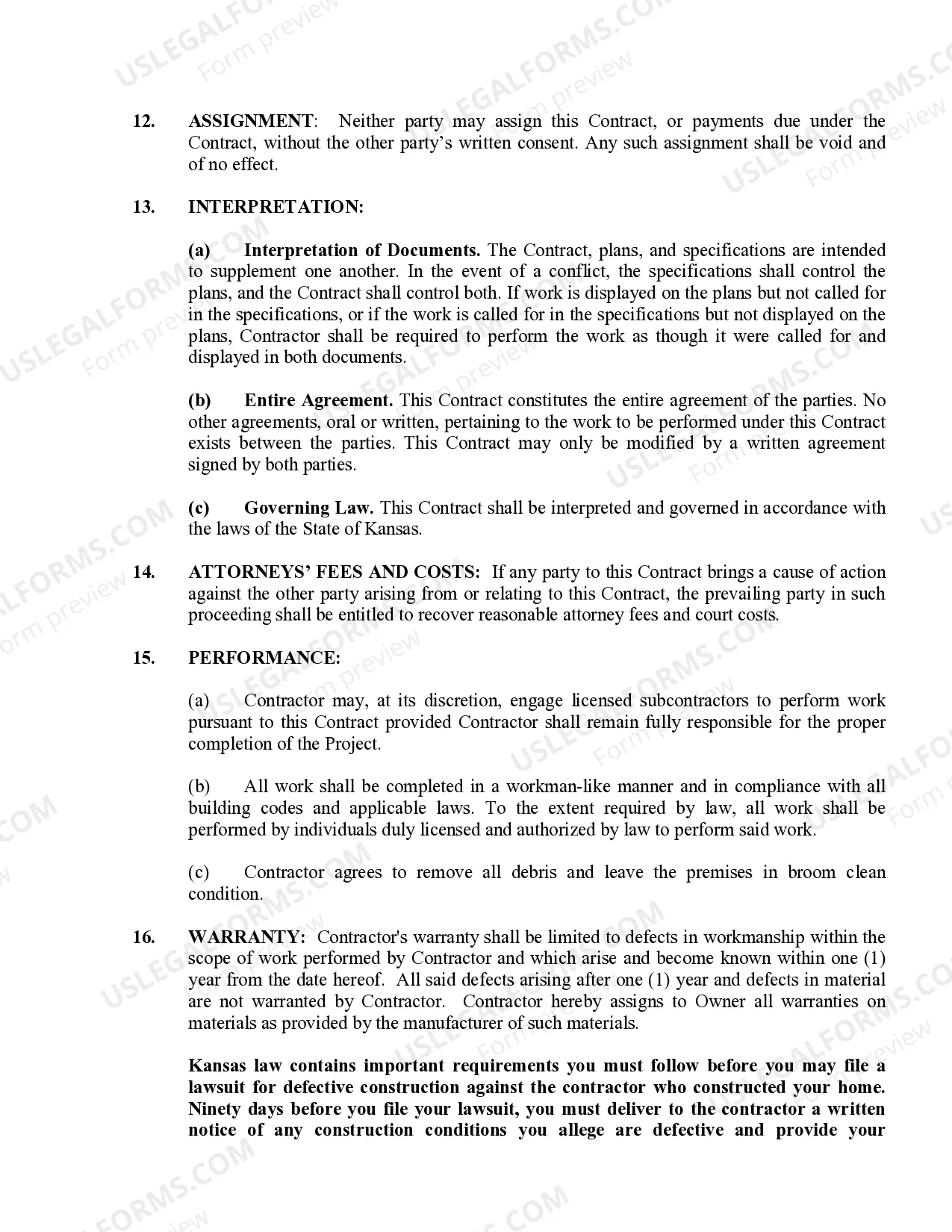
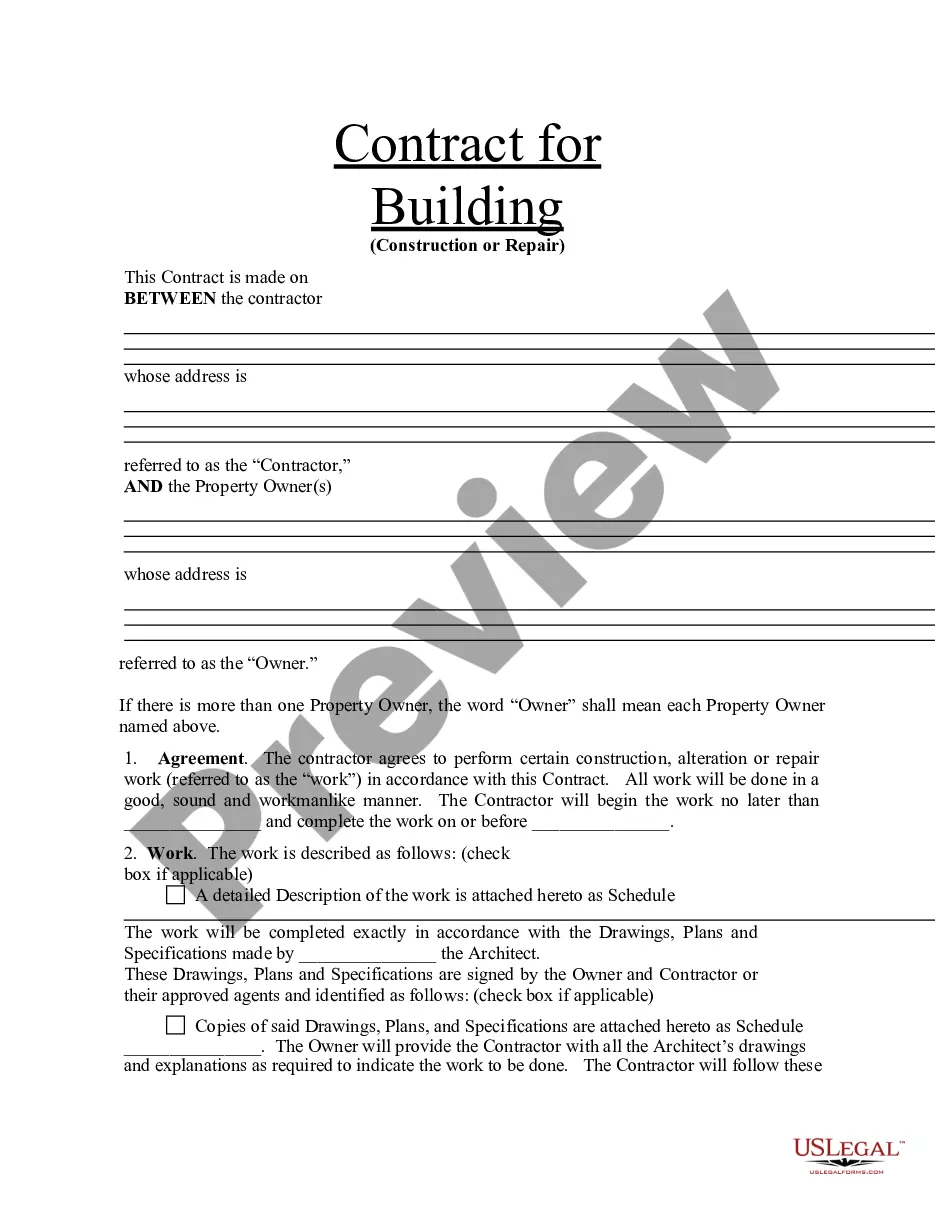
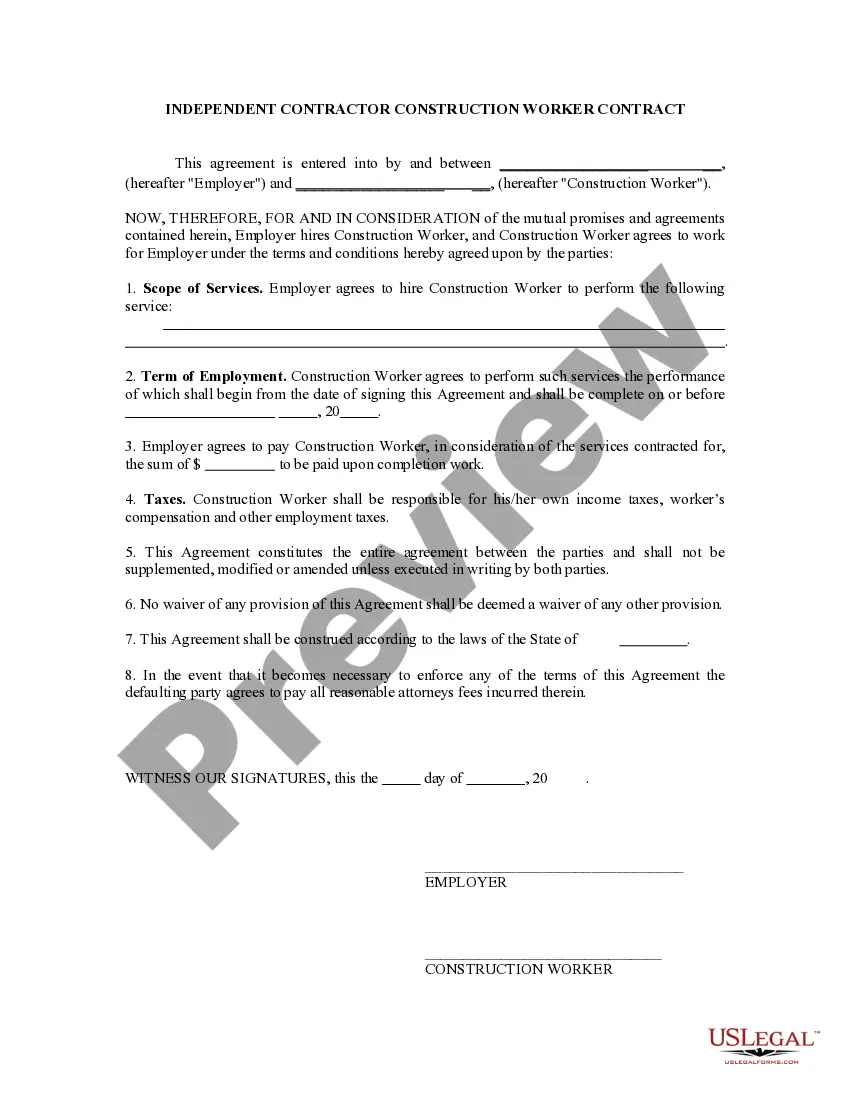
The Drainage Contract for Contractor is a legal document that outlines the agreement between drainage contractors and property owners. This contract establishes the terms of the project, payment arrangements, and responsibilities for both parties, ensuring a clear understanding of expectations and obligations. Unlike generic construction contracts, this specific form is tailored to drainage projects and complies with the laws of the State of Kansas, making it suitable for local use.
Main sections of this form
- Work Site: Identifies the location of the drainage project on the owner's property.
- Permits: Mandates the contractor to obtain necessary permits for the project.
- Soil Conditions: Clarifies that the contractor is not responsible for soil conditions at the work site.
- Insurance: Requires the contractor to maintain liability and workers compensation insurance.
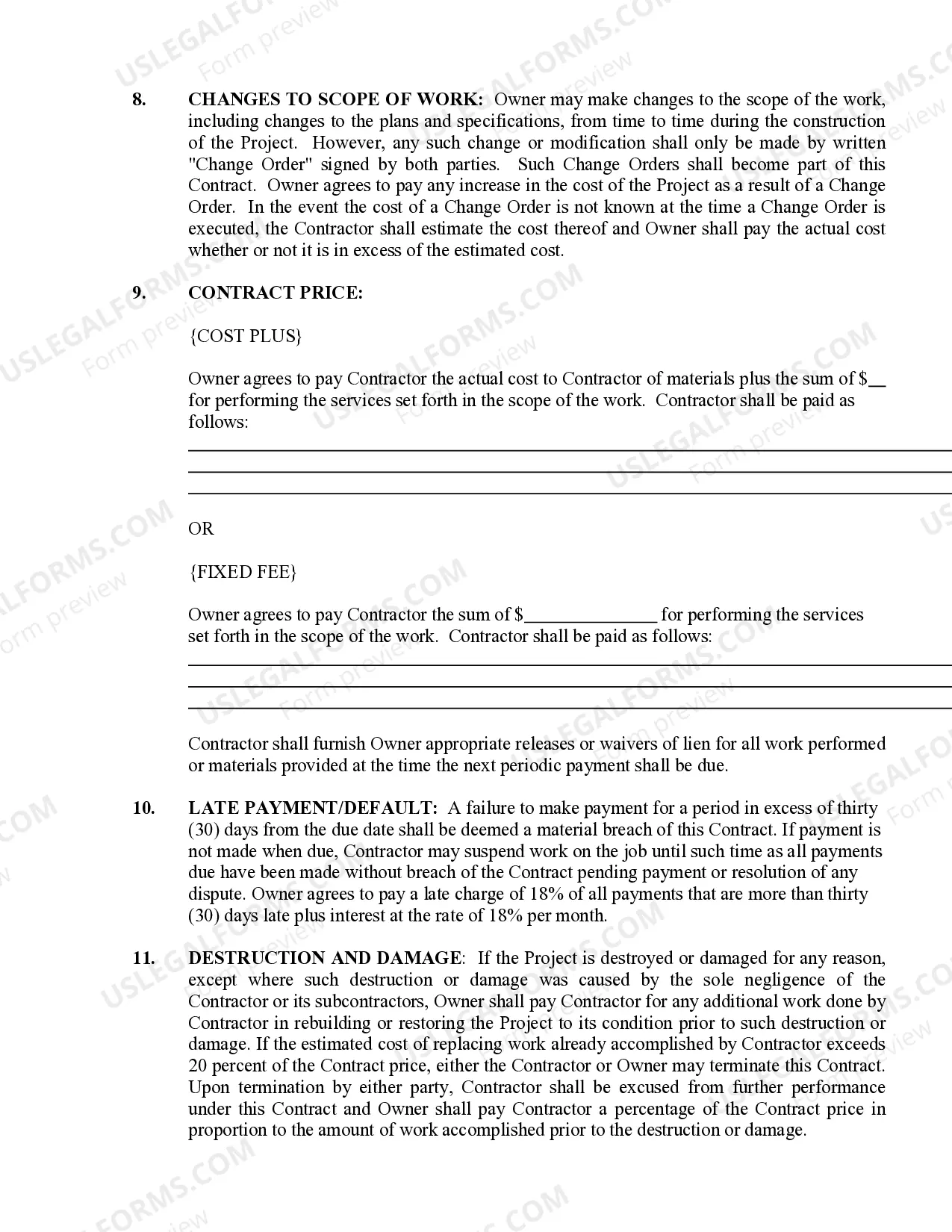
- Changes to Scope of Work: Details how and when changes to the project may occur through written change orders.
- Contract Price Awareness: Identifies payment structures including cost plus and fixed fees.
When to use this form
This form is essential when property owners hire a contractor for drainage projects. Use it to formally establish the project details, including costs, timelines, and the responsibilities of each party. It is particularly useful when a property owner anticipates changes during the project or when there is uncertainty about soil conditions. This contract helps protect all parties involved and ensures that the work is done according to agreed-upon specifications.
Who needs this form
- Property owners seeking to engage drainage contractors for their property.
- Drainage contractors looking for a standardized contract to formalize project agreements.
- Any individual or entity involved in drainage project management within the State of Kansas that requires a legally compliant contract.
Instructions for completing this form
- Identify the parties: Enter the names and contact information of both the property owner and the contractor.
- Specify the property: Clearly indicate the address and boundaries of the work site.
- Outline project details: Fill in the payment arrangement (cost plus or fixed fee) and key project milestones.
- Include permits and insurance information: Have the contractor list the required permits and provide insurance details.
- Sign the contract: Ensure both parties sign and date the document to confirm agreement.
Is notarization required?
This form usually doesn’t need to be notarized. However, local laws or specific transactions may require it. Our online notarization service, powered by Notarize, lets you complete it remotely through a secure video session, available 24/7.
Get your form ready online
Our built-in tools help you complete, sign, share, and store your documents in one place.
Make edits, fill in missing information, and update formatting in US Legal Forms—just like you would in MS Word.
Download a copy, print it, send it by email, or mail it via USPS—whatever works best for your next step.
Sign and collect signatures with our SignNow integration. Send to multiple recipients, set reminders, and more. Go Premium to unlock E-Sign.
If this form requires notarization, complete it online through a secure video call—no need to meet a notary in person or wait for an appointment.
We protect your documents and personal data by following strict security and privacy standards.

Make edits, fill in missing information, and update formatting in US Legal Forms—just like you would in MS Word.

Download a copy, print it, send it by email, or mail it via USPS—whatever works best for your next step.

Sign and collect signatures with our SignNow integration. Send to multiple recipients, set reminders, and more. Go Premium to unlock E-Sign.

If this form requires notarization, complete it online through a secure video call—no need to meet a notary in person or wait for an appointment.

We protect your documents and personal data by following strict security and privacy standards.
Common mistakes
- Failing to clearly define the work site location can lead to disputes.
- Not specifying a method for handling change orders can cause misunderstandings during the project.
- Overlooking the need for permits may result in project delays or legal issues.
- Not including insurance requirements can expose owners to liability risks.
Benefits of completing this form online
- Convenience: Download and complete the form anytime without the need for in-person meetings.
- Editability: Easily customize the form to meet specific project needs.
- Reliability: Use professionally drafted legal templates that comply with state laws.
Legal use & context
- This contract is legally binding upon signature by both parties.
- Does not substitute for professional legal advice or representation.
- Failure to adhere to contract terms may result in legal disputes or the inability to enforce agreements in court.
Quick recap
- The Drainage Contract for Contractor establishes clear responsibilities and expectations.
- It's essential for both parties to understand the terms related to payment, changes, and project scope.
- Ensure compliance with Kansas state laws for legal enforceability.
Looking for another form?




Form popularity
FAQ
Both parties should sign the contract, and both should be bound by the terms and conditions spelled out in the agreement. In general that means the contractor will be obliged to provide specified materials and to perform certain services for you. In turn, you will be required to pay for those goods and that labor.
There are many reasons for terminating a construction contract. Some of the most common are nonpayment by the owner or contractor, nonperformance by the contractor or subcontractors, timeliness of performance, lack of communication or simply an inability to get along.
Under the terms of any contract, both parties have an obligation to perform according to the contract. If one party fails to perform, blocks the other party from performing, or otherwise violates the terms of the contract without a legal justification, they have breached the contract and the contract can be terminated.
Termination is a right granted the owner or general contractor and does not have a parallel right for the contractor or subcontractor to terminate a contract. A contractor or subcontractor can abandon a contract upon breach by the owner or general contractor, but cannot terminate the contract.
Yes, absolutely. Starting work without a signed contract means that your position isn't clear, or even worse it's weak.It also means that the contract is legally enforceable and will be able to support you if you decide to take legal action.
If you run a small business that hires 1099 contractors, also known as independent contractors, it is vital that you have them sign an independent contractor contract. This is because there is a significant gray area between who is classified as an independent contractor and who is classified as an employee.
A termination for cause can only take place if one party cannot completely fulfill their contractual duties. An example of this would be a contractor terminating their contract for cause because the owner failed to pay them in the time that was determined in the contract.
Employees are paid by a fixed salary or hourly wage while independent contractors are often paid per project. Can the hiring entity terminate the worker at any time? Usually, independent contractors cannot be fired at-will like employees can because they have contracts that outline termination.
Identifying/Contact Information. Title and Description of the Project. Projected Timeline and Completion Date. Cost Estimate and Payment Schedule. Stop Work Clause and Stop Payment Clause. Act of God Clause. Change Order Agreement. Warranty.