Indiana Revocation of Life Prolonging Procedures Declaration
What is this form?
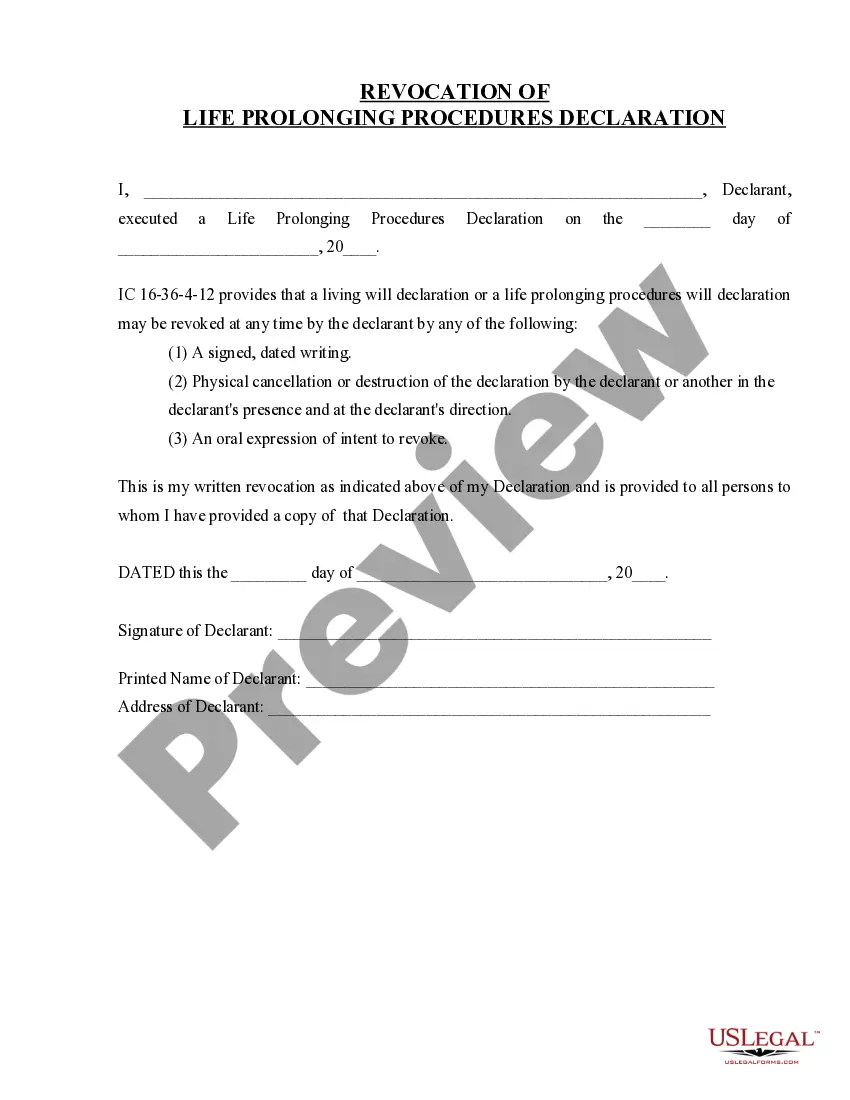
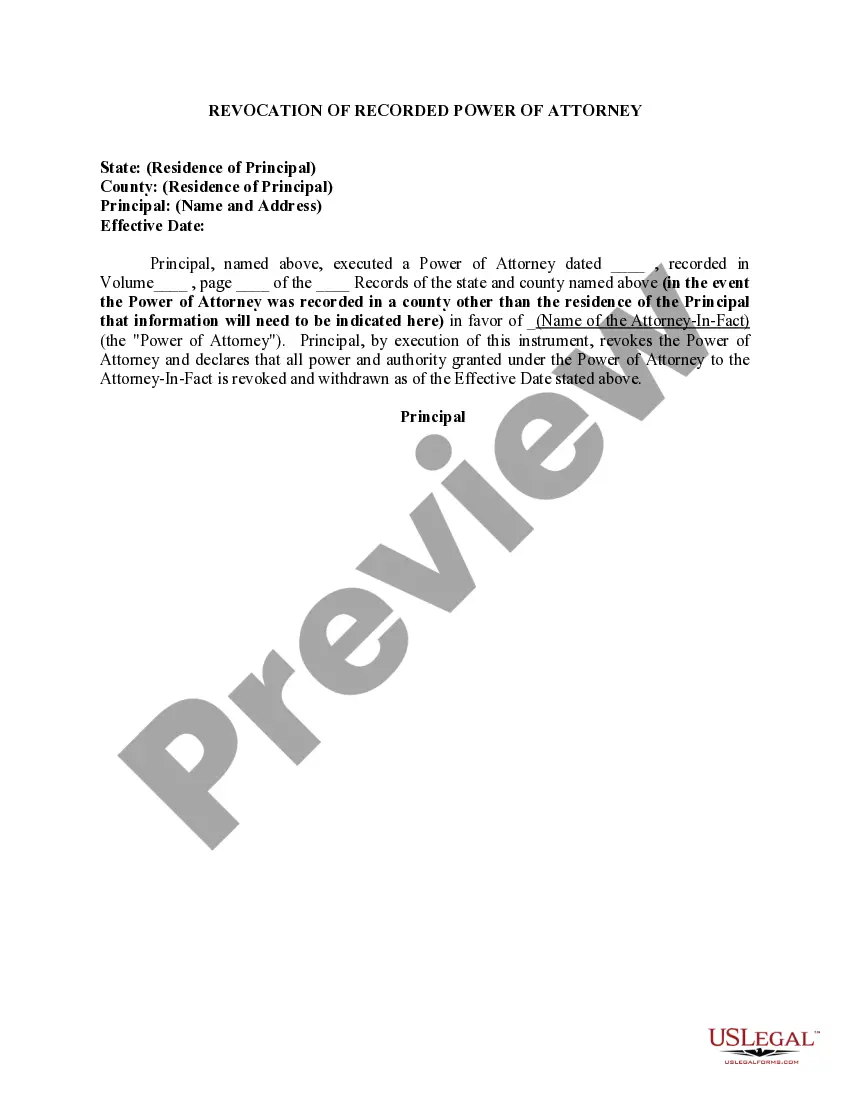
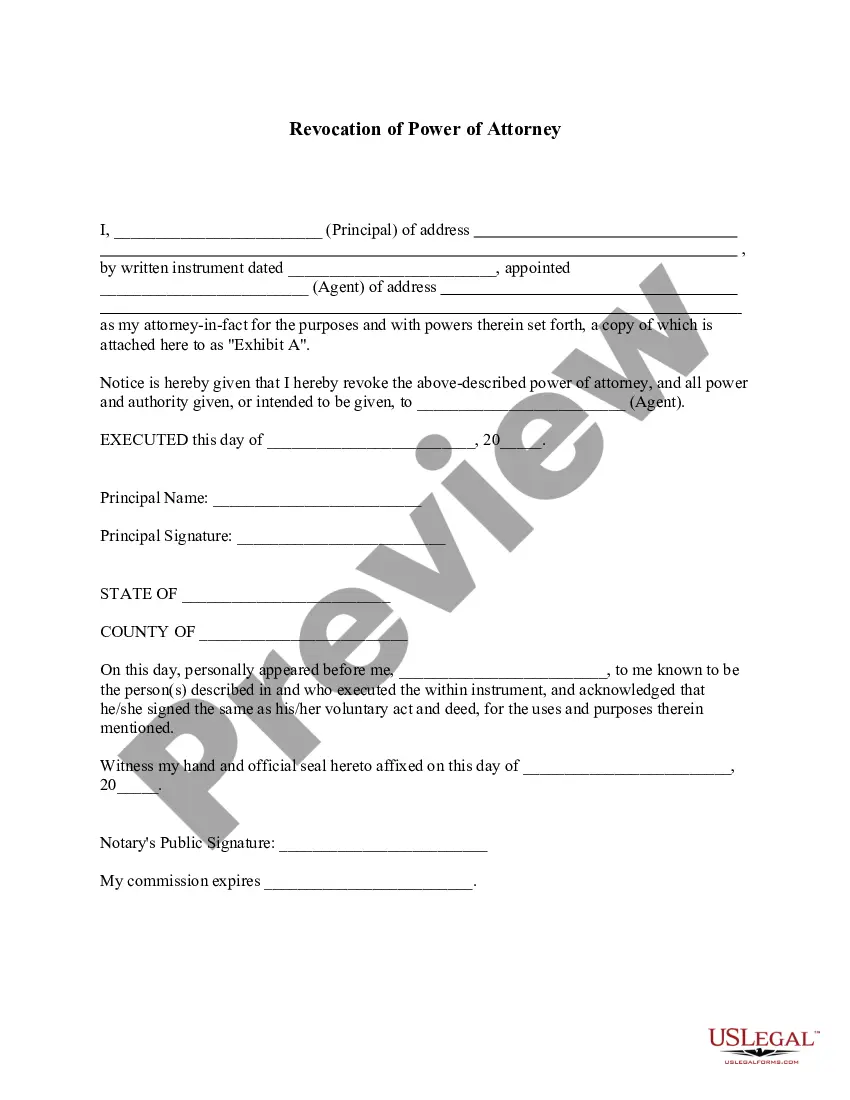
The Revocation of Life Prolonging Procedures Declaration allows individuals to formally revoke a previous declaration regarding their wishes on life-prolonging medical treatments. This form is essential for ensuring that oneâs healthcare preferences are clear and up-to-date, differing from the original life prolonging procedures declaration, which outlines the desire to have such treatments administered.
What’s included in this form
- Declarant's name and signature
- Date of the original Life Prolonging Procedures Declaration
- Clear statement of revocation
- Date of revocation
- Address of Declarant
When to use this form
This form should be used when the declarant wishes to revoke a previously established Life Prolonging Procedures Declaration. It is appropriate in situations where there has been a change in the declarant's preferences concerning medical interventions or when they want to ensure that their healthcare representatives act according to their latest wishes.
Intended users of this form
- Individuals who have previously executed a Life Prolonging Procedures Declaration
- Those who experience a change in their medical preferences
- People seeking to clarify their end-of-life care wishes
Completing this form step by step
- Enter your name as the declarant at the top of the form.
- Record the date of your original Life Prolonging Procedures Declaration.
- Clearly state your intent to revoke the earlier declaration.
- Fill out the date of revocation.
- Sign the form to confirm your identity and intention.
- Provide your address to ensure proper identification.
Does this document require notarization?
This form does not typically require notarization unless specified by local law. Ensure that you check any specific state requirements for final validity.
Get your form ready online
Our built-in tools help you complete, sign, share, and store your documents in one place.
Make edits, fill in missing information, and update formatting in US Legal Forms—just like you would in MS Word.
Download a copy, print it, send it by email, or mail it via USPS—whatever works best for your next step.
Sign and collect signatures with our SignNow integration. Send to multiple recipients, set reminders, and more. Go Premium to unlock E-Sign.
If this form requires notarization, complete it online through a secure video call—no need to meet a notary in person or wait for an appointment.
We protect your documents and personal data by following strict security and privacy standards.

Make edits, fill in missing information, and update formatting in US Legal Forms—just like you would in MS Word.

Download a copy, print it, send it by email, or mail it via USPS—whatever works best for your next step.

Sign and collect signatures with our SignNow integration. Send to multiple recipients, set reminders, and more. Go Premium to unlock E-Sign.

If this form requires notarization, complete it online through a secure video call—no need to meet a notary in person or wait for an appointment.

We protect your documents and personal data by following strict security and privacy standards.
Mistakes to watch out for
- Failing to sign the revocation, which renders it invalid.
- Not dating the form, leading to confusion about the timing of the revocation.
- Omitting the original declaration date, which may cause disputes.
Why use this form online
- Immediate access to a legally vetted form drafted by licensed attorneys.
- Convenience of downloading and printing the form directly from home.
- Easy to edit, ensuring that the revocation accurately reflects your current wishes.
Legal use & context
- This form provides a legally binding way to communicate a change in preferences regarding life-prolonging measures.
- Revocation of earlier declarations ensures that current wishes are prioritized and respected by healthcare providers.
Quick recap
- The Revocation of Life Prolonging Procedures Declaration is essential for updating your wishes regarding medical treatment.
- It offers a simple process for revoking previous declarations effectively.
- Always ensure your forms comply with your stateâs legal requirements for maximum validity.
Looking for another form?

Form popularity
FAQ
A motion to revoke probation is a document that says you did something wrong while on probation.In a motion to revoke probation, the courts will likely try to send you back to jail or prison. This is the opposite of a motion to dismiss, which would mean the case goes away entirely.
A revocation hearing is a court hearing before a judge in which the judge decides whether to revoke your probation or your parole. If you are revoked, you face serious jail time.
Most frequent violations for which revocation occurs include: Failure to report as required. Failure to participate in treatment programs. Alcohol or drug abuse while under supervision.
Failing to comply with a condition of probation can land you in jail. Defendants caught (either by police or probation officers) violating a condition of probation are subject to having their probation revoked (taken away) and all or part of the original suspended jail or prison sentence imposed.
A revocation hearing can refer to one of two things: a probation revocation hearing or a parole revocation hearing. A revocation hearing is a court hearing before a judge in which the judge decides whether to revoke your probation or your parole. If you are revoked, you face serious jail time.
Violations of probation usually lead to certain consequences based on the specific circumstances, but if the probation revocation hearing occurs, it is because the violation is severe enough.While the hearing may happen through a judge, it is not a trial.
Revocation is a noun form of the verb revoke, which means to take back, withdraw, or cancel. Revoke and revocation are typically used in the context of officially taking back or cancelling some kind of right, status, or privilege that has already been given or approved.
Annulment or cancellation of a statement, document, or offer not yet accepted, or cancellation of a contract by the parties to it. For example, a person can revoke a will or revoke an offer to enter into a contract, and a government agency can revoke a license.
§ 2.103 Revocation hearing procedure. (a) The purpose of the revocation hearing shall be to determine whether the parolee has violated the conditions of his release and, if so, whether his parole or mandatory release should be revoked or reinstated.