Indiana Framing Contract for Contractor
About this form
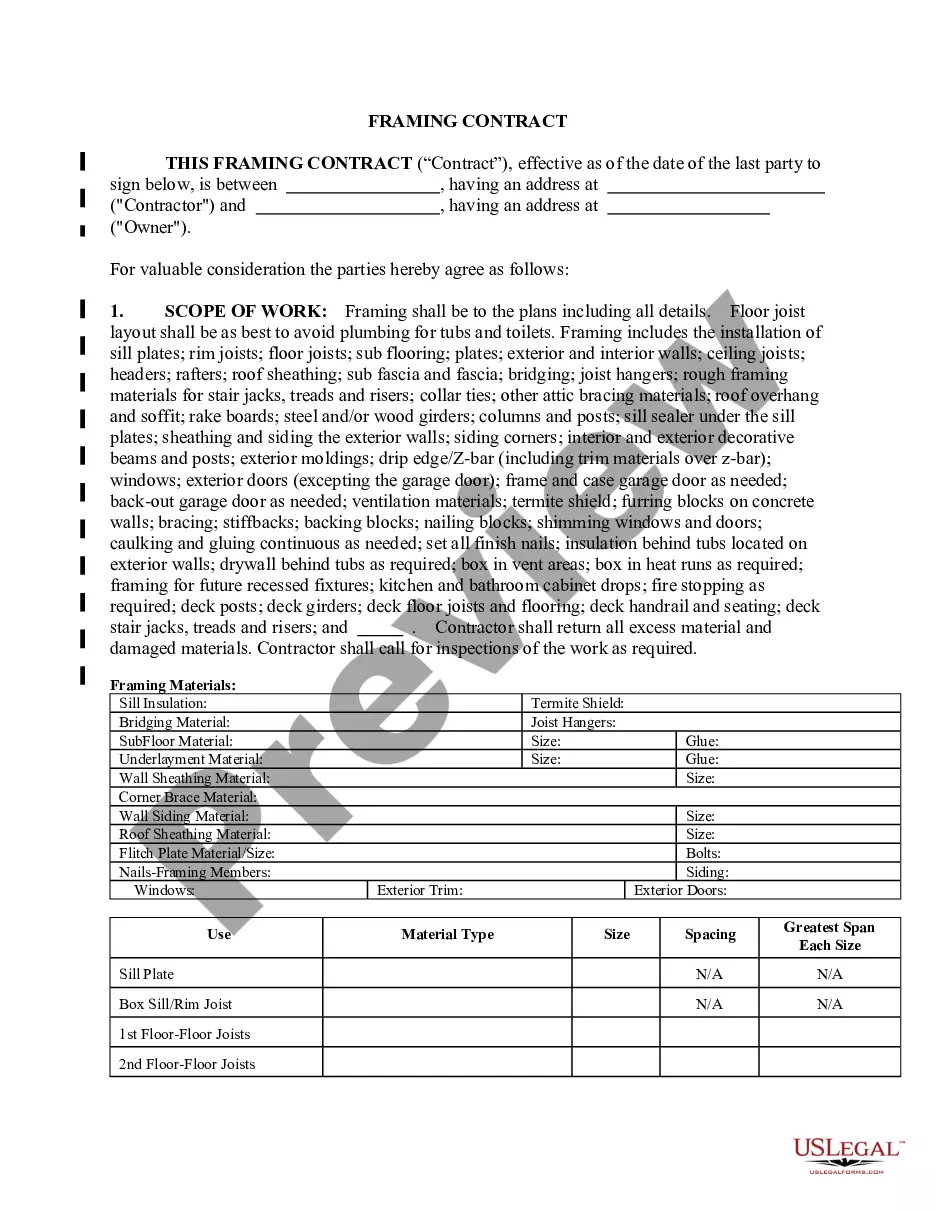
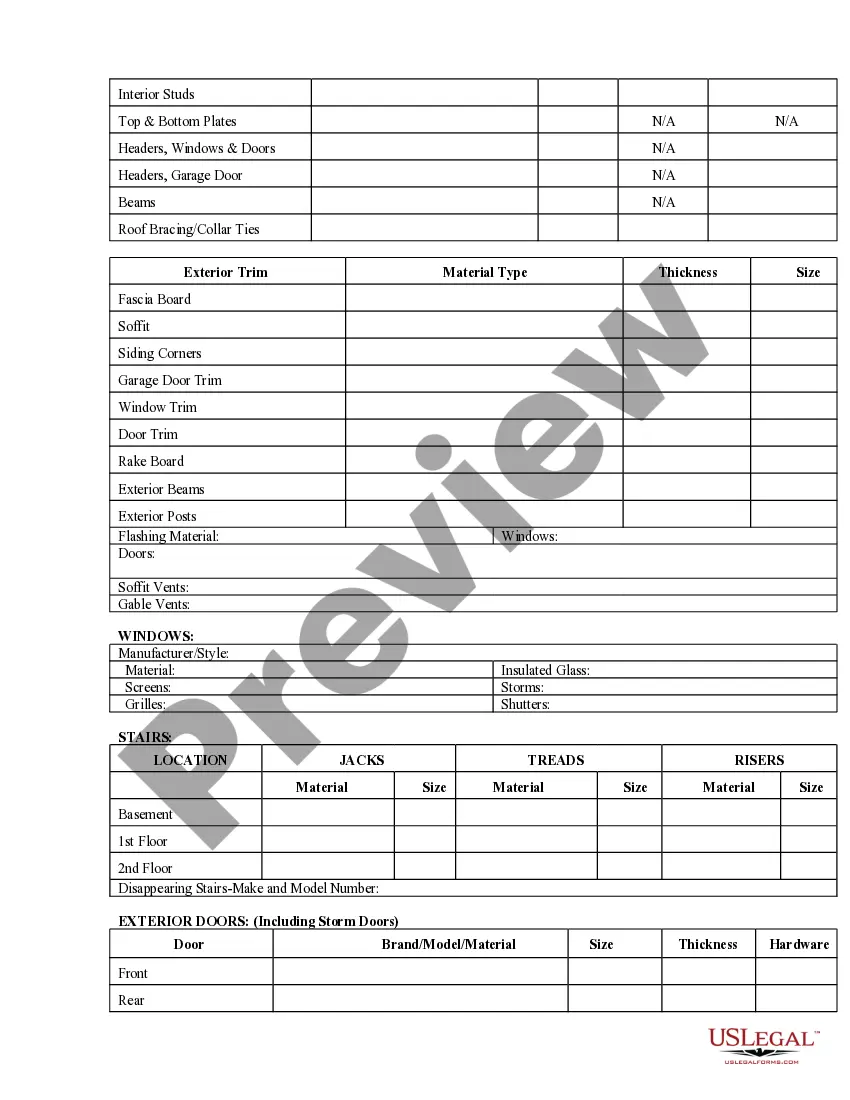
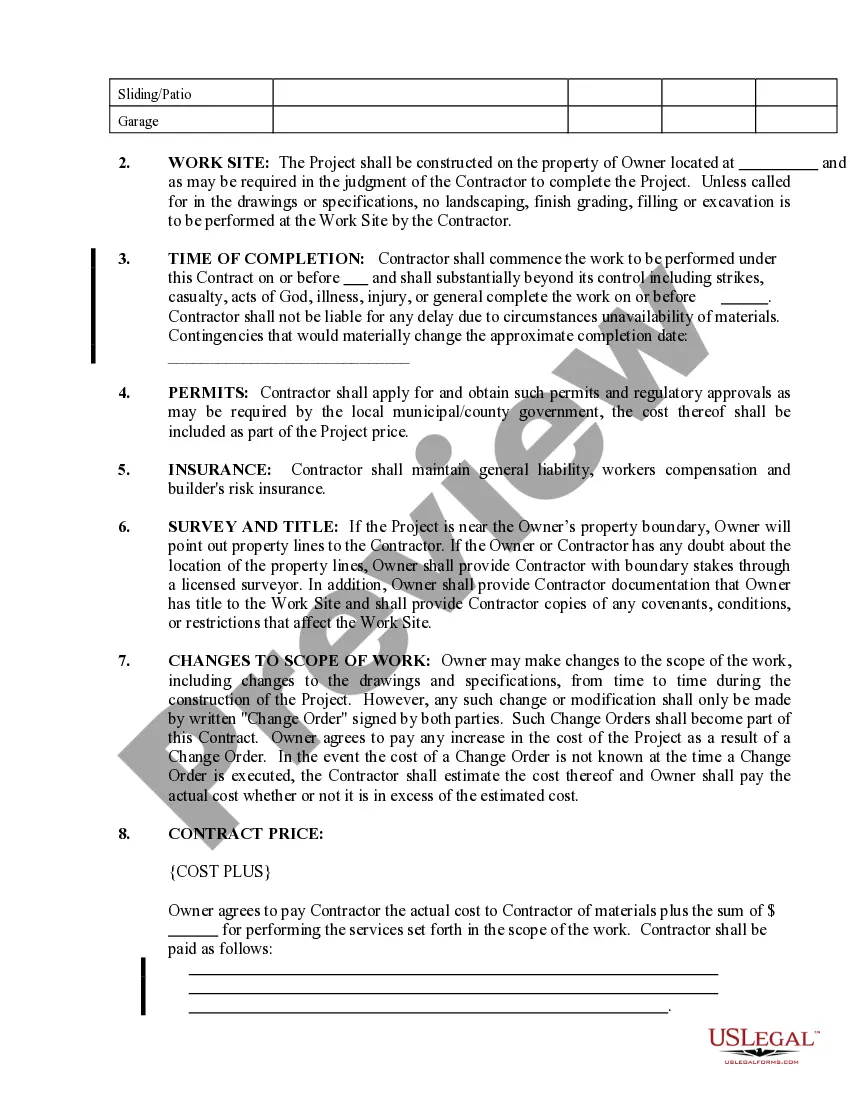
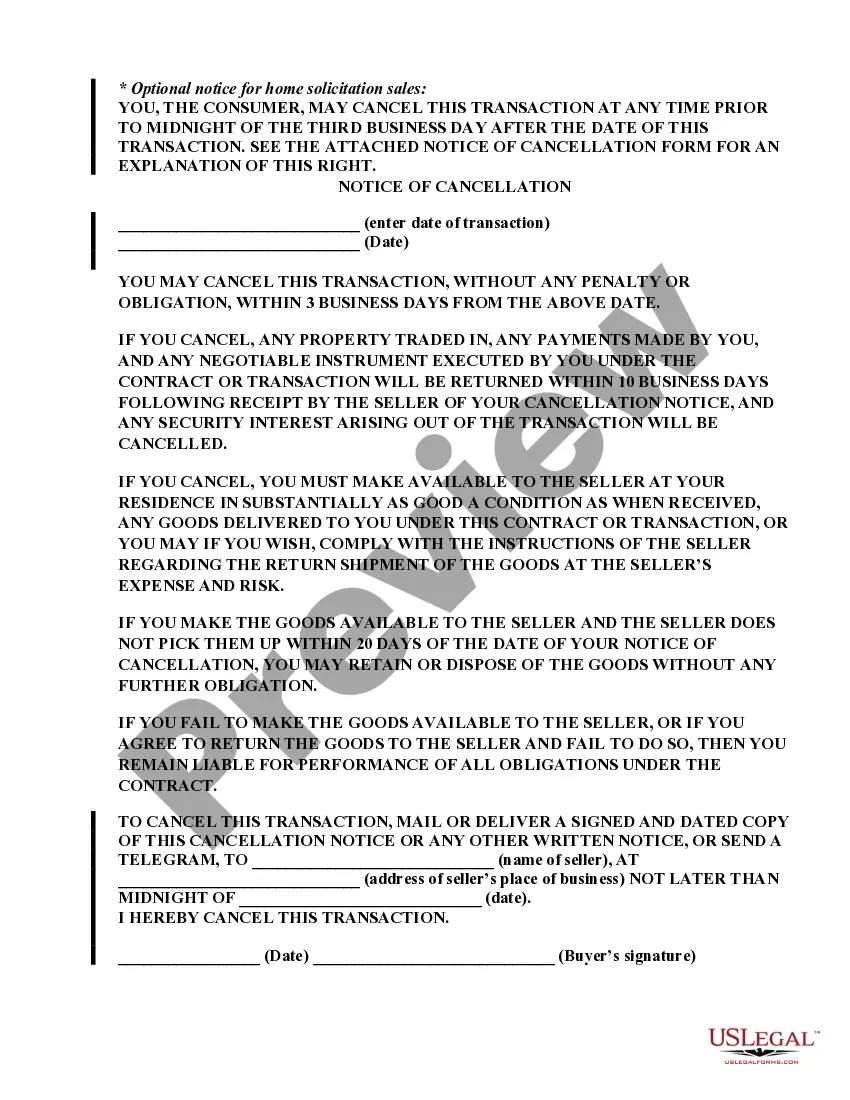
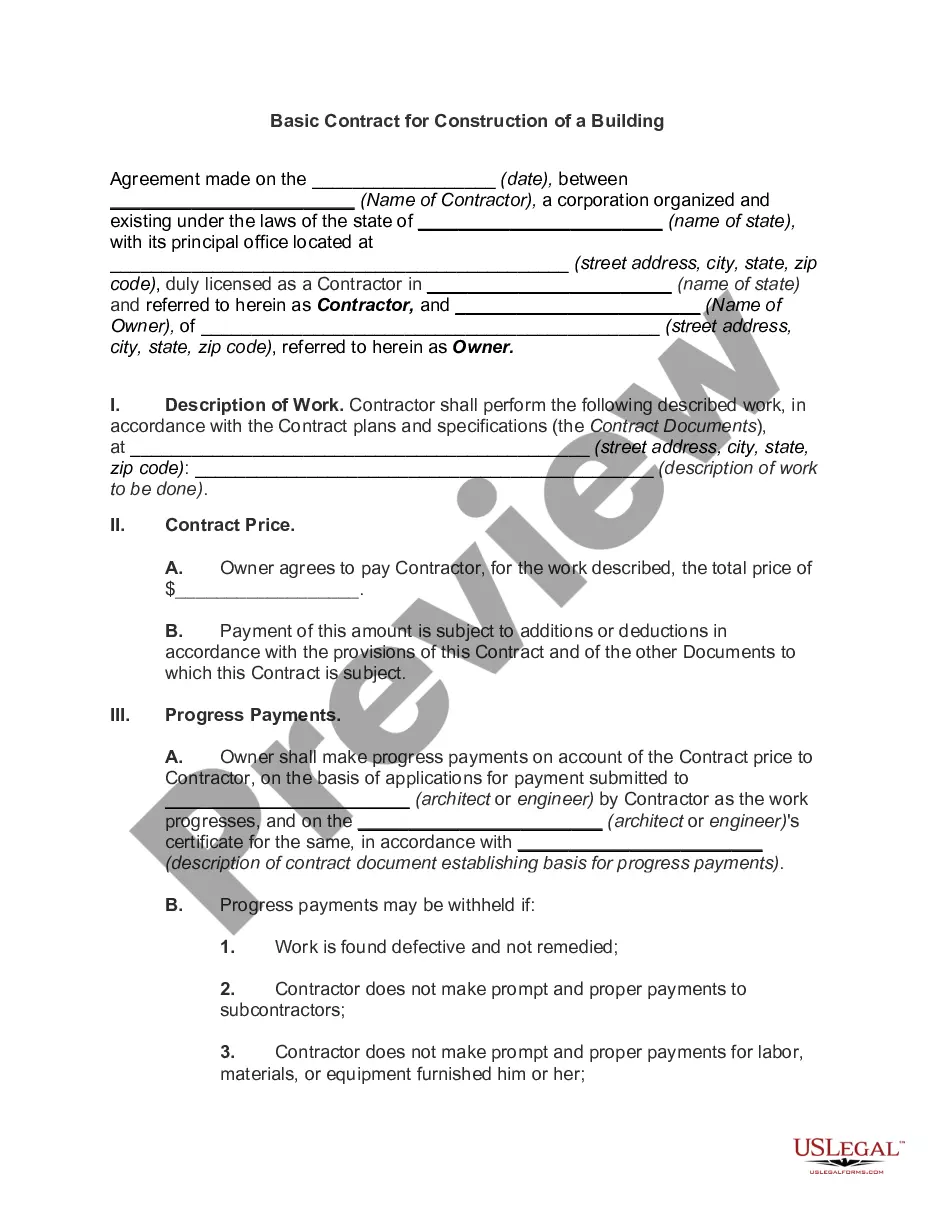
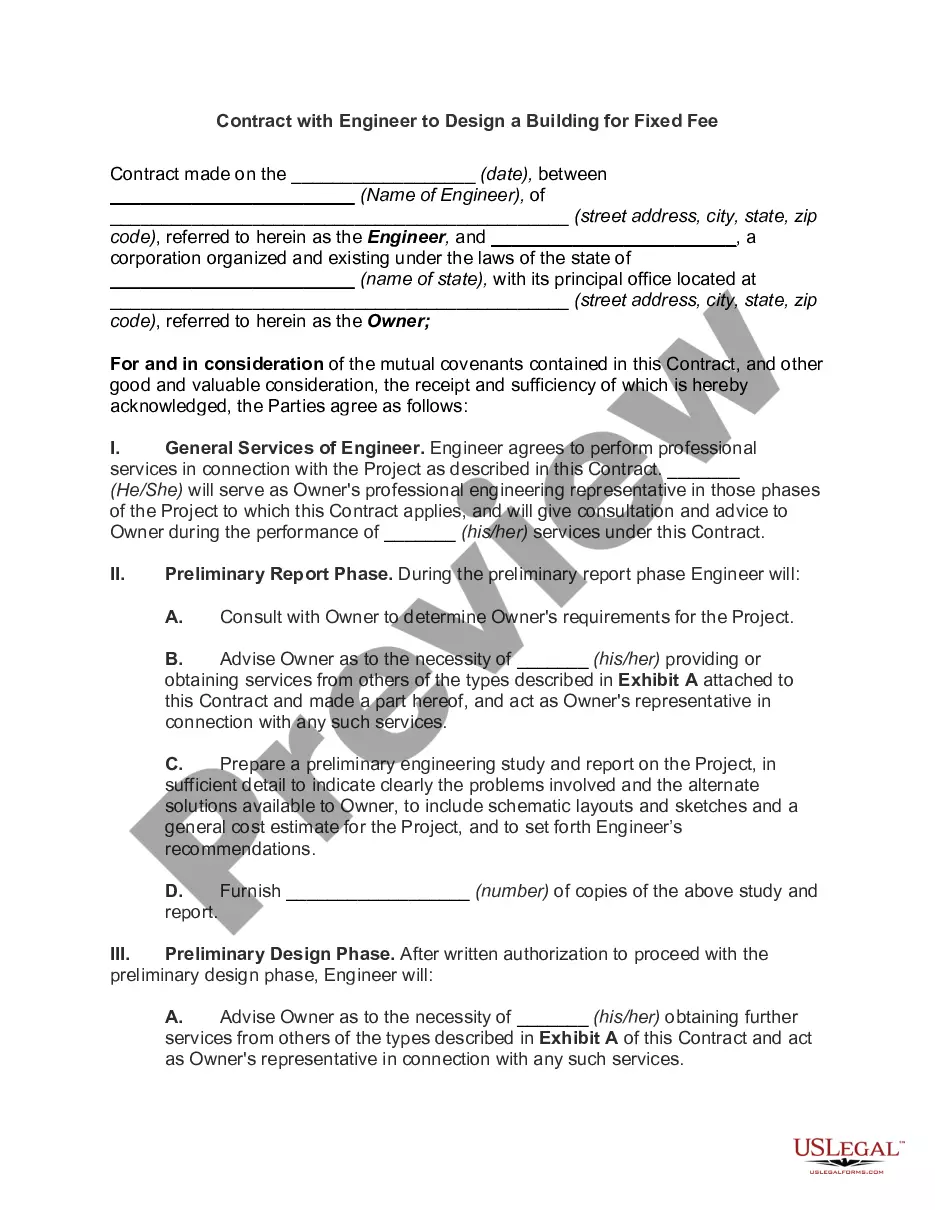
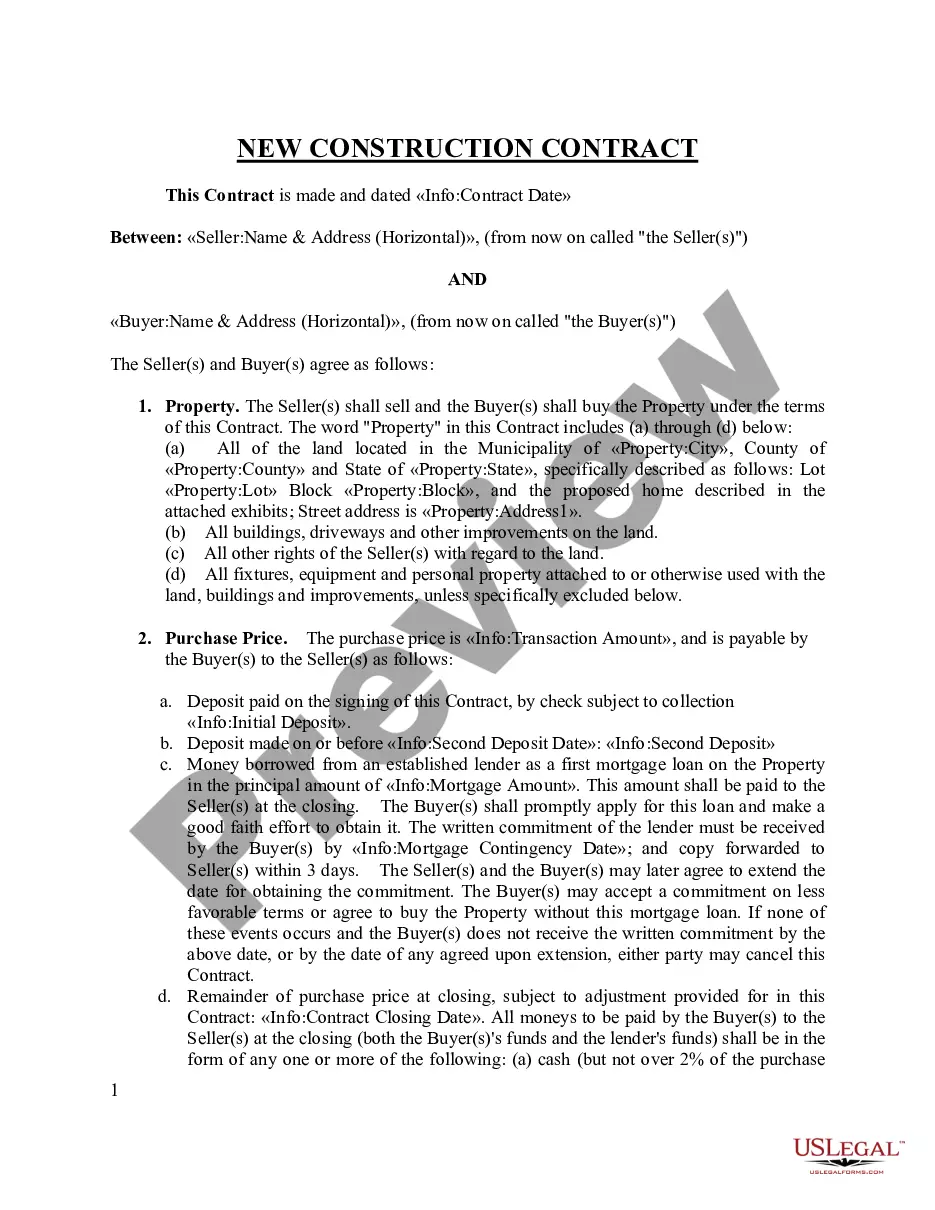
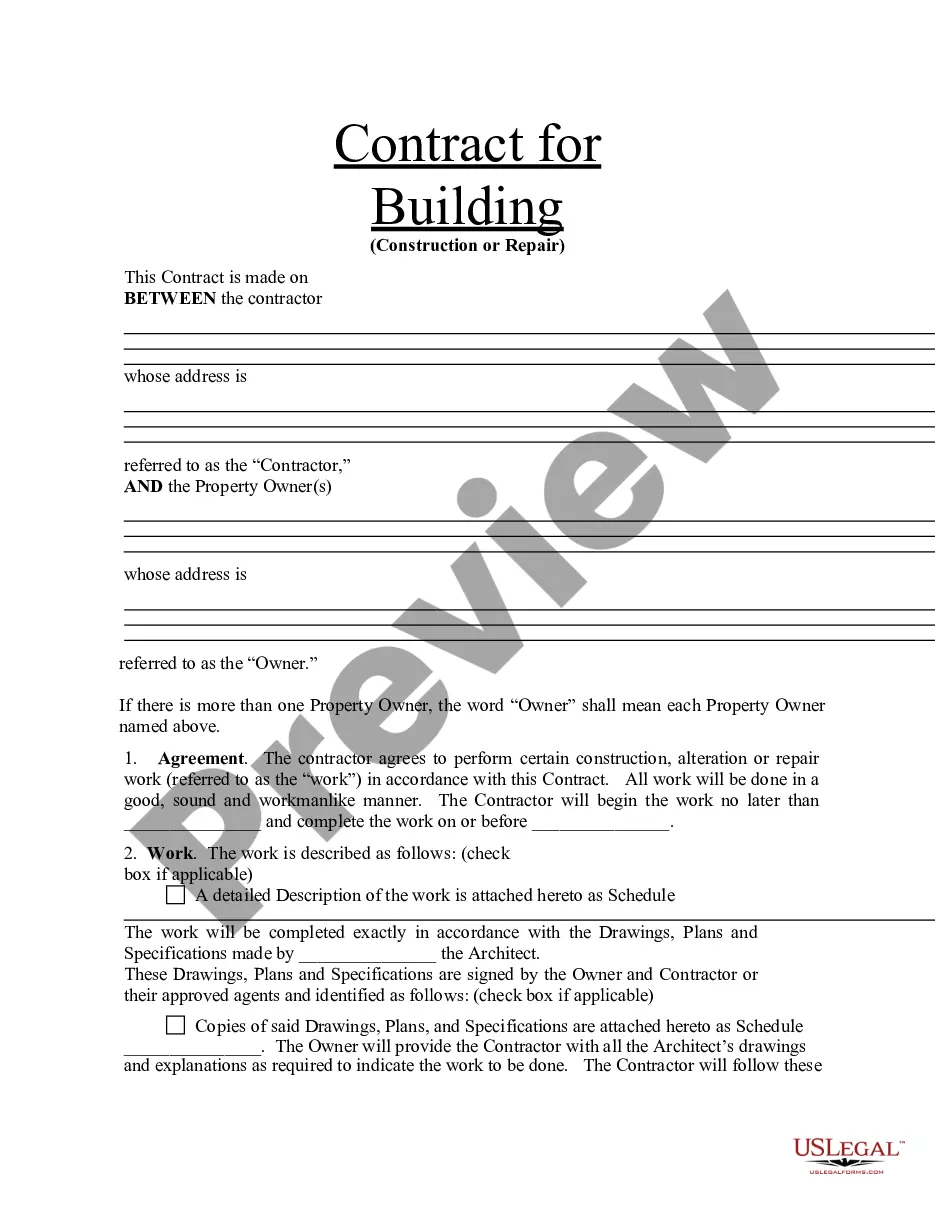
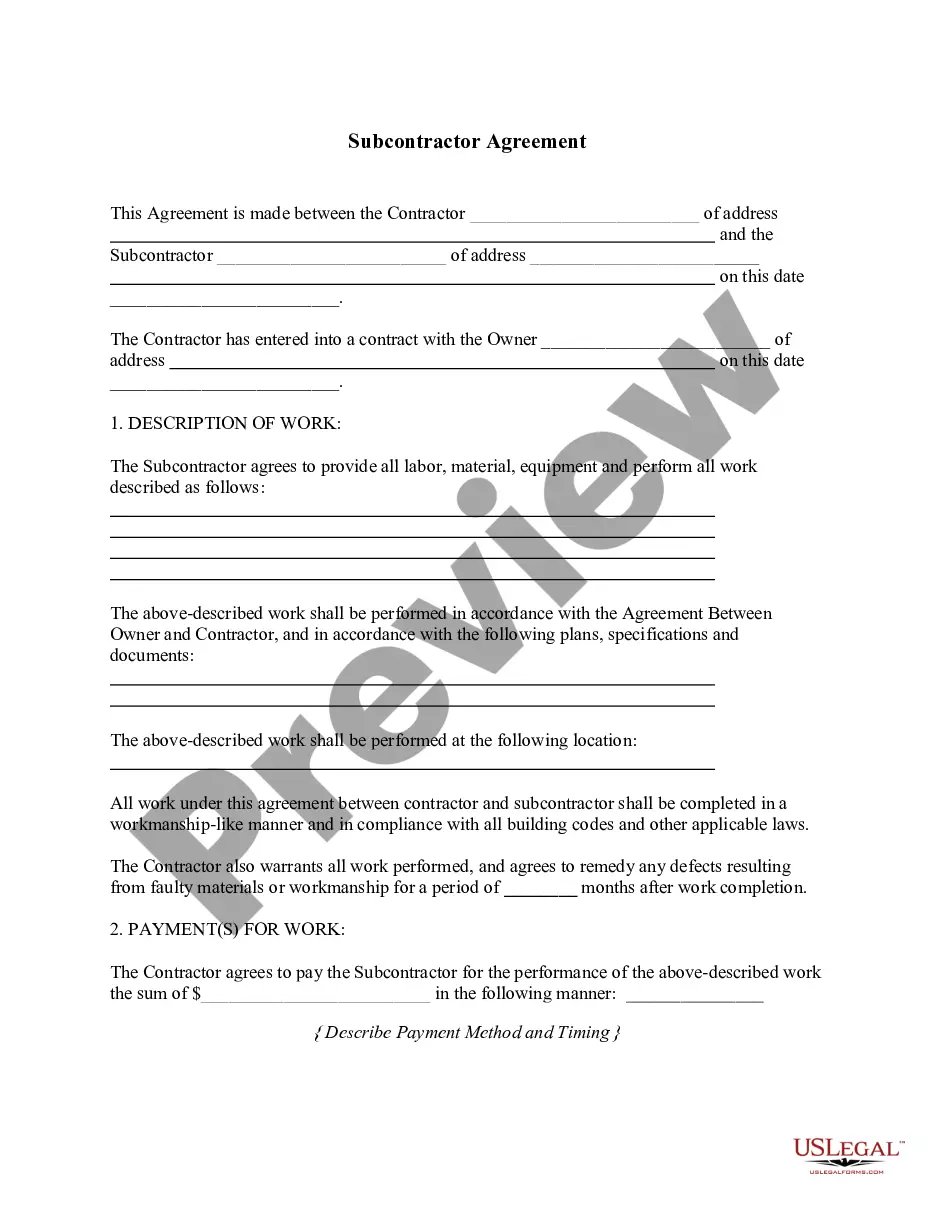
The Framing Contract for Contractor is a legally binding agreement designed for use between framing contractors and property owners. This contract specifies the terms of service, payment arrangements, and key responsibilities of both parties. It is particularly distinct in that it allows for either a cost-plus or fixed fee payment structure and addresses important aspects such as change orders, insurance, and warranty. This form has been drafted to comply with the laws of Indiana, ensuring that it meets state-specific requirements for enforceability.
Key components of this form
- Permits: Outlines the contractor's responsibilities for obtaining necessary permits and approvals.
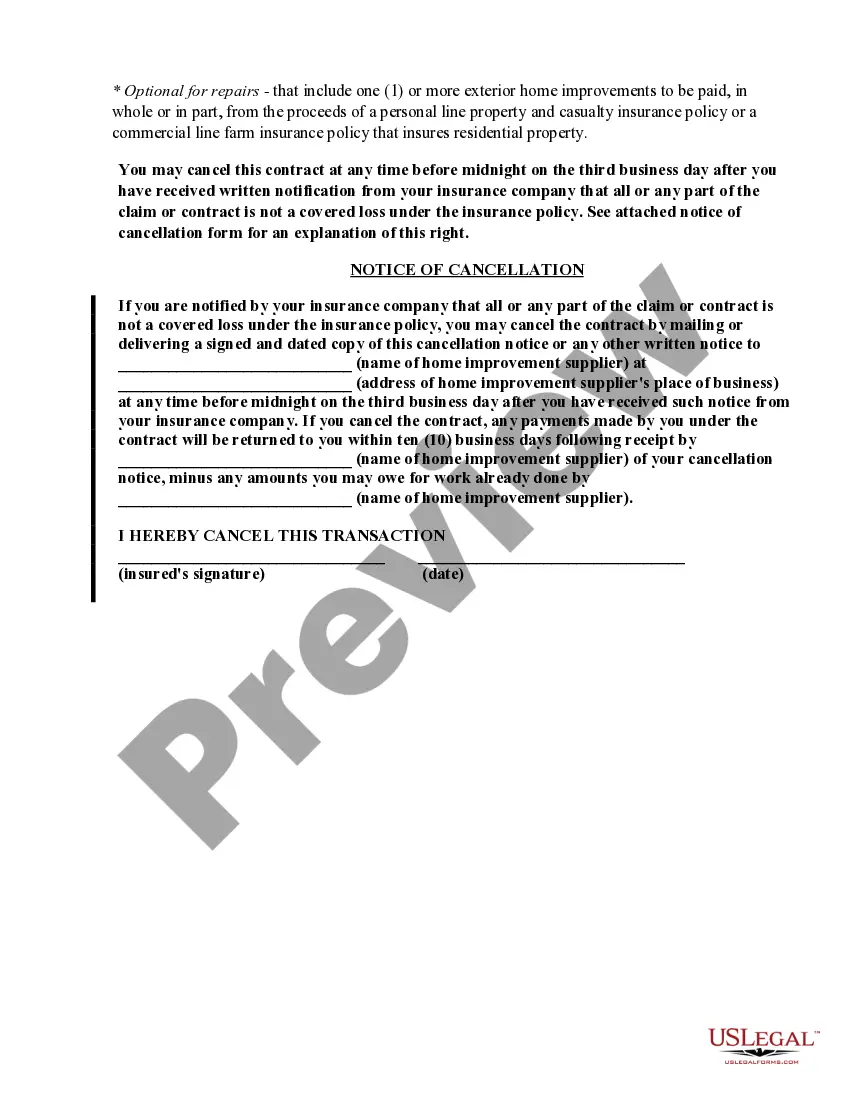
- Insurance: Specifies required insurance types, including general liability and worker's compensation.
- Survey and Title: Includes provisions for property boundaries and documentation of ownership.
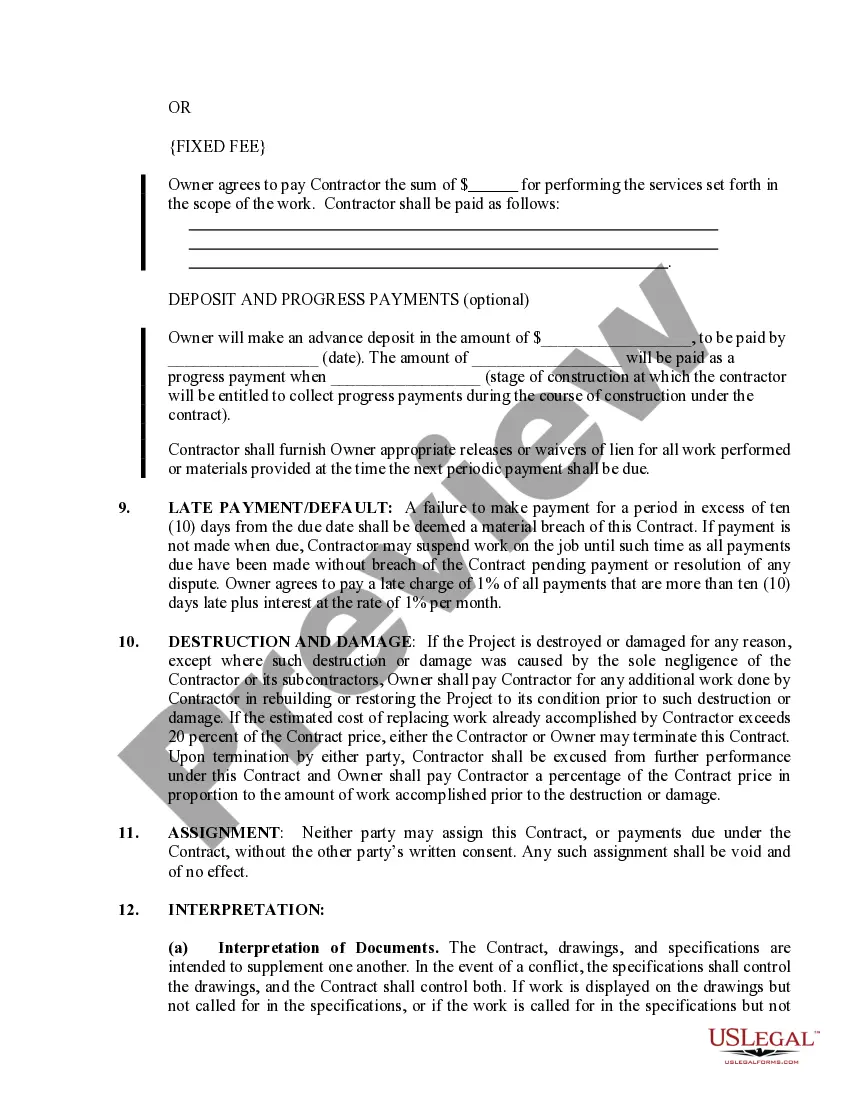
- Late Payment/Default: Defines terms for late payments and contractor's rights in case of default.
- Destruction and Damage: Addresses the procedures for dealing with project damage and termination options.
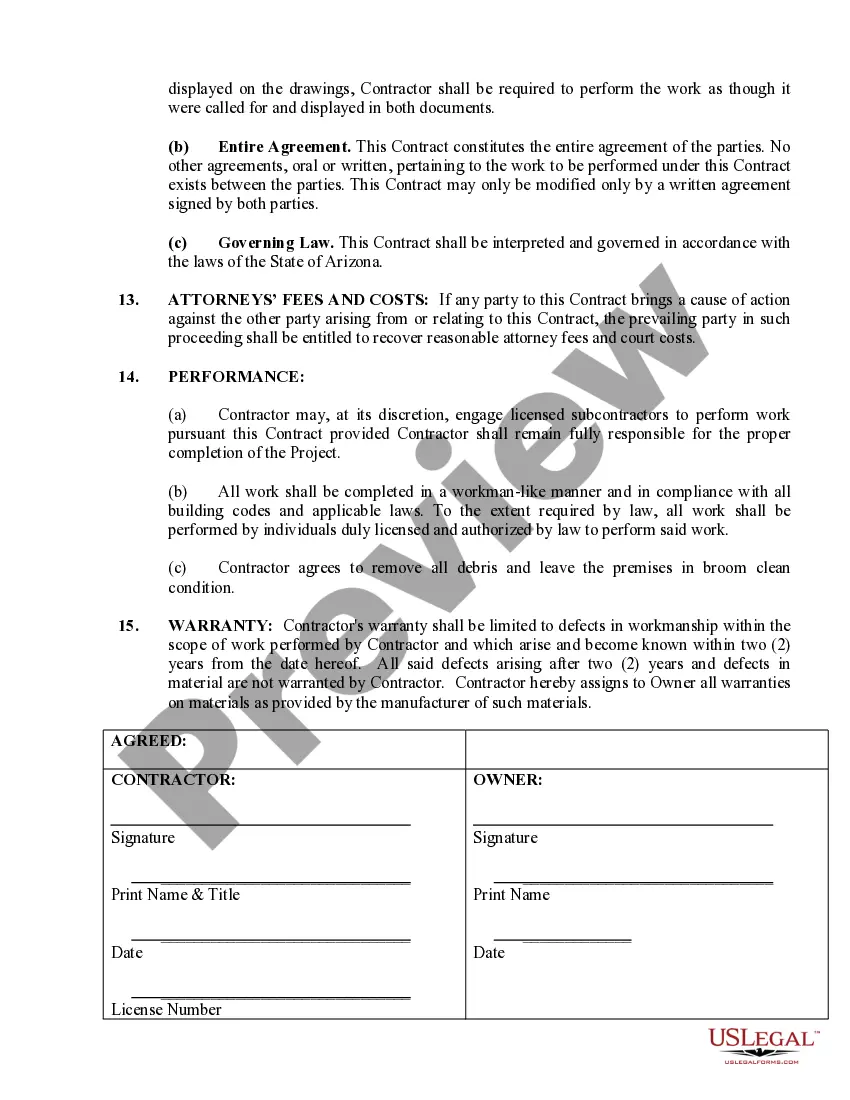
- Assignment: Clarifies limitations on assigning contract rights and obligations without consent.
- Interpretation: Details how to interpret conflicting documents related to the project.
When to use this document
This form should be used when a property owner hires a framing contractor for construction projects involving framing work. It is applicable in situations where there are clear expectations regarding the payment structure, project scope, and completion timelines. Additionally, it is essential when changes to the project may occur, or if the owner needs assurance regarding insurance and liability during construction.
Who can use this document
- Property owners looking to hire a framing contractor.
- Framing contractors seeking a formal agreement with property owners.
- Contractors involved in projects that may require change orders or specific insurance requirements.
Completing this form step by step
- Identify the parties involved: Clearly state the names and addresses of the contractor and property owner.
- Specify the property: Include the address and legal description of the work site.
- Outline payment terms: Choose either a cost-plus or fixed fee payment arrangement and specify the details.
- Enter insurance details: Provide information about the types and amounts of insurance the contractor must maintain.
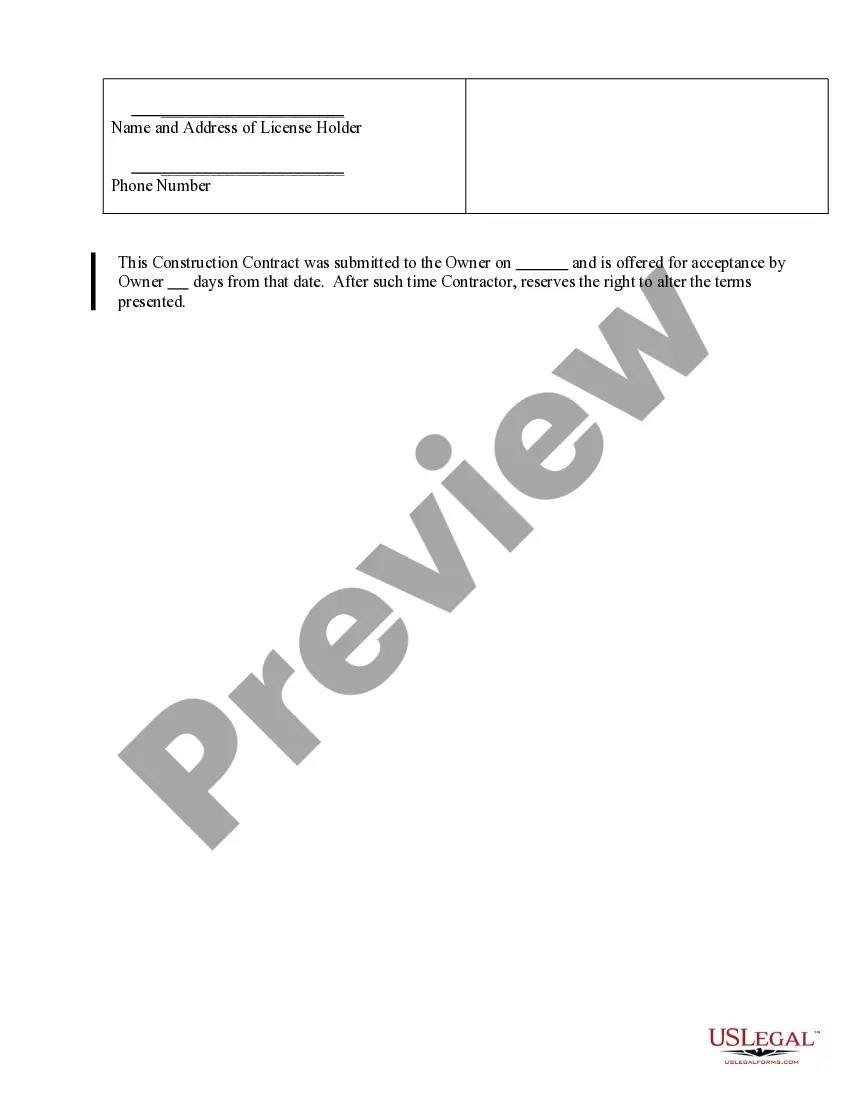
- Sign and date the contract: Ensure both parties sign the agreement and include the date of execution.
Is notarization required?
Notarization is generally not required for this form. However, certain states or situations might demand it. You can complete notarization online through US Legal Forms, powered by Notarize, using a verified video call available anytime.
Get your form ready online
Our built-in tools help you complete, sign, share, and store your documents in one place.
Make edits, fill in missing information, and update formatting in US Legal Forms—just like you would in MS Word.
Download a copy, print it, send it by email, or mail it via USPS—whatever works best for your next step.
Sign and collect signatures with our SignNow integration. Send to multiple recipients, set reminders, and more. Go Premium to unlock E-Sign.
If this form requires notarization, complete it online through a secure video call—no need to meet a notary in person or wait for an appointment.
We protect your documents and personal data by following strict security and privacy standards.

Make edits, fill in missing information, and update formatting in US Legal Forms—just like you would in MS Word.

Download a copy, print it, send it by email, or mail it via USPS—whatever works best for your next step.

Sign and collect signatures with our SignNow integration. Send to multiple recipients, set reminders, and more. Go Premium to unlock E-Sign.

If this form requires notarization, complete it online through a secure video call—no need to meet a notary in person or wait for an appointment.

We protect your documents and personal data by following strict security and privacy standards.
Typical mistakes to avoid
- Failing to specify the complete scope of work.
- Not including necessary insurance information.
- Omitting signatures or dates, making the contract unenforceable.
- Neglecting to clarify payment terms, leading to disputes.
Benefits of completing this form online
- Convenience: Easily downloadable and editable to meet your specific needs.
- Reliability: Drafted by attorneys, ensuring legal professionalism and compliance.
- Accessibility: Available 24/7 for immediate use and support.
Key takeaways
- The Framing Contract is essential for formalizing the relationship between framing contractors and property owners.
- This contract addresses key issues such as payment terms, insurance, and project management.
- Using this form helps prevent common disputes and ensures compliance with Indiana law.
Looking for another form?


Form popularity
FAQ
The five requirements for creating a valid contract are an offer, acceptance, consideration, competency and legal intent.
There are two generally accepted accounting methods used to account for construction contracts; the percentage of completion method (PC) and the completed contract method (CC).
Get it in writing. Keep it simple. Deal with the right person. Identify each party correctly. Spell out all of the details. Specify payment obligations. Agree on circumstances that terminate the contract. Agree on a way to resolve disputes.
Indiana law requires home improvement contracts exceeding $150 to be in writing. Before signing the contract, make certain it includes: The price of the job. Payment schedule.
Standard construction contracts should have the following information and clauses: Name of contractor and contact information. Include the contractor's license number along with phone number, email address, and company address. Name of homeowner and contact information.
Look for assistance from others who may have bid on construction contracts in the past or review a list bid service companies you can find through FedSpending.org or USASpending.gov. In addition to helping you locate and complete bid documents, a bid service may also alert you to available subcontracting opportunities.
Identifying/Contact Information. Title and Description of the Project. Projected Timeline and Completion Date. Cost Estimate and Payment Schedule. Stop Work Clause and Stop Payment Clause. Act of God Clause. Change Order Agreement. Warranty.
General Requirements are used as the clearinghouse for items that do not apply directly to construction, the cost of which are customarily spread out over the entire project. These costs are also referred to as project overhead. For estimating purposes, either term is acceptable.
Your general contractor should provide proof of licensing, bonding and insurance before a project starts, but it's better to have it in hand before you sign any contracts. It's important that contractors carry any licensing and/or certification required for the specific trade or skill they practice.