Illinois Marital Waiver of Rights
Overview of this form
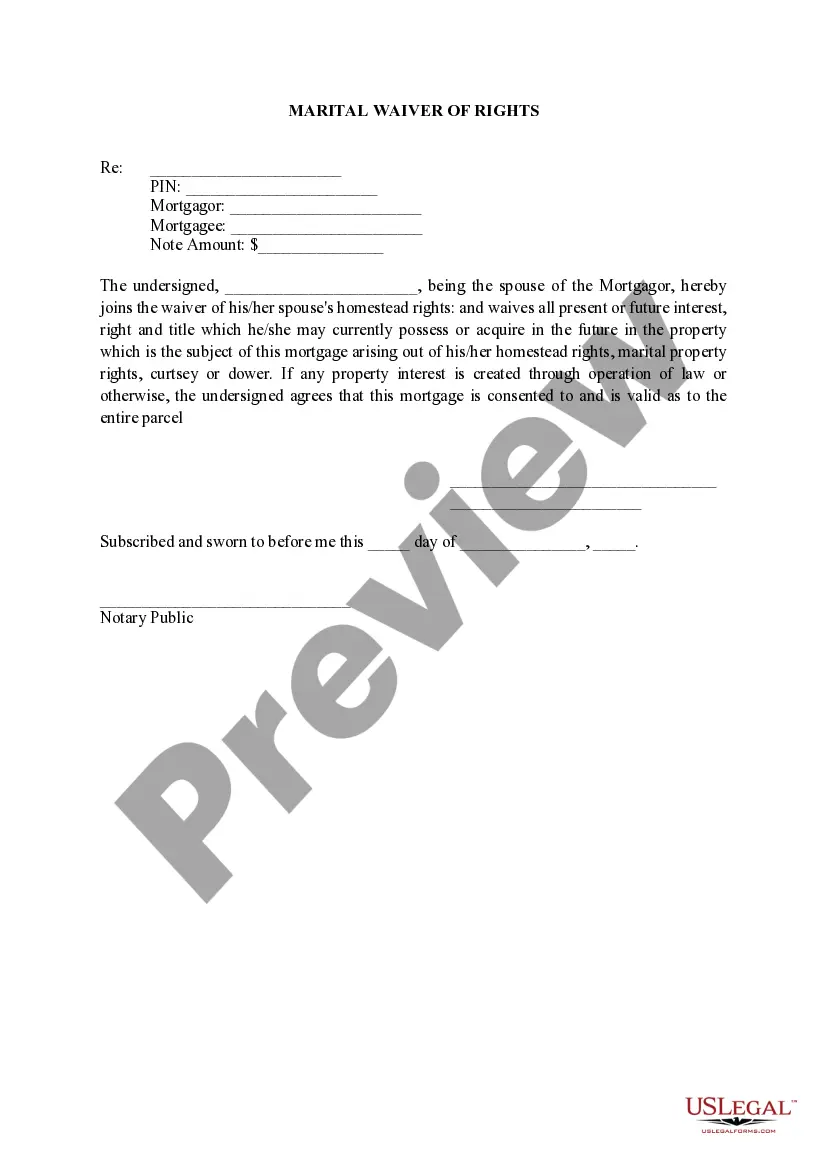
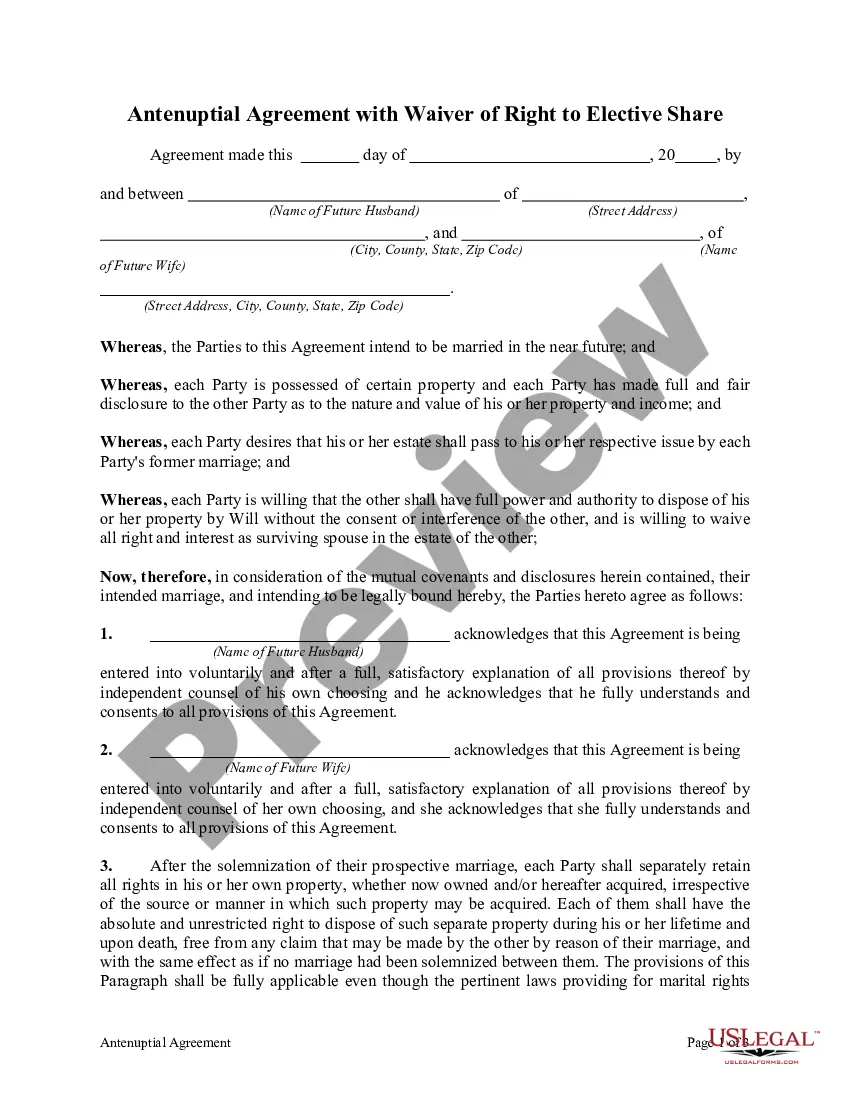
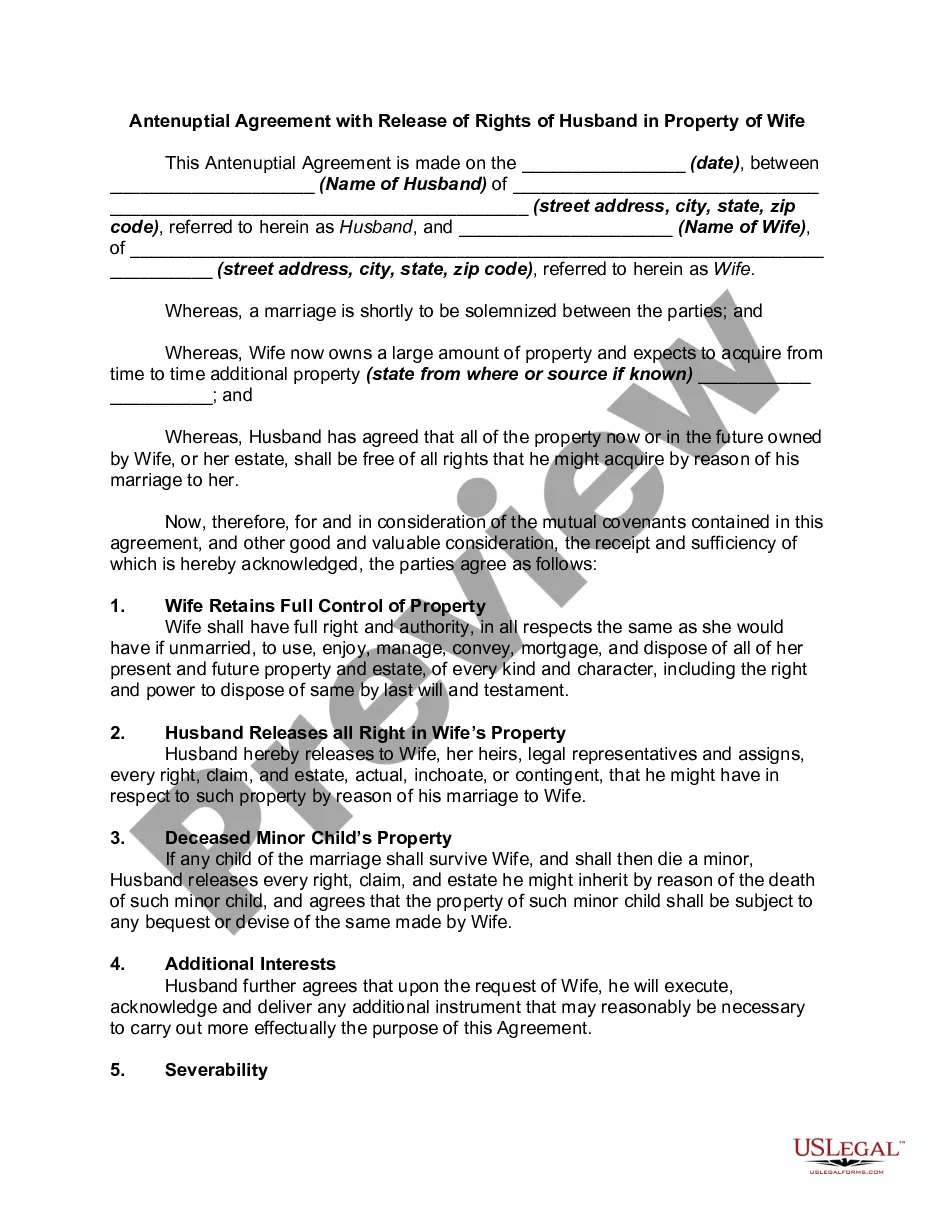
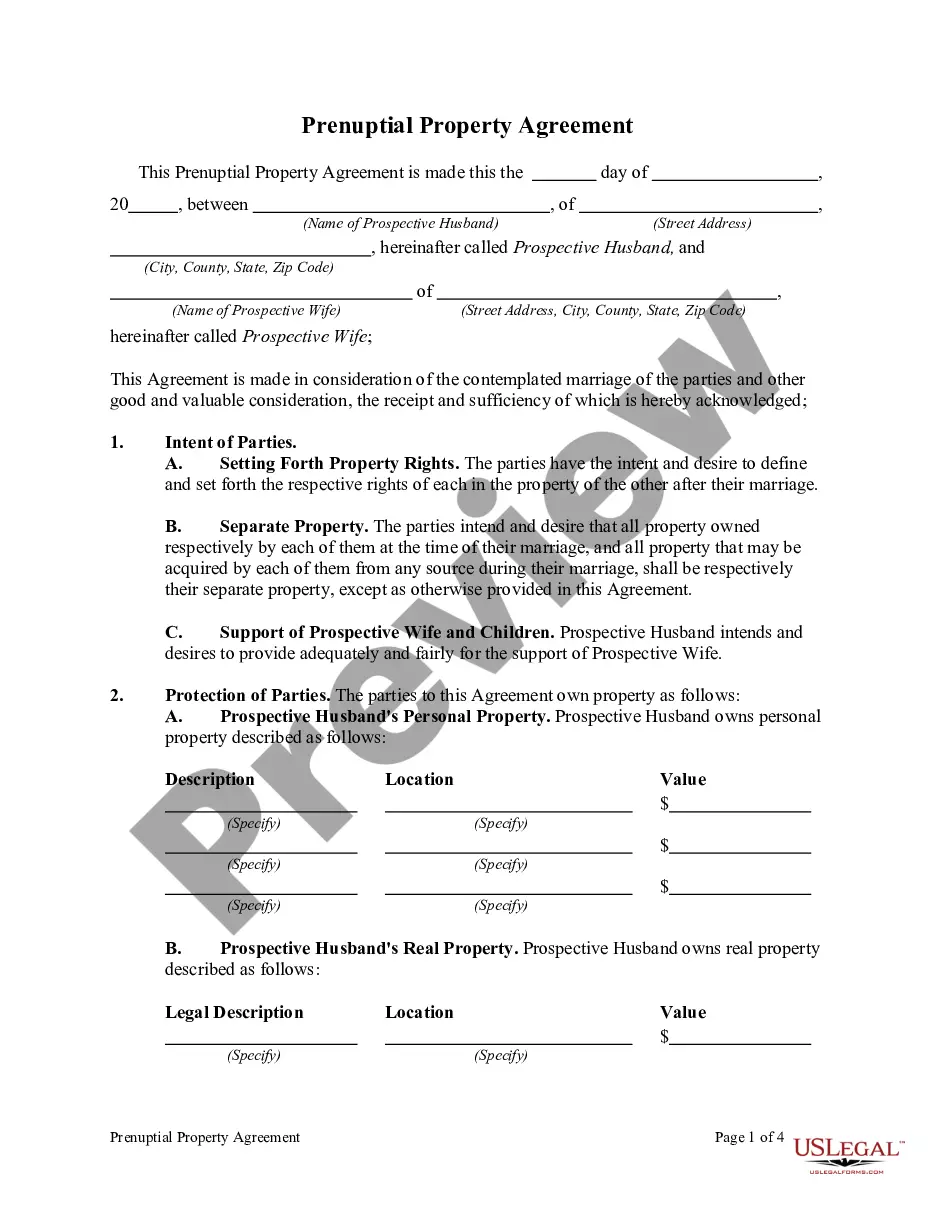
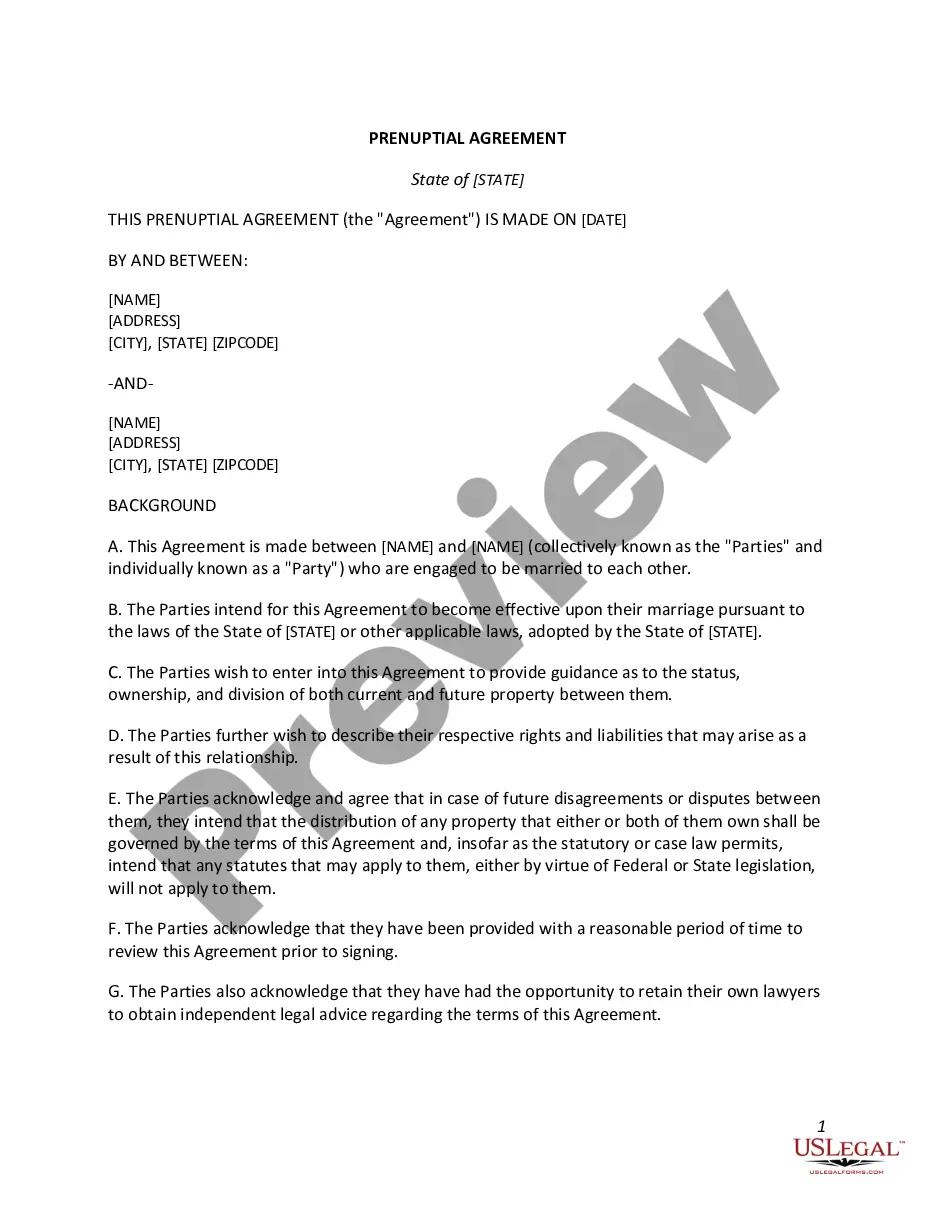
The marital waiver of rights form is a legal document that allows one spouse to voluntarily relinquish their claims to particular properties owned by the other spouse. This waiver is important in various legal contexts, particularly when dealing with marital property rights and mortgages. It is different from other legal forms as it specifically addresses homestead rights and marital claims to real estate, ensuring clarity in property ownership and financial responsibilities within a marriage.
Form components explained
- Identification of the property and mortgage involved.
- Names and signatures of the mortgagor and mortgagee.
- Waiver clause outlining the relinquishing of homestead and marital property rights.
- Notary section for legal validation.
Situations where this form applies
This form is typically used when one spouse wishes to secure a mortgage or refinance a loan on a property without the need for the other spouse's involvement or claims. It may be necessary in situations such as divorce, property settlements, or when one spouse is acquiring property solely in their name while the other spouse relinquishes rights to that property.
Who should use this form
This form is suitable for:
- Married couples who have joint mortgages.
- Individuals planning to refinance property solely in one spouse's name.
- Spouses involved in legal separations or divorces where property claims need to be clearly defined.
How to complete this form
- Identify the parties involved in the mortgage: the mortgagor and mortgagee.
- Clearly specify the property using its address and any pertinent information.
- Complete the note amount field with the total mortgage value.
- Ensure both spouse signatures are present, acknowledging the waiver of rights.
- Have the document notarized to validate its legal effectiveness.
Notarization guidance
Yes, this form must be notarized to be legally valid. Notarization helps to ensure that the identities of the signers are verified and that the document is executed in compliance with legal requirements. US Legal Forms offers integrated online notarization services available 24/7, providing a convenient and secure method to complete this process from home.
Get your form ready online
Our built-in tools help you complete, sign, share, and store your documents in one place.
Make edits, fill in missing information, and update formatting in US Legal Forms—just like you would in MS Word.
Download a copy, print it, send it by email, or mail it via USPS—whatever works best for your next step.
Sign and collect signatures with our SignNow integration. Send to multiple recipients, set reminders, and more. Go Premium to unlock E-Sign.
If this form requires notarization, complete it online through a secure video call—no need to meet a notary in person or wait for an appointment.
We protect your documents and personal data by following strict security and privacy standards.

Make edits, fill in missing information, and update formatting in US Legal Forms—just like you would in MS Word.

Download a copy, print it, send it by email, or mail it via USPS—whatever works best for your next step.

Sign and collect signatures with our SignNow integration. Send to multiple recipients, set reminders, and more. Go Premium to unlock E-Sign.

If this form requires notarization, complete it online through a secure video call—no need to meet a notary in person or wait for an appointment.

We protect your documents and personal data by following strict security and privacy standards.
Common mistakes to avoid
- Failing to include relevant property details, leading to confusion over what is being waived.
- Not obtaining notarization, which can render the waiver invalid.
- Leaving blank fields, which can lead to delays or legal issues later on.
- Not having both spouses sign the document if required, missing necessary consent.
Why complete this form online
- Easy access to legally vetted templates drafted by licensed attorneys.
- Ability to edit and customize the form to fit specific needs.
- Convenience of downloading and printing the document immediately after completion.
- Reduced need for in-person consultations, saving both time and travel expenses.
Looking for another form?
Form popularity
FAQ
If one spouse does not want a divorce in Illinois, the other spouse can still file for a dissolution of marriage. The court may require mediation to help resolve conflicts. Ultimately, Illinois law allows for divorce even if one party is unwilling, as long as the filing spouse proves irreconcilable differences. It's wise to explore the Illinois Marital Waiver of Rights during this process for proper guidance.
If your husband or wife has not moved out of the residence you cannot change the locks. The only way you can get them out of the house is via an order of protection. You'll see the court laying out a hardship test.
A Member's spouse uses the Spousal Waiver Form to waive his/her legal right to pension benefits after the Member's death. If the Member wishes to select a form of pension that doesn't provide income to his spouse after the Member dies, then the spouse must complete this form prior to the Member's retirement.
The right to reside in the matrimonial home and the right to a financial settlement at the termination of marriage are the two distinct rights which are underlying the marriage contract. It is noted that women will choose to leave economic advantages during divorce settlements to obtain sole custody of their children.
A waiver of service or summons means that a party voluntarily enters a lawsuit without requiring the opposing party to serve them with a summons and petition.
Homeowner exemptions The homeowner (or homestead) exemption allows you to take $10,000 off of your EAV. The $10,000 reduction is the same for every home, no matter its market value or EAV. So if a property's EAV is $50,000, its tax value would be $40,000.
This annual exemption is available for property that is occupied as a residence by a person 65 years of age or older who is liable for paying real estate taxes on the property and is an owner of record of the property or has a legal or equitable interest therein as evidenced by a written instrument, except for a
WAG 07-02-04-a 1) Homestead property is exempt, and is the property that is owned and occupied by the person as their home. It includes any surrounding property that is not separated from the home by someone else's property.
Under the Illinois exemption system, a homeowner can exempt up to $15,000 of equity in a home or other property covered by the homestead exemption. The Illinois homestead exemption requires that you be a legal owner of record to claim the exemption. Your name must be listed on the deed to the property.
This insures the inheritance rights of their children from prior marriages in their respective estates, without having the estate reduced by the share given to the surviving spouse under the laws of intestacy.