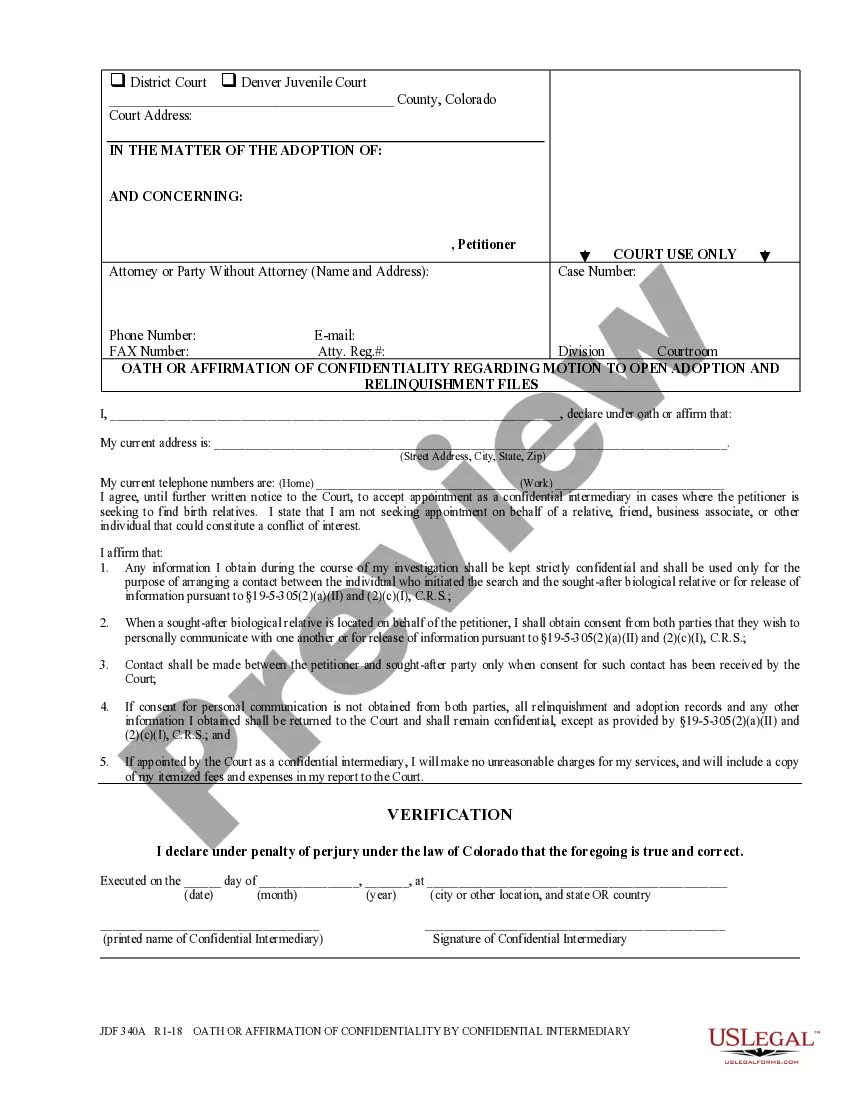
Illinois Amendment to Living Trust

What this document covers
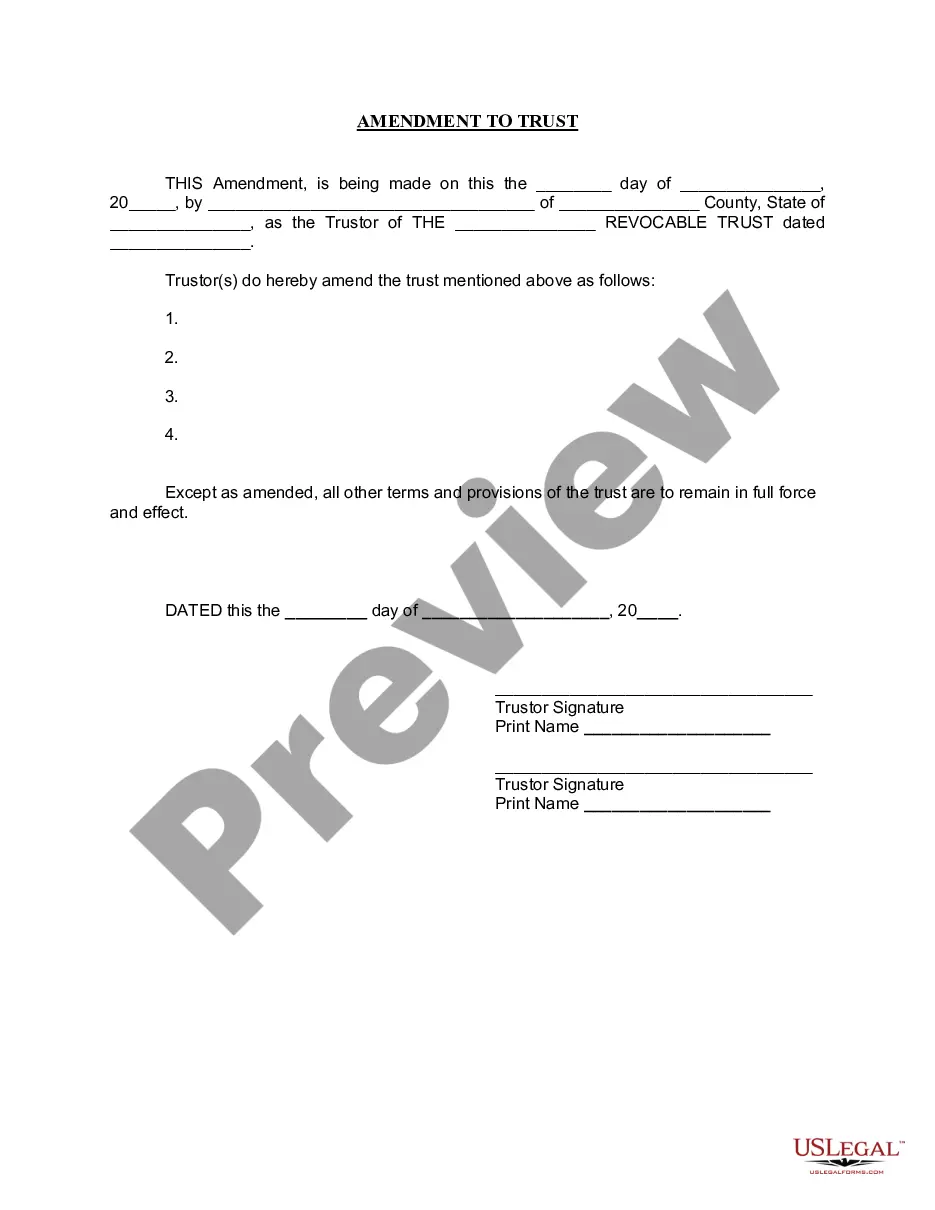
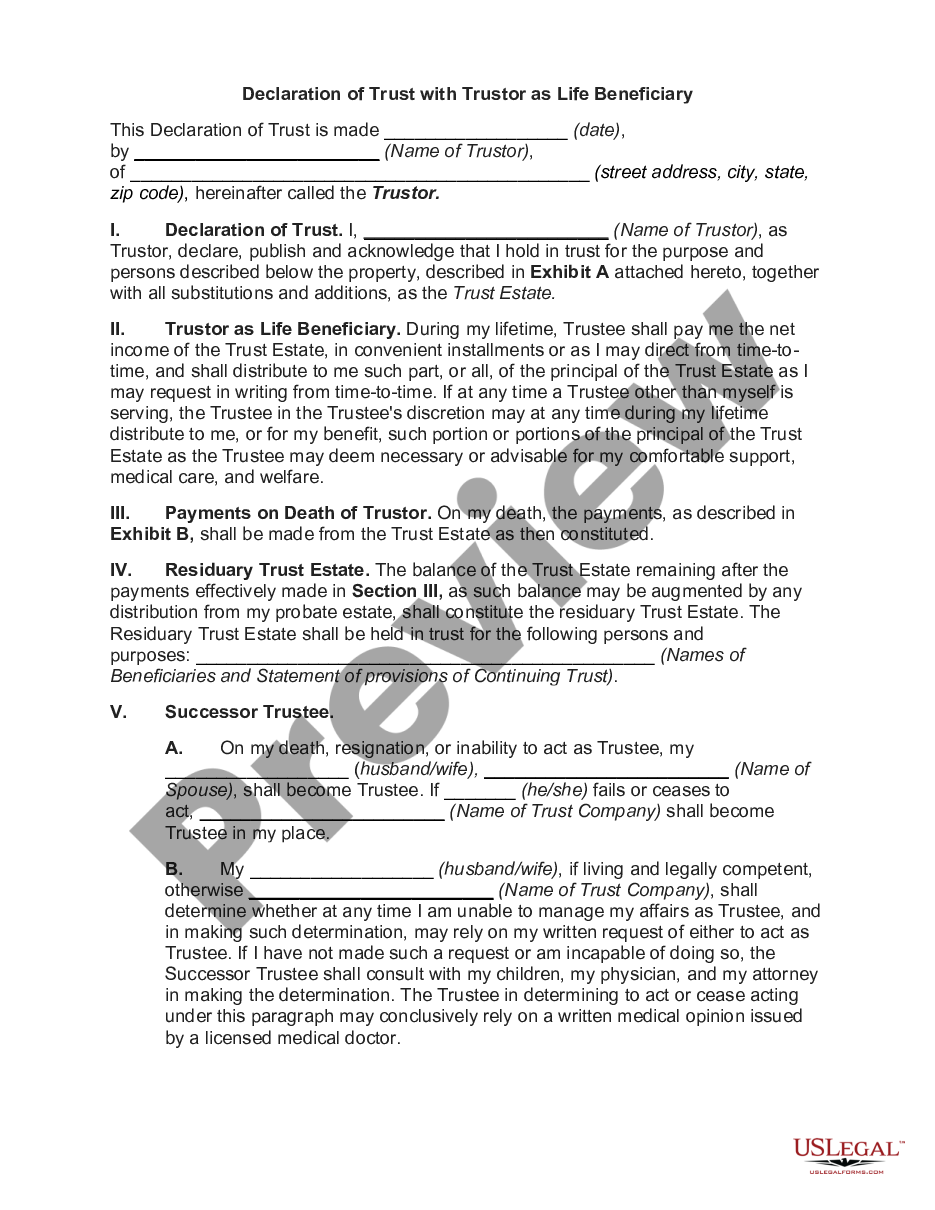
The Amendment to Living Trust is a legal document used for making changes to an existing revocable trust. It allows the Trustor to modify certain aspects of the trust without altering its overall purpose or nature. This form is essential for anyone who wants to update their estate plan while ensuring the trust remains in effect where it has not been amended. By using this amendment form, the Trustor retains control over their assets and can adapt to changing circumstances in their life.
What’s included in this form
- Date of amendment
- Trustor's information, including name and address
- Name of the original revocable trust
- Specific provisions being amended
- Trustor's signature(s) and printed name(s)
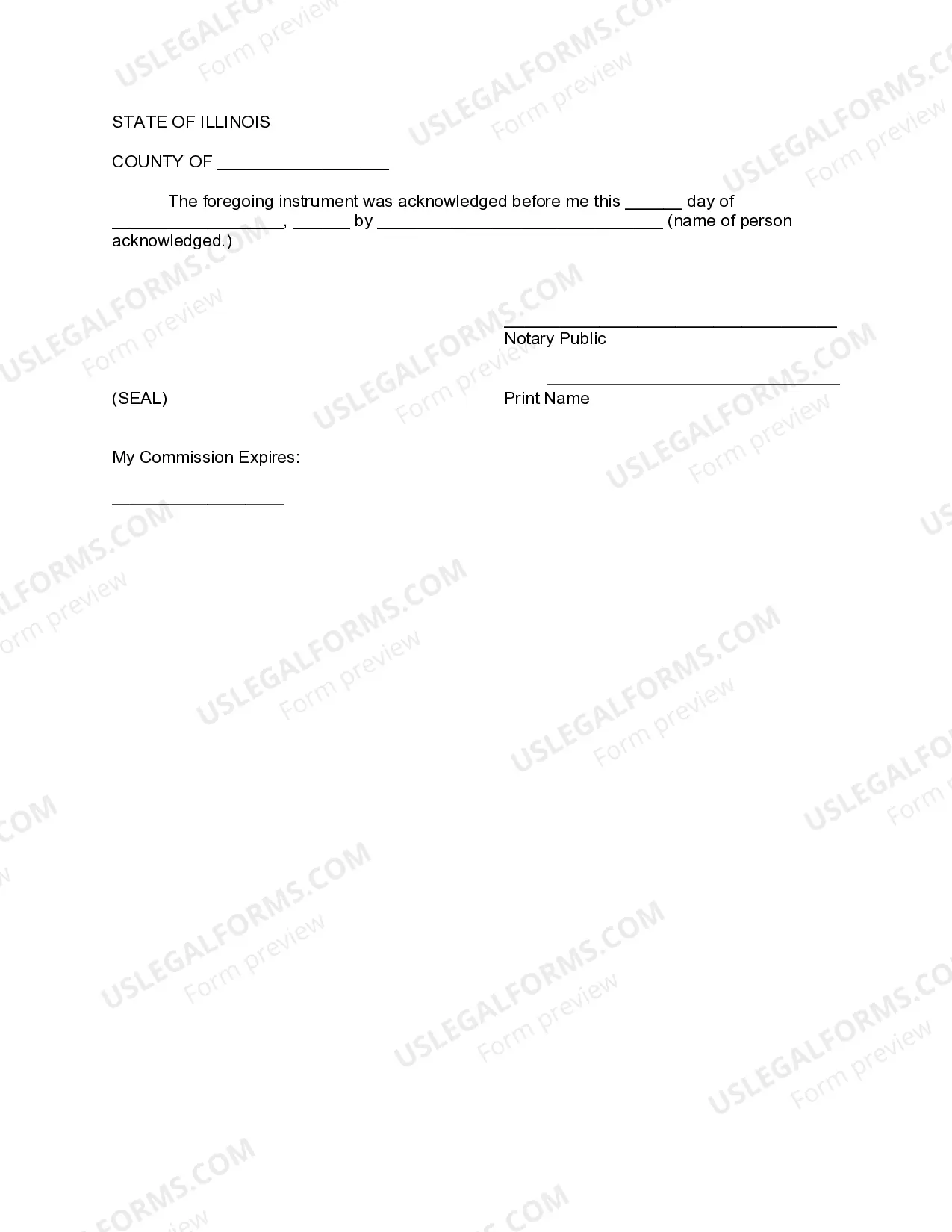
- Notary acknowledgment section


Situations where this form applies
You should use the Amendment to Living Trust when you need to make changes to an existing living trust. Common scenarios include adding or removing beneficiaries, changing trustees, or altering the terms of asset distribution. If your family situation changesâsuch as marriage, divorce, or the birth of a childâthis form can help you maintain an up-to-date estate plan that reflects your current wishes.
Who should use this form
This form is intended for individuals who have already established a living trust and wish to amend it. It is suitable for:
- Trustors who need to update beneficiary designations
- People who want to change trustees or the structure of the trust
- Anyone wishing to make changes due to life events or changing financial circumstances
Instructions for completing this form
- Enter the date when the amendment is being made.
- Provide your name and the county and state where you reside.
- Specify the name of the original revocable trust and its date.
- Detail the specific provisions being amended.
- Sign the amendment in front of a notary public and print your name.
Notarization guidance
Yes, this form must be notarized to be legally valid. Notarization ensures that the signatures are authentic and that the Trustor has acted voluntarily. US Legal Forms offers integrated online notarization services for your convenience, available 24/7 via secure video call.
Get your form ready online
Our built-in tools help you complete, sign, share, and store your documents in one place.
Make edits, fill in missing information, and update formatting in US Legal Forms—just like you would in MS Word.
Download a copy, print it, send it by email, or mail it via USPS—whatever works best for your next step.
Sign and collect signatures with our SignNow integration. Send to multiple recipients, set reminders, and more. Go Premium to unlock E-Sign.
If this form requires notarization, complete it online through a secure video call—no need to meet a notary in person or wait for an appointment.
We protect your documents and personal data by following strict security and privacy standards.

Make edits, fill in missing information, and update formatting in US Legal Forms—just like you would in MS Word.

Download a copy, print it, send it by email, or mail it via USPS—whatever works best for your next step.

Sign and collect signatures with our SignNow integration. Send to multiple recipients, set reminders, and more. Go Premium to unlock E-Sign.

If this form requires notarization, complete it online through a secure video call—no need to meet a notary in person or wait for an appointment.

We protect your documents and personal data by following strict security and privacy standards.
Common mistakes
- Failing to include the complete name of the trust being amended.
- Not specifying the exact changes being made.
- Omitting signatures or not having the form notarized properly.
- Using outdated forms that do not comply with current laws.
Why use this form online
- Convenience of completing the amendment form online.
- Editable templates that allow for easy modifications.
- Access to forms created by licensed attorneys for reliability.
Summary of main points
- The Amendment to Living Trust allows necessary updates to an existing trust.
- Proper execution requires the Trustor's signature and notarization.
- It's vital to indicate specific changes clearly in the amendment.
Looking for another form?


Form popularity
FAQ
An Illinois Amendment to Living Trust is a legal form used to modify an existing revocable trust without changing its overall purpose. It records the amendment date, the Trustor’s information, the name of the original trust, the provisions being amended, the Trustor’s signature, and a notary acknowledgment. It helps keep an estate plan current while the trust remains in effect.
To amend a trust using this form, fill in the date of amendment, the Trustor’s name and address, the name of the original revocable trust, and the specific provisions you are changing. The form also requires the Trustor’s signature and printed name and a notary acknowledgment. Keep the amendment with the original trust and share copies with trustees as needed.
Completing the Illinois Amendment to Living Trust can be done without an attorney, but a licensed attorney is often helpful. They can verify the amendment’s wording, ensure compliance with Illinois law, and confirm the changes fit within the overall estate plan. For complex trusts or blended families, professional review is especially advisable.
A codicil amends a will, not a living trust. The Illinois Amendment to Living Trust is designed to modify an existing revocable trust, preserving its structure while adjusting terms. While some people draft codicils themselves, consulting a lawyer helps ensure the intended changes are effective and do not conflict with other estate documents.
To make an amendment, use the Illinois Amendment to Living Trust: enter the amendment date, trustor information, the original trust’s name, and the specific provisions you are changing. Sign and print your name, then obtain a notary acknowledgment. Keep the amendment with the original trust and provide copies to relevant trustees.
The Illinois Amendment to Living Trust amends an existing revocable living trust, not a will. It requires the Trustor’s signature and a notary acknowledgment and addresses changing provisions within the trust’s framework. A codicil changes a will and does not alter the trust, so the two documents serve different parts of an estate plan.