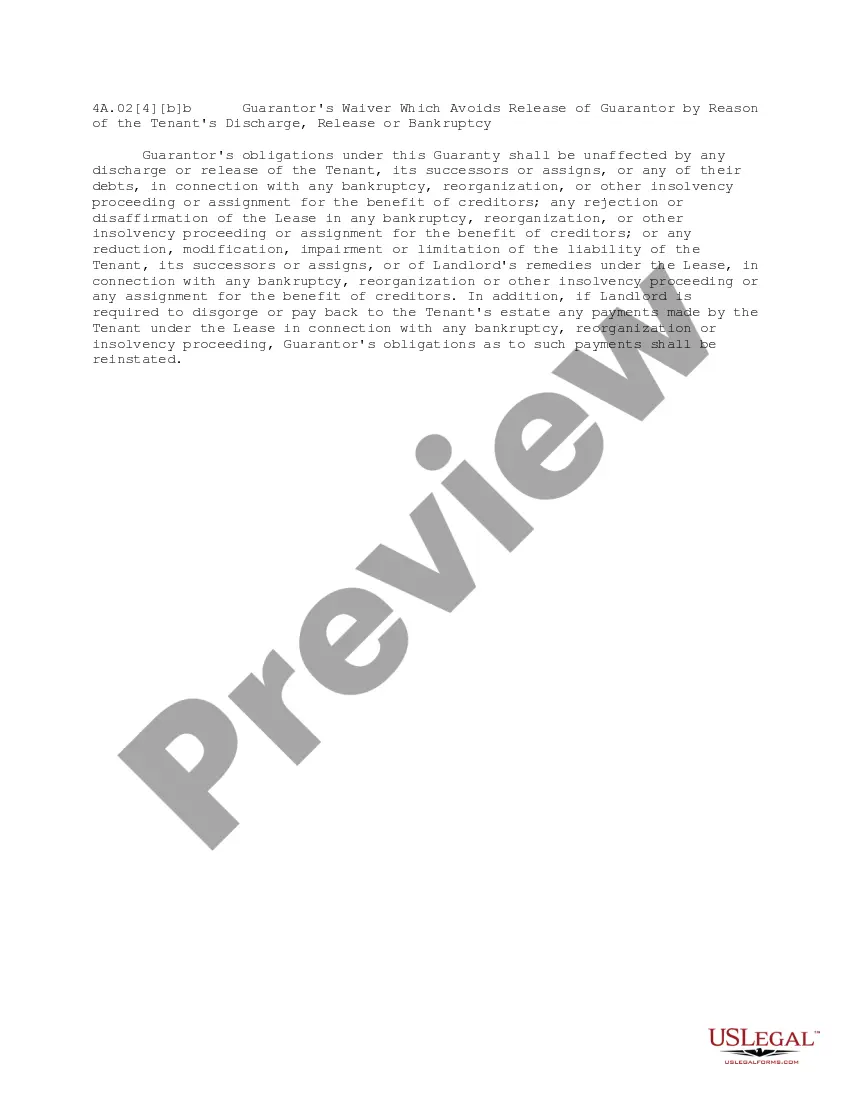
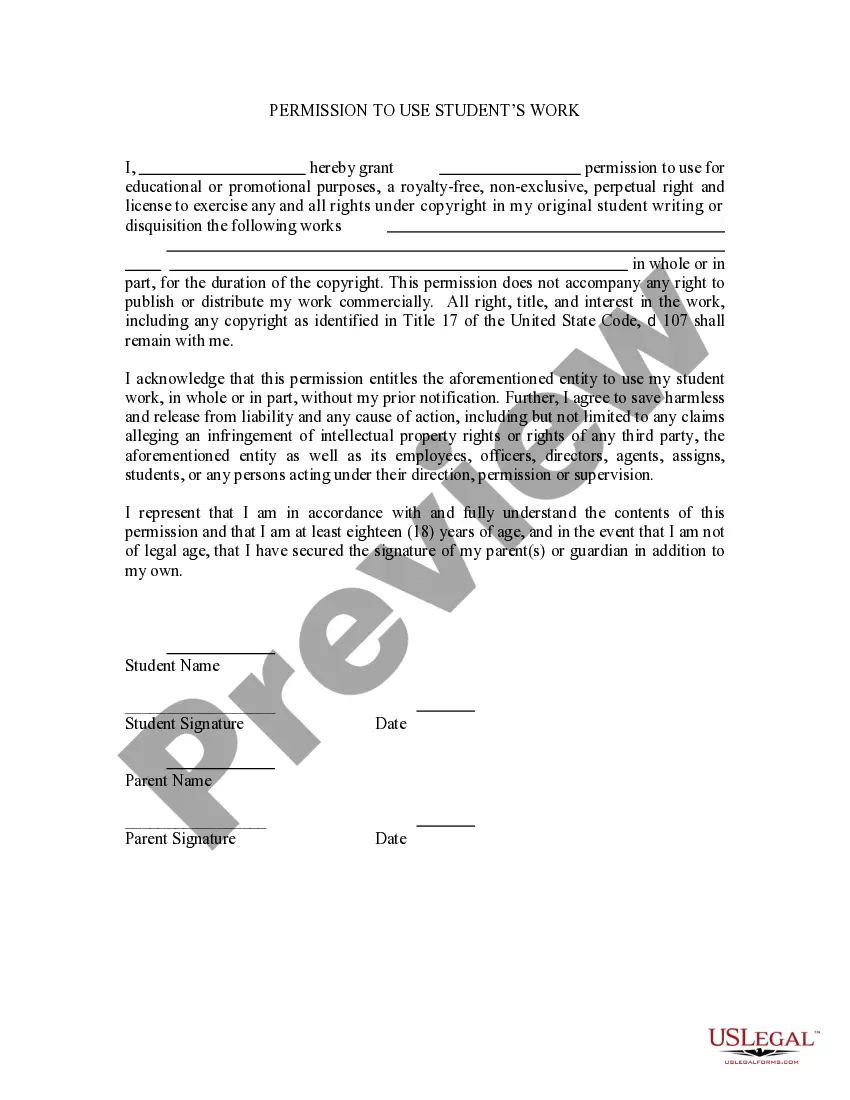
This is a permission form signed by a student or parents if student is under age permitting others to use his/her original work without any prior notification. This form also releases the entity using the work from any liability for such use.
Idaho Permission to Use Student's Work
Category:
State:
Multi-State
Control #:
US-PRM-03
Format:
Word;
Rich Text
Instant download
Description
Get your form ready online
Our built-in tools help you complete, sign, share, and store your documents in one place.
Built-in online Word editor
Make edits, fill in missing information, and update formatting in US Legal Forms—just like you would in MS Word.
Export easily
Download a copy, print it, send it by email, or mail it via USPS—whatever works best for your next step.
E-sign your document
Sign and collect signatures with our SignNow integration. Send to multiple recipients, set reminders, and more. Go Premium to unlock E-Sign.
Notarize online 24/7
If this form requires notarization, complete it online through a secure video call—no need to meet a notary in person or wait for an appointment.
Store your document securely
We protect your documents and personal data by following strict security and privacy standards.

Make edits, fill in missing information, and update formatting in US Legal Forms—just like you would in MS Word.

Download a copy, print it, send it by email, or mail it via USPS—whatever works best for your next step.

Sign and collect signatures with our SignNow integration. Send to multiple recipients, set reminders, and more. Go Premium to unlock E-Sign.

If this form requires notarization, complete it online through a secure video call—no need to meet a notary in person or wait for an appointment.

We protect your documents and personal data by following strict security and privacy standards.
Looking for another form?



How to fill out Permission To Use Student's Work?
US Legal Forms - one of the largest collections of legal documents in the United States - provides a broad selection of legal document templates that you can download or print. By using the site, you can discover thousands of forms for business and personal uses, categorized by types, states, or keywords. You will find the latest versions of forms such as the Idaho Permission to Use Student's Work in just moments.
If you already have a subscription, Log In and download Idaho Permission to Use Student's Work from the US Legal Forms library. The Download option will appear on every form you view. You can access all previously downloaded forms in the My documents tab of your account.
If you are using US Legal Forms for the first time, here are simple steps to help you get started: Make sure you have selected the correct form for your area/region. Choose the Preview option to examine the form’s content. Review the form description to confirm you have selected the appropriate form. If the form doesn’t meet your requirements, use the Search field at the top of the screen to find one that does. If you are satisfied with the form, confirm your choice by clicking the Get Now option. Next, select the pricing plan you prefer and provide your details to register for an account. Process the payment. Use your credit card or PayPal account to complete the transaction. Choose the format and download the form to your device. Make modifications. Fill out, alter, print, and sign the downloaded Idaho Permission to Use Student's Work.
- Every template you added to your account has no expiration date and is yours permanently.
- Thus, if you wish to download or print another copy, simply visit the My documents area and click on the form you need.
- Access the Idaho Permission to Use Student's Work with US Legal Forms, one of the most extensive collections of legal document templates.
- Utilize thousands of professional and state-specific templates that meet your business or personal needs and requirements.
Form popularity
FAQ
Fair Use in the ClassroomFair use allows copying of copyrighted material in an educational setting, such as a teacher or a student using images in the classroom. Fair use is flexible concept and can be open to interpretation in certain cases.
Instructors may not: copy sheet music or recorded music for the purpose of creating anthologies or compilations used in class. copy from works intended to be consumable in the course of study or teaching such as workbooks, exercises, standardized tests and answer sheets, and like material.
Under § 110(1), faculty and students may only perform or display but not reproduce or distribute any copyrighted work in the course of face-to-face teaching activities in a classroom, without seeking permission.
The Fair Use Doctrine and Education That section of the Copyright Act says that there's no copyright infringement if the use of the material is fair, in other words "for purposes such as criticism, comment, news reporting, teaching (including multiple copies for classroom use), scholarship, or research."
Fair use allows limited use of copyrighted material without permission from the copyright holder for purposes such as criticism, parody, news reporting, research and scholarship, and teaching.
The Basics of CopyrightWhen students complete assignments and prepare projects or papers using other peoples' works, or when students copy materials in any format, copyright law applies. Students are responsible for making sure that when using copyrighted material, that it doesn't violate the rights of others.
Students and scholars often use fair use to quote previous research in their papers and other publications. In this sense, fair use helps authors build on the knowledge in previous research.
What is fair use? Fair use allows limited use of copyrighted material without permission from the copyright holder for purposes such as criticism, parody, news reporting, research and scholarship, and teaching.
Section 52 of the Copyright Act, 1957 stipulates permissible uses of the Copyright without specific authorization from the author. Therefore, the said Section allows legitimate use of the copyrighted work for educational, scientific and cultural advancement of the society.
Fair use grants students and teachers the ability to use parts of copyrighted works without permission from the copyright holder. This does not mean a teacher can copy a whole book and give it to students. They can't give a whole chapter of copyrighted material either.