Idaho Last Will and Testament Package

Understanding this form package
The Idaho Last Will and Testament Package is a comprehensive set of legally binding documents designed to help individuals create a valid Last Will and Testament in accordance with Idaho state laws. This package differs from similar offerings by including an Estate Planning Questionnaire and Personal Planning Information to ensure all essential aspects of the estate are considered. By using these forms, you can effectively plan for the distribution of your assets and care for your loved ones after your passing.
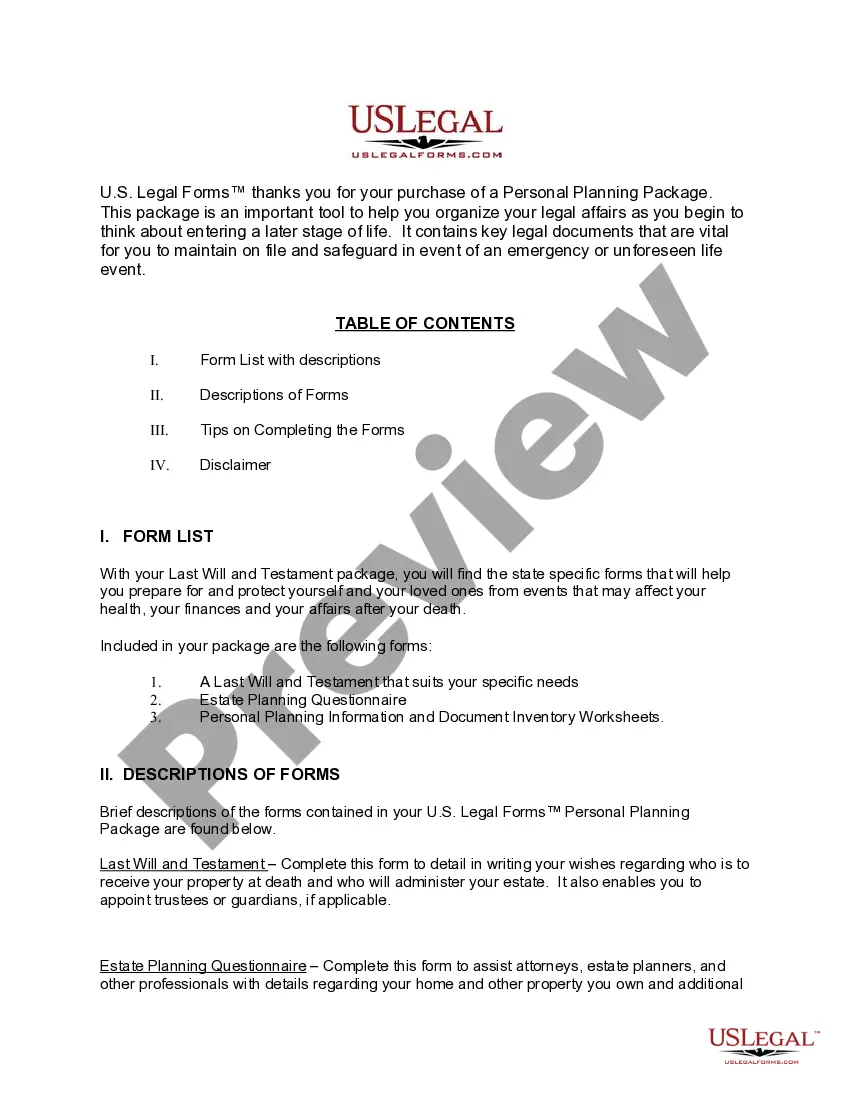
Forms provided in this package
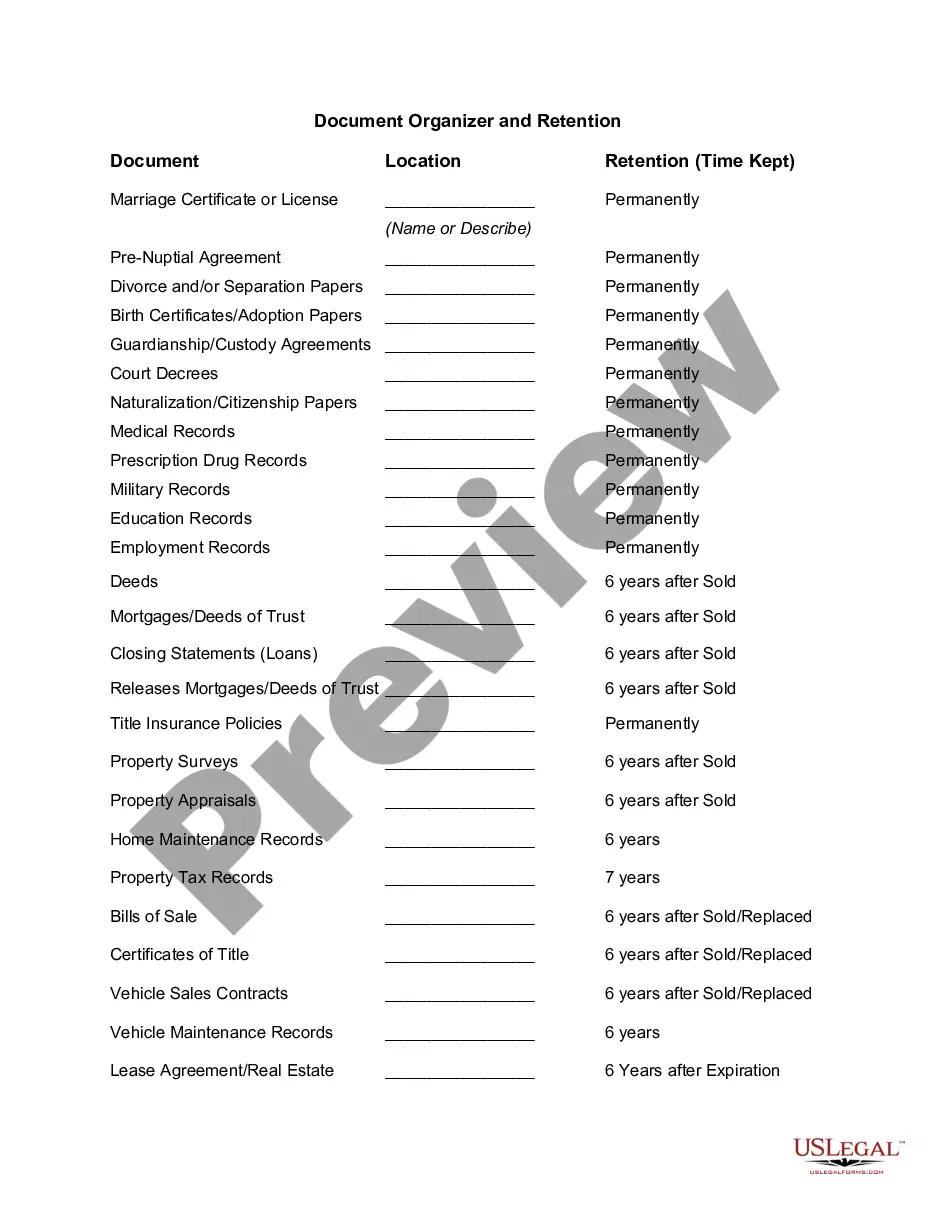

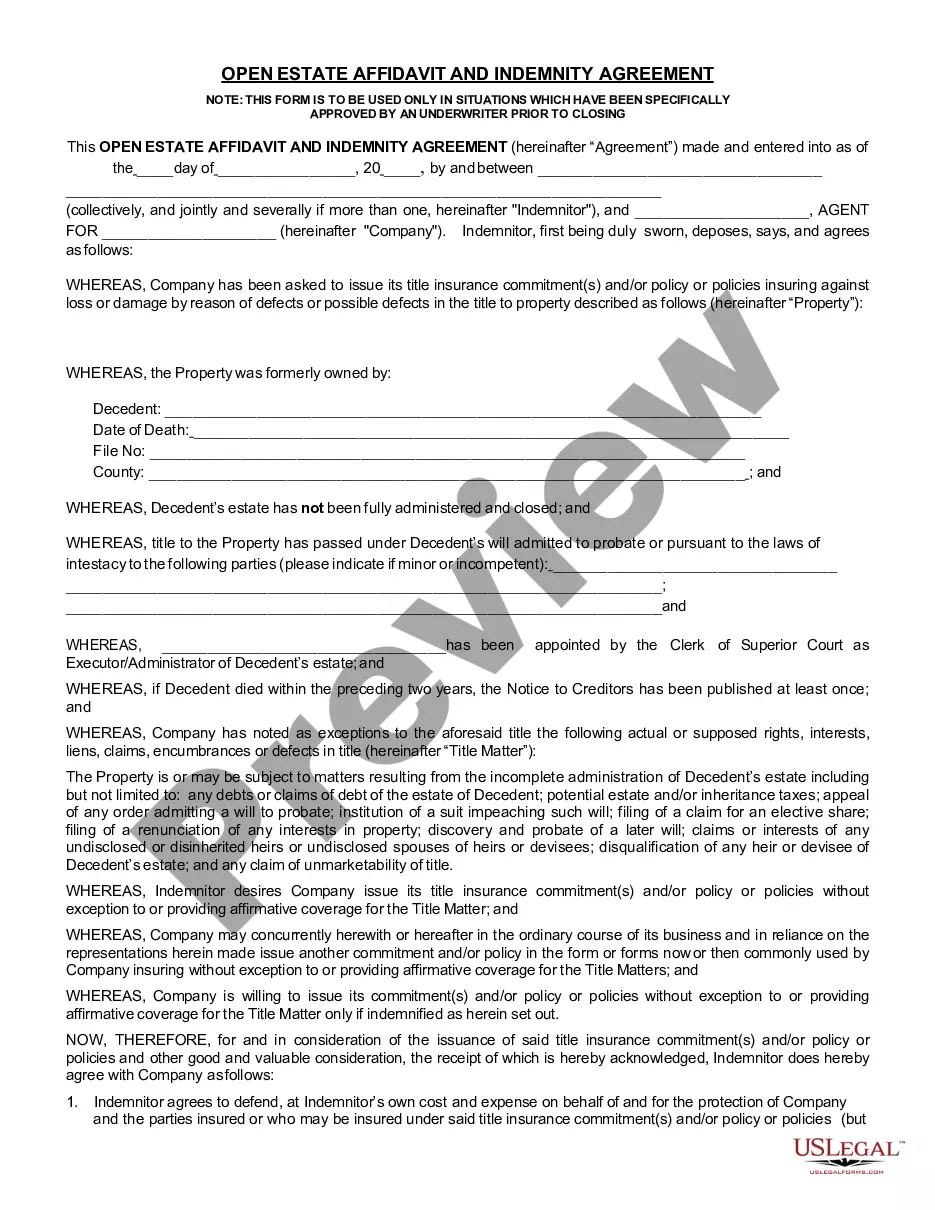
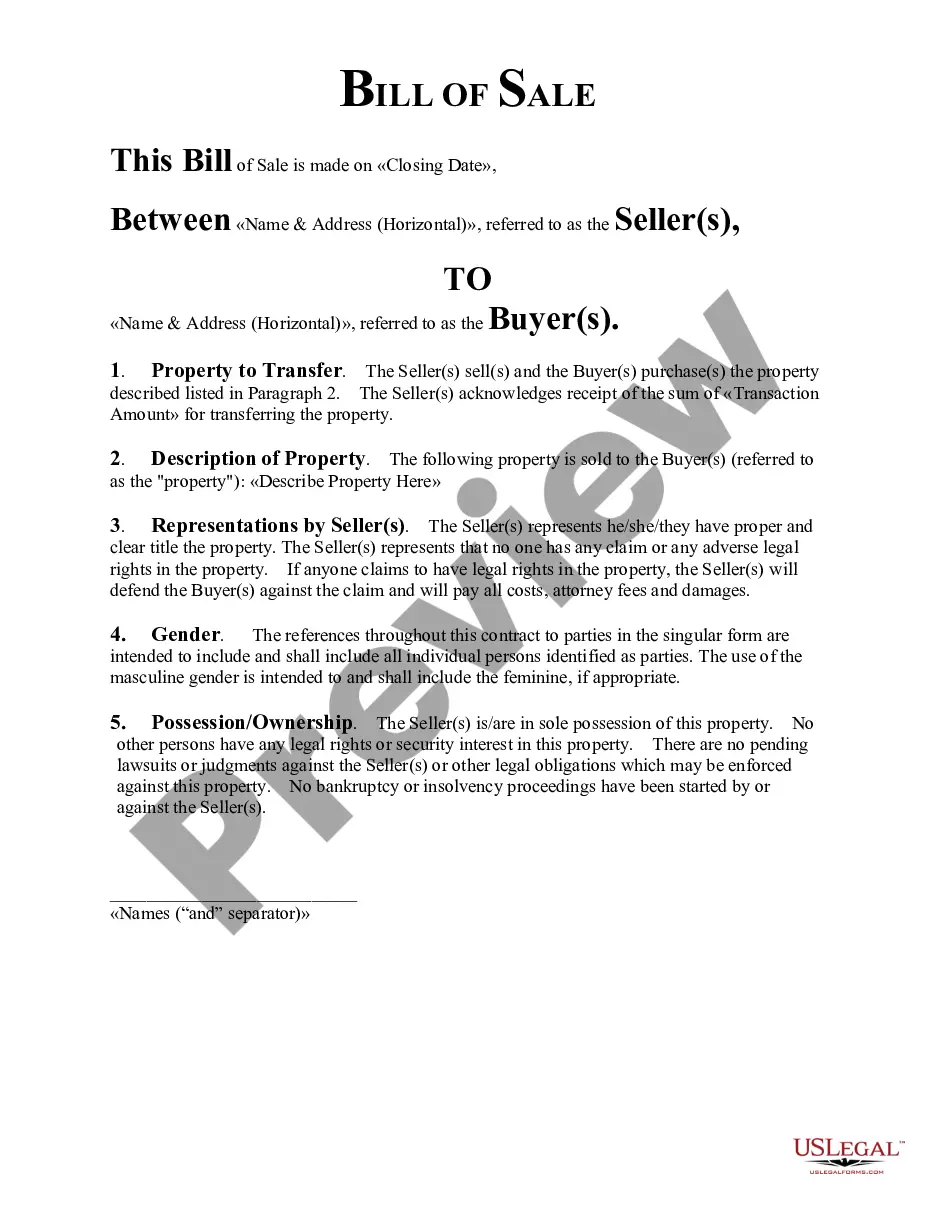
When this form package is needed
This form package is useful in a variety of scenarios, including:
- When you want to ensure your assets are distributed according to your wishes after you pass away.
- If you have specific beneficiaries or are managing property that you want to include in your estate.
- When you are facing major life changes such as marriage, divorce, or the birth of a child.
- If you need to provide guidance for care of minor children or other dependents.
Who this form package is for
- Individuals who want to create a legally recognized Last Will and Testament in Idaho.
- Residents of Idaho over the age of 18 who have assets and wish to control their estate distribution.
- People with dependents who need to designate guardianship or care plans.
- Those undertaking estate planning for the first time or wanting to update existing documents.
Instructions for completing these forms
- Review the included Estate Planning Questionnaire to gather relevant financial and personal information.
- Complete the Will form by clearly stating your wishes for asset distribution and including all necessary information about beneficiaries.
- Use the Personal Planning Information and Document Inventory Worksheets to organize important documents and contact information.
- Ensure all forms are signed and dated according to Idaho state requirements for validity.
- If needed, consult with a legal professional to confirm the completed forms meet all legal obligations.
Do documents in this package require notarization?
Certain documents in this package must be notarized for legal effectiveness. Our online notarization service, powered by Notarize, lets you verify and sign documents remotely through an encrypted video session, available anytime.
Get your form ready online
Our built-in tools help you complete, sign, share, and store your documents in one place.
Make edits, fill in missing information, and update formatting in US Legal Forms—just like you would in MS Word.
Download a copy, print it, send it by email, or mail it via USPS—whatever works best for your next step.
Sign and collect signatures with our SignNow integration. Send to multiple recipients, set reminders, and more. Go Premium to unlock E-Sign.
If this form requires notarization, complete it online through a secure video call—no need to meet a notary in person or wait for an appointment.
We protect your documents and personal data by following strict security and privacy standards.

Make edits, fill in missing information, and update formatting in US Legal Forms—just like you would in MS Word.

Download a copy, print it, send it by email, or mail it via USPS—whatever works best for your next step.

Sign and collect signatures with our SignNow integration. Send to multiple recipients, set reminders, and more. Go Premium to unlock E-Sign.

If this form requires notarization, complete it online through a secure video call—no need to meet a notary in person or wait for an appointment.

We protect your documents and personal data by following strict security and privacy standards.
Common mistakes
- Failing to sign the Will in the presence of witnesses, which is essential for legality in Idaho.
- Not updating the Will after significant life events such as marriage, divorce, or the birth of children.
- Overlooking the inclusion of alternate beneficiaries in case the primary ones cannot inherit.
- Neglecting to ensure that the Will is stored in a safe, accessible place known to trusted family members.
Benefits of completing this package online
- Convenience: Access the package instantly from anywhere, allowing you to complete your estate planning on your own schedule.
- Editability: Customize the forms to reflect your individual needs and preferences without hassle.
- Guidance: The package includes structured forms and worksheets to ensure no important information is overlooked.
- Legal Assurance: Documents are drafted by licensed attorneys, providing confidence that they comply with state laws.
Legal use & context
- This Last Will and Testament Package provides legally enforceable instruments that ensure your final wishes are honored.
- Each document in the package is designed to comply with Idaho's legal requirements, covering your estate management needs effectively.
- Failure to use a legally valid Will could result in your assets being distributed according to state intestacy laws, which may not align with your wishes.
Main things to remember
- The Idaho Last Will and Testament Package is tailored to ensure your estate is managed according to your wishes.
- It includes valuable documents beyond just the Will, such as a questionnaire and inventory worksheets.
- Careful completion of these forms is crucial to avoid common mistakes and ensure legality.
- Convenient online access allows for easy updates and customizations as your personal circumstances change.
Looking for another form?
Form popularity
FAQ
Your will should state who gets what from your savings and property, including your home, investments and cash. It should cover all the things you own, such as cars, furniture, pictures and jewelry.
Decide what property to include in your will. Decide who will inherit your property. Choose an executor to handle your estate. Choose a guardian for your children. Choose someone to manage children's property. Make your will. Sign your will in front of witnesses. Store your will safely.
A person's last will and testament outlines what to do with possessions, whether the deceased will leave them to another person, a group or donate them to charity, and what happens to other things that they are responsible for, such as custody of dependents and management of accounts and financial interests.
Idaho law recognizes handwritten wills, referred to as holographic wills. Material provisions of the will and the signature must be in the handwriting of the person making the will.
No, in Idaho, you do not need to notarize your will to make it legal. However, Idaho allows you to make your will "self-proving" and you'll need to go to a notary if you want to do that. A self-proving will speeds up probate because the court can accept the will without contacting the witnesses who signed it.
There are certain types of property that legally cannot be included in a person's will. Depending on state laws, these may include: Any Property that is Co-Owned with Someone Else Through Joint-Tenancy: Married couples typically own the marital home in joint tenancy.Property being held in a living trust.
Bank accounts. Brokerage or investment accounts. Retirement accounts and pension plans. A life insurance policy.
Physical assets such as a house, cars or jewellery. Financial assets such as shares or bank savings, and. Heirlooms or possessions with sentimental value.
Must a living will be witnessed or notarized to be valid? No. As a result of changes to Idaho law made by the 2005 legislature, it is no longer necessary to have either a witness to your execution of a Living Will, nor to have your signature notarized.