Headings
About this form
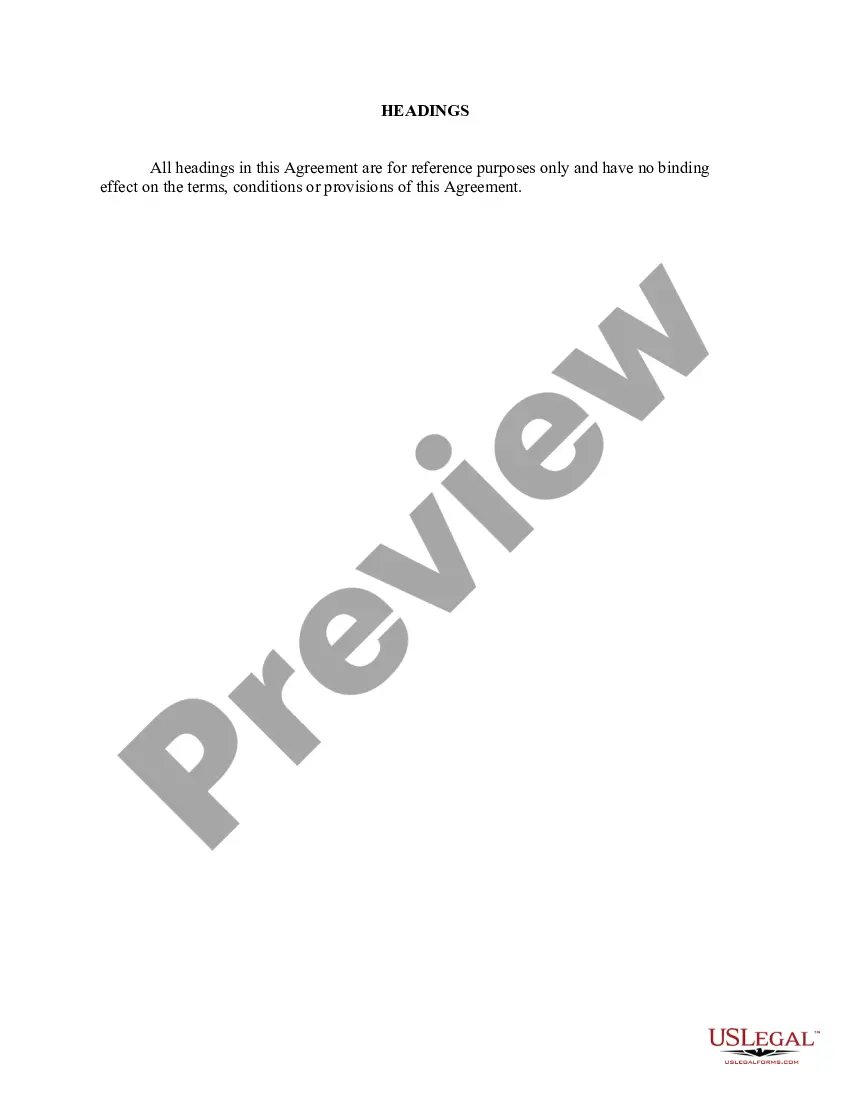
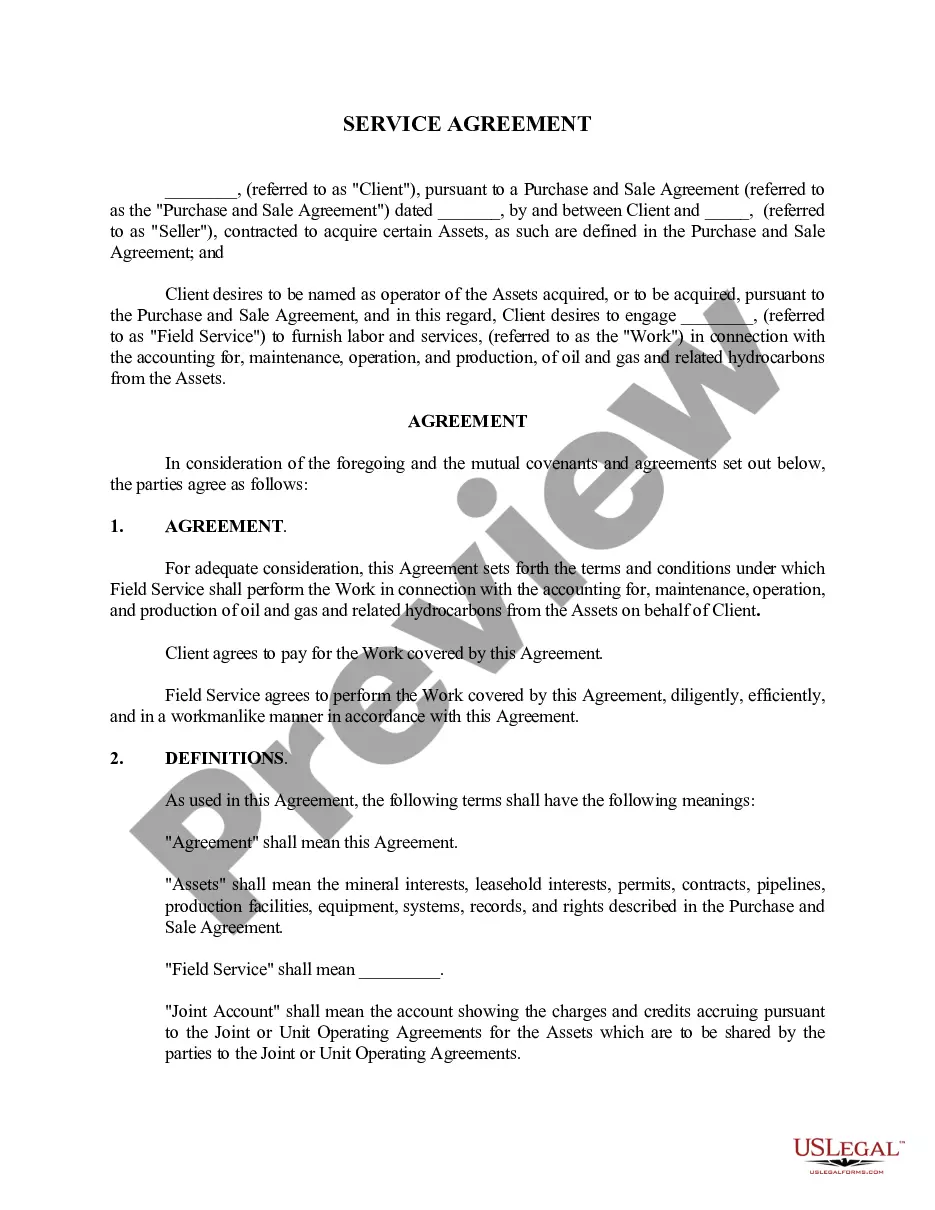
The Headings agreement clarifies that all headings in the agreement are for reference purposes only and carry no binding effect. This ensures that the substance of the agreement is prioritized over the headings, distinguishing it from similar forms that may not specify this important detail. Understanding the purpose of headings can help in interpreting the agreement correctly.
Form components explained
- Reference statement indicating the non-binding nature of headings.
- Clear identification of parties involved in the agreement.
- Details about the primary subject matter addressed in the agreement.
When to use this form
This form is used when parties need to clarify that section headings in a legal agreement do not influence the interpretation of the contract's terms. It may be particularly useful when drafting contracts or agreements that could be subject to varying interpretations based on headings.
Who this form is for
This form is intended for:
- Individuals entering into contracts who wish to eliminate ambiguity regarding headings.
- Businesses drafting agreements that may require precise interpretation.
- Attorneys looking for a clear statement regarding the effect of headings in written agreements.
How to complete this form
- Identify the parties involved in the agreement.
- Clearly state the subject matter of the agreement.
- Review the headings to ensure they are relevant but emphasize that they hold no legal weight.
- Sign and date the agreement as required by the parties.
Does this document require notarization?
Notarization is not commonly needed for this form. However, certain documents or local rules may make it necessary. Our notarization service, powered by Notarize, allows you to finalize it securely online anytime, day or night.
Get your form ready online
Our built-in tools help you complete, sign, share, and store your documents in one place.
Make edits, fill in missing information, and update formatting in US Legal Forms—just like you would in MS Word.
Download a copy, print it, send it by email, or mail it via USPS—whatever works best for your next step.
Sign and collect signatures with our SignNow integration. Send to multiple recipients, set reminders, and more. Go Premium to unlock E-Sign.
If this form requires notarization, complete it online through a secure video call—no need to meet a notary in person or wait for an appointment.
We protect your documents and personal data by following strict security and privacy standards.

Make edits, fill in missing information, and update formatting in US Legal Forms—just like you would in MS Word.

Download a copy, print it, send it by email, or mail it via USPS—whatever works best for your next step.

Sign and collect signatures with our SignNow integration. Send to multiple recipients, set reminders, and more. Go Premium to unlock E-Sign.

If this form requires notarization, complete it online through a secure video call—no need to meet a notary in person or wait for an appointment.

We protect your documents and personal data by following strict security and privacy standards.
Common mistakes
- Assuming that headings have legal significance; they are merely for reference.
- Failing to clearly identify the parties involved in the agreement.
- Neglecting to review the entire agreement as headings may lead to misunderstanding.
Why use this form online
- Convenient access to a professionally drafted agreement template.
- Editable to fit specific needs of the parties involved.
- Reliable format that meets common legal standards across different jurisdictions.
Legal use & context
- This form clarifies the legal context of headings in contracts, promoting better understanding among parties.
- It can help mitigate risks associated with potential misinterpretations of contractual terms.
- It's advisable to consult a legal professional to confirm local practices regarding heading usage in contracts.
Looking for another form?
Form popularity
FAQ
A heading is a word, phrase, or sentence at the beginning of a written passage that explains what it's about. A heading is very similar to a title. A heading is similar to a caption, a line below a photograph that briefly explains it.
Headings are the titles and subtitles you see within the actual text of much professional scientific, technical, and business writing. Headings are like the parts of an outline that have been pasted into the actual pages of a report or other document.
Headings should be as long as it takes to clearly communicate the content of the sections they head. However, each heading should be as concise as possible a good rule of thumb is to limit the heading length to one line.
Headings should be as long as it takes to clearly communicate the content of the sections they head. However, each heading should be as concise as possible a good rule of thumb is to limit the heading length to one line.
Question headings. statement headings. topic headings.
Heading is defined as the direction a person or thing is moving. An example of a heading is a car driving south. The title, subtitle, or topic that stands at the top or beginning, as of a paragraph, letter, or chapter.
There are two types of headings in any manuscript: main headings and subheadings.
Question headings. statement headings. topic headings.