Iowa Revised Uniform Anatomical Gift Act Donation
What is this form?
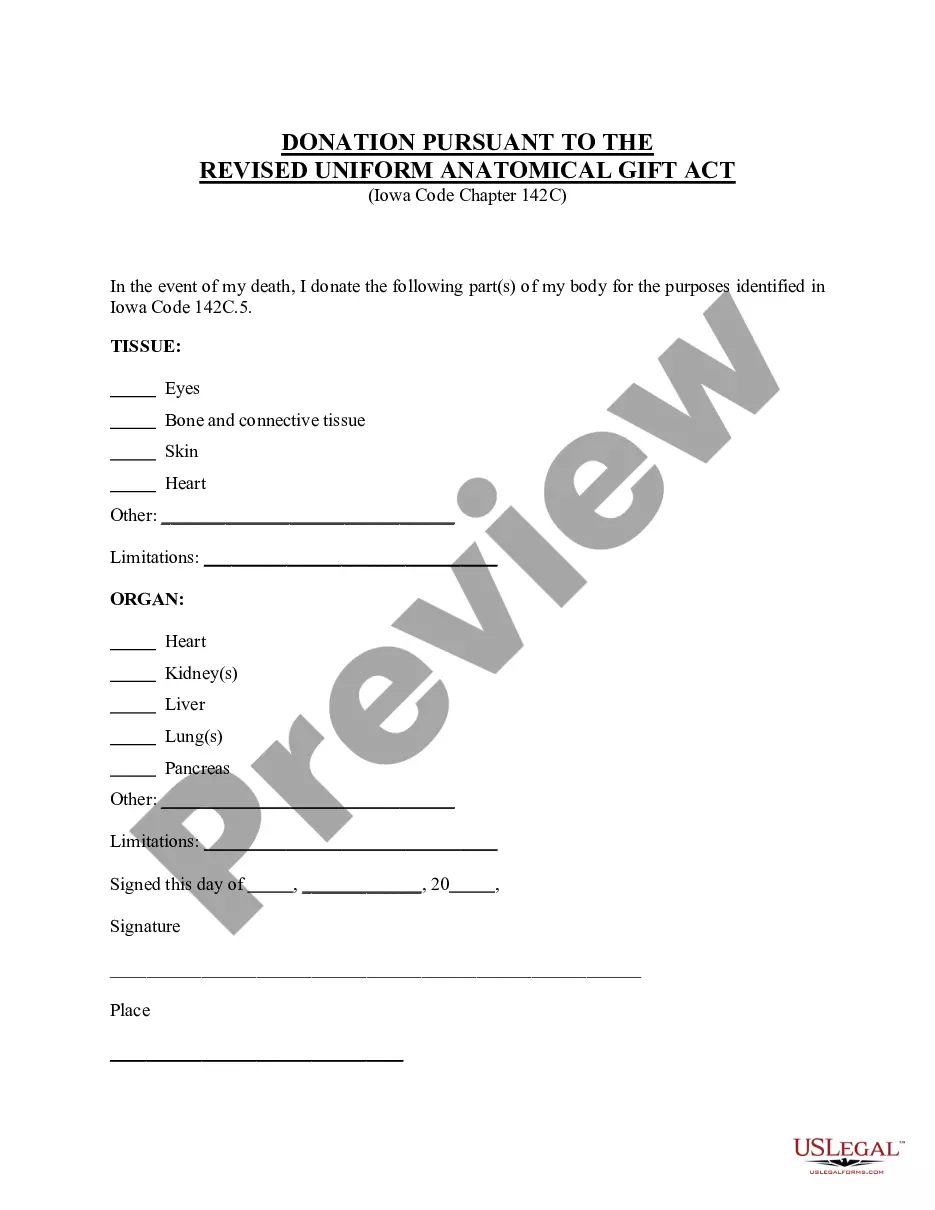
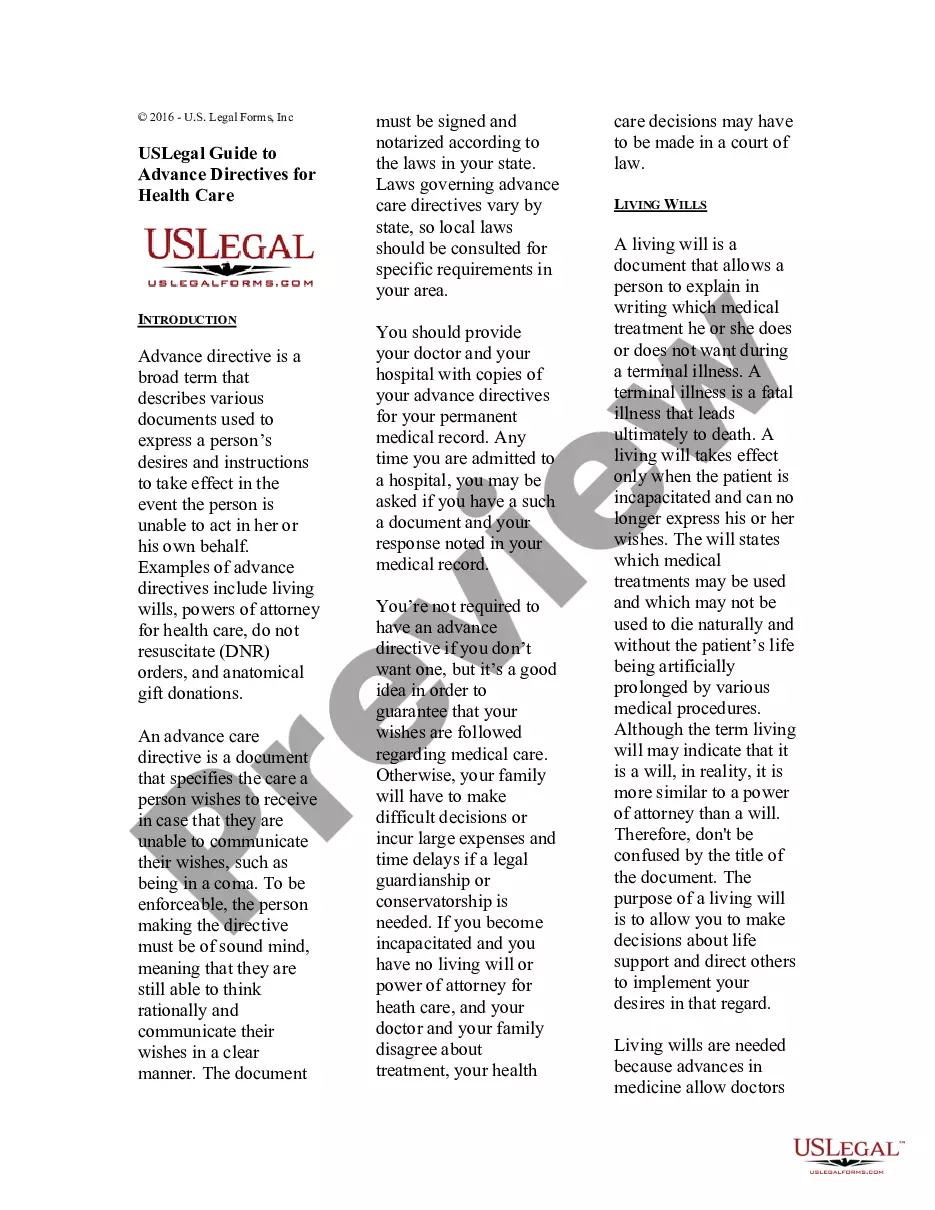
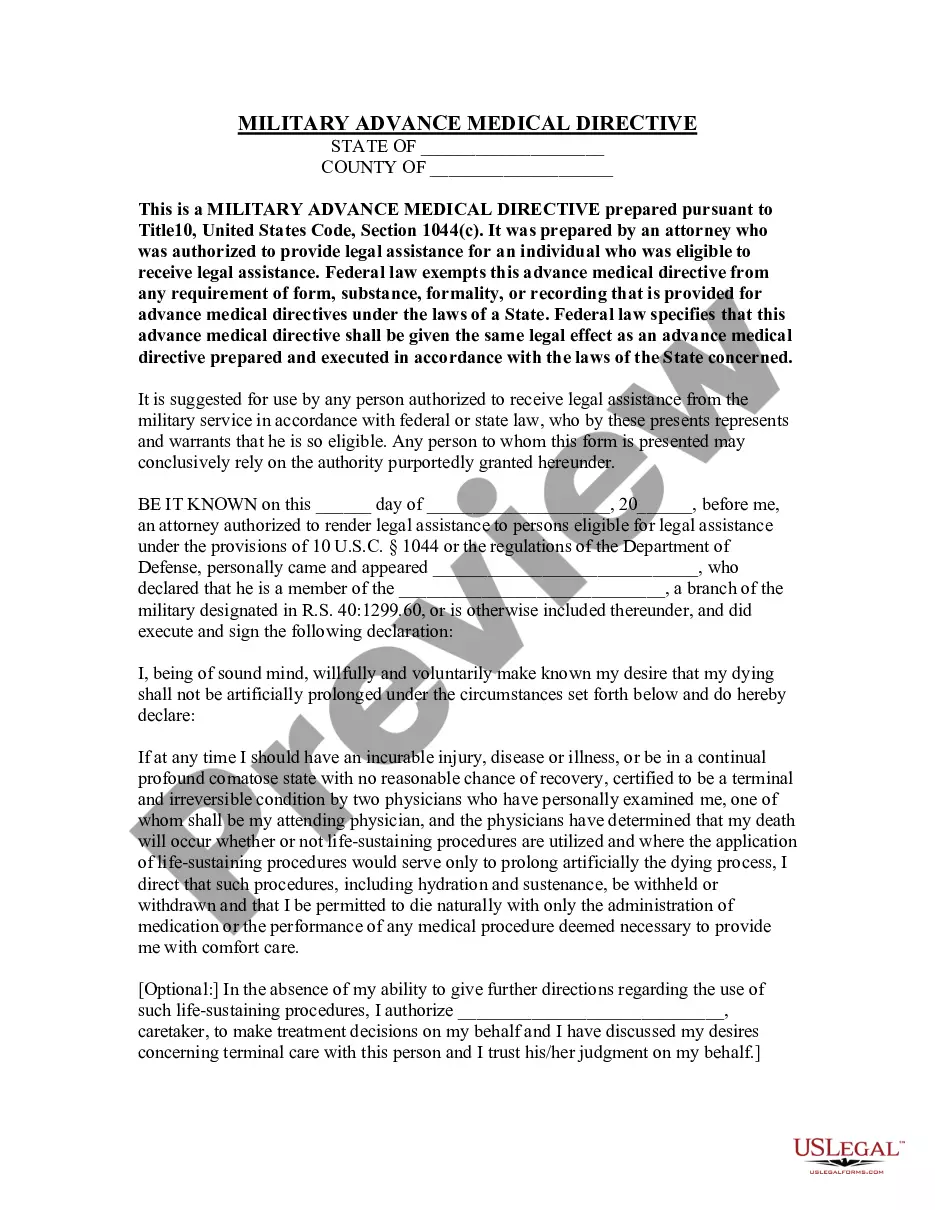
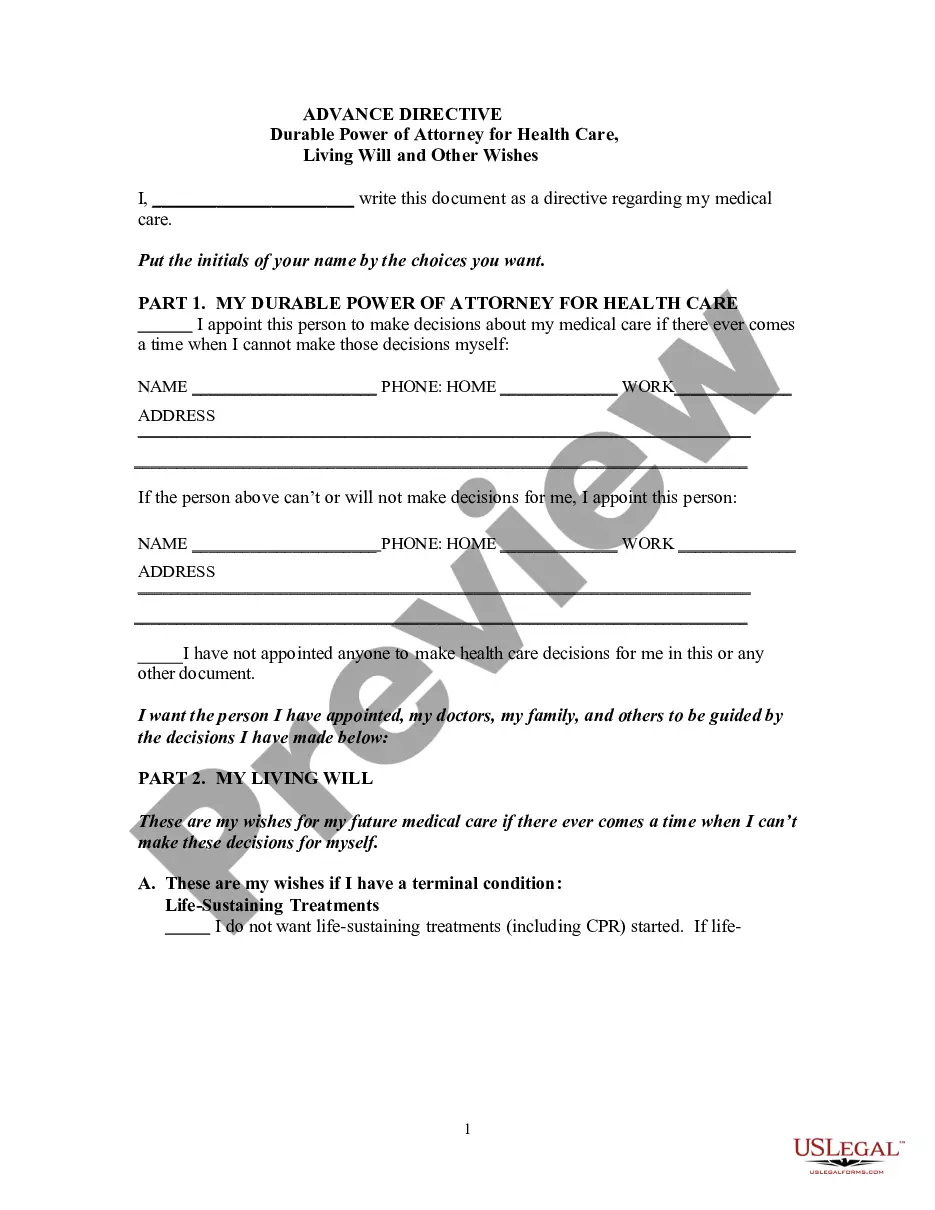
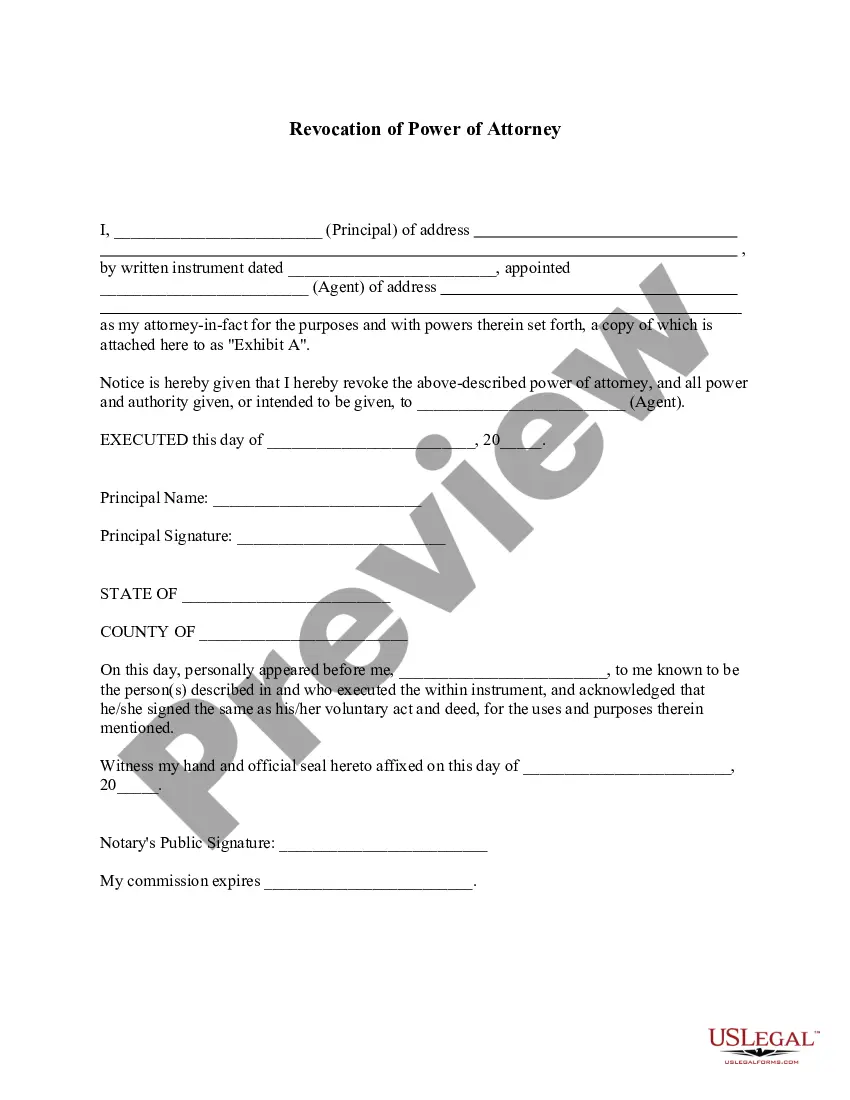
The Revised Uniform Anatomical Gift Act Donation form allows individuals to specify which body parts and organs they wish to donate upon death. This form is essential for ensuring that a person's wishes regarding organ donation are legally recognized and respected. It differs from other medical consent forms as it specifically addresses the donation of anatomical gifts and includes necessary legal stipulations, such as how the form needs to be witnessed and notarized.
Key parts of this document
- Identification of the donor and their intentions regarding organ donation.
- Specification of the body parts or organs to be donated.
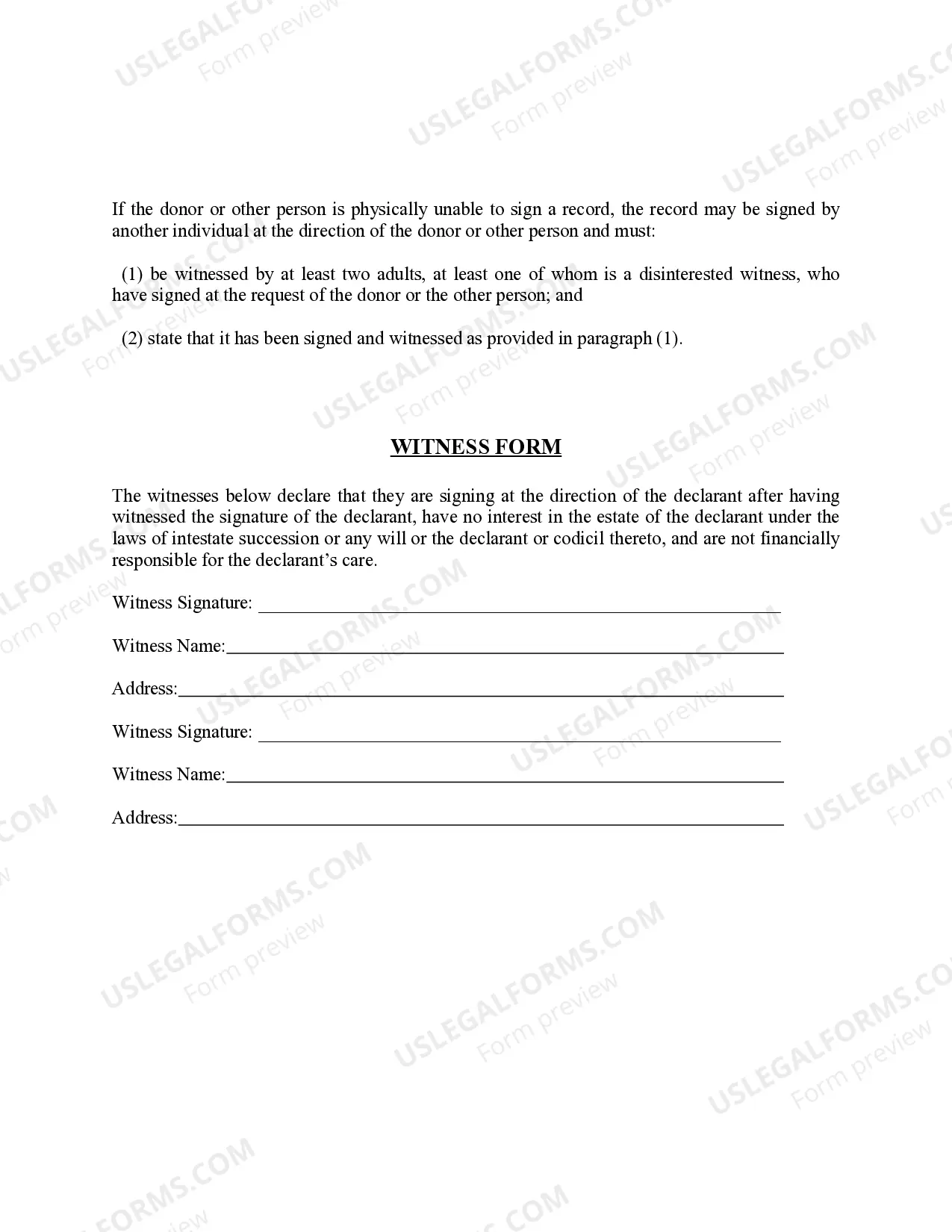
- Requirements for witnessing the document by at least two adults, including a disinterested witness.
- Added requirement for minor donors to have consent from a parent or legal guardian.
- Signature space for the donor and space for witnesses.
When to use this document
This form should be used when an individual wishes to make a legally binding decision regarding the donation of their anatomical gifts. Situations include when a person wants to ensure that their organs or tissues can be used for transplantation after death, particularly if they have specific preferences regarding the types of donations. It is also useful in ensuring that loved ones are aware of these wishes during difficult times.
Intended users of this form
This form is intended for:
- Individuals aged eighteen or older wishing to designate anatomical gifts.
- Minors aged fourteen to seventeen with consent from a parent or legal guardian.
- Anyone who wants to document their preferences concerning organ donation for clarity and legal validation.
How to prepare this document
- Identify yourself as the donor and provide necessary personal information.
- Clearly specify the body parts or organs you wish to donate.
- Gather at least two adult witnesses, including one disinterested witness, to sign the form.
- Have the form signed and dated by all parties, including the witnesses.
- If applicable, ensure that a parent or legal guardian also signs if the donor is a minor.
- Consider having the form notarized to enhance its legal standing.
Notarization requirements for this form
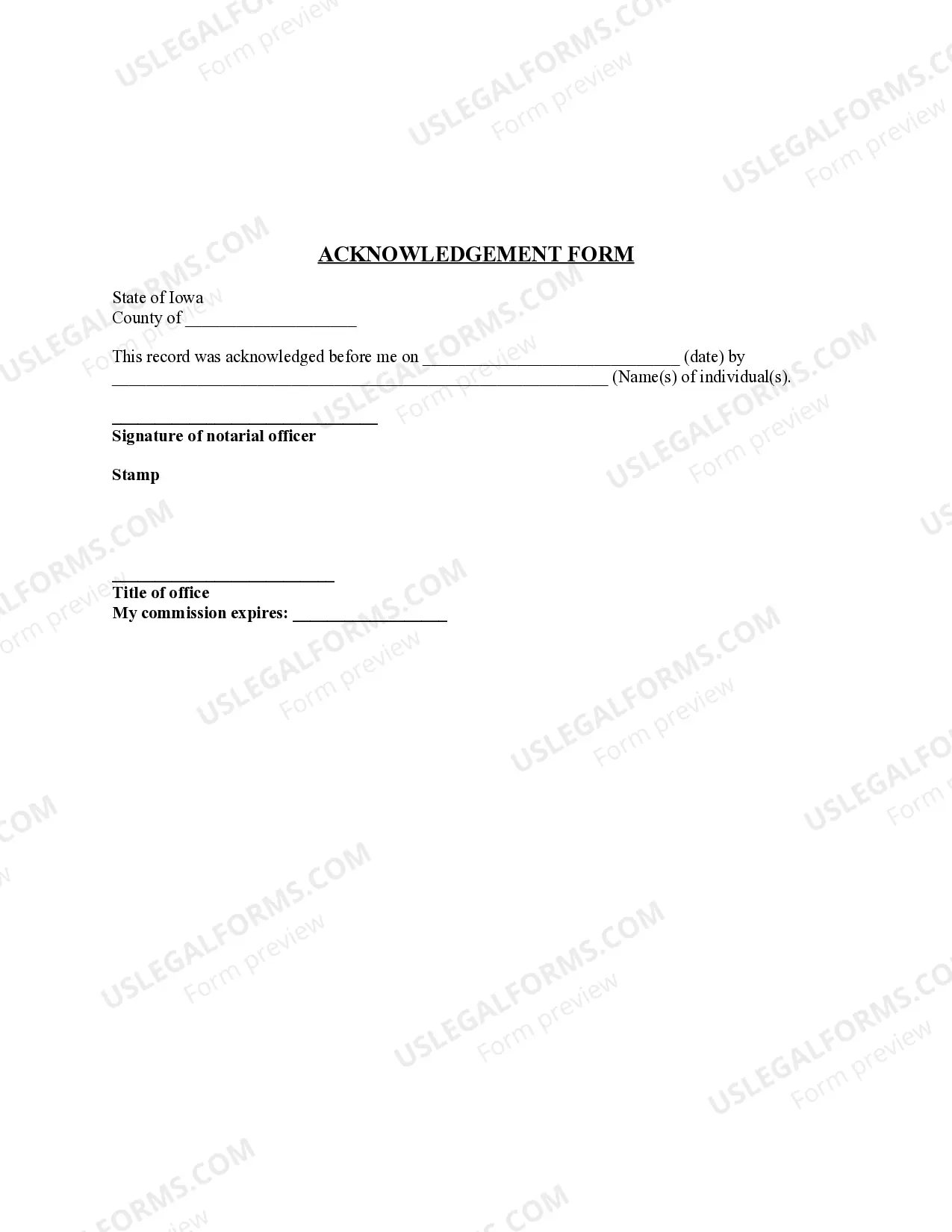
In most cases, this form does not require notarization. However, some jurisdictions or signing circumstances might. US Legal Forms offers online notarization powered by Notarize, accessible 24/7 for a quick, remote process.
Get your form ready online
Our built-in tools help you complete, sign, share, and store your documents in one place.
Make edits, fill in missing information, and update formatting in US Legal Forms—just like you would in MS Word.
Download a copy, print it, send it by email, or mail it via USPS—whatever works best for your next step.
Sign and collect signatures with our SignNow integration. Send to multiple recipients, set reminders, and more. Go Premium to unlock E-Sign.
If this form requires notarization, complete it online through a secure video call—no need to meet a notary in person or wait for an appointment.
We protect your documents and personal data by following strict security and privacy standards.

Make edits, fill in missing information, and update formatting in US Legal Forms—just like you would in MS Word.

Download a copy, print it, send it by email, or mail it via USPS—whatever works best for your next step.

Sign and collect signatures with our SignNow integration. Send to multiple recipients, set reminders, and more. Go Premium to unlock E-Sign.

If this form requires notarization, complete it online through a secure video call—no need to meet a notary in person or wait for an appointment.

We protect your documents and personal data by following strict security and privacy standards.
Typical mistakes to avoid
- Failing to have the form witnessed properly by at least two adults.
- Not getting the required consent from a guardian when the donor is a minor.
- Leaving out specific details about which organs or tissues will be donated.
- Neglecting to sign and date the form.
Main things to remember
- This form allows you to specify your wishes regarding anatomical gifts upon death.
- Completion requires witnessing by adults and may need notarization for legal authority.
- Minors must have parental or guardian consent to make an anatomical gift.
Looking for another form?
Form popularity
FAQ
Postmortem donations of organs are handled through a structured process that begins with verifying the donor's consent. Medical teams follow strict protocols to evaluate organ viability and perform the donation. The Iowa Revised Uniform Anatomical Gift Act Donation outlines these procedures, ensuring that every donation is conducted lawfully and ethically while maximizing the potential benefits for recipients.
An anatomical gift is a voluntary decision to donate one's body or organs after death for medical research or transplantation. You can indicate your wish by signing a donor card, registering through your state's donor registry, or documenting it in your advance directive. The Iowa Revised Uniform Anatomical Gift Act Donation provides a clear framework to respect and implement your decision.
The Act sets a regulatory framework for the donation of organs, tissues, and other human body parts in the US. The UAGA helps regulate body donations to science, medicine, and education. The Act has been consulted in discussions about abortion, fetal tissue transplants, and Body Worlds, an anatomy exhibition.
Almost 114,000 people in the United States are currently on the waiting list for a lifesaving organ transplant. Another name is added to the national transplant waiting list every 10 minutes. On average, 20 people die every day from the lack of available organs for transplant.
During a lifetime, a person can pledge for organ donation by filling up a donor form and the organ donor form could be obtained from ORBO either personally or through the mail. Step 1: Download the donor form the official website without any fees. Step 2: After download, fill the "Organ/Body Donation" form.
Include only your first name and only the first names of your family members (if you choose to include them). Acknowledge the donor family's loss and thank them for their gift. Discuss your family situation such as marital status, children or grandchildren. Describe the type of transplant you received.
NOTTO. National Organ and Tissue Transplant Organization (NOTTO) is a National level organization set up under Directorate General of Health Services, Ministry of Health and Family Welfare, Government of India. ROTTO.
Make the Decision to Donate. Registering as an organ donor is a personal decision. Two Ways to Register. You can sign up online or in-person at your local motor vehicle department. Tell Your Friends and Family.
The Uniform Anatomical Gift Act of 1987 The provisions of the UAGA of 1968 would ban the purchase and sale of body parts, facilitate the simplified process of obtaining authorization to retrieve organs, and ensure that medical staff establish procedures and guidelines to identify organ donors while under hospital care.
(3) "Anatomical gift" means a donation of all or part of a human body to take effect after the donor's death for the purpose of transplantation, therapy, research, or education.