Iowa New State Resident Package
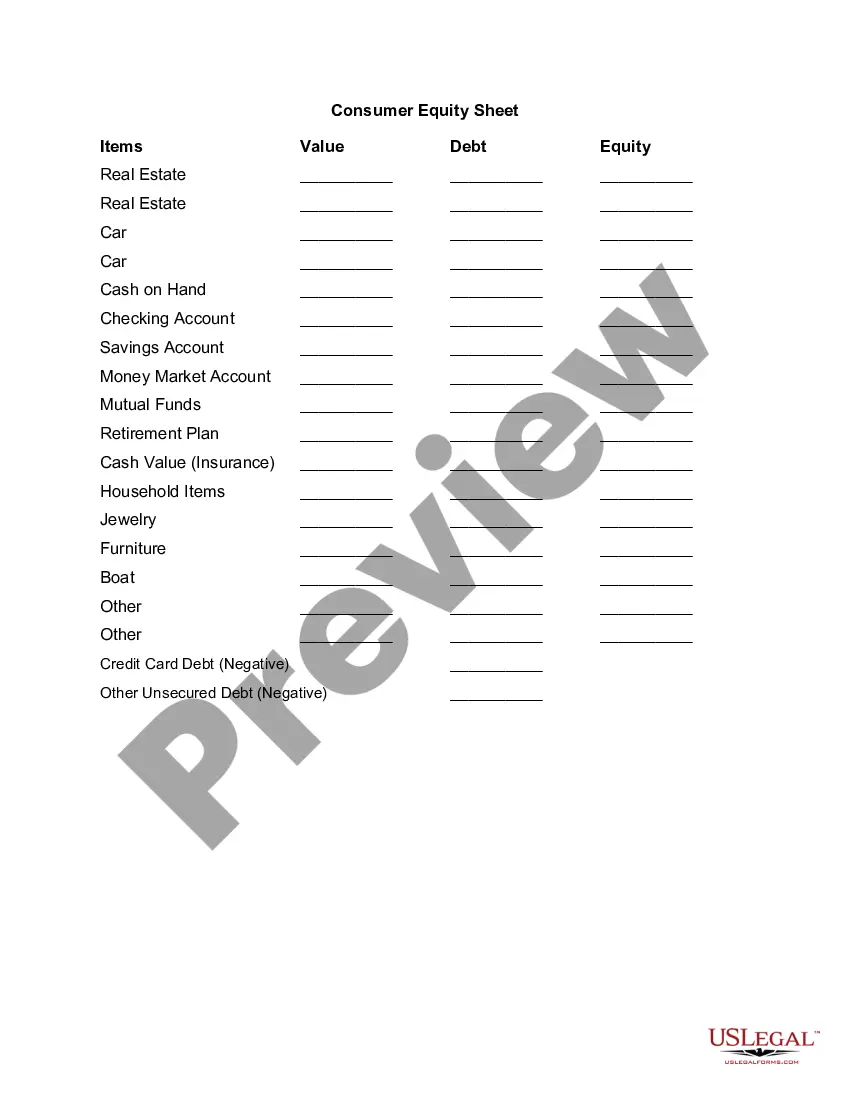
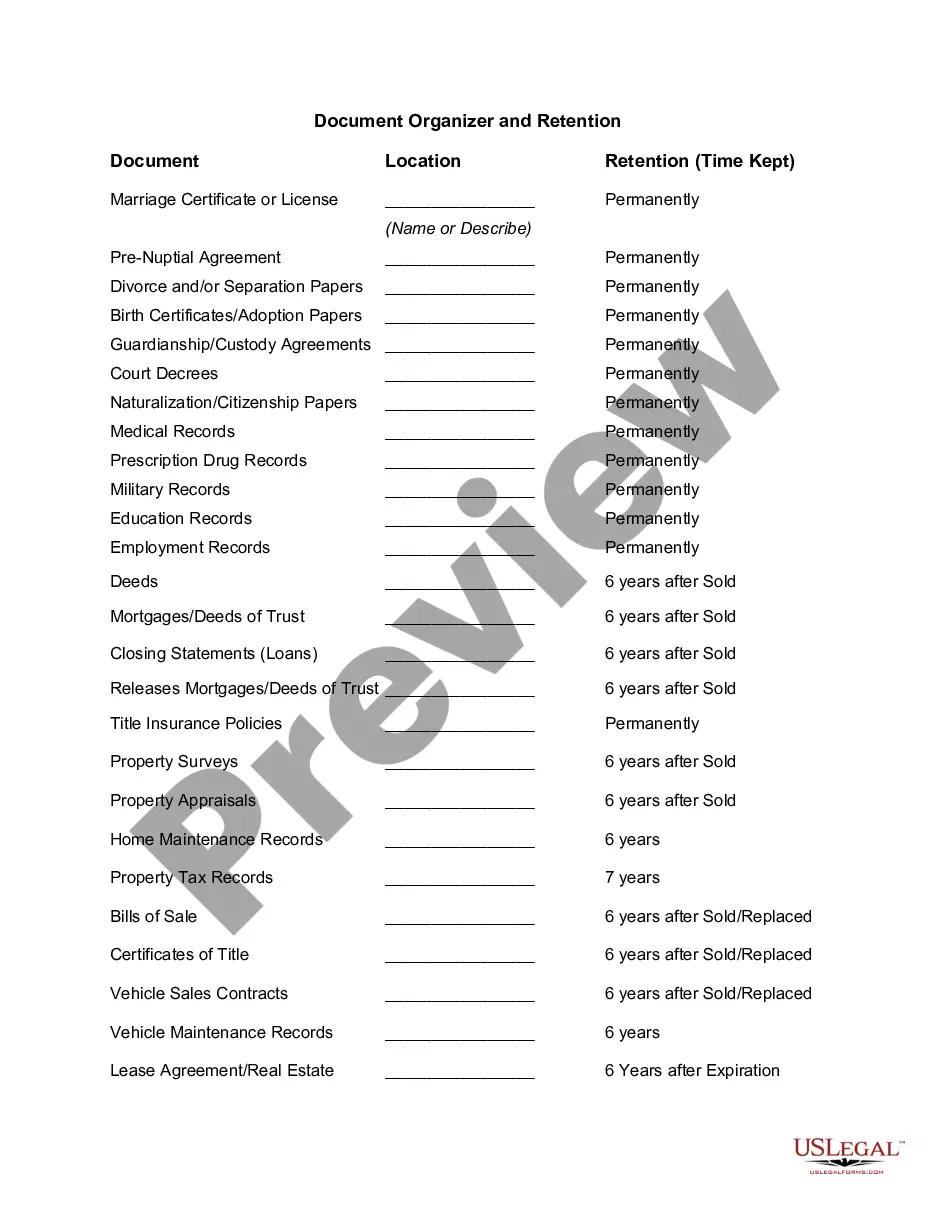
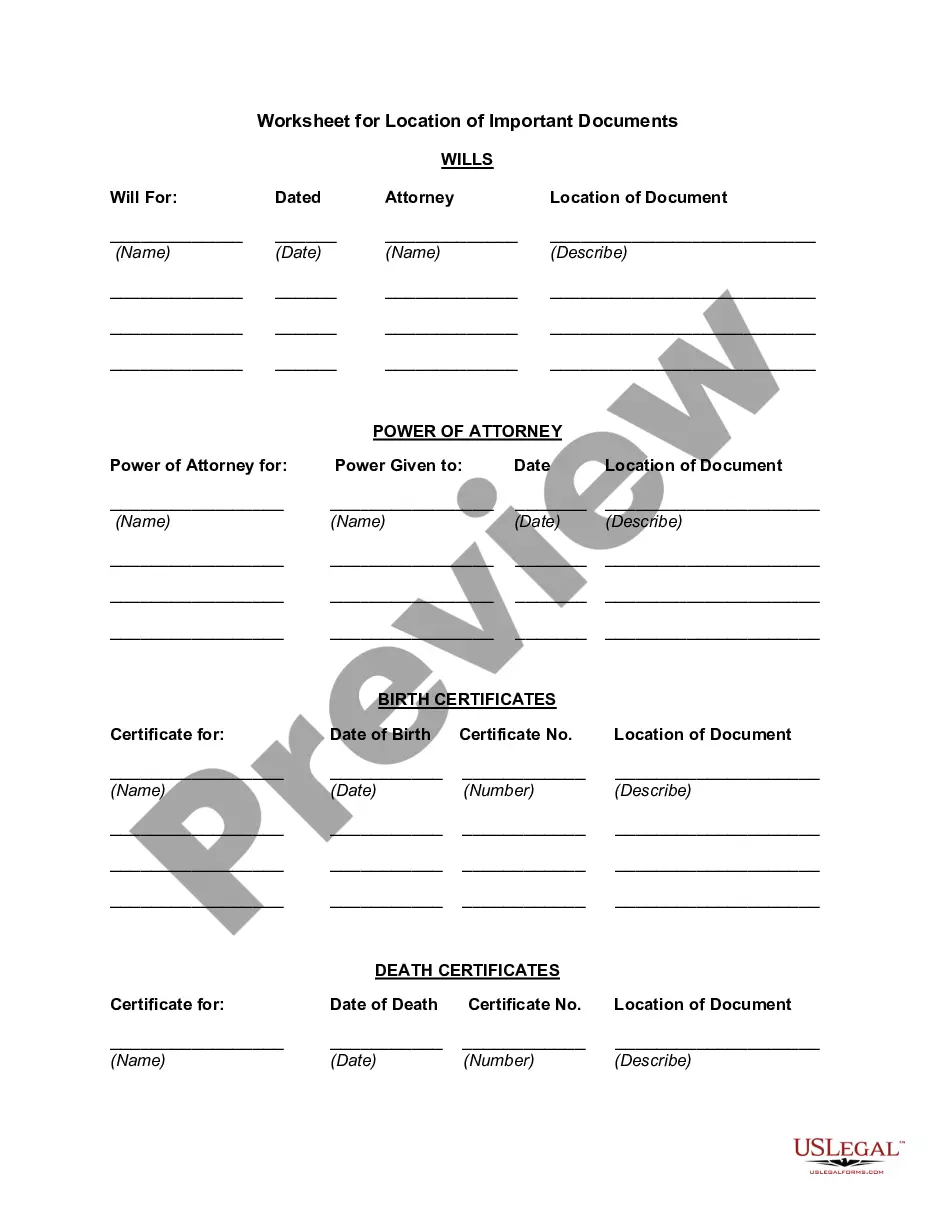
Understanding this form package
The Iowa New State Resident Package is a collection of essential legal documents designed for individuals who have recently relocated to Iowa. This package includes key forms that help manage both legal and non-legal aspects of your transition, ensuring you are prepared for state-specific requirements. Unlike generic forms, our package is tailored to address the unique circumstances faced by new residents in Iowa.
Forms you’ll find in this package
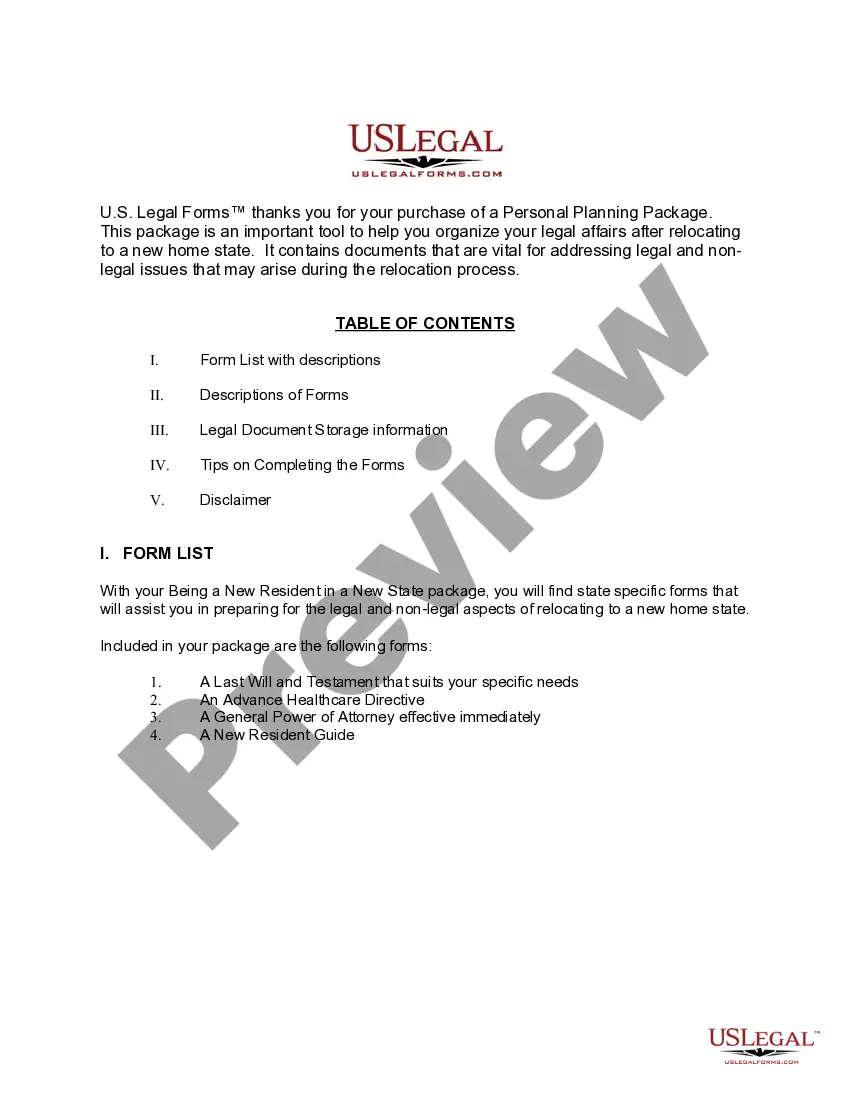
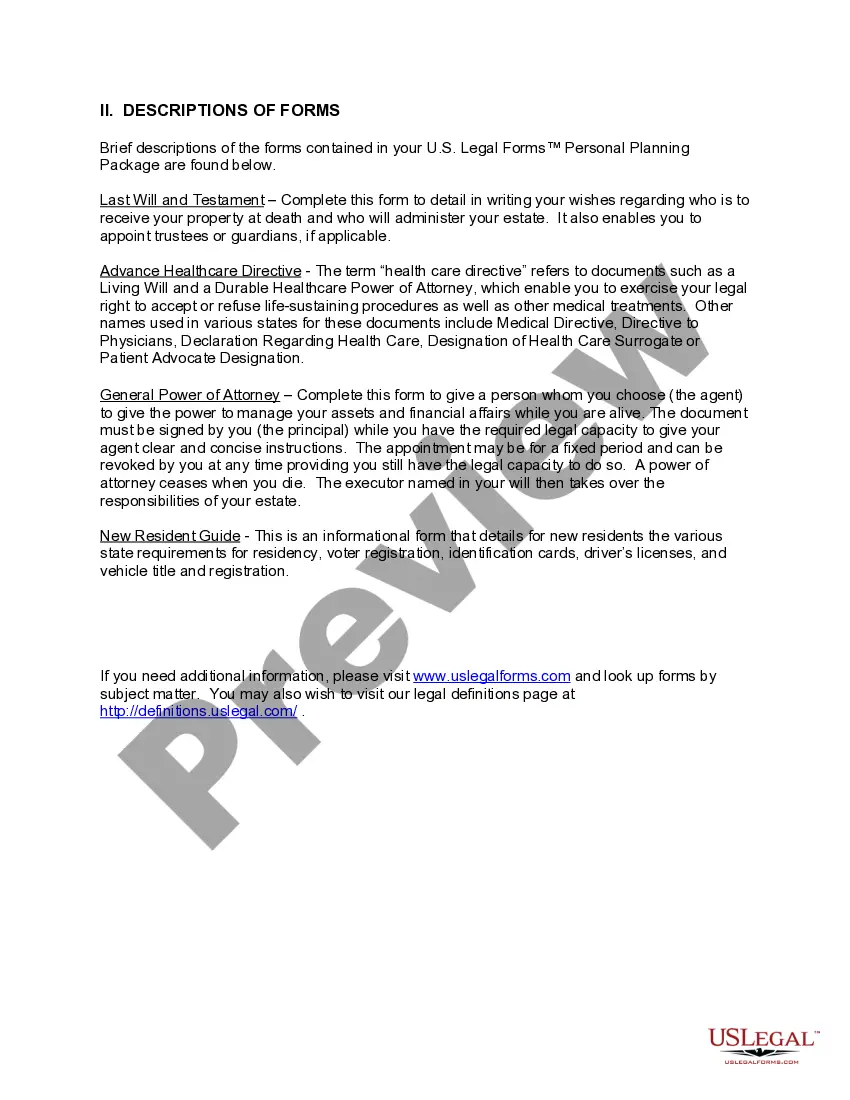
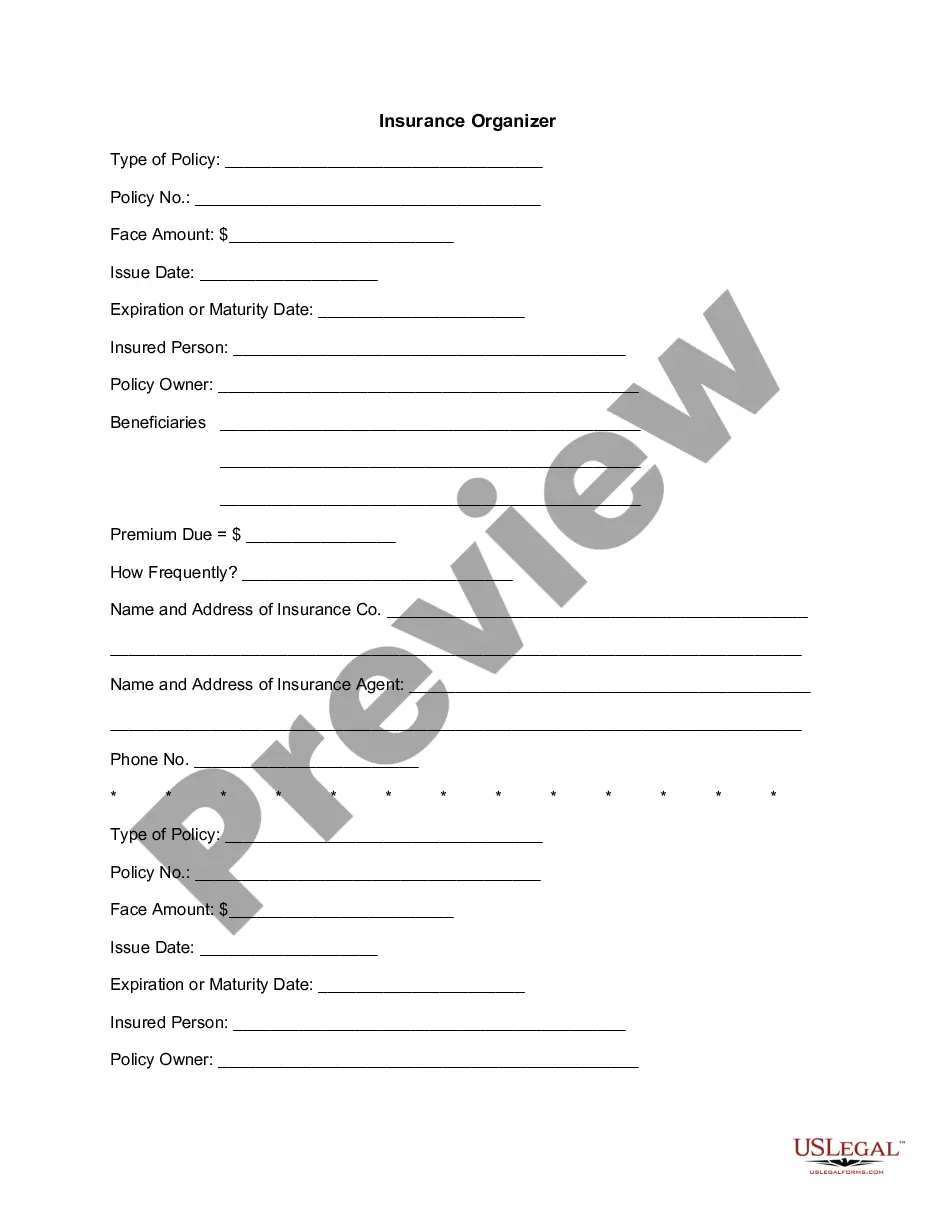
- Last Will and Testament
- General Durable Power of Attorney for Property and Finances or Financial Effective Immediately
- Durable Power of Attorney for Health Care
- Statutory Equivalent of Living Will or Declaration - Statutory Declaration relating to use of life sustaining procedures
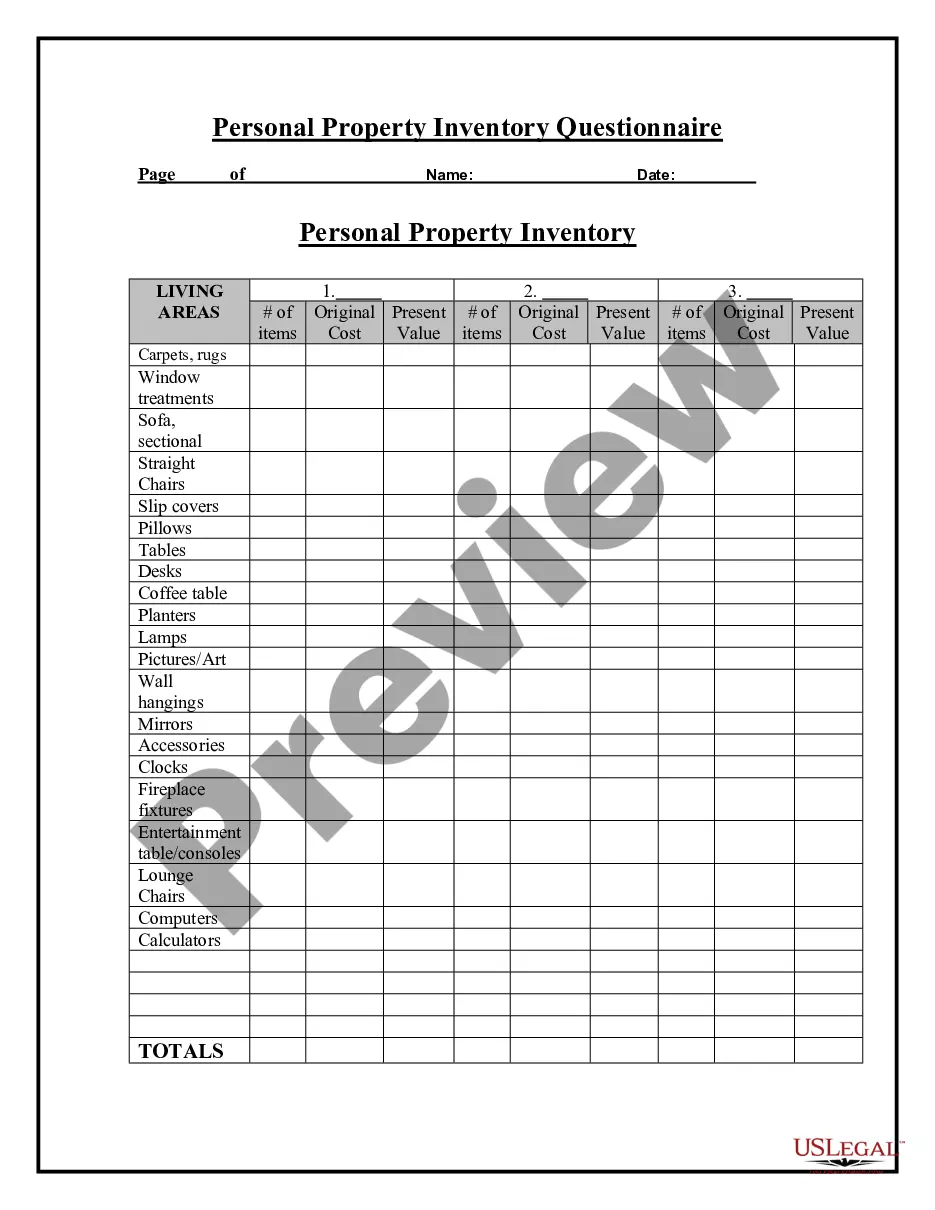
- New Resident Guide
When to use this form package
This form package is beneficial when you have moved to Iowa and need to establish your legal affairs. Use this package if you need to:
- Create a Last Will and Testament to reflect your new residency.
- Designate someone to make healthcare decisions on your behalf through an Advance Healthcare Directive.
- Empower an individual to handle your financial matters using a General Power of Attorney.
- Understand state requirements for voter registration, driver's licenses, and vehicle registration through the New Resident Guide.
Who can use this document
- New residents of Iowa
- Individuals looking to establish a legal presence in Iowa
- Anyone needing guidance on legal compliance after moving
How to complete these forms
- Review the included forms to understand your needs and obligations.
- Fill out each form carefully, entering all necessary details.
- Ensure all signatures are completed in accordance with Iowa law.
- Store your completed forms in a secure location, such as a safe deposit box or locked drawer.
- Share the location of your legal documents with a trusted family member or attorney.
Do documents in this package require notarization?
Some forms in this package require notarization to be legally valid. US Legal Forms provides secure online notarization powered by Notarize, allowing you to complete the process through a verified video call, available 24/7.
Get your form ready online
Our built-in tools help you complete, sign, share, and store your documents in one place.
Make edits, fill in missing information, and update formatting in US Legal Forms—just like you would in MS Word.
Download a copy, print it, send it by email, or mail it via USPS—whatever works best for your next step.
Sign and collect signatures with our SignNow integration. Send to multiple recipients, set reminders, and more. Go Premium to unlock E-Sign.
If this form requires notarization, complete it online through a secure video call—no need to meet a notary in person or wait for an appointment.
We protect your documents and personal data by following strict security and privacy standards.

Make edits, fill in missing information, and update formatting in US Legal Forms—just like you would in MS Word.

Download a copy, print it, send it by email, or mail it via USPS—whatever works best for your next step.

Sign and collect signatures with our SignNow integration. Send to multiple recipients, set reminders, and more. Go Premium to unlock E-Sign.

If this form requires notarization, complete it online through a secure video call—no need to meet a notary in person or wait for an appointment.

We protect your documents and personal data by following strict security and privacy standards.
Common mistakes
- Not updating the Last Will and Testament after moving.
- Failing to properly sign or date the forms.
- Overlooking specific state requirements for each document.
- Not providing clear instructions to the designated agent in the Power of Attorney.
Why use this package online
- Convenience of downloading forms directly to your device.
- Editable formats make it easier to customize documents according to your needs.
- Access to attorney-drafted forms that comply with Iowa regulations.
- Cost savings of up to 40% compared to purchasing individual forms.
Looking for another form?


Form popularity
FAQ
Generally, you need to establish a physical presence in the state, an intent to stay there and financial independence. Then you need to prove those things to your college or university. Physical presence: Most states require you to live in the state for at least a full year before establishing residency.
To qualify as a resident for the purposes of acquiring resident licenses and privileges issued by the Iowa Department of Natural Resources, you must physically reside in Iowa as your primary domicile for at least 90 consecutive days immediately before purchasing a resident privilege.
An individual can at any one time have but one domicile. If an individual has acquired a domicile at one place (i.e. California), he retains that domicile until he acquires another elsewhere.
For Iowa individual income tax purposes, an individual is a resident if: (1) the individual maintains a permanent place of abode within the state, or (2) the individual is domiciled in the state.
To qualify as a resident for the purposes of acquiring resident licenses and privileges issued by the Iowa Department of Natural Resources, you must physically reside in Iowa as your primary domicile for at least 90 consecutive days immediately before purchasing a resident privilege.
Present acceptable proof of identity, residence and Social Security number. Not be canceled, suspended or revoked in any state. Pass a vision test, all applicable written test(s) and driving test. Pay applicable fees.
You can have multiple residences, reside in multiple states but can have only one domicile. domicile is important for income tax purposes and estate tax purposes and possibly other purposes. Many states look to a person's domicile to determine residency.
Keep a log that shows how many days you spend in the old and new locations. Change your mailing address. Get a driver's license in the new state and register your car there. Register to vote in the new state. Open and use bank accounts in the new state.
Many states require that residents spend at least 183 days or more in a state to claim they live there for income tax purposes. In other words, simply changing your driver's license and opening a bank account in another state isn't enough. You'll need to actually live there to claim residency come tax season.