Iowa Statutory Equivalent of Living Will or Declaration - Statutory Declaration relating to use of life sustaining procedures
Understanding this form
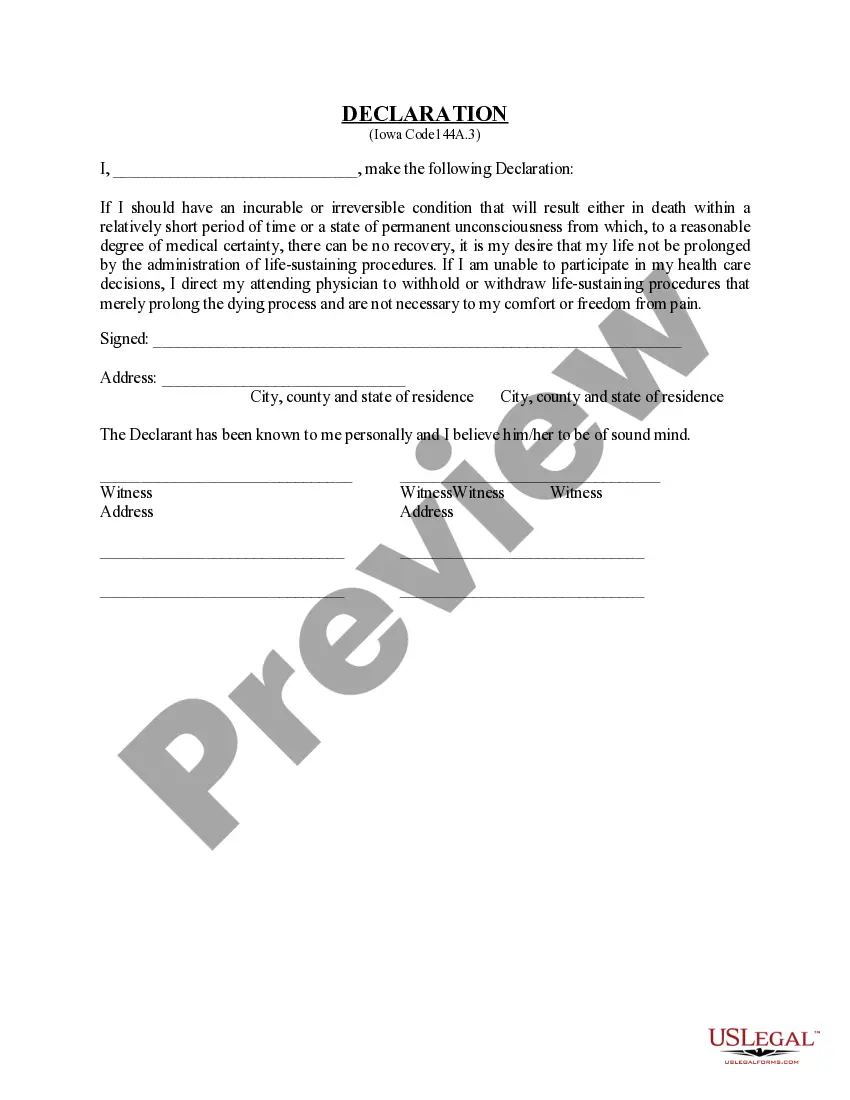
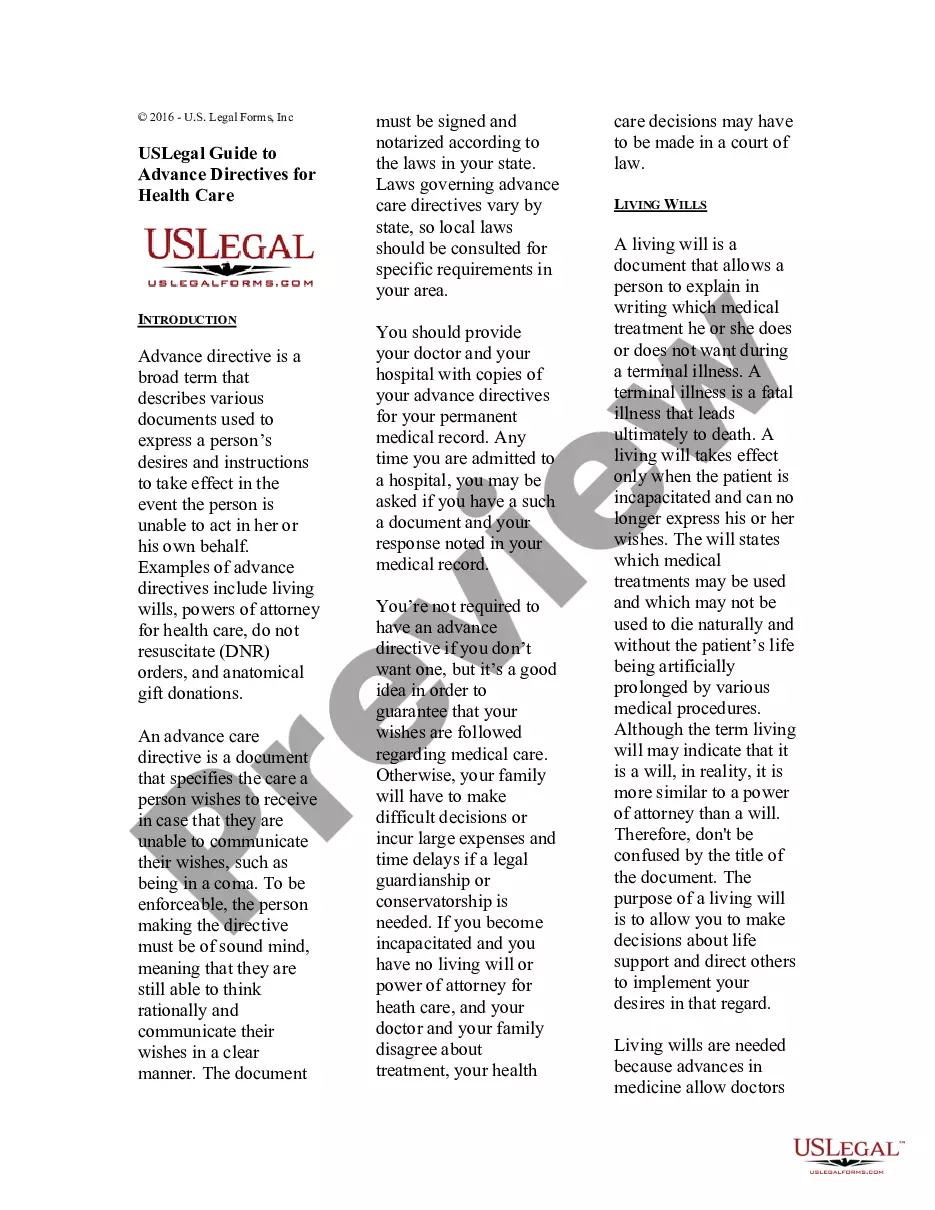
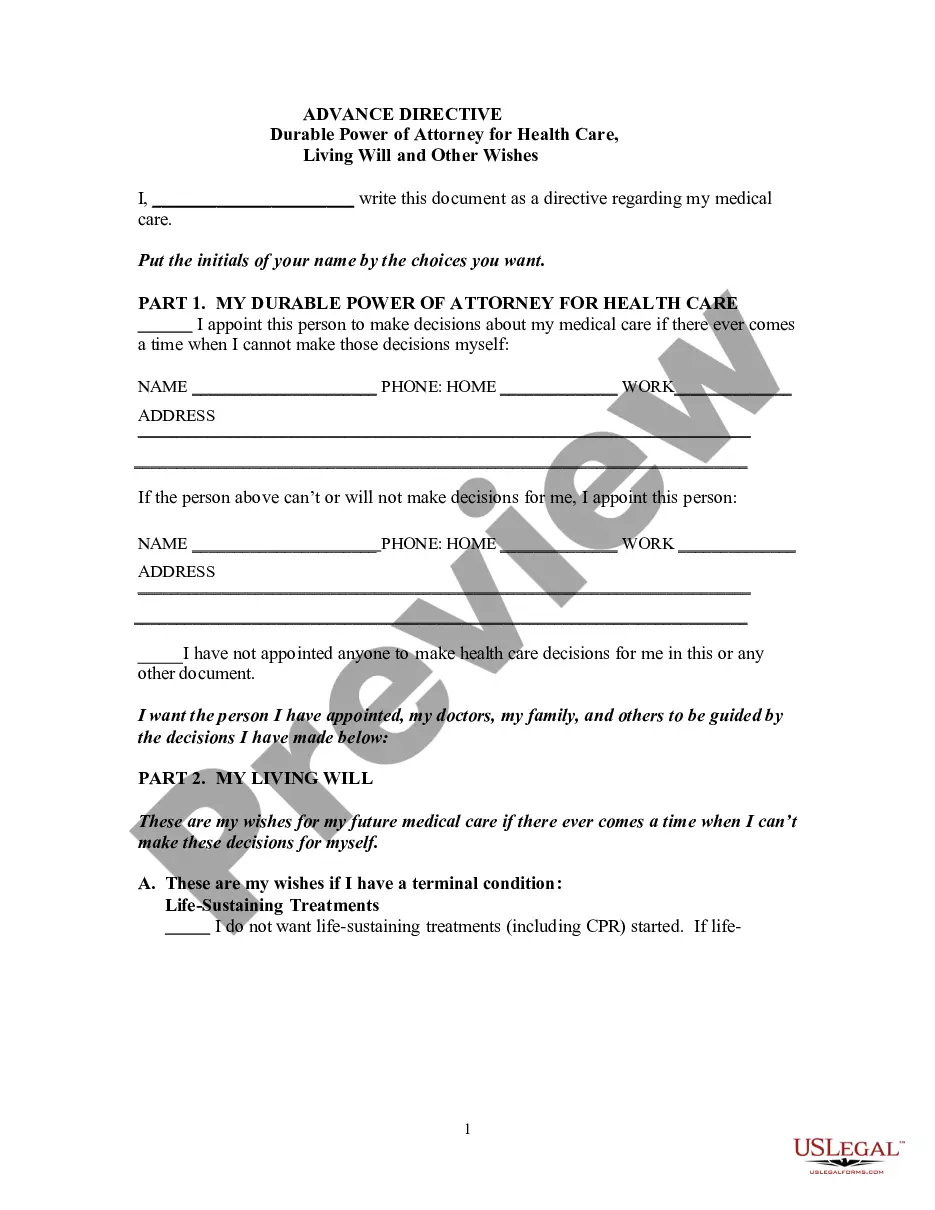
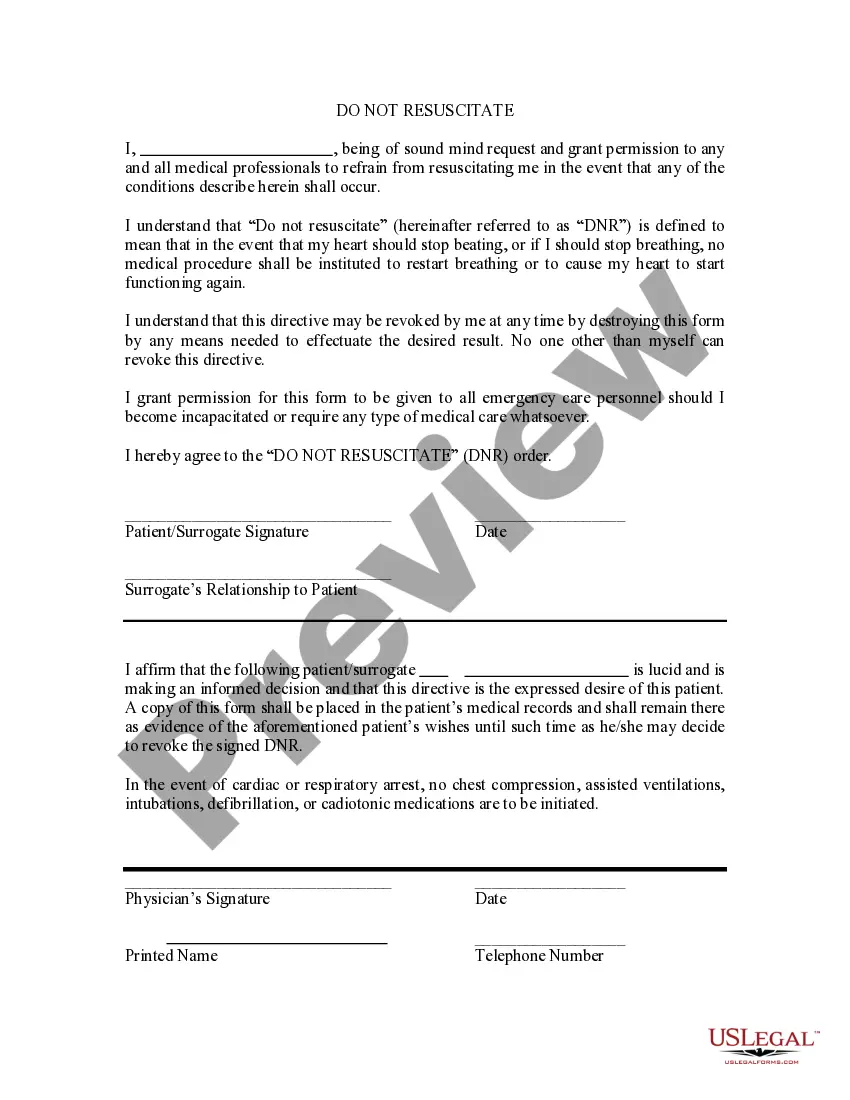
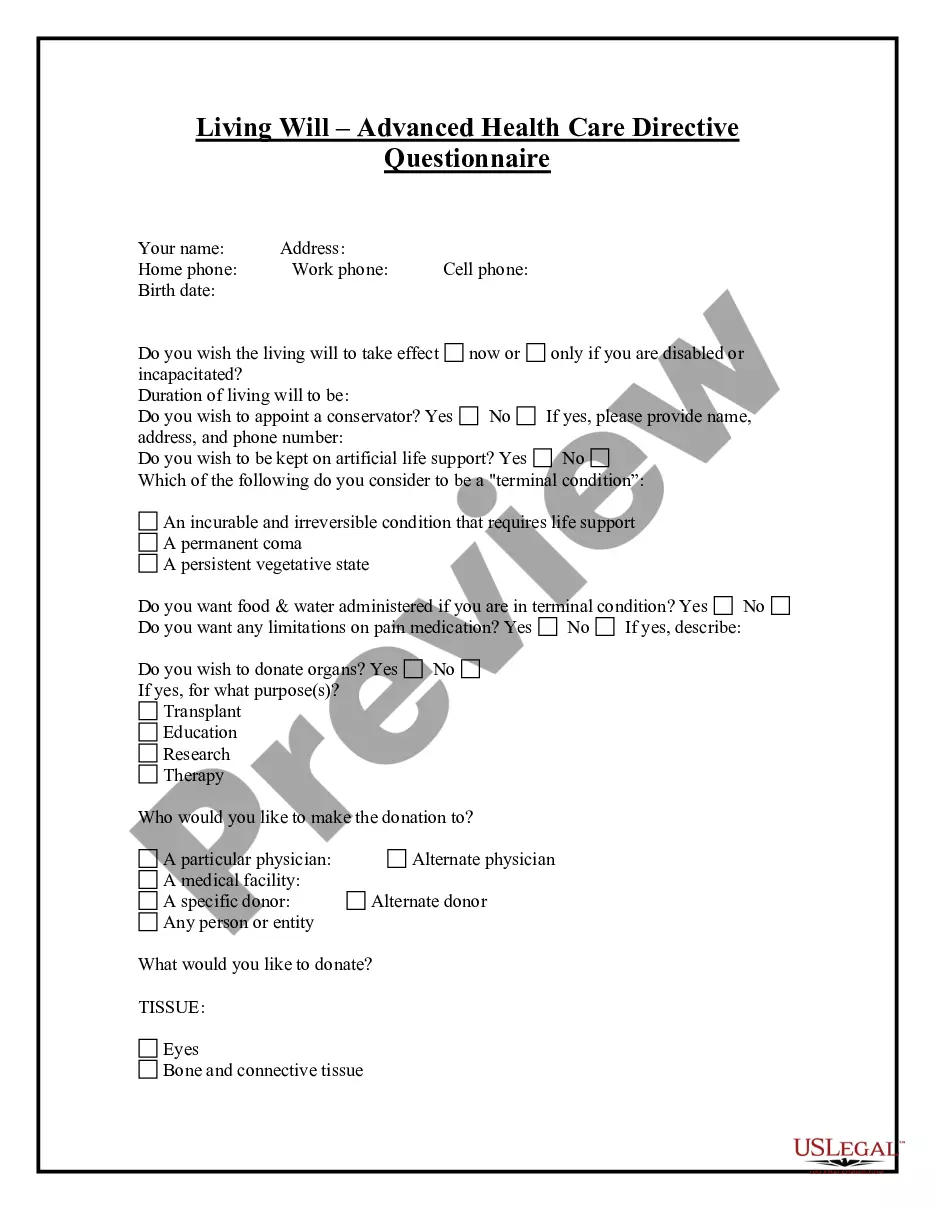
The Statutory Equivalent of Living Will or Declaration allows you to clearly express your wishes regarding the use of life-sustaining procedures in the event that you have a terminal condition or are in a permanent state of unconsciousness. This form is essential for ensuring that your healthcare preferences are respected during critical medical situations, distinguishing it from other types of advance directives by its specific focus on life-sustaining measures and anatomical gifts.
What’s included in this form
- Declarant's personal information, including name and address.
- A clear declaration regarding desires for life-sustaining procedures if faced with a terminal illness or irreversible condition.
- Instructions for healthcare providers about withholding or withdrawing life-sustaining procedures that are not essential for comfort or pain relief.
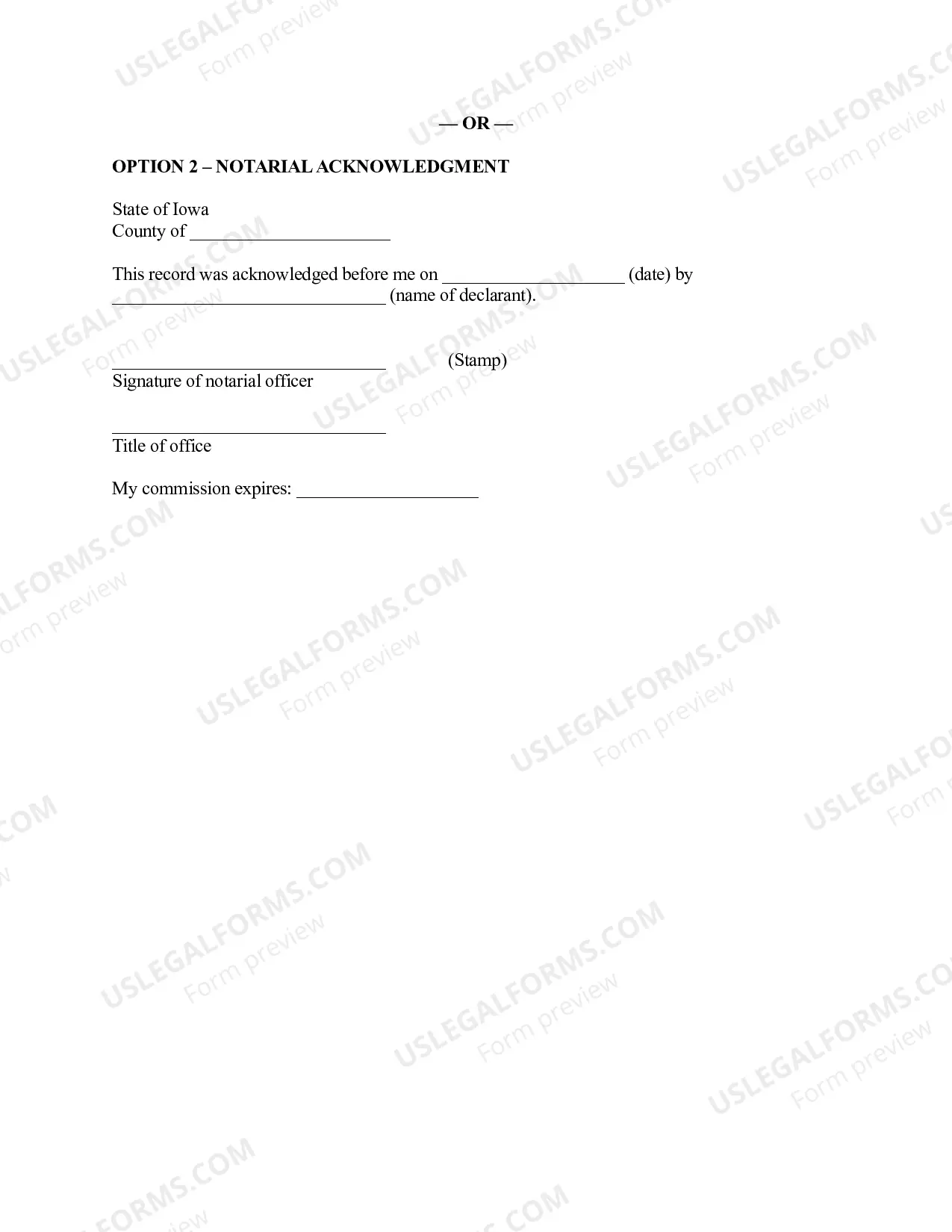
- Signature of the declarant to validate the document.
- Witness signature lines to confirm that the declarant is of sound mind.
When this form is needed
This form should be used when you want to ensure your healthcare preferences are known and respected, particularly in situations where you cannot communicate your wishes. It is particularly relevant for individuals diagnosed with a life-limiting illness, those facing serious surgeries, or anyone who wants to prepare for potential future health crises.
Who should use this form
- Individuals wishing to plan for future medical decisions.
- Persons with chronic or terminal illnesses.
- Those seeking to specify their preferences regarding life-sustaining treatments.
- Anyone wanting to ensure their desires are clearly documented for healthcare providers and family members.
How to complete this form
- Enter your full name and the address where you reside.
- Clearly state your wishes regarding life-sustaining procedures in case of an incurable condition.
- Indicate if you wish to make an anatomical gift.
- Sign the document in the presence of witnesses.
- Ensure the witnesses sign the form, confirming your sound mind at the time of signing.
Does this document require notarization?
This form does not typically require notarization unless specified by local law. However, having it notarized can add an additional layer of authenticity to your declaration.
Get your form ready online
Our built-in tools help you complete, sign, share, and store your documents in one place.
Make edits, fill in missing information, and update formatting in US Legal Forms—just like you would in MS Word.
Download a copy, print it, send it by email, or mail it via USPS—whatever works best for your next step.
Sign and collect signatures with our SignNow integration. Send to multiple recipients, set reminders, and more. Go Premium to unlock E-Sign.
If this form requires notarization, complete it online through a secure video call—no need to meet a notary in person or wait for an appointment.
We protect your documents and personal data by following strict security and privacy standards.

Make edits, fill in missing information, and update formatting in US Legal Forms—just like you would in MS Word.

Download a copy, print it, send it by email, or mail it via USPS—whatever works best for your next step.

Sign and collect signatures with our SignNow integration. Send to multiple recipients, set reminders, and more. Go Premium to unlock E-Sign.

If this form requires notarization, complete it online through a secure video call—no need to meet a notary in person or wait for an appointment.

We protect your documents and personal data by following strict security and privacy standards.
Common mistakes to avoid
- Not specifying wishes clearly or using ambiguous language.
- Failing to sign the document or ensuring witness signatures.
- Using an outdated version of the form that may not comply with current laws.
Benefits of using this form online
- Convenient access and ability to complete the form at your own pace.
- Editability allows you to make adjustments as your preferences evolve.
- Reliable legal templates drafted by licensed attorneys ensure accuracy and compliance.
Main things to remember
- The form allows you to express your medical treatment preferences clearly.
- It is crucial for individuals with serious health conditions or those wanting to plan ahead.
- Ensure all signatures are present to validate the document.
Looking for another form?



Form popularity
FAQ
A life-prolonging procedure or treatment is one that would only prolong the process of dying or sustain a condition of permanent unconsciousness. In other words, the patient would die soonor die without regaining meaningful consciousnesswhether or not the treatment was administered.
: helping someone or something to stay alive : supporting or extending life life-sustaining medical treatment The storm brought life-sustaining rain/water to the farms.
Life-sustaining treatment is any treatment that serves to prolong life without reversing the underlying medical condition. Life-sustaining treatment may include, but is not limited to, mechanical ventilation, renal dialysis, chemotherapy, antibiotics, and artificial nutrition and hydration.
A treatment that has been considered for a patient but not begun is said to have been withheld. One that was started and then discontinued was withdrawn. The term forgoing refers to the process of either withholding or withdrawing.
Such decisions can essentially take one of two forms: withdrawing the removal of a therapy that has been started in an attempt to sustain life but is not, or is no longer, effective and withholding the decision not to make further therapeutic interventions.
Also known as life-sustaining measures or life support, these interventions often include artificial ventilation to enable breathing, medications to stimulate heart function, and artificial nutrition and hydration for those who cannot swallow.
A patient who is receiving life-sustaining treatment will die soon, whether or not treatment is administered. Life-sustaining treatment may include a respirator, cardiopulmonary resuscitation (CPR), dialysis, surgery, and other medical procedures.
Hemodialysis is one of the options designated in the Act as a life-sustaining treatment that can be withheld or withdrawn near death.