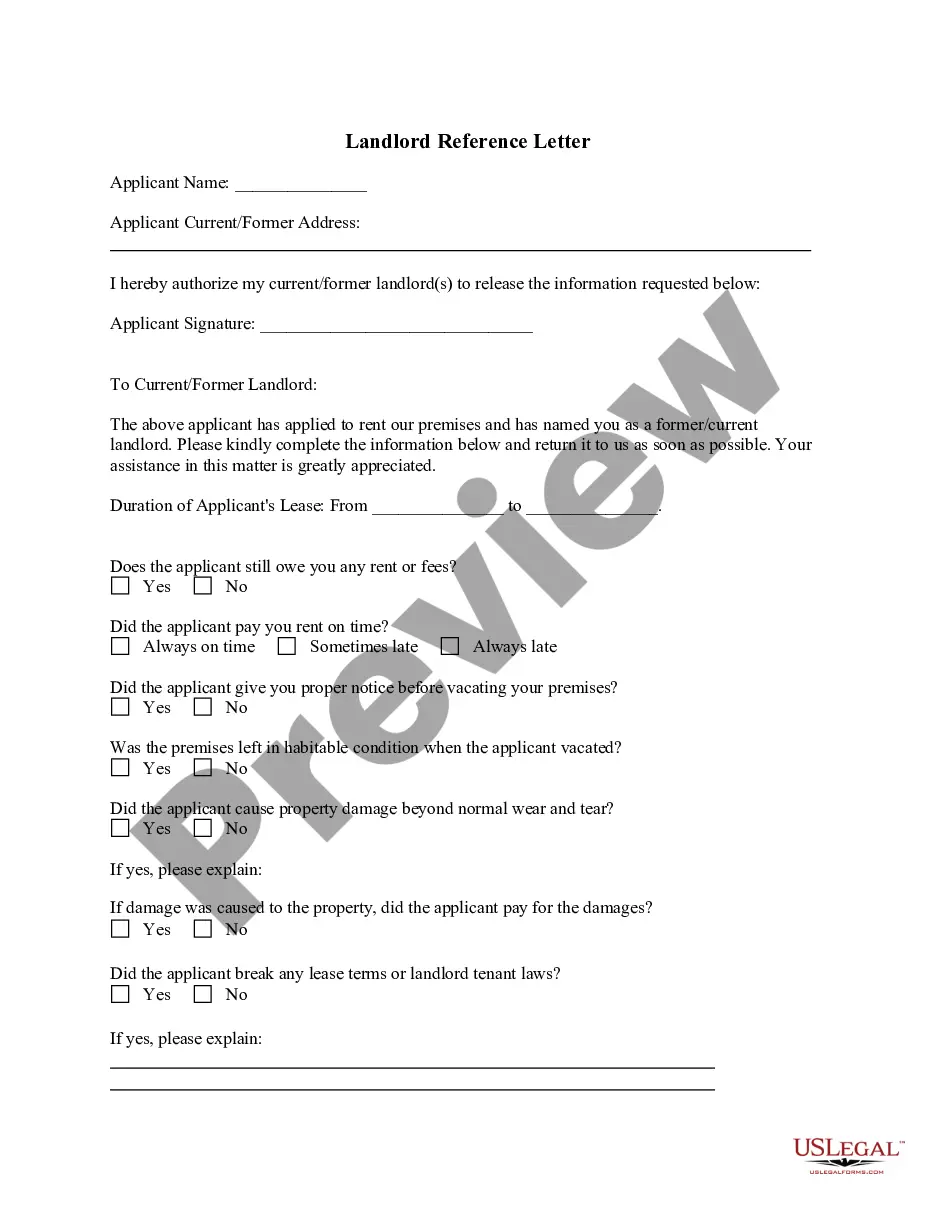
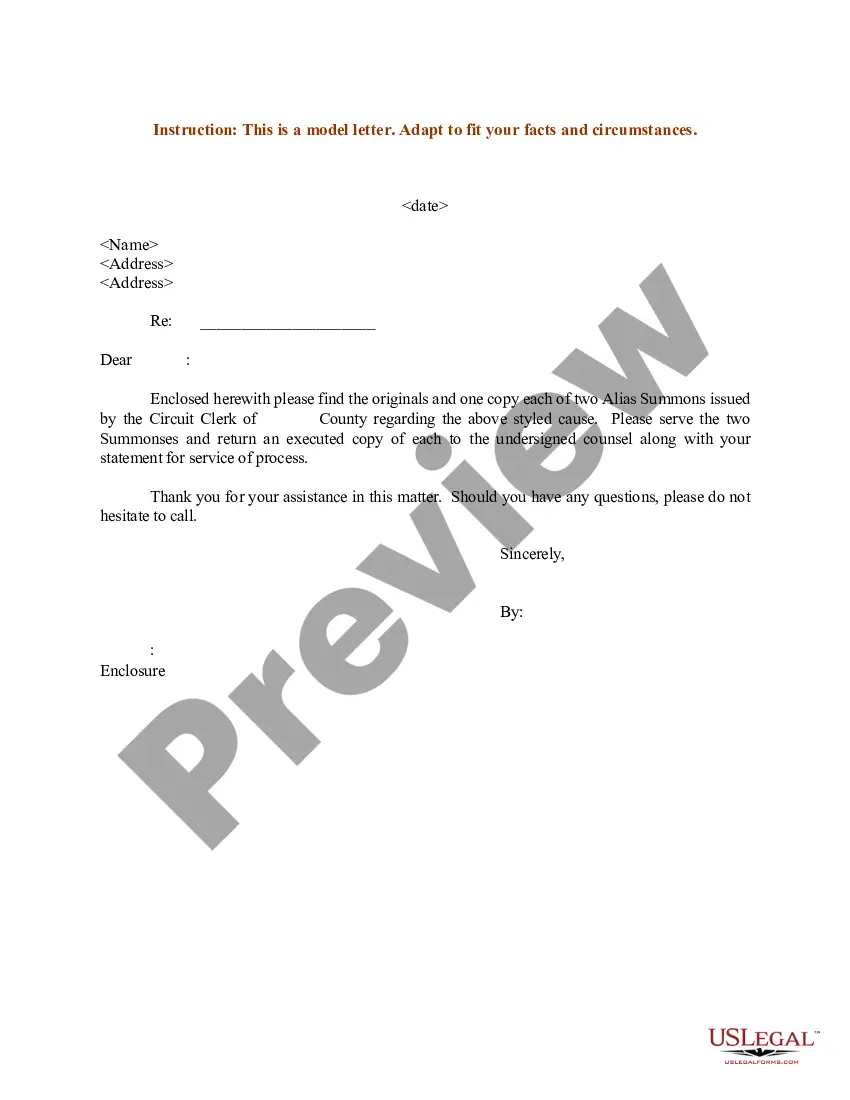
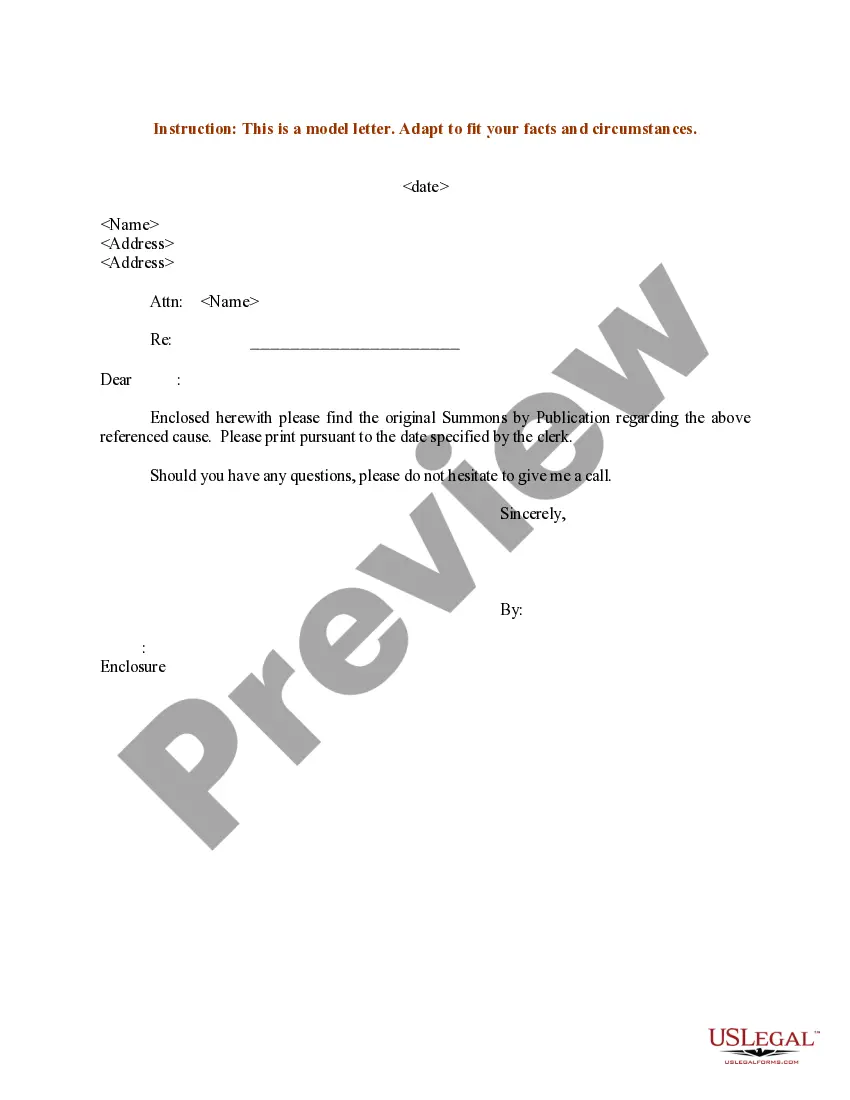
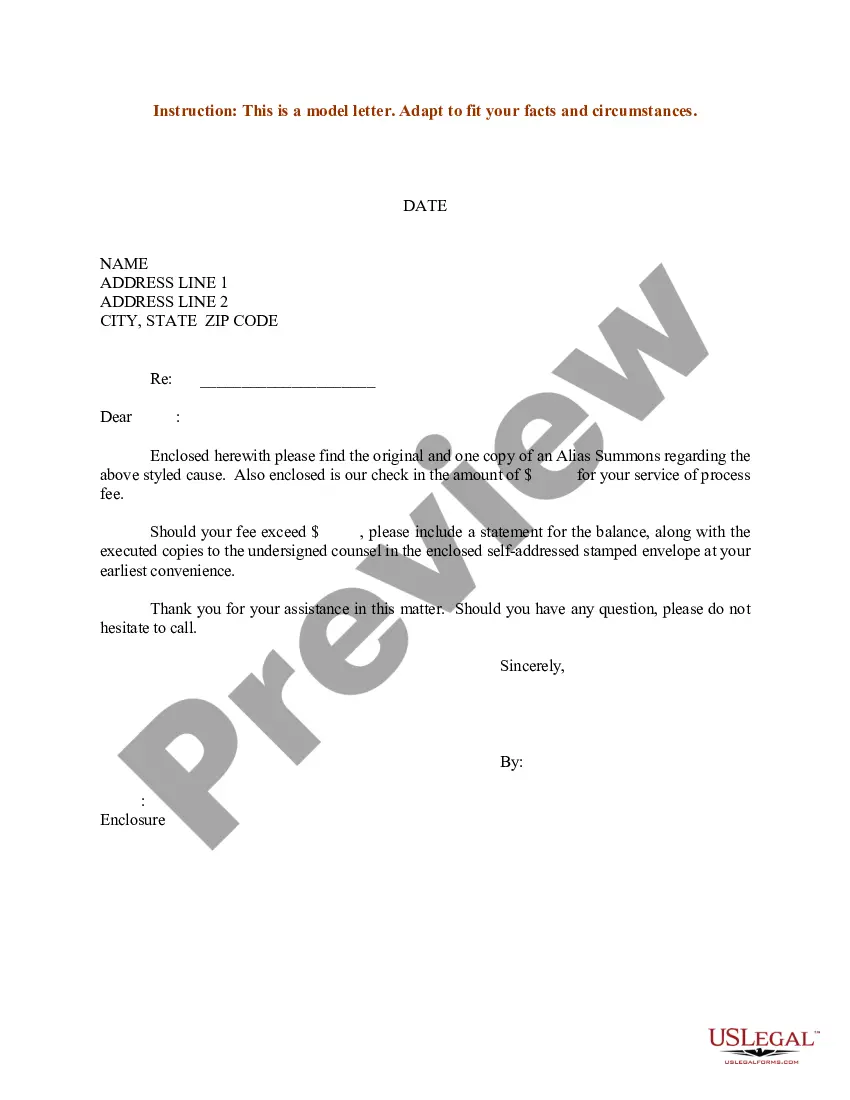
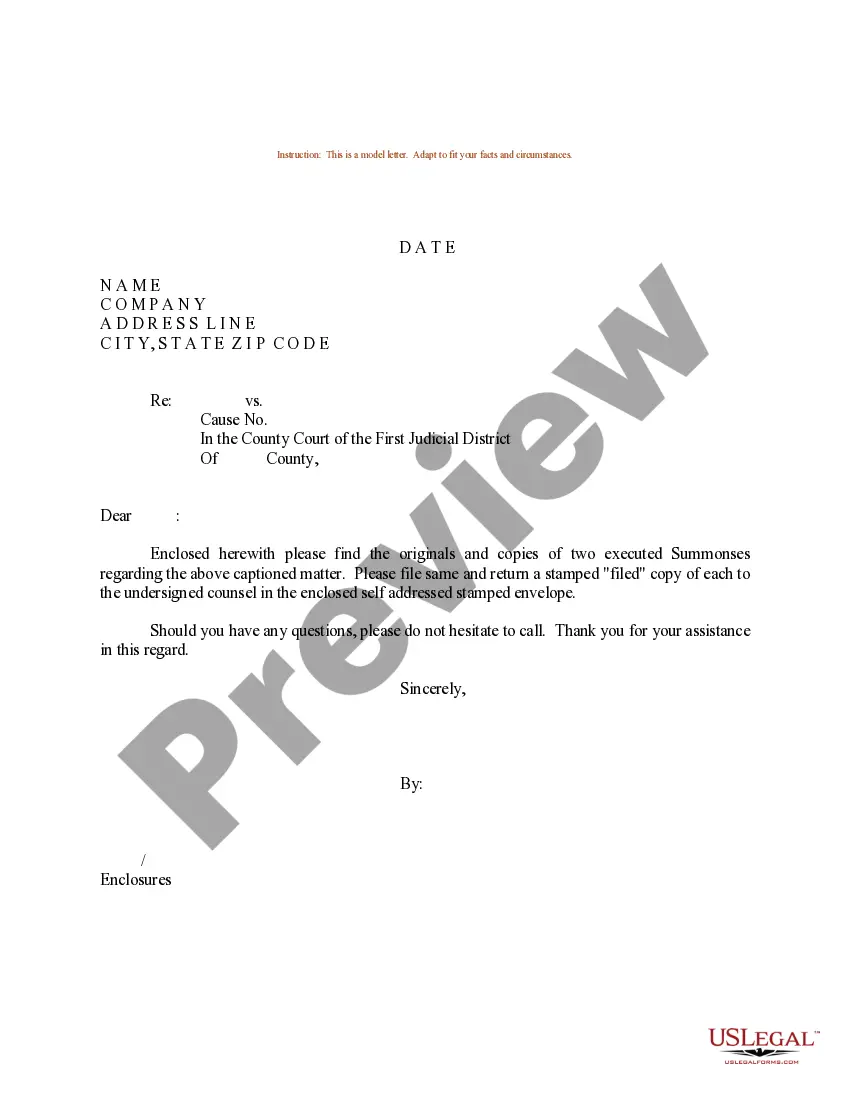
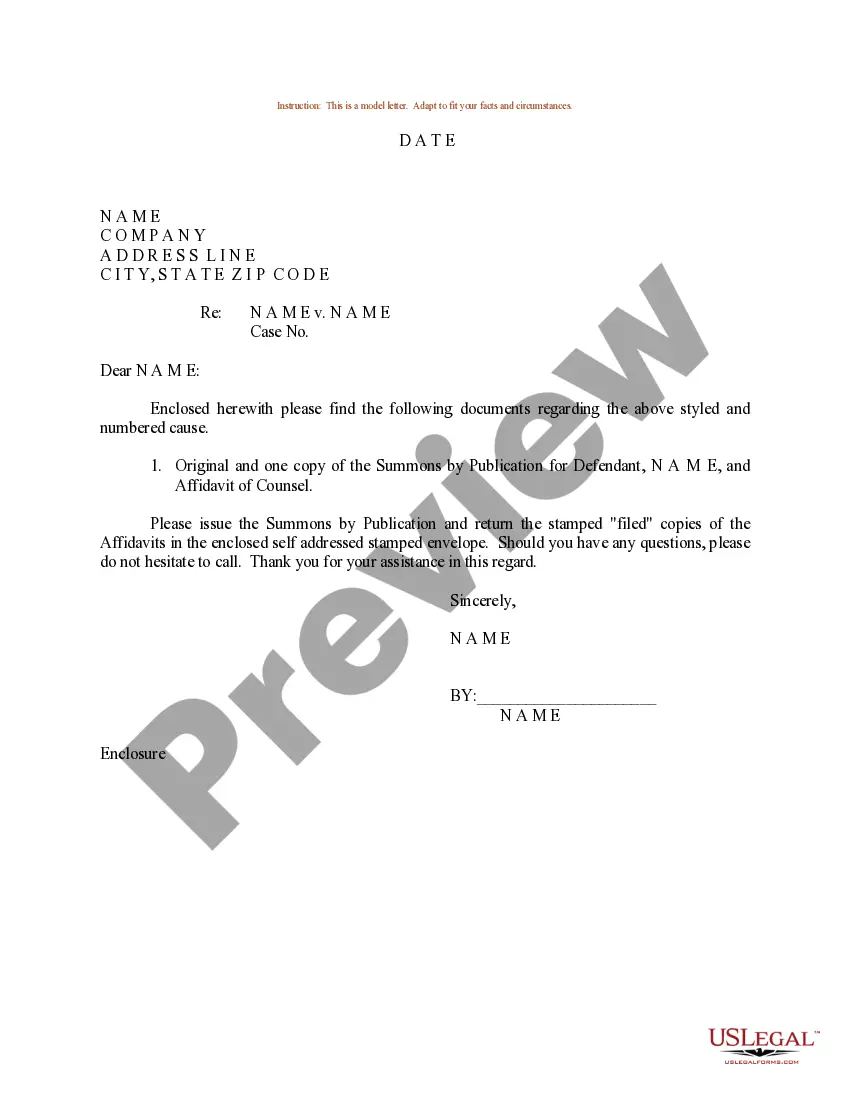
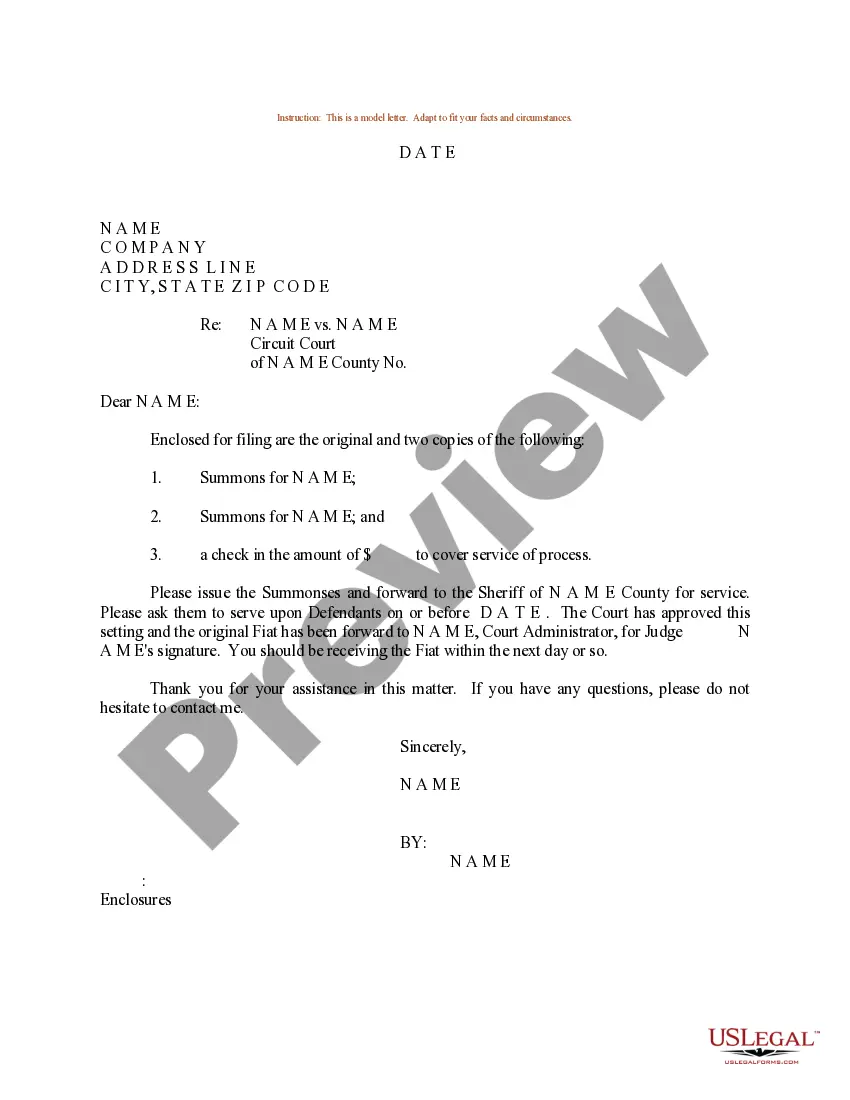
Guam Sample Letter for Alias Summonses
Description
Get your form ready online
Our built-in tools help you complete, sign, share, and store your documents in one place.
Make edits, fill in missing information, and update formatting in US Legal Forms—just like you would in MS Word.
Download a copy, print it, send it by email, or mail it via USPS—whatever works best for your next step.
Sign and collect signatures with our SignNow integration. Send to multiple recipients, set reminders, and more. Go Premium to unlock E-Sign.
If this form requires notarization, complete it online through a secure video call—no need to meet a notary in person or wait for an appointment.
We protect your documents and personal data by following strict security and privacy standards.

Make edits, fill in missing information, and update formatting in US Legal Forms—just like you would in MS Word.

Download a copy, print it, send it by email, or mail it via USPS—whatever works best for your next step.

Sign and collect signatures with our SignNow integration. Send to multiple recipients, set reminders, and more. Go Premium to unlock E-Sign.

If this form requires notarization, complete it online through a secure video call—no need to meet a notary in person or wait for an appointment.

We protect your documents and personal data by following strict security and privacy standards.
Looking for another form?



How to fill out Sample Letter For Alias Summonses?
Locating the appropriate valid document template can be quite a challenge. Clearly, there are numerous templates accessible online, but how can you find the valid form you need? Utilize the US Legal Forms website. The platform offers a multitude of templates, including the Guam Sample Letter for Alias Summonses, that can be utilized for both business and personal purposes. All of the forms are reviewed by professionals and comply with federal and state regulations.
If you are already registered, Log In to your account and click the Download button to obtain the Guam Sample Letter for Alias Summonses. Use your account to browse through the legal forms you have previously purchased. Visit the My documents section of your account to retrieve another copy of the document you need.
If you are a new user of US Legal Forms, here are straightforward instructions for you to follow: First, ensure you have selected the correct form for your city/state. You can review the document using the Preview option and read the form description to confirm it is suitable for you. If the form does not meet your requirements, use the Search field to find the appropriate form. Once you are certain that the form is accurate, click the Buy now button to purchase the form. Choose the pricing plan you desire and input the necessary information. Create your account and pay for the transaction using your PayPal account or credit card. Select the file format and download the legal document template for your device. Finally, complete, modify, print, and sign the acquired Guam Sample Letter for Alias Summonses.
In summary, US Legal Forms is an excellent resource for obtaining legally compliant documents tailored to your specific requirements.
- US Legal Forms is the largest repository of legal forms where you can find various document templates.
- Take advantage of the service to obtain professionally crafted documents that adhere to state regulations.
- Ensure to review the form description for accuracy.
- Utilize the search feature if the initial form does not meet your needs.
- Choose your desired pricing plan before completing the transaction.
- Download the document in your preferred format.
Form popularity
FAQ
How do you write a Summon? Every summons includes the following: the names of the plaintiff(s) and defendant(s), the case number, the place where the lawsuit has been filed, the name and address of the plaintiffs lawyer or the plaintiff, and the date by which the defendant has to respond to the lawsuit.
Alias process is a legal term that refers to a new legal order issued after the first one failed for some reason. It can be an alias execution, alias subpoena, alias summons, or alias writ. It is like a second chance for the legal system to try and bring someone to court.
An alias describes another legal name that the individual goes by, or has previously gone by, for example, a name before a marriage, or a legal name that does not include a middle initial. On the other hand, an alias is just a name that has not been legally assigned, but is used.
If process is not served or if it is served incorrectly, the plaintiff or court may seek other methods of serving the defendant. For example, when it proves impossible to serve the first summons, the court/clerk can issue an ?alias summons.? The third and subsequent time process issues, it is called ?pluries.?
Primary tabs. Alias derives from the term ?alias dictus,? which means ?otherwise called.? An alias is a pseudonym, nickname, or alternative name for an individual (alternative to their legal name). The expression ?John Doe, alias? or ?John Doe alias? means an unknown person.
Alias Summons ? a second summons issued in a case, in which return of service has been made and the defendant was not found.
1) a name used other than the given name of a person or reference to that other name, which may not be an attempt to hide his/her identity (such as Harry for Harold, initials or a maiden name). See also: a.k.a.
In a criminal justice context, the term alias refers to a name that is different from a person's true legal name and is used instead of their real name.