Georgia Traverse of Plaintiff
Understanding this form
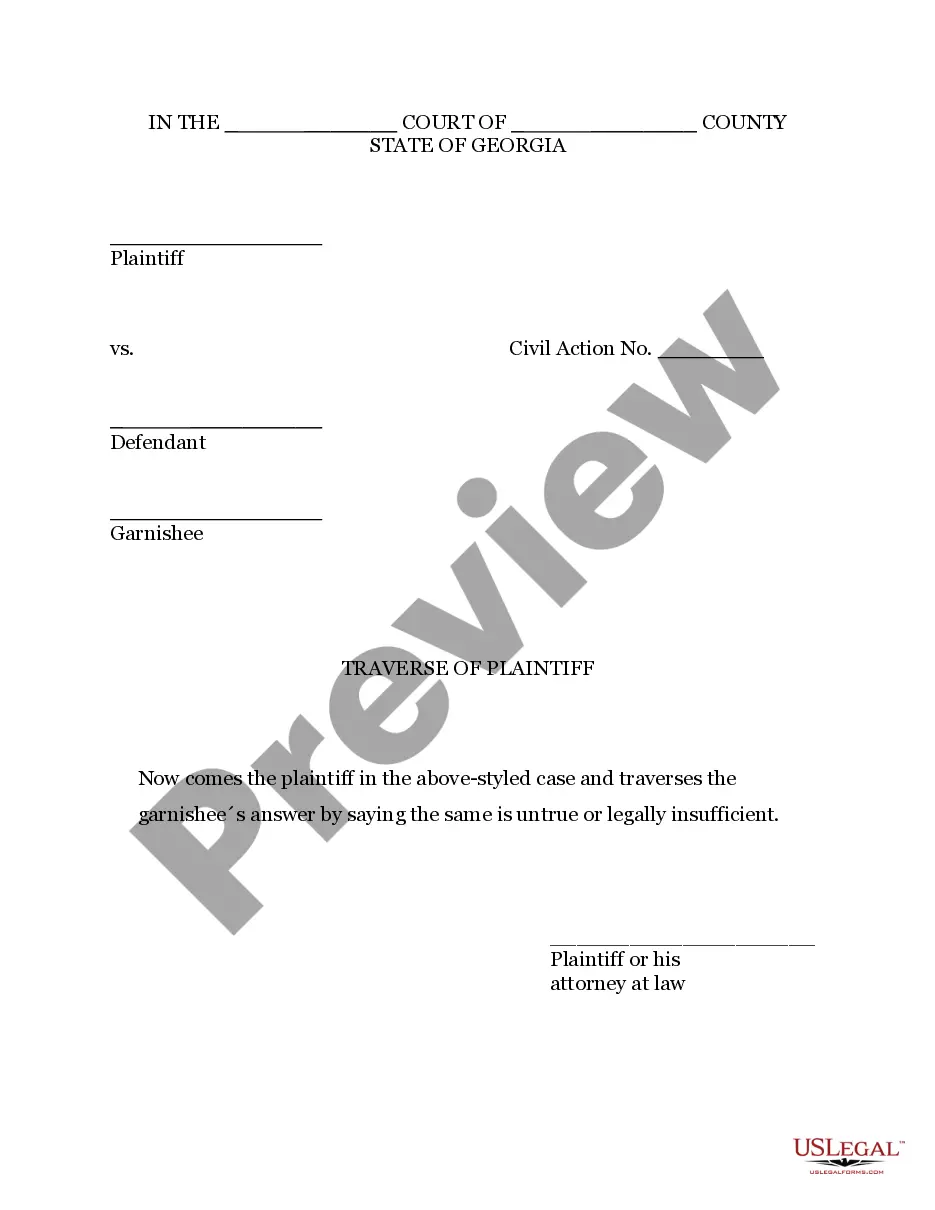
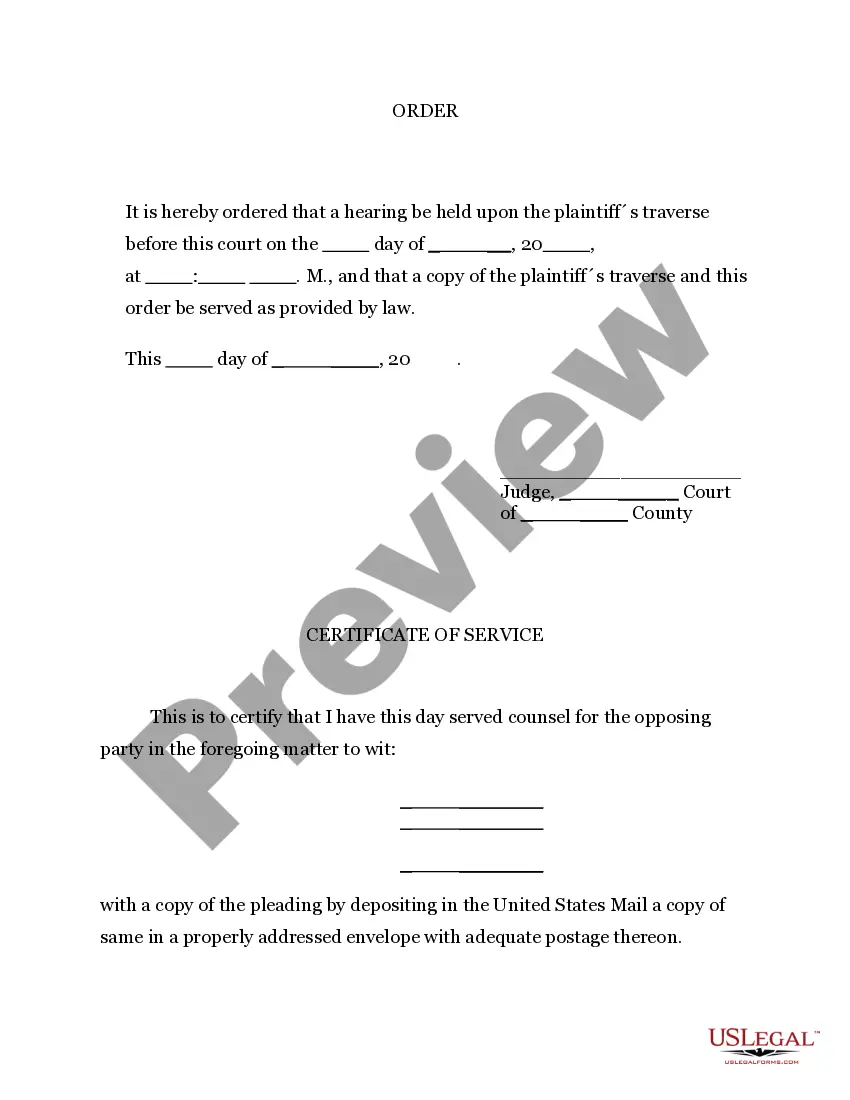
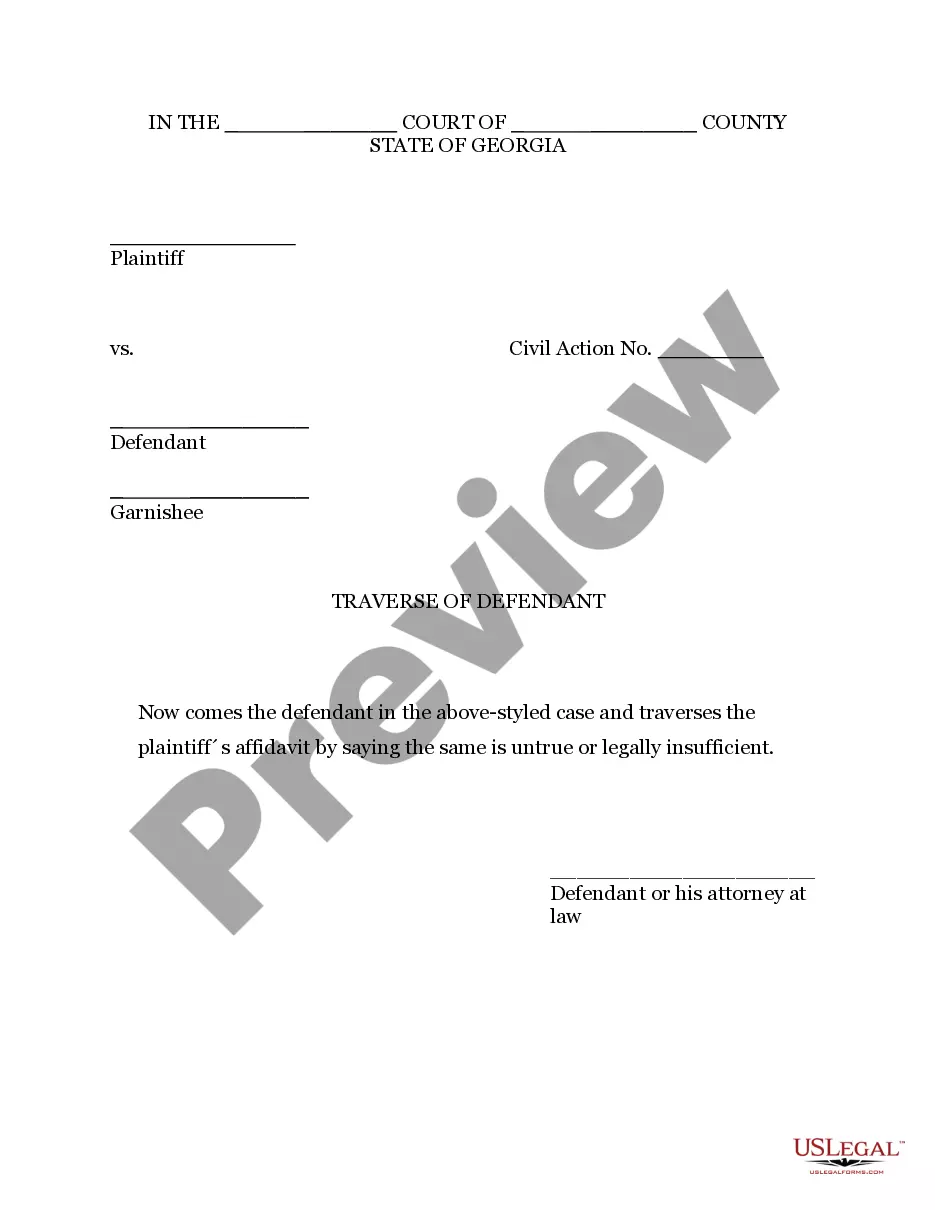
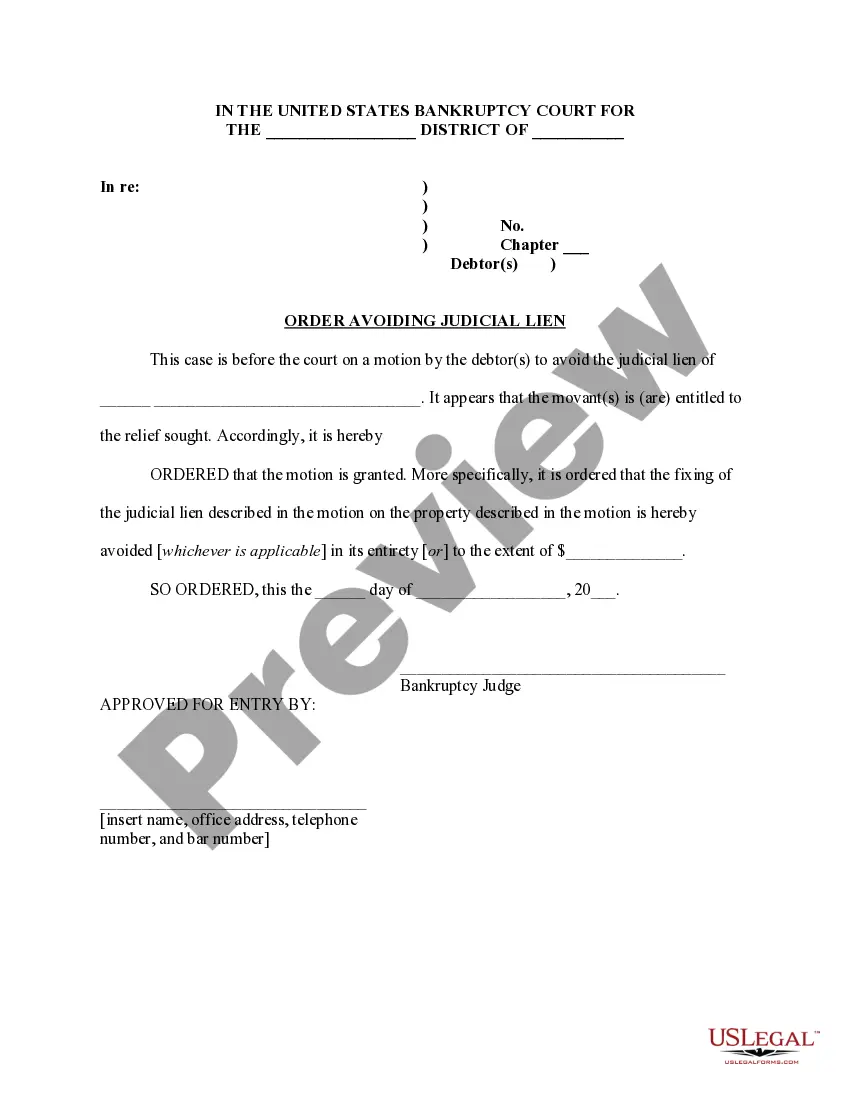
The Traverse of Plaintiff is a legal document filed with the Clerk of Court by a plaintiff to dispute the validity of a garnishee's answer. This form serves to inform the court that the plaintiff believes the garnishee's response is untrue or insufficient under the law. Unlike other forms related to garnishments, the Traverse specifically addresses disagreements regarding the garnishee's claims within a defined time frame of fifteen days after the answer is filed.
Form components explained
- Identification of the case and parties involved
- Statement disputing the garnishee's answer
- Signature of the plaintiff or their attorney

Situations where this form applies
This form is utilized when a plaintiff wants to challenge the response given by a garnishee regarding a garnishment, specifically within fifteen days of the garnishee's answer being filed. This legal action is necessary when the plaintiff believes that the garnishee's claims are not accurate or do not meet legal standards for enforcement.
Who can use this document
This form is intended for:
- Plaintiffs involved in a garnishment case
- Attorneys representing plaintiffs in garnishment matters
- Individuals disputing garnishee claims
How to prepare this document
- Identify the case and parties by filling in the title and names.
- Clearly state that you dispute the garnishee's answer in the designated section.
- Sign the form as the plaintiff or by your attorney.
- File the completed form in person with the Clerk of Court.
Is notarization required?
This form does not typically require notarization unless specified by local law.
Get your form ready online
Our built-in tools help you complete, sign, share, and store your documents in one place.
Make edits, fill in missing information, and update formatting in US Legal Forms—just like you would in MS Word.
Download a copy, print it, send it by email, or mail it via USPS—whatever works best for your next step.
Sign and collect signatures with our SignNow integration. Send to multiple recipients, set reminders, and more. Go Premium to unlock E-Sign.
If this form requires notarization, complete it online through a secure video call—no need to meet a notary in person or wait for an appointment.
We protect your documents and personal data by following strict security and privacy standards.

Make edits, fill in missing information, and update formatting in US Legal Forms—just like you would in MS Word.

Download a copy, print it, send it by email, or mail it via USPS—whatever works best for your next step.

Sign and collect signatures with our SignNow integration. Send to multiple recipients, set reminders, and more. Go Premium to unlock E-Sign.

If this form requires notarization, complete it online through a secure video call—no need to meet a notary in person or wait for an appointment.

We protect your documents and personal data by following strict security and privacy standards.
Common mistakes
- Missing the deadline to file within fifteen days of the garnishee's response.
- Not clearly stating the reasons why the garnishee's answer is disputed.
- Failing to sign the form before submission.
Why complete this form online
- Easy access to professionally drafted legal templates.
- Quick editing capabilities to tailor the form to specific needs.
- Convenient download options for immediate use.
Looking for another form?
Form popularity
FAQ
Judgment as a matter of law in Georgia refers to a legal decision made by a judge during a trial. This decision occurs when one party fails to present sufficient evidence to support their case, leading the judge to conclude that no reasonable jury could rule in their favor. In the context of Georgia Traverse of Plaintiff, it reflects the need for a solid legal strategy and understanding of the law to avoid such judgments. Utilizing resources from USLegalForms can help ensure you properly navigate these legal waters.
A garnishee in Georgia typically has just 30 days to respond to a garnishment summons. This response is crucial, as it determines the garnishee's obligations concerning the debt owed to the creditor. If you’re navigating garnishments, the US Legal Forms platform offers tools and resources to help you understand your rights and responsibilities, making the Georgia Traverse of Plaintiff clearer.
To respond to a statement of claim in Georgia, you must file an answer with the court. This response should address each allegation presented in the claim. It's essential to keep in mind that your answer should be submitted within a specified timeframe, usually 30 days. For assistance with legal documents and guidance, consider using the US Legal Forms platform, which can help you navigate the Georgia Traverse of Plaintiff.
In legal terms, traverse refers to a formal denial or challenge to an allegation, particularly regarding the sufficiency of service of process. This term is central to various legal proceedings, as it can influence the court's jurisdiction. Understanding traverse terminology and its implications can greatly assist plaintiffs and defendants alike. If you're dealing with the Georgia Traverse of Plaintiff, having clear insights into traverse definitions can aid your legal strategy.
Filing a traverse means submitting a legal document that contests the adequacy of service of process. This action alerts the court to potential flaws in how legal documents were served. Properly challenging service can significantly impact the outcome of a case. Therefore, knowing how to effectively file a traverse is essential, especially in situations involving the Georgia Traverse of Plaintiff.
A traverse in federal court refers to a defendant's written response disputing the validity of service of process. It serves as a formal means to contest jurisdiction if the service is claimed to be insufficient. This process underscores the importance of accurate documentation and timely responses. For those navigating the complexities of a Georgia Traverse of Plaintiff case, understanding traverses can be beneficial.
In Georgia, a traverse hearing examines the validity of served documents, similar to those in other jurisdictions. It's an opportunity for defendants to challenge the adequacy of service. During this hearing, the court makes a ruling that can affect subsequent legal actions. Engaging effectively in a Georgia Traverse of Plaintiff situation is critical for preserving your rights.
Traverse court refers to a specialized court that handles matters related to traverse hearings and similar legal proceedings. This court evaluates evidence and arguments about service of process validity. It plays an essential role in ensuring that justice is served appropriately. Knowing how traverse courts function can profoundly impact your approach during the Georgia Traverse of Plaintiff cases.
A traverse hearing in New York addresses the legitimacy of a service of process. During this hearing, a judge assesses whether the plaintiff properly served the defendant with legal documents. This procedure highlights a potential lack of jurisdiction if service is found improper. Understanding the nuances of a traverse hearing is crucial for anyone involved in legal proceedings, including in the context of the Georgia Traverse of Plaintiff.