Georgia Traverse of Defendant
About this form
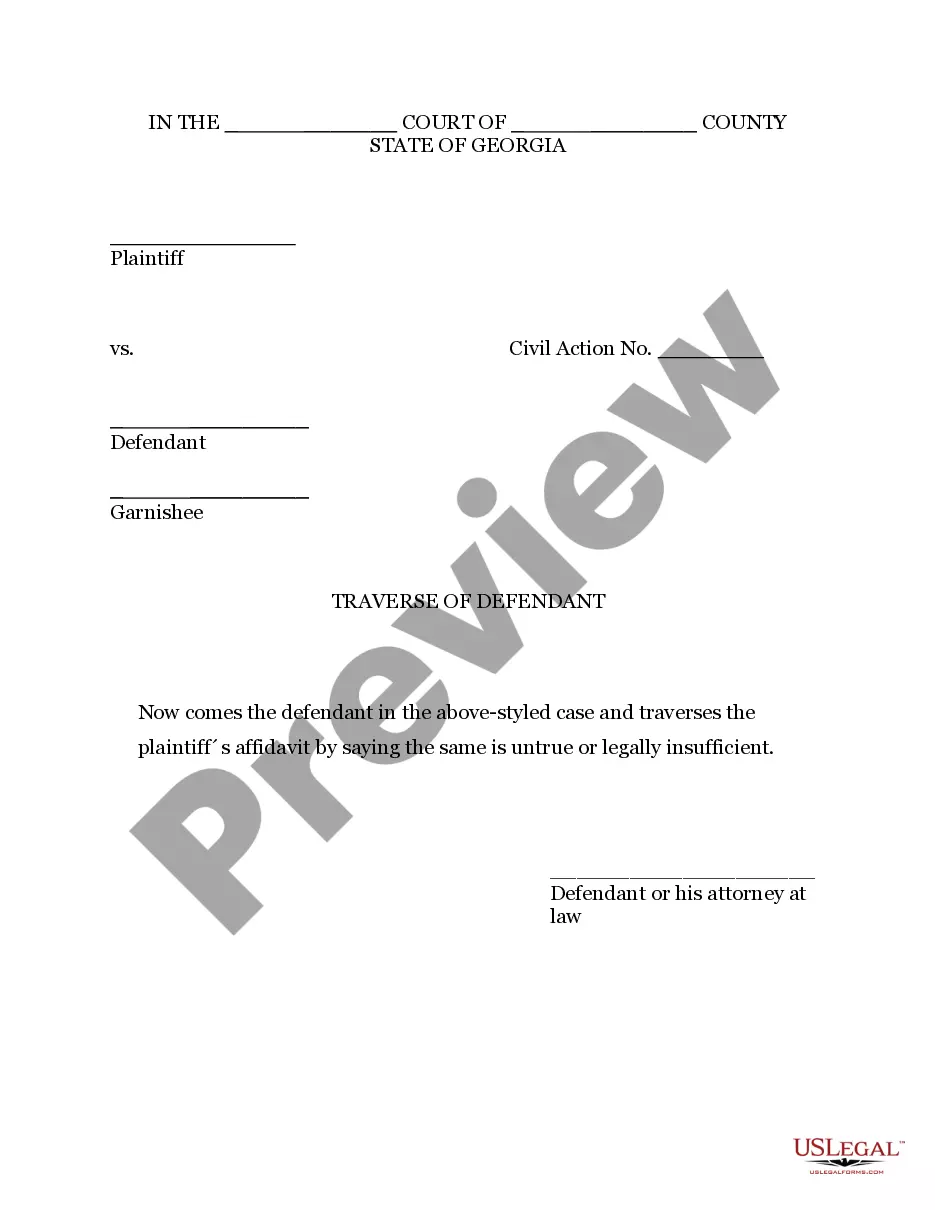
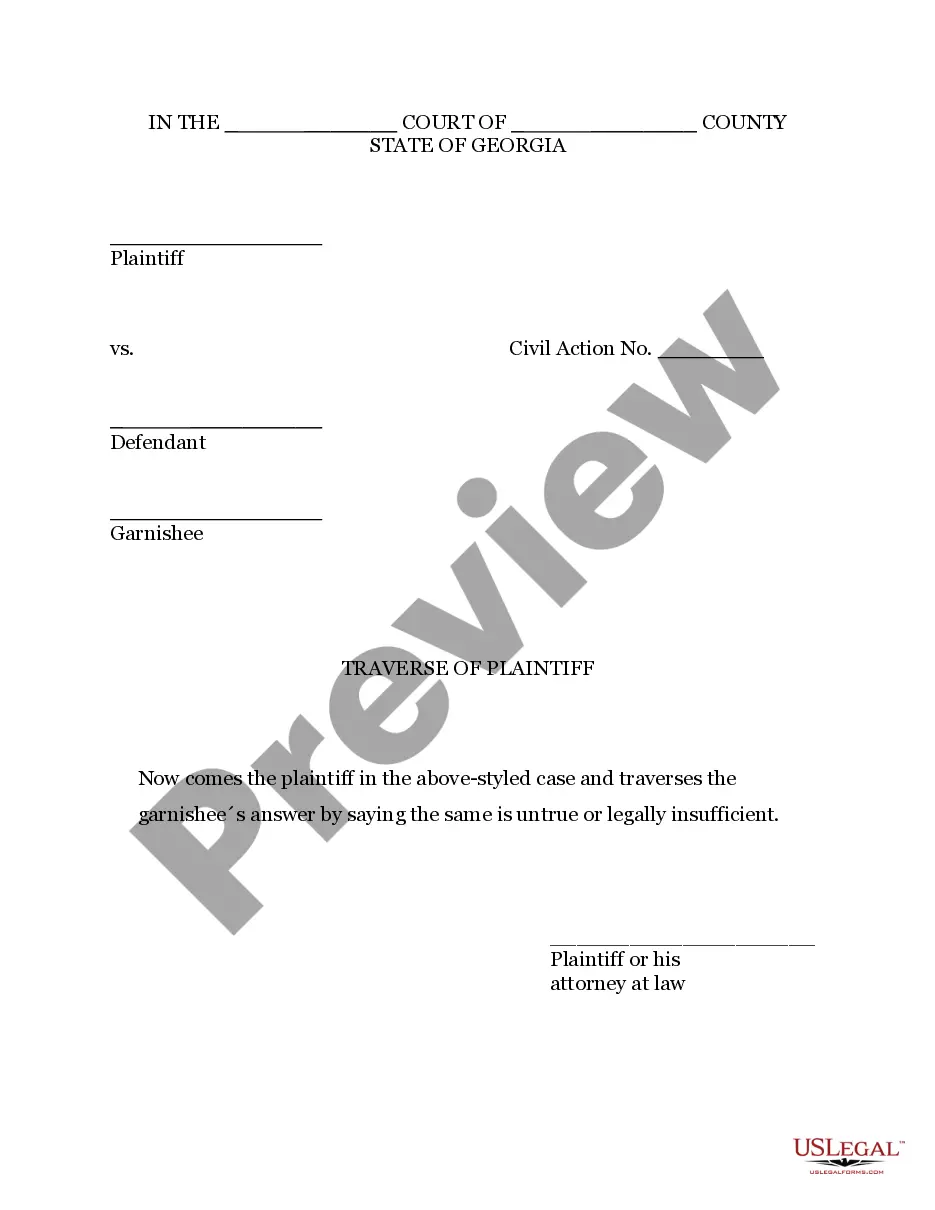
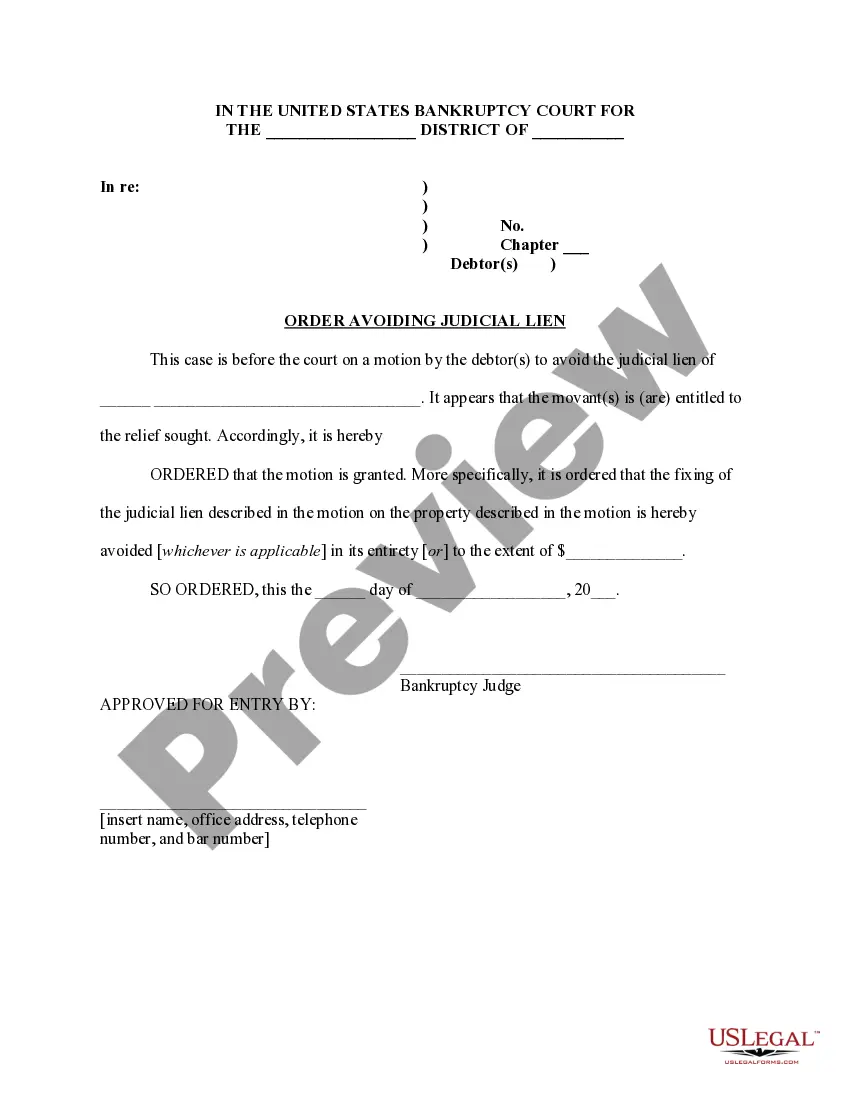
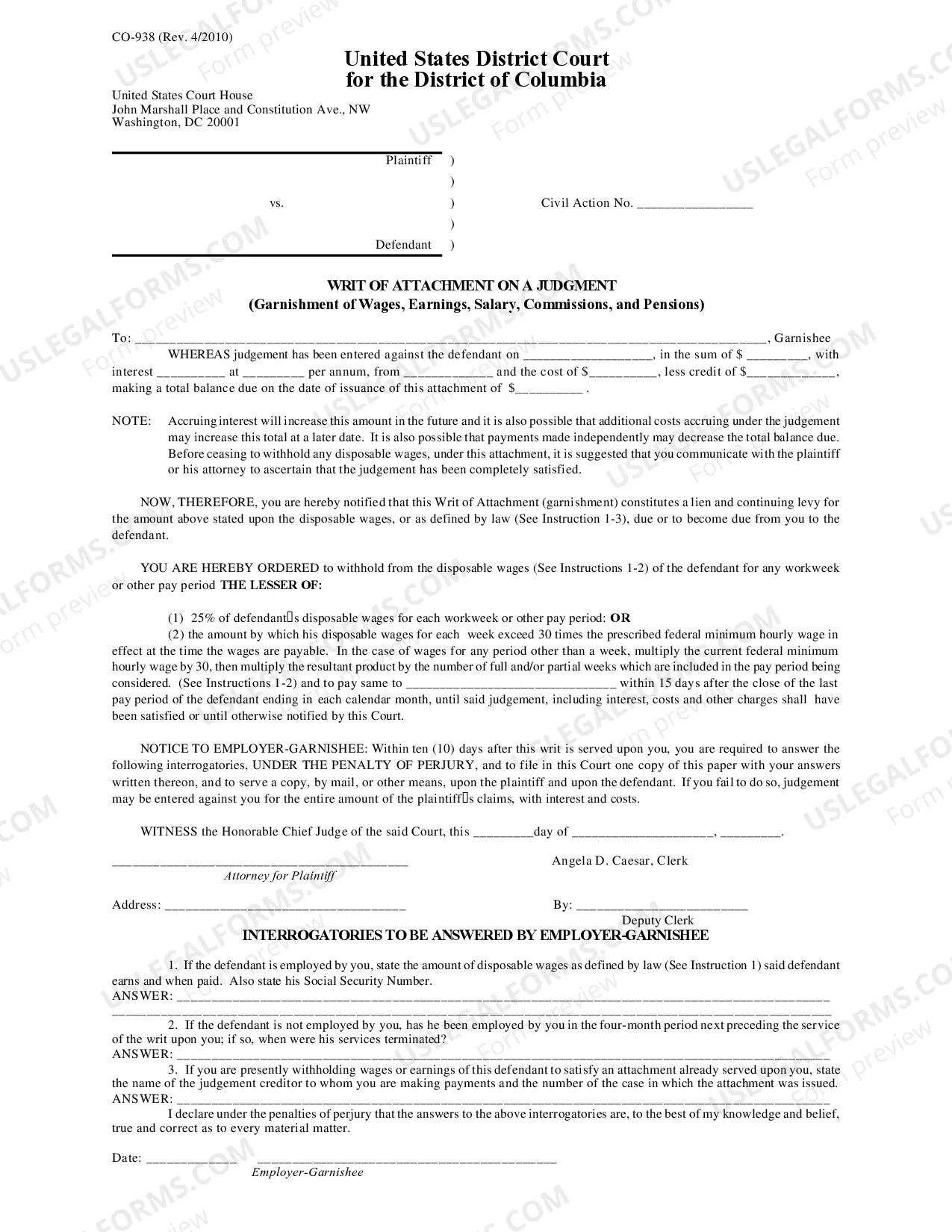
The Traverse of Defendant is a legal document that allows a defendant to challenge the accuracy of the information presented in an affidavit of garnishment. This form specifically addresses claims related to the underlying facts, amounts, and judgments associated with the garnishment action. It is essential for protecting the defendantâs rights and differs from other legal documents by focusing specifically on contesting garnishment claims.
Form components explained
- Identification of the defendant and the case number.
- Statement contesting the affidavit of garnishment.
- Signature of the defendant or their attorney.
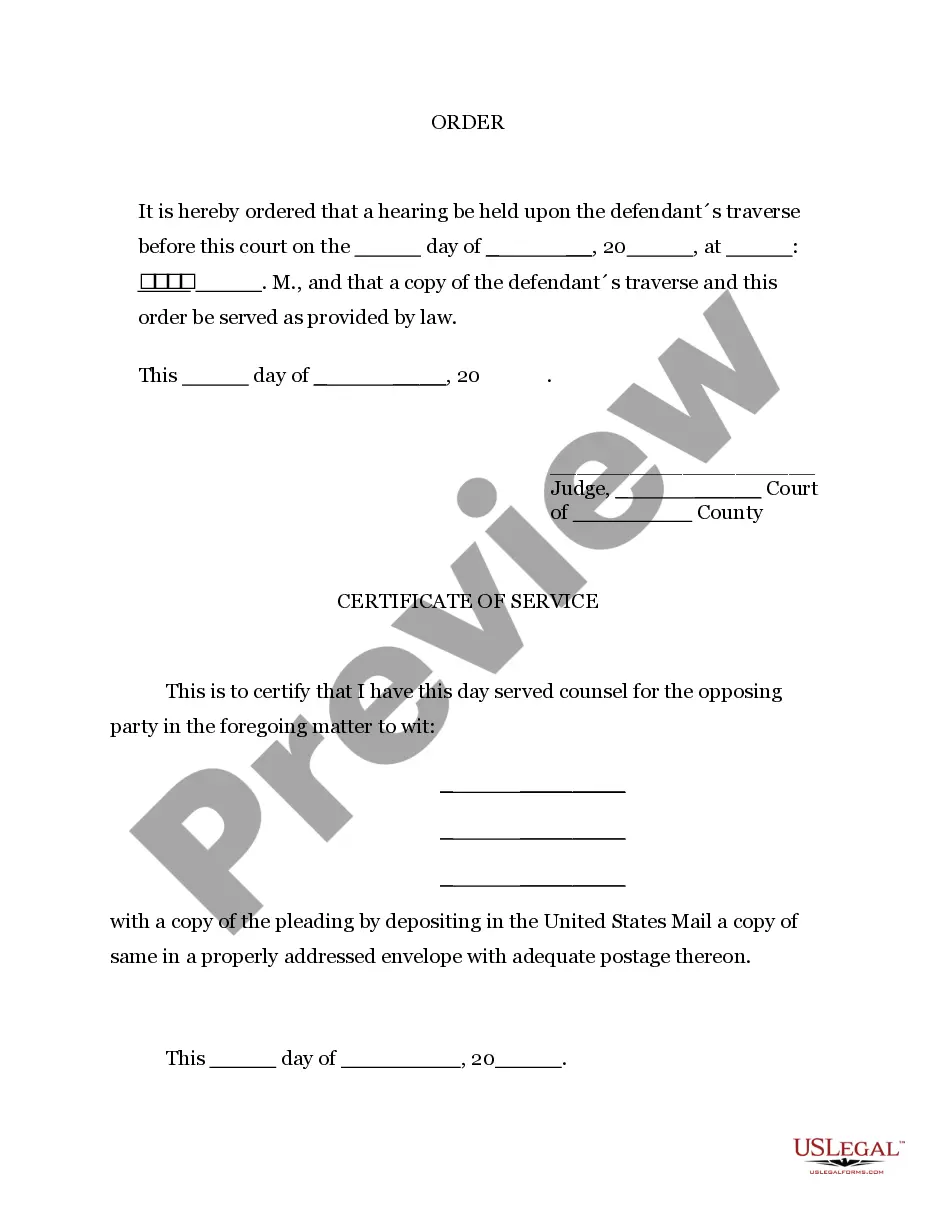
- Order section to be filled out by the court.

When to use this form
This form should be used when a defendant believes that the information provided in a garnishment affidavit is incorrect or insufficient. It is typically used when a defendant wants to prevent any garnished funds from being released until their claims are addressed in court.
Who needs this form
- Defendants facing garnishment actions.
- Attorneys representing defendants in garnishment cases.
- Individuals needing to contest incorrect information in garnishment affidavits.
How to prepare this document
- Enter your name and contact information as the defendant.
- Provide the case number associated with the garnishment case.
- Clearly state the reasons for contesting the affidavit of garnishment.
- Sign the form, either yourself or through your legal representative.
- File the completed form in person with the Clerk of Court to schedule a court date.
Does this document require notarization?
This form does not typically require notarization unless specified by local law. It is advisable to check with the local court or legal advisor to confirm whether notarization is necessary for your specific situation.
Get your form ready online
Our built-in tools help you complete, sign, share, and store your documents in one place.
Make edits, fill in missing information, and update formatting in US Legal Forms—just like you would in MS Word.
Download a copy, print it, send it by email, or mail it via USPS—whatever works best for your next step.
Sign and collect signatures with our SignNow integration. Send to multiple recipients, set reminders, and more. Go Premium to unlock E-Sign.
If this form requires notarization, complete it online through a secure video call—no need to meet a notary in person or wait for an appointment.
We protect your documents and personal data by following strict security and privacy standards.

Make edits, fill in missing information, and update formatting in US Legal Forms—just like you would in MS Word.

Download a copy, print it, send it by email, or mail it via USPS—whatever works best for your next step.

Sign and collect signatures with our SignNow integration. Send to multiple recipients, set reminders, and more. Go Premium to unlock E-Sign.

If this form requires notarization, complete it online through a secure video call—no need to meet a notary in person or wait for an appointment.

We protect your documents and personal data by following strict security and privacy standards.
Typical mistakes to avoid
- Failing to include all necessary information in the contestation statement.
- Not signing the form before filing.
- Missing the deadline for filing the traverse.
Why use this form online
- Easy access: Download the form instantly without any delay.
- Editable templates allow for customization to meet your specific needs.
- Reliability of forms drafted by licensed attorneys ensures legal compliance.
Looking for another form?
Form popularity
FAQ
A traverse hearing in New York is a court proceeding that determines the validity of a defendant's response to allegations made against them. This hearing can play a significant role in cases involving the Georgia Traverse of Defendant by examining whether the defendant's claims hold merit. It serves as an opportunity for both parties to present their arguments and evidence, ensuring fairness in the judicial process. Understanding the nuances of traverse hearings can be beneficial for anyone involved in legal disputes.
A traverse hearing in Georgia is a legal proceeding set to examine objections filed by a defendant against a garnishment. This hearing allows the court to evaluate the validity of claims related to the Georgia Traverse of Defendant. During this process, the defendant can present evidence and arguments. Attending a traverse hearing is crucial, so understanding the procedures can better prepare you for the court's expectations.
A motion to sever defendants occurs when a party requests that multiple defendants be tried separately in a legal case. This action can be important in instances where the interests of the defendants differ significantly. In the context of the Georgia Traverse of Defendant, this motion can affect how the case is viewed and resolved by the court. Legal guidance on this process may enhance your strategic options.
Filing a traverse involves challenging the claims made against you in a legal proceeding. This process is essential if you want to contest a garnishment or other legal action related to the Georgia Traverse of Defendant. By filing a traverse, you can present your side of the story to the court, potentially protecting your rights and assets. Understanding how to file effectively can greatly influence the outcome of your case.
A traverse juror, in Georgia, is selected to serve on a jury that hears civil cases. This type of juror plays a vital role in determining the outcome of legal matters, including those involving the Georgia Traverse of Defendant. Their decision-making process is based on the evidence presented during the trial. Serving as a traverse juror gives individuals a firsthand look at the judicial process.
In Georgia, a garnishee typically has 30 days to respond to a garnishment. This response is crucial, as it informs the court about the defendant's assets held by the garnishee. If a garnishee fails to answer within this time frame, they risk liability for the amount owed. Understanding the Georgia Traverse of Defendant can help clarify your legal rights in such situations.