Georgia Assignment to Living Trust
Understanding this form
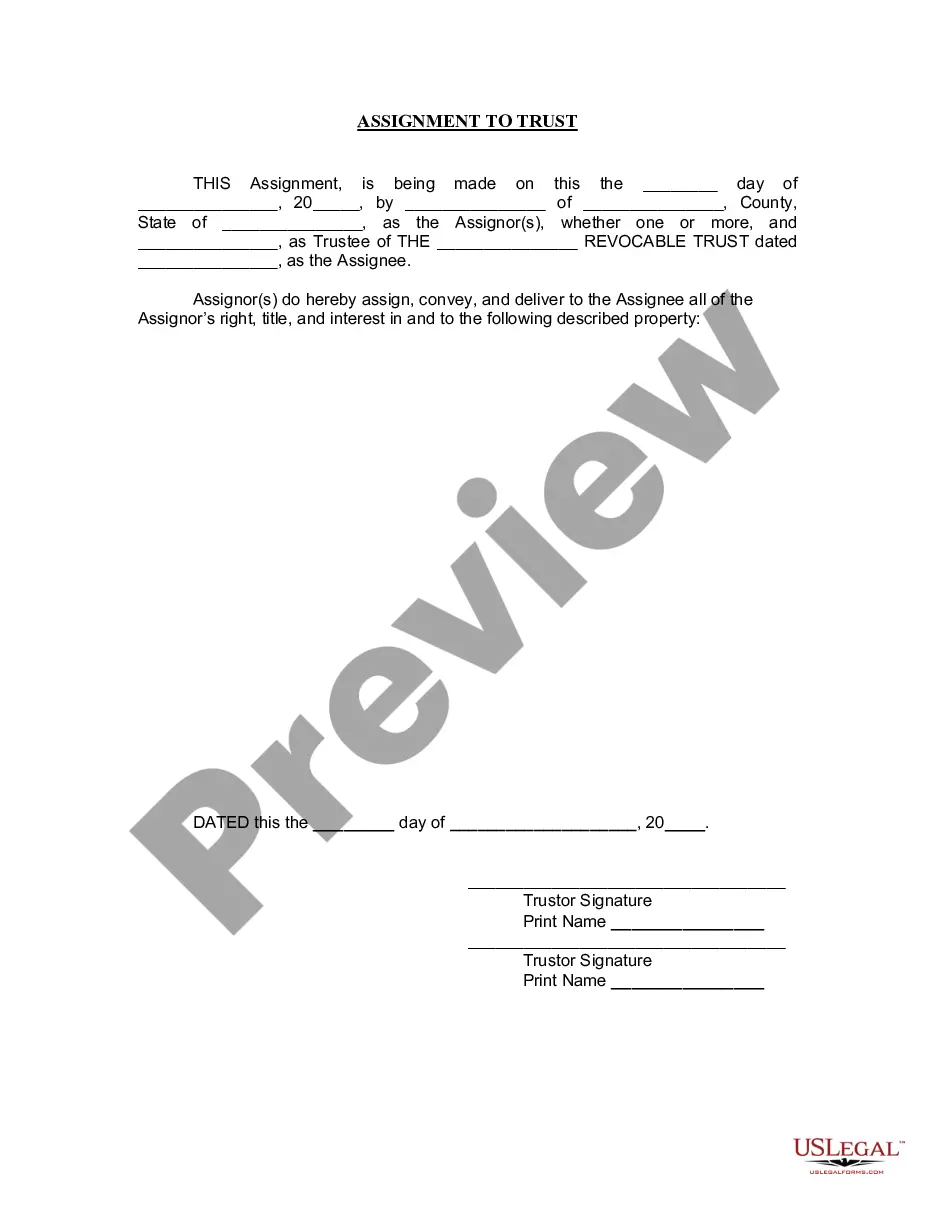
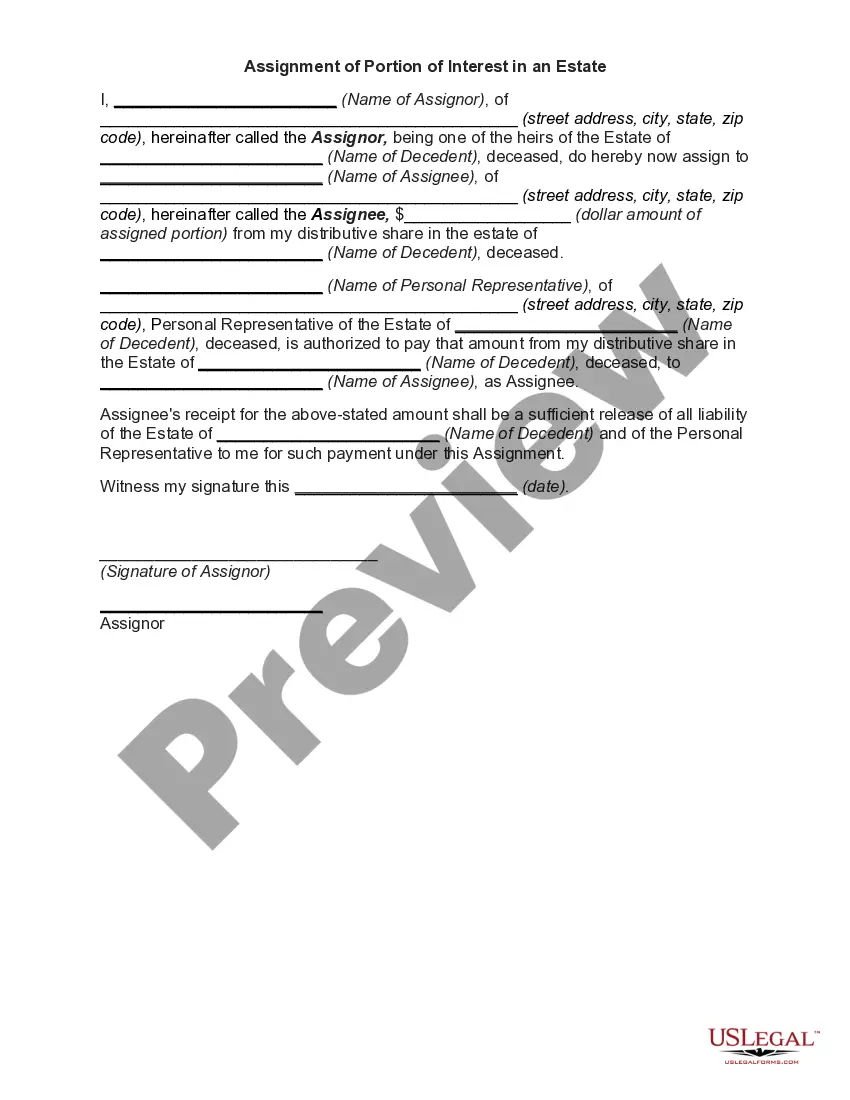
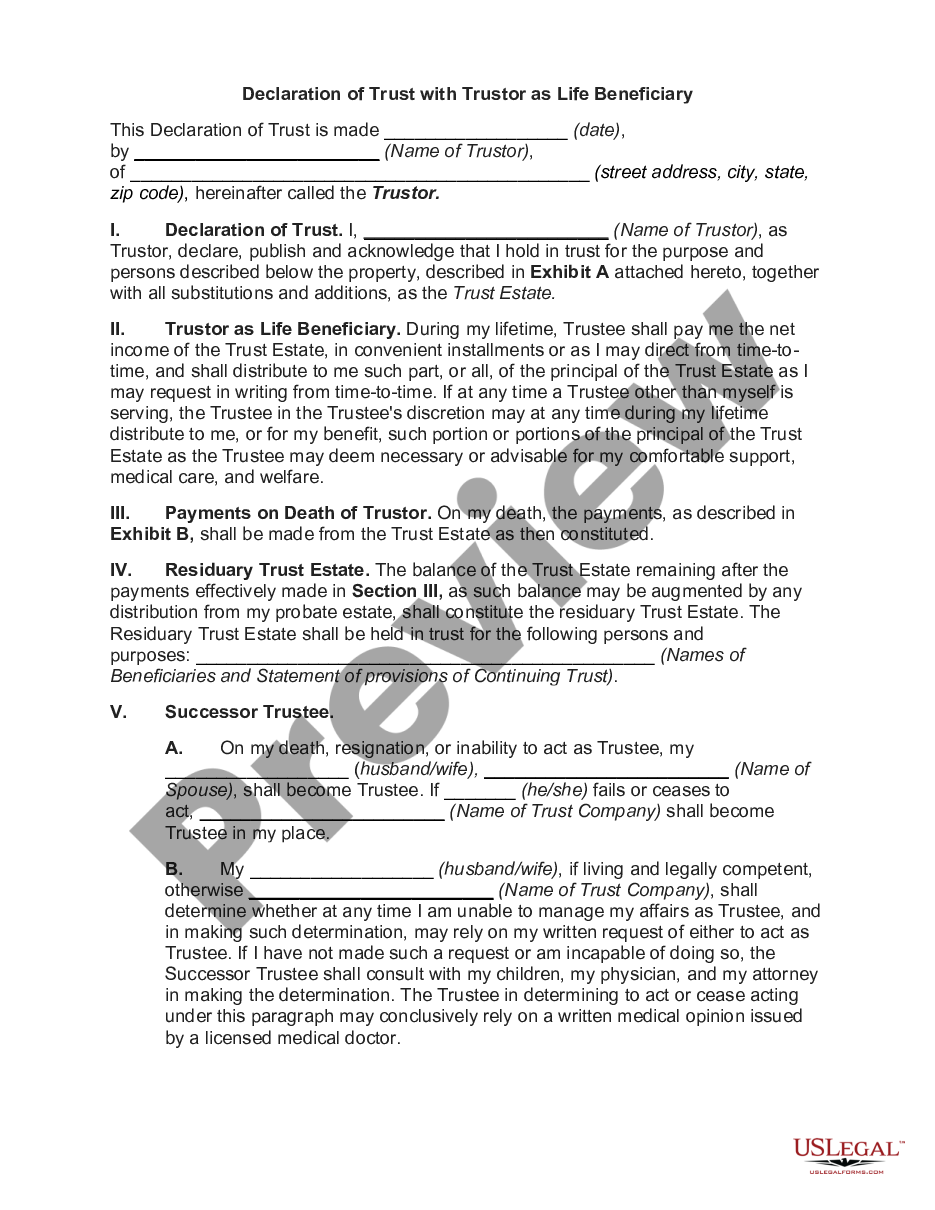
The Assignment to Living Trust form is used to assign specific property, such as real estate or personal assets, to a Living Trust. A Living Trust is a legal entity created during an individual's lifetime to manage their assets and facilitate estate planning. This form is essential for ensuring a smooth transition of property into the trust, distinct from other estate planning documents like wills, which distribute property after death.
Key parts of this document
- Assignor details: Names and addresses of the individuals assigning property to the trust.
- Property description: A clear description of the property being assigned.
- Trustee information: Name of the Trustee who will manage the Living Trust.
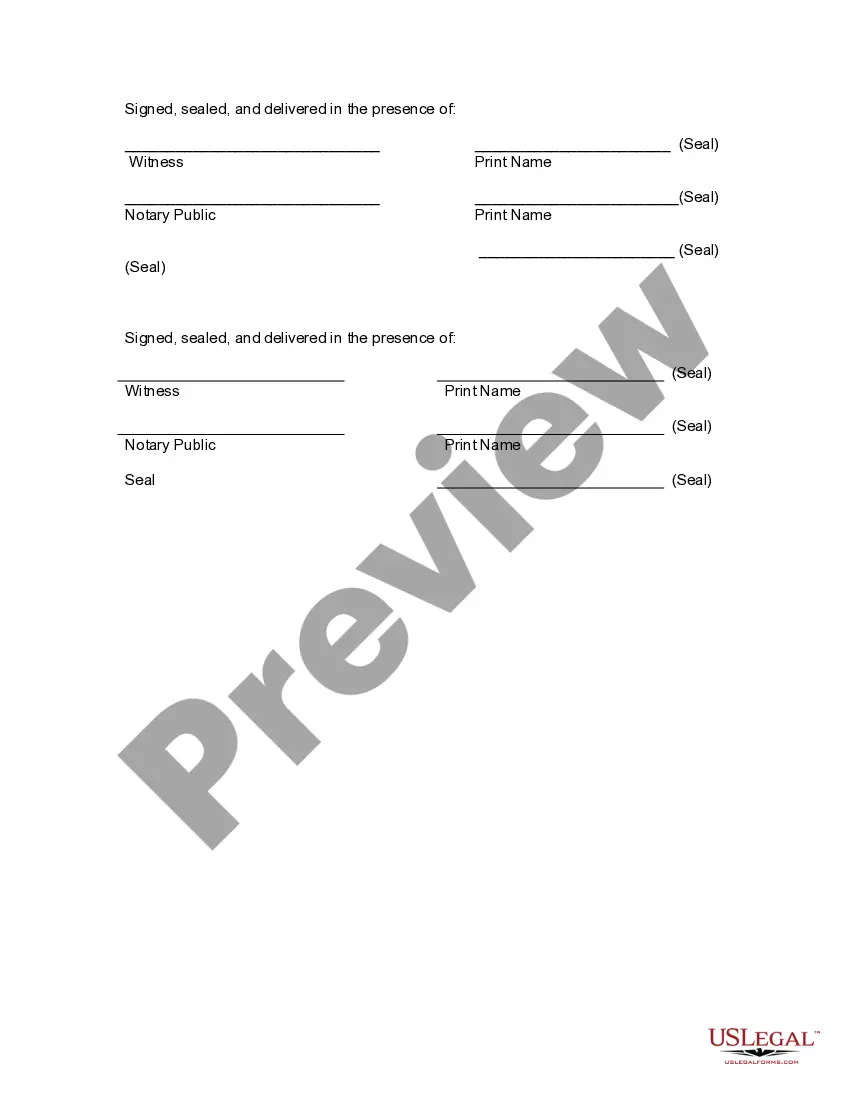
- Signature requirements: Space for signatures of the Assignor and Trustee, along with notarization details.
- Witness and notary sections: Areas designated for witnesses and notarization, confirming the authenticity of the assignment.
Common use cases
This form should be used when an individual wishes to transfer assets into a Living Trust. Common scenarios include estate planning, ensuring that property is managed according to the individual's wishes during their lifetime, or simplifying the transfer of assets upon death, avoiding probate court complexities.
Who can use this document
- Individuals establishing a Living Trust for personal estate planning purposes.
- Trustees managing a Living Trust who require legal documentation for asset assignment.
- Individuals wanting to ensure their assets are administered according to their wishes in the event of incapacity or death.
How to complete this form
- Identify the parties involved: Fill in the names and addresses of the Assignor(s) and the Trustee.
- Specify the property: Clearly describe the property being assigned to the Living Trust.
- Enter the date: Include the date of the assignment where indicated.
- Sign the document: Both the Assignor(s) and Trustee must sign the form in the presence of a notary public.
- Complete notarization: Ensure that the notary public signs and seals the document, validating the assignment.
Is notarization required?
To make this form legally binding, it must be notarized. Our online notarization service, powered by Notarize, lets you verify and sign documents remotely through an encrypted video session.
Get your form ready online
Our built-in tools help you complete, sign, share, and store your documents in one place.
Make edits, fill in missing information, and update formatting in US Legal Forms—just like you would in MS Word.
Download a copy, print it, send it by email, or mail it via USPS—whatever works best for your next step.
Sign and collect signatures with our SignNow integration. Send to multiple recipients, set reminders, and more. Go Premium to unlock E-Sign.
If this form requires notarization, complete it online through a secure video call—no need to meet a notary in person or wait for an appointment.
We protect your documents and personal data by following strict security and privacy standards.

Make edits, fill in missing information, and update formatting in US Legal Forms—just like you would in MS Word.

Download a copy, print it, send it by email, or mail it via USPS—whatever works best for your next step.

Sign and collect signatures with our SignNow integration. Send to multiple recipients, set reminders, and more. Go Premium to unlock E-Sign.

If this form requires notarization, complete it online through a secure video call—no need to meet a notary in person or wait for an appointment.

We protect your documents and personal data by following strict security and privacy standards.
Common mistakes
- Failing to provide a complete description of the property being assigned.
- Not signing the document in front of a notary public as required.
- Forgetting to include the date of the assignment.
Why use this form online
- Convenience: Download and complete the form from home without needing to visit an attorney.
- Editability: Make changes easily before finalizing the document.
- Reliability: Forms provided by licensed attorneys ensure compliance with legal standards.
Quick recap
- The Assignment to Living Trust form is vital for managing asset transfers into a Living Trust.
- Proper completion and notarization of the form are necessary for legal validity.
- This form simplifies estate planning, ensuring that assets are handled according to the wishes of the trust creator.
Looking for another form?
Form popularity
FAQ
To transfer your property to a living trust in Georgia, you need to create the trust document first. After that, you must execute a deed that transfers ownership of the property to the trust. It's important to record this deed with your local county recorder's office to ensure the transfer is legally binding. Using resources from uslegalforms can help you navigate this process smoothly and ensure your Georgia Assignment to Living Trust aligns with state laws.
Filing a living trust in Georgia involves several key steps to create effective documentation. Start by drafting the trust agreement, detailing all terms and conditions. Next, execute the trust by signing it in front of a notary, then transfer the property into the trust using a Georgia Assignment to Living Trust. For comprehensive assistance, consider using US Legal Forms, which offers templates and guidance tailored to Georgia's requirements.
Deciding to put your house in a Georgia Assignment to Living Trust can greatly depend on your individual circumstances. For many, this option provides a clear path to easy asset transfer and probate avoidance after death. However, it’s important to assess your overall estate plan and consult with a legal expert to ensure this decision benefits your situation. This proactive step can enhance your estate planning strategy and offer peace of mind.
While a Georgia Assignment to Living Trust offers benefits like avoiding probate, it also has disadvantages. Transferring your house into a trust can involve upfront costs and fees associated with the setup process. Additionally, if not managed correctly, you may lose certain tax benefits. It’s essential to weigh these drawbacks against the advantages to determine if this approach aligns with your goals.
Whether your parents should put their assets in a trust depends on their financial situation and estate planning goals. A trust can offer benefits such as avoiding probate and protecting assets from creditors. Encourage them to explore options with UsLegalForms, which can guide them through the process of setting up a trust that meets their needs.
The biggest mistake parents make when setting up a trust fund is failing to clearly communicate their intentions to their children. Without establishing clear guidelines, misunderstandings may arise later, leading to conflict. Using UsLegalForms can help you create a transparent and effective trust fund, ensuring that all parties understand the terms involved.
One downside of putting assets in a trust is that the process can be complex, requiring careful documentation and planning. There may also be limitations on how assets can be used while held in trust, depending on the terms set forth. It’s beneficial to seek assistance from UsLegalForms to ensure your trust is set up correctly and aligns with your goals.
A family trust can divide family members if there are differing opinions on asset distribution or management. Moreover, family trusts typically require ongoing attention and reporting, which may burden some family members. If you're considering a family trust, UsLegalForms can help you create the necessary documentation and guidelines to help prevent conflicts.
One potential downfall of having a trust is the upfront costs associated with setting it up, including legal fees and ongoing management expenses. Additionally, if not properly managed, the trust may not provide the intended benefits, leading to complications for the beneficiaries. It's crucial to thoroughly understand your options and consult resources like UsLegalForms to avoid common pitfalls.
To transfer property into a living trust in Georgia, you first need to create the trust document. Then, you will execute a deed to transfer the property's title from your name to the trust. This process usually requires notarization and may involve recording the deed with the local county office. Consider using UsLegalForms, which provides templates and guidance for ensuring a smooth and accurate transfer.