Georgia Amendment to Living Trust
Understanding this form
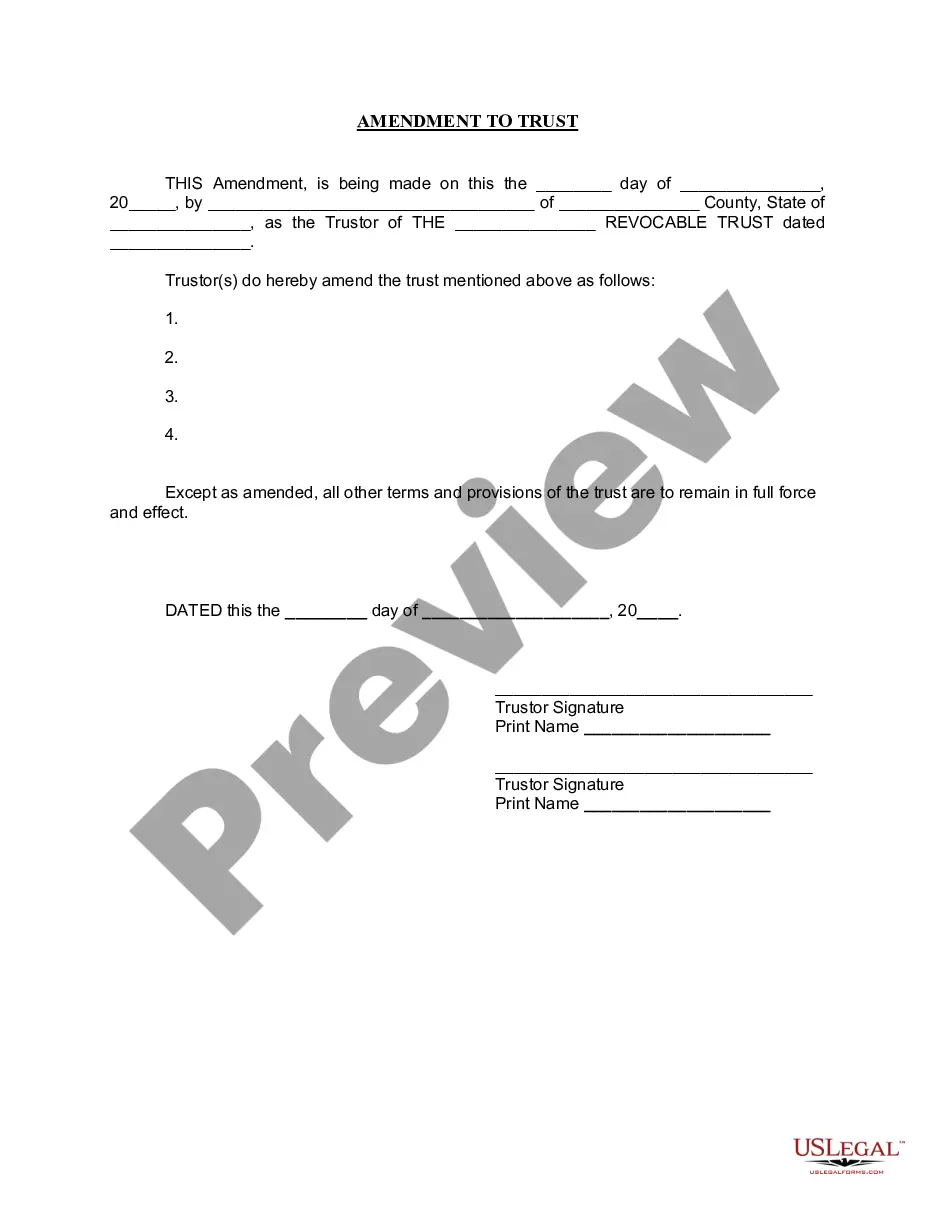
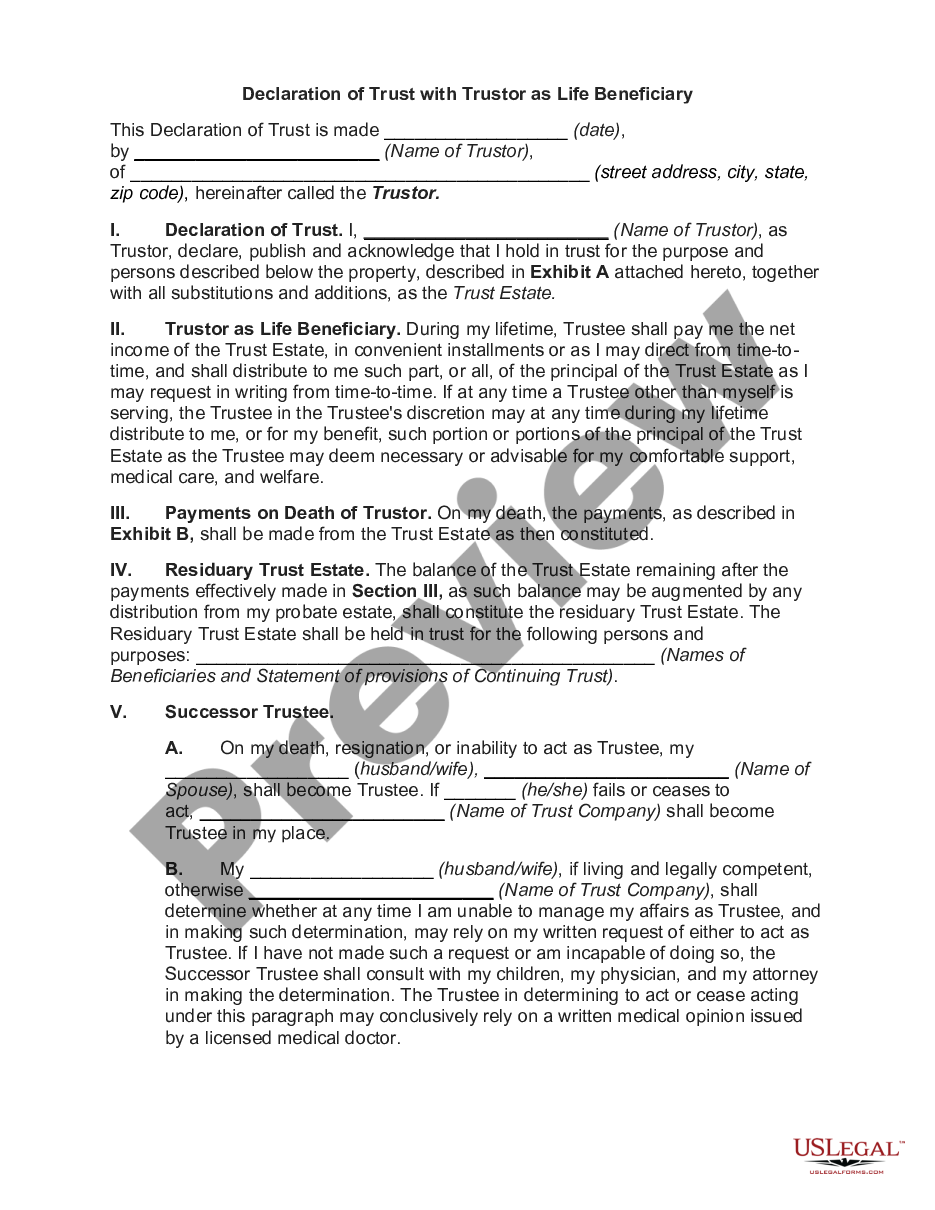
The Amendment to Living Trust is a legal document that allows the Trustor to update the terms of a living trust while preserving the trust's original purpose. Unlike the original trust document, this amendment focuses solely on changing specific provisions, ensuring that the overall intent of the trust remains intact. This form is essential for individuals who wish to make adjustments to their estate planning without completely revising the existing trust agreement.
Main sections of this form
- Date of amendment
- Identification of the Trustor and county where they reside
- Details of the existing revocable trust
- Specific amendments to be made
- Trustor signatures with printed names
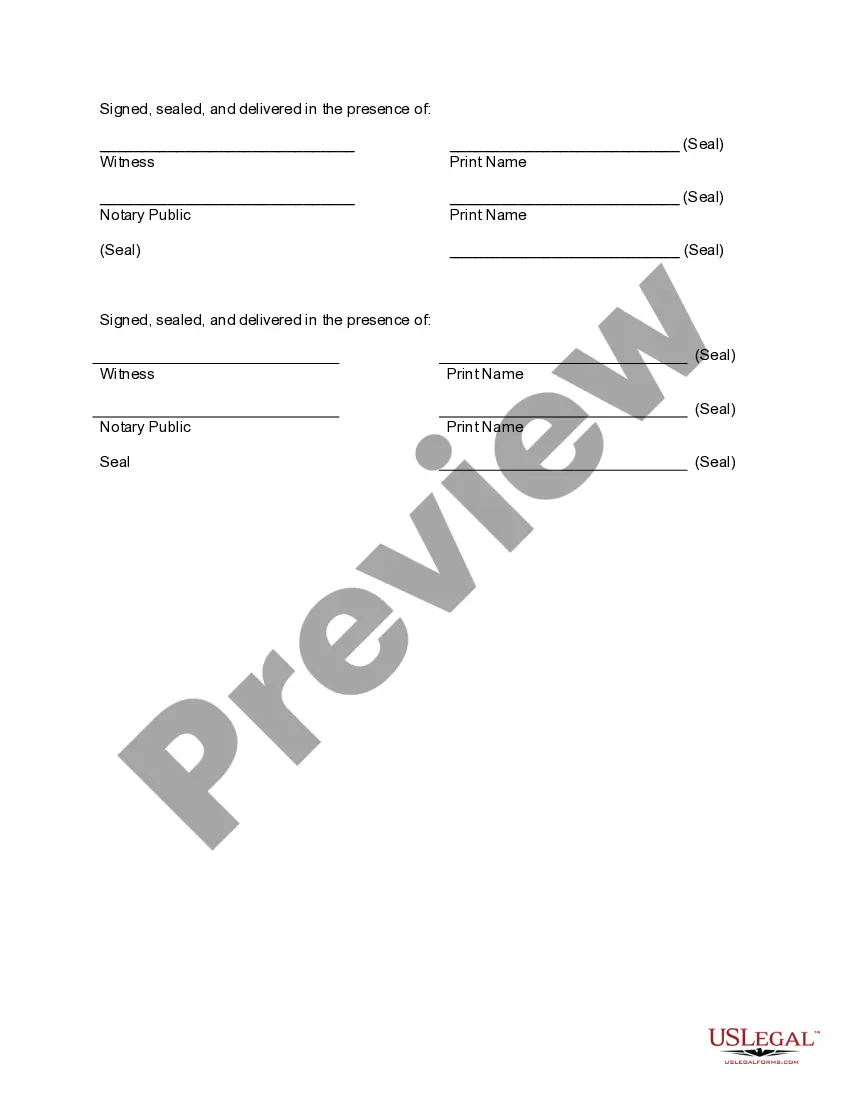
- Witness signature and printed name
- Notary public information

When this form is needed
You should use this form when you need to make changes to your living trust after it has been established. Common scenarios include adding or removing beneficiaries, changing trustees, or updating the terms related to the management of trust assets. This amendment is crucial to ensure that your estate plan reflects your current wishes and circumstances.
Intended users of this form
This form is suitable for:
- Individuals who have established a living trust
- Trustors who need to amend specific provisions within their trust
- Anyone seeking to update their estate planning documents
How to prepare this document
Follow these steps to complete the Amendment to Living Trust:
- Enter the date you are making the amendment.
- Provide your full name as the Trustor and your county and state of residence.
- Identify the existing revocable trust by its name and date of establishment.
- Clearly specify the amendments you wish to make in the designated area.
- Sign the document in the presence of a witness and a notary public.
- Ensure all parties have read and understood the amendments before signing.
Does this document require notarization?
Yes, this form must be notarized to be legally valid. The signatures of the Trustor must be witnessed and notarized to ensure the authenticity of the document. US Legal Forms offers integrated online notarization services, providing secure video calls with notaries available 24/7, eliminating the need for travel while ensuring legal compliance.
Get your form ready online
Our built-in tools help you complete, sign, share, and store your documents in one place.
Make edits, fill in missing information, and update formatting in US Legal Forms—just like you would in MS Word.
Download a copy, print it, send it by email, or mail it via USPS—whatever works best for your next step.
Sign and collect signatures with our SignNow integration. Send to multiple recipients, set reminders, and more. Go Premium to unlock E-Sign.
If this form requires notarization, complete it online through a secure video call—no need to meet a notary in person or wait for an appointment.
We protect your documents and personal data by following strict security and privacy standards.

Make edits, fill in missing information, and update formatting in US Legal Forms—just like you would in MS Word.

Download a copy, print it, send it by email, or mail it via USPS—whatever works best for your next step.

Sign and collect signatures with our SignNow integration. Send to multiple recipients, set reminders, and more. Go Premium to unlock E-Sign.

If this form requires notarization, complete it online through a secure video call—no need to meet a notary in person or wait for an appointment.

We protect your documents and personal data by following strict security and privacy standards.
Common mistakes
- Failing to provide the date of the amendment.
- Not clearly specifying the amendments being made.
- Forget to sign in the presence of a notary and a witness.
- Omitting printed names of signatories, which may lead to legal complications.
Why complete this form online
- Convenience of completing the form online at your own pace.
- Edit the document as needed to accurately reflect your intentions.
- Access to forms drafted by licensed attorneys for reliability.
- Immediate download availability, allowing for quick updates to your estate plan.
Key takeaways
- The Amendment to Living Trust allows Trustors to update specific provisions of their existing trust.
- A notarized signature is required for the amendment to be legally valid.
- Using this form helps keep your estate plan aligned with your current wishes and needs.
Looking for another form?
Form popularity
FAQ
To write a codicil to a trust, start by reviewing your existing trust document for necessary details. Clearly state your intent to amend the trust, and outline the specific changes you wish to make. Ensure your codicil complies with Georgia laws regarding amendments to living trusts. If you want to ensure everything is correct, consider using a reliable platform like US Legal Forms, which provides templates and guidance for creating effective Georgia Amendment to Living Trust documents.
Yes, a trust can be altered, amended, or even revoked based on your wishes. A Georgia Amendment to Living Trust allows you to make necessary changes during your lifetime. It's important to consult with professionals who can guide you through this process, ensuring everything aligns with your intentions. Tools like uslegalforms can provide you with the templates and support you need for a smooth amendment.
A codicil typically applies to wills, whereas an amendment modifies a trust. In the context of a Georgia Amendment to Living Trust, you change or add specific provisions directly in the trust document. Understanding this difference helps you choose the correct method for your estate planning needs.
Amending a trust, such as a Georgia Amendment to Living Trust, is generally straightforward. You simply need to follow the guidelines set forth in the original trust document. Many choose to work with a legal service or consultant to ensure the amendment meets all legal requirements. With resources available, you can efficiently navigate this process.
The downside of putting assets in a trust includes the potential loss of control over those assets. Once assets are transferred, the trustee gains authority and may have different management approaches compared to the original owner. Additionally, creating a Georgia Amendment to Living Trust may require ongoing legal support and fees. Weighing these factors can help you determine if transferring assets aligns with your long-term goals.
One downfall of having a trust is the complexity and time required for its establishment and maintenance. Trusts necessitate careful documentation and, at times, ongoing management, which may be challenging for some individuals. Additionally, a Georgia Amendment to Living Trust can require legal assistance, leading to potential costs. Understanding these challenges can help you make an informed decision about whether a trust aligns with your needs.
Writing an amendment to a living trust involves several key steps. First, outline the specific changes you wish to make, and then draft the amendment clearly to avoid confusion. Include the date of the original trust and specify how the new amendment modifies the existing terms. For help with this process, the US Legal Forms platform provides templates and resources for creating a Georgia Amendment to Living Trust that are both user-friendly and legally sound.
To amend a trust in Georgia, you generally need to follow the original trust's guidelines. Most amendments must be in writing and signed by the trustee, and they should specify the amendments clearly. Utilizing the Georgia Amendment to Living Trust ensures that necessary changes are legally recognized. It's advisable to consult a legal expert to ensure compliance with all requirements when making significant updates.
Deciding whether your parents should put their assets in a trust depends on their specific circumstances. A trust can provide benefits such as avoiding probate and managing assets efficiently, especially through a Georgia Amendment to Living Trust for future changes. However, it’s essential to evaluate their needs and estate planning goals carefully. Consulting with an estate planning expert can provide valuable insights tailored to their situation.
While family trusts offer benefits, they also have some disadvantages. One significant drawback is the potential for family conflicts, as differing opinions on trust management can lead to disputes. Additionally, setting up a Georgia Amendment to Living Trust can incur legal fees, which may be a consideration for some families. Being aware of these potential downsides can help you plan more effectively.