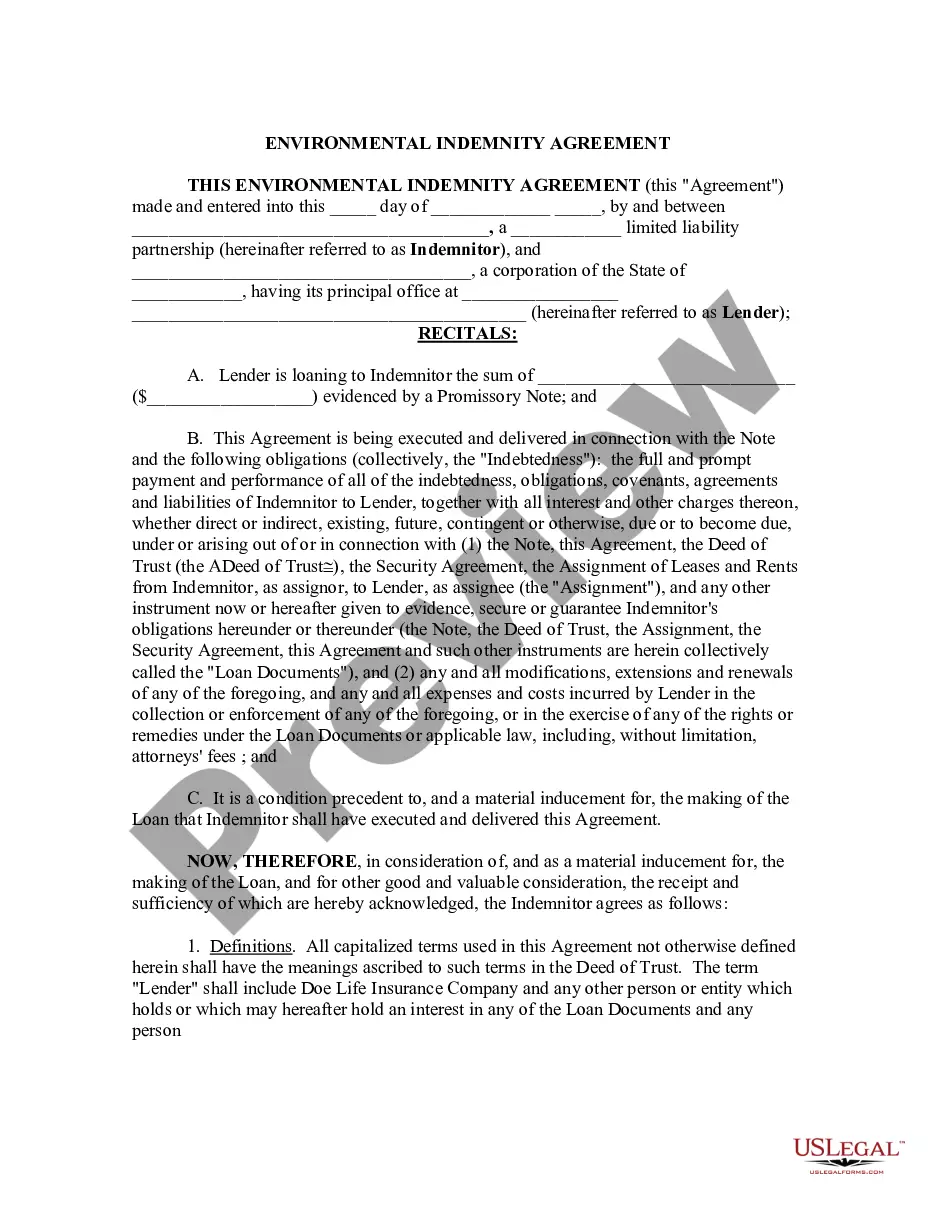
Georgia Security Contract for Contractor
What is this form?
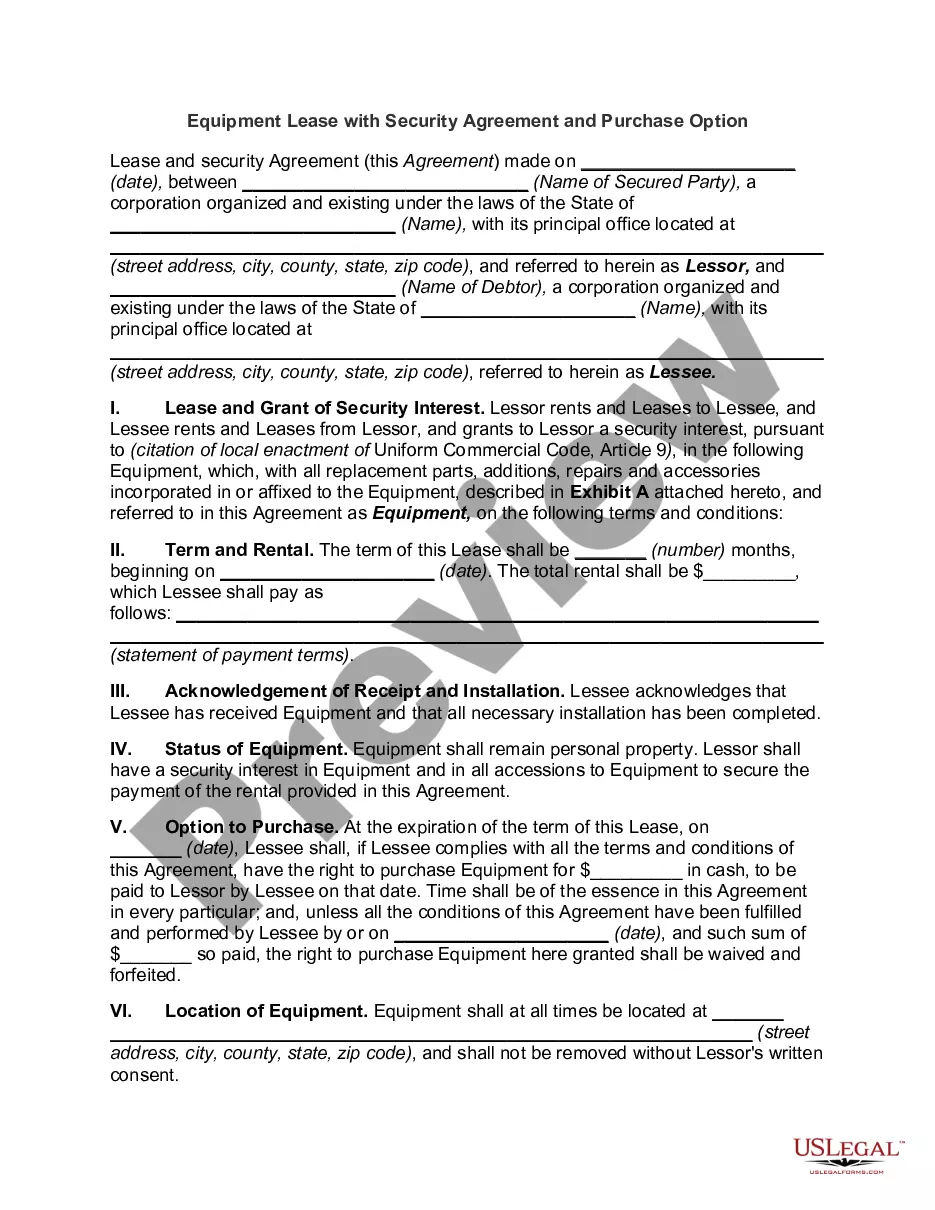
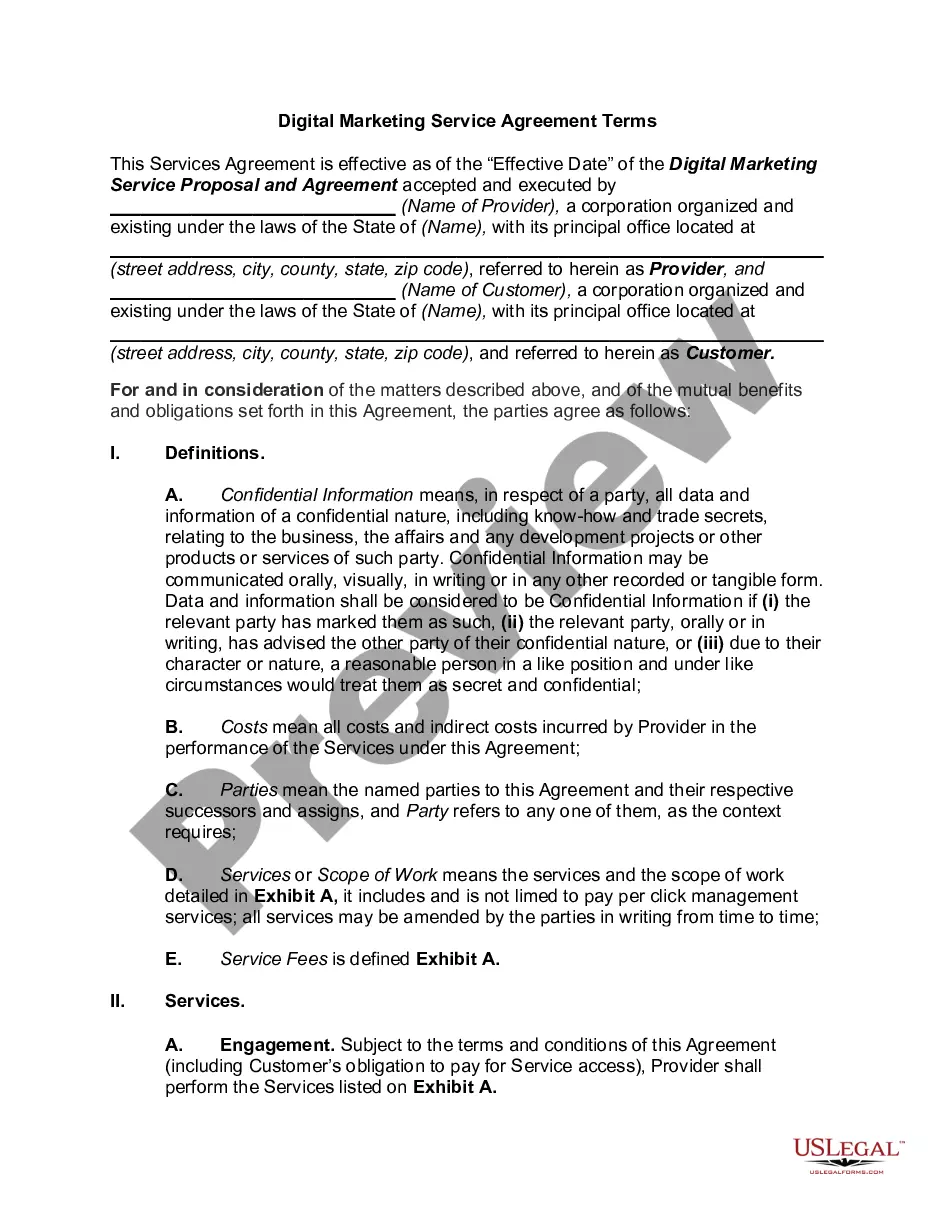
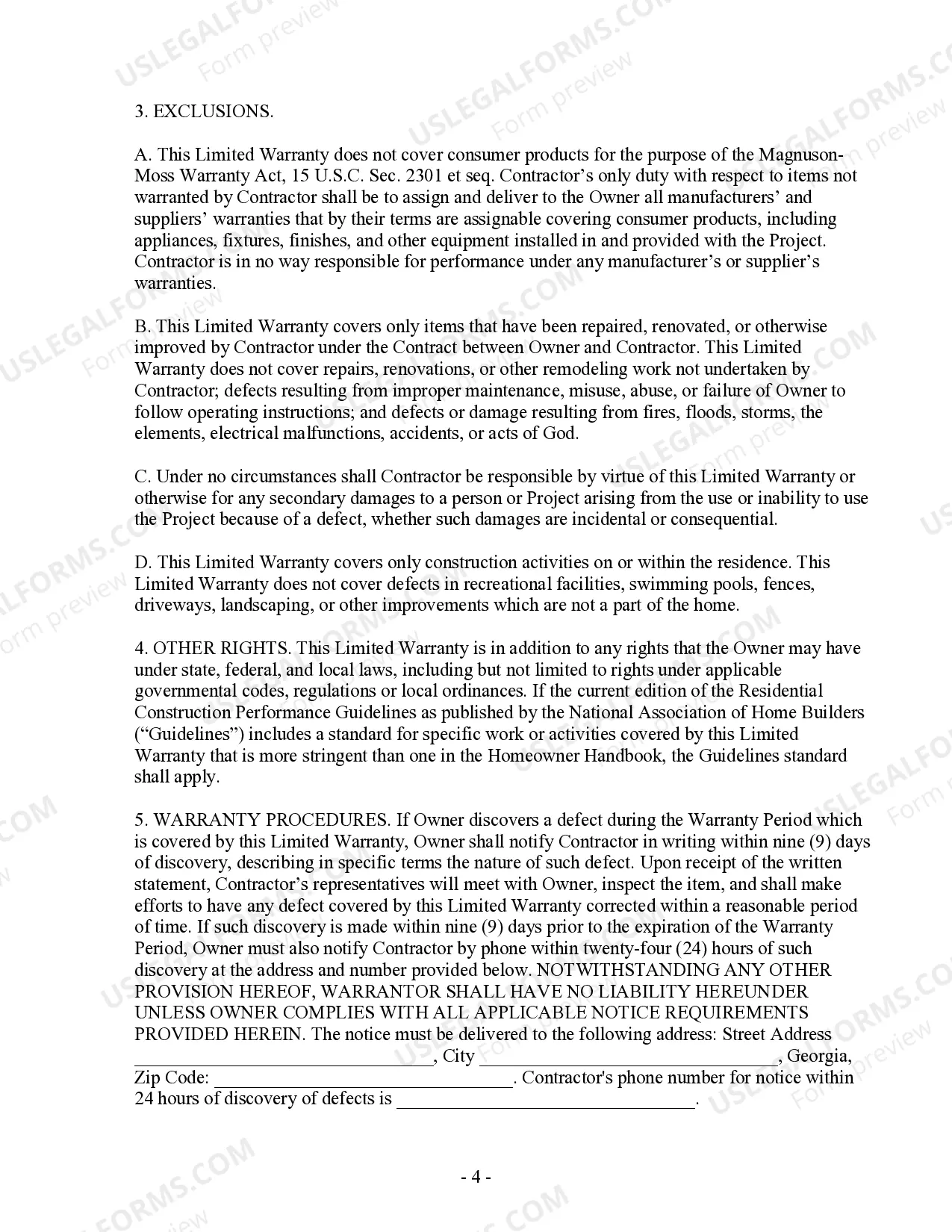
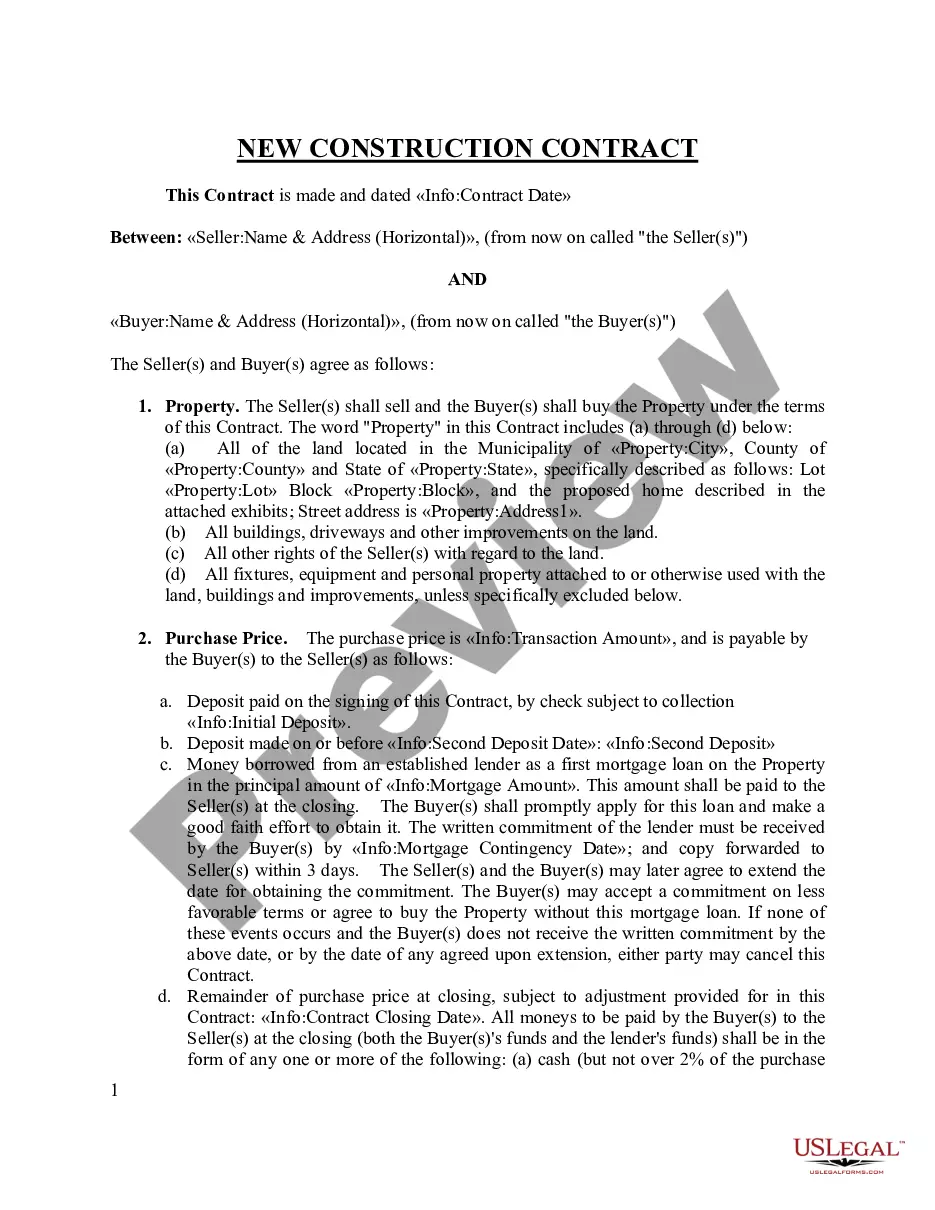
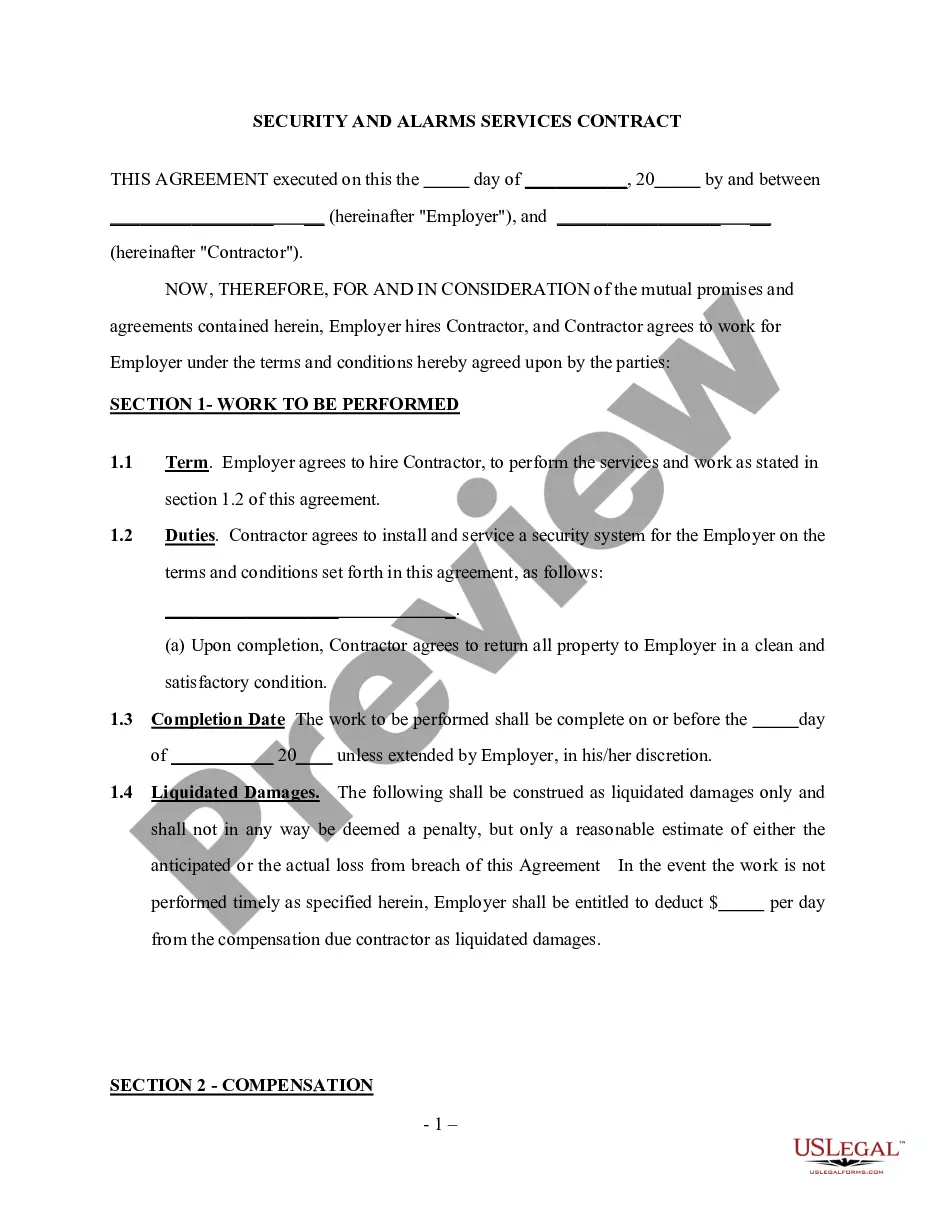
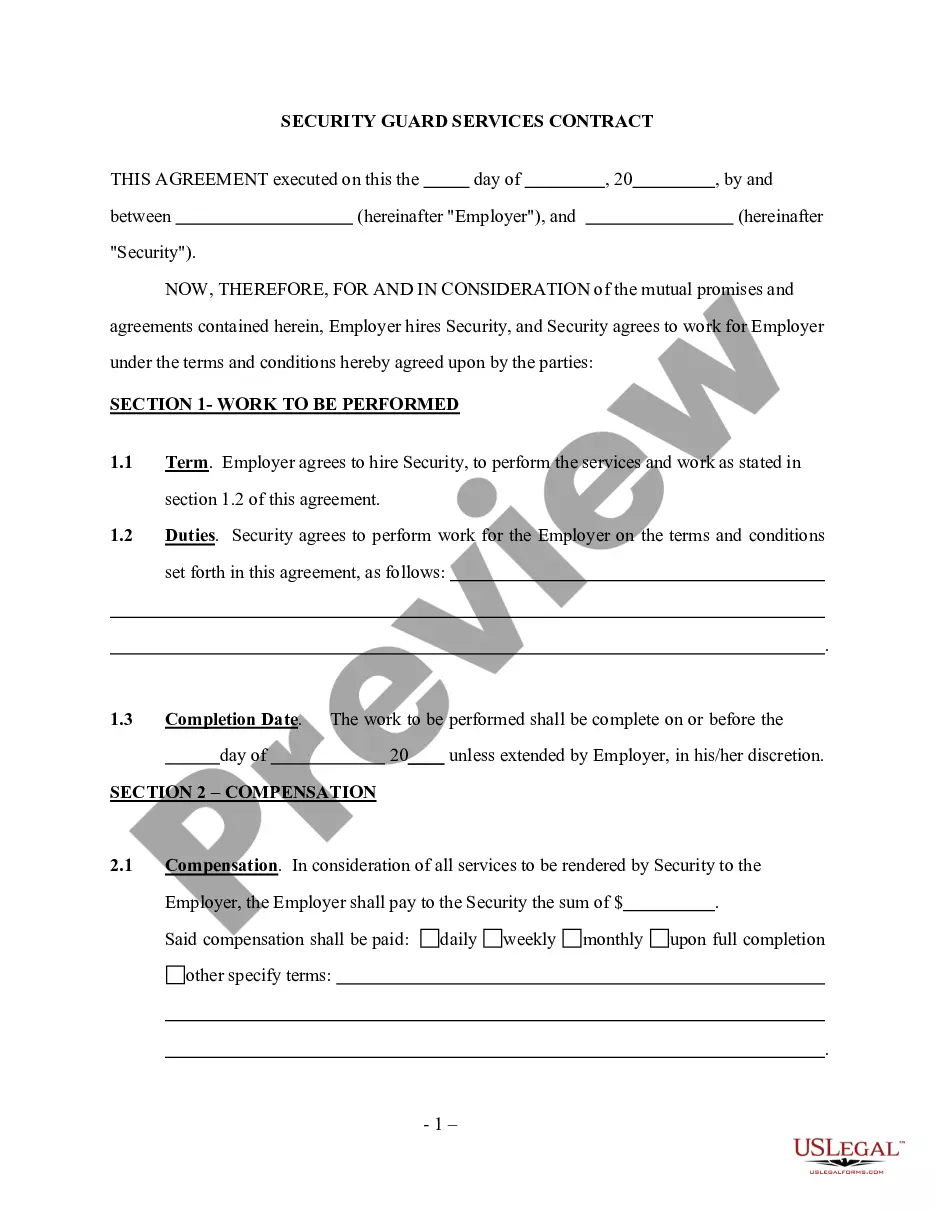
The Security Contract for Contractor is a legal agreement between security contractors and property owners. This form outlines payment arrangements, including cost-plus and fixed fee options, and addresses important matters such as permits, insurance, change orders, and warranties. It is specifically drafted to ensure compliance with the laws of Georgia, distinguishing it from generic contracts by incorporating state-specific legal language and requirements.
What’s included in this form
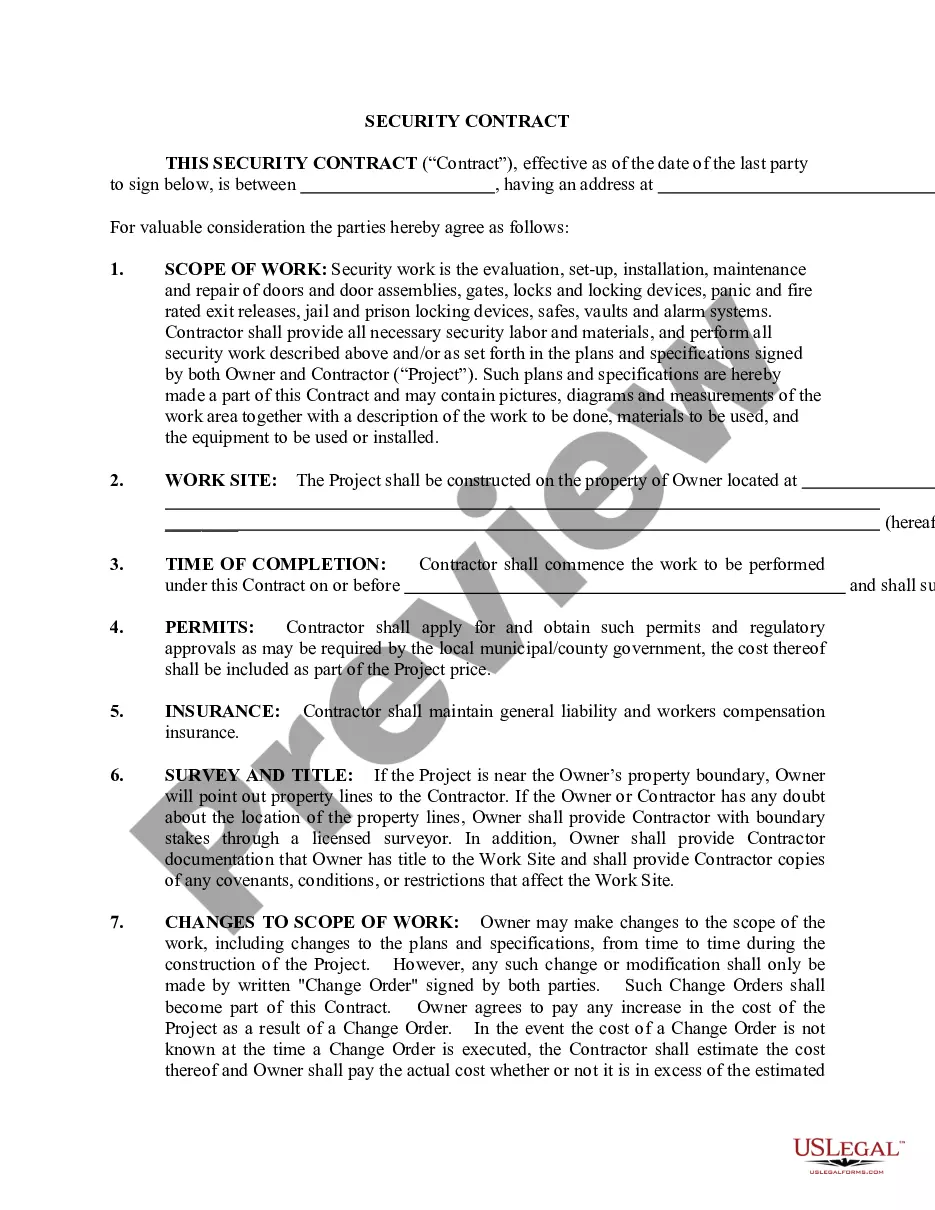
- Permits: Contractor is responsible for obtaining necessary municipal permits.
- Insurance: Contractor must maintain general liability and workers compensation insurance.
- Changes to scope of work: Any modifications to the project must be documented in writing.
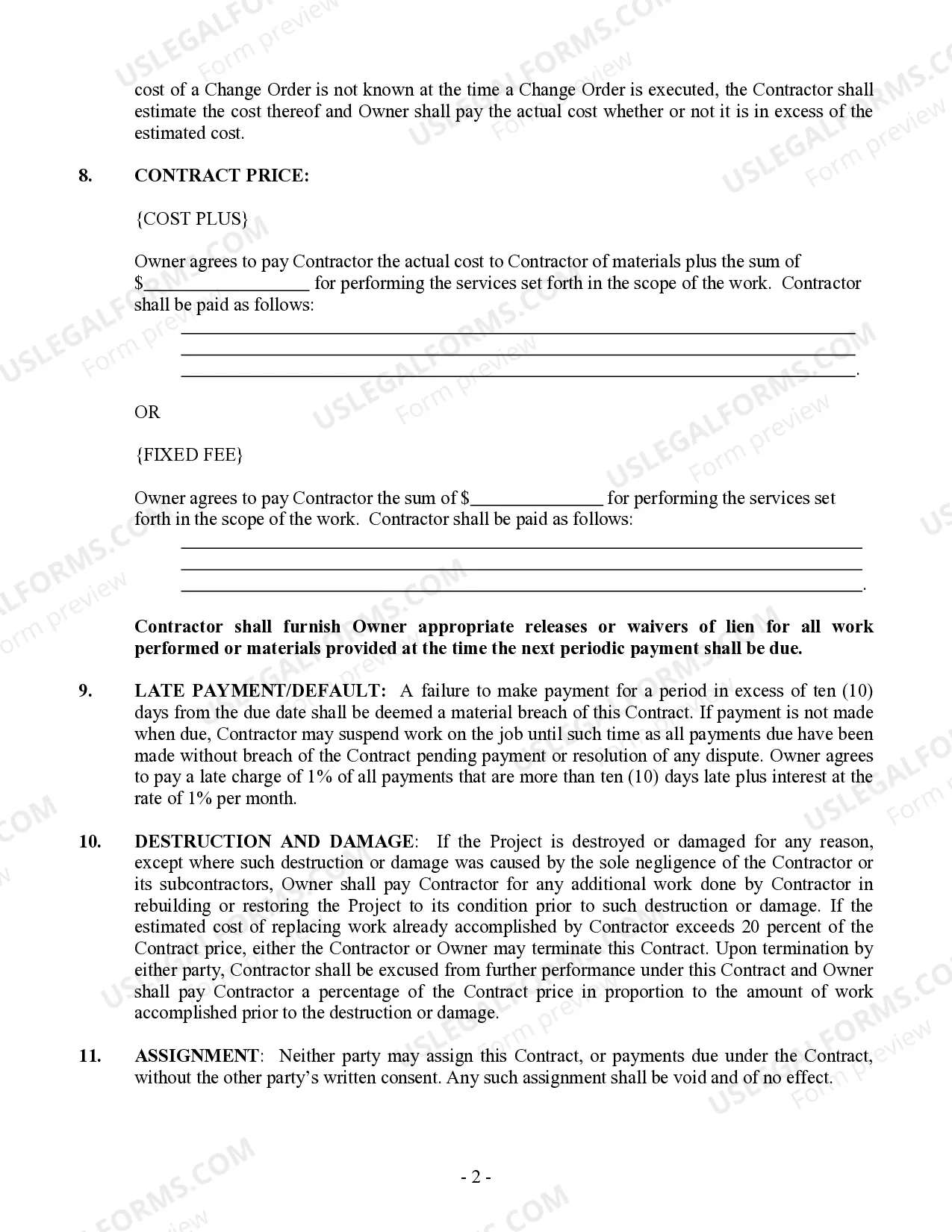
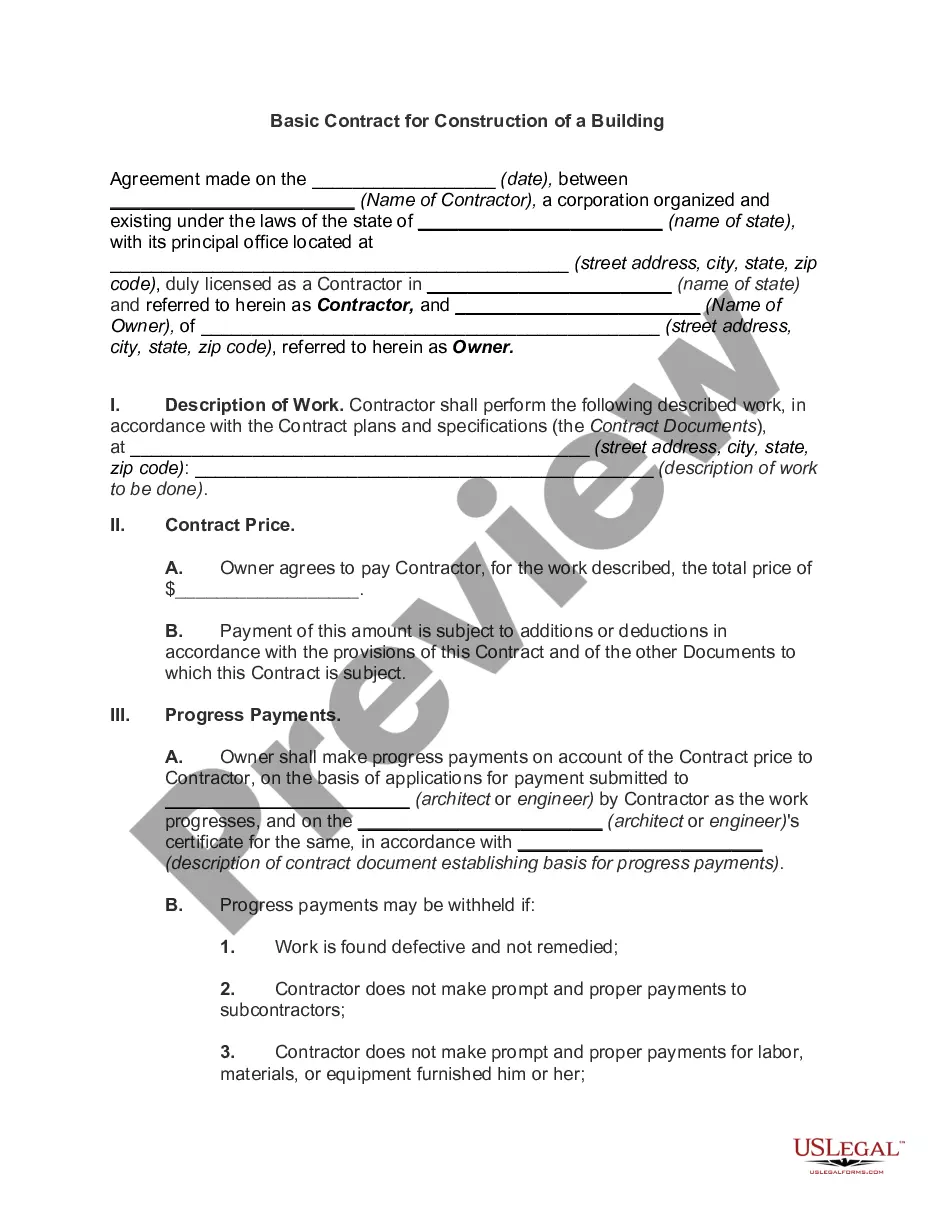
- Contract price: Details the total cost of the project and additional fees for change orders.
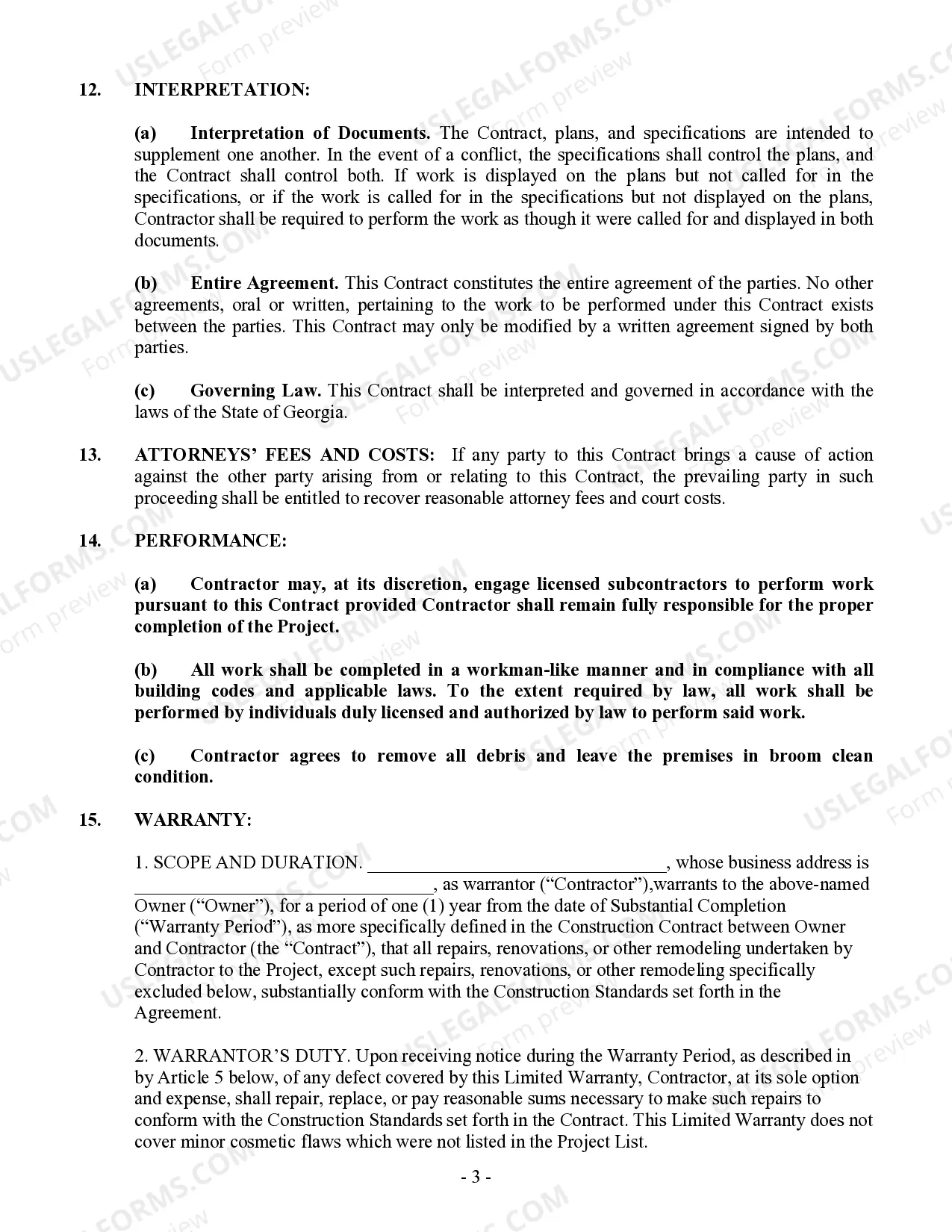
- Warranty: Outlines the obligation to repair or replace defective work for one year after project completion.
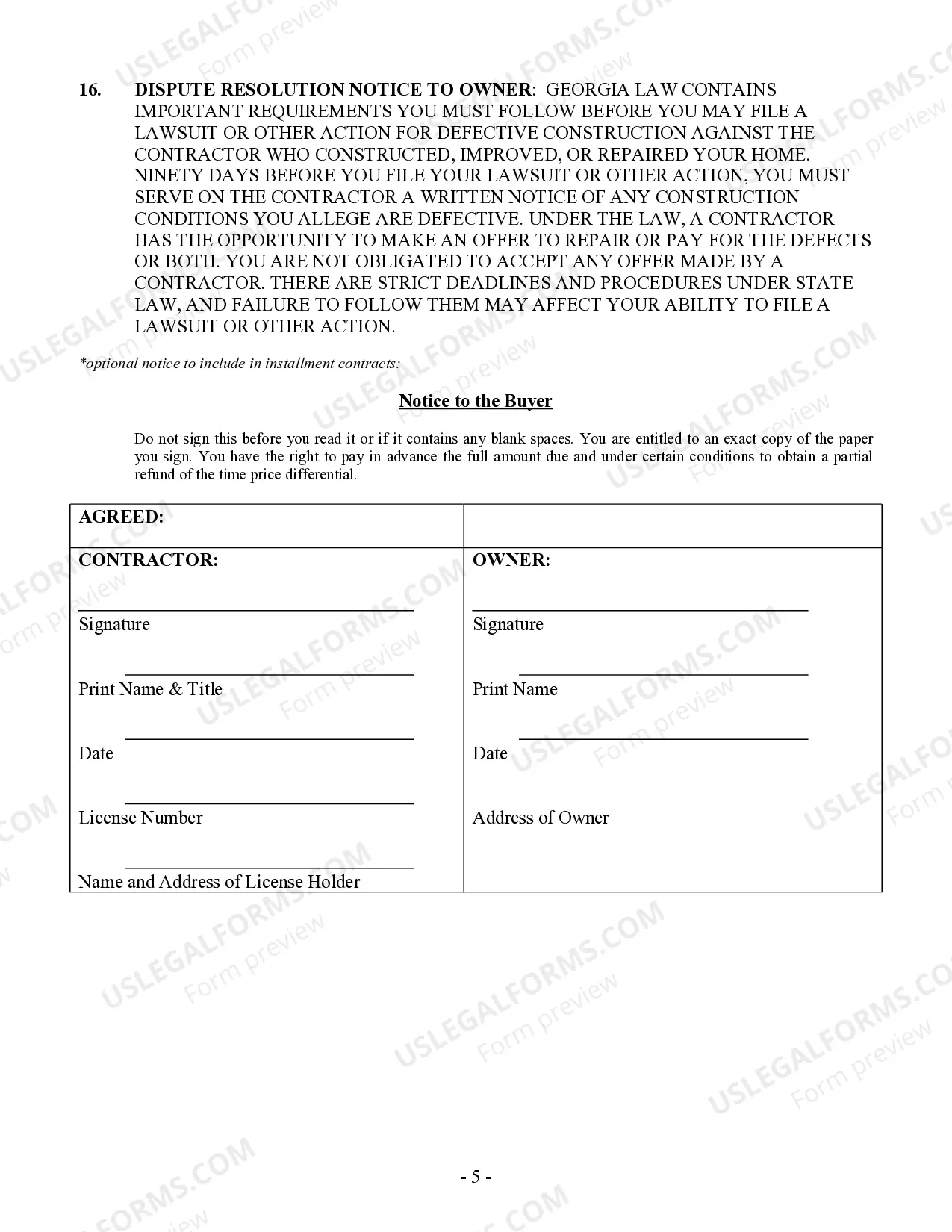
- Dispute resolution: Specifies notice requirements before legal action can be pursued for defective construction.
When to use this form
This form is essential when a property owner engages a security contractor for a project. Use the Security Contract for Contractor when formalizing an arrangement that includes security services with defined payment terms and responsibilities concerning permits, insurance, and potential changes in project scope. It is particularly important to utilize this contract to minimize misunderstandings and ensure compliance with state laws.
Who this form is for
- Property owners looking to hire security contractors for projects.
- Security contractors seeking a professional agreement that outlines their obligations and rights.
- Developers or managers of property who require legal clarity in contractor agreements.
Instructions for completing this form
- Identify the parties: Clearly write the names and addresses of the property owner and the contractor.
- Specify the property: Provide the address and any specific details regarding the work site.
- Detail the scope of work: Outline what services will be provided, along with any plans or specifications.
- Fill in payment terms: Include the agreed-upon payment structure, whether cost-plus or fixed fee.
- Sign and date: Ensure both parties sign and date the contract to validate the agreement.
Is notarization required?
This form does not typically require notarization unless specified by local law. It is recommended to review local regulations to confirm any specific requirements regarding notarization.
Get your form ready online
Our built-in tools help you complete, sign, share, and store your documents in one place.
Make edits, fill in missing information, and update formatting in US Legal Forms—just like you would in MS Word.
Download a copy, print it, send it by email, or mail it via USPS—whatever works best for your next step.
Sign and collect signatures with our SignNow integration. Send to multiple recipients, set reminders, and more. Go Premium to unlock E-Sign.
If this form requires notarization, complete it online through a secure video call—no need to meet a notary in person or wait for an appointment.
We protect your documents and personal data by following strict security and privacy standards.

Make edits, fill in missing information, and update formatting in US Legal Forms—just like you would in MS Word.

Download a copy, print it, send it by email, or mail it via USPS—whatever works best for your next step.

Sign and collect signatures with our SignNow integration. Send to multiple recipients, set reminders, and more. Go Premium to unlock E-Sign.

If this form requires notarization, complete it online through a secure video call—no need to meet a notary in person or wait for an appointment.

We protect your documents and personal data by following strict security and privacy standards.
Common mistakes
- Failing to specify all terms clearly, leading to misunderstandings.
- Not detailing the scope of work, which can lead to disputes.
- Omitting to sign and date the document, making it unenforceable.
- Neglecting to document any changes through formal change orders.
Why complete this form online
- Convenience: Easily access and fill out the form from anywhere, at any time.
- Editability: Make adjustments quickly before finalizing the agreement.
- Reliability: Rely on professionally drafted legal content that meets state laws.
What to keep in mind
- The Security Contract for Contractor is essential for formalizing agreements between property owners and security contractors.
- Key sections include payment terms, insurance requirements, change orders, and warranties.
- This particular form complies with the laws of Georgia, ensuring legal enforceability.
- Taking care to complete the form accurately will help prevent future disputes.
Looking for another form?
Form popularity
FAQ
Making a security contract requires clarity and precision in outlining all elements of the agreement between the contractor and client. First, draft a clear introduction, followed by detailed terms of service and any protective clauses. Utilizing tools from platforms like US Legal Forms can greatly assist in forming an effective Georgia Security Contract for Contractor that aligns with your project's needs.
To create a security contract, start by identifying the key components, including descriptions of services, terms of payment, and any specific legal requirements you must adhere to. Ensure you incorporate details that address potential risks and responsibilities. Many find templates offered by US Legal Forms to be valuable resources when drafting a Georgia Security Contract for Contractor.
Creating a security agreement involves outlining the obligations and rights of each party involved. Begin by detailing the services being provided, payment terms, and how to handle breaches of contract. Using a professional template, such as those available on US Legal Forms, can help you draft a robust Georgia Security Contract for Contractor that meets legal standards and protects your interests.
To secure a small Georgia Security Contract for Contractor, start by networking and building relationships with local businesses and government agencies. You may also want to explore online platforms that list available contracts. Additionally, showcasing your experience, certifications, and compliance with local laws will enhance your chances of being awarded a small security contract.
The Georgia Security and Immigration Compliance Act focuses on ensuring that contractors comply with immigration laws while engaging in security-related services. This act mandates verification of employees' eligibility to work in the United States, aiming to uphold legal standards within the industry. Understanding this act is essential for contractors looking to establish a Georgia Security Contract for Contractor.
Creating your own Georgia Security Contract for Contractor starts with understanding the basic components required in a contract, such as the parties involved, terms of the agreement, scope of work, and payment details. It is crucial to use clear and specific language to prevent misunderstandings. Additionally, utilizing templates from reputable platforms like US Legal Forms can simplify this process and ensure you meet Georgia’s legal requirements.
Yes, it is legal to write your own contract as long as it meets the required conditions of enforceability, such as clear terms and mutual agreement. However, for a complex arrangement like security services, it's advisable to use a Georgia Security Contract for Contractor template to ensure all legal bases are covered and to protect all parties involved.
Yes, a security company generally operates as a contractor when it provides security services to another business or individual. They often enter into contracts to define the scope of services and financial arrangements. This relationship can be formalized with a Georgia Security Contract for Contractor for clarity and legal protection.
To fill out a contractor agreement, begin by inputting the legal names of both parties, followed by the project details. Include specific terms like payment schedule and service timelines. By using a Georgia Security Contract for Contractor, you can ensure compliance with local laws and clarity in your agreement.
To write a security contract agreement, outline the services to be provided, such as on-site security or surveillance. Clearly state the duration of the contract and the payment structure. A well-drafted Georgia Security Contract for Contractor will include clauses on confidentiality and liability to protect all parties.