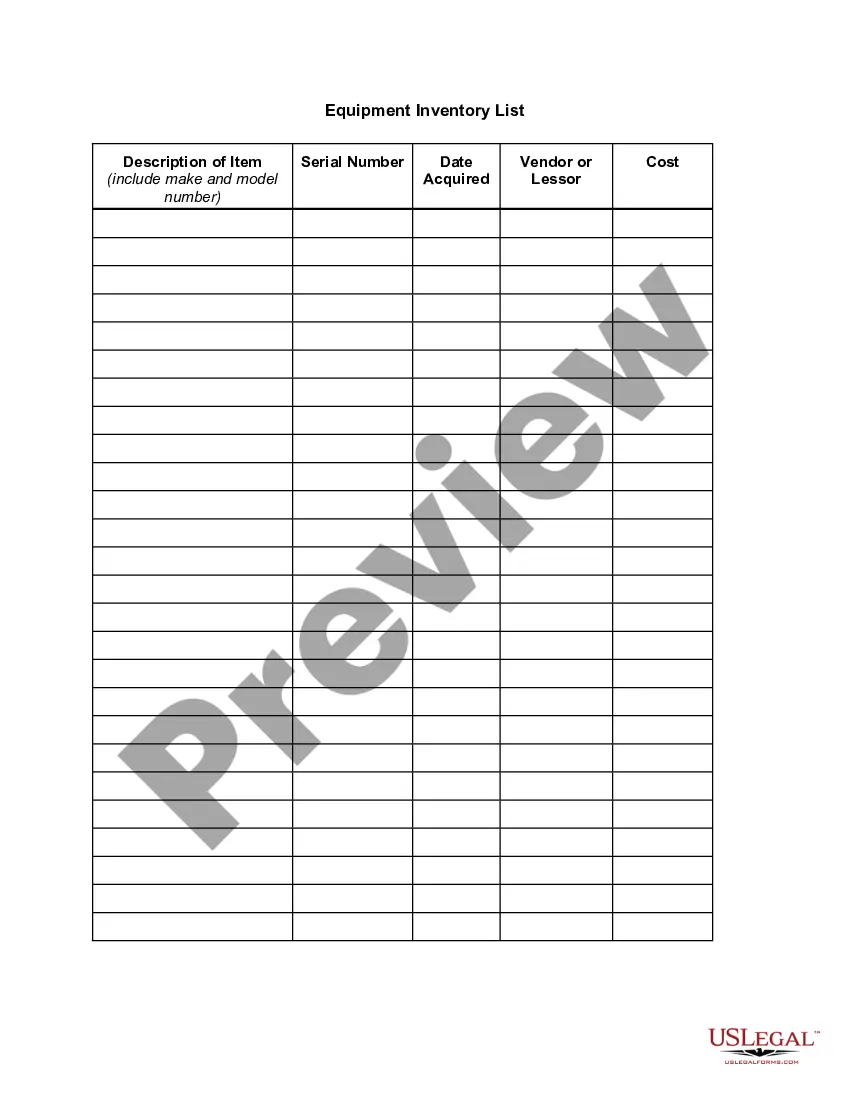
Florida Equipment Inventory List
Description
Get your form ready online
Our built-in tools help you complete, sign, share, and store your documents in one place.
Make edits, fill in missing information, and update formatting in US Legal Forms—just like you would in MS Word.
Download a copy, print it, send it by email, or mail it via USPS—whatever works best for your next step.
Sign and collect signatures with our SignNow integration. Send to multiple recipients, set reminders, and more. Go Premium to unlock E-Sign.
If this form requires notarization, complete it online through a secure video call—no need to meet a notary in person or wait for an appointment.
We protect your documents and personal data by following strict security and privacy standards.

Make edits, fill in missing information, and update formatting in US Legal Forms—just like you would in MS Word.

Download a copy, print it, send it by email, or mail it via USPS—whatever works best for your next step.

Sign and collect signatures with our SignNow integration. Send to multiple recipients, set reminders, and more. Go Premium to unlock E-Sign.

If this form requires notarization, complete it online through a secure video call—no need to meet a notary in person or wait for an appointment.

We protect your documents and personal data by following strict security and privacy standards.
Looking for another form?




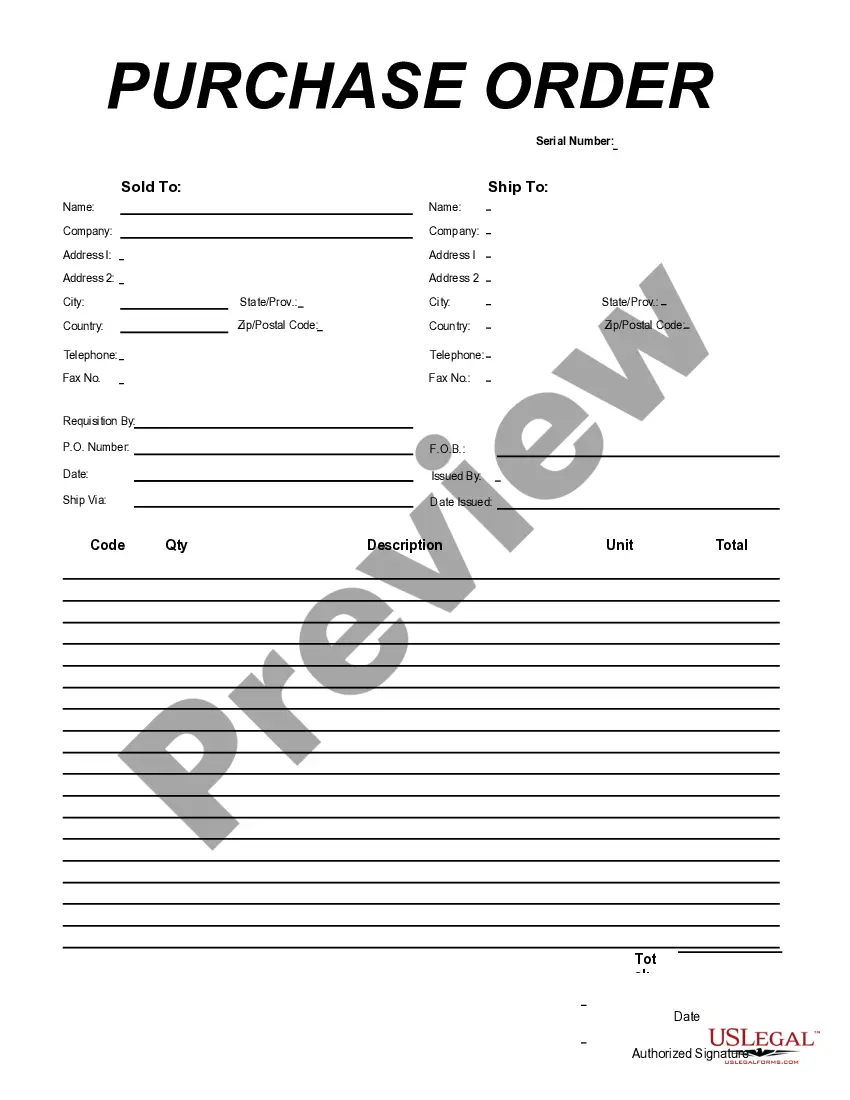
How to fill out Equipment Inventory List?
If you desire to be thorough, acquire, or printing sanctioned file templates, utilize US Legal Forms, the premier collection of sanctioned forms, that can be accessed on the web.
Employ the site’s straightforward and user-friendly search to find the documents you require.
Numerous templates for business and personal purposes are organized by categories and jurisdictions, or keywords.
Every sanctioned file design you purchase is yours for an extended duration. You will have access to all forms you have downloaded with your account. Click the My documents section and select a form to print or download again.
Compete and download, and print the Florida Equipment Inventory List with US Legal Forms. There are millions of professional and state-specific forms available for your business or personal needs.
- Utilize US Legal Forms to access the Florida Equipment Inventory List in just a few clicks.
- If you are already a US Legal Forms client, sign in to your account and then click the Download button to obtain the Florida Equipment Inventory List.
- You can also retrieve forms you have previously downloaded from the My documents section of your account.
- If you are utilizing US Legal Forms for the first time, follow the steps below.
- Step 1. Confirm you have selected the form for the correct city/state.
- Step 2. Use the View option to review the form’s content. Don’t forget to read the description.
- Step 3. If you are not satisfied with the form, employ the Search field at the top of the screen to find alternative versions of the sanctioned form template.
- Step 4. After identifying the form you desire, click the Order now button. Choose your preferred pricing plan and enter your details to register for an account.
- Step 5. Complete the payment process. You can utilize your credit card or PayPal account to execute the transaction.
- Step 6. Select the format of the sanctioned form and download it to your device.
- Step 7. Fill out, revise, and print or sign the Florida Equipment Inventory List.
Form popularity
FAQ
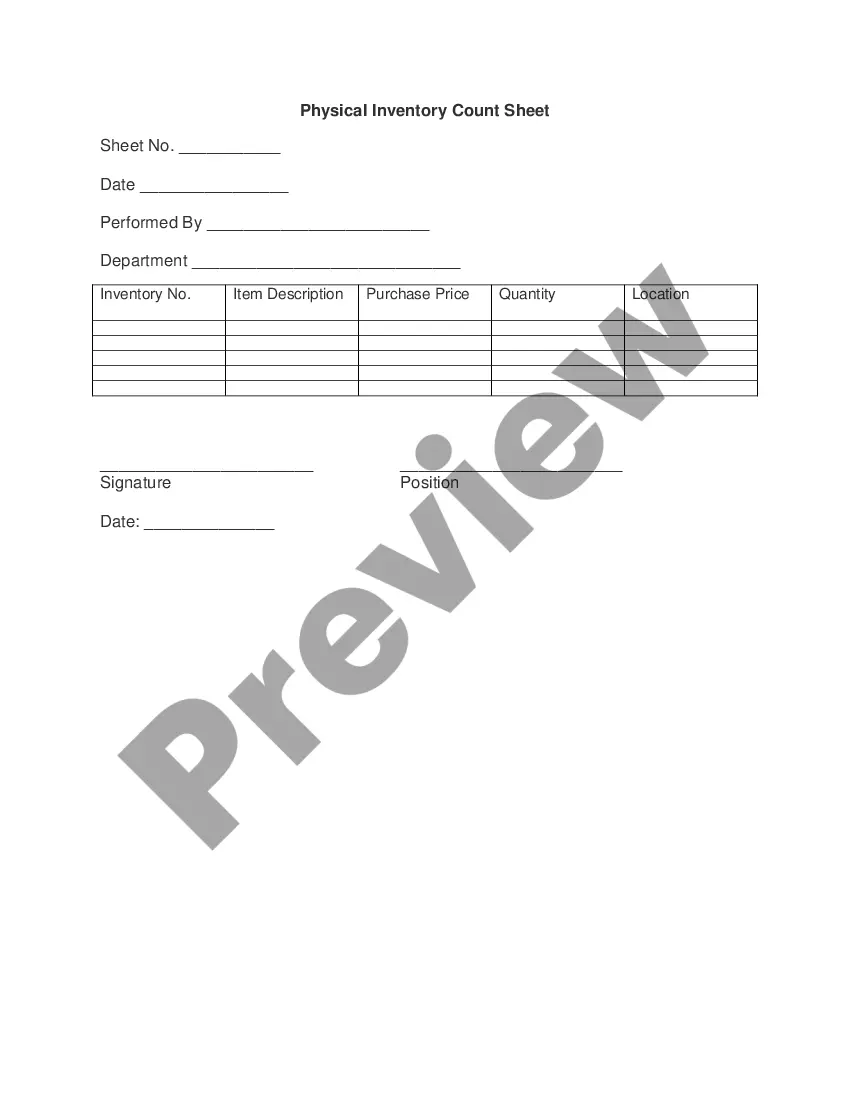
To create a simple inventory list, start by listing all your equipment, just like you would for a Florida Equipment Inventory List. Use a straightforward format, such as a table, to convey necessary details clearly. Regularly updating this list ensures accuracy and helps you track changes over time. Consider using tools, like US Legal Forms, for templates that can simplify this process.
Creating a Florida Equipment Inventory List starts with identifying all the equipment you own. Next, categorize each item based on its function or department. Be sure to include essential details such as the item’s name, serial number, and condition. This systematic approach helps you maintain your equipment inventory effectively.
Items included in inventory generally encompass all assets essential for daily operations. This includes machinery, tools, office equipment, and consumable supplies. By regularly updating your Florida Equipment Inventory List, you can ensure your business remains organized and prepared for both current and future needs.
The inventory list of equipment is a comprehensive compilation of all assets owned by a business, detailing each item's specifications, location, and condition. Maintaining an accurate Florida Equipment Inventory List can significantly contribute to effective asset management and operational planning, allowing businesses to optimize their resources efficiently.
Equipment inventory refers to the total list of tangible assets a business uses to produce goods and services. This includes everything from machinery to tools, and ensuring accurate tracking is crucial. A well-maintained Florida Equipment Inventory List can lead to better resource allocation and improved operational efficiency.
The four components of inventory typically include raw materials, work-in-progress items, finished goods, and maintenance, repair, and operations (MRO) supplies. Understanding these components helps organizations, including those in Florida, to maintain a well-structured Florida Equipment Inventory List that supports efficient operations and planning.
To keep track of your equipment inventory, you can use spreadsheets, software, or specialized apps designed for inventory management. Regularly updating your Florida Equipment Inventory List is essential to reflect new purchases, disposals, or maintenance activities. Setting reminders for inventory checks ensures that you stay on top of your equipment management.
An effective inventory list should include comprehensive information about all your assets. Specifically, you should account for item descriptions, quantities, values, and any warranties or insurance details. By utilizing a solution like US Legal Forms, you can create a structured Florida Equipment Inventory List that supports both operational efficiency and regulatory compliance.
An equipment inventory list is a detailed record of all equipment owned by a business or individual. This list helps in tracking assets, managing leases, and ensuring compliance with regulations. A well-maintained Florida Equipment Inventory List not only promotes efficiency but can also aid in financial planning and analysis for future needs.
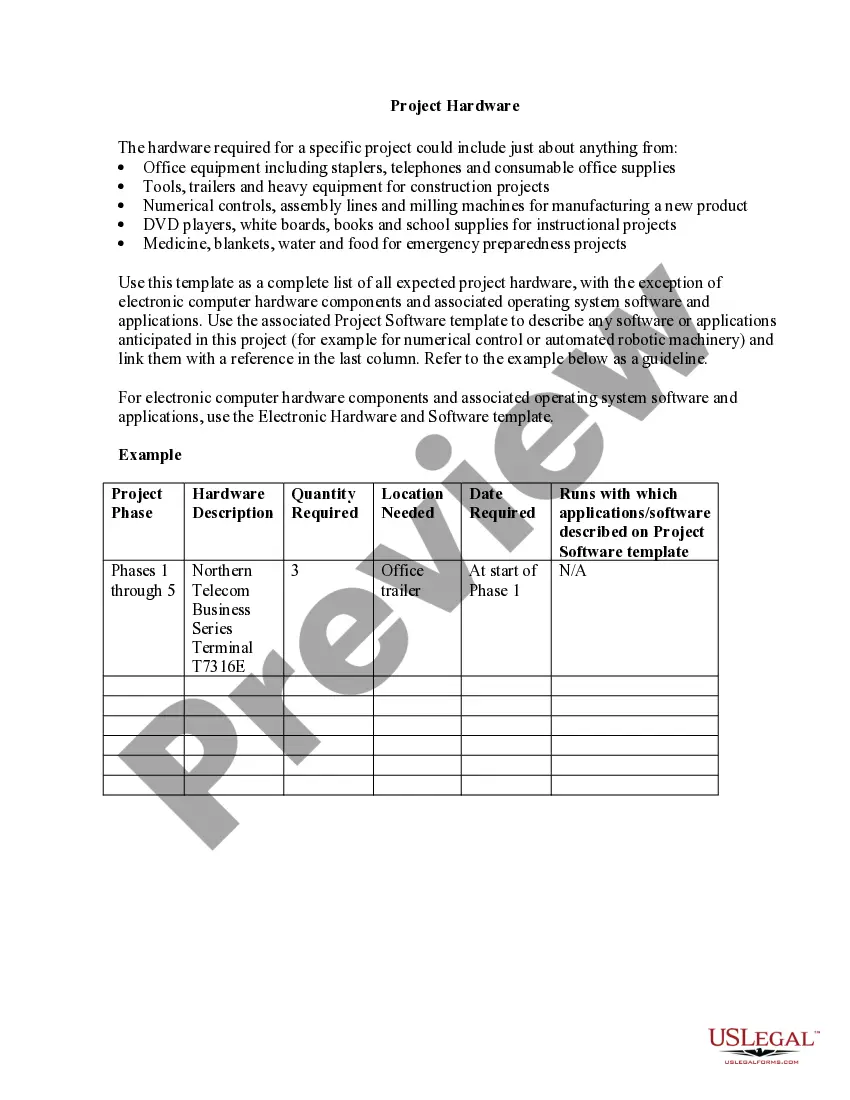
Creating a Florida Equipment Inventory List is a straightforward process. Begin by identifying all your assets, including machinery, tools, and vehicles. Next, organize these items by categorizing them based on their function and location. Finally, utilize software like US Legal Forms to help you maintain an updated and accurate inventory list.