Florida Conservative Easement
What is this form?
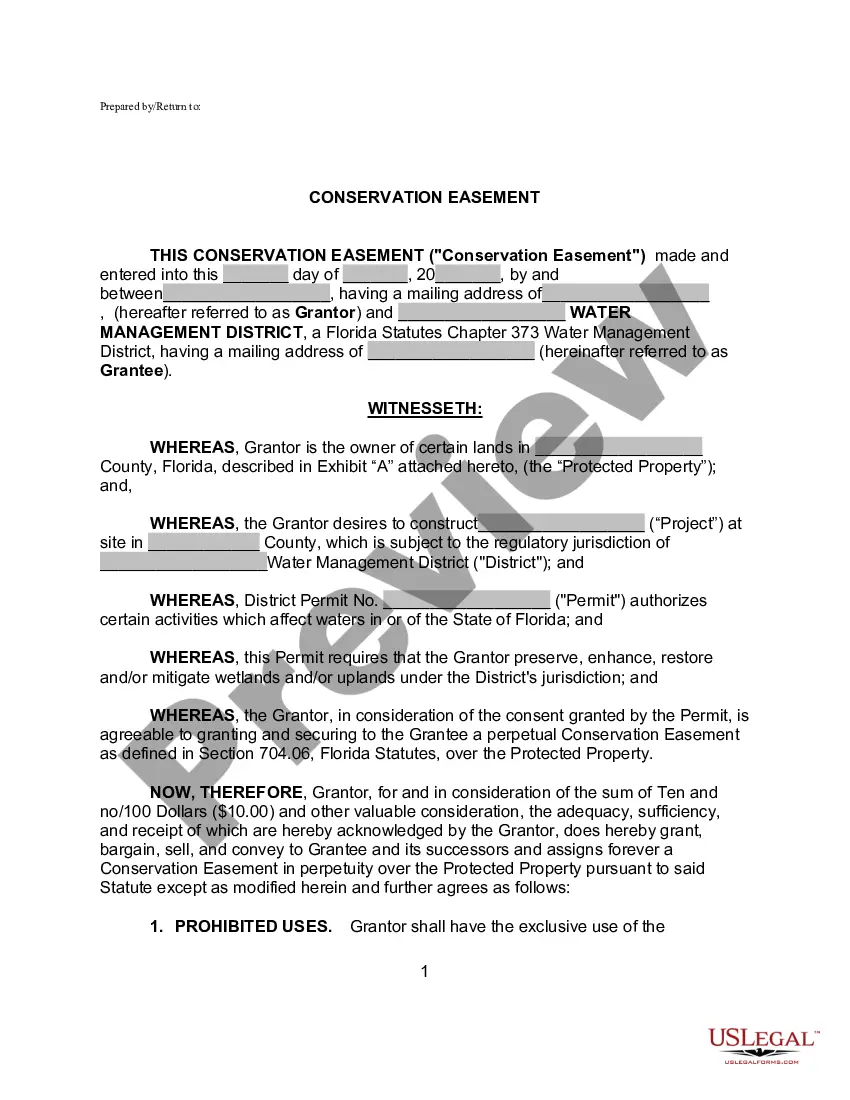
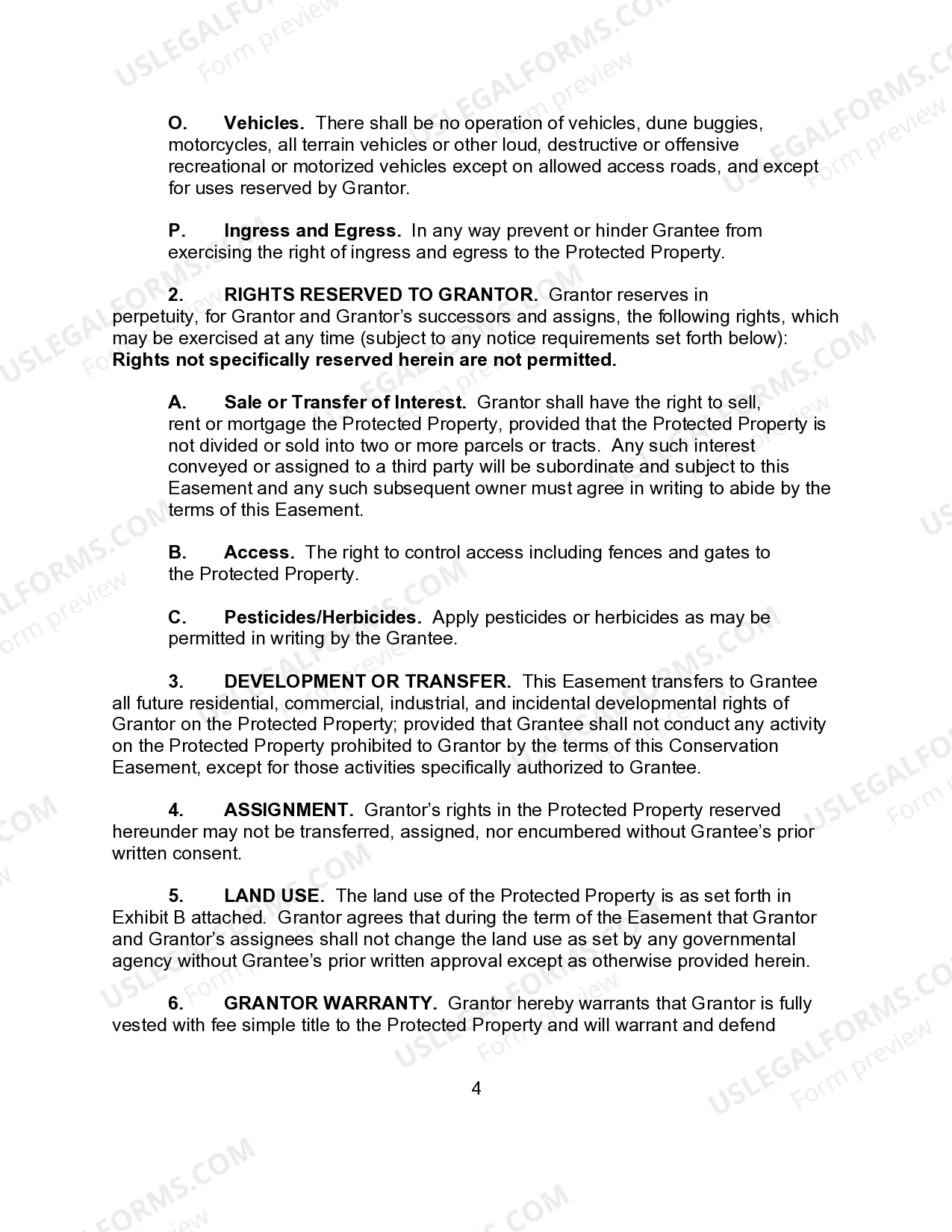
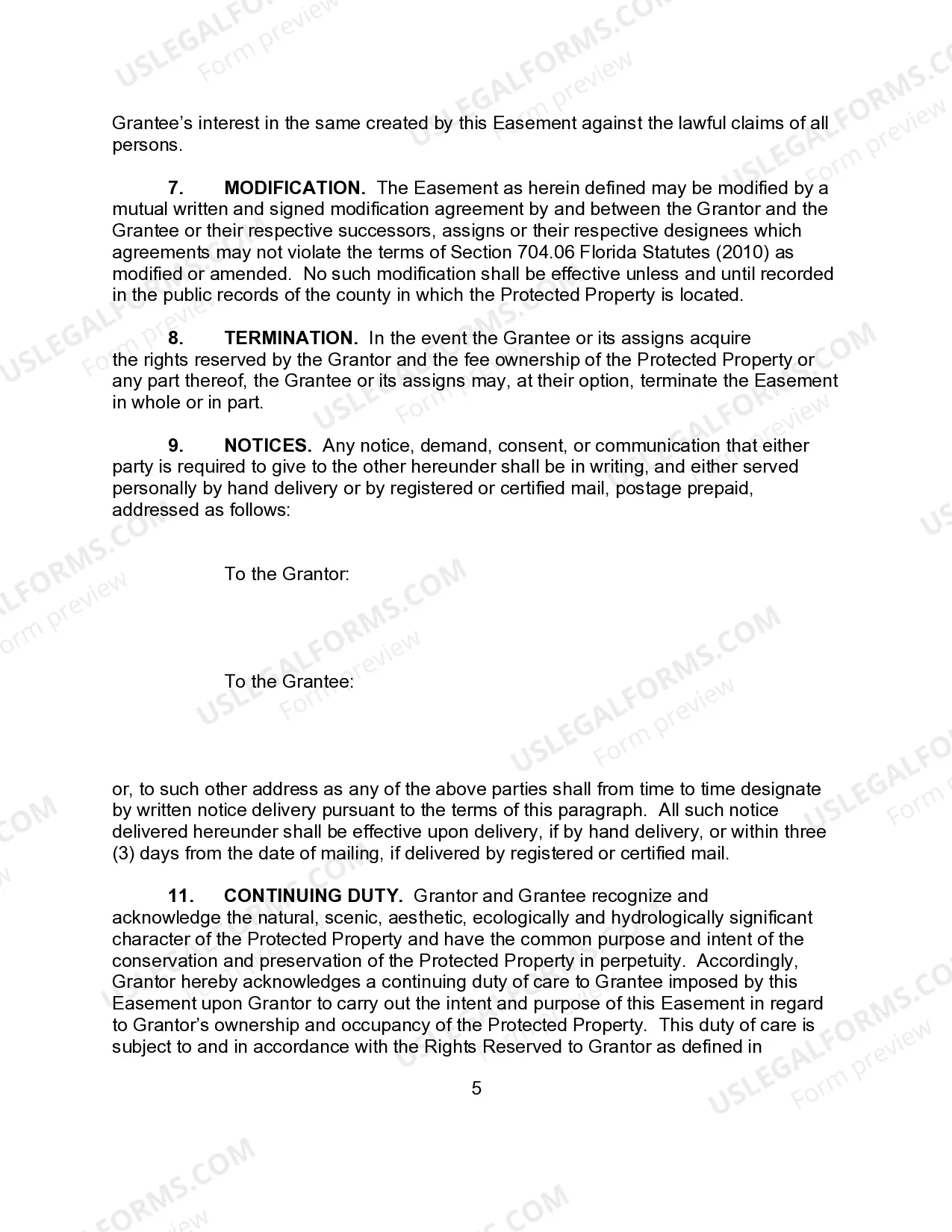
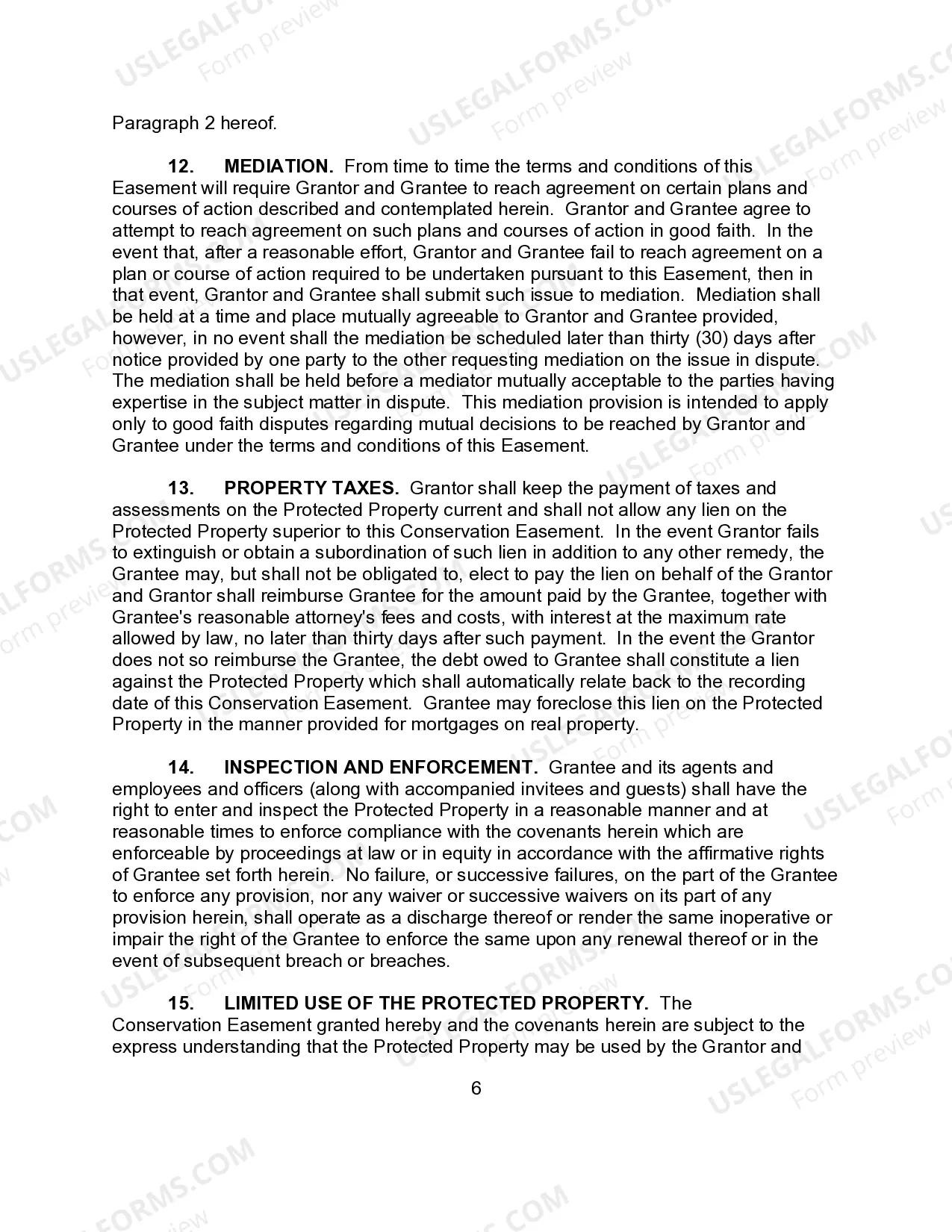
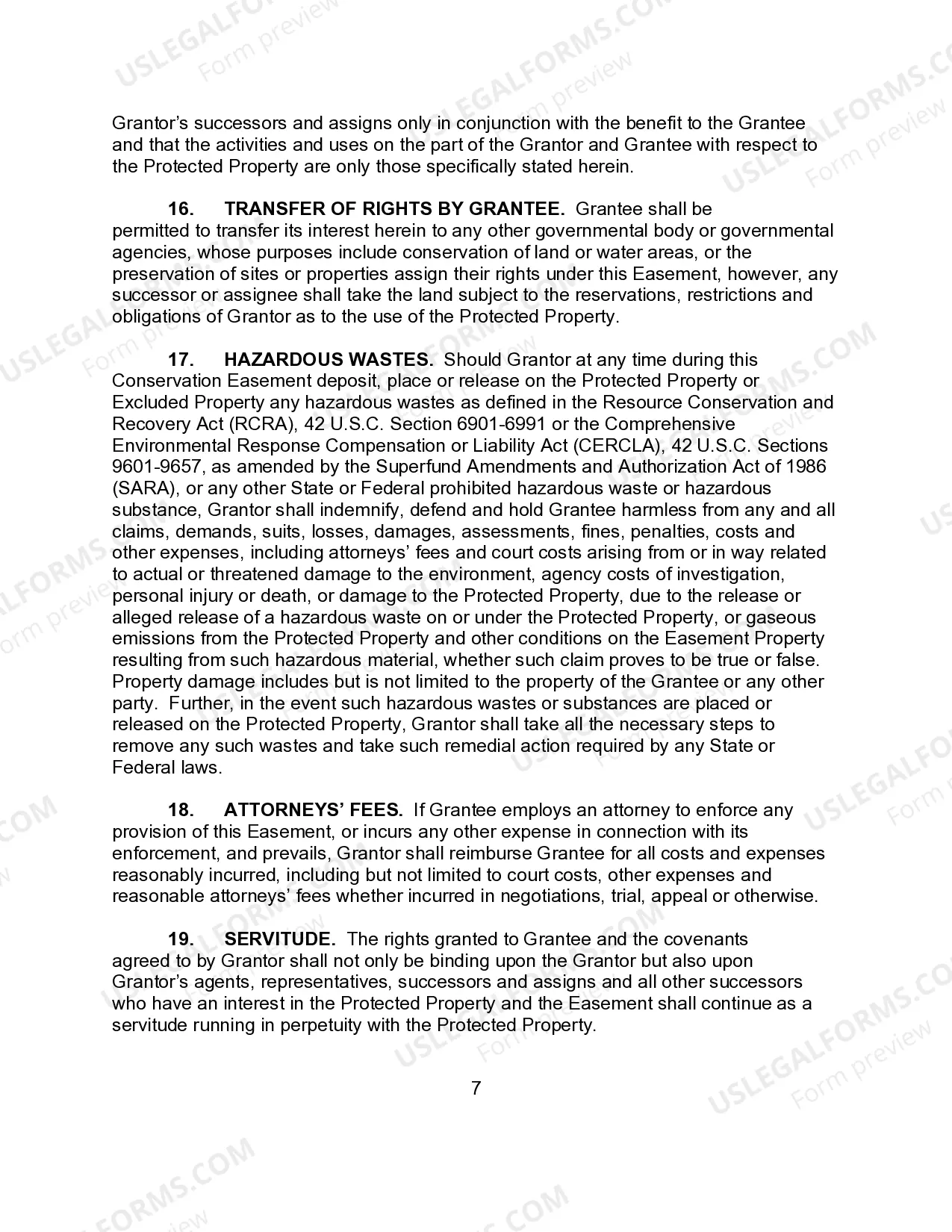
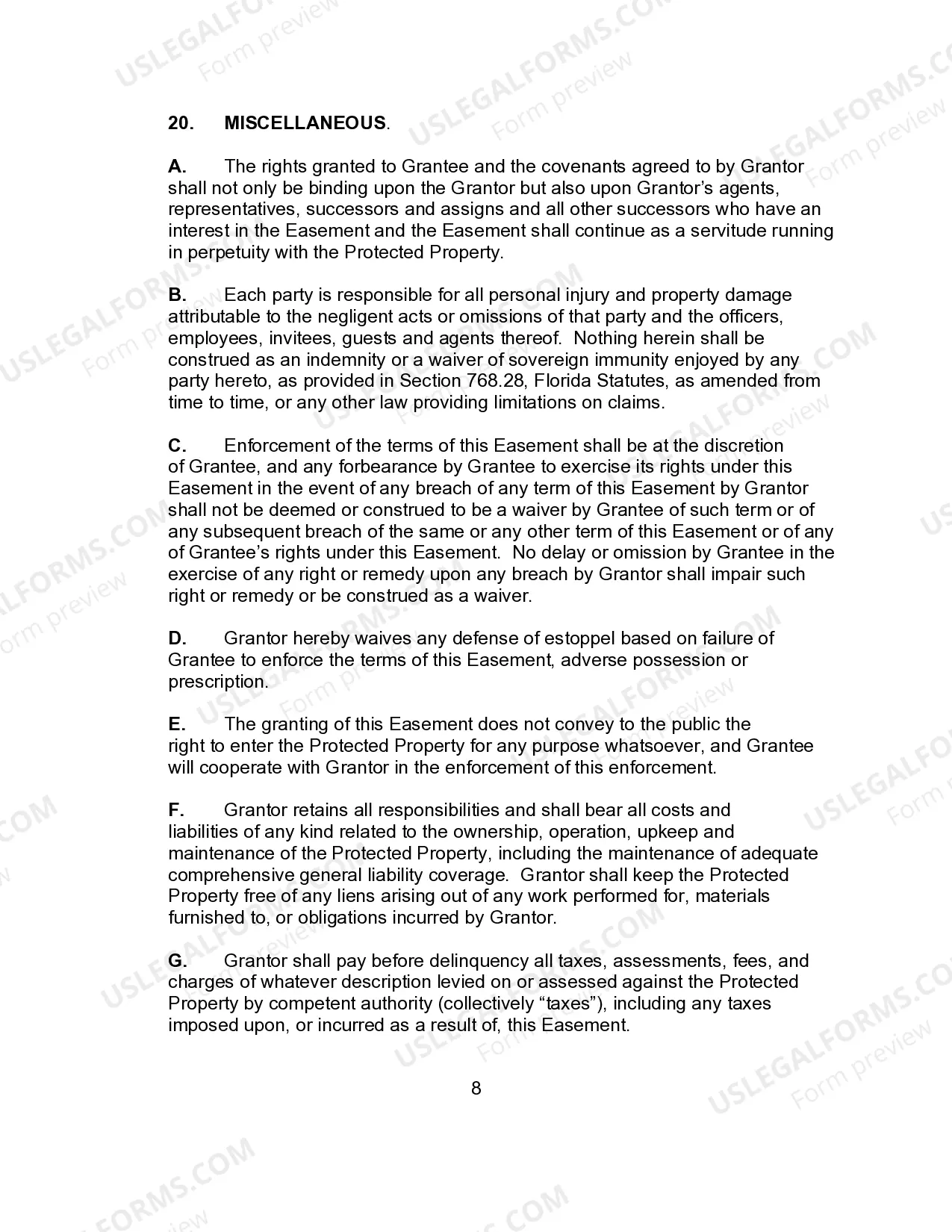
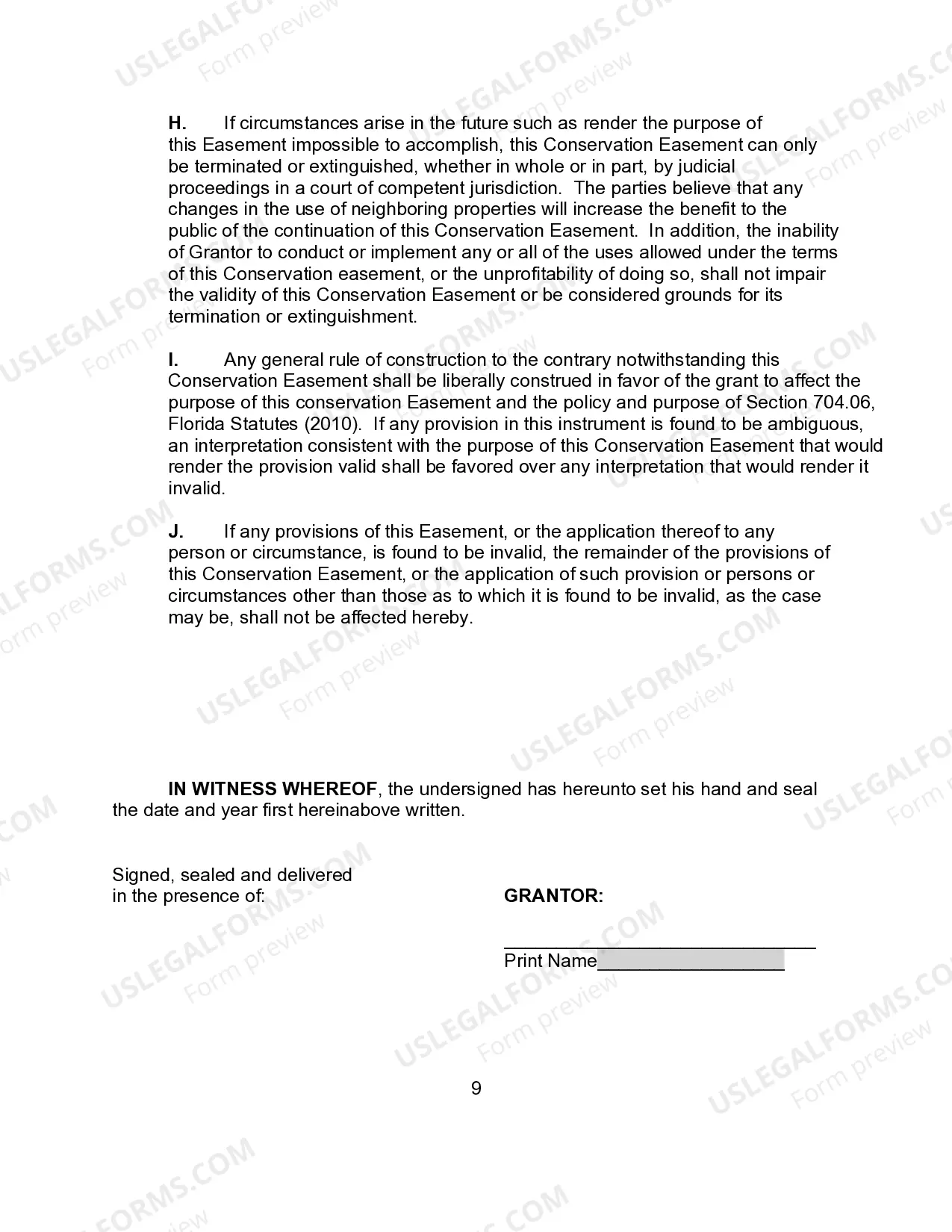
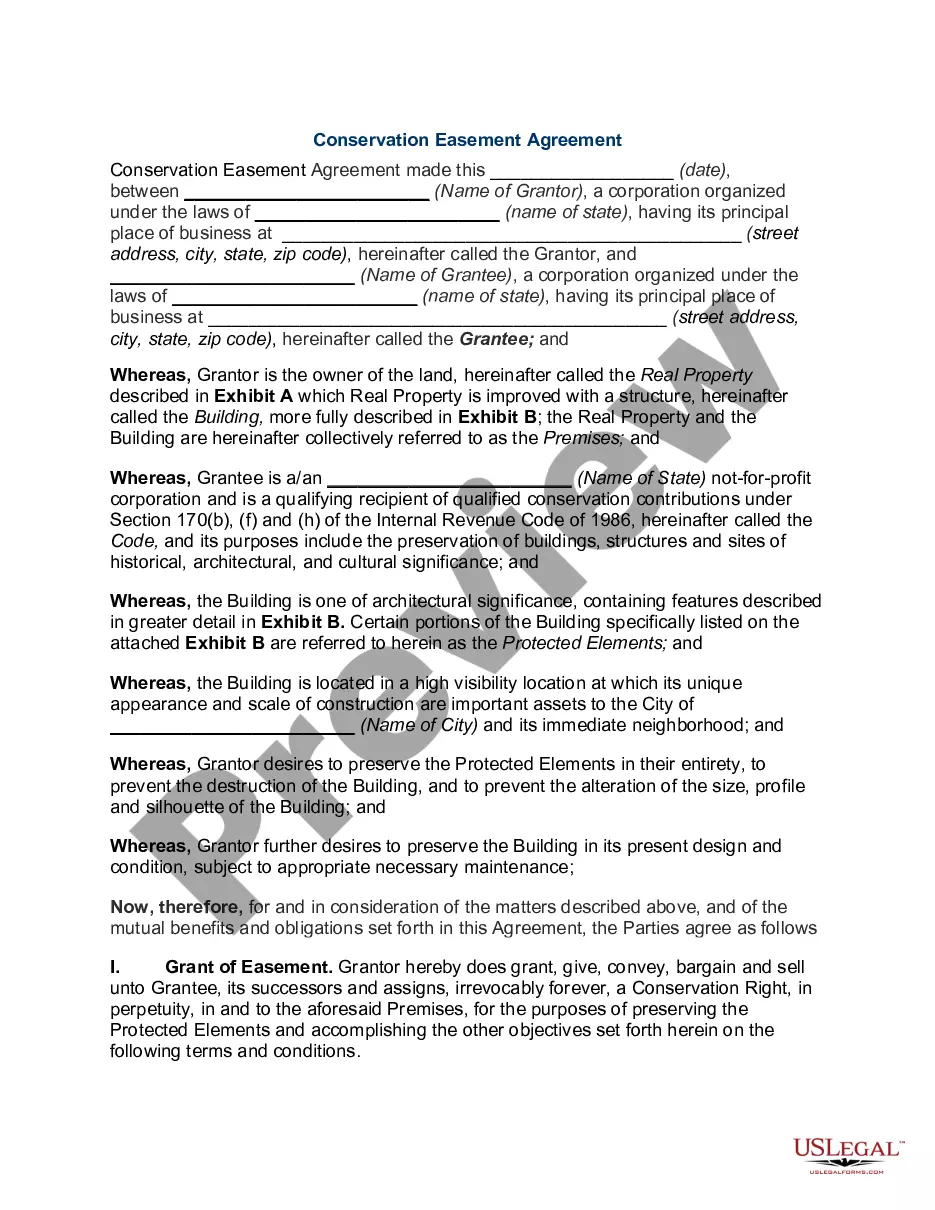
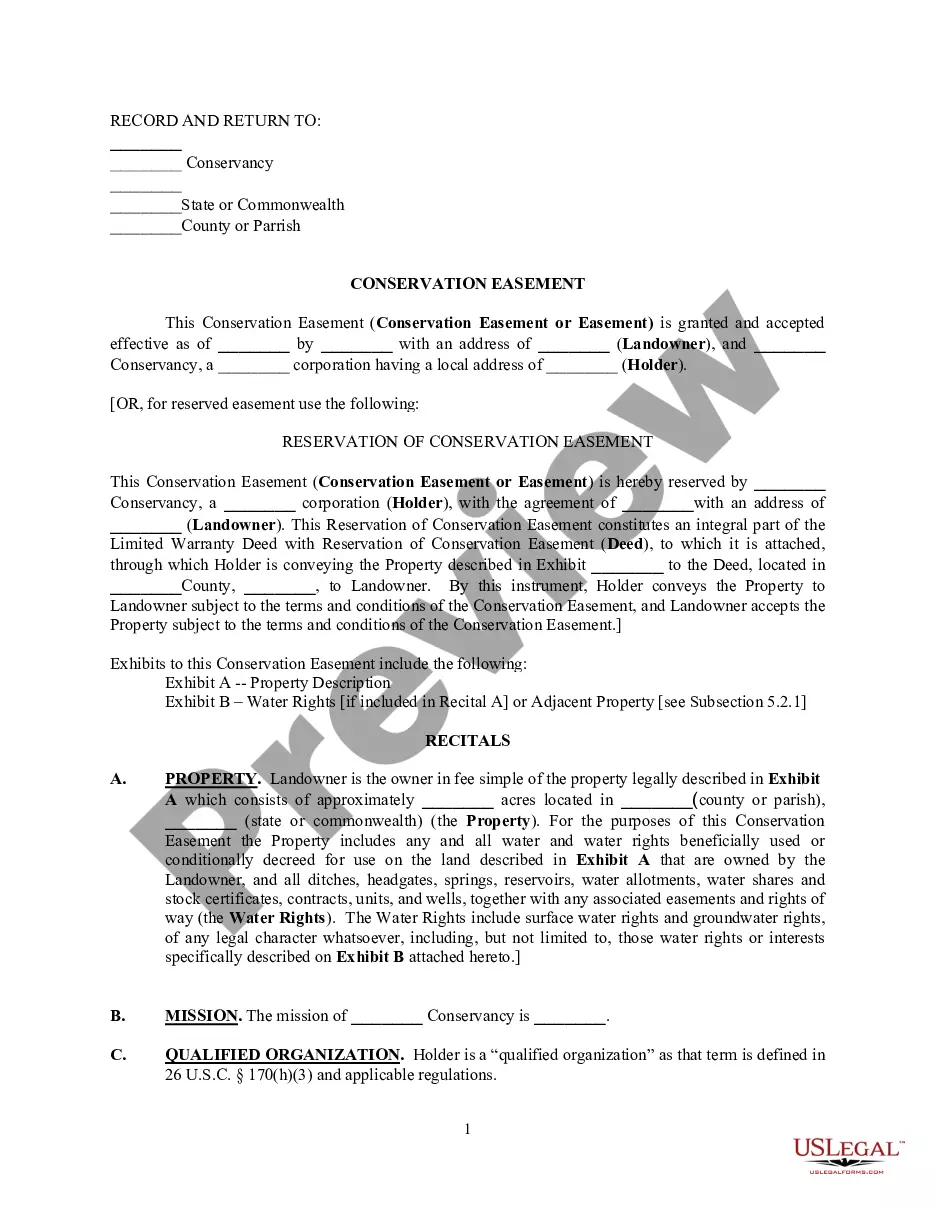
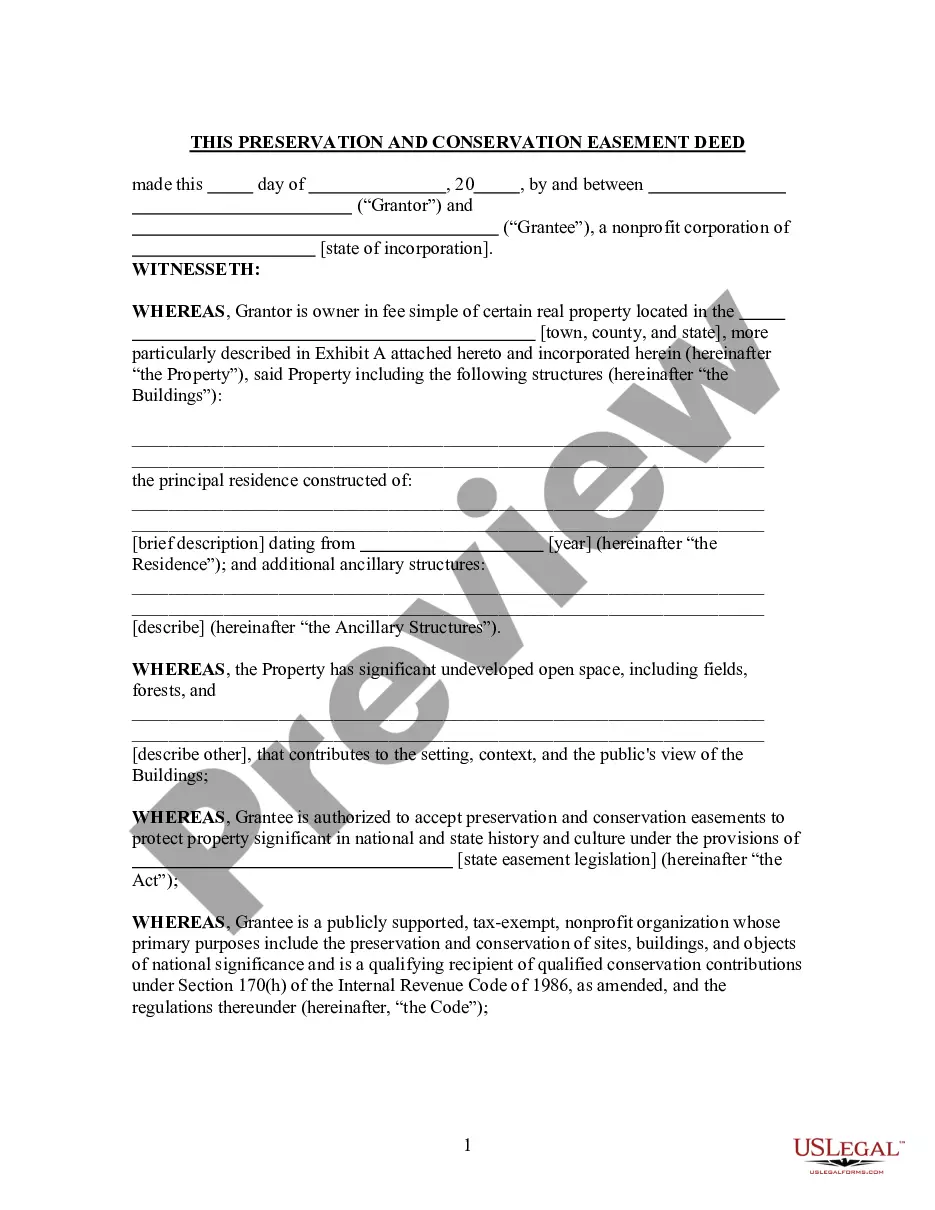
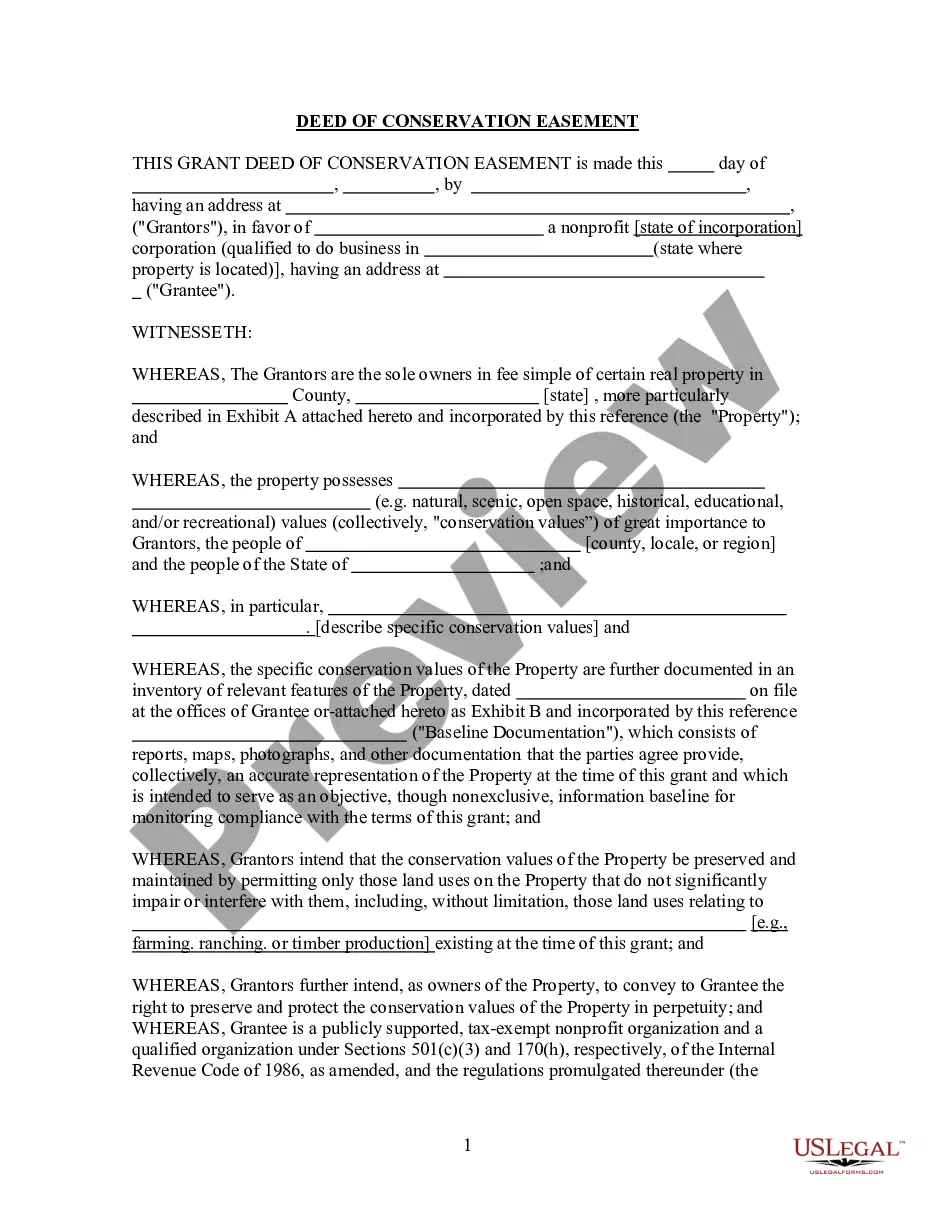
The Conservative Easement is a legal agreement that allows a landowner (the Grantor) to convey specific limited rights to another party (the Grantee) for the purpose of preserving land without transferring ownership. This form differs from other easements as it is specifically focused on conservation efforts, requiring the Grantor to protect the natural state of the land and ensure it is not harmed by development or contamination.
Key components of this form
- Identification of the Grantor and Grantee, defining their rights and responsibilities.
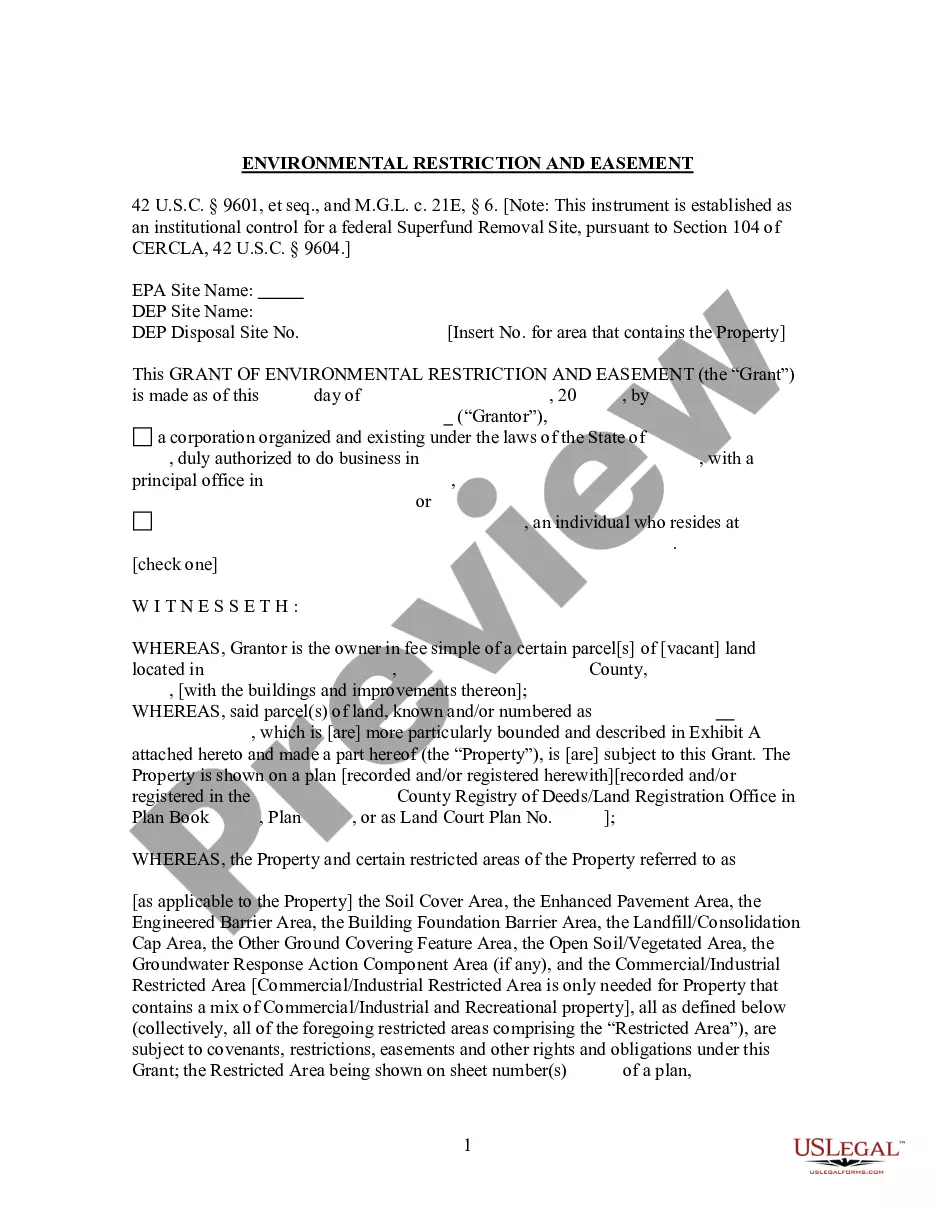
- Details of the Protected Property and the associated project requiring the easement.
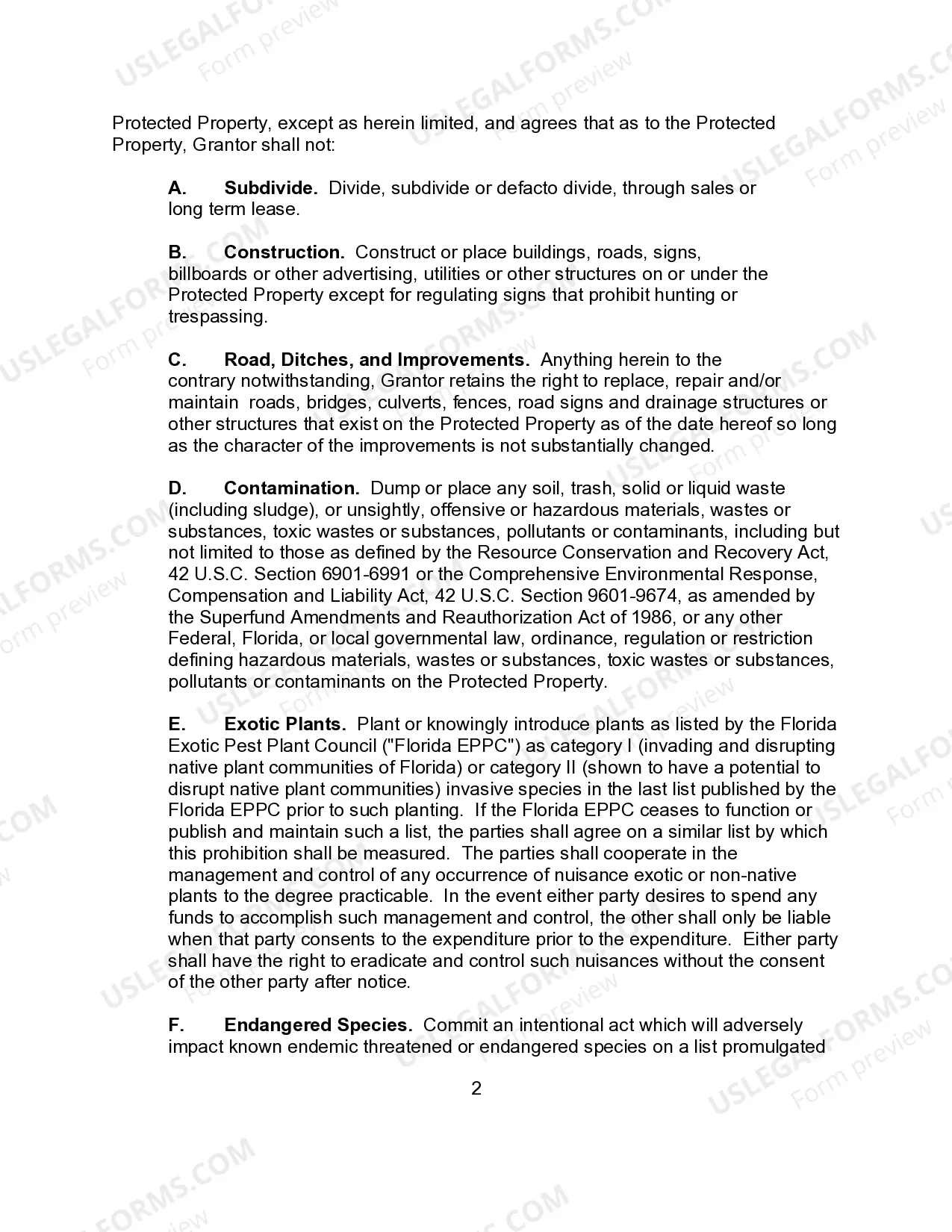
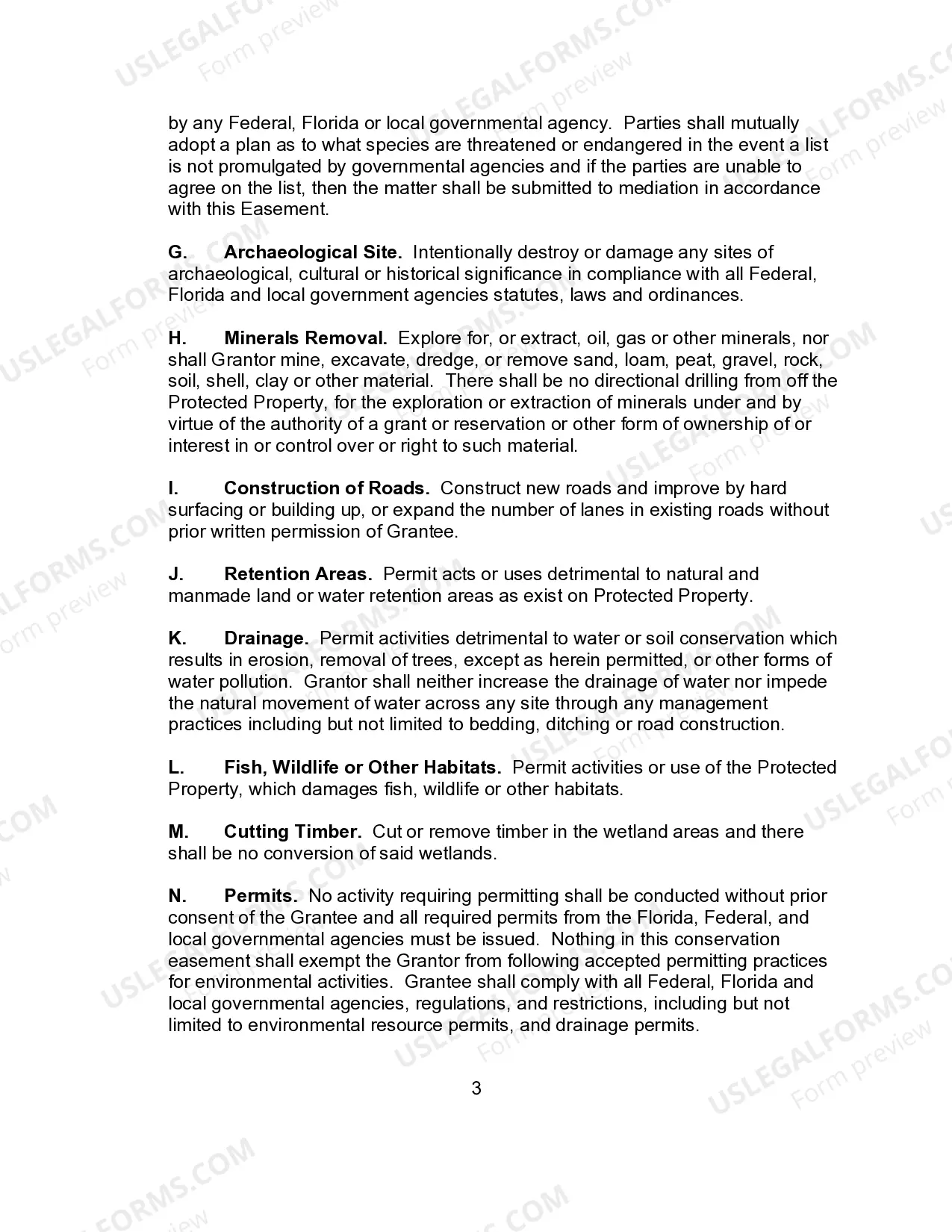
- Prohibited uses of the land which include construction, subdivision, and contamination.
- Rights reserved to the Grantor, including access and use of the property within specified limits.
- Terms regarding the modification, transfer, and termination of the easement.

When this form is needed
This form is used when a landowner wishes to formally establish a conservation easement on their property. Situations may include developing land for a specific project that requires environmental protection or when aiming to enhance the ecological value of a property while still retaining ownership. It's particularly relevant when a regulatory body mandates preservation actions as a condition for project approval.
Who this form is for
This form is intended for:
- Property owners looking to protect natural resources on their land.
- Developers or contractors who are required to preserve land as part of project permits.
- Nonprofit organizations or governmental bodies seeking conservation through easements.
- Land trusts wanting to ensure land remains undeveloped and preserved for future generations.
How to prepare this document
- Identify the parties: Enter the names and contact details of the Grantor and Grantee.
- Specify the property: Describe the Protected Property, including a legal description and attach as Exhibit A.
- Detail the project: Clearly define the project that necessitates the easement.
- List prohibited uses: Review and acknowledge the listed prohibited activities to protect the property's conservation status.
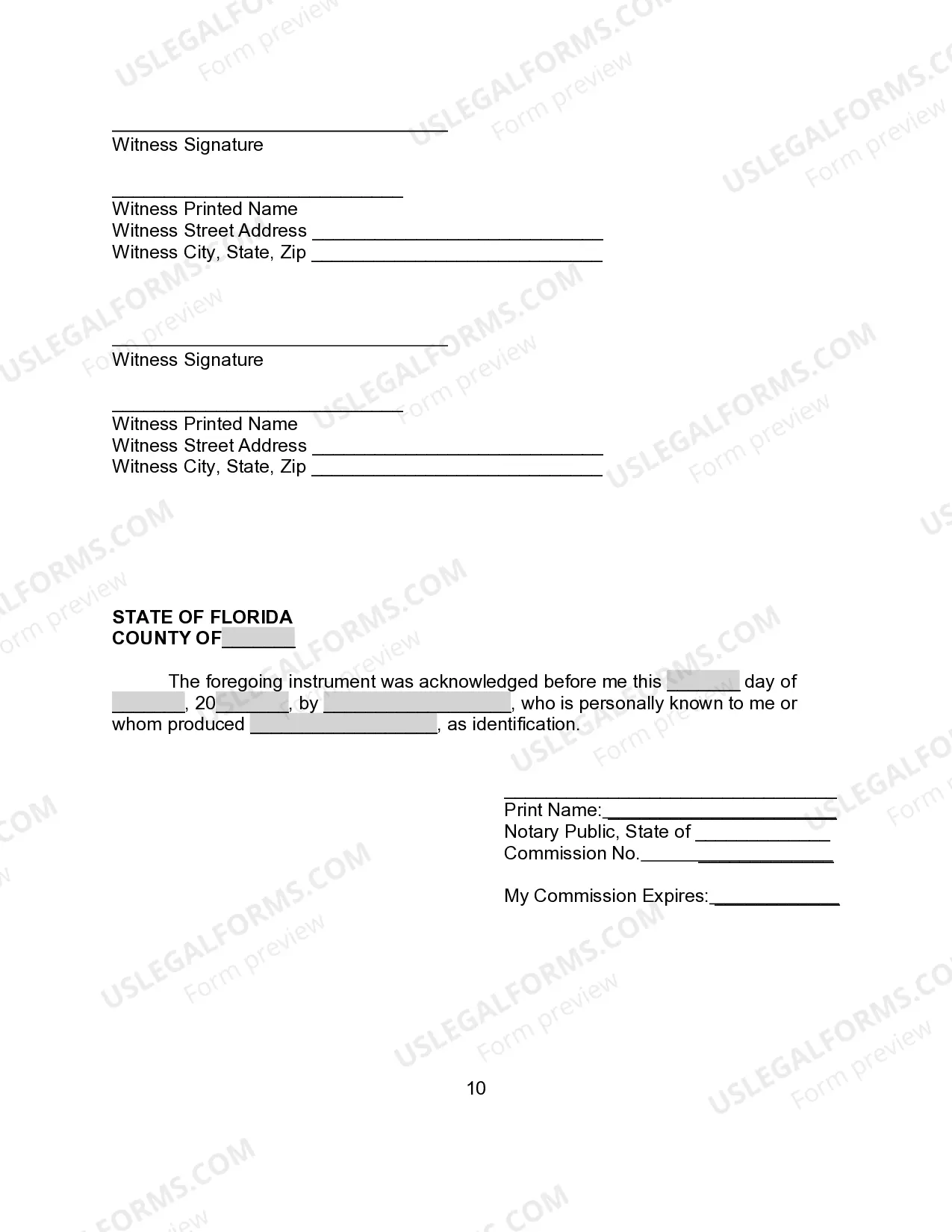
- Sign and date: Ensure all parties sign and date the agreement in the presence of a notary if required.
Notarization guidance
Yes, this form must be notarized to be legally valid. US Legal Forms provides integrated online notarization services, allowing you to complete your notarization through a secure video call, 24/7, without the need for travel.
Get your form ready online
Our built-in tools help you complete, sign, share, and store your documents in one place.
Make edits, fill in missing information, and update formatting in US Legal Forms—just like you would in MS Word.
Download a copy, print it, send it by email, or mail it via USPS—whatever works best for your next step.
Sign and collect signatures with our SignNow integration. Send to multiple recipients, set reminders, and more. Go Premium to unlock E-Sign.
If this form requires notarization, complete it online through a secure video call—no need to meet a notary in person or wait for an appointment.
We protect your documents and personal data by following strict security and privacy standards.

Make edits, fill in missing information, and update formatting in US Legal Forms—just like you would in MS Word.

Download a copy, print it, send it by email, or mail it via USPS—whatever works best for your next step.

Sign and collect signatures with our SignNow integration. Send to multiple recipients, set reminders, and more. Go Premium to unlock E-Sign.

If this form requires notarization, complete it online through a secure video call—no need to meet a notary in person or wait for an appointment.

We protect your documents and personal data by following strict security and privacy standards.
Avoid these common issues
- Not fully understanding prohibited uses or rights reserved which may result in unintended violations.
- Failing to provide a complete and accurate legal description of the property.
- Neglecting to have the document notarized if required by local law.
- Not reviewing state-specific laws that could affect the conservation easement's enforceability.
Why use this form online
- Convenient access: Download and complete the form at your convenience from anywhere.
- Editable format: Customize the form to meet your specific needs and circumstances.
- Expert drafting: Forms are prepared by licensed attorneys to ensure legal compliance.
- Time-saving: Skip lengthy legal consultations and obtain your easement quickly.
Looking for another form?
Form popularity
FAQ
Setting up a conservation easement in Florida involves planning and collaboration. Start by defining the land you wish to protect and its conservation goals, then consult with a land trust or legal expert with experience in Florida Conservative Easement laws. Draft a legal agreement that outlines the easement’s terms, and ensure proper documentation and recording with local authorities. Platforms like US Legal Forms can offer valuable resources to help you navigate this process smoothly.
To obtain a Florida Conservative Easement, you must first identify the specific property and the easement's intended purpose. Next, you can contact the landowner to discuss your proposal and negotiate terms. Once you reach an agreement, formally document the easement, and file it with the local county clerk's office. Using a platform like US Legal Forms can simplify this process by providing templates and guidance tailored to Florida's regulations.
To report a conservation easement in Florida, start by gathering all necessary documents that outline the easement's terms. You should contact your local land conservation organization or the Florida Department of Environmental Protection. They can provide guidance on the reporting process and help ensure compliance with Florida conservation easement regulations. If you need assistance, consider using the US Legal platform for easy access to related legal forms and resources tailored to Florida's conservation laws.
Easement laws in Florida provide a framework for how easements function and are enforced. These laws determine the rights of easement holders and how property owners can interact with easements on their land. Florida recognizes both express and implied easements, offering flexibility in property development. Understanding these laws is essential for anyone dealing with a Florida Conservative Easement.
To remove a conservation easement from your property in Florida, you must typically follow a legal process. This often involves negotiating with the easement holder or proving that the easement is no longer necessary or valid. In some instances, courts may also allow removal if the easement significantly harms the property’s value or use. Engaging with a legal professional can provide guidance on handling your Florida Conservative Easement effectively.
In Florida, a property owner cannot simply block a conservation easement without legal grounds. If the easement is properly established, it typically grants certain rights to the easement holder. However, property owners may challenge the easement in court if they can prove it was created under wrongful circumstances or if it violates state laws. Consulting a legal expert can help clarify your options regarding your Florida Conservative Easement.
In Florida, conservation easements work by allowing landowners to voluntarily limit the use of their land for conservation purposes. This legal agreement benefits both the landowner and the community by preserving the environment and promoting sustainable land use. Local governments and organizations often support these easements, providing potential tax incentives and financial assistance. Utilizing the US Legal Forms platform can simplify the process of understanding and creating a Florida Conservative Easement.
To put land into a Florida Conservative Easement, begin by assessing your property's suitability for protection. Next, engage a qualified attorney or a local conservation group to help draft the easement agreement, which outlines all permissible activities and restrictions. Once agreed upon, finalize the document and file it within public records. This process ensures your land’s environmental value is well-protected for future generations.
There are some downsides to consider when entering a Florida Conservative Easement. First, you may limit your property rights, as certain uses may not be allowed under the easement agreement. Additionally, valuation changes could affect your property's marketability and financial flexibility. It's essential to weigh these factors and discuss them with an expert to make an informed decision about conservation options.
A common example of a conservation easement is a landowner restricting future development on their property to maintain wildlife habitats or preserve scenic views. For instance, a property owner in Florida may agree to limit building activities on their farmland while allowing for agricultural operations. This balance enables landowners to enjoy financial incentives while encouraging environmental stewardship. This practice highlights the essence of the Florida Conservative Easement.