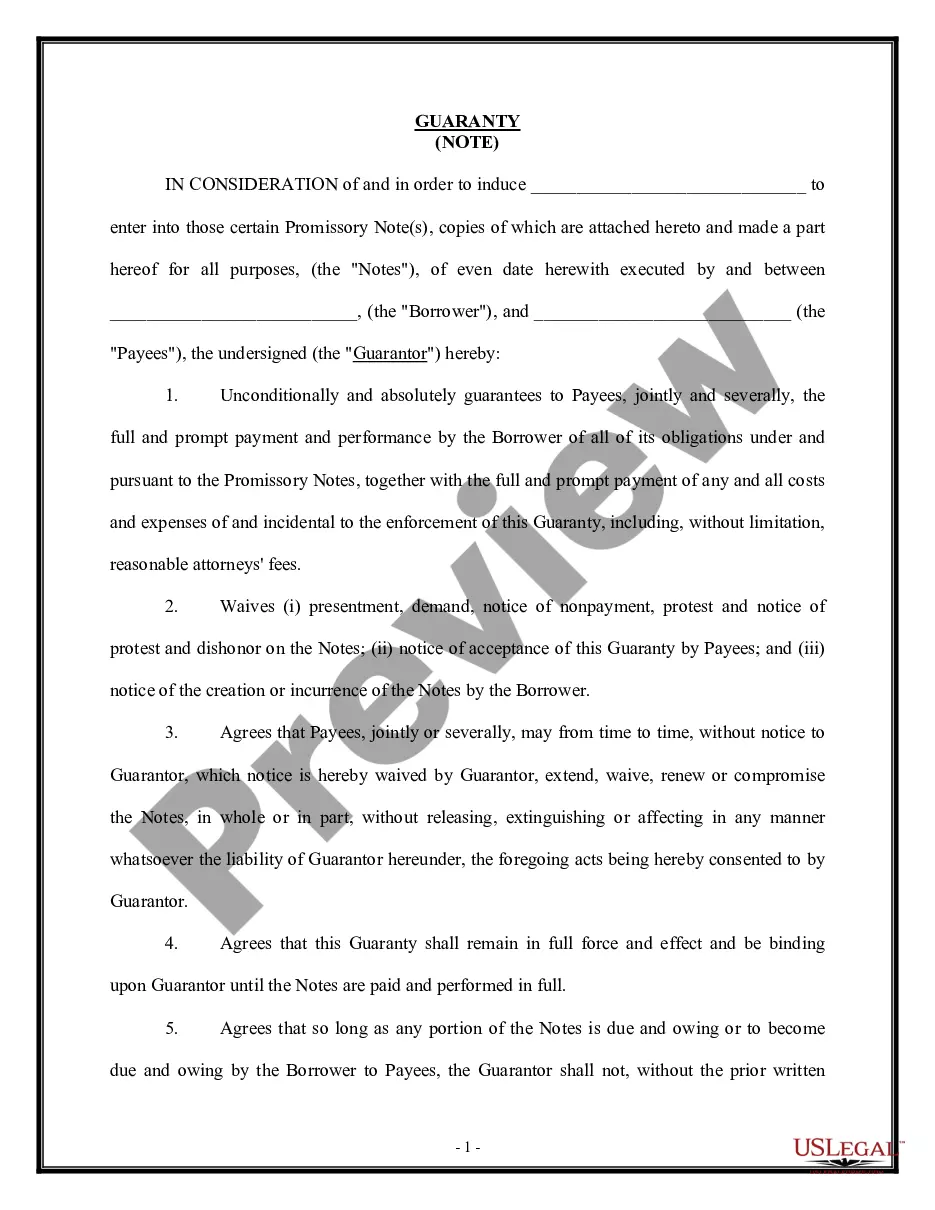
Florida Affidavit of Continuous Marriage - Deceased Spouse
About this form
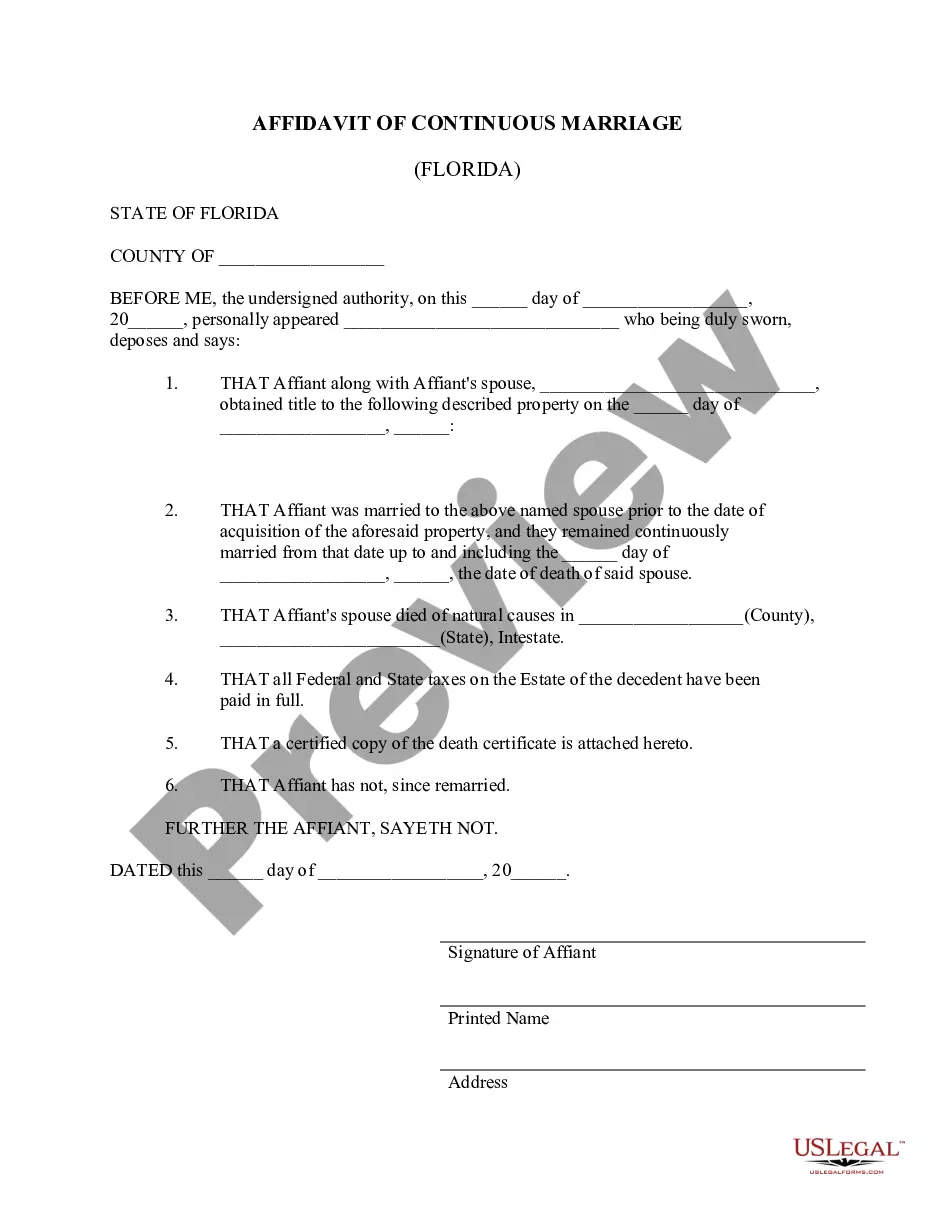
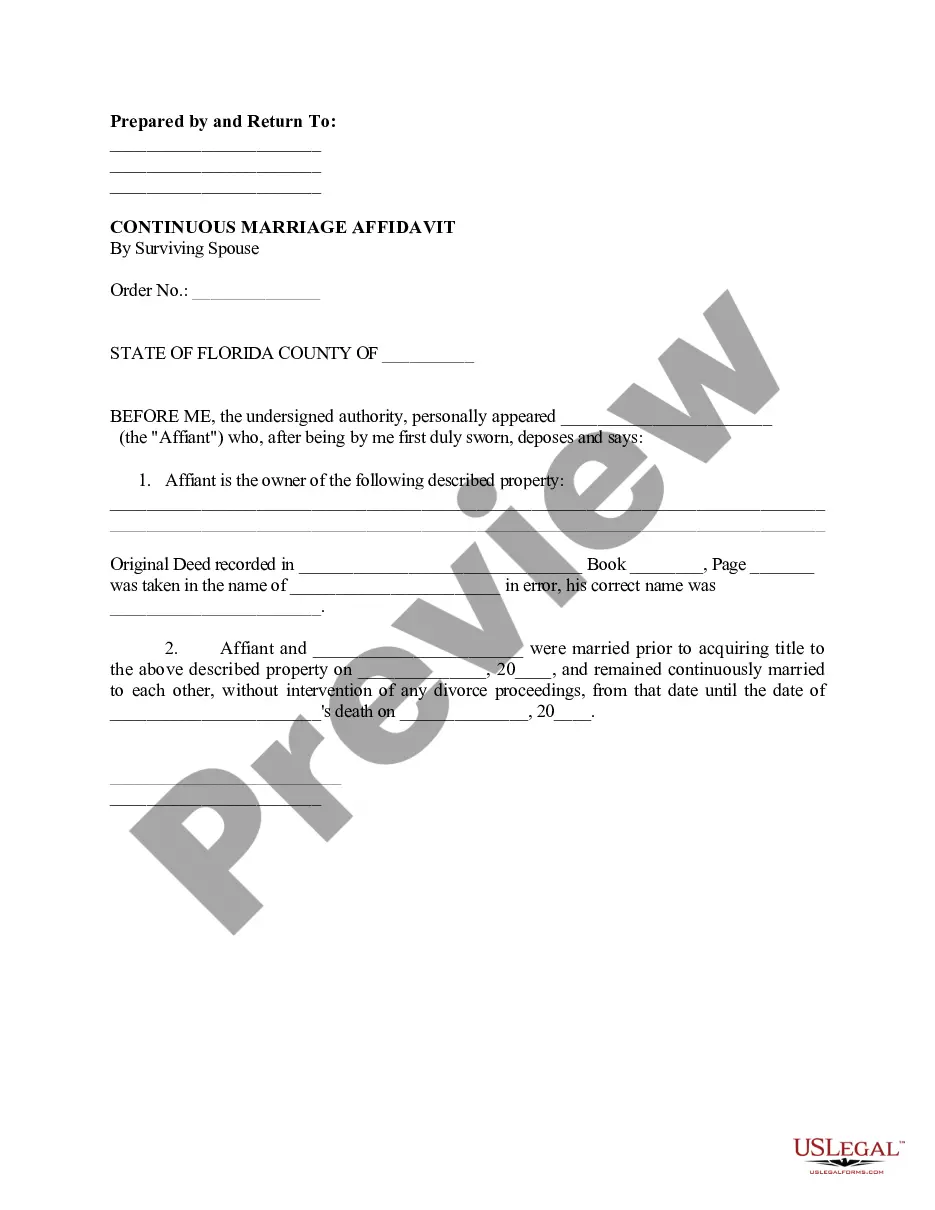
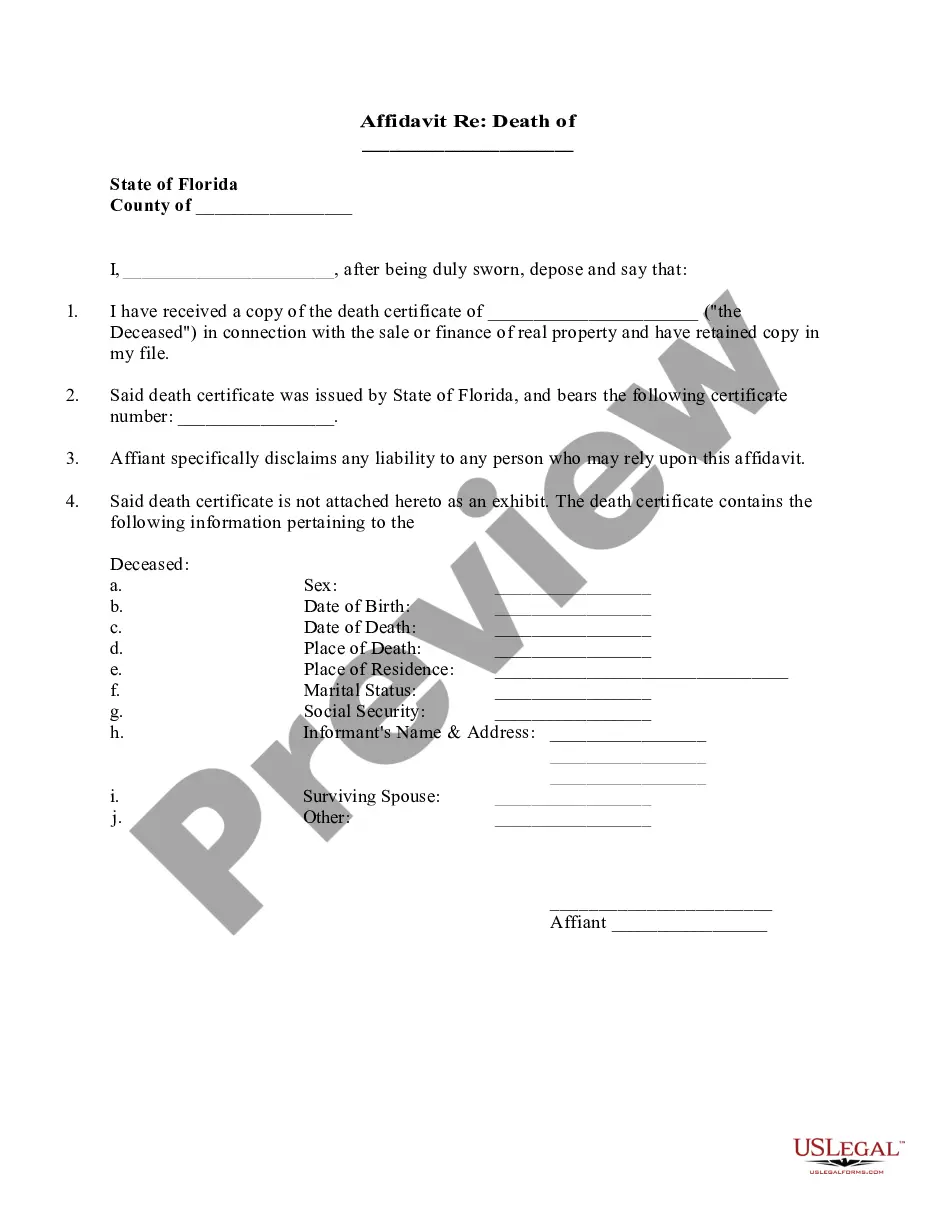
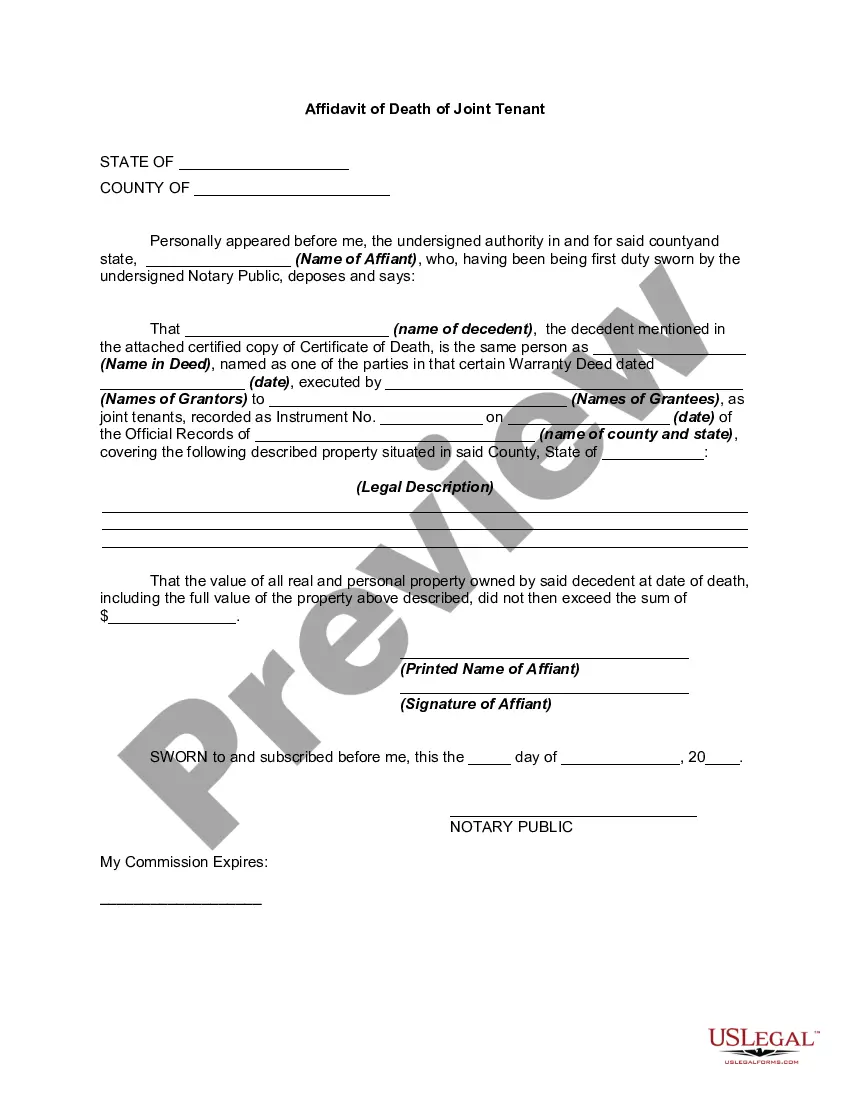
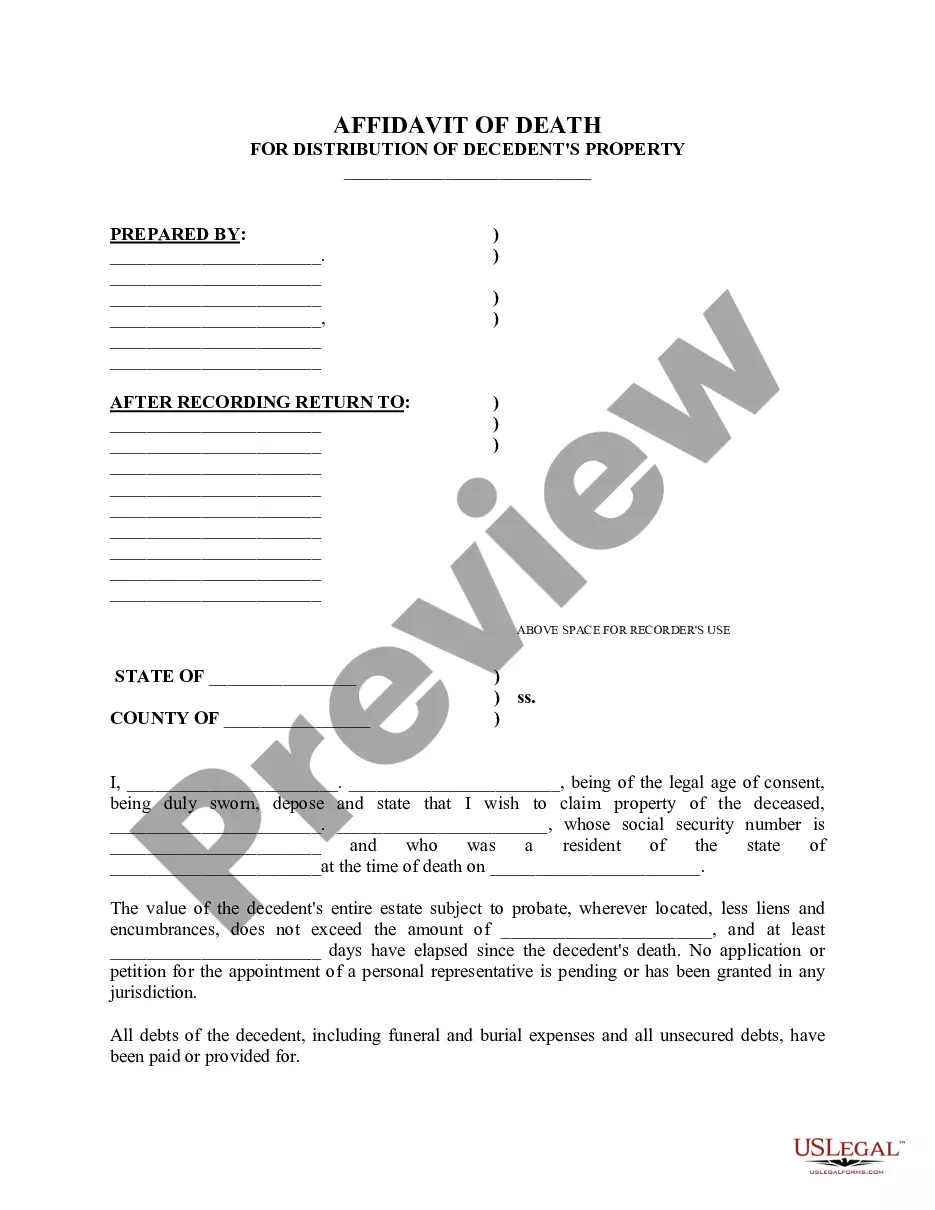
The Affidavit of Continuous Marriage - Deceased Spouse is a legal document used to affirm that a person was married continuously to a spouse who has passed away. This affidavit is essential for updating land titles to remove the deceased spouse's name while confirming that no remarriage has occurred since the spouse's death. Unlike other affidavits or estate documents, this form specifically addresses the continuous nature of the marriage at the time of the spouse's death.
Key components of this form
- A statement confirming the continuous marriage until the spouse's death.
- Details about the deceased spouse, including date and place of death.
- Certification that all related estate taxes have been paid.
- Attachment requirement for a certified copy of the death certificate.
- Affirmation that the affiant has not remarried since the spouse's death.
Situations where this form applies
This form should be used when an individual needs to update property records after the death of their spouse. It is particularly necessary when intending to remove the deceased spouse's name from land titles, ensuring that the property is legally recognized under the surviving spouseâs name only. This affidavit may be required during estate settlement processes, especially if the surviving spouse has not remarried.
Who needs this form
- Surviving spouses who need to remove a deceased spouse's name from property titles.
- Individuals handling the estate of a deceased spouse who died intestate.
- Recipients of inheritance who must prove the marriage's continuity for legal or tax purposes.
How to complete this form
- Identify the parties involved, including the affiant and details about the deceased spouse.
- Specify the date and location of the spouse's death.
- Confirm that all estate taxes have been settled and provide certification.
- Attach a certified copy of the death certificate to the affidavit.
- Sign the affidavit before a notary public, affirming the accuracy of the statements made.
Does this document require notarization?
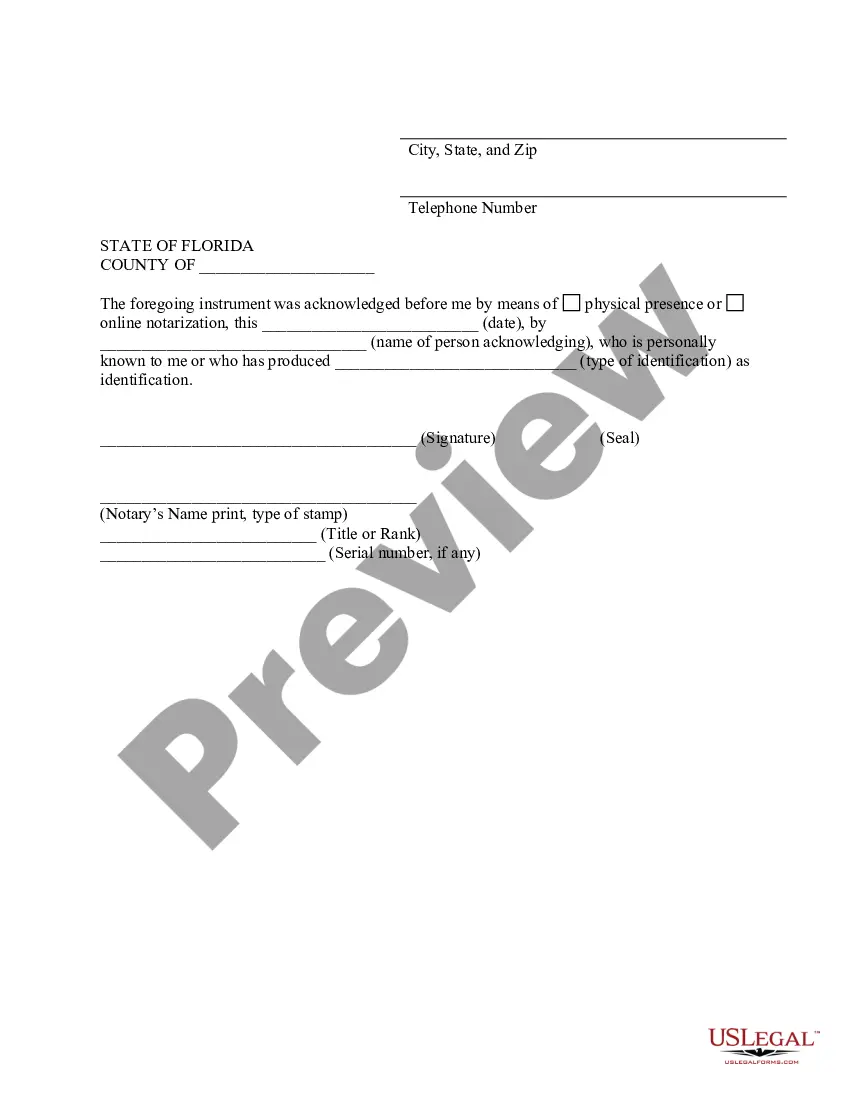
Yes, this form must be notarized to be legally valid. Notarization ensures that the document is authenticated and provides a layer of protection against fraud. US Legal Forms offers integrated online notarization services, allowing you to complete this process via a secure video call, available 24/7, eliminating the need for travel.
Get your form ready online
Our built-in tools help you complete, sign, share, and store your documents in one place.
Make edits, fill in missing information, and update formatting in US Legal Forms—just like you would in MS Word.
Download a copy, print it, send it by email, or mail it via USPS—whatever works best for your next step.
Sign and collect signatures with our SignNow integration. Send to multiple recipients, set reminders, and more. Go Premium to unlock E-Sign.
If this form requires notarization, complete it online through a secure video call—no need to meet a notary in person or wait for an appointment.
We protect your documents and personal data by following strict security and privacy standards.

Make edits, fill in missing information, and update formatting in US Legal Forms—just like you would in MS Word.

Download a copy, print it, send it by email, or mail it via USPS—whatever works best for your next step.

Sign and collect signatures with our SignNow integration. Send to multiple recipients, set reminders, and more. Go Premium to unlock E-Sign.

If this form requires notarization, complete it online through a secure video call—no need to meet a notary in person or wait for an appointment.

We protect your documents and personal data by following strict security and privacy standards.
Typical mistakes to avoid
- Failing to attach the certified copy of the death certificate.
- Not providing complete information about the deceased spouse.
- Neglecting to notarize the affidavit when required.
- Forgetting to confirm that all estate taxes have been paid.
- Misstating the date or place of death.
Benefits of using this form online
- Convenient access to legal forms from anywhere, at any time.
- Editability allows for personalized information to be entered easily.
- Reliable templates drafted by licensed attorneys ensure legal compliance.
- Quick download options for immediate use.
Main things to remember
- The Affidavit of Continuous Marriage is essential for removing a deceased spouse's name from property titles.
- Completing the form accurately is crucial to avoid common errors.
- Notarization may be required for the affidavit to have legal standing.
- This form adheres to Florida laws, ensuring compliance with state requirements.
Looking for another form?
Form popularity
FAQ
Writing an affidavit for proof requires you to state your name and the purpose of the affidavit clearly. Explain the facts or circumstances you are proving, and include specific details that support your case. Finally, ensure to sign the affidavit in front of a notary public for it to be legally recognized. For assistance, US Legal Forms provides various templates that cater to different affidavit needs.
To write a proof of marriage affidavit, include both spouses' names, the marriage date, and the location of the marriage ceremony. You must assert that you are legally married and provide supporting details, such as witnesses if applicable. Sign the document in front of a notary to enhance its credibility. If you want a reliable template, check out the resources offered by US Legal Forms.
When writing an affidavit for proof of relationship, begin with your name and the name of the person you are proving the relationship with. Clearly state how long you have known each other and describe the nature of your relationship. It’s important to affirm that your statements are true before signing in the presence of a notary. US Legal Forms offers templates that can help you get started on this affidavit.
A common law marriage affidavit typically includes the names of both parties, the date they began living together, and a statement acknowledging their intent to be married without a formal ceremony. This type of affidavit reinforces the validity of the relationship under common law practices. To create an effective document, use the resources available through US Legal Forms to ensure compliance with Florida laws.
To write an affidavit for marriage, start by clearly stating your name, the name of your spouse, and the purpose of the affidavit. Include details such as the date and location of the marriage, and affirm that you have been in a continuous marriage. Ensure to sign the affidavit in the presence of a notary public to validate it. If you need guidance, consider using US Legal Forms to simplify the process.
A Florida Affidavit of Continuous Marriage - Deceased Spouse is a legal document that verifies the existence of a continuous marital relationship up until the spouse's death. This affidavit serves as proof when settling estate matters or claiming benefits. It documents the duration of the marriage and confirms that no divorce occurred before death. You can use US Legal Forms to create this affidavit easily.
A continuous marriage affidavit in Florida is a declaration that verifies the ongoing status of a marriage, crucial for certain legal processes. This document is particularly important for benefits related to pensions, insurance claims, and estate matters. When dealing with a deceased spouse, this affidavit supports the claim for rights and assets that were shared during the marriage. Utilizing the Florida Affidavit of Continuous Marriage - Deceased Spouse can ensure that you address all pertinent aspects of your situation effectively.
An affidavit of surviving spouse is a legal document that confirms the identity of the surviving spouse after the death of their partner. This affidavit often states that the marriage was ongoing at the time of death, which can be particularly relevant in claims to property and assets. It helps streamline the process of transferring titles and claiming benefits. When filing, ensure you gather all necessary information related to your Florida Affidavit of Continuous Marriage - Deceased Spouse for a smooth experience.
In Florida, the right of survivorship ensures that when one co-owner of a property dies, their interest automatically transfers to the surviving co-owner. This type of ownership is commonly utilized in joint tenancies. It simplifies the transfer process and avoids probate delays. However, it’s essential to understand how this interacts with a Florida Affidavit of Continuous Marriage - Deceased Spouse for effective estate management.
The right of survivorship can limit your options when it comes to estate planning. For instance, if one spouse passes away, the surviving spouse automatically inherits the deceased spouse's share, which may not align with their wishes. This can lead to complications if there are children from previous relationships or other heirs involved. Understanding the implications of the right of survivorship is crucial, especially when considering a Florida Affidavit of Continuous Marriage - Deceased Spouse.