Florida Motion for Continuance in order to Continue Settlement Discussions and Notice of Motion
What is this form?
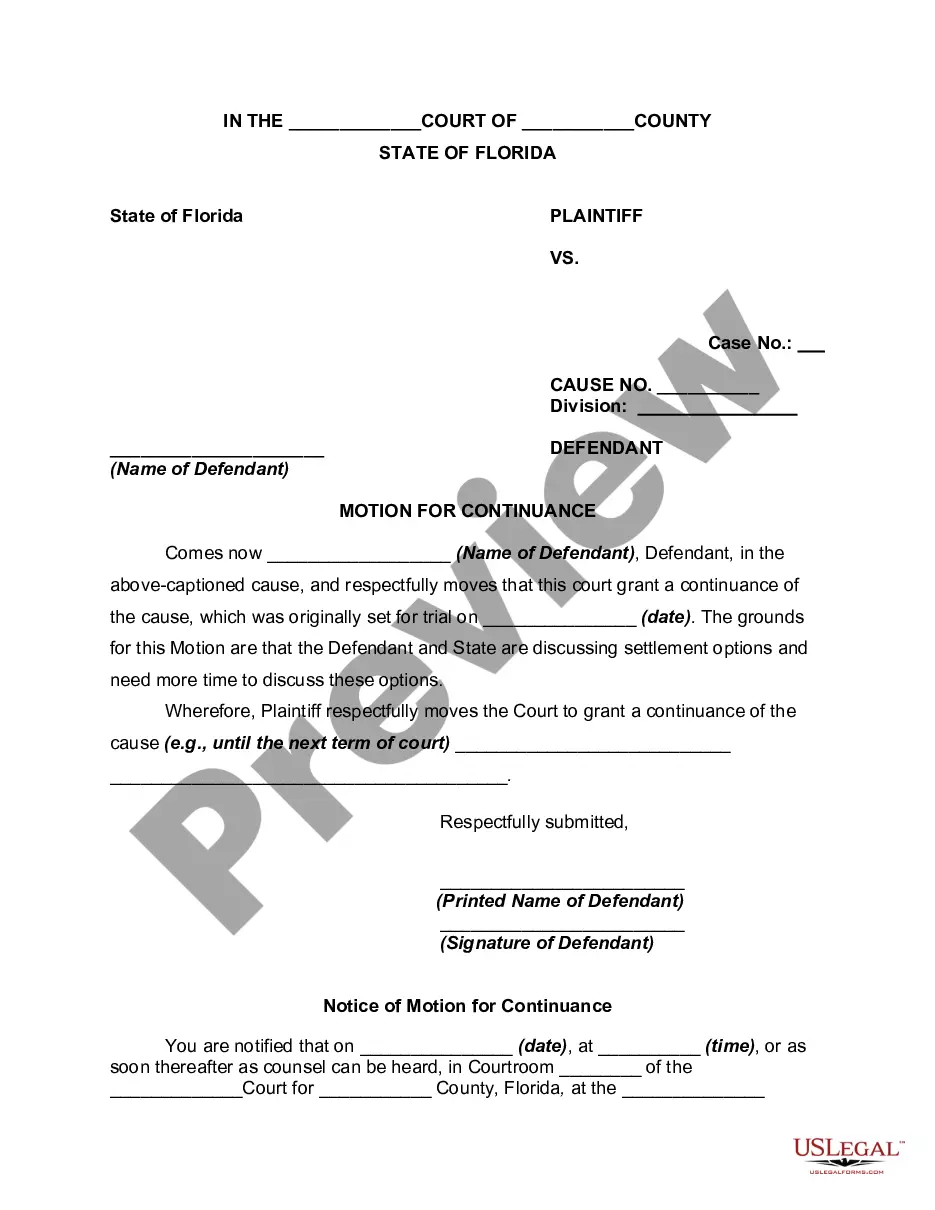
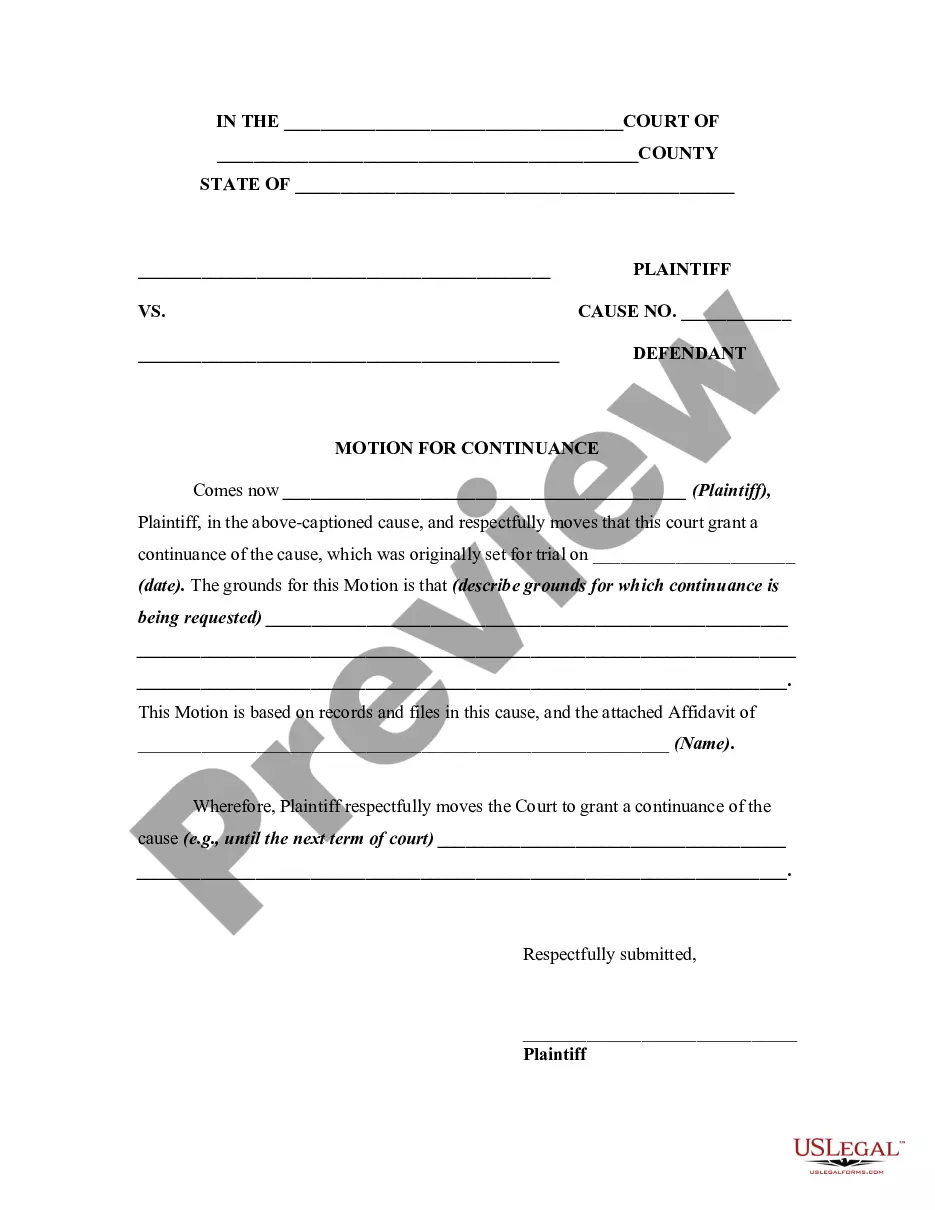
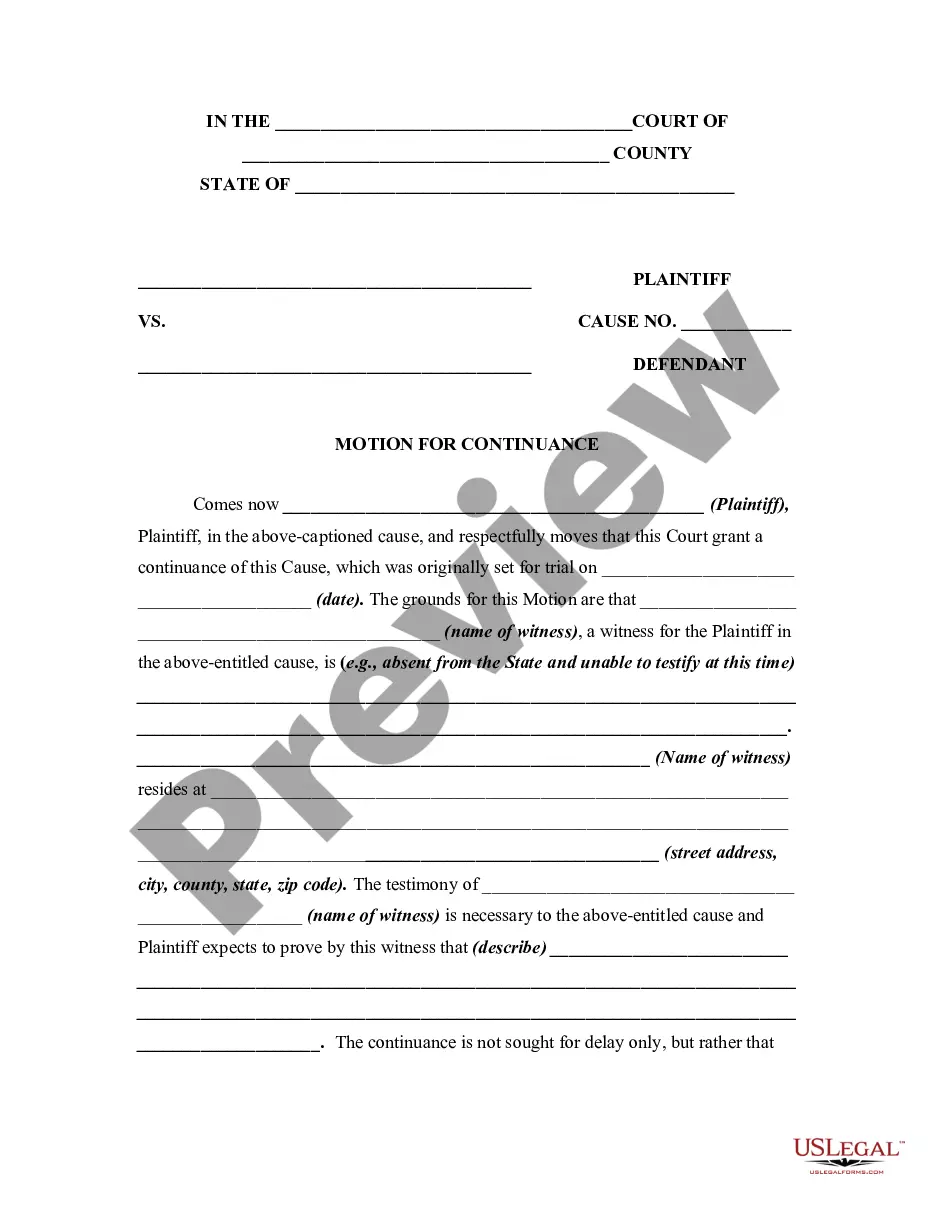
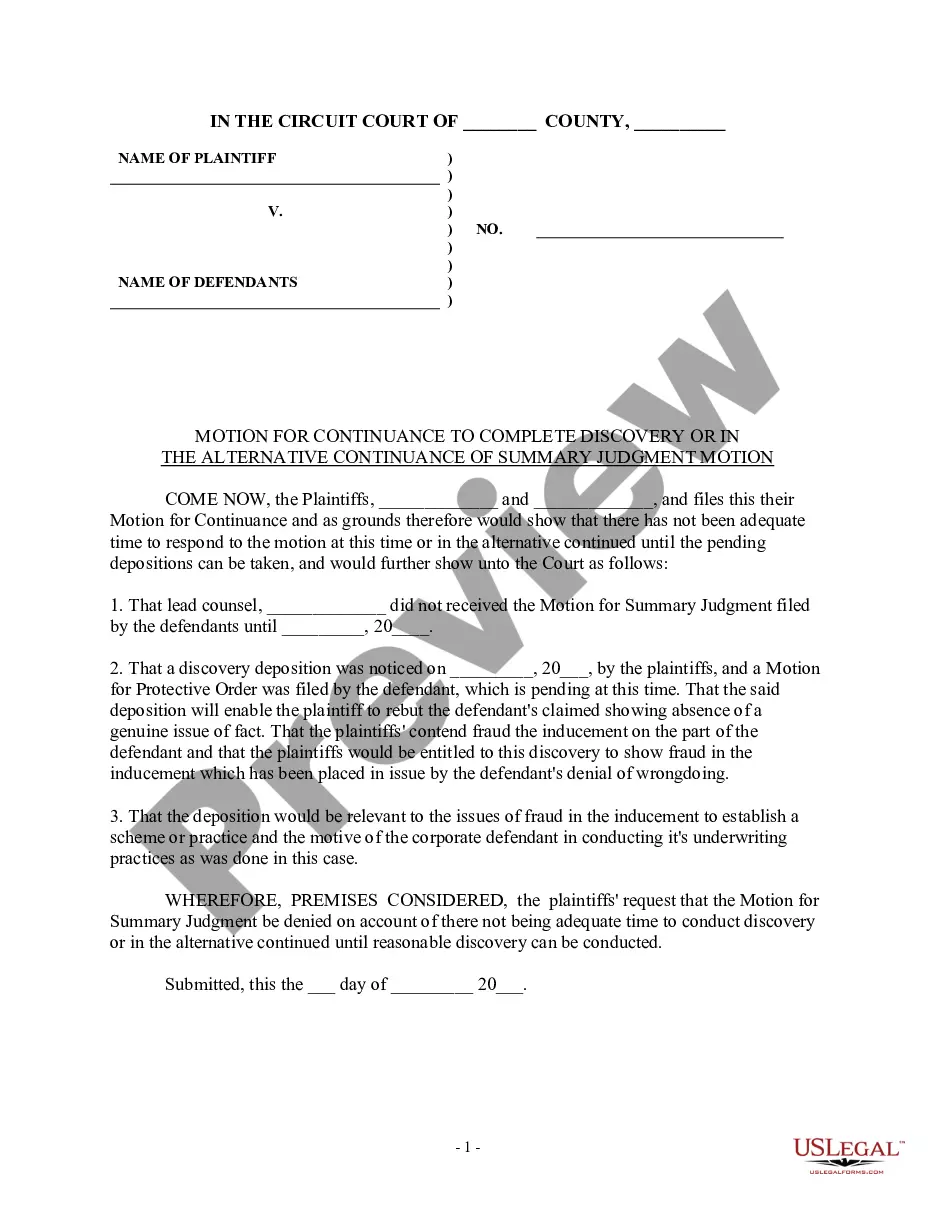
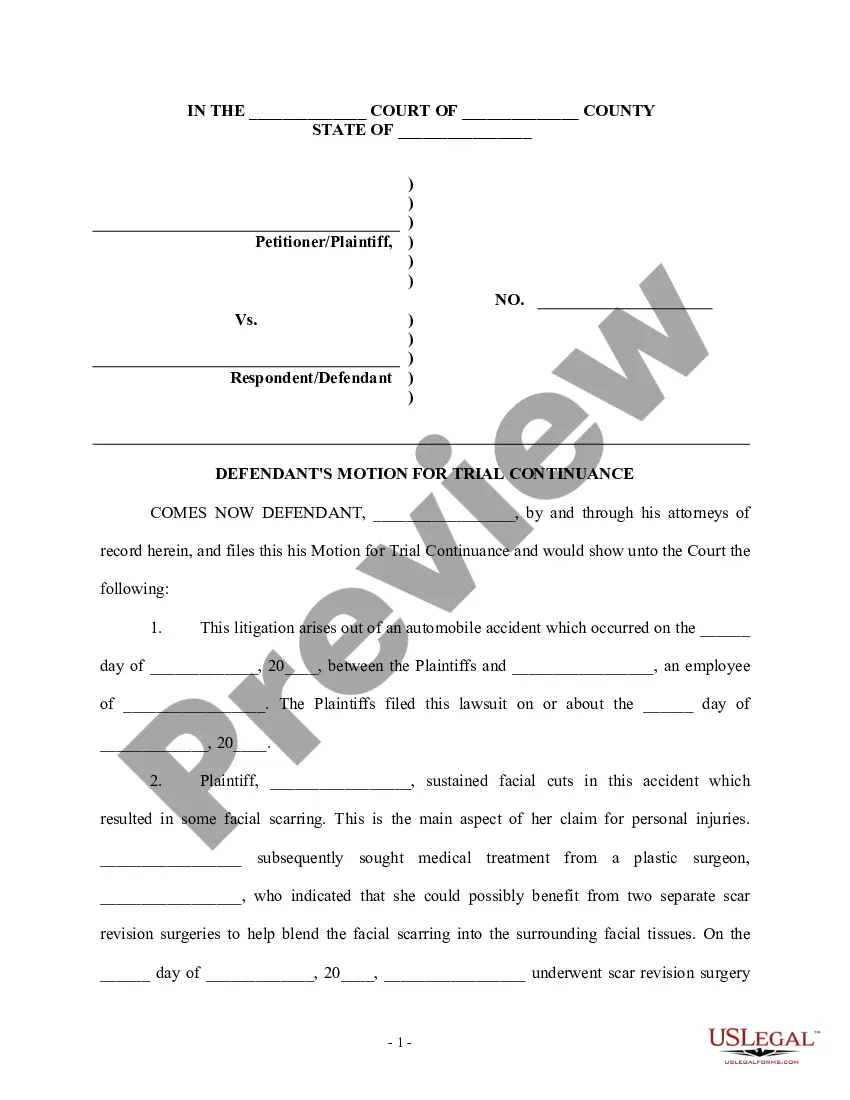
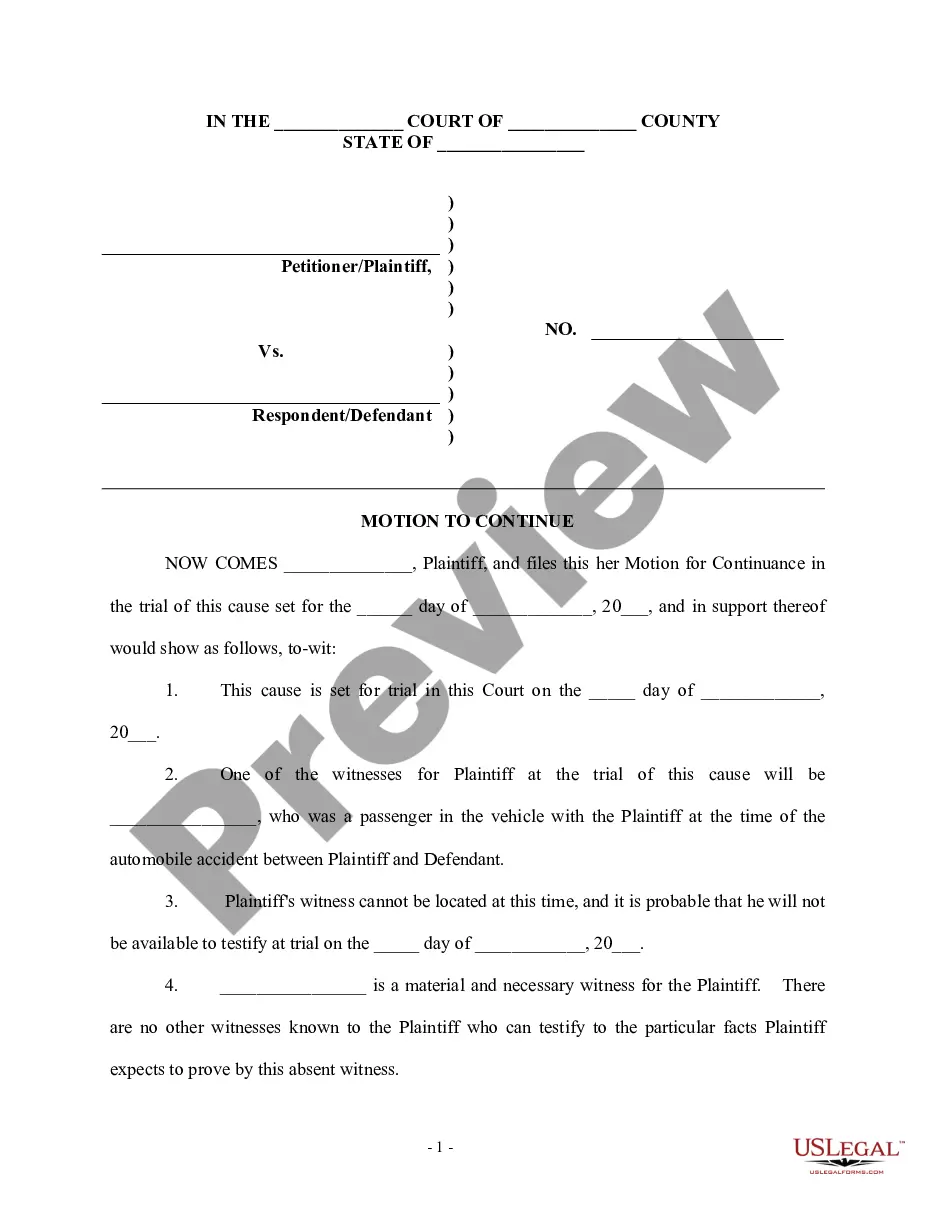
The Motion for Continuance is a legal document used to request a postponement of a trial, hearing, or other court appearance. This form is especially applicable when parties involved are negotiating settlement options and require additional time for discussions. Unlike other motions, this form highlights the parties' mutual need for more time, which can make it more favorable in the eyes of the court.
Main sections of this form
- Caption: Includes the name of the court, parties involved, and case number.
- Motion Statement: Details the request for a continuance and its grounds.
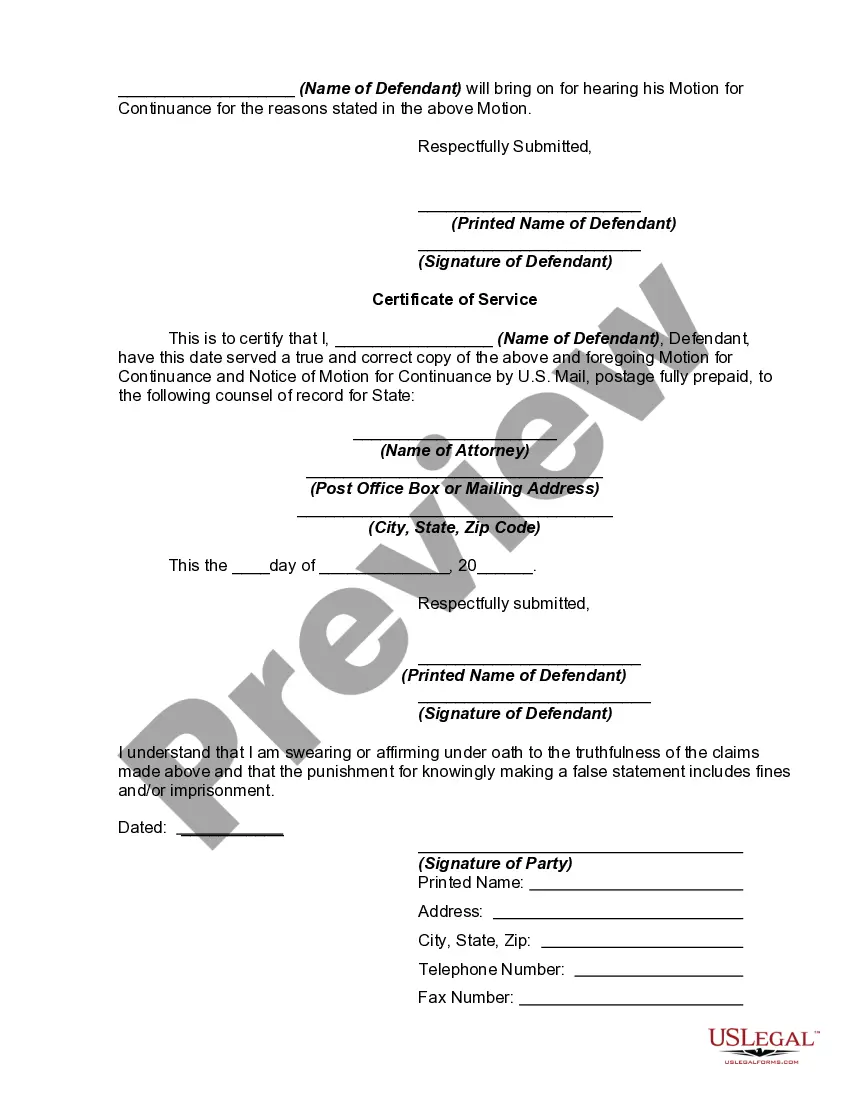
- Proposed Hearing Date: Specifies when the motion will be heard in court.
- Certificate of Service: Confirms delivery of the motion to the opposing party.
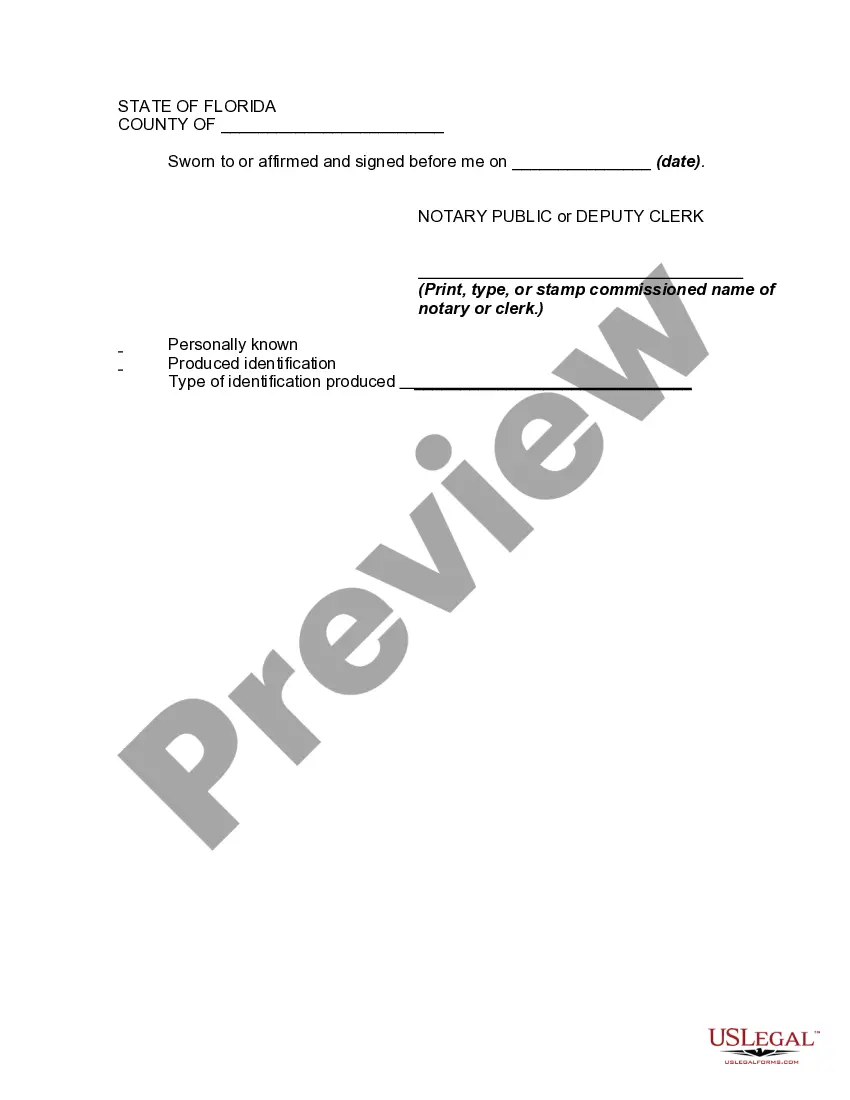
- Signature Section: Requires signatures of the defendant and any witnesses or notaries.
When to use this document
This form should be used when you need to delay a scheduled court appearance to allow more time for settlement discussions. It is applicable in scenarios where both parties agree on the need for additional time, or when one party seeks a delay for legitimate reasons. Common situations include ongoing negotiations where a resolution may be reached outside of litigation.
Who can use this document
- Defendants in a court case who are negotiating settlements with the opposing party.
- Parties involved in civil litigation in situations where additional discussion time is needed.
- Any party seeking an official postponement of a court date with valid reasoning.
How to complete this form
- Identify the parties: Fill in the names of the plaintiff and defendant accurately.
- State the reason for the continuance: Clearly articulate the reason for requesting more time for settlement discussions.
- Enter the original trial date: Specify the original date established for the trial or hearing.
- Propose a new date: Suggest a new date for the court appearance if possible.
- Sign and date the motion: Ensure that the defendant signs the motion and includes the date of signing.
Notarization requirements for this form
This document requires notarization to meet legal standards. US Legal Forms provides secure online notarization powered by Notarize, allowing you to complete the process through a verified video call, available 24/7.
Get your form ready online
Our built-in tools help you complete, sign, share, and store your documents in one place.
Make edits, fill in missing information, and update formatting in US Legal Forms—just like you would in MS Word.
Download a copy, print it, send it by email, or mail it via USPS—whatever works best for your next step.
Sign and collect signatures with our SignNow integration. Send to multiple recipients, set reminders, and more. Go Premium to unlock E-Sign.
If this form requires notarization, complete it online through a secure video call—no need to meet a notary in person or wait for an appointment.
We protect your documents and personal data by following strict security and privacy standards.

Make edits, fill in missing information, and update formatting in US Legal Forms—just like you would in MS Word.

Download a copy, print it, send it by email, or mail it via USPS—whatever works best for your next step.

Sign and collect signatures with our SignNow integration. Send to multiple recipients, set reminders, and more. Go Premium to unlock E-Sign.

If this form requires notarization, complete it online through a secure video call—no need to meet a notary in person or wait for an appointment.

We protect your documents and personal data by following strict security and privacy standards.
Common mistakes
- Failing to provide a valid reason for the continuance.
- Not including the correct case number or court information.
- Submitting the motion without obtaining the necessary signatures.
- Missing the deadline for filing the motion in court.
Benefits of using this form online
- Convenience: Access and complete the form anytime and anywhere.
- Editability: Modify the form as needed before finalizing it for submission.
- Reliability: Use templates drafted by licensed attorneys, ensuring compliance with legal standards.
Looking for another form?
Form popularity
FAQ
Yes, you can appear in court and request a continuance. However, it's essential to understand that the judge will evaluate your reasons for needing more time. A Florida Motion for Continuance in order to Continue Settlement Discussions and Notice of Motion is usually the formal way to make this request. Using a platform like US Legal Forms can assist you in preparing the necessary documents to support your motion effectively.
A judge may deny a Florida Motion for Continuance in order to Continue Settlement Discussions and Notice of Motion for several reasons. If the judge believes that the request lacks sufficient justification or if it seems like a delay tactic, they may reject it. Moreover, if the requested timing does not align with court schedules or if it adversely affects the opposing party, the judge is likely to deny the motion. Preparing a strong, well-founded motion is essential for increasing your chances of approval.
Good reasons for a continuance often include needing more time to gather evidence, the unavailability of key witnesses, or unexpected personal emergencies. These compelling reasons should be clearly outlined in your Florida Motion for Continuance in order to Continue Settlement Discussions and Notice of Motion. Additionally, if both parties agree to the delay, this can significantly strengthen your case for a continuance. Always ensure that your motion clearly communicates the necessity for more time.
When considering a Florida Motion for Continuance in order to Continue Settlement Discussions and Notice of Motion, several factors come into play. These include the complexity of the case, the availability of witnesses, and any unforeseen circumstances that may have arisen. The court also considers if granting the continuance would serve the interests of justice. A well-documented motion may increase the likelihood of approval.
After you file a Florida Motion for Continuance in order to Continue Settlement Discussions and Notice of Motion, the court will schedule a hearing date. During this hearing, both parties will present their reasons for and against the motion. Depending on the judge's discretion, they will decide whether to grant or deny the request. If granted, you can effectively have more time to prepare for the upcoming settlement discussions.
Writing a good legal motion requires clarity and structure in your arguments. When crafting a Florida Motion for Continuance in order to Continue Settlement Discussions and Notice of Motion, clearly outline your reasons and provide supporting facts. Use concise language, and adhere to the court's formatting rules. Consider using platforms like USLegalForms to access templates and guidance, which can streamline the process and enhance your filing's effectiveness.
The order on a motion for continuance is a court's decision granting or denying a request to delay a scheduled hearing or trial. In the context of a Florida Motion for Continuance in order to Continue Settlement Discussions and Notice of Motion, this order can facilitate additional time for parties to negotiate. Obtaining this order allows for a thoughtful approach to settlement, potentially leading to a resolution that benefits all involved. You can file a motion with the appropriate notice, ensuring all parties are informed.
To request a continuance in Florida, you must typically file a motion with the court that includes your reasons and supporting documentation. Make sure to adhere to the local rules regarding formatting and timelines for filing. A well-prepared Florida Motion for Continuance in order to Continue Settlement Discussions and Notice of Motion can significantly increase the chances of your request being granted.
The continuance rule in Florida entails specific guidelines that govern how and when a motion for continuance can be filed. Generally, parties must show good cause and provide documented reasons for their request. Understanding the nuances of the Florida Motion for Continuance in order to Continue Settlement Discussions and Notice of Motion will help ensure compliance with court requirements.
In Florida, a good cause for continuance may include personal emergencies, scheduling conflicts, or the need for more time to prepare. When filing a Florida Motion for Continuance in order to Continue Settlement Discussions and Notice of Motion, it's important to substantiate the request with appropriate evidence or documentation. Courts recognize various valid reasons, but the rationale must clearly communicate urgency and necessity.