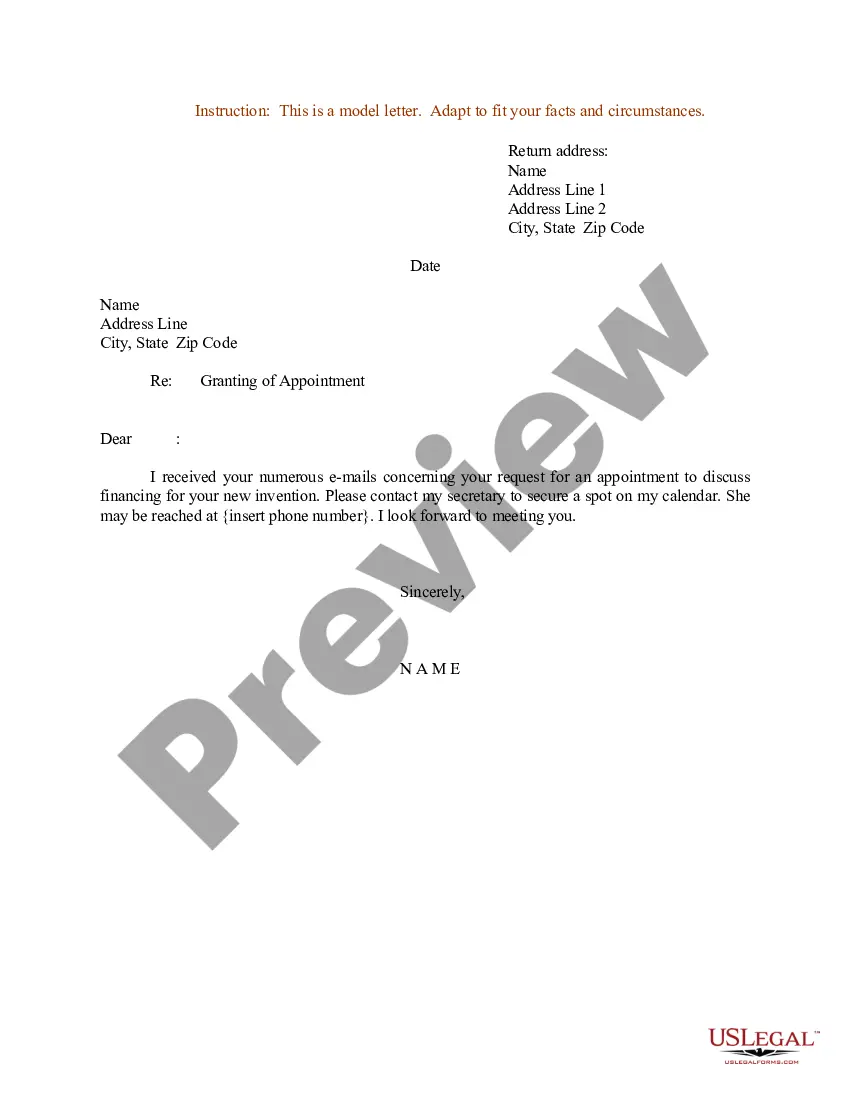
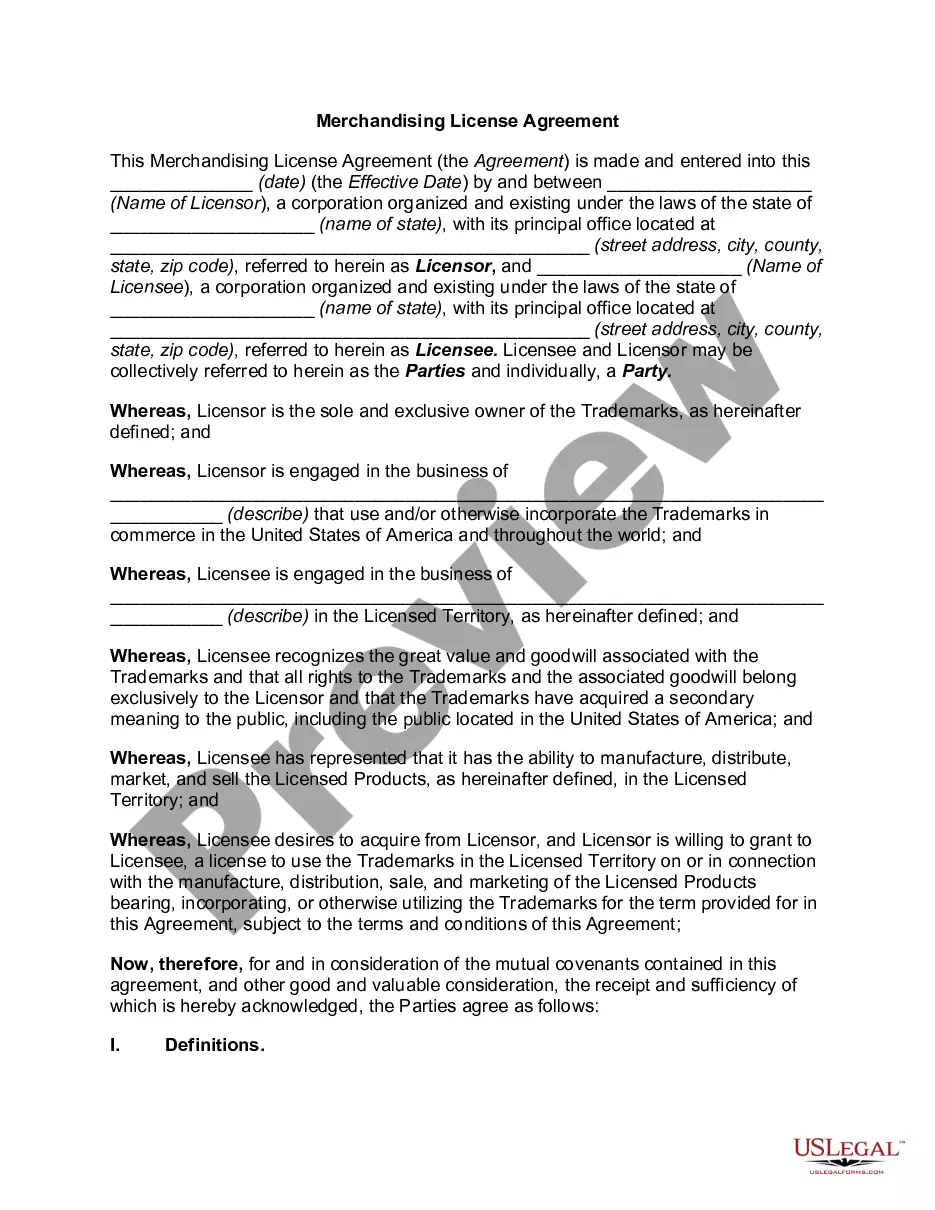
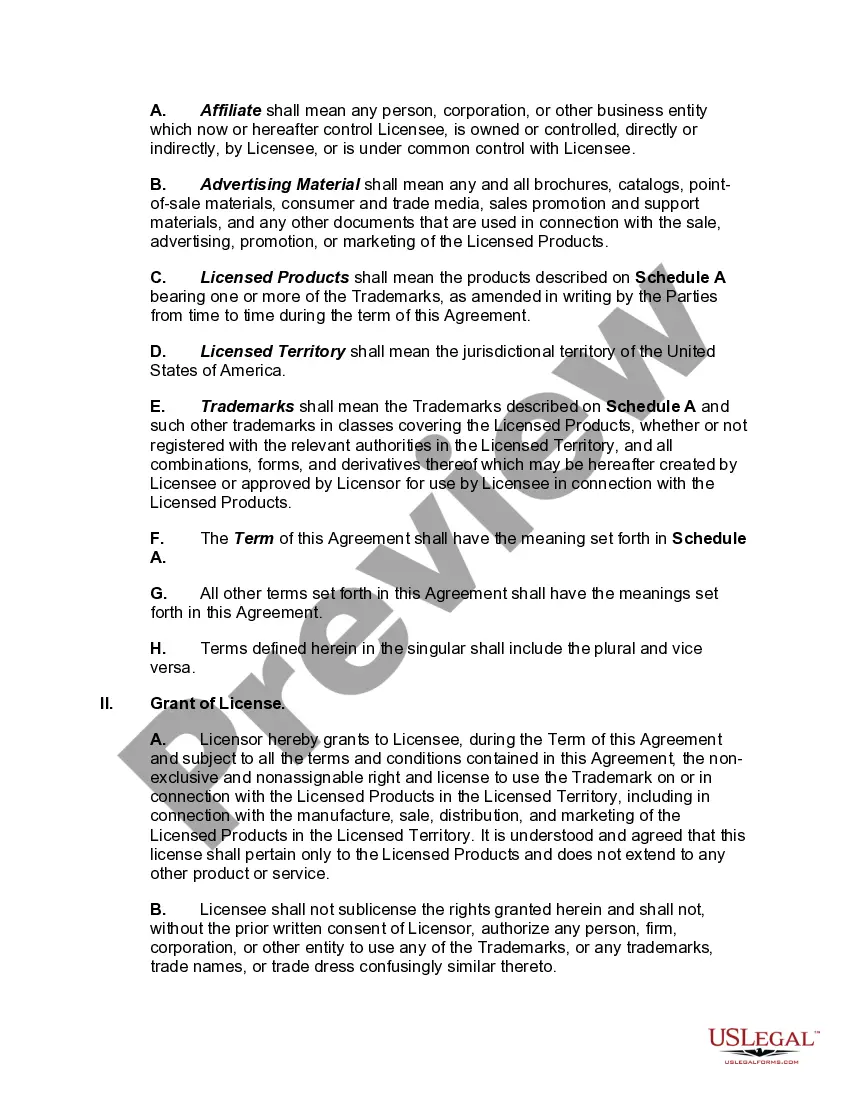
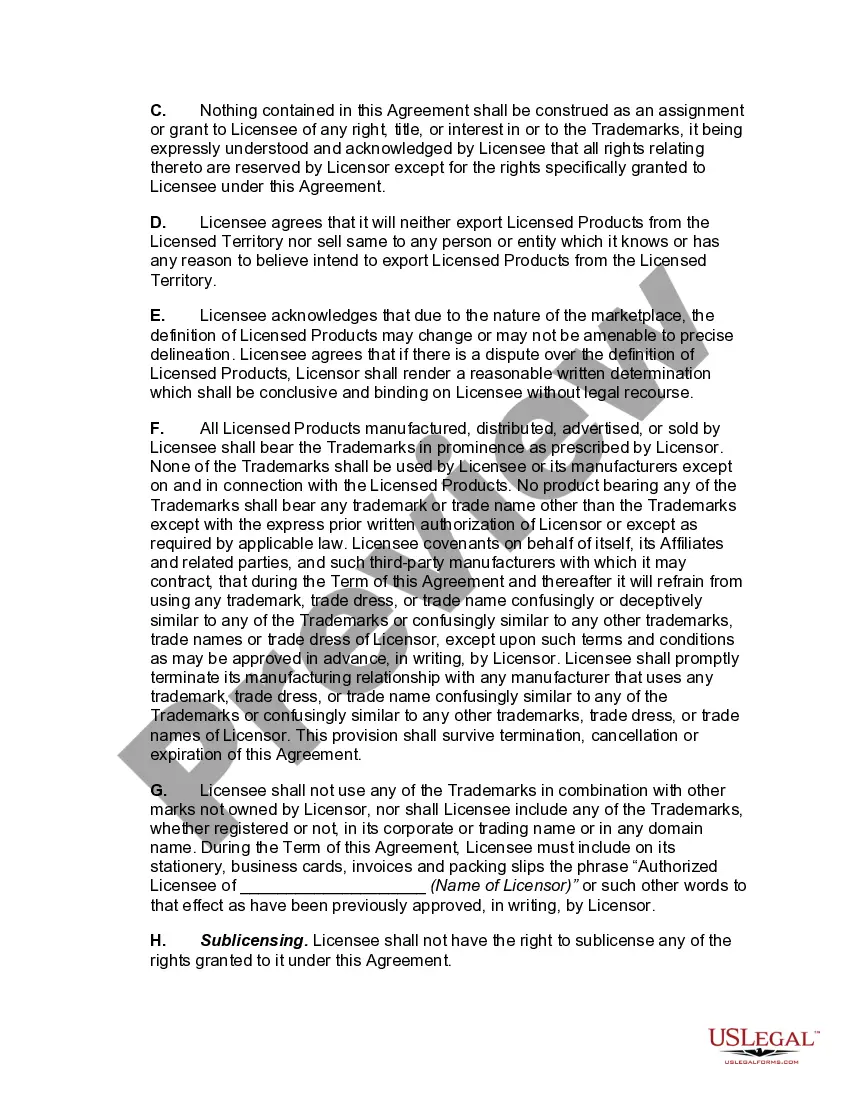
Delaware Merchandising License Agreement
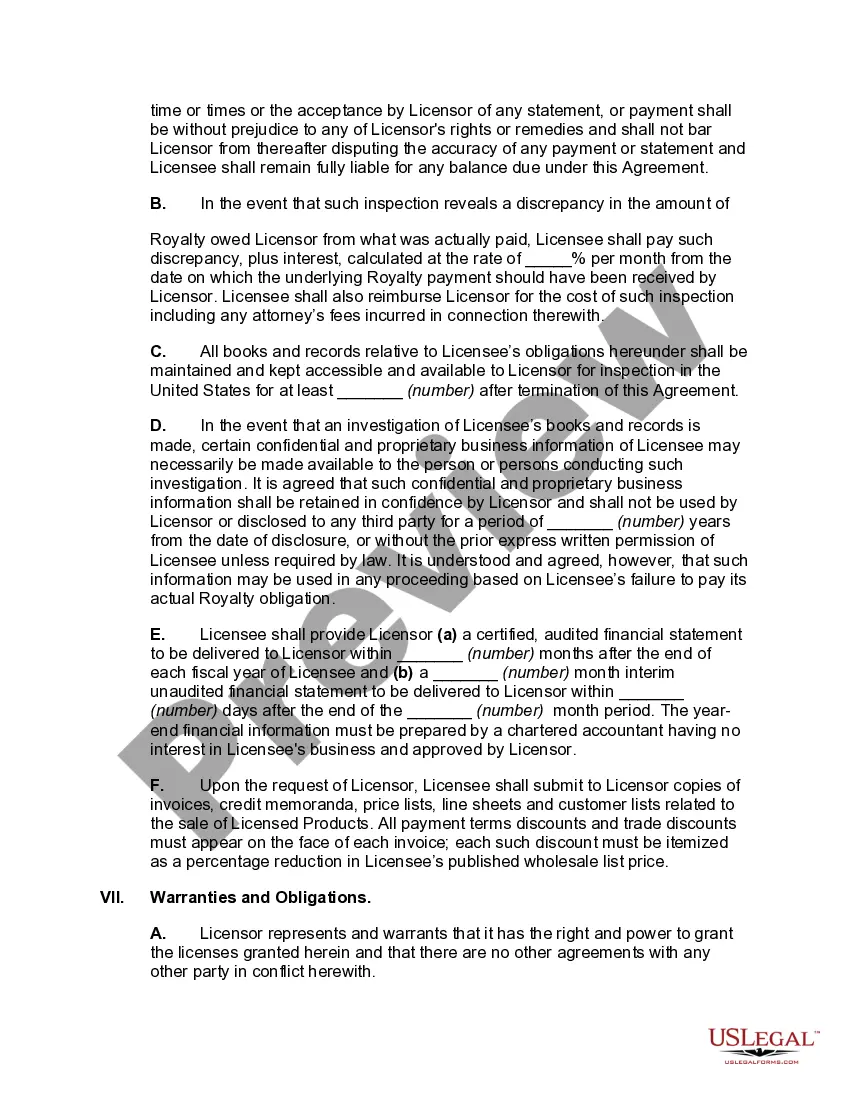
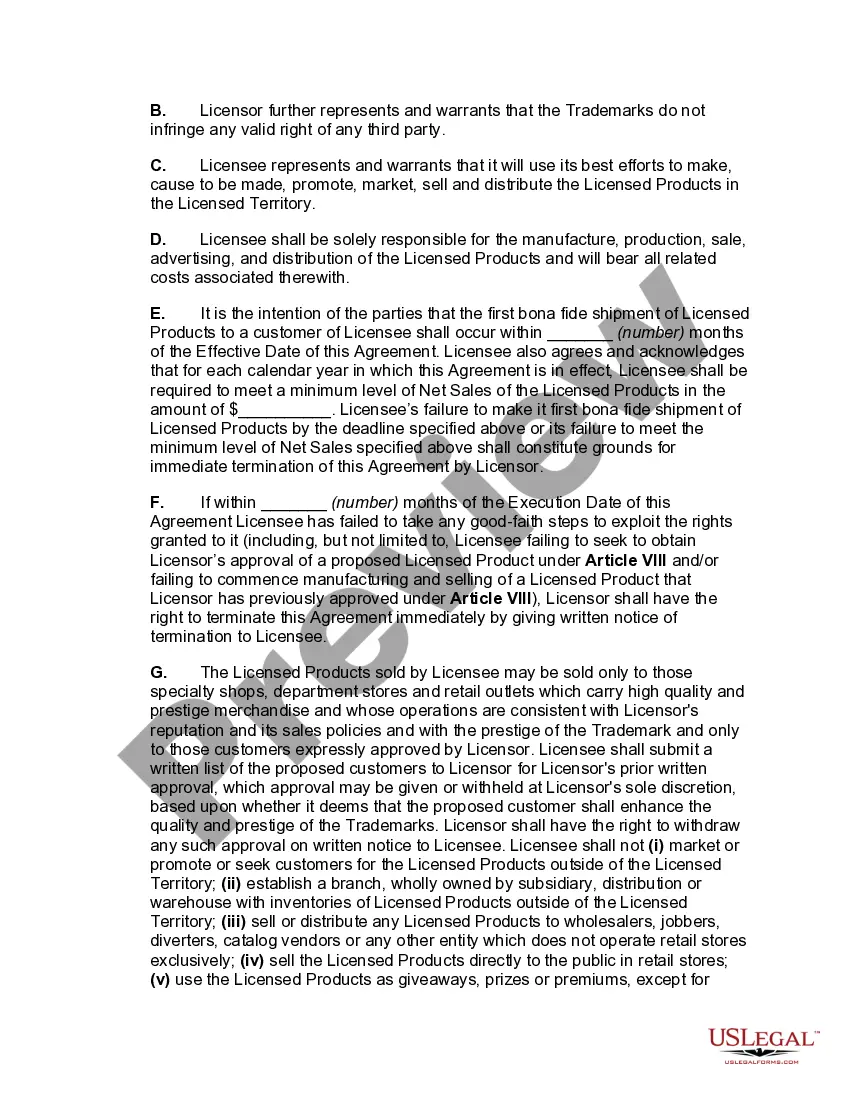
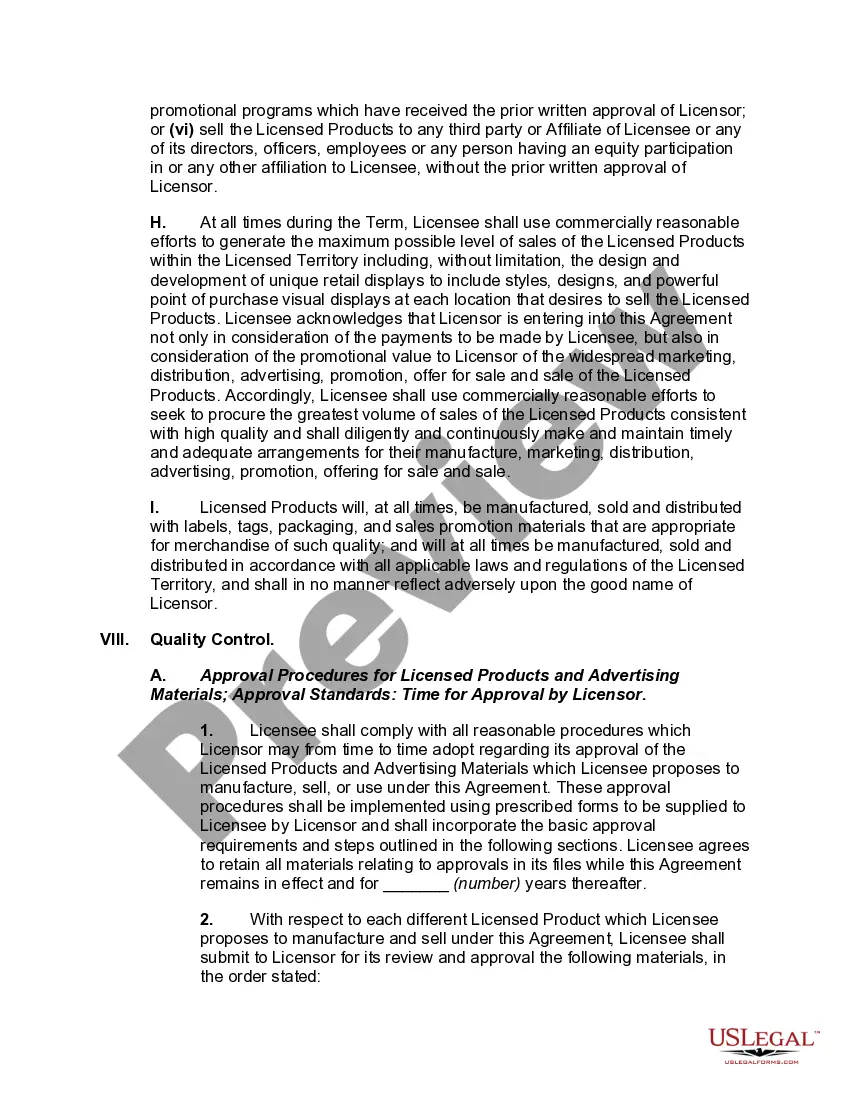
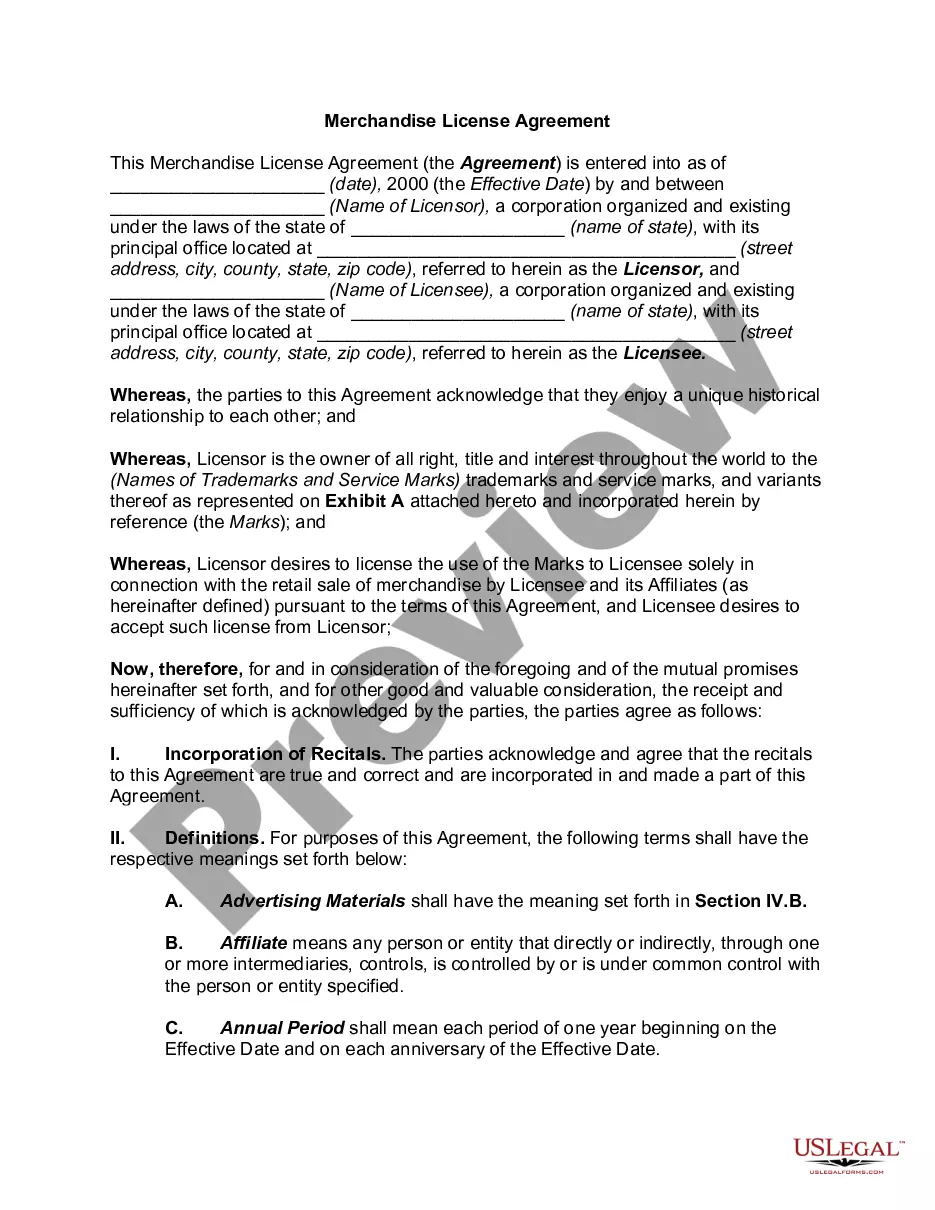
Description

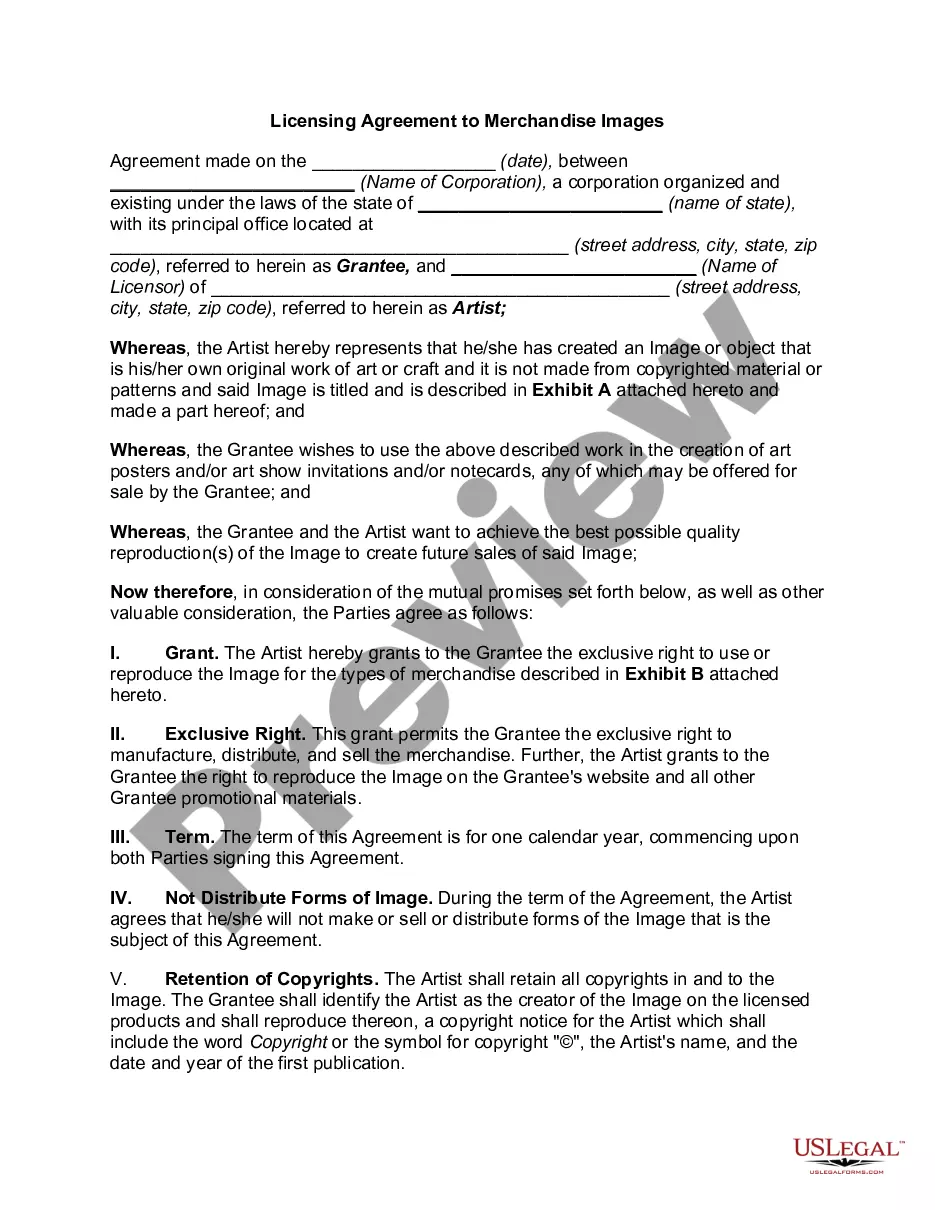
Get your form ready online
Our built-in tools help you complete, sign, share, and store your documents in one place.
Make edits, fill in missing information, and update formatting in US Legal Forms—just like you would in MS Word.
Download a copy, print it, send it by email, or mail it via USPS—whatever works best for your next step.
Sign and collect signatures with our SignNow integration. Send to multiple recipients, set reminders, and more. Go Premium to unlock E-Sign.
If this form requires notarization, complete it online through a secure video call—no need to meet a notary in person or wait for an appointment.
We protect your documents and personal data by following strict security and privacy standards.

Make edits, fill in missing information, and update formatting in US Legal Forms—just like you would in MS Word.

Download a copy, print it, send it by email, or mail it via USPS—whatever works best for your next step.

Sign and collect signatures with our SignNow integration. Send to multiple recipients, set reminders, and more. Go Premium to unlock E-Sign.

If this form requires notarization, complete it online through a secure video call—no need to meet a notary in person or wait for an appointment.

We protect your documents and personal data by following strict security and privacy standards.
Looking for another form?
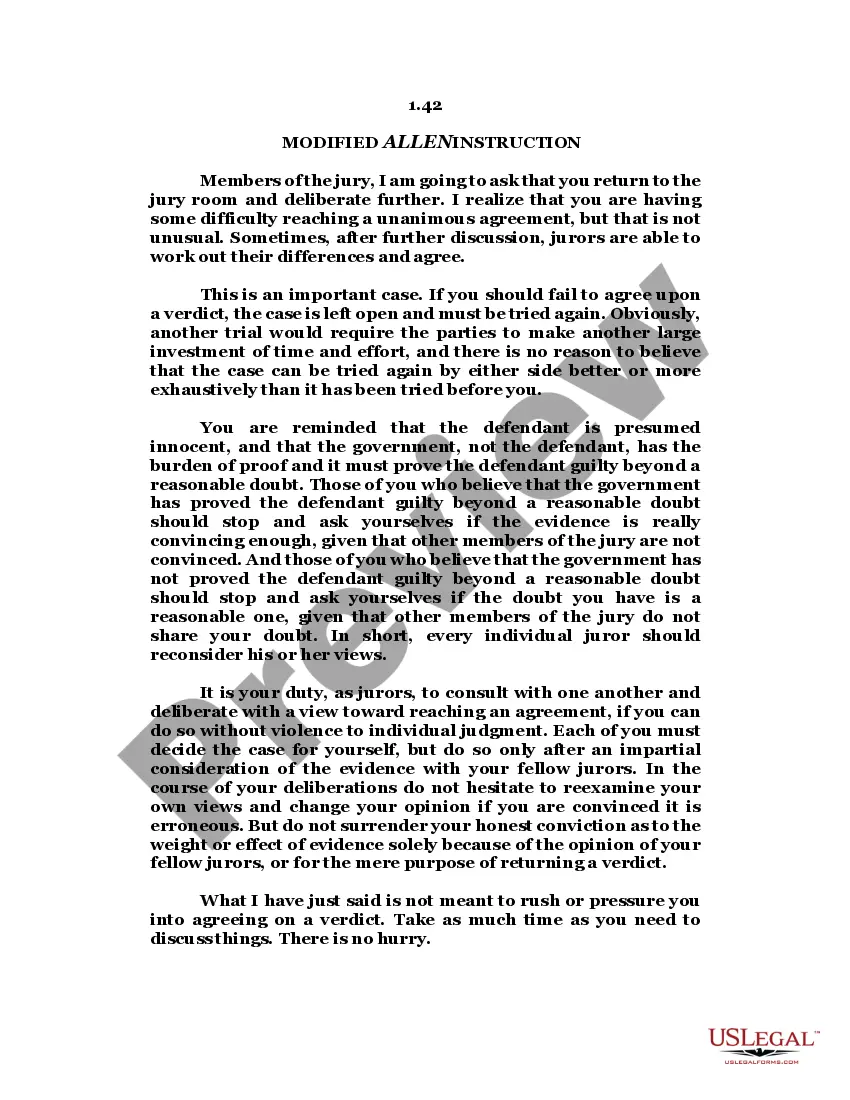
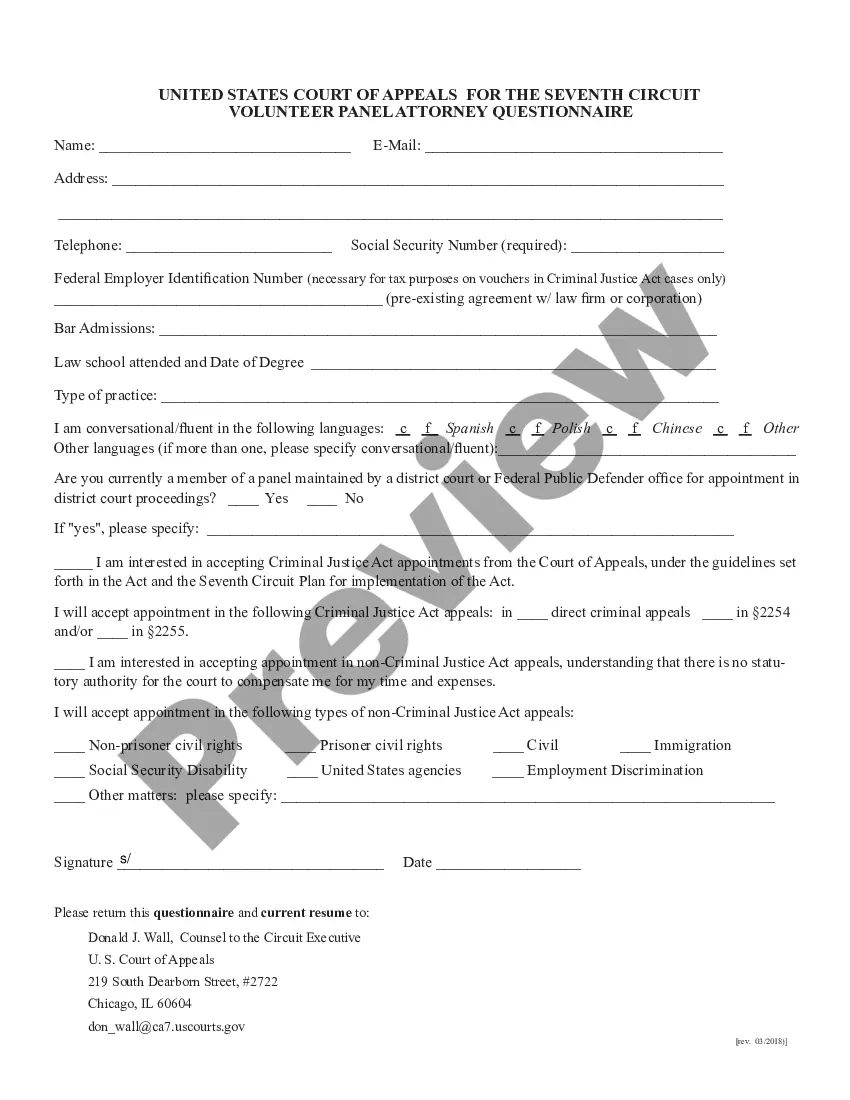

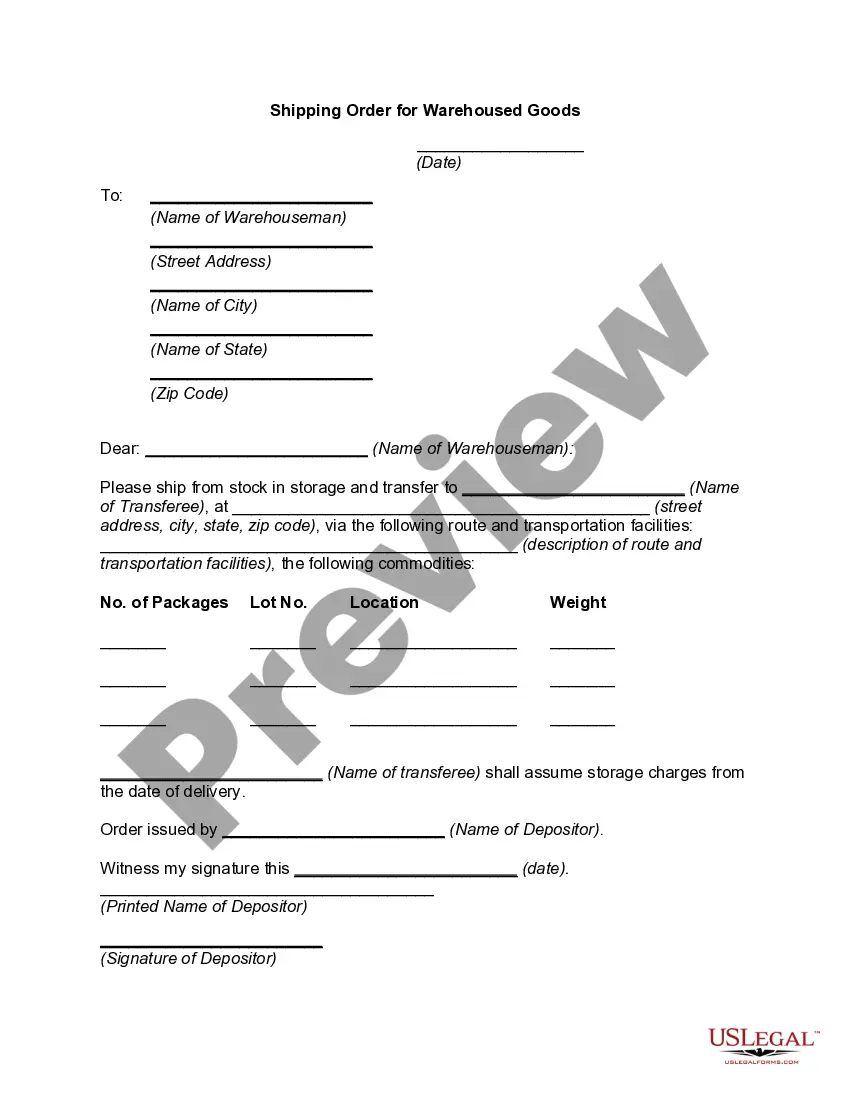


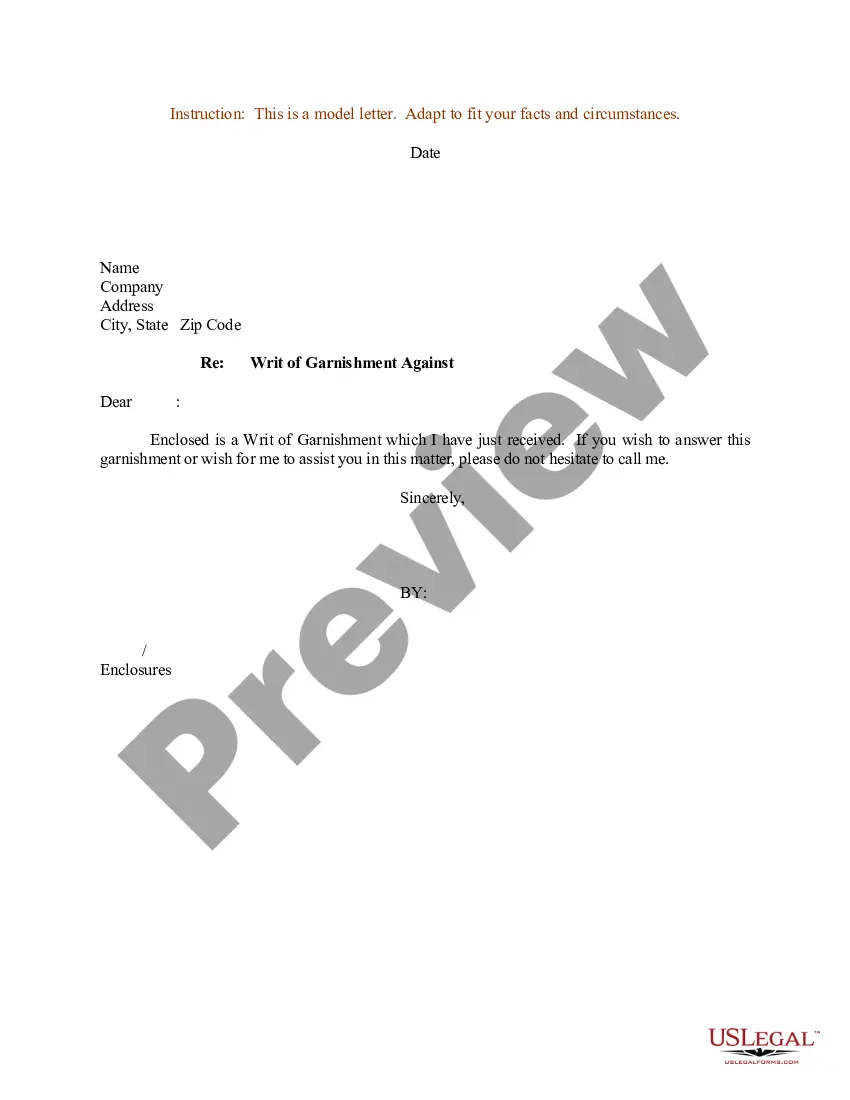


How to fill out Merchandising License Agreement?
Selecting the optimal legal document template can be challenging. Certainly, there is an array of templates accessible online, but how can you acquire the legal form you require? Leverage the US Legal Forms website. This service provides a multitude of templates, such as the Delaware Merchandising License Agreement, which can be utilized for both business and personal purposes. All documents are vetted by professionals and meet federal and state regulations.
If you are already registered, sign in to your account and then click the Download button to retrieve the Delaware Merchandising License Agreement. Use your account to review the legal forms you may have previously purchased. Navigate to the My documents section of your account and download another copy of the document you require.
If you are a new user of US Legal Forms, here are simple steps for you to follow.
Choose the document format and download the legal document template to your device. Complete, modify, print, and sign the obtained Delaware Merchandising License Agreement. US Legal Forms is the largest repository of legal forms where you can find a variety of document templates. Utilize this service to acquire well-crafted documents that align with state requirements.
- First, ensure you have selected the correct form for your city/region.
- You can review the form using the Review button and examine the form outline to confirm it fits your needs.
- If the form does not meet your requirements, utilize the Search field to locate the accurate form.
- When you are confident that the form is suitable, choose the Buy now button to obtain the form.
- Select the pricing plan you prefer and enter the necessary information.
- Create your account and complete your purchase using your PayPal account or Visa or MasterCard.
Form popularity
FAQ
To expand trademark rights, the owner can register the trademark with either the state or federal government, or both. State registration is typically done through the secretary of state's office and provides the owner with the right to exclusive use of the trademark throughout the state.
A license agreement is a business contract between two parties. The licensor (the seller of the license) owns the asset being licensed and the licensee (the buyer) pays for the right to use the license. The licensee pays the owner in exchange for the right to sell the product or use the technology.
A licensing agreement is a legal contract between two parties, known as the licensor and the licensee. In a typical licensing agreement, the licensor grants the licensee the right to produce and sell goods, apply a brand name or trademark, or use patented technology owned by the licensor.
A licensing agreement allows one party (the licensee) to use and/or earn revenue from the property of the owner (the licensor). Licensing agreements generate revenues, called royalties, earned by a company for allowing its copyrighted or patented material to be used by another company.
Practitioners and licensing executives often refer to three basic types of voluntary licenses: non-exclusive, sole, and exclusive. A non-exclusive licence allows the licensor to retain the right to use the licensed property and the right to grant additional licenses to third parties.
Examples of common licensing agreements include: A sports team allowing another company to produce t-shirts with the team's logo. A movie company that allows another company to create a toy based on a character the movie company owns.
A merchandising agreement is a legal contract between two parties in which the first party agrees to sell specific goods or services to the second party. In this case, "merchandise" refers not only to physical items but also intangible products such as intellectual property.
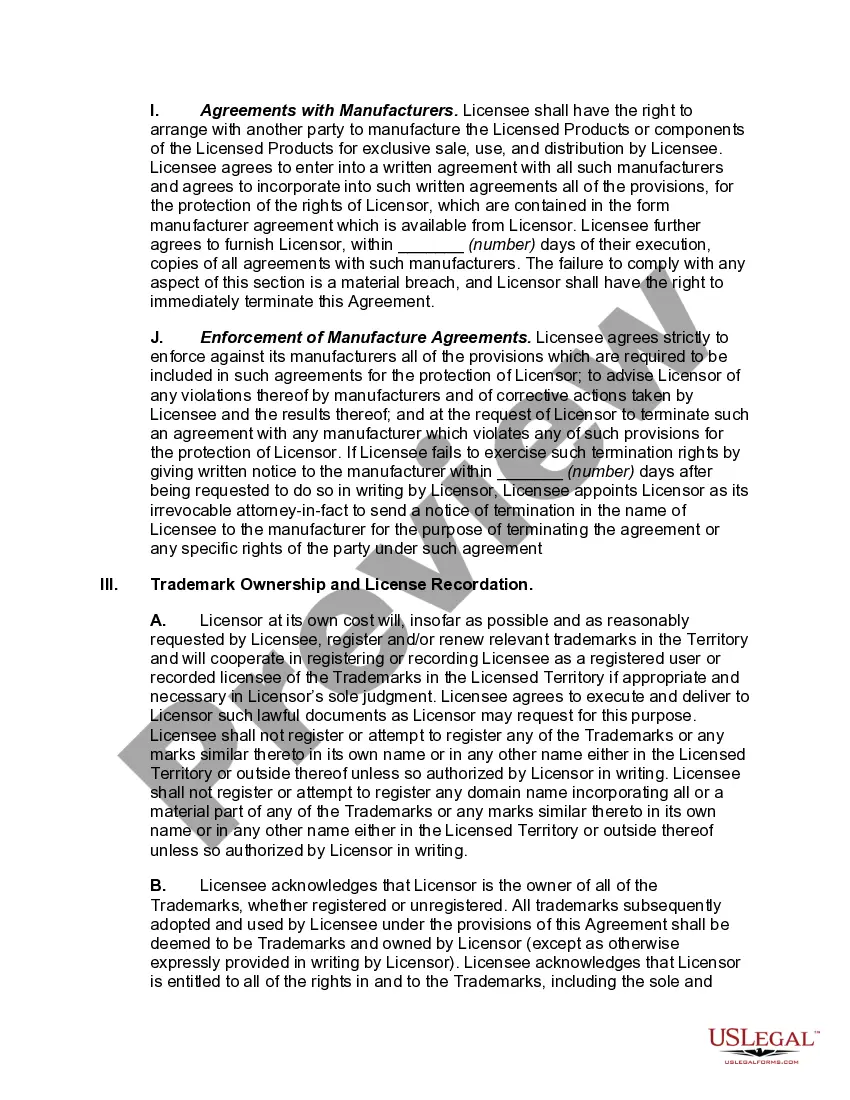
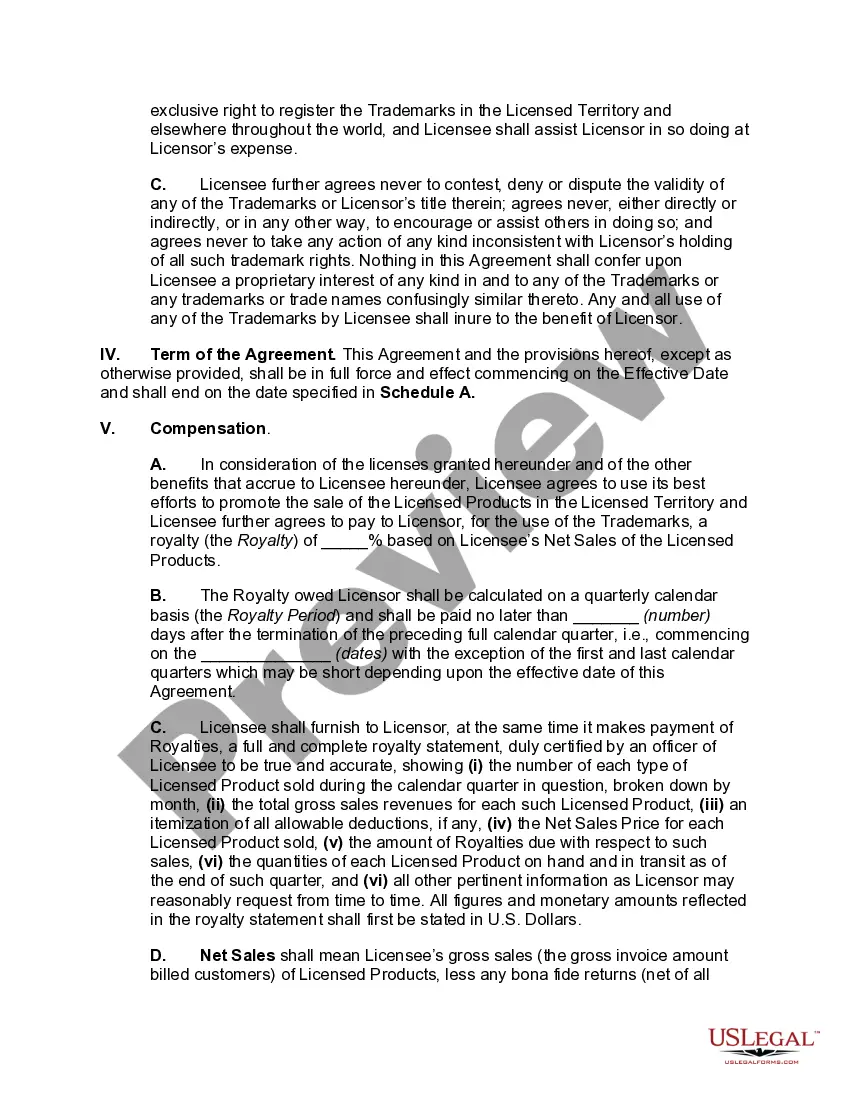
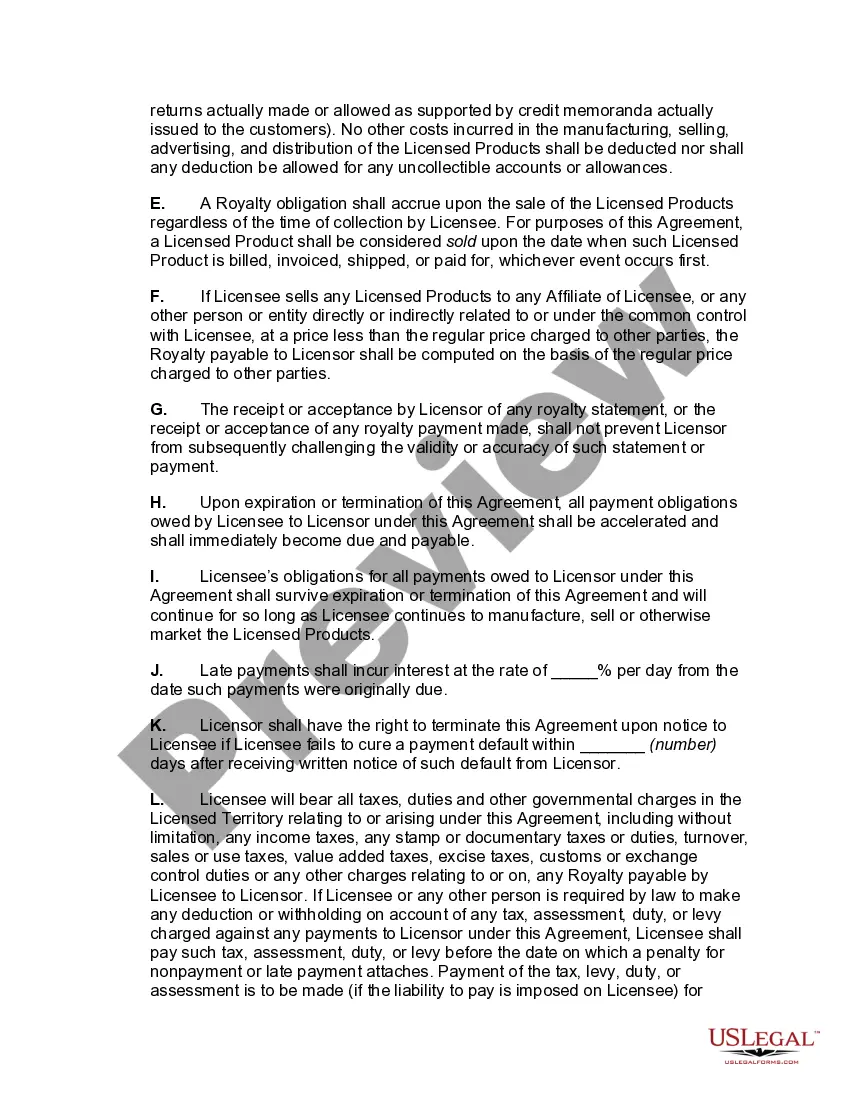
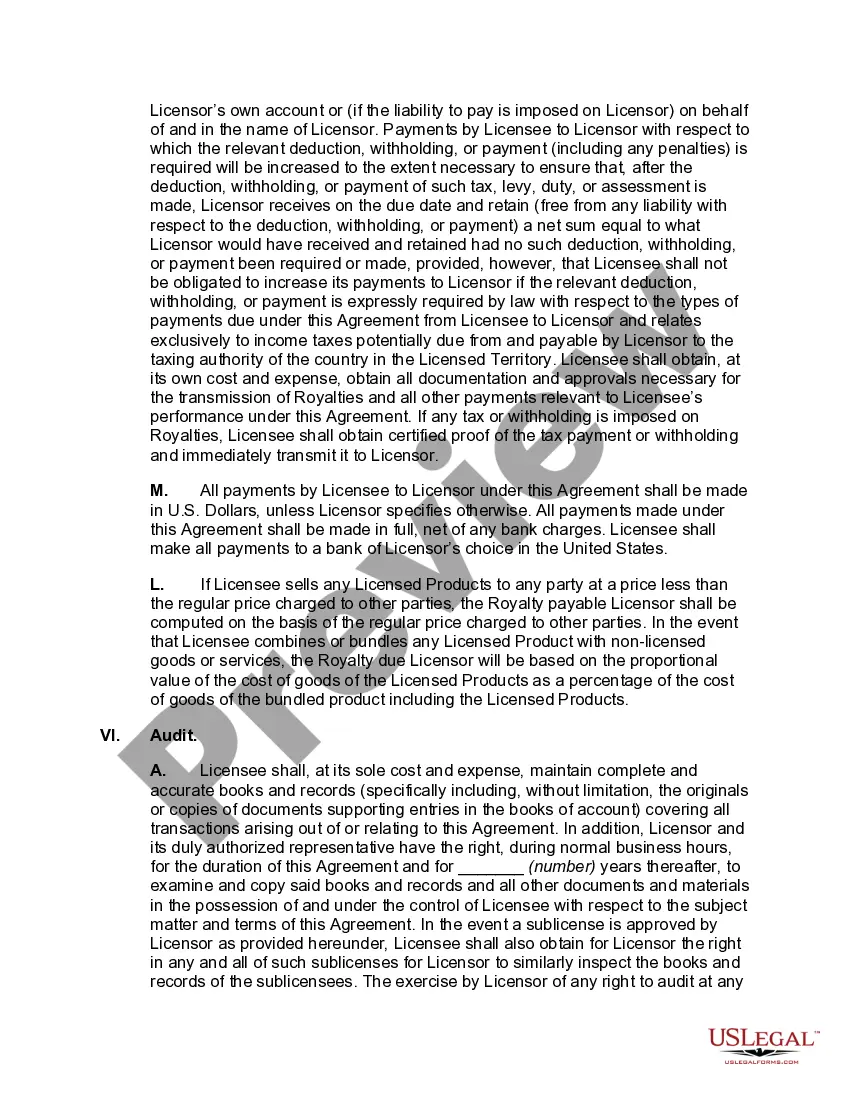
A merchandise license agreement describes the terms through which the owner of intellectual property, notably in the form of a trademark, service mark or copyright, grants a party, called the licensee, the right to use the property for distribution, marketing, and sale.
Exclusive license allows a licensor to share intellectual property with a licensee for a specific period of time that usually binds the licensor to not share the property with anyone else.
However, they enjoy a lot more freedom than franchisees. A license allows the licensee to use, make and sell an idea, design, name or logo for a fee. They are advantageous for licensors because they allow them to expand their business' reach without having to invest in new locations and distribution networks.