Delaware Permanent Easement Agreement
What is this form?
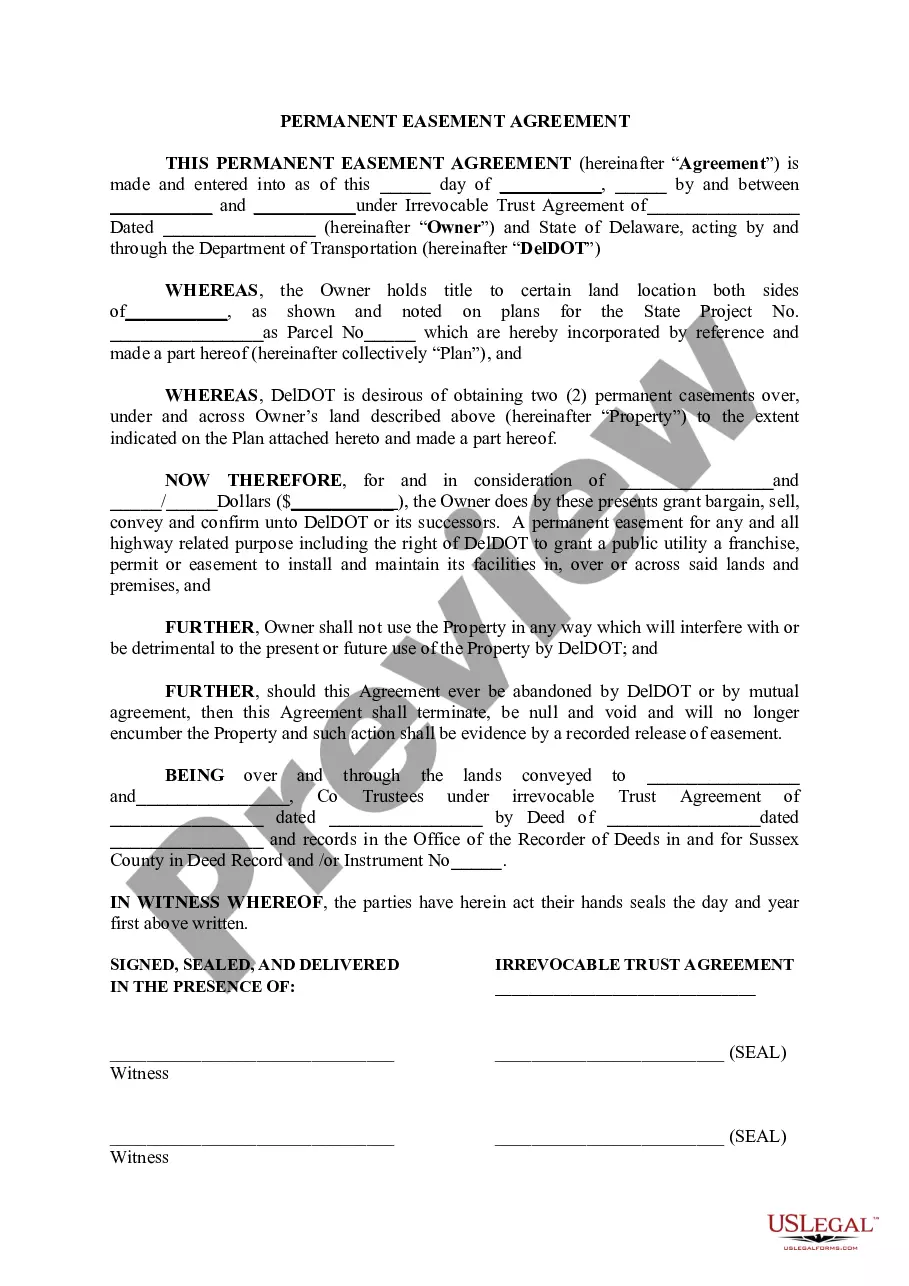
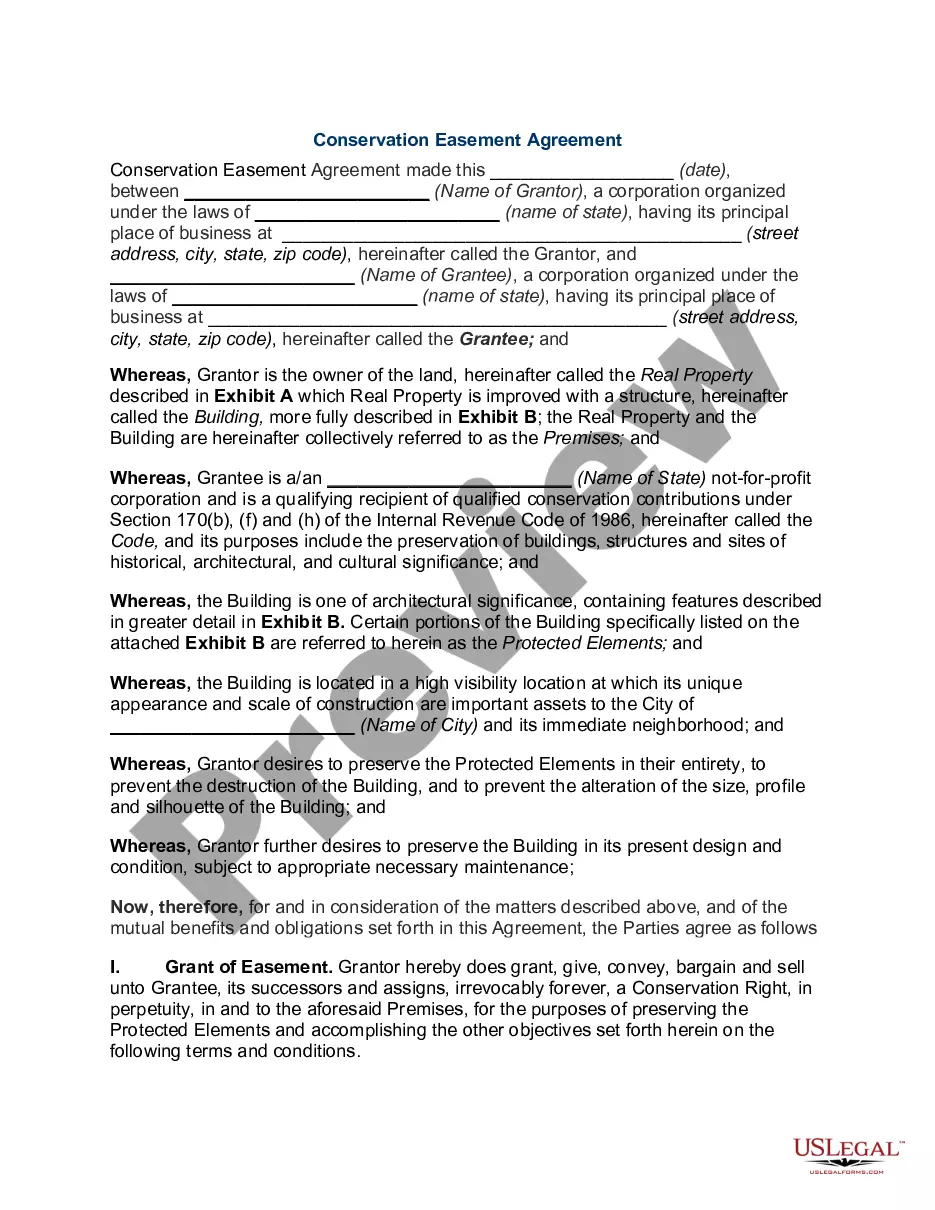
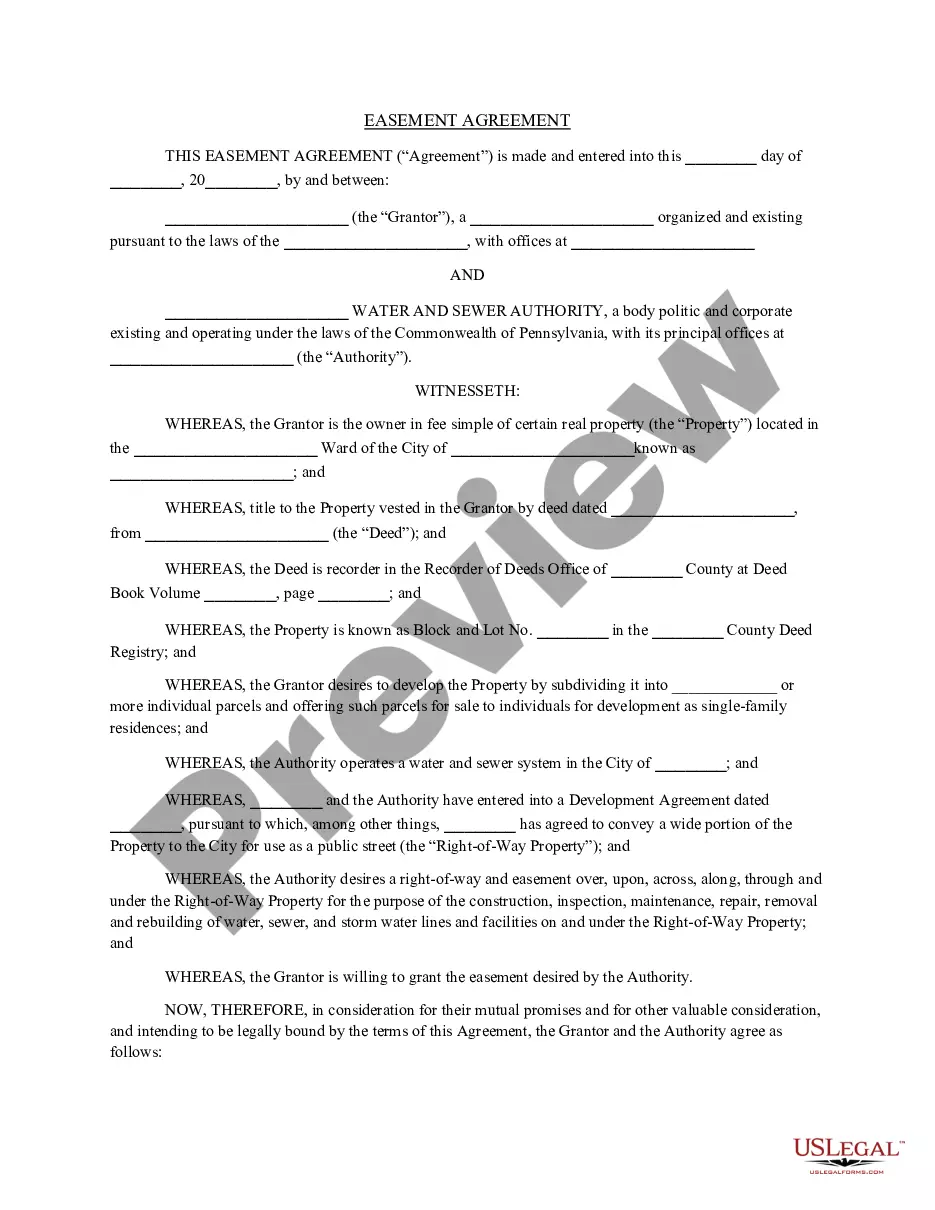
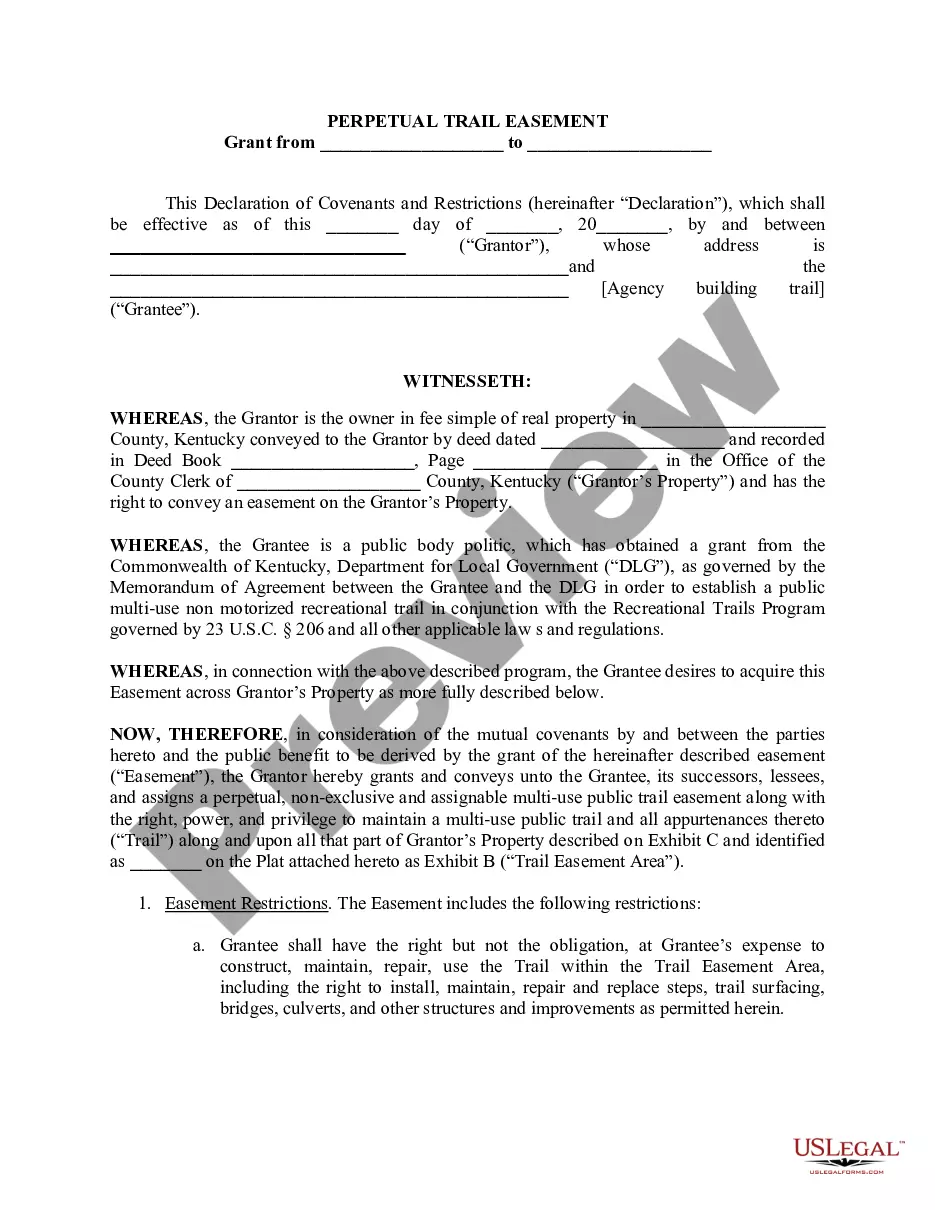
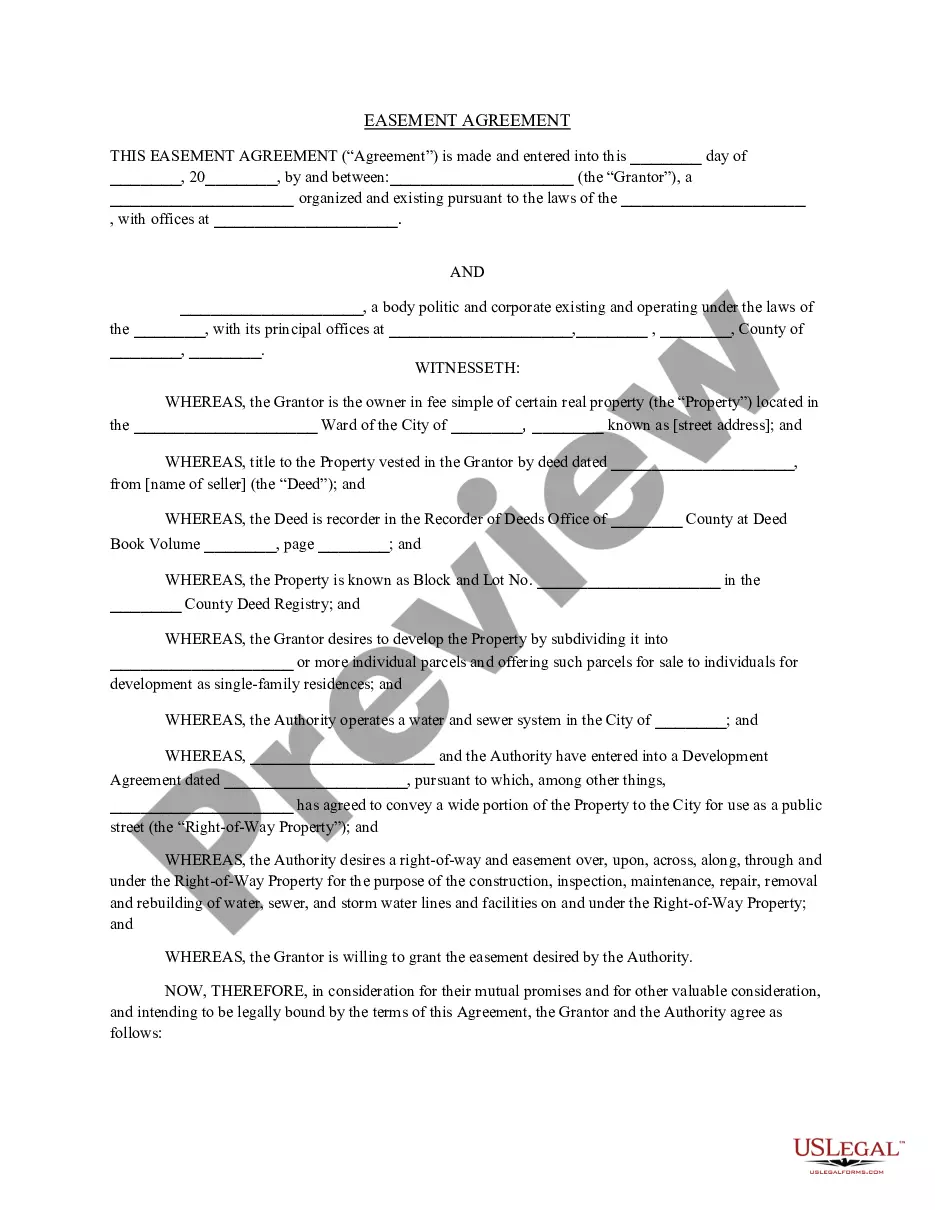
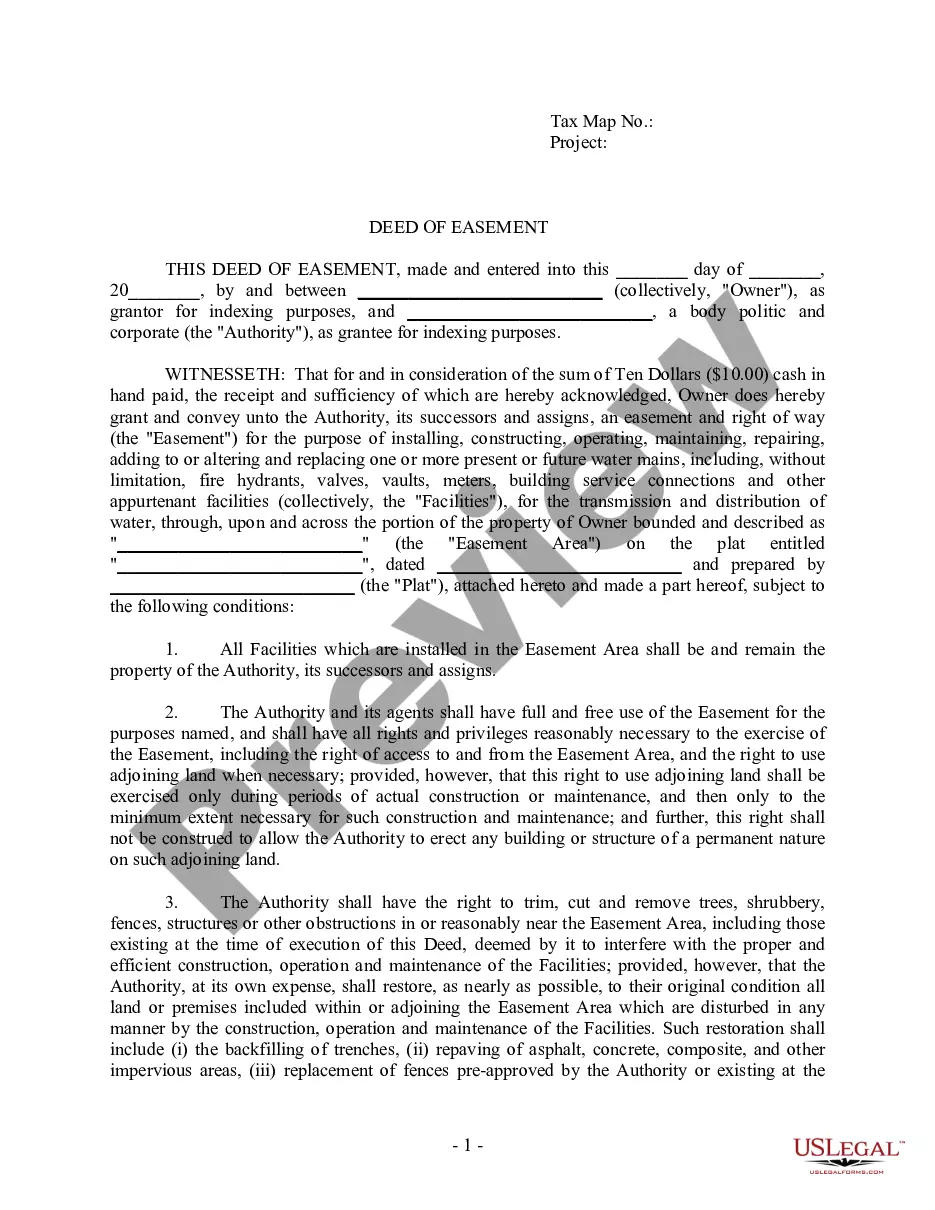
A Permanent Easement Agreement grants a party the right to use a specific tract of land for a designated purpose, such as bridge construction and maintenance. This legal document differs from a temporary easement as it provides ongoing access and use rights to the land owner while still preserving ownership rights. The easement is essential for public projects and utility installations, ensuring necessary access for infrastructure development.
Main sections of this form
- Identification of the parties involved (Owner and State of Delaware).
- Description of the property subject to the easement.
- Details of the easement's purpose, including construction and maintenance rights.
- Consideration amount agreed upon for granting the easement.
- Conditions regarding the owner's use of the property.
- Termination clause specifying conditions for nullifying the agreement.
When this form is needed
This form is needed when a government entity or utility requires permanent access to a private property for purposes such as road work, public transportation enhancements, or utility installations. Itâs used when the property owner agrees to grant long-term usage rights to facilitate these projects while ensuring the property remains privately owned.
Intended users of this form
- Property owners who intend to grant permanent easements to the state or utilities.
- Government agencies needing permanent rights to private property for infrastructure projects.
- Utility companies that require sustained access to land for operational needs.
Completing this form step by step
- Identify the parties involved in the agreement.
- Provide the specific location and description of the property subject to the easement.
- Enter the purpose of the easement and the consideration amount.
- Include any conditions for the property owner's use that must not interfere with the easement.
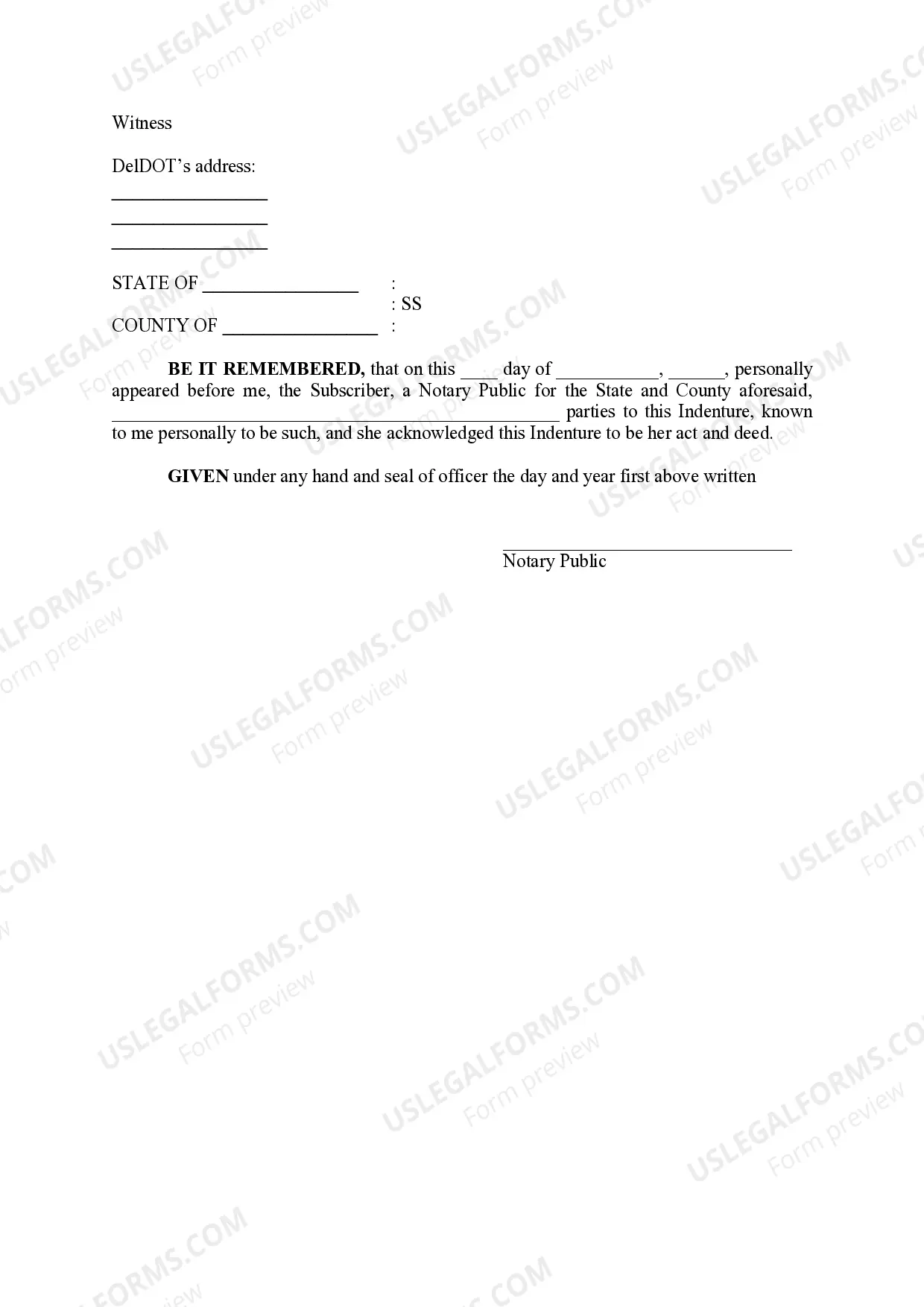
- Make sure all parties sign and date the document in the presence of witnesses and a notary public.
Does this document require notarization?
Yes, this form must be notarized to be legally valid. It is essential to have a notary public verify the identities of the parties involved to prevent fraud. US Legal Forms offers integrated online notarization, providing a secure video call option 24/7, ensuring a convenient and reliable notarization process.
Get your form ready online
Our built-in tools help you complete, sign, share, and store your documents in one place.
Make edits, fill in missing information, and update formatting in US Legal Forms—just like you would in MS Word.
Download a copy, print it, send it by email, or mail it via USPS—whatever works best for your next step.
Sign and collect signatures with our SignNow integration. Send to multiple recipients, set reminders, and more. Go Premium to unlock E-Sign.
If this form requires notarization, complete it online through a secure video call—no need to meet a notary in person or wait for an appointment.
We protect your documents and personal data by following strict security and privacy standards.

Make edits, fill in missing information, and update formatting in US Legal Forms—just like you would in MS Word.

Download a copy, print it, send it by email, or mail it via USPS—whatever works best for your next step.

Sign and collect signatures with our SignNow integration. Send to multiple recipients, set reminders, and more. Go Premium to unlock E-Sign.

If this form requires notarization, complete it online through a secure video call—no need to meet a notary in person or wait for an appointment.

We protect your documents and personal data by following strict security and privacy standards.
Common mistakes
- Failing to properly identify all parties involved in the agreement.
- Omitting critical details about the property and intended use of the easement.
- Neglecting to have the document notarized, if required.
- Not stating conditions that limit the property owner's use appropriately.
Why use this form online
- Convenience of downloading and completing the form at your own pace.
- Editability allows for customization to specific situations.
- Document integrity is ensured by using templates drafted by licensed attorneys.
- Easy access to legal resources and guidance when needed.
Looking for another form?
Form popularity
FAQ
Easement law in Delaware outlines how easements are created, maintained, and terminated. It provides guidelines to ensure that both landowners and easement holders understand their rights and responsibilities. For those looking to formalize an easement, a Delaware Permanent Easement Agreement is essential, as it establishes the terms clearly, ensuring compliance with state laws and protecting the interests of all parties involved.
A permanent easement grants specific rights to use a portion of a property without taking full ownership. This type of easement is established for an indefinite period, meaning it does not expire. Landowners often utilize a Delaware Permanent Easement Agreement to define the rights associated with the easement and to ensure that their property remains protected and utilized responsibly.
A forever easement, commonly referred to as a conservation easement, protects a property from future development while allowing the landowner to retain ownership. This type of easement is effective indefinitely, ensuring the land stays in its natural state. It can be formalized through a Delaware Permanent Easement Agreement, which provides legal protection for both the land and the landowner's rights.
The Forestland Preservation Program in Delaware aims to encourage landowners to maintain and protect forest areas. This program promotes sustainable forestry practices and ensures that these lands remain undeveloped. By participating, landowners can enter into a Delaware Permanent Easement Agreement, which helps preserve the ecological and economic benefits of forestland for future generations.
Easement laws in Delaware govern the creation, use, and termination of easements on real property. The state recognizes both express and implied easements, making it crucial to clearly outline intentions in a Delaware Permanent Easement Agreement. Understanding these laws can help you effectively manage property rights and avoid disputes, ensuring that all parties are aware of their entitlements and obligations.
A perpetual easement agreement grants a continuous right to use a designated area of land, typically for a specific purpose like access or utility installation. Unlike temporary easements, these agreements do not have an expiration date, meaning they last forever unless the parties agree otherwise. When utilizing a Delaware Permanent Easement Agreement, you can secure valuable rights that ensure long-term access to necessary resources or routes.
A permanent easement refers to a legal right that allows one party to use a portion of another person's property in a specific way. This agreement remains in effect indefinitely unless revoked by legal means. In the context of a Delaware Permanent Easement Agreement, this type of easement can provide essential access to utilities or pathways, enhancing the property’s usability while preserving ownership rights.
Writing a Delaware Permanent Easement Agreement involves several key steps. First, outline the involved parties, the property location, and the easement purpose. Next, be specific about the rights given, any restrictions, and maintenance responsibilities. Finally, consider using a platform like USLegalForms, which provides templates and guidance to ensure your agreement meets all legal requirements effectively.
A permanent access easement is a legal right that allows one property owner to use a portion of another property for access purposes. This type of easement is often permanent, meaning it continues even if the ownership of the properties changes. It can be crucial for landlocked properties to ensure accessibility. When considering a Delaware Permanent Easement Agreement, it's important to define the scope and purpose of this access clearly.
To write a letter for a Delaware Permanent Easement Agreement, start by clearly stating your intention. Include the specific property details, the purpose of the easement, and the rights granted. Be sure to specify any terms, conditions, or limitations associated with the easement. Finally, it's essential to conclude with a request for a response or a meeting to discuss the agreement further.