Delaware Affidavit of Identity and Survivorship
About this form
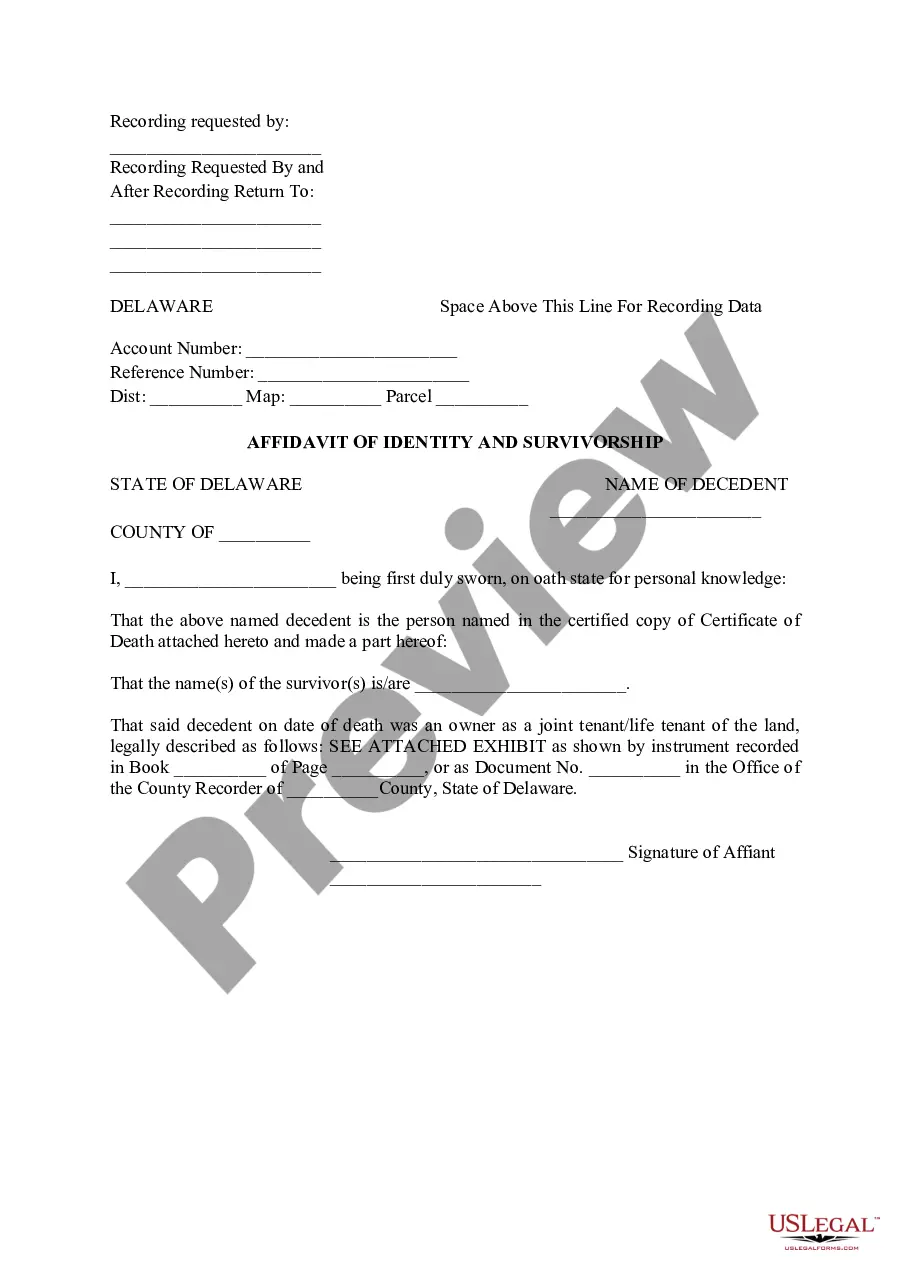
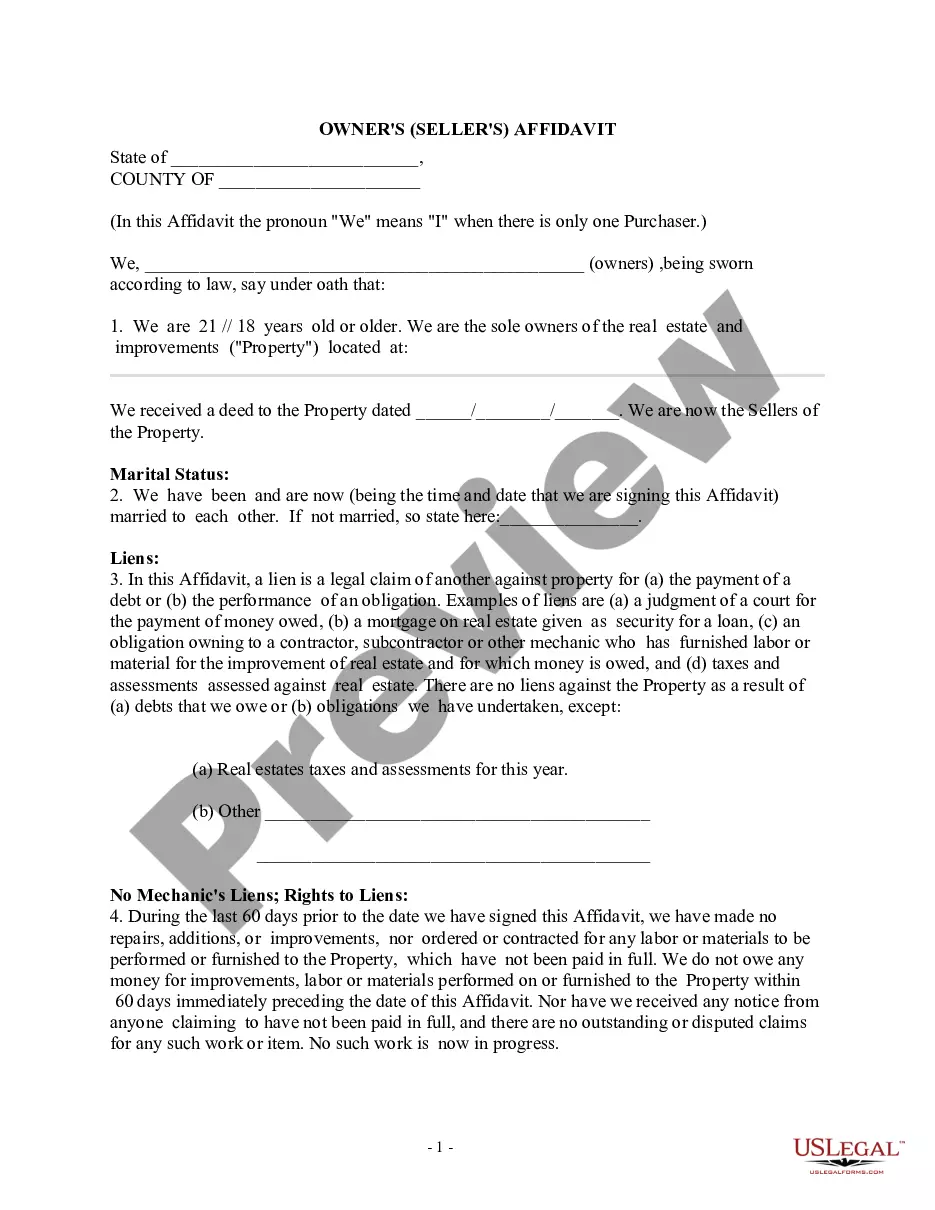
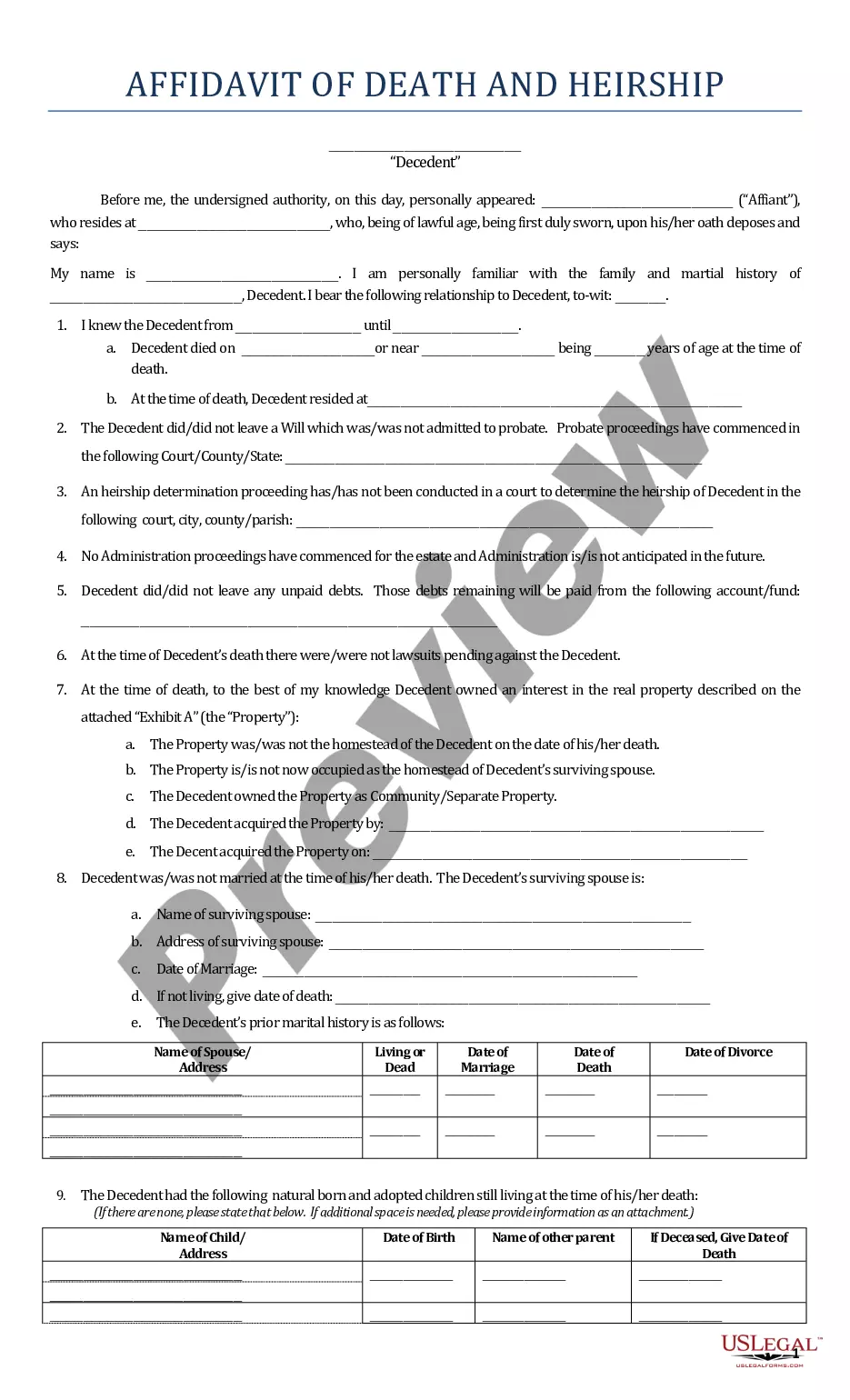
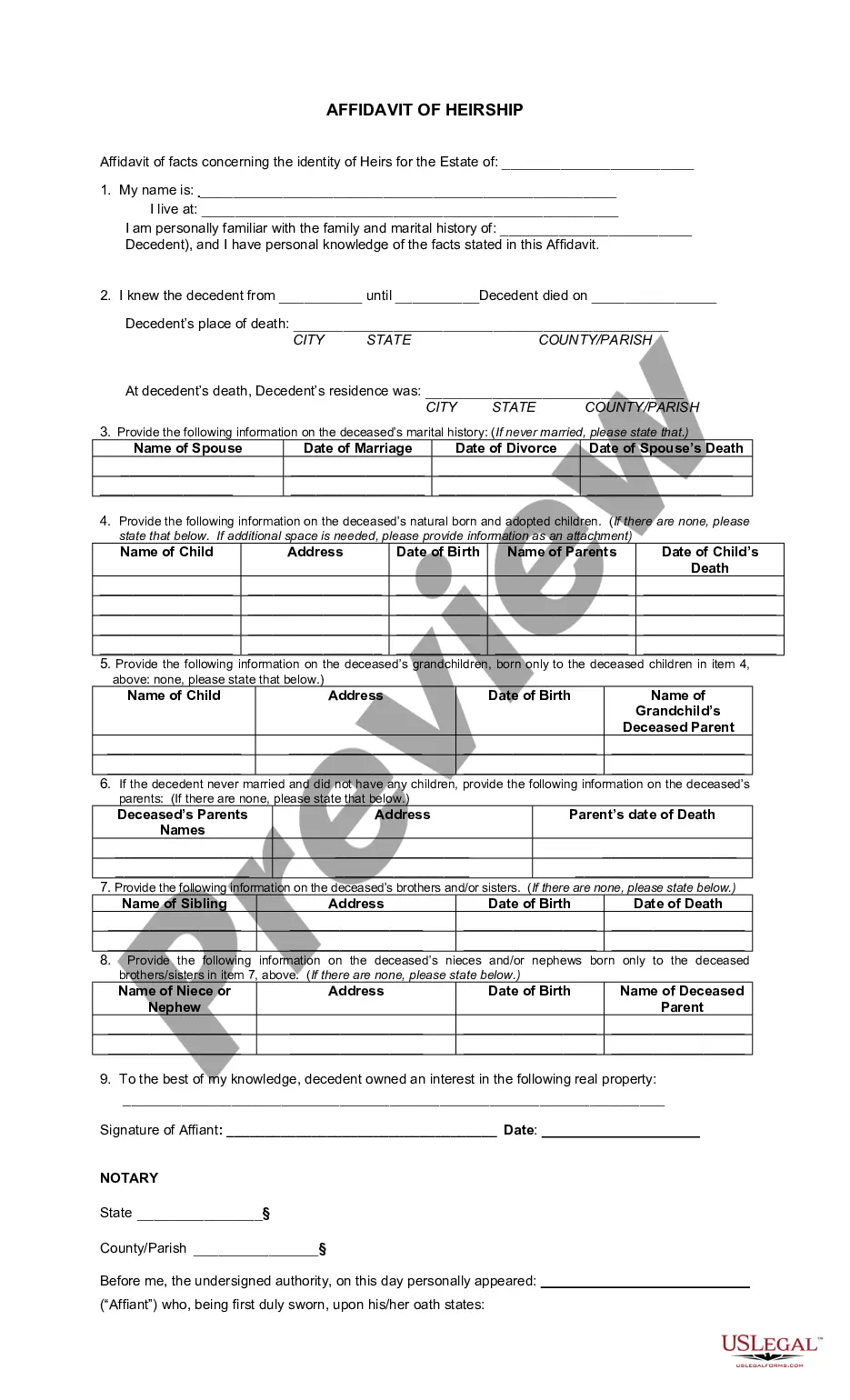
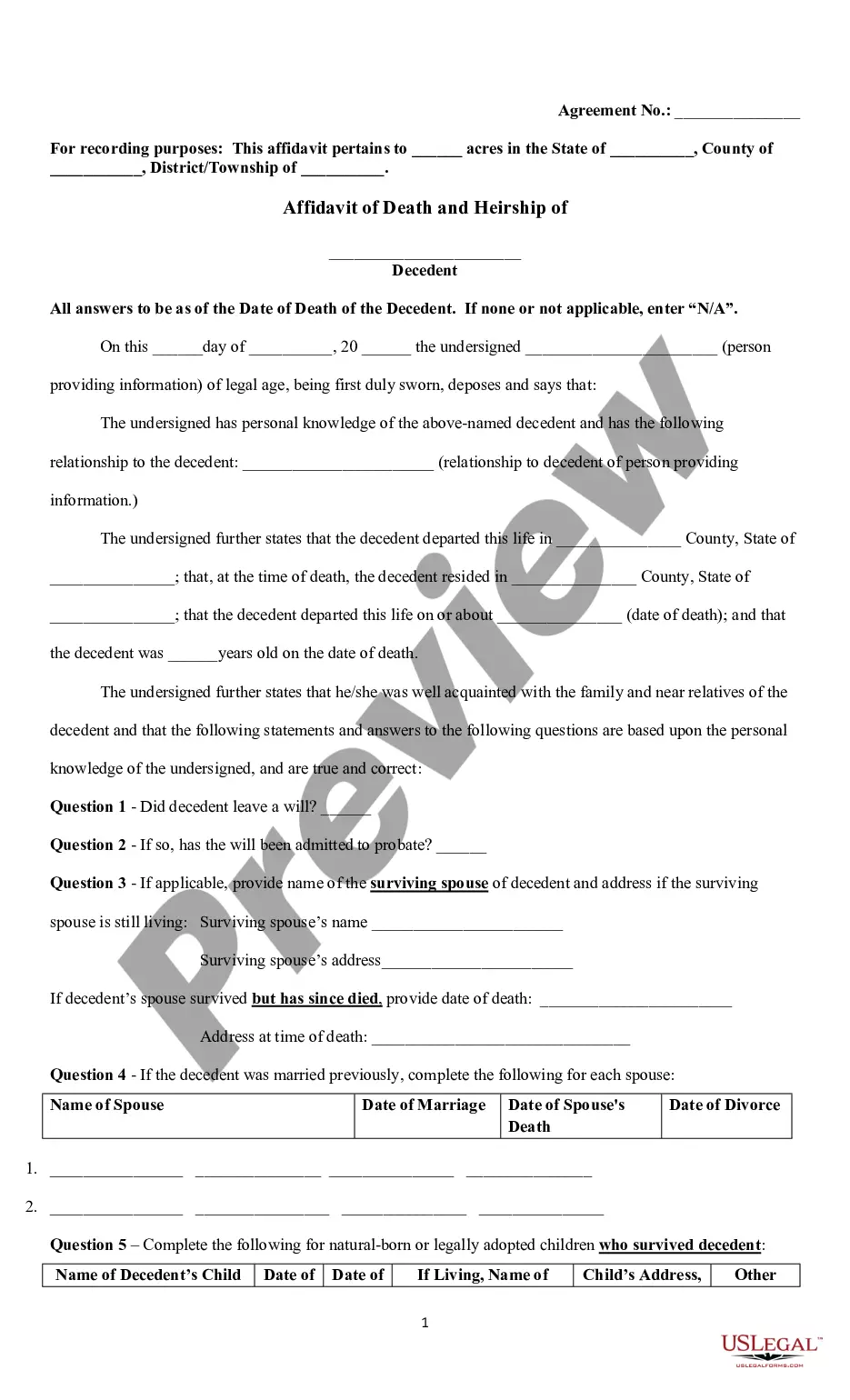
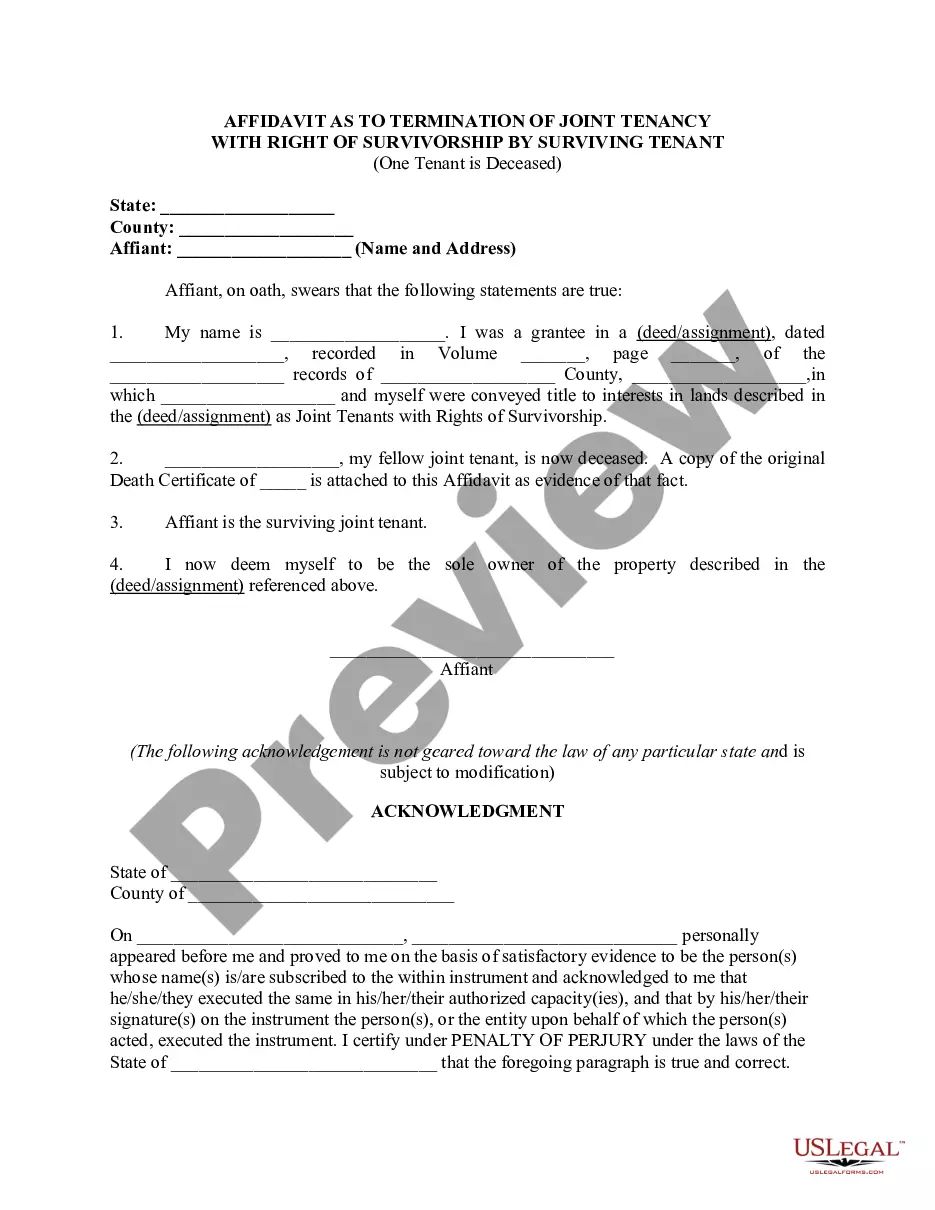
The Affidavit of Identity and Survivorship is a legal document used to confirm the identity of a grantor and grantee in a real estate transaction, specifically for properties held by joint tenants. This form differs from other affidavits in that it serves to establish the ownership rights of surviving joint tenants after the death of one co-owner, ensuring the property is properly transferred without the need for probate.
Key parts of this document
- Recording Information: Sections for recording requests and details for the county recorder's office.
- Affiant Statement: A declaration from the affiant confirming the identity of the decedent and the survivors.
- Property Description: A section to describe the property, referencing relevant documents and recorded information.
- Acknowledgement: Signatures and certification by a notary public to validate the document.

When this form is needed
This form is used when a co-owner of a property pass away, and it is necessary for the surviving joint tenants to establish their ownership rights. It is essential in situations where property needs to be transferred without going through probate, simplifying the process of ownership transfer among joint tenants.
Who should use this form
- Surviving joint tenants of a deceased property owner.
- Heirs who need to claim property rights after the death of a co-owner.
- Individuals involved in the management or transfer of jointly owned real estate.
How to prepare this document
- Identify the recording party and provide their contact information in the designated areas.
- Fill in the name of the decedent and the survivors on the form.
- Describe the property by referencing the appropriate recorded documents.
- The affiant must sign under oath at the bottom of the document.
- Seek notarization by a qualified notary public to authenticate the form.
Is notarization required?
Yes, this form must be notarized to be legally valid. Notarization provides assurance that the identities of the parties involved have been verified. US Legal Forms offers integrated online notarization, available 24/7 via secure video call, ensuring a hassle-free process for users.
Get your form ready online
Our built-in tools help you complete, sign, share, and store your documents in one place.
Make edits, fill in missing information, and update formatting in US Legal Forms—just like you would in MS Word.
Download a copy, print it, send it by email, or mail it via USPS—whatever works best for your next step.
Sign and collect signatures with our SignNow integration. Send to multiple recipients, set reminders, and more. Go Premium to unlock E-Sign.
If this form requires notarization, complete it online through a secure video call—no need to meet a notary in person or wait for an appointment.
We protect your documents and personal data by following strict security and privacy standards.

Make edits, fill in missing information, and update formatting in US Legal Forms—just like you would in MS Word.

Download a copy, print it, send it by email, or mail it via USPS—whatever works best for your next step.

Sign and collect signatures with our SignNow integration. Send to multiple recipients, set reminders, and more. Go Premium to unlock E-Sign.

If this form requires notarization, complete it online through a secure video call—no need to meet a notary in person or wait for an appointment.

We protect your documents and personal data by following strict security and privacy standards.
Common mistakes
- Failing to properly describe the property or provide correct references to related documents.
- Not obtaining the necessary notarization, which can invalidate the affidavit.
- Leaving fields blank or incorrect information about the parties involved.
Benefits of completing this form online
- Convenience of downloading the affidavit at any time.
- Editability to ensure all information is accurate before completion.
- Reliability of using forms drafted by licensed attorneys.
Looking for another form?


Form popularity
FAQ
Filling out an affidavit of survivorship requires you to detail the ownership of the property and declare the surviving owner clearly. Include the names, addresses, and any necessary legal descriptions of the property in question. Utilizing a platform like USLegalForms can simplify this process, guiding you step-by-step in preparing a Delaware Affidavit of Identity and Survivorship effectively.
To fill out an affidavit of identity and survivorship, start by including your name and the decedent's information precisely. Provide a clear statement regarding your rights to the property and include any necessary supporting documents. Remember that clarity is key in a Delaware Affidavit of Identity and Survivorship, as it will help ease the transfer process.
Filling out a self-proving affidavit involves declaring that the will was signed in your presence and that all relevant parties were present. You should document the date, names, and signatures of witnesses, along with your details. This process reinforces the validity of the will and complements the Delaware Affidavit of Identity and Survivorship in estate planning.
To fill out a survivorship affidavit, provide your names and relationship to the deceased clearly. Then, include a statement confirming the nature of the property and the intent to transfer ownership through a Delaware Affidavit of Identity and Survivorship. Lastly, ensure your signature is notarized to affirm the document’s authenticity.
Filling out an Affidavit of Heirship form involves identifying the decedent and the heirs. Clearly state your relationship to the deceased and provide necessary details regarding their estate. When preparing a Delaware Affidavit of Identity and Survivorship, it’s crucial to understand these components, as they can affect the distribution of the estate.
To fill out an affidavit example, start by entering the title and your personal information clearly. Follow up with the required statements and make sure to include specifics about the situation, keeping in mind the details required for a Delaware Affidavit of Identity and Survivorship. Finally, sign and date the document in front of a notary to ensure its validity.
Yes, a survivorship deed typically overrides a will. This means that if you have a Delaware Affidavit of Identity and Survivorship in place, the property would transfer to the surviving owner upon the death of the other owner, regardless of what the will states. Therefore, it is essential to understand how these legal documents interact when planning your estate.
To fill out an affidavit correctly, start by understanding its purpose and gathering all required documentation. Use clear, concise language while ensuring accuracy in the details provided. When completing the Delaware Affidavit of Identity and Survivorship, review the form for any errors, and make sure to sign before a notary public to validate the document. This attentiveness helps prevent legal issues.
Filling out a Delaware Affidavit of Identity and Survivorship involves a few straightforward steps. First, gather the necessary information about the deceased and the heirs, including names, addresses, and dates of birth. Next, complete the form ensuring all information is accurate, and finally, sign the affidavit in the presence of a notary public to make it legally binding.
An affidavit concerning the identity of heirs is a document that affirms the heirs' identity in relation to a deceased person’s estate. This affidavit often accompanies the Delaware Affidavit of Identity and Survivorship, providing necessary information for the transfer of assets. Such affidavits support the honest and timely settling of an estate while protecting the rights of rightful heirs.