Delaware Discovery Interrogatories from Defendant to Plaintiff with Production Requests

What is this form?
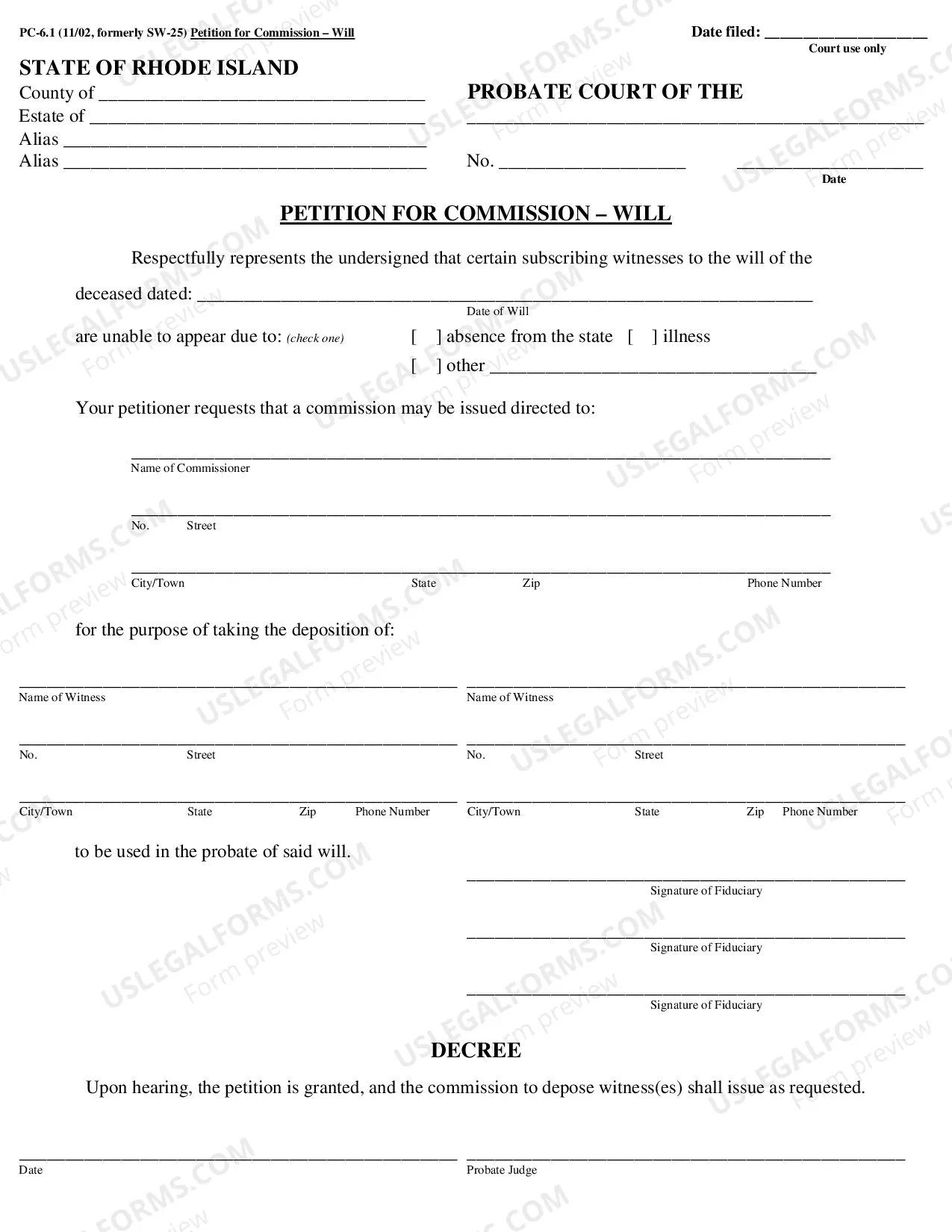
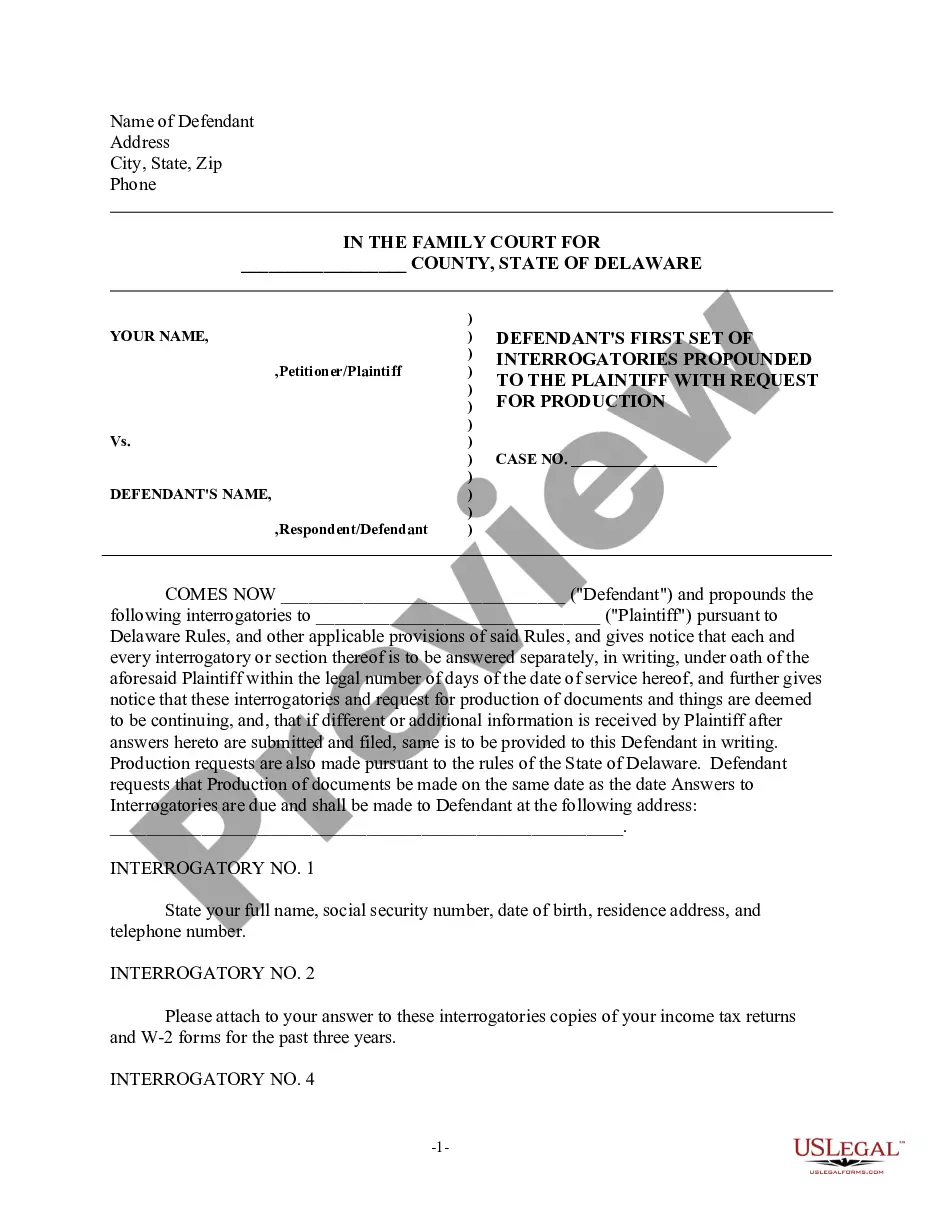
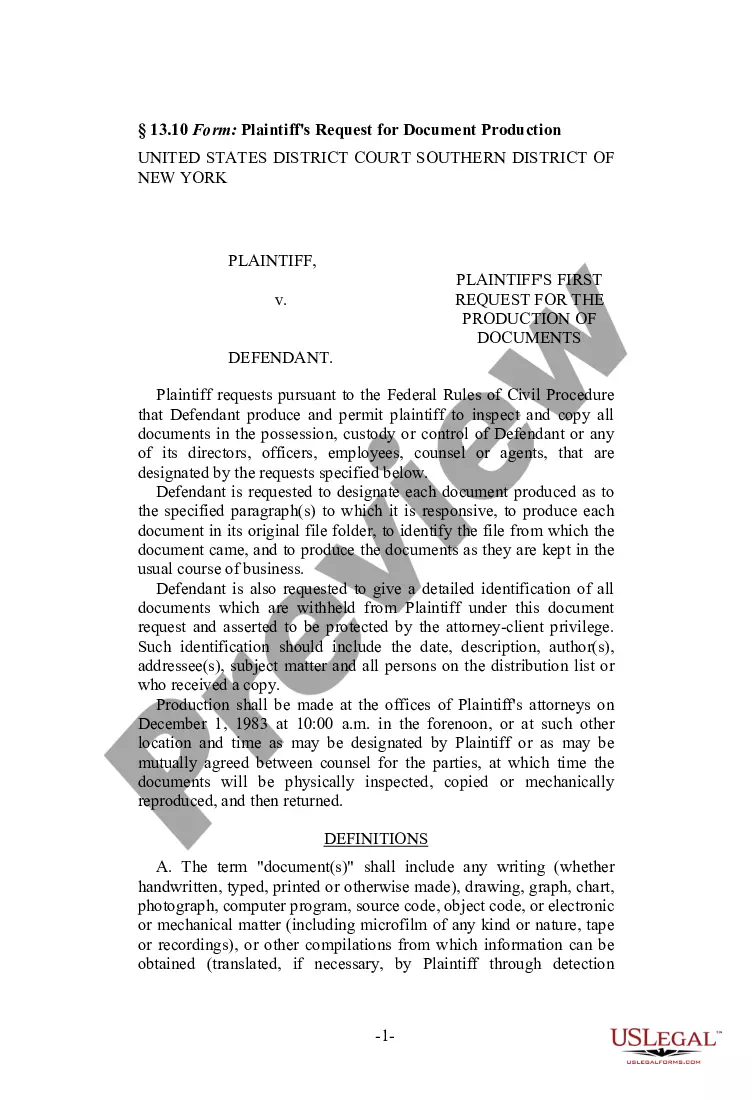
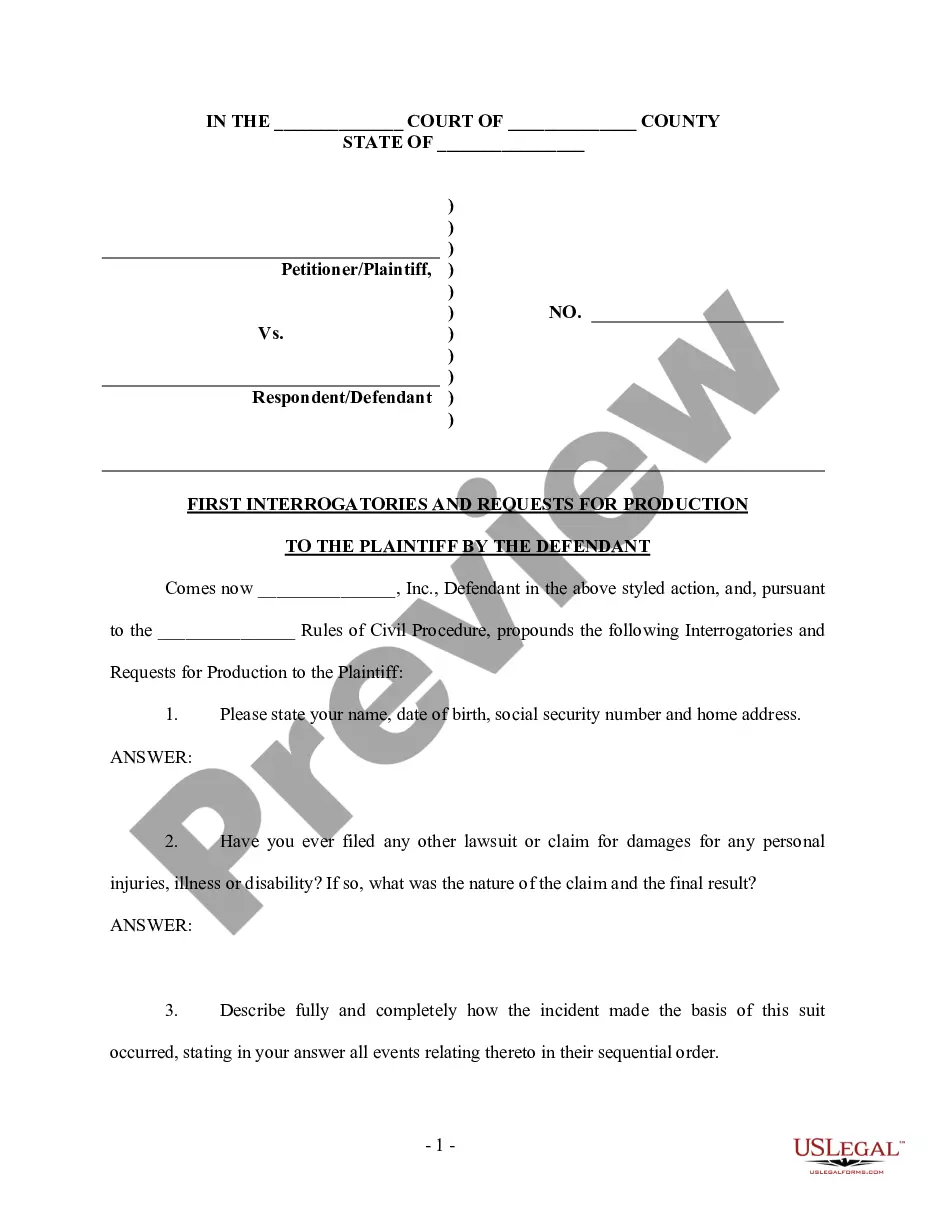
This Discovery Interrogatories from Defendant to Plaintiff with Production Requests form is a legal document used in divorce cases. It allows the defendant to ask the plaintiff a series of questions and request specific documents related to the case. This form assists in gathering necessary information to support one's legal position, making it distinct from other interrogation forms by specifically targeting divorce proceedings and including requests for document production.
What’s included in this form
- Identification of the parties involved, including their names and contact information.
- A series of interrogatories that the plaintiff must respond to, addressing income, assets, and other relevant factors.
- Requests for the production of specific documents, such as tax returns and pay stubs.
- A notice of service to inform the court and opposing counsel that documents have been submitted.
- Certification of service to confirm that the documents were mailed to the plaintiff.



When to use this form
This form should be used during the discovery phase of a divorce proceeding when the defendant requires detailed information from the plaintiff to formulate their case. It is particularly useful for uncovering financial information, understanding the plaintiff's accounts and assets, and clarifying any grounds for divorce that the plaintiff may be alleging.
Who this form is for
- Defendants in a divorce case seeking information from the plaintiff.
- Legal representatives or attorneys managing divorce proceedings.
- Individuals wanting to ensure that they have all necessary information to support their case in court.
How to complete this form
- Fill in the names and addresses of the defendant and plaintiff at the top of the form.
- Number each interrogatory and provide clear, specific questions for the plaintiff to answer.
- List any documents you are requesting the plaintiff to produce, ensuring they are relevant to your case.
- Sign and date the form to certify that the information is accurate and true.
- Mail a copy of the completed form to the plaintiff and retain a copy for your records.
Does this document require notarization?
Notarization is not commonly needed for this form. However, certain documents or local rules may make it necessary. Our notarization service, powered by Notarize, allows you to finalize it securely online anytime, day or night.
Get your form ready online
Our built-in tools help you complete, sign, share, and store your documents in one place.
Make edits, fill in missing information, and update formatting in US Legal Forms—just like you would in MS Word.
Download a copy, print it, send it by email, or mail it via USPS—whatever works best for your next step.
Sign and collect signatures with our SignNow integration. Send to multiple recipients, set reminders, and more. Go Premium to unlock E-Sign.
If this form requires notarization, complete it online through a secure video call—no need to meet a notary in person or wait for an appointment.
We protect your documents and personal data by following strict security and privacy standards.

Make edits, fill in missing information, and update formatting in US Legal Forms—just like you would in MS Word.

Download a copy, print it, send it by email, or mail it via USPS—whatever works best for your next step.

Sign and collect signatures with our SignNow integration. Send to multiple recipients, set reminders, and more. Go Premium to unlock E-Sign.

If this form requires notarization, complete it online through a secure video call—no need to meet a notary in person or wait for an appointment.

We protect your documents and personal data by following strict security and privacy standards.
Avoid these common issues
- Leaving interrogatories unanswered or unclear.
- Failing to include all necessary document requests.
- Not signing or dating the form before filing.
- Sending the documents to the wrong address.
Why use this form online
- Convenient access to the form that can be completed and downloaded from anywhere.
- Editability allows for personalization based on specific case needs.
- Accessibility to state-specific language and guidelines, ensuring compliance with local laws.
Legal use & context
- Interrogatories must be answered under oath, making false statements legally punishable.
- The form is designed to promote full disclosure in divorce cases, which is essential for fair resolution.
- Failure to respond adequately may result in legal penalties or unfavorable court decisions.
Key takeaways
- This form is crucial for defendants in divorce actions to gather essential information from the plaintiff.
- Certain legal rules apply in Delaware concerning the completion and submission of such interrogatories.
- Completing this form accurately can significantly impact the outcome of a divorce case.
Looking for another form?

Form popularity
FAQ
No, a request for production of documents is not the same as a subpoena. A subpoena compels a person to testify or produce evidence in a legal setting, while a request for production is part of the discovery process aimed at sharing documents voluntarily. Utilizing Delaware Discovery Interrogatories from Defendant to Plaintiff with Production Requests streamlines this exchange and creates a more collaborative atmosphere. It's important to understand these differences to navigate your legal proceedings effectively.
Production of documents refers to the legal process in which one party must provide specific documents or evidence requested by the other party. This process ensures that all necessary information is accessible for a fair trial. When engaging in Delaware Discovery Interrogatories from Defendant to Plaintiff with Production Requests, you enable a thorough examination of all pertinent materials. Ultimately, this contributes to a comprehensive understanding of the case.
The purpose of a request for production of documents is to obtain relevant evidence that supports your case. This process facilitates the sharing of important documents between parties involved in a legal dispute. Specifically, when you use Delaware Discovery Interrogatories from Defendant to Plaintiff with Production Requests, you enhance transparency and foster cooperation. Through this method, both parties can prepare more effectively for trial.
Requests for production and interrogatories are distinct legal tools used in the discovery process. While interrogatories involve written questions requiring answers, requests for production specifically seek documents or evidence. Understanding this difference is vital when dealing with Delaware Discovery Interrogatories from Defendant to Plaintiff with Production Requests, as each serves unique purposes in securing necessary information.
Rule 56 in Delaware pertains to motions for summary judgment, allowing parties to request the court to rule in their favor without a trial. This rule is crucial in assessing whether there are genuine disputes of material fact that require a trial. Knowing how Rule 56 interacts with Delaware Discovery Interrogatories from Defendant to Plaintiff with Production Requests can help you identify opportunities for expediting case resolution.
In court, Rule 45 signifies the authority to summon witnesses and compel the production of documents through subpoenas. This rule establishes the framework for requesting evidence essential for a case, impacting how parties prepare their arguments. Understanding Rule 45 is integral to mastering Delaware Discovery Interrogatories from Defendant to Plaintiff with Production Requests, ultimately contributing to a stronger legal position.
Delaware Superior Court Rules 45 provide detailed procedures for subpoenas in legal proceedings. This includes guidelines on how parties can request documents and require testimony, ensuring timely and appropriate access to necessary evidence. Familiarity with these rules is beneficial when engaging in Delaware Discovery Interrogatories from Defendant to Plaintiff with Production Requests, helping you to navigate the process smoothly.
Rule 45 in Delaware Superior Court addresses the issuance of subpoenas for the production of documents and testimony. It governs how parties can compel witnesses and access evidence necessary for their cases. This rule is particularly relevant in the context of Delaware Discovery Interrogatories from Defendant to Plaintiff with Production Requests, as effective use of subpoenas can enhance your overall legal strategy.
Rule 48 in Delaware Superior Court pertains to cases that require a preference for jury trials. This rule sets guidelines for requesting a jury trial and outlines procedures for managing a case timeline. Understanding Rule 48 is crucial when navigating Delaware Discovery Interrogatories from Defendant to Plaintiff with Production Requests, as it can affect your strategy for evidence presentation.
A request for production of documents in Delaware refers to a formal legal request made by one party to another, asking for specific documents relevant to a case. This is an essential part of the discovery process, especially in Delaware Discovery Interrogatories from Defendant to Plaintiff with Production Requests. By obtaining these documents, parties can build a stronger case, ensuring all evidence is considered.