Self-Employed Utility Services Contract
Understanding this form
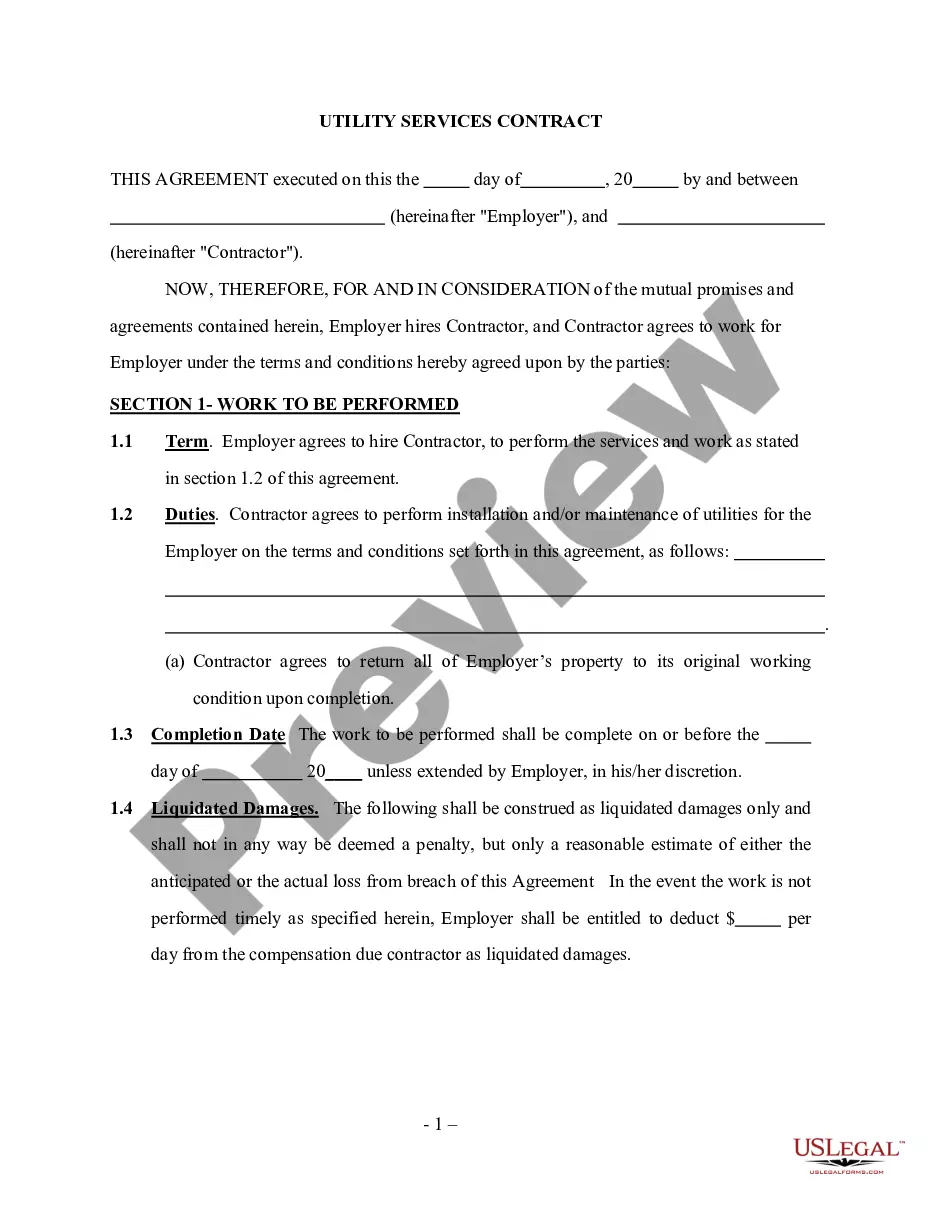
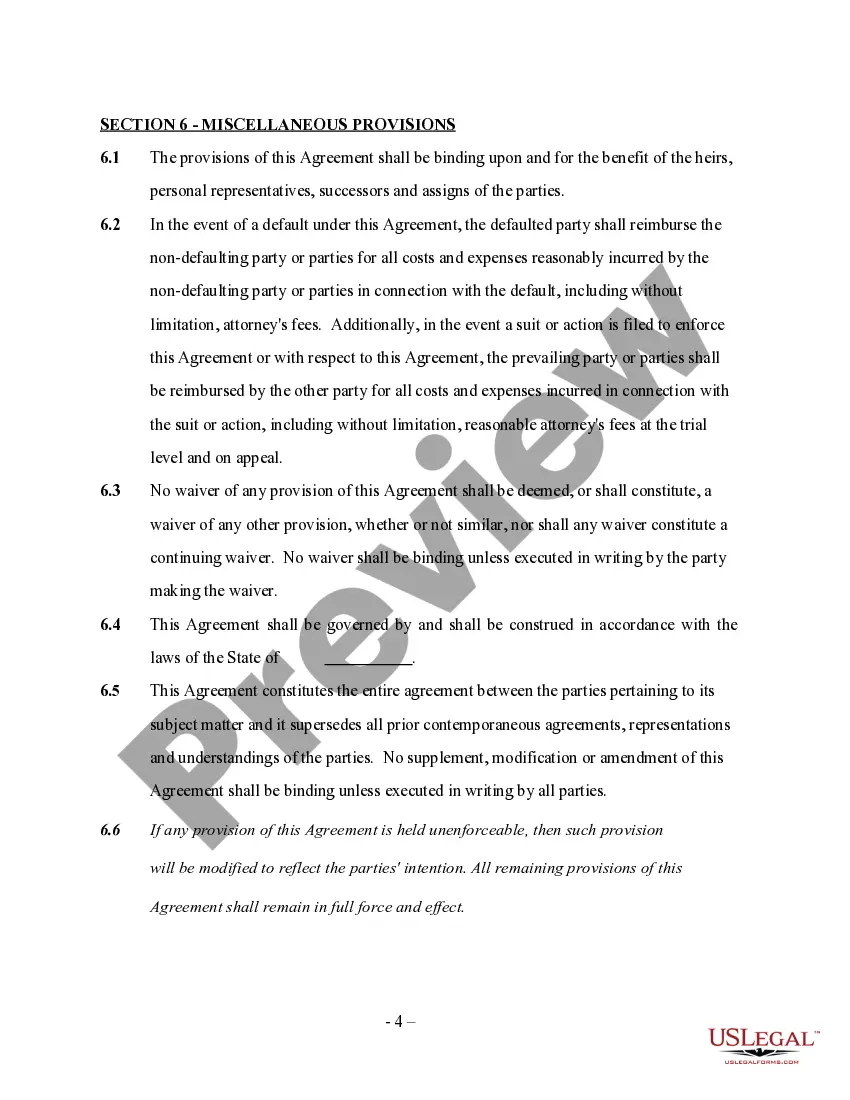
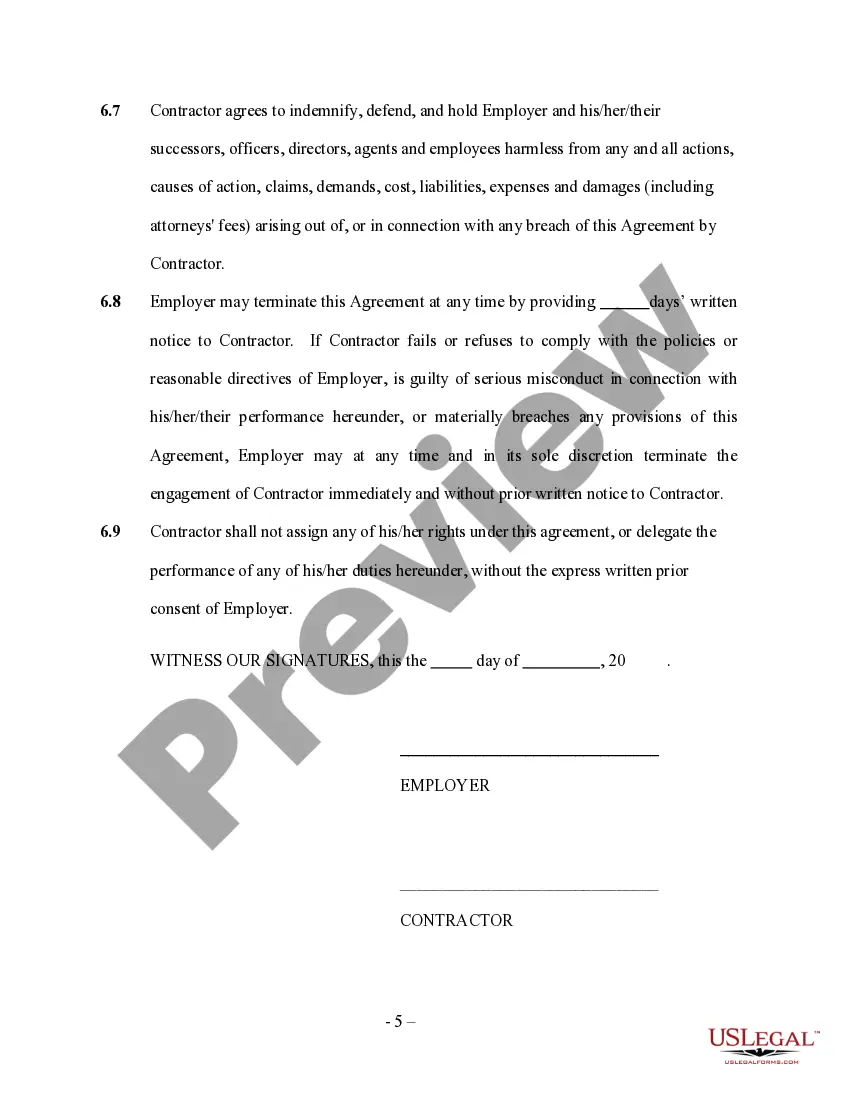
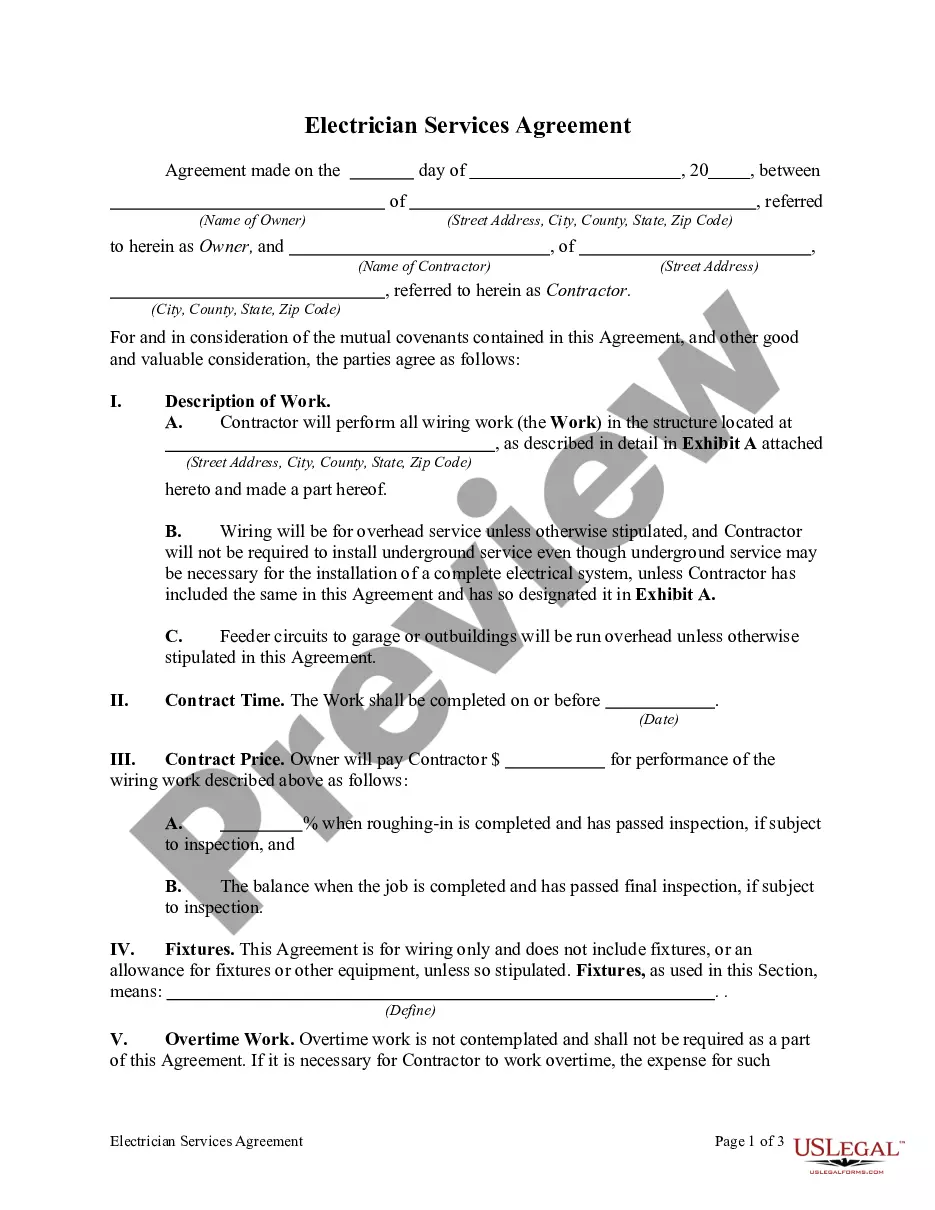
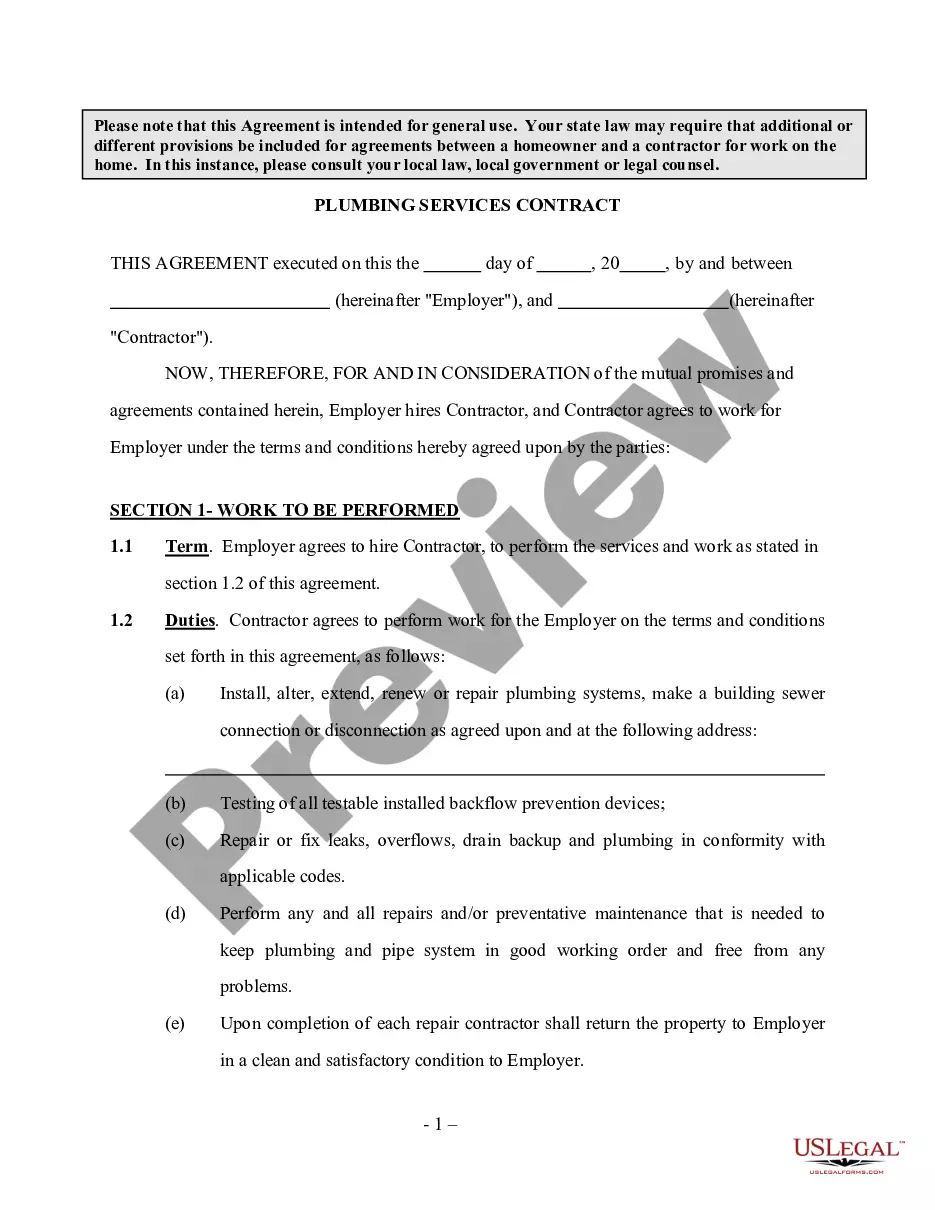
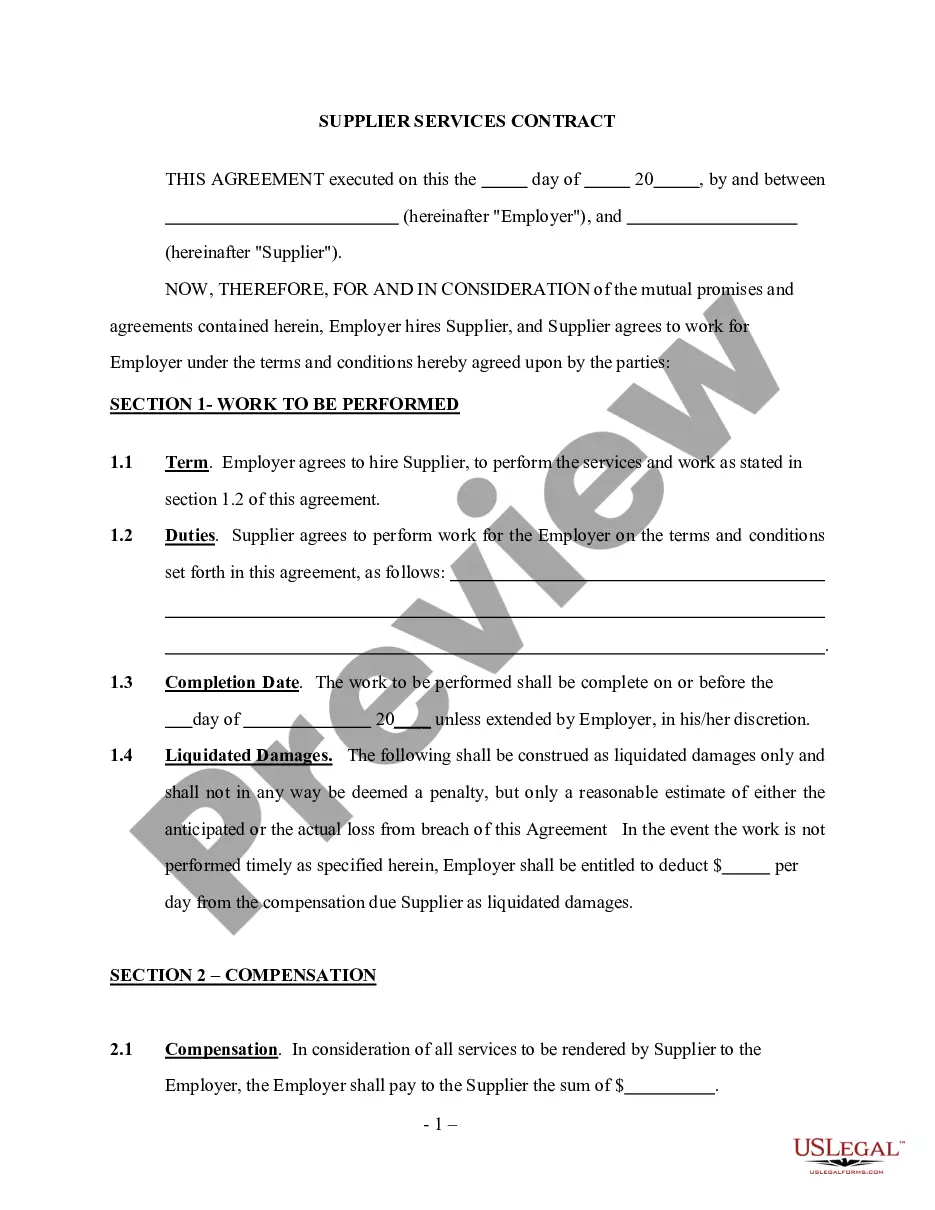
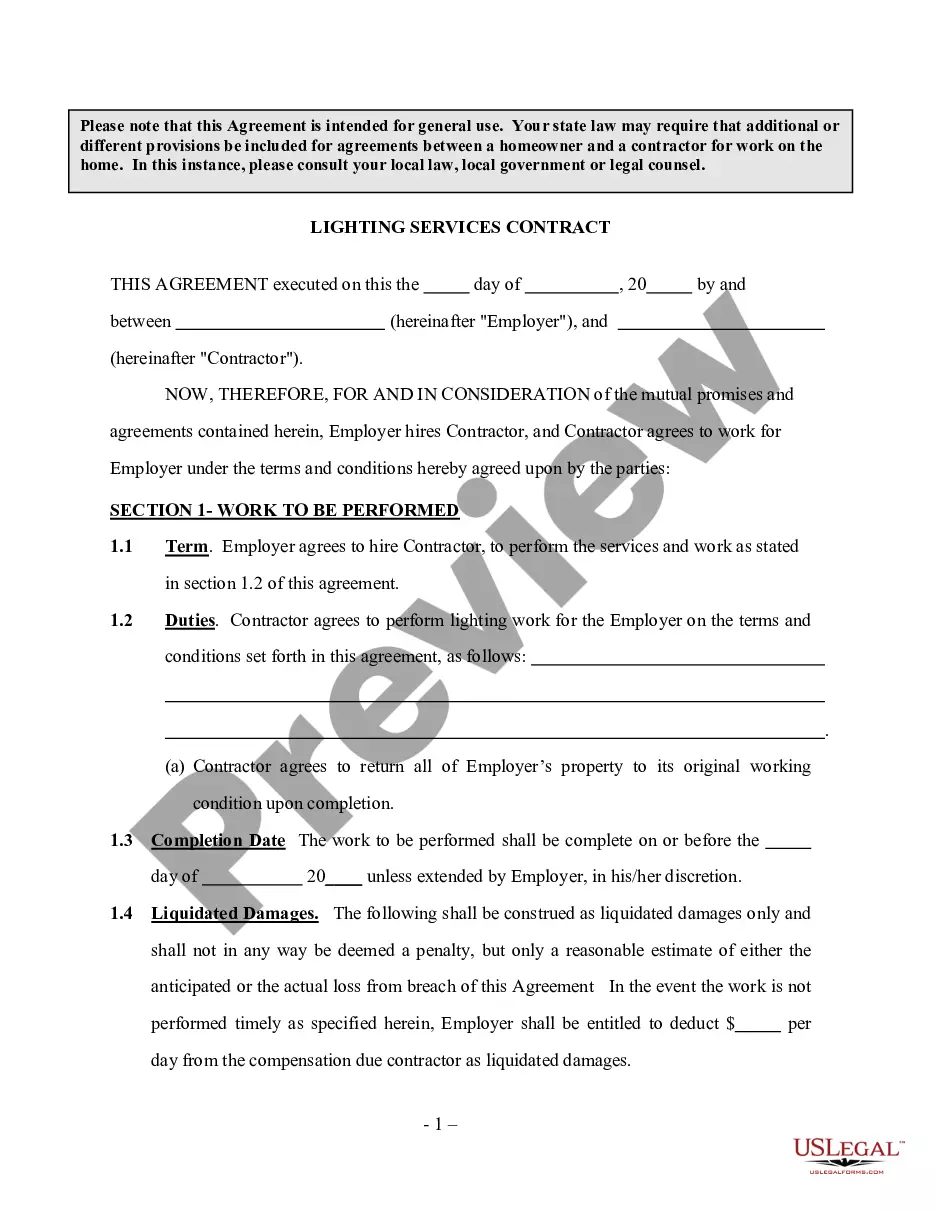
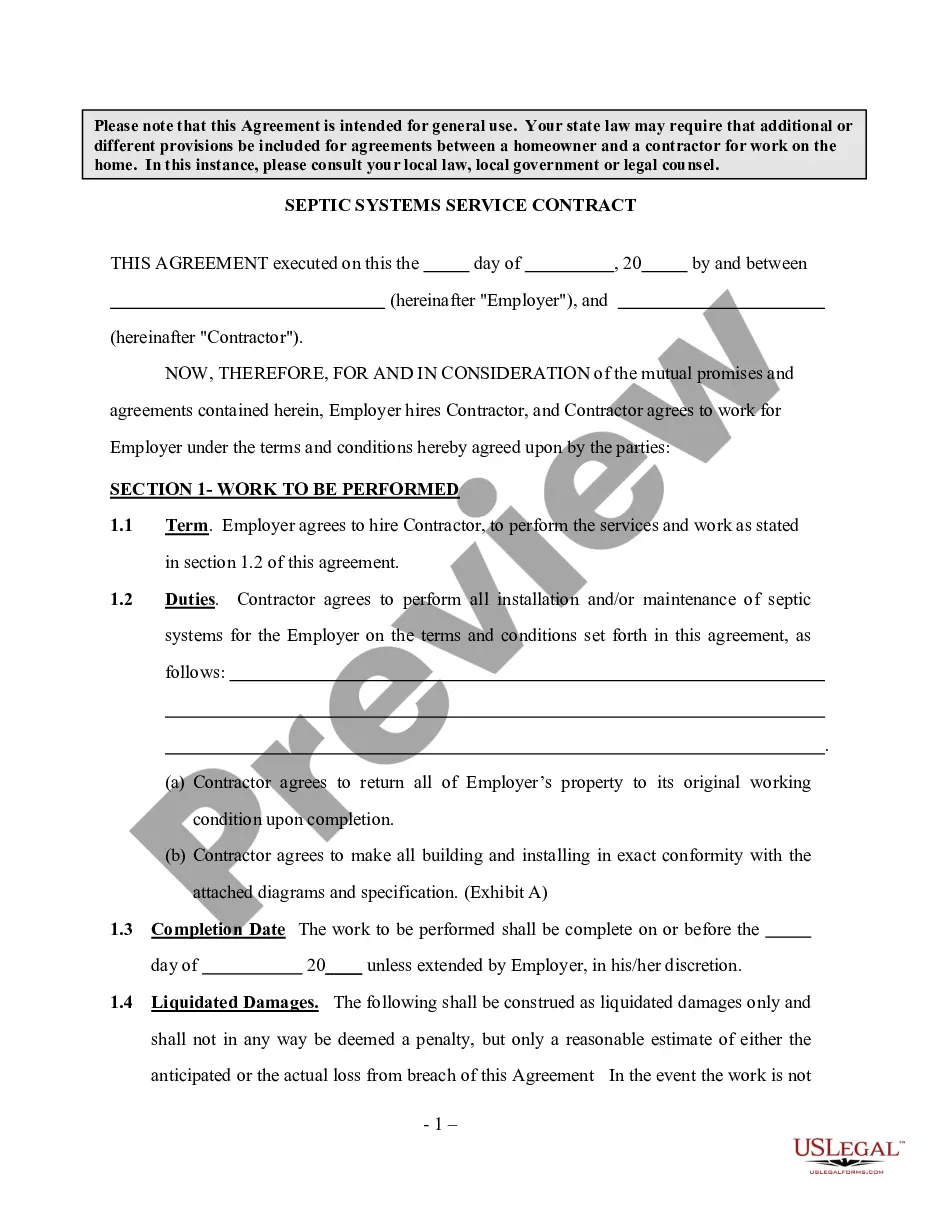
The Self-Employed Utility Services Contract is a legal agreement between an employer and an independent contractor. This form outlines the terms under which the contractor will provide and install utility services. Unlike employment contracts, this form defines the contractor as an independent entity, ensuring both parties understand their rights and responsibilities. It is essential for safeguarding the interests of both the employer and the contractor in utility service-related projects.
Form components explained
- Section 1 - Work to be performed: Outlines the specific services the contractor is hired to complete.
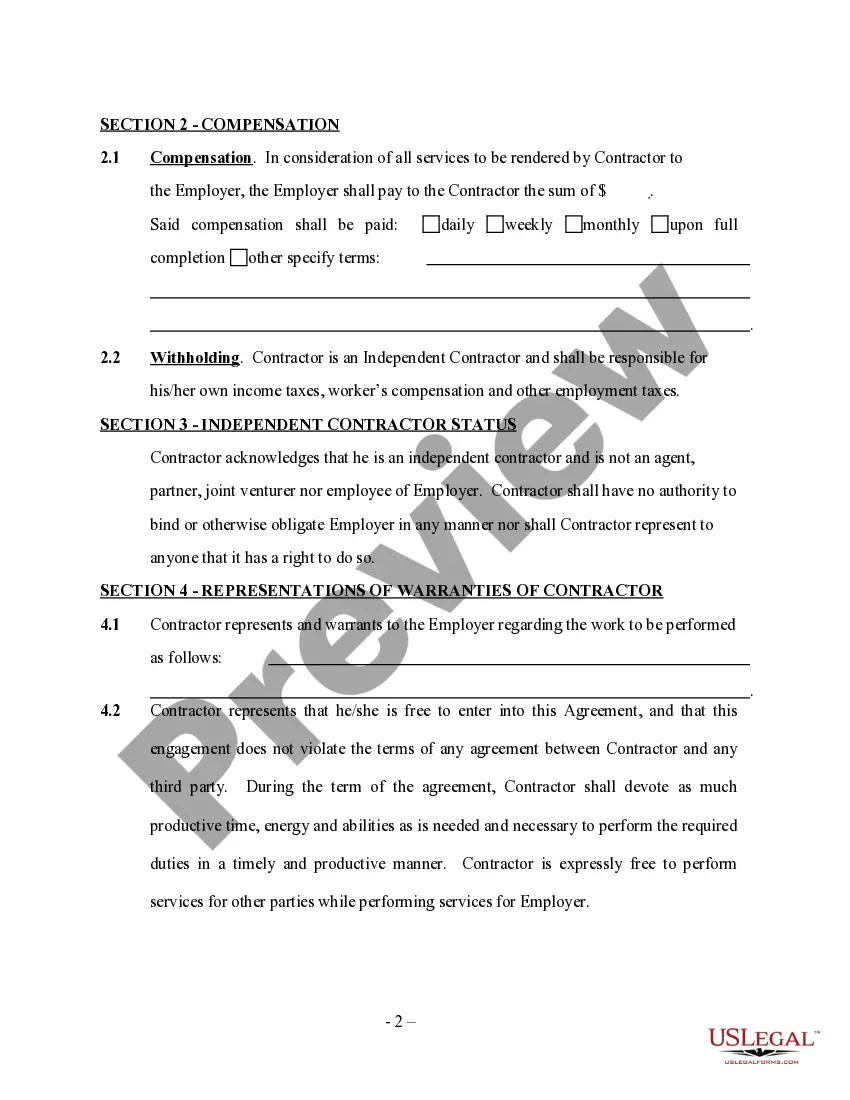
- Section 3 - Independent contractor status: Clarifies that the contractor operates independently of the employer.
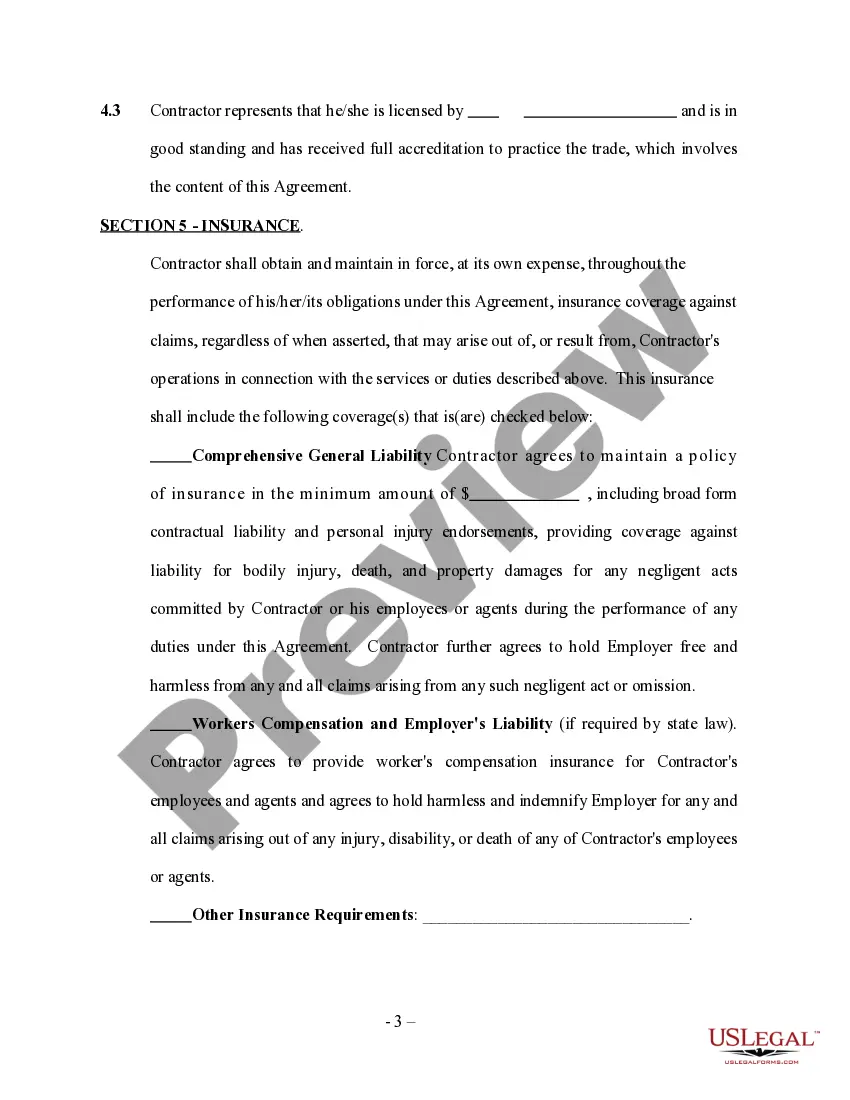
- Section 4 - Representations and warranties of contractor: Ensures the contractor affirms their qualifications and ability to perform the work.
Common use cases
This form should be used when an employer needs to hire an independent contractor for utility services installation or maintenance. It is particularly useful when the scope of work is defined and when both parties want to clarify their respective roles and responsibilities. Instances may include residential utility service installations, repairs, or long-term projects that require specialized contractors.
Who can use this document
- Employers looking to contract for utility installation services.
- Independent contractors offering utility services and seeking clear contract terms.
- Small businesses that want to formalize project agreements with contractors for utility work.
Instructions for completing this form
- Identify the parties: Enter the legal names and addresses of both the employer and the contractor.
- Specify the work: Clearly detail the utility services to be performed in Section 1.
- Set the term: Define the duration of the contract and any specific completion timelines.
- Review independent contractor status: Ensure all parties agree on the contractor's status and limitations.
- Sign and date: Both the employer and contractor must sign the document for it to be effective.
Does this document require notarization?
This form does not typically require notarization unless specified by local law. However, it is advised to consult local regulations to ensure compliance with any notarization requirements.
Get your form ready online
Our built-in tools help you complete, sign, share, and store your documents in one place.
Make edits, fill in missing information, and update formatting in US Legal Forms—just like you would in MS Word.
Download a copy, print it, send it by email, or mail it via USPS—whatever works best for your next step.
Sign and collect signatures with our SignNow integration. Send to multiple recipients, set reminders, and more. Go Premium to unlock E-Sign.
If this form requires notarization, complete it online through a secure video call—no need to meet a notary in person or wait for an appointment.
We protect your documents and personal data by following strict security and privacy standards.

Make edits, fill in missing information, and update formatting in US Legal Forms—just like you would in MS Word.

Download a copy, print it, send it by email, or mail it via USPS—whatever works best for your next step.

Sign and collect signatures with our SignNow integration. Send to multiple recipients, set reminders, and more. Go Premium to unlock E-Sign.

If this form requires notarization, complete it online through a secure video call—no need to meet a notary in person or wait for an appointment.

We protect your documents and personal data by following strict security and privacy standards.
Common mistakes
- Failing to define the scope of work clearly, which can lead to misunderstandings.
- Not specifying the term of the contract, resulting in ambiguity about project duration.
- Assuming the contractor can act on behalf of the employer, which contradicts independent contractor terms.
Why use this form online
- Convenience of easy downloading and immediate access to the form.
- Editability allows customization to meet your specific needs.
- Reliability of attorney-drafted templates that meet legal standards.
Legal use & context
- This contract may be enforceable in court if all parties uphold their obligations.
- Understanding the independent contractor definition is crucial to avoid misclassification.
What to keep in mind
- The Self-Employed Utility Services Contract is essential for clear agreements between employers and independent contractors.
- Key elements include work scope, contractor status, and warranties.
- Proper use of this form can prevent legal misunderstandings and ensure compliance with relevant laws.
Looking for another form?
Form popularity
FAQ
Yes, if you have 1099 income you are considered to be self-employed, and you will need to pay self-employment taxes (Social Security and Medicare taxes) on this income.
You are eligible to apply for a PPP loan as an independent contractor or self-employed individual who has been or will be harmed by the pandemic if all of the following are true:You filed or will file a Form 1040 Schedule C for 2019 showing self-employment income.
Must be in operation before February 15, 2020. Must have income from self-employment, sole proprietorship, or as an independent contractor. Must live in the United States. Must file a Form 1040, Schedule C for 2019. Must have net profit for 2019.
The Paycheck Protection Program (PPP) allows lenders to offer low-interest loans that may be 100% forgiven in certain circumstances. Independent contractors and self-employed individuals that have been adversely impacted by the COVID-19 pandemic have been eligible to apply for these loans since April 10, 2020.
Simply put, being an independent contractor is one way to be self-employed. Being self-employed means that you earn money but don't work as an employee for someone else. An independent contractor is someone who provides a service on a contractual basis.
The PPP limits compensation to an annualized salary of $100,000. For sole proprietors or independent contractors with no employees, the maximum possible PPP loan is therefore $20,833, and the entire amount is automatically eligible for forgiveness as owner compensation share.
In order to apply for a PPP loan as a self-employed individual or independent contractor, you have to meet the following criteria:Must have income from self-employment, sole proprietorship, or as an independent contractor. Must live in the United States. Must file a Form 1040, Schedule C for 2019.
Independent contractors can submit a PPP loan application through their bank or a lending marketplace.PPP applications opened for 1099 employees on April 10, 2020. 1099 employees are now eligible to apply for their own PPP loans through their banks or a loan marketplace.
You are eligible to apply for a PPP loan as an independent contractor or self-employed individual who has been or will be harmed by the pandemic if all of the following are true:You filed or will file a Form 1040 Schedule C for 2019 showing self-employment income.