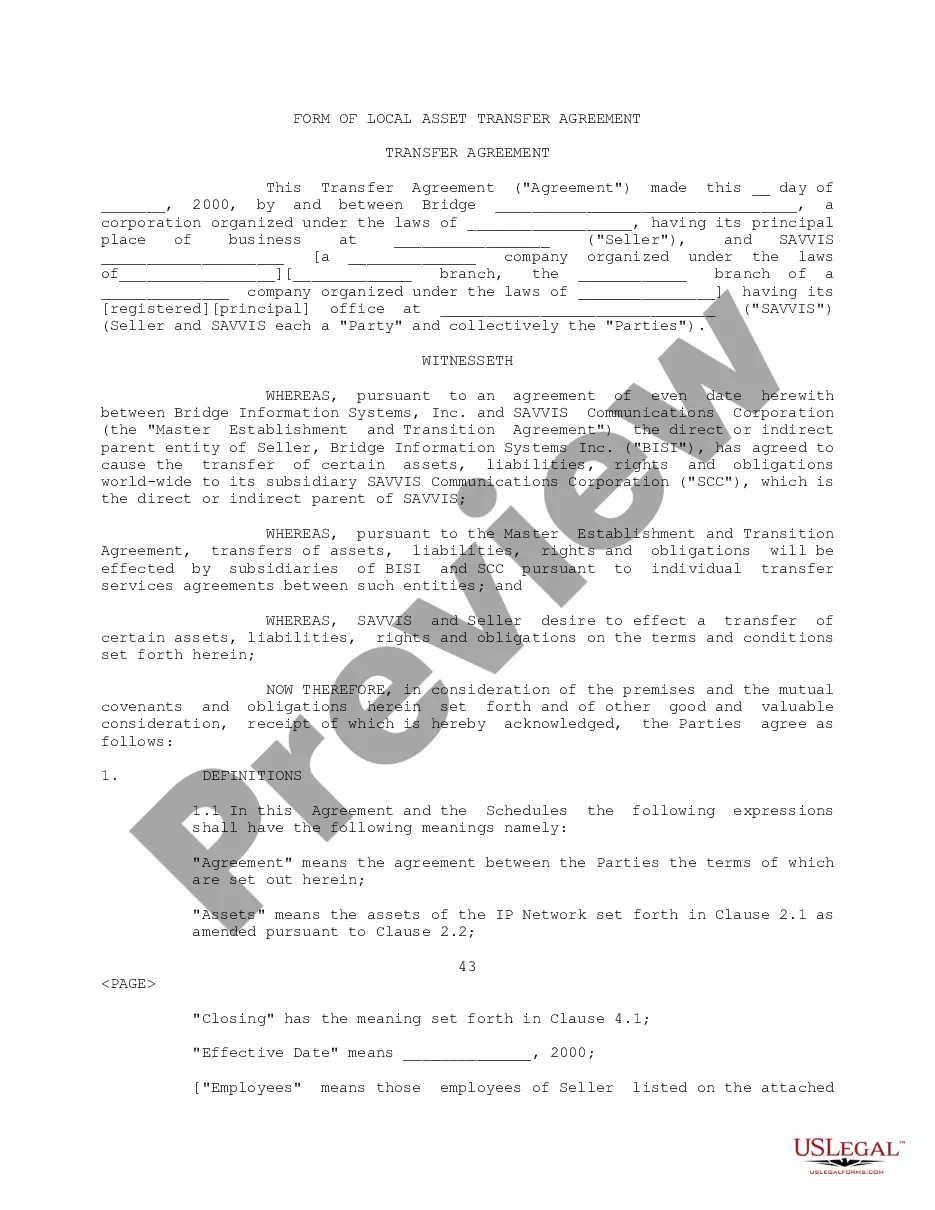
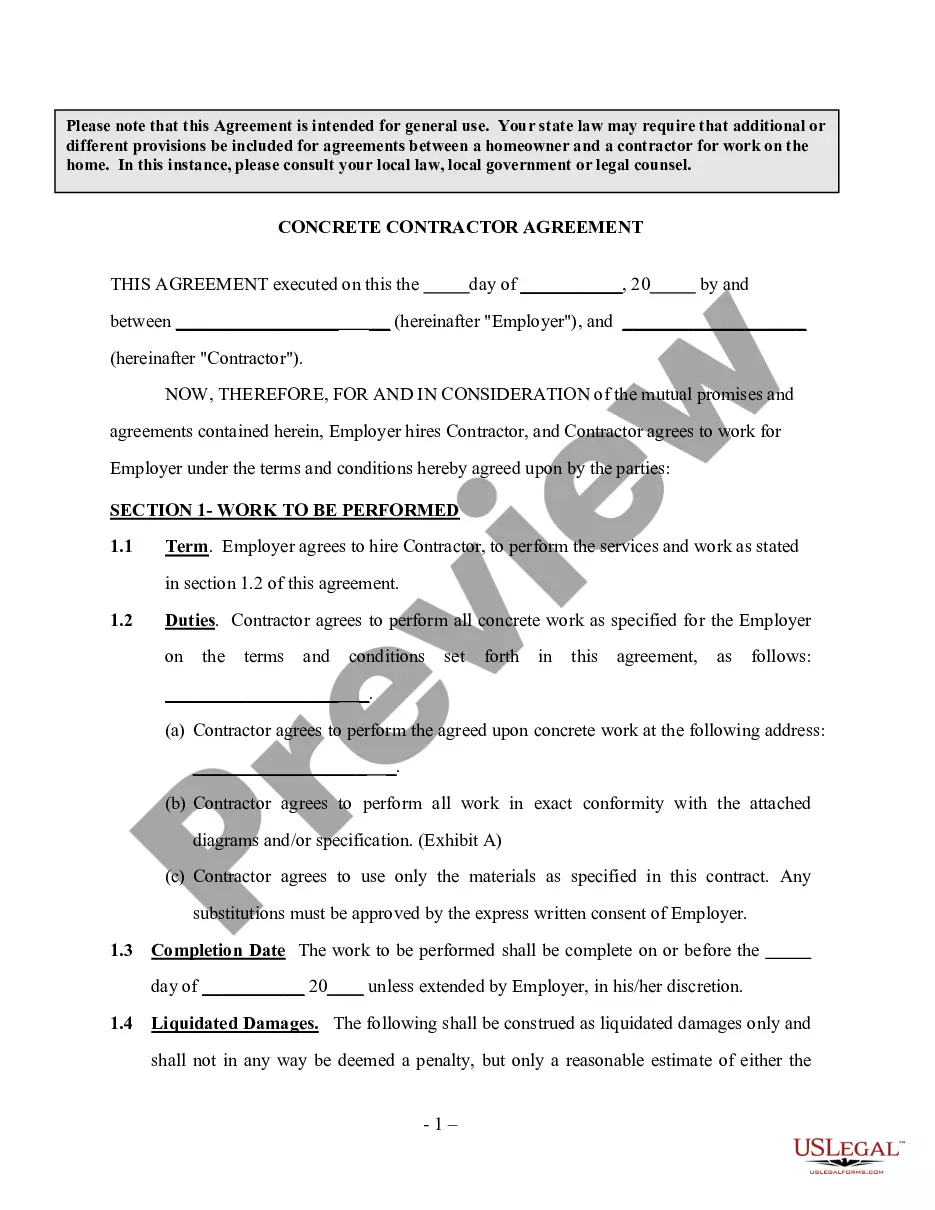
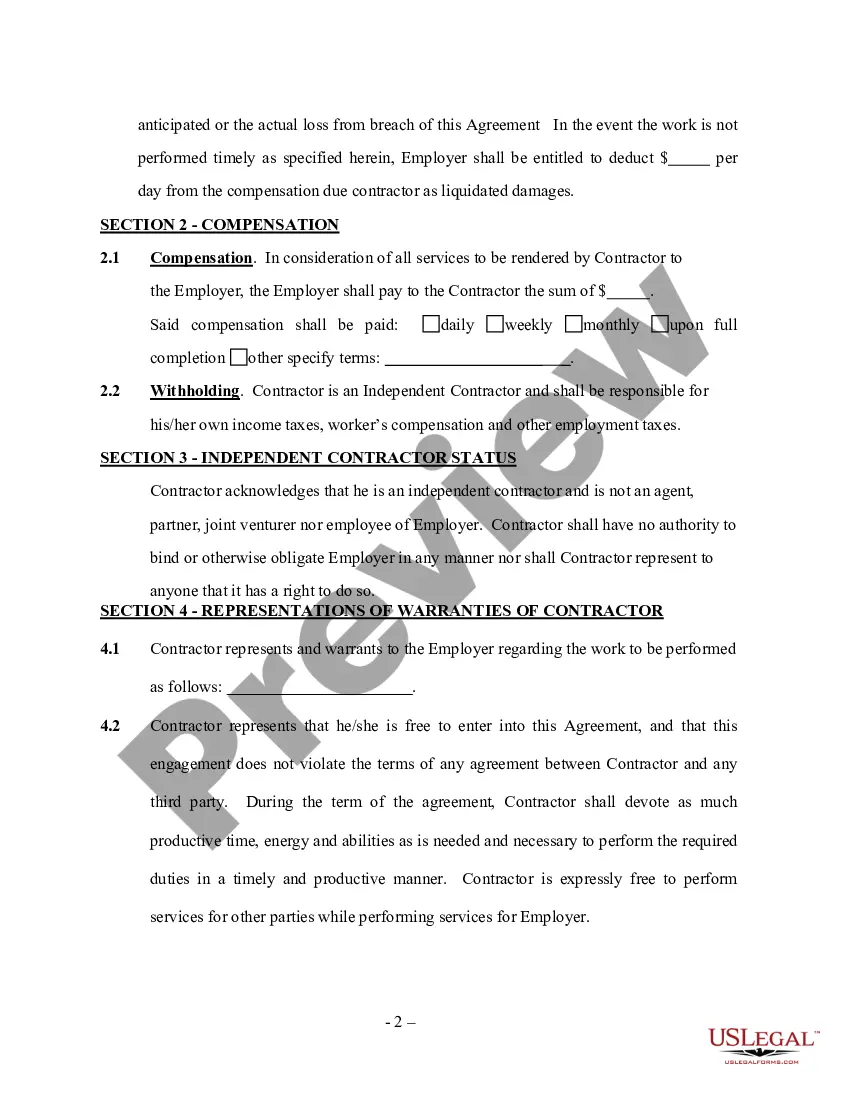
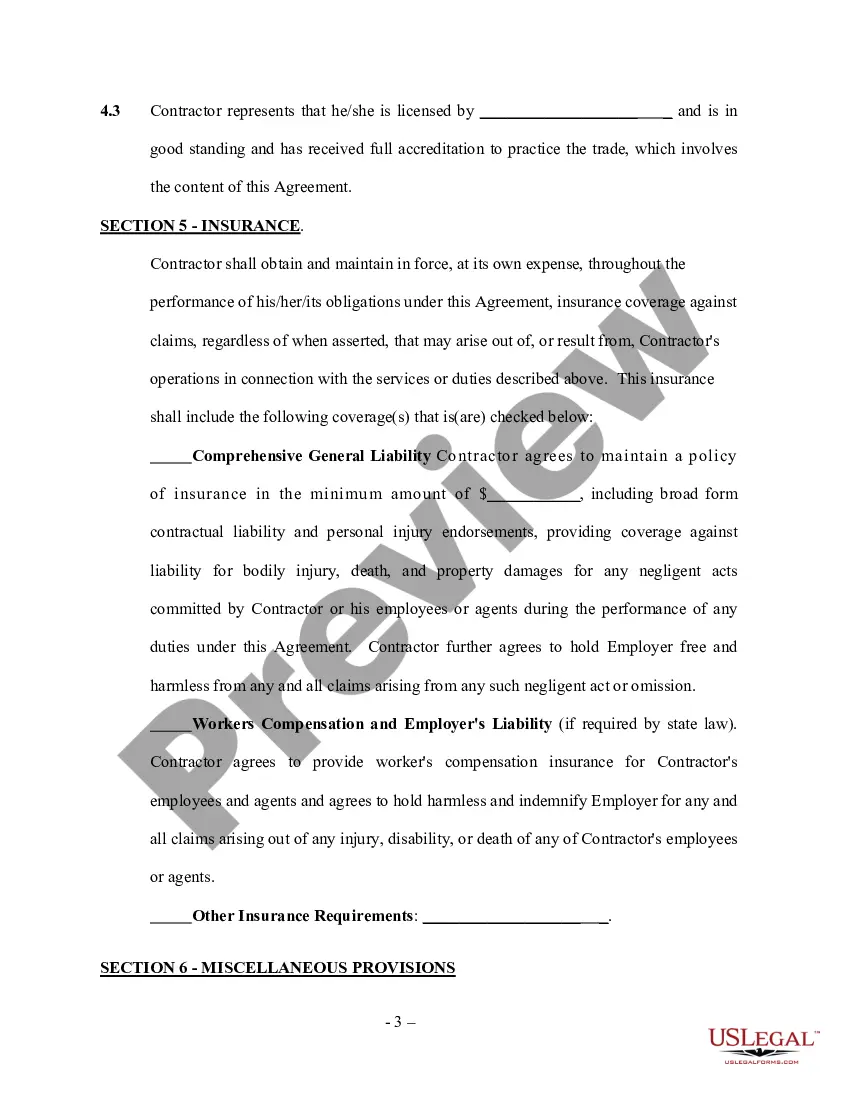
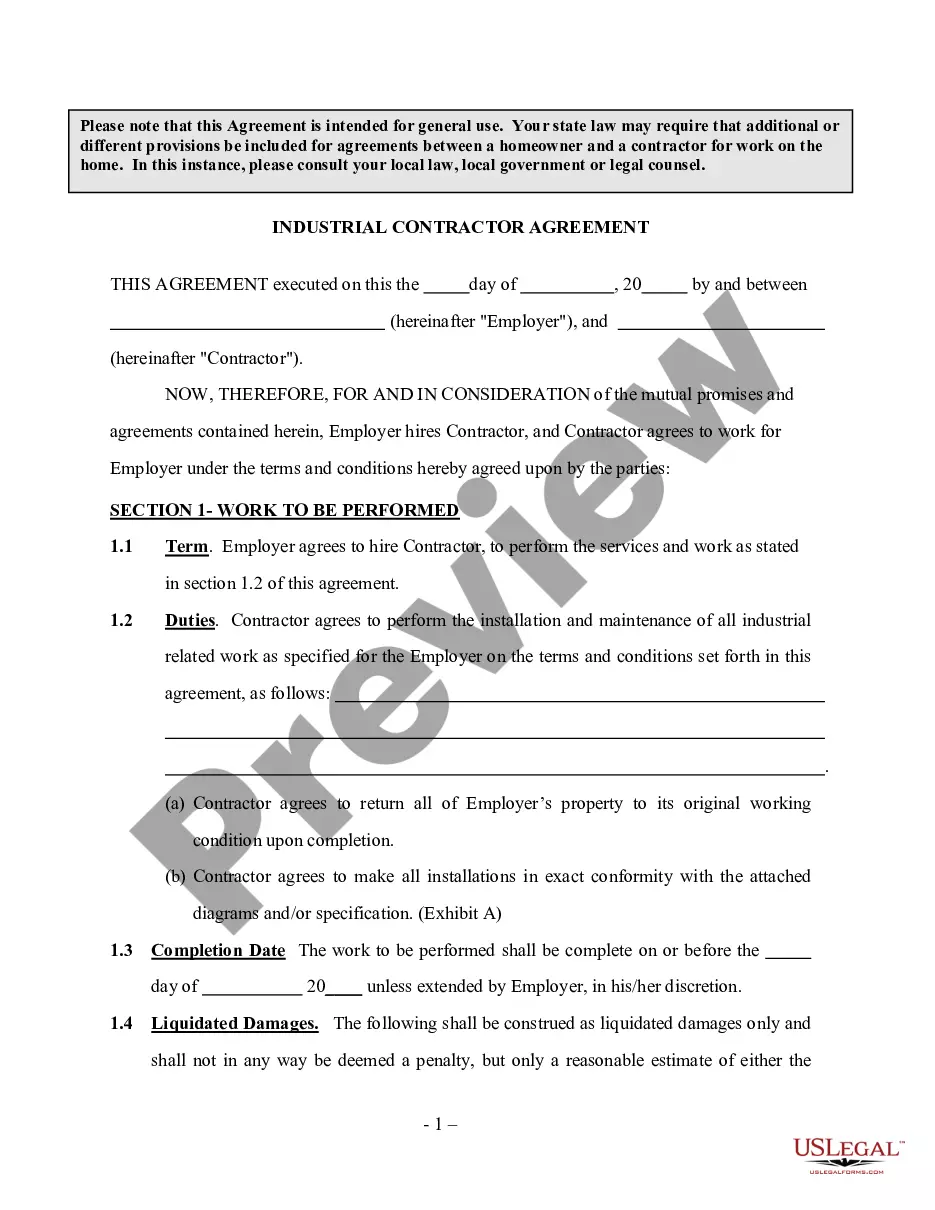
Employer contracts with an independent contractor to pour concrete as specified and agreed upon in the contract. Please note that this Agreement is intended for general use. Your state law may require that additional or different provisions be included for agreements between a homeowner and a contractor for work on the home. In this instance, please consult your local law, local government or legal counsel.
District of Columbia Concrete Contractor Agreement - Self-Employed
State:
Multi-State
Control #:
US-INDC-118
Format:
Word;
Rich Text
Instant download
Description
Free preview
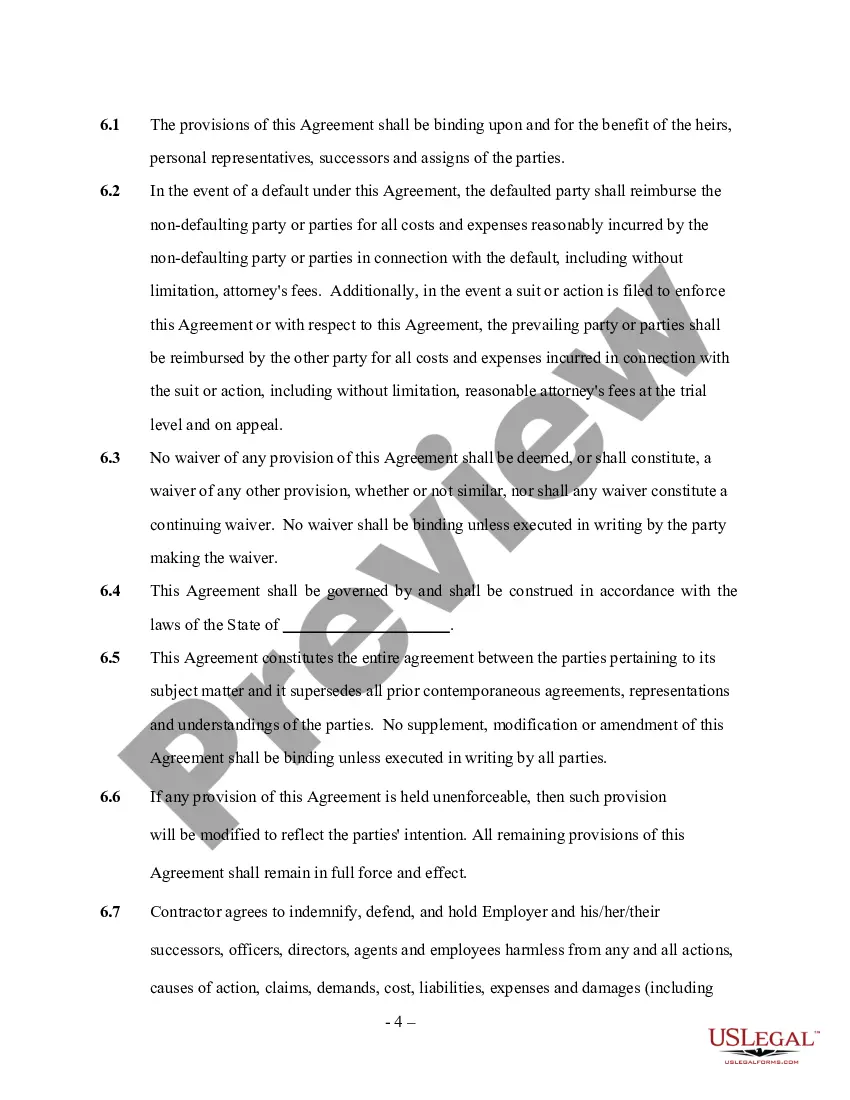
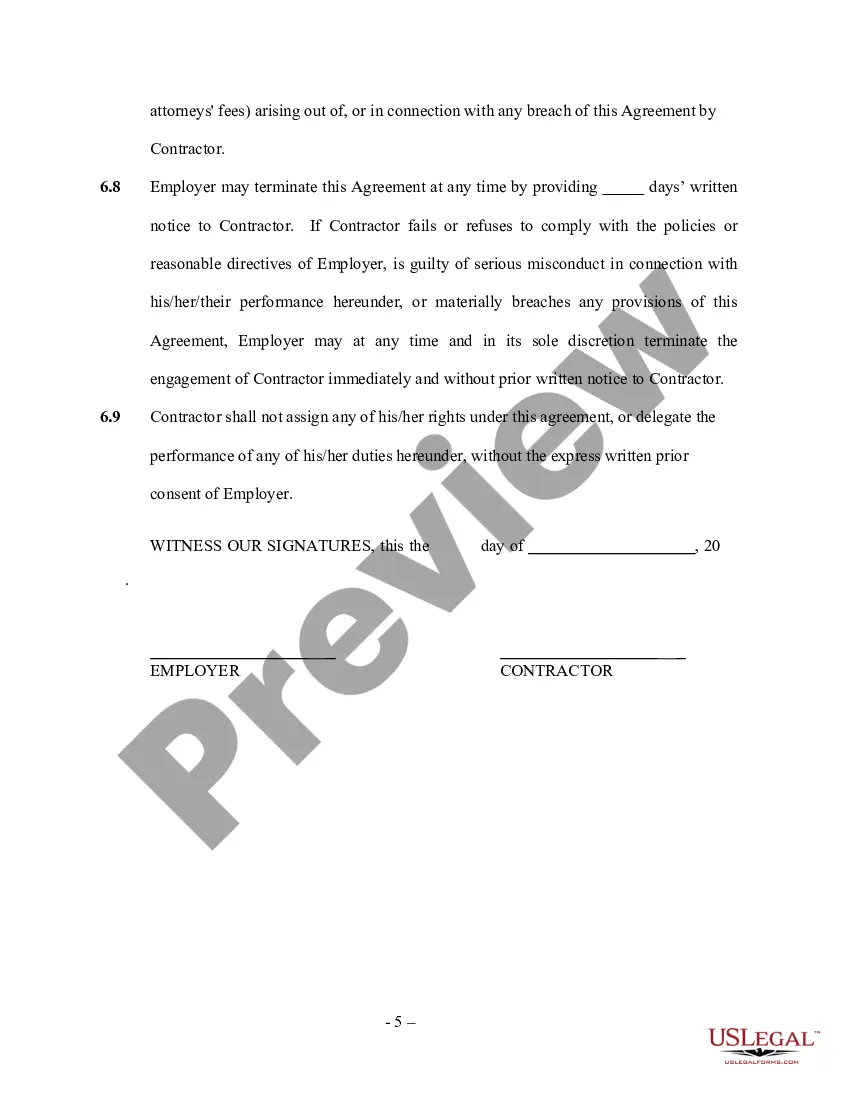
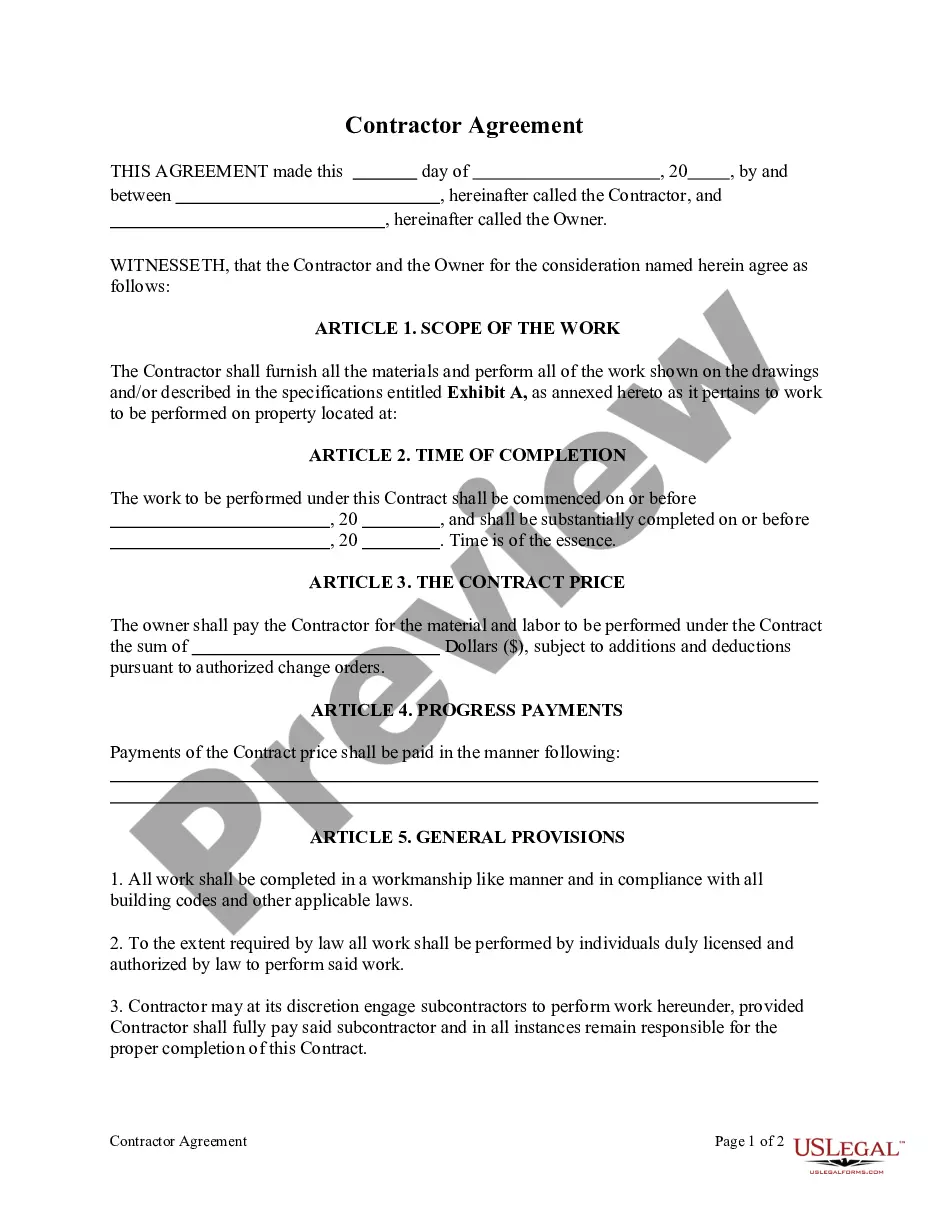
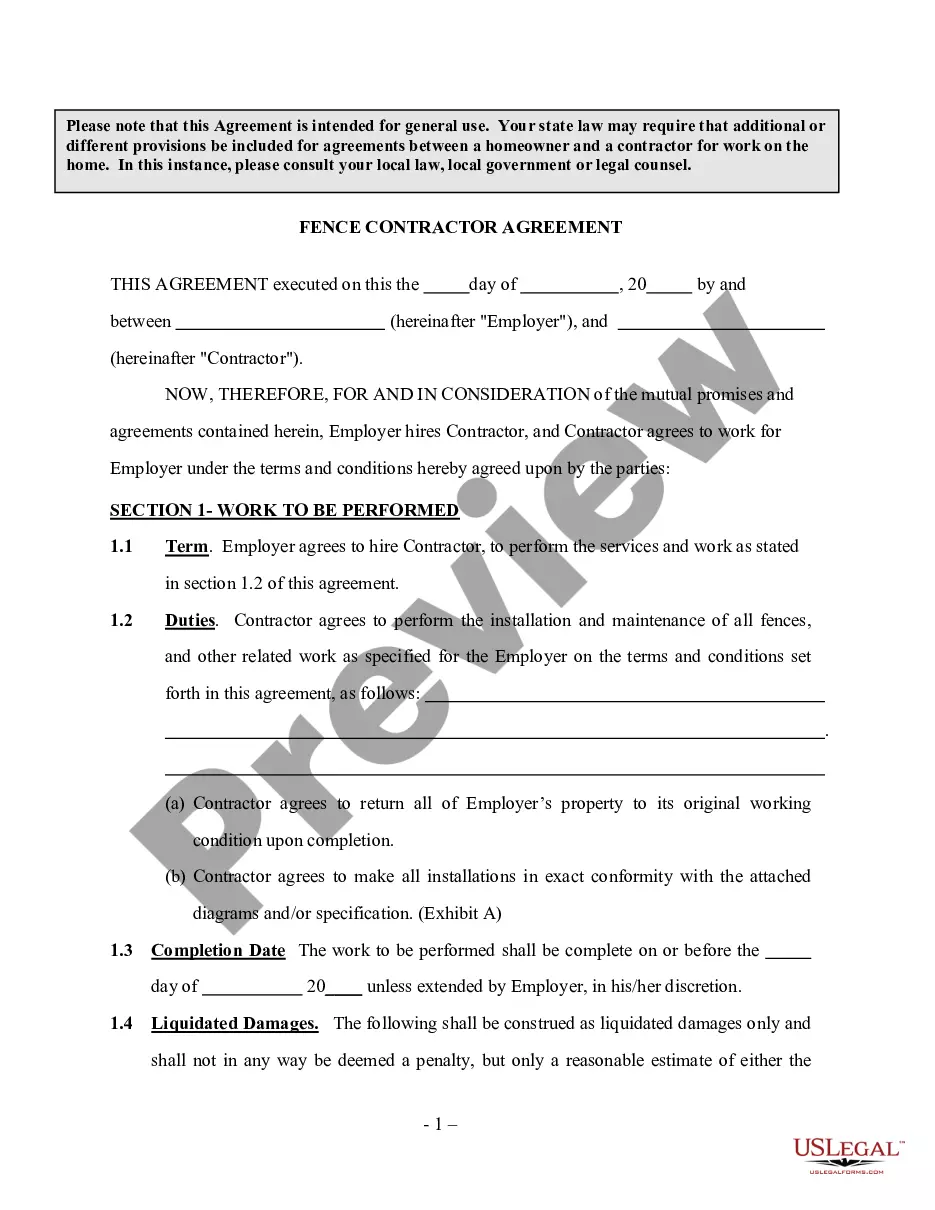
Get your form ready online
Our built-in tools help you complete, sign, share, and store your documents in one place.
Built-in online Word editor
Make edits, fill in missing information, and update formatting in US Legal Forms—just like you would in MS Word.
Export easily
Download a copy, print it, send it by email, or mail it via USPS—whatever works best for your next step.
E-sign your document
Sign and collect signatures with our SignNow integration. Send to multiple recipients, set reminders, and more. Go Premium to unlock E-Sign.
Notarize online 24/7
If this form requires notarization, complete it online through a secure video call—no need to meet a notary in person or wait for an appointment.
Store your document securely
We protect your documents and personal data by following strict security and privacy standards.

Make edits, fill in missing information, and update formatting in US Legal Forms—just like you would in MS Word.

Download a copy, print it, send it by email, or mail it via USPS—whatever works best for your next step.

Sign and collect signatures with our SignNow integration. Send to multiple recipients, set reminders, and more. Go Premium to unlock E-Sign.

If this form requires notarization, complete it online through a secure video call—no need to meet a notary in person or wait for an appointment.

We protect your documents and personal data by following strict security and privacy standards.
Looking for another form?
How to fill out Concrete Contractor Agreement - Self-Employed?
You might spend hours online trying to find the appropriate legal document template that meets the federal and state requirements you need.
US Legal Forms offers thousands of legal forms that are reviewed by experts.
You can easily obtain or print the District of Columbia Concrete Contractor Agreement - Self-Employed from the service.
If you wish to find another version of your form, use the Search section to find the template that fulfills your needs and requirements. Once you have found the template you need, click Get now to proceed. Choose the pricing plan you prefer, enter your information, and register for an account on US Legal Forms. Complete the payment. You can use your credit card or PayPal account to pay for the legal document. Select the format of your document and download it to your device. Make changes to the document if necessary. You can fill out, modify, sign, and print the District of Columbia Concrete Contractor Agreement - Self-Employed. Access and print thousands of document templates using the US Legal Forms website, which offers the largest selection of legal forms. Utilize professional and state-specific templates to address your business or personal needs.
- If you already have a US Legal Forms account, you can Log In and click the Download button.
- After that, you can fill out, modify, print, or sign the District of Columbia Concrete Contractor Agreement - Self-Employed.
- Every legal document template you acquire is yours indefinitely.
- To get another copy of any purchased form, navigate to the My documents section and click the appropriate button.
- If you are using the US Legal Forms website for the first time, follow the simple instructions below.
- First, ensure you have selected the correct document template for the state/region you choose.
- Review the form description to confirm you have selected the correct form.
- If available, utilize the Preview button to view the document template as well.
Form popularity
FAQ
The recent federal rule on independent contractors emphasizes the necessity for clear definitions in worker classification. If you're engaged under a District of Columbia Concrete Contractor Agreement - Self-Employed, these changes could directly impact your working terms. The aim is to foster clarity and protect the rights of workers while respecting the freedoms of self-employment. Staying updated on these updates is essential for maintaining compliance and understanding your responsibilities.
Yes, a contractor is often considered self-employed, which applies to those working under a District of Columbia Concrete Contractor Agreement - Self-Employed. Being self-employed means you run your own business and take on the risks and rewards associated with it. This status allows you to set your work terms but also requires careful tax reporting. Utilize platforms like uslegalforms to facilitate your legal documents and stay compliant with regulations effectively.
Yes, it is possible for someone to be misclassified as an independent contractor rather than an employee. Factors such as control over work hours, performance responsibilities, and the degree of independence can affect this classification. If you're operating under a District of Columbia Concrete Contractor Agreement - Self-Employed, it's crucial to understand your rights and obligations. Misclassification can have significant tax and legal implications, so always ensure compliance with IRS guidelines.
The new federal rule clarifies the classification of independent contractors, focusing on whether a worker is economically dependent on the employer. Under this rule, those operating through a District of Columbia Concrete Contractor Agreement - Self-Employed may qualify as independent contractors if they control their work conditions and schedules. This shift aims to enhance clarity on worker rights and responsibilities. Staying informed on these changes can help you navigate your contractor status effectively.
The IRS classifies workers receiving a Form 1099 as independent contractors, meaning they are generally not entitled to employee benefits. If you operate under a District of Columbia Concrete Contractor Agreement - Self-Employed, you should keep accurate records of your earnings and expenses. You must also file a tax return if your net earnings are $400 or more. This ensures you're compliant with tax regulations while enjoying the flexibility of self-employment.
An independent contractor in the U.S., including those under a District of Columbia Concrete Contractor Agreement - Self-Employed, must report any income above $600 to the IRS. While there is no specific income limit for not paying taxes, it's important to understand that all earnings need to be documented. Once your income exceeds this threshold, you will be responsible for self-employment taxes on your net income. For precise regulations, consulting with a tax professional is always wise.
To write a self-employed contract, start by outlining the services you will provide, along with timelines and deliverables. Then, include payment terms and conditions, such as rates and due dates. It’s beneficial to refer to the District of Columbia Concrete Contractor Agreement - Self-Employed as it provides a reliable framework that ensures you cover all necessary points and protects both parties involved.
Writing a contract for a concrete job involves several key steps. First, clearly define the scope of the project, including specific tasks, timelines, and materials required. Next, detail payment terms, including total costs, deposit requirements, and payment schedule. For a comprehensive document, consider using the District of Columbia Concrete Contractor Agreement - Self-Employed, which offers a solid foundation for your contract.
Creating an independent contractor agreement involves several essential steps. First, you should clearly outline the scope of work, including specific tasks and deadlines, to ensure both parties understand their obligations. Next, address payment terms, including rates and payment schedules, to avoid future misunderstandings. Using a template, like the District of Columbia Concrete Contractor Agreement - Self-Employed from uslegalforms, can simplify the process and ensure you cover all necessary legal aspects.
To obtain a DC contractor license, start by researching the specific requirements for your type of contracting work. Submit an application along with any required documentation, such as proof of experience and insurance. It is beneficial to understand that having a District of Columbia Concrete Contractor Agreement - Self-Employed can aid you in demonstrating professionalism and preparedness during the licensing process.