District of Columbia New State Resident Package
Understanding this form package
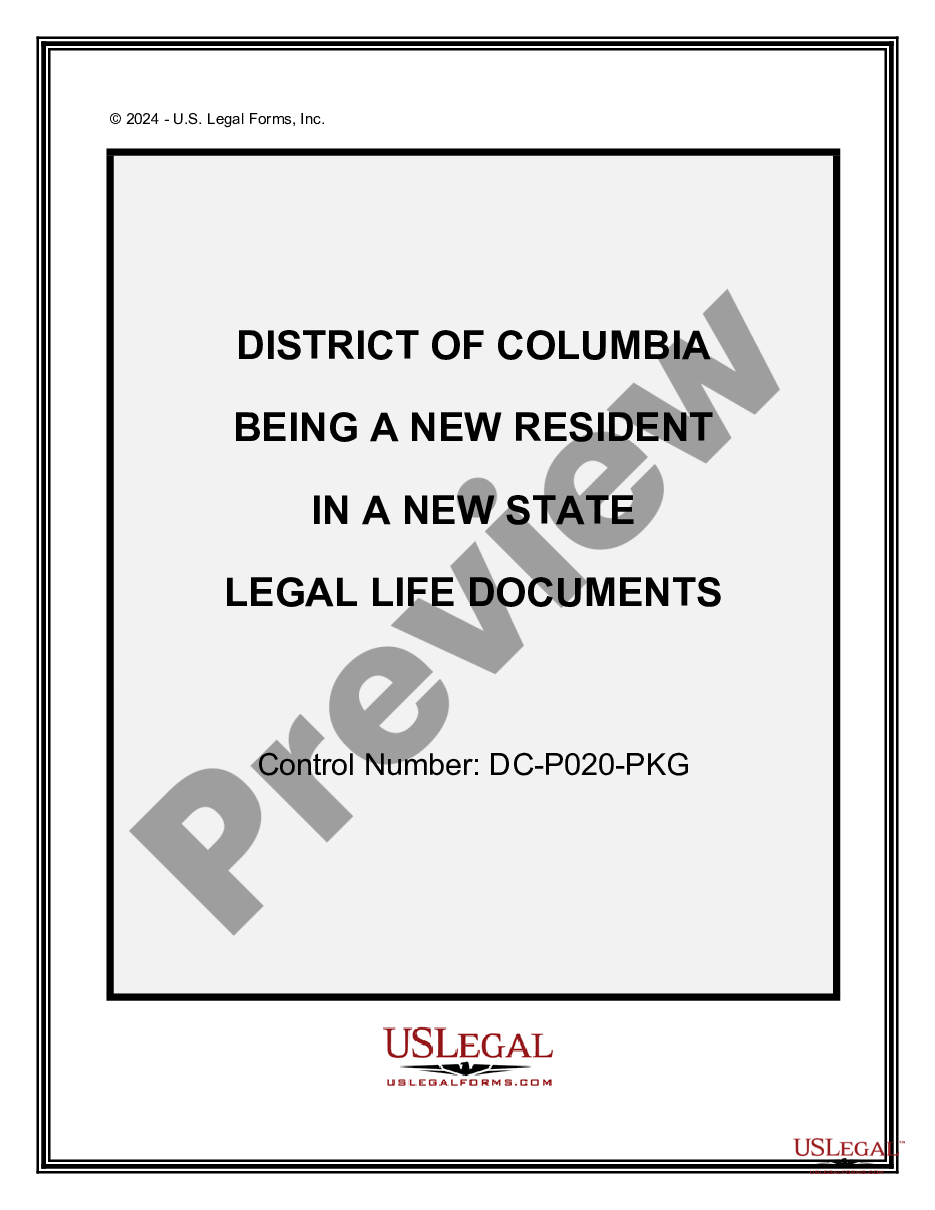
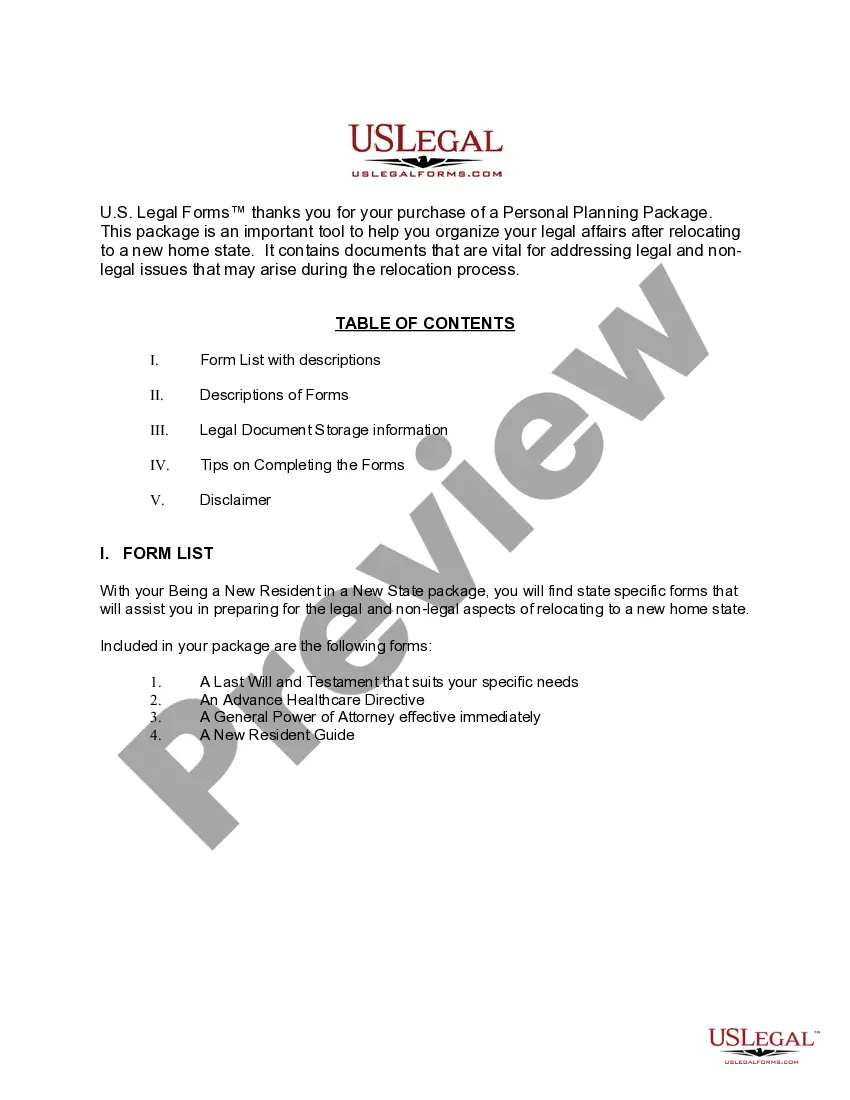
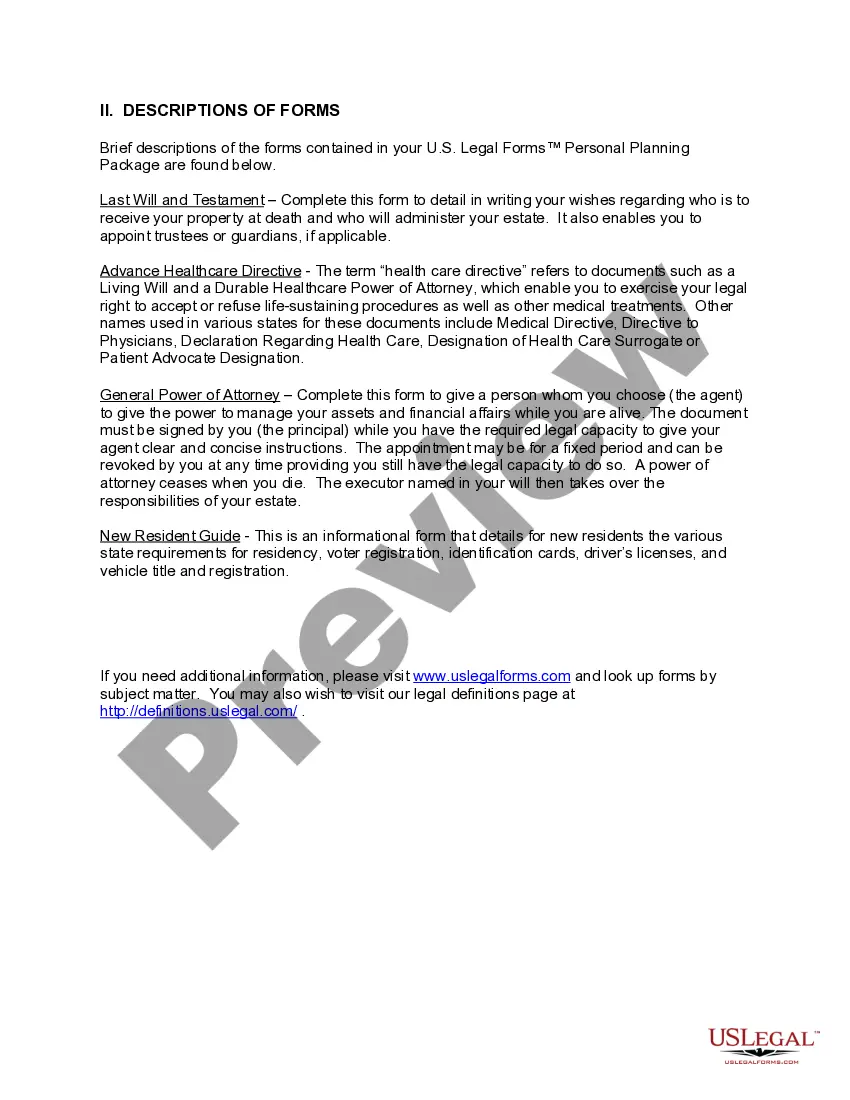
The District of Columbia New State Resident Package includes essential legal documents to help you manage your legal affairs after moving to Washington, D.C. This package differs from other legal form packages by providing state-specific documents that address both legal and practical matters encountered during your relocation. Included are a Last Will and Testament, Advance Healthcare Directive, General Power of Attorney, and a New Resident Guide.
What’s included in this form package
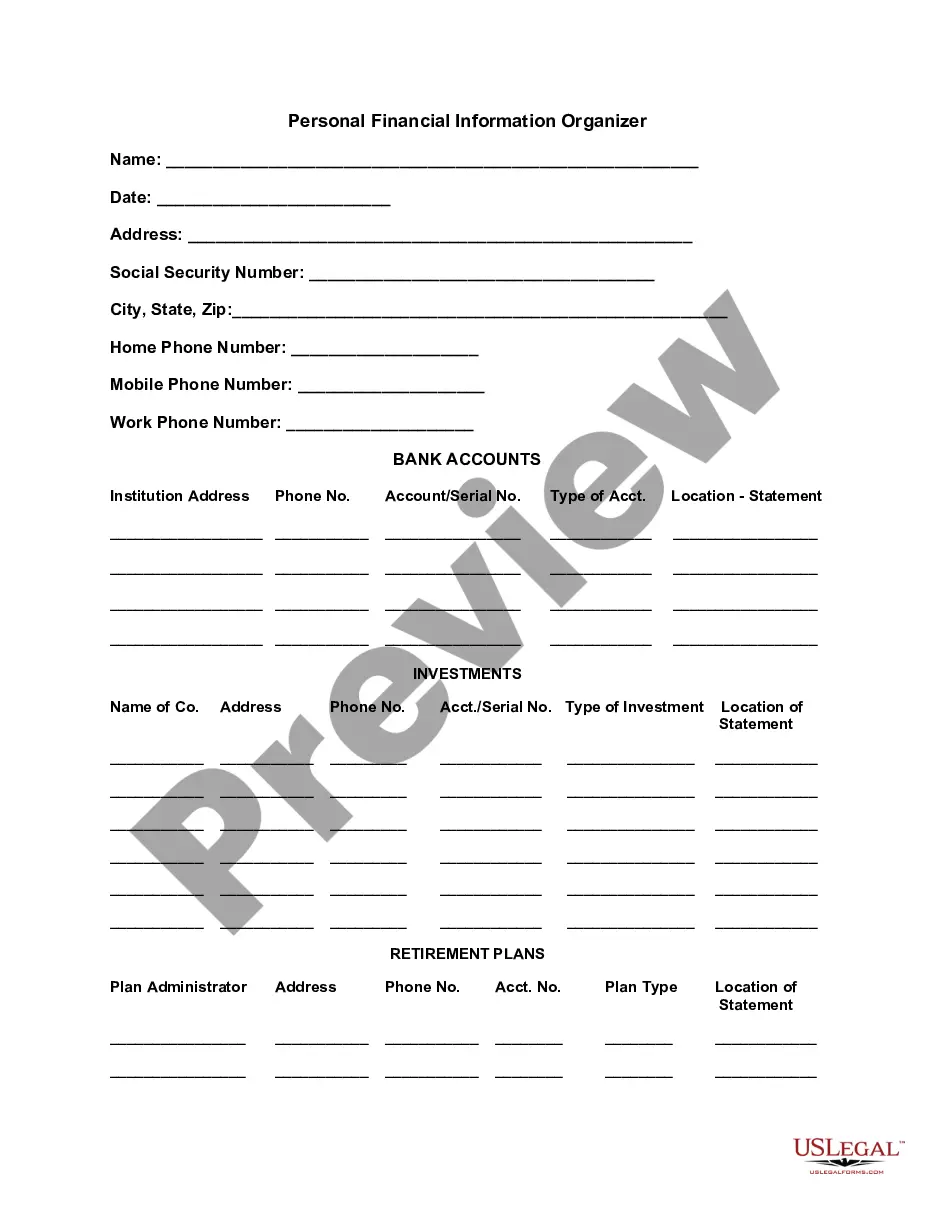
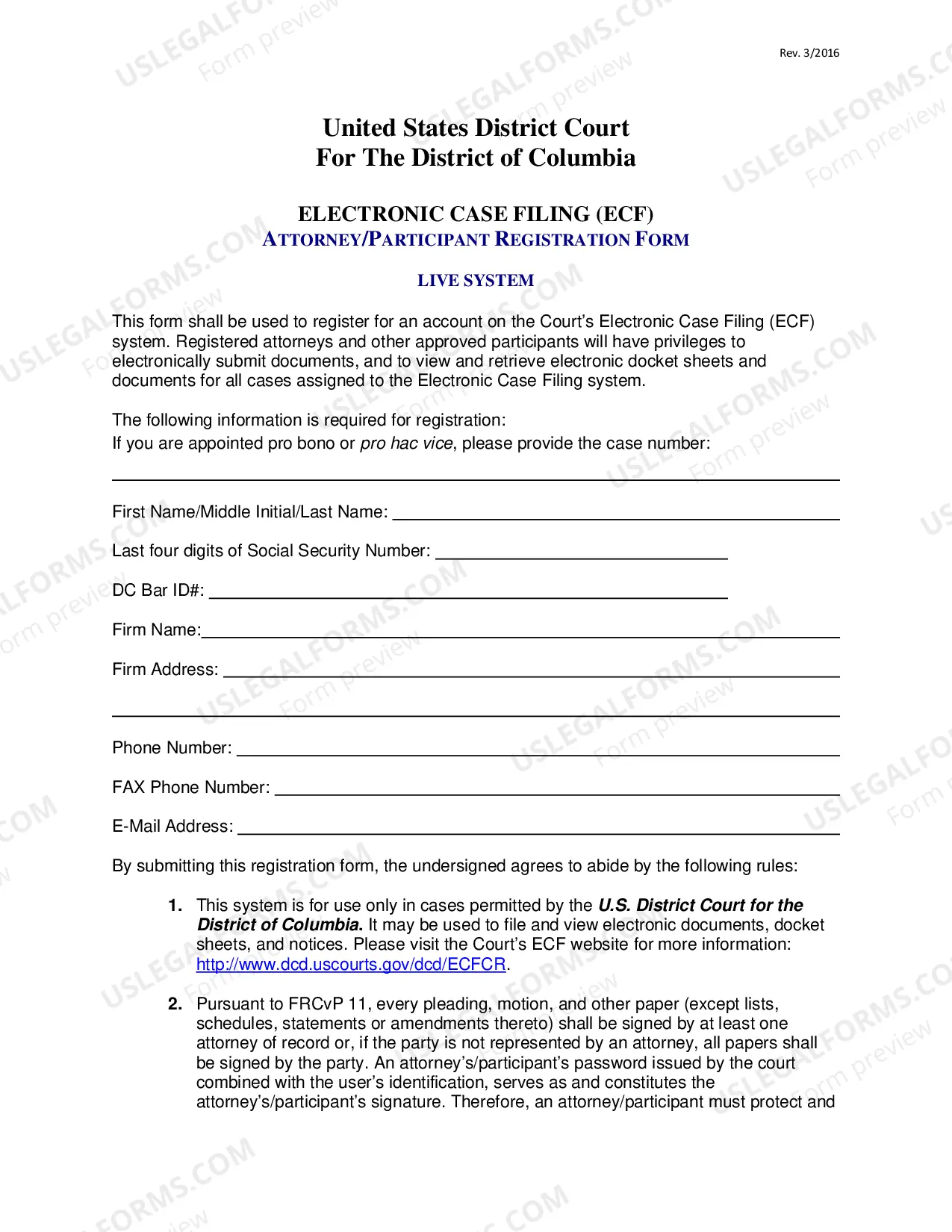
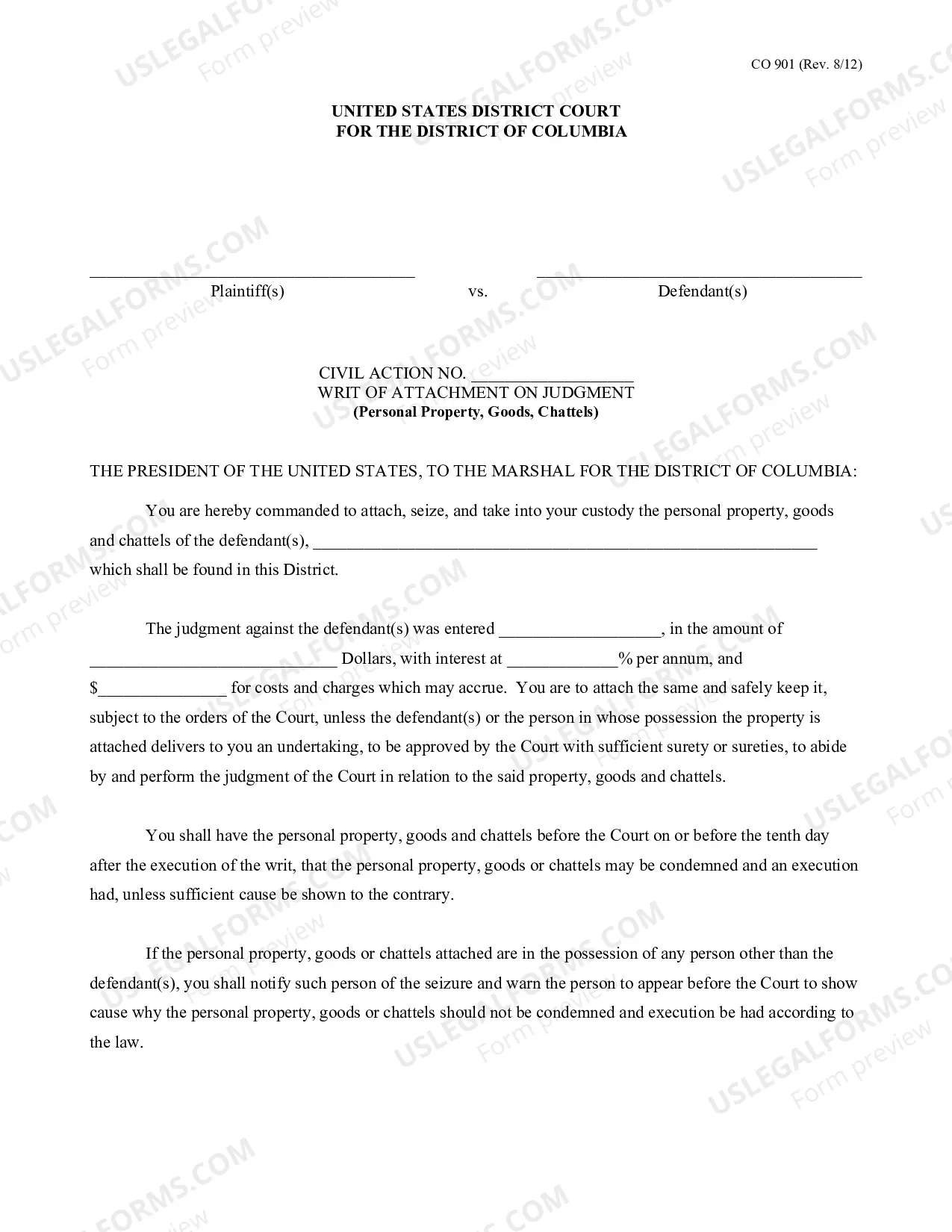
When this form package is needed
This form package is particularly useful in the following situations:
- You have recently moved to Washington, D.C., and need to establish your legal documents in your new state.
- You want to ensure your healthcare preferences are documented and respected in case of emergencies.
- You need to appoint someone to manage your financial affairs promptly.
- You require information about residency and local requirements for new residents.
Intended users of this form package
- Individuals moving to Washington, D.C.
- New residents seeking to establish legal documents in their new jurisdiction.
- Anyone looking to manage their healthcare and financial decisions proactively.
- Individuals wanting to understand their rights and responsibilities as new residents.
How to prepare this document
- Review the included forms to identify which ones are applicable to your situation.
- Complete the Last Will and Testament by specifying your property distribution preferences.
- Fill out the Advance Healthcare Directive to document your medical treatment preferences.
- Use the General Power of Attorney to designate an agent for managing your financial affairs.
- Refer to the New Resident Guide for information on residency requirements and registration.
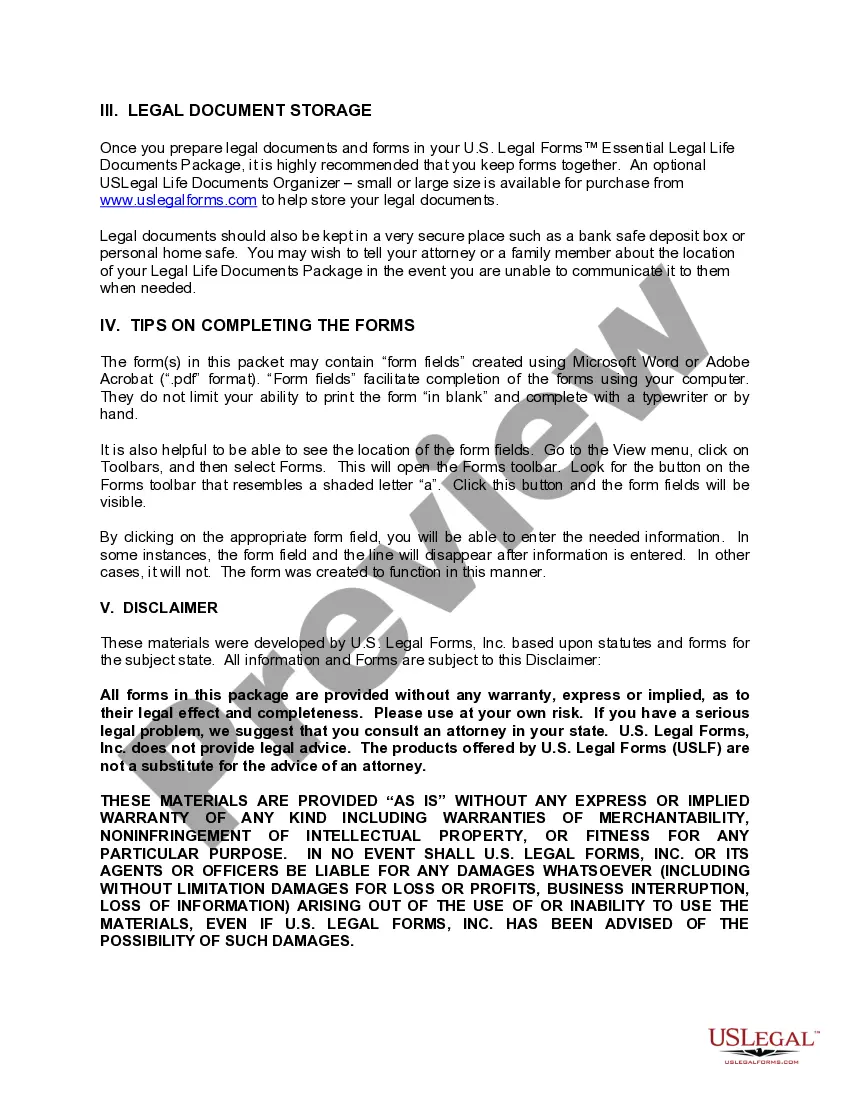
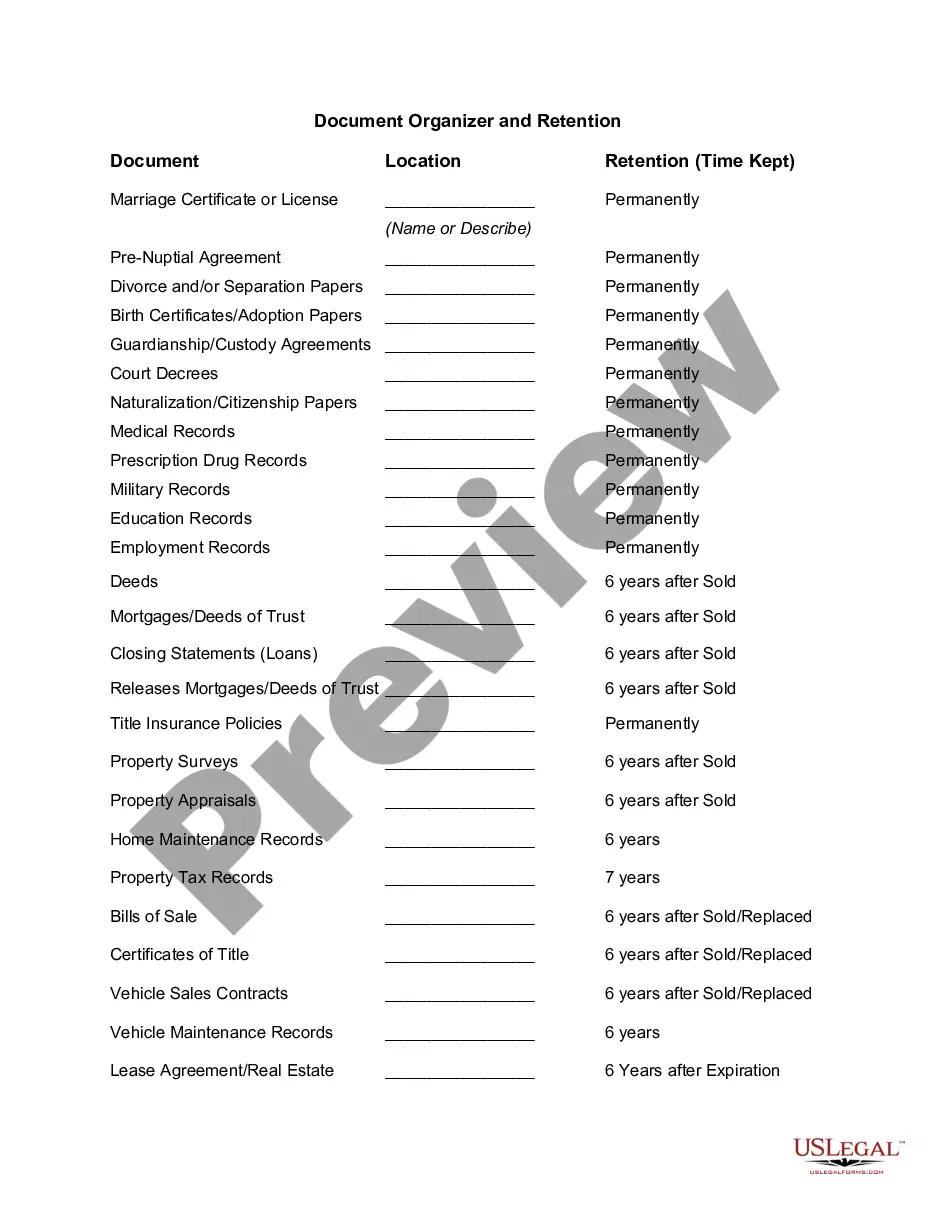
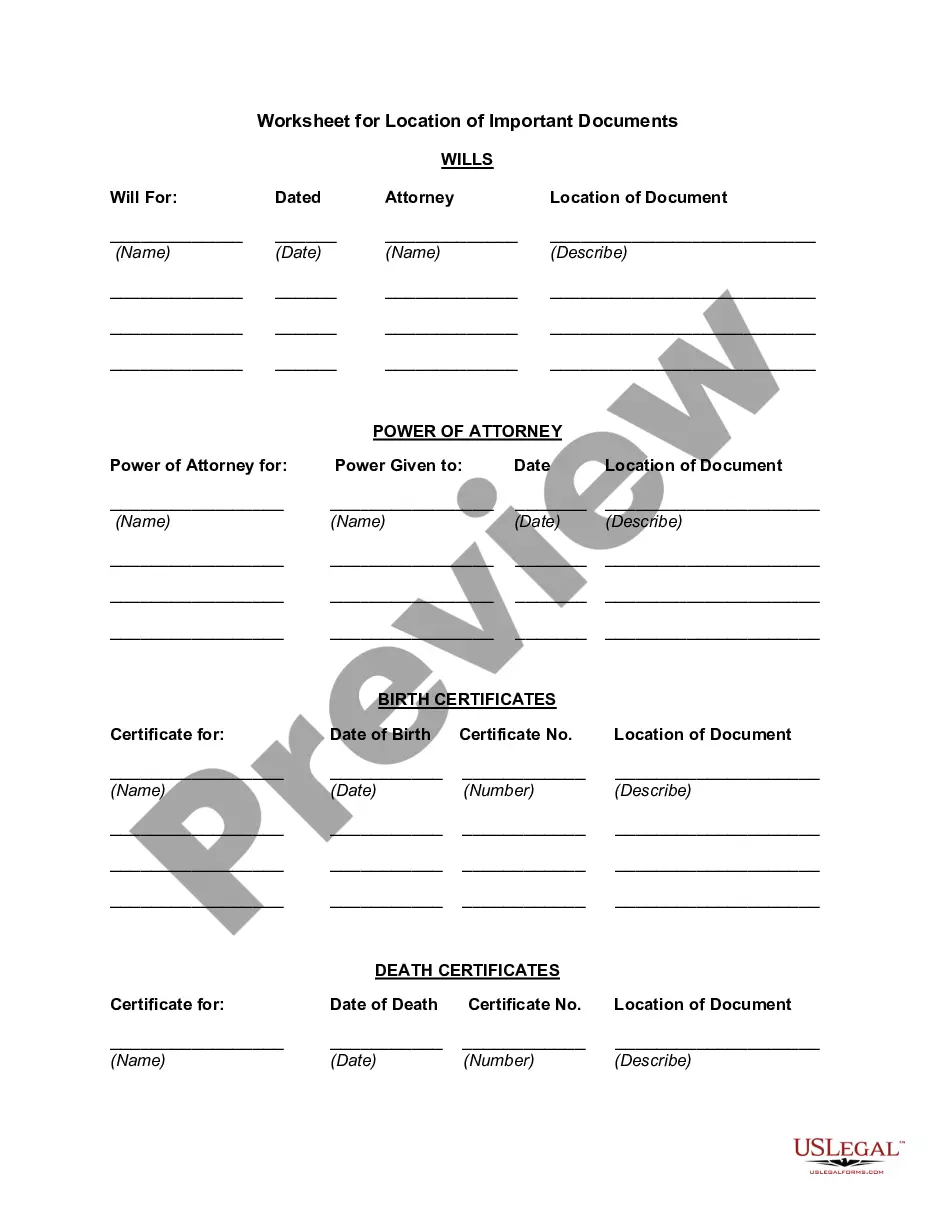
- Store your completed documents securely, such as in a safe deposit box.
Do documents in this package require notarization?
Notarization is not commonly needed for forms in this package. However, if your state’s laws require it, our notarization service, powered by Notarize, allows you to finalize documents online 24/7 without in-person visits.
Get your form ready online
Our built-in tools help you complete, sign, share, and store your documents in one place.
Make edits, fill in missing information, and update formatting in US Legal Forms—just like you would in MS Word.
Download a copy, print it, send it by email, or mail it via USPS—whatever works best for your next step.
Sign and collect signatures with our SignNow integration. Send to multiple recipients, set reminders, and more. Go Premium to unlock E-Sign.
If this form requires notarization, complete it online through a secure video call—no need to meet a notary in person or wait for an appointment.
We protect your documents and personal data by following strict security and privacy standards.

Make edits, fill in missing information, and update formatting in US Legal Forms—just like you would in MS Word.

Download a copy, print it, send it by email, or mail it via USPS—whatever works best for your next step.

Sign and collect signatures with our SignNow integration. Send to multiple recipients, set reminders, and more. Go Premium to unlock E-Sign.

If this form requires notarization, complete it online through a secure video call—no need to meet a notary in person or wait for an appointment.

We protect your documents and personal data by following strict security and privacy standards.
Typical mistakes to avoid
- Not signing documents in the presence of required witnesses, if applicable.
- Failing to keep your documents updated after major life changes.
- Overlooking specific state requirements related to residency or healthcare directives.
- Neglecting to store documents in a secure and accessible location.
Advantages of online completion
- Convenient access to essential legal documents from anywhere at any time.
- Editable forms that allow you to personalize your legal documents quickly.
- Reliability, with forms drafted by licensed attorneys to ensure legal compliance.
Looking for another form?
Form popularity
FAQ
To be considered a resident of DC for tax purposes, you generally need to live in the District for at least 183 days during the tax year. This can include any mixture of days throughout the year as long as the total reaches the threshold. If you are relocating and want to ensure you meet residency requirements, the District of Columbia New State Resident Package can serve as an essential tool in your transition.
Yes, shipping and handling fees can be taxable in the District of Columbia, depending on the nature of the transaction. If the shipping charges are part of the sale of taxable goods, they may also be subject to DC sales tax. To avoid confusion about tax obligations for businesses and consumers, the District of Columbia New State Resident Package can provide detailed resources about DC tax laws.
Any individual who earned income in the District of Columbia while being a non-resident is required to file a non-resident tax return. This includes employees, business owners, and contractors who have worked in DC. Accessing the District of Columbia New State Resident Package can streamline your filing process and ensure that you meet your tax responsibilities accurately.
Yes, non-residents who earn income in the District of Columbia are generally required to file a DC tax return. This requirement applies even if you do not live in DC but earn income from work or business activities in the area. Utilizing the District of Columbia New State Resident Package can provide you with the necessary forms and guidance to ensure compliance with these tax obligations.
The residency rule for DC taxes states that individuals are considered residents if they live in the District for 183 days or more during the tax year. If you maintain your primary home in DC and spend a significant part of your year here, you are likely subject to DC tax regulations. This is essential to understand, especially when utilizing the District of Columbia New State Resident Package. This package can help you navigate the tax landscape as a new resident.
People advocate for DC statehood to ensure equal representation in Congress and access to the full rights of citizenship. The District of Columbia New State Resident Package is seen as a critical step toward achieving justice and fairness for the city’s residents. Supporters believe that statehood would empower locals, provide better governance, and enhance local resources for public services and community development.
Yes, Congress has the authority to admit new states, including the potential statehood of DC. This process involves legislative approval, and the discussions surrounding it have gained significant attention recently. The District of Columbia New State Resident Package emphasizes the need for fair representation and self-governance for its residents, further pushing this conversation forward.
If DC becomes a state, its residents would gain full representation in Congress, including the right to vote in both the House of Representatives and the Senate. Additionally, the District of Columbia New State Resident Package would facilitate new services and benefits for residents, enhancing their quality of life. This includes local control over governance and an increase in resources directed towards local infrastructure and community programs.
If the District of Columbia became a state, it is likely to be called 'Washington, Douglass Commonwealth,' in honor of Frederick Douglass, a prominent abolitionist and advocate for equality. This change would signify a new chapter for the District and would be part of the broader implications of the District of Columbia New State Resident Package. Such a designation would reflect both its historical significance and the desire for statehood.
Yes, residents of the District of Columbia are eligible for in-state tuition at public colleges and universities. This benefit is part of the District of Columbia New State Resident Package, which aims to make education more affordable for local residents. However, there are residency requirements to meet, so be sure to check the specific guidelines of the institution you are interested in.