District of Columbia Living Trust for Husband and Wife with One Child
What this document covers
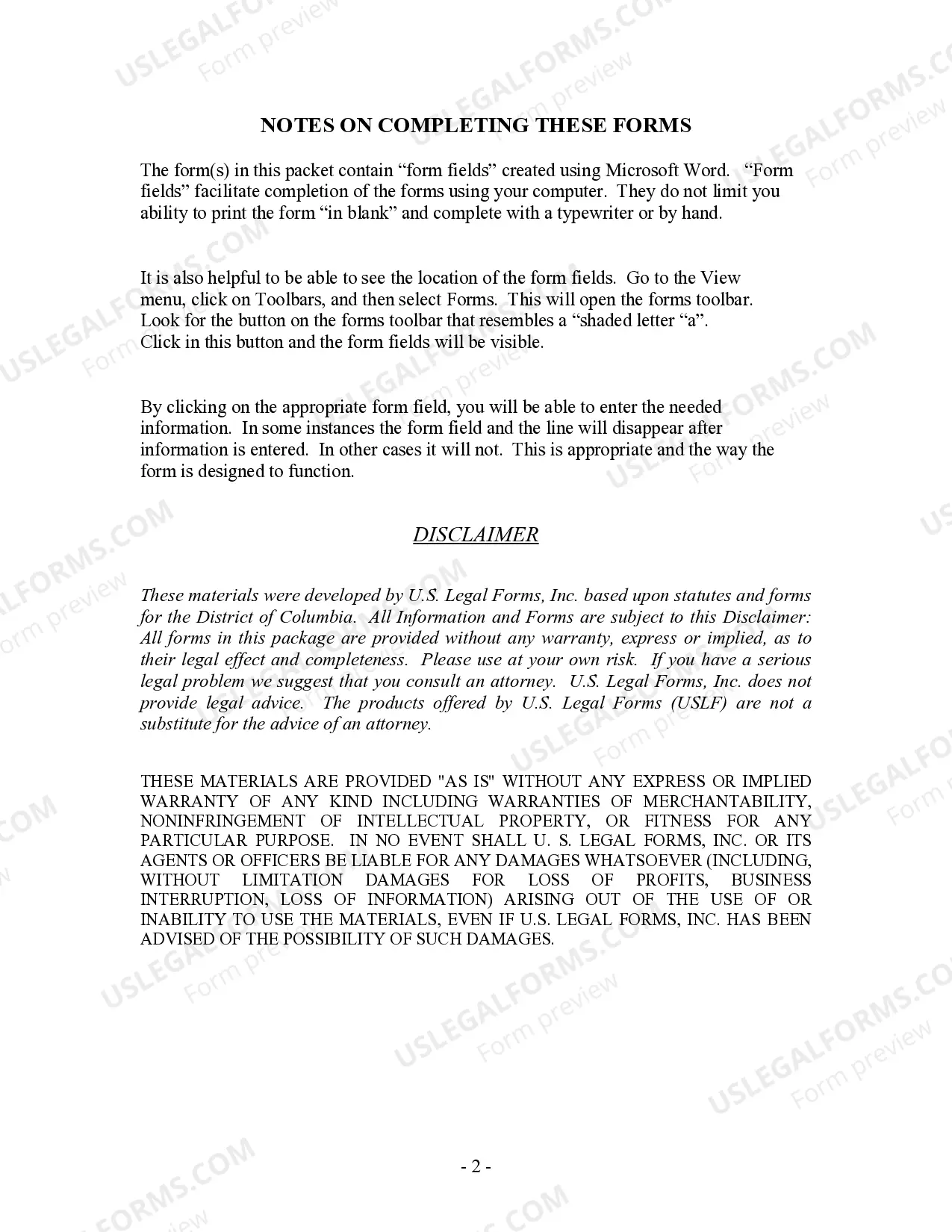
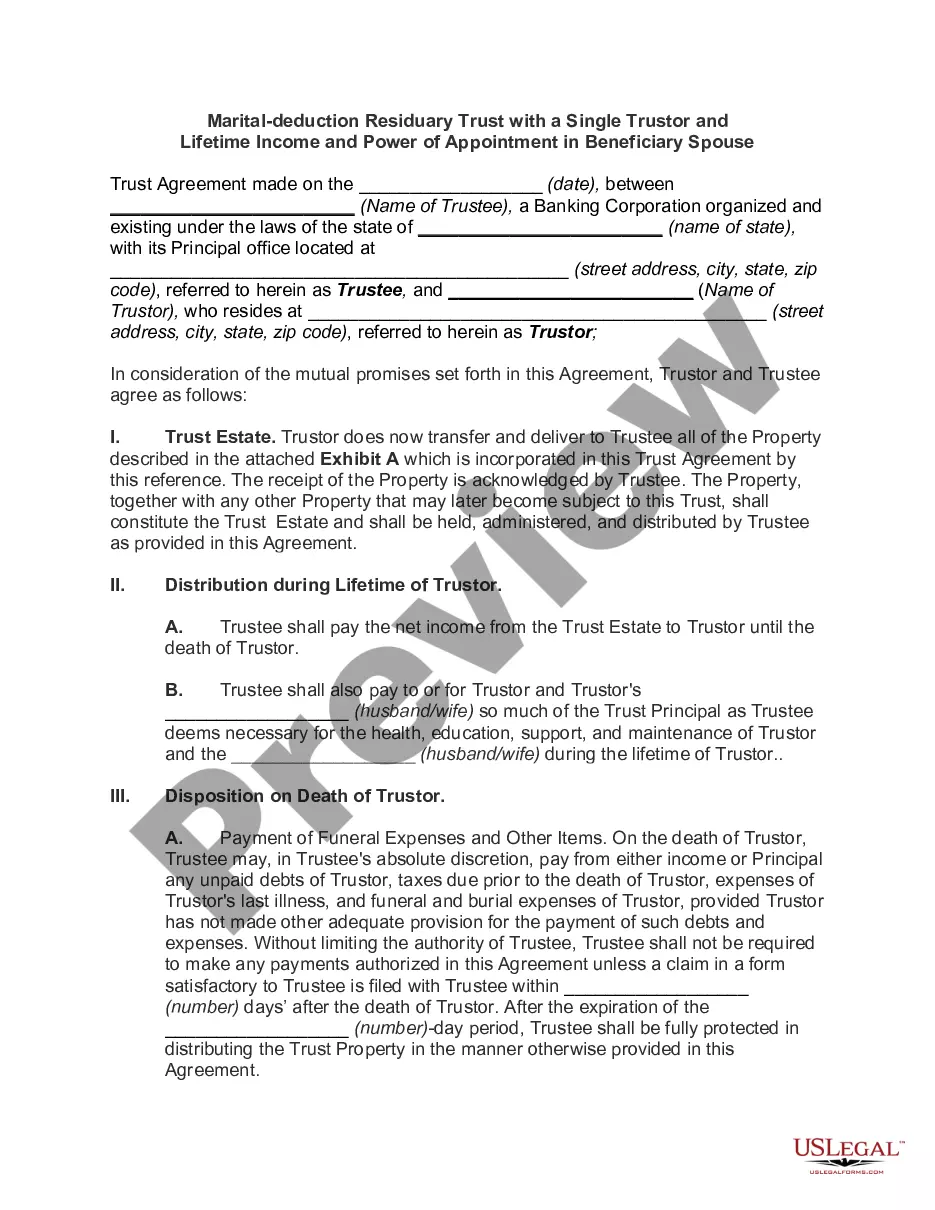
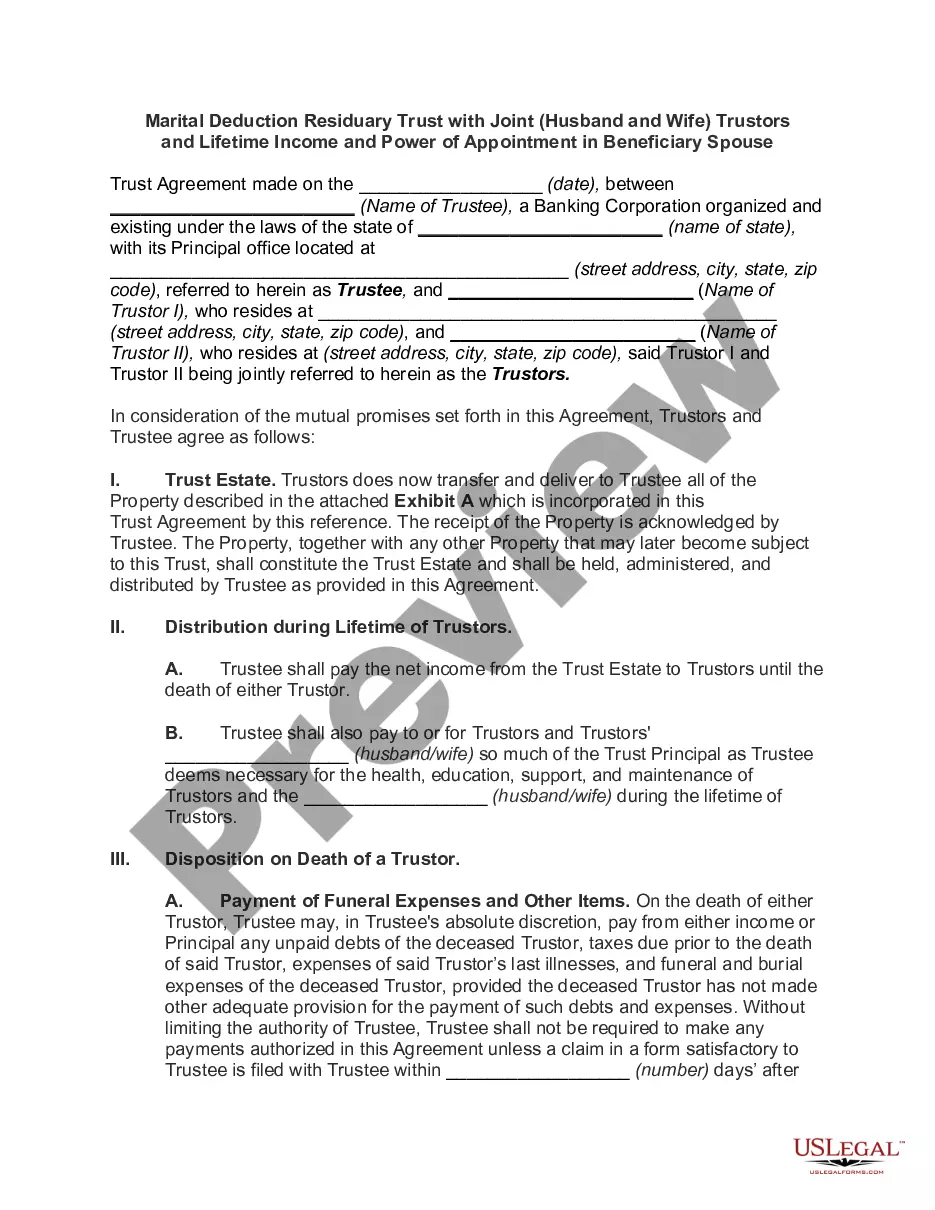
This Living Trust for Husband and Wife with One Child is a legal document designed to manage your assets while you are alive and distribute them after your death. This form allows a married couple with one child to establish a revocable living trust, ensuring that their assets are managed according to their wishes without the need for probate. Unlike a will, a living trust allows for the immediate distribution of assets upon the death of the trustor, providing greater privacy and efficiency in the estate planning process.
Key parts of this document
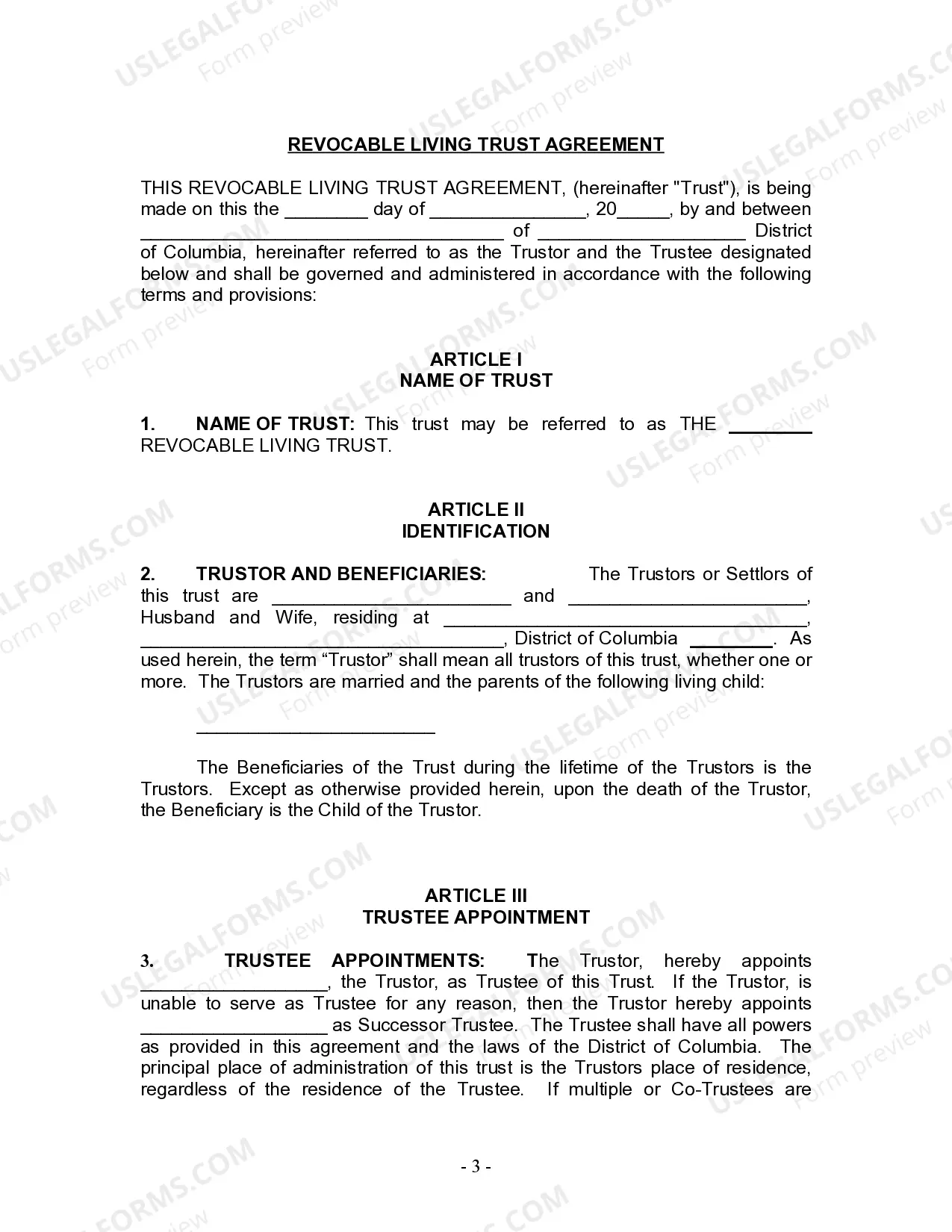
- Name of the trust, establishing its designation.
- Identification of trustors (the couple) and beneficiaries (the child).
- Appointment of the trustee who will manage the trust.
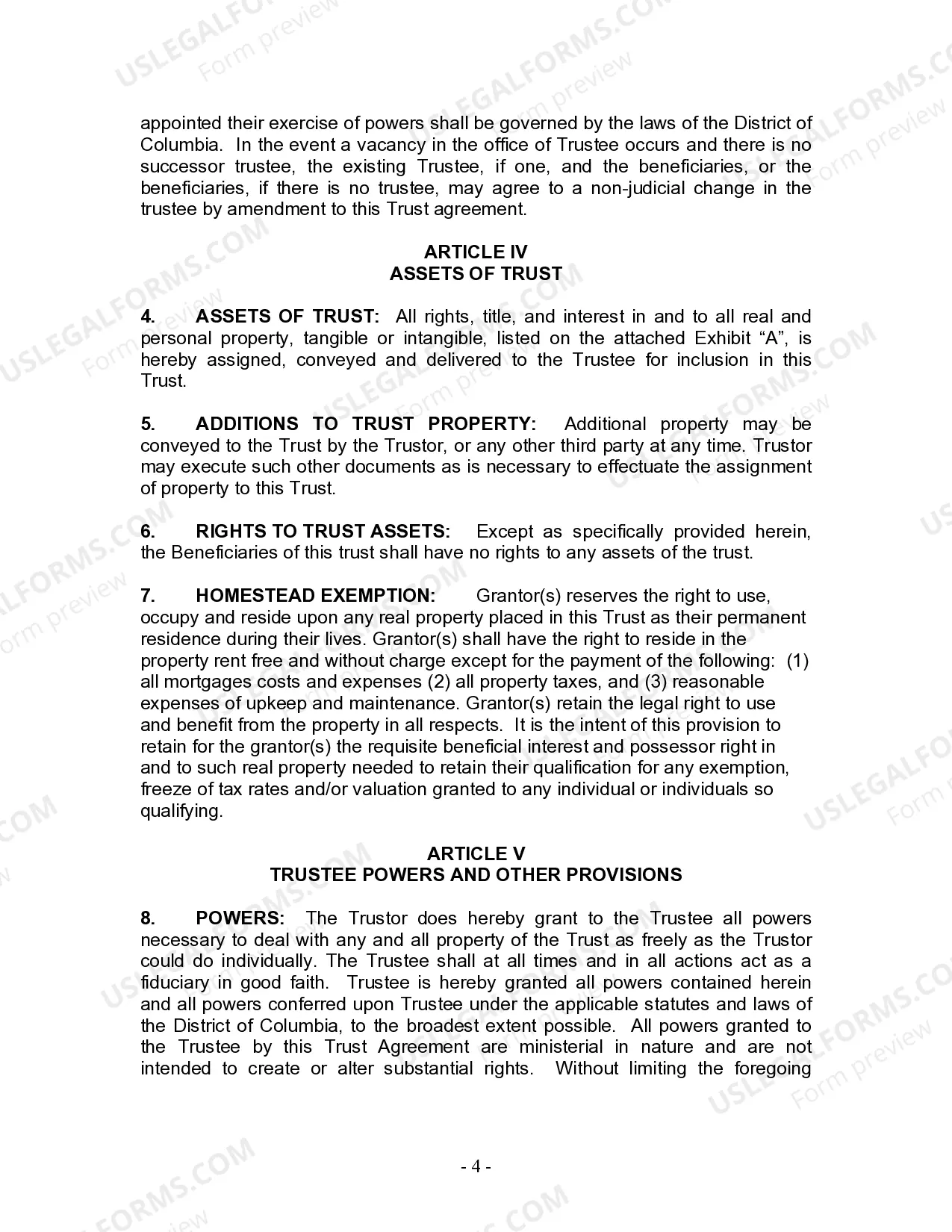
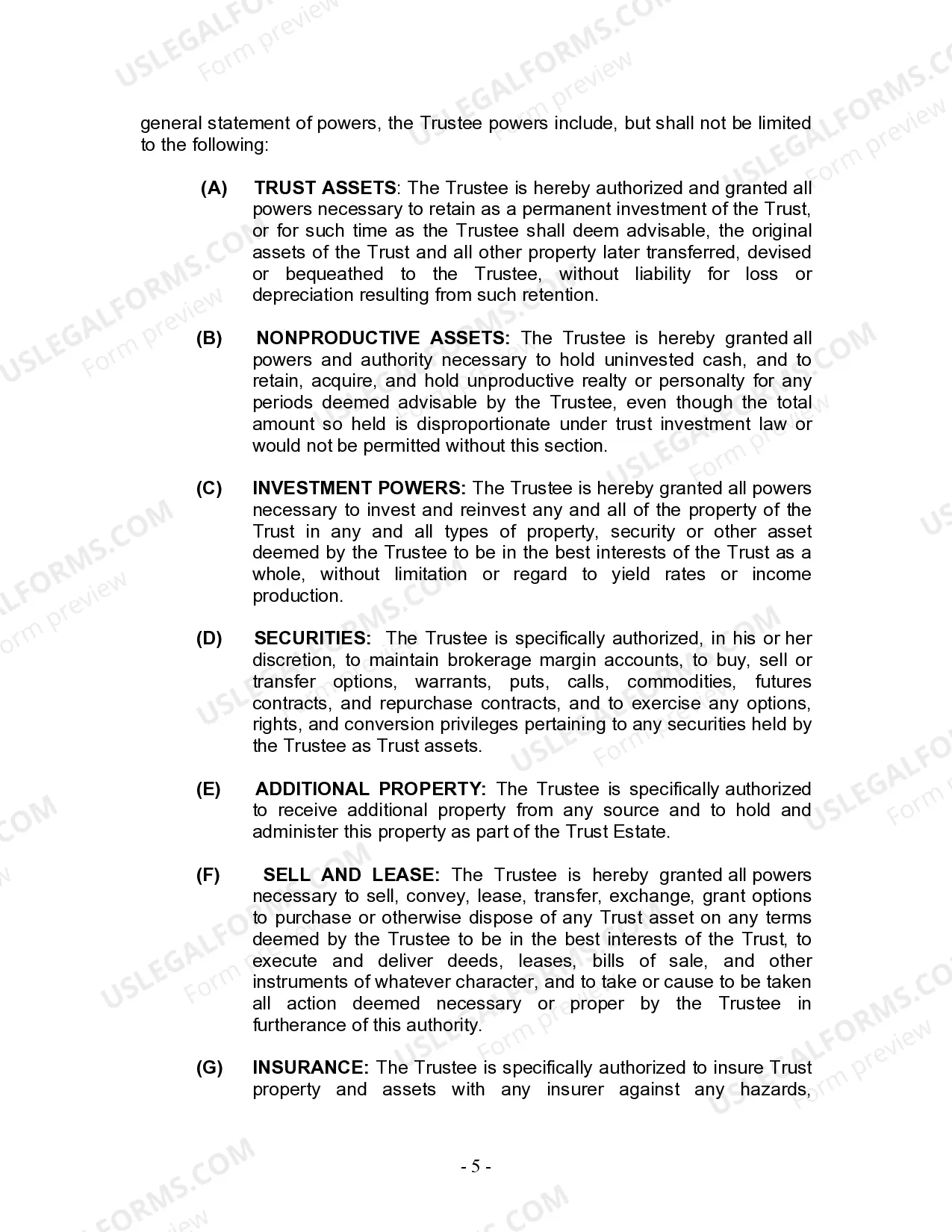
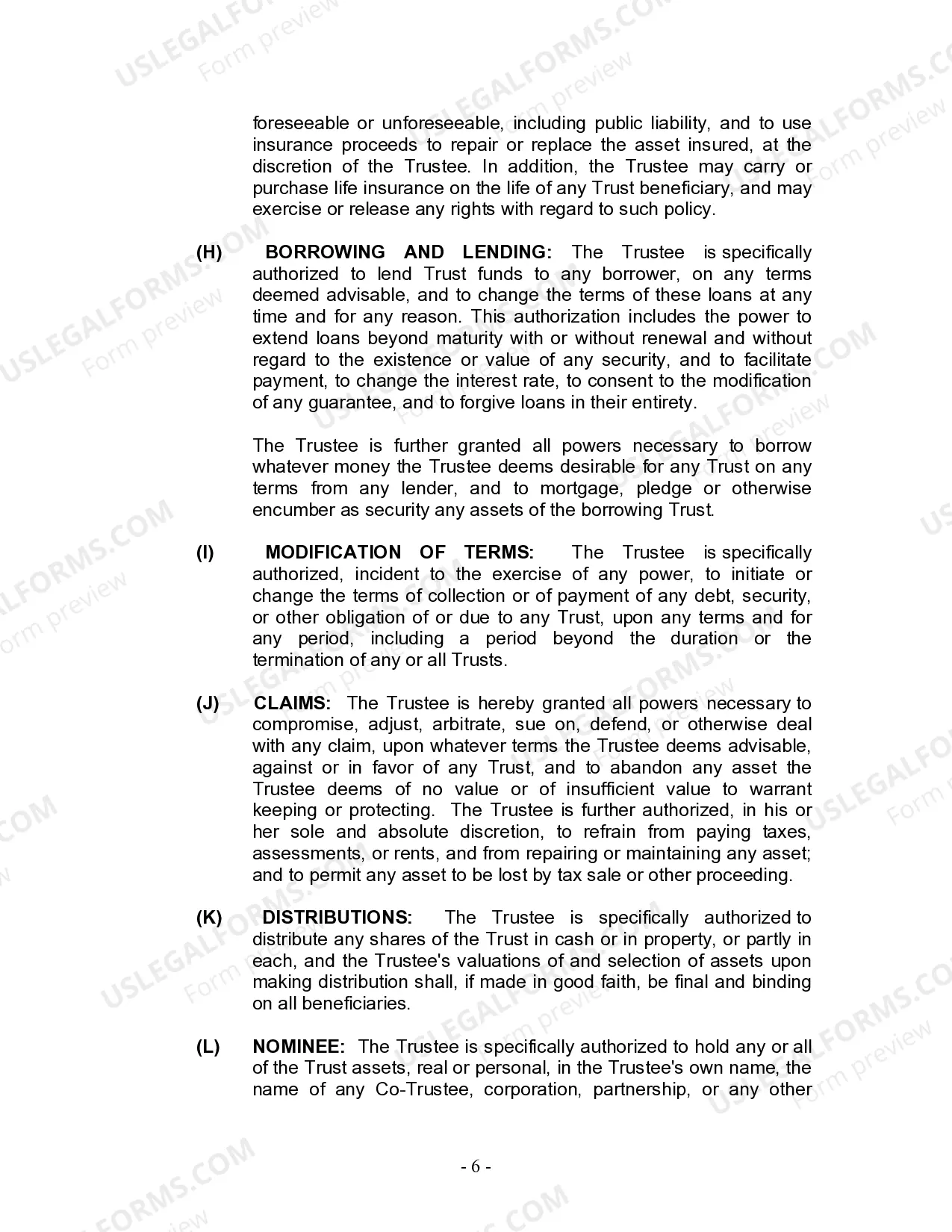
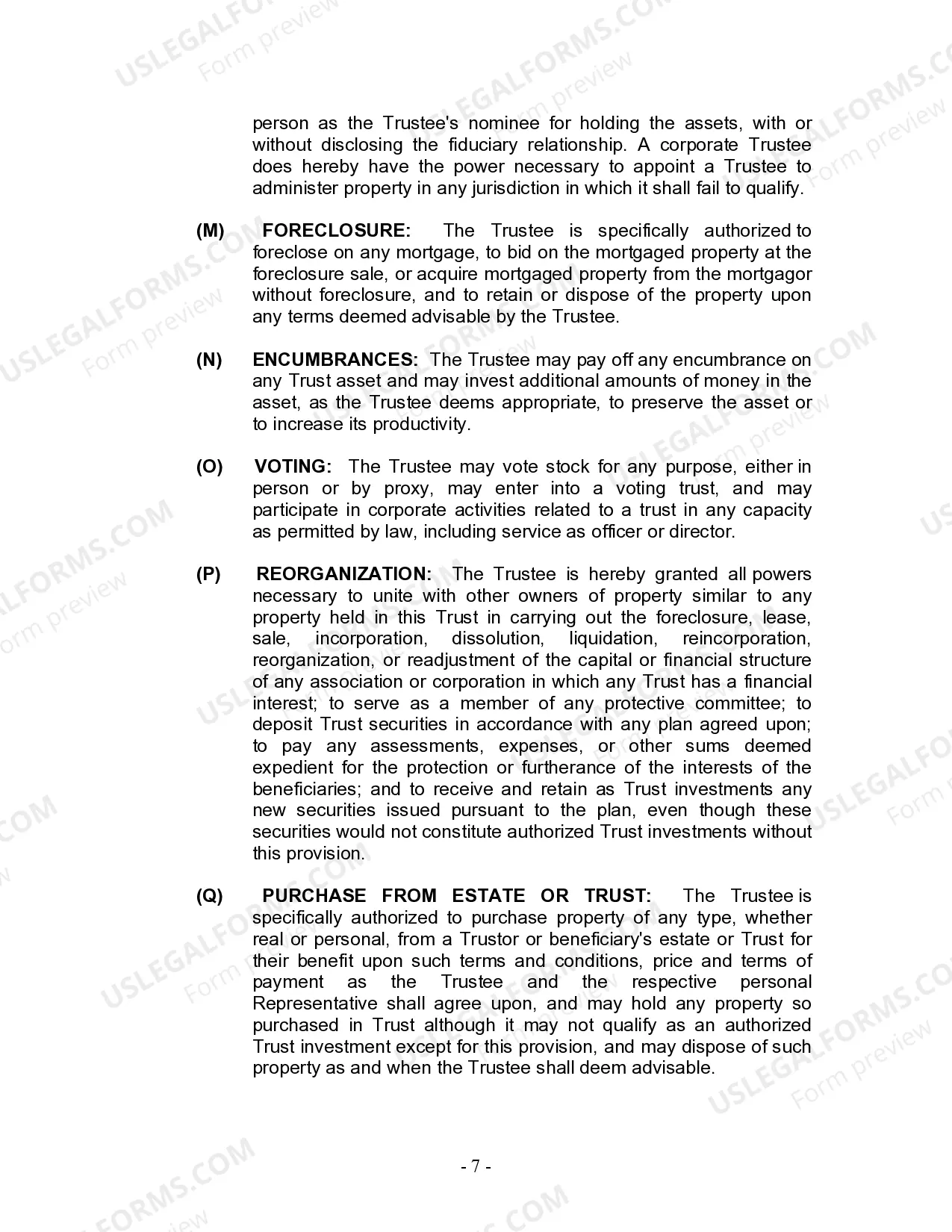
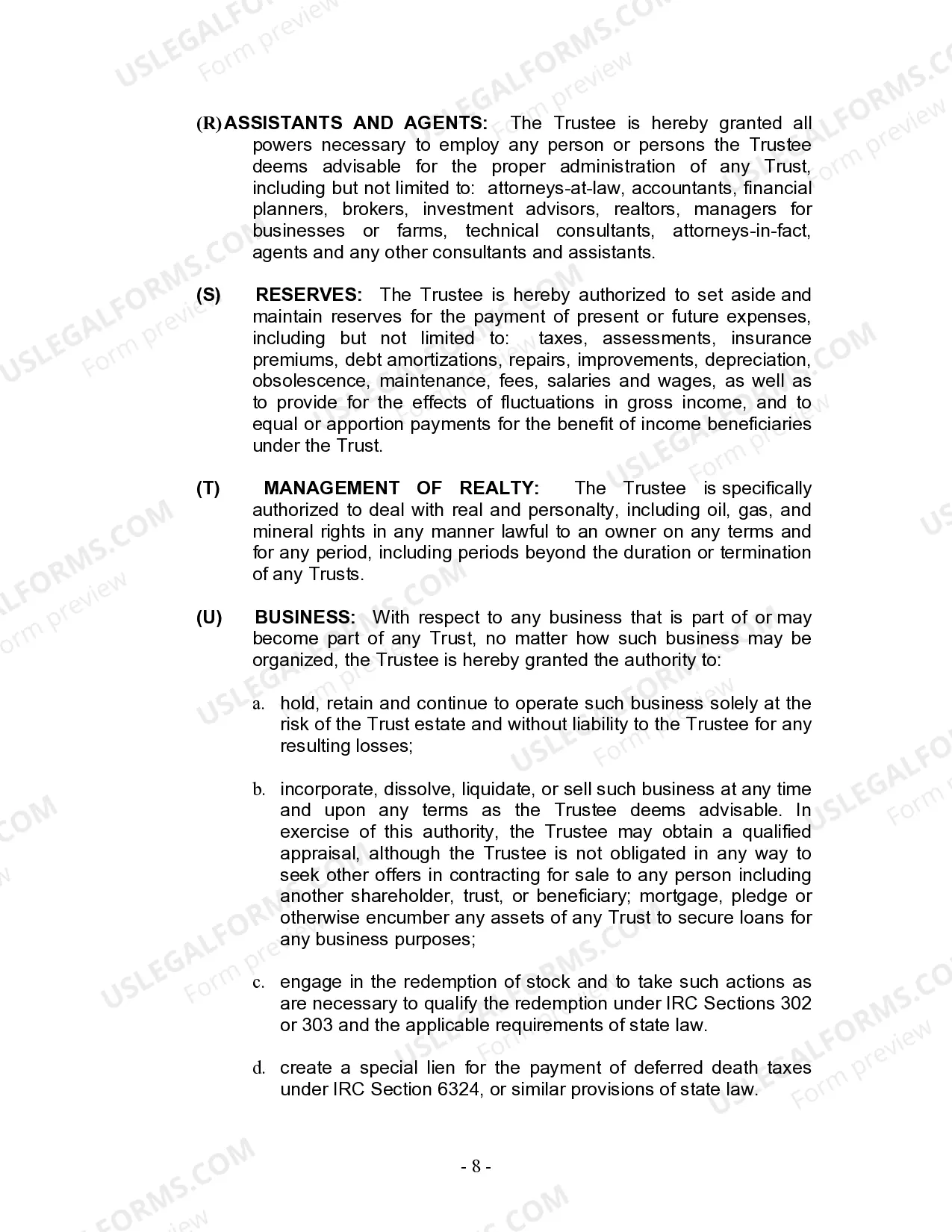
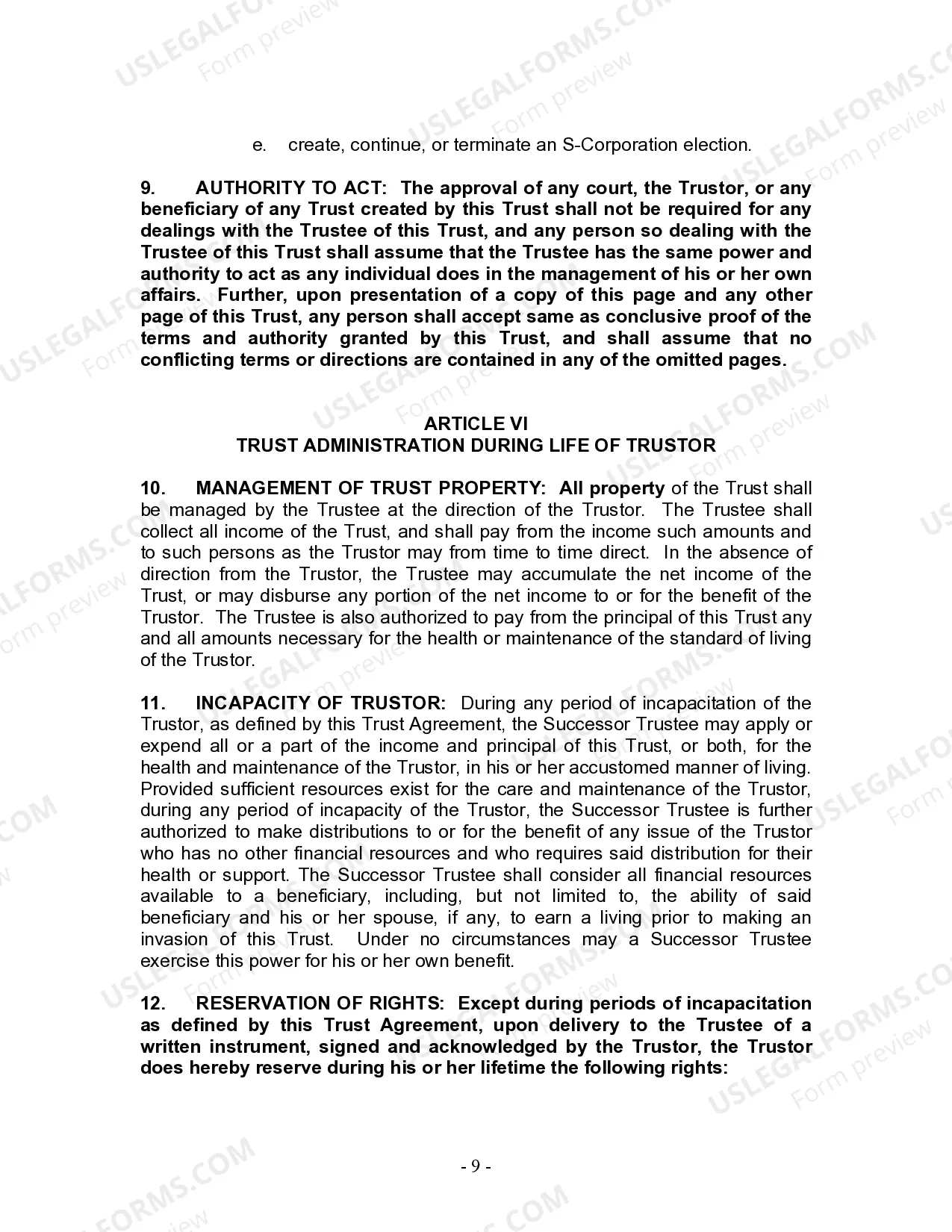
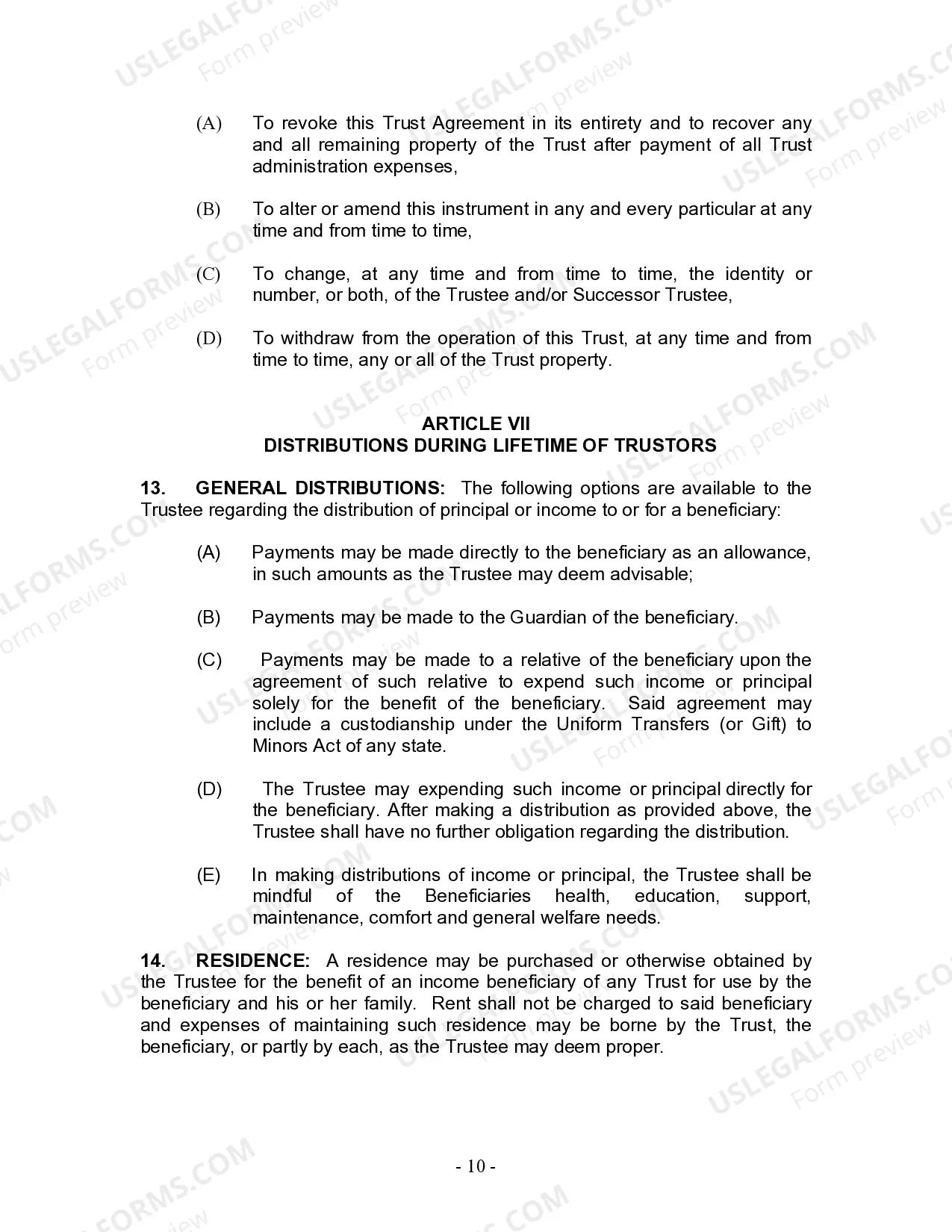
- Provisions regarding the management and distribution of trust assets.
- Rights reserved to the trustor to amend or revoke the trust during their lifetime.

Situations where this form applies
This form is ideal for couples who want to ensure that their child is taken care of after their passing. It is particularly useful if you want to avoid the lengthy and costly probate process, allowing for a smoother transition of assets directly to your child. Additionally, it is beneficial for managing assets in case one of the spouses becomes incapacitated.
Who this form is for
- Married couples with a single child who wish to plan for the management of their assets.
- Couples looking for a straightforward estate planning solution that provides flexibility during their lifetime.
- Individuals who prefer to bypass the probate process after death.
How to prepare this document
- Clearly identify the trustors by entering both spouses' names and addresses at the beginning of the document.
- Appoint a trustee, typically one of the spouses, and a successor trustee if necessary.
- List all assets to be included in the trust, specifying their titles and descriptions.
- Include provisions for how the assets should be managed and distributed during and after the trustors' lifetimes.
- Sign and date the form in the presence of a notary to validate the agreement.
Notarization guidance
Yes, this form must be notarized to be legally valid. US Legal Forms offers integrated online notarization services, which allows you to complete this process conveniently through a secure video call, providing legal equivalence without needing to travel.
Get your form ready online
Our built-in tools help you complete, sign, share, and store your documents in one place.
Make edits, fill in missing information, and update formatting in US Legal Forms—just like you would in MS Word.
Download a copy, print it, send it by email, or mail it via USPS—whatever works best for your next step.
Sign and collect signatures with our SignNow integration. Send to multiple recipients, set reminders, and more. Go Premium to unlock E-Sign.
If this form requires notarization, complete it online through a secure video call—no need to meet a notary in person or wait for an appointment.
We protect your documents and personal data by following strict security and privacy standards.

Make edits, fill in missing information, and update formatting in US Legal Forms—just like you would in MS Word.

Download a copy, print it, send it by email, or mail it via USPS—whatever works best for your next step.

Sign and collect signatures with our SignNow integration. Send to multiple recipients, set reminders, and more. Go Premium to unlock E-Sign.

If this form requires notarization, complete it online through a secure video call—no need to meet a notary in person or wait for an appointment.

We protect your documents and personal data by following strict security and privacy standards.
Common mistakes
- Not fully funding the trust by transferring assets into it.
- Failing to name a successor trustee, which can lead to complications later.
- Omitting specific assets from the trust document.
- Not reviewing or updating the trust after major life changes.
Why complete this form online
- Convenience of filling out the form from home without the need for physical paperwork.
- Editability allows for easy updates and customizations to tailor the trust to your specific needs.
- Guidance provided ensures compliance with legal standards and reduces the risk of errors.
Looking for another form?
Form popularity
FAQ
Creating a living trust in the District of Columbia involves several clear steps. Start by choosing the right type of trust that fits your family's needs, like the District of Columbia Living Trust for Husband and Wife with One Child. Next, use a reliable resource like uslegalforms to obtain the necessary documents and guidelines. Once your trust is established, you will need to fund it by transferring your assets into the trust's name to ensure proper management.
The ideal trust for husband and wife is typically a joint revocable living trust. This trust allows both spouses to jointly hold and manage their assets, which simplifies the estate planning process. With the District of Columbia Living Trust for Husband and Wife with One Child, you secure asset protection and create a straightforward path for your child to inherit your estate. Consider exploring the uslegalforms platform for easy templates to establish this trust.
A revocable living trust is often the best choice for married couples. This type of trust allows you and your spouse to manage assets together during your lives and ensure a smooth transfer to your child after both of you pass away. The District of Columbia Living Trust for Husband and Wife with One Child is a practical way to maintain control over your assets while avoiding probate. By using uslegalforms, you can easily create this trusting arrangement.
A married couple does not necessarily need two trusts; in fact, a single joint trust can be more beneficial. With a District of Columbia Living Trust for Husband and Wife with One Child, both partners can manage their joint assets seamlessly. This arrangement reduces paperwork and confusion, allowing easier transitions of property and estates regardless of the circumstances.
The best living trust for a married couple is often a joint revocable living trust. This approach allows both spouses to make decisions together regarding their shared assets. Specifically, a District of Columbia Living Trust for Husband and Wife with One Child is tailored to meet the needs of couples planning for their child's future while retaining the ability to change their trust as necessary.
The best trust for a married couple often depends on their specific needs and goals, but a joint living trust is highly recommended. A District of Columbia Living Trust for Husband and Wife with One Child can serve as an excellent option, providing flexibility and control over shared assets. This type of trust simplifies the estate management process, especially when considering the interests of a child.
Yes, a married couple can certainly have one living trust, known as a joint trust. This arrangement simplifies the management of assets and helps ensure a seamless transfer of property upon death. A District of Columbia Living Trust for Husband and Wife with One Child allows both partners to be on the same page about their estate plan, making it easier to manage together.
Suze Orman emphasizes the importance of having a living trust for married couples, especially those with children. She believes a District of Columbia Living Trust for Husband and Wife with One Child allows for clear asset distribution and minimizes family disputes. According to Orman, this type of trust can safeguard your family's financial future and ensure your wishes are honored after your passing.
Creating separate living trusts can sometimes benefit a husband and wife, especially if they want to manage their individual assets distinctively. However, if you and your spouse share significant assets and have one child, a District of Columbia Living Trust for Husband and Wife with One Child may be more efficient. This option can simplify the transfer of assets to your child, avoiding complications during probate. Ultimately, consider consulting legal experts to determine the best approach for your family's unique situation.