Transfer Under The District of Columbia
What is this form?
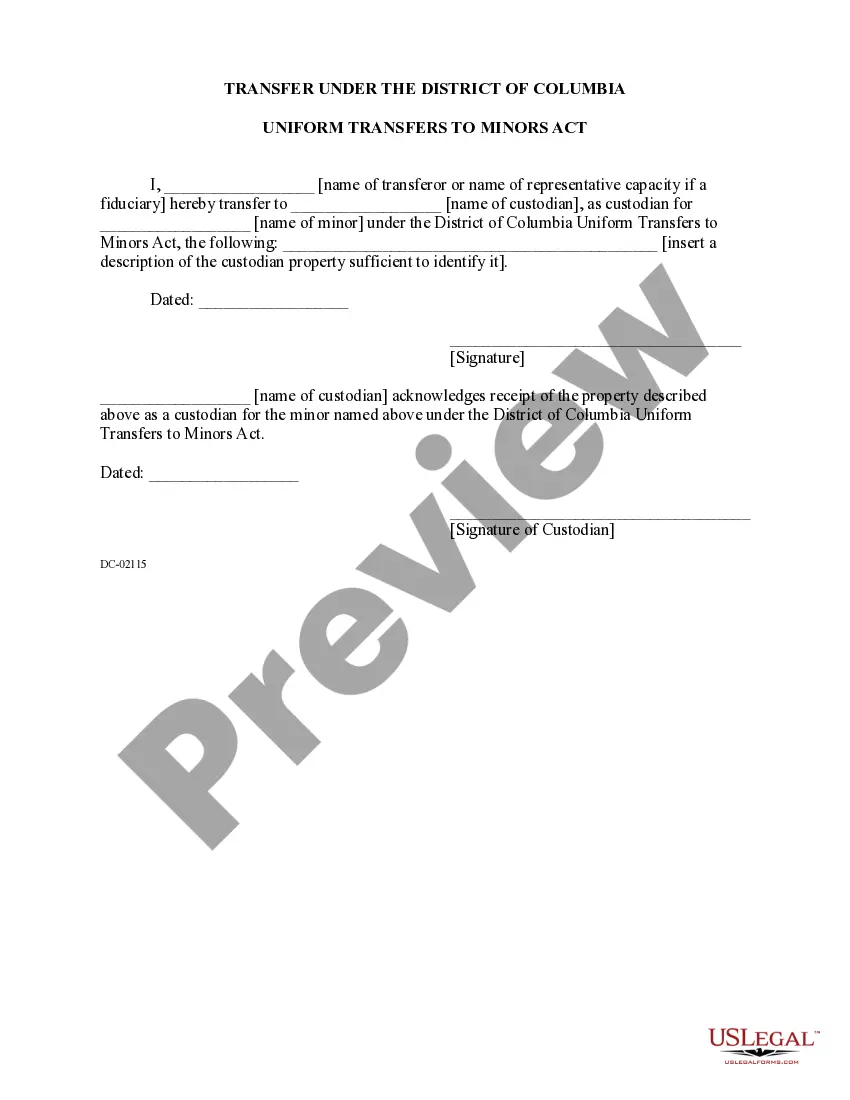
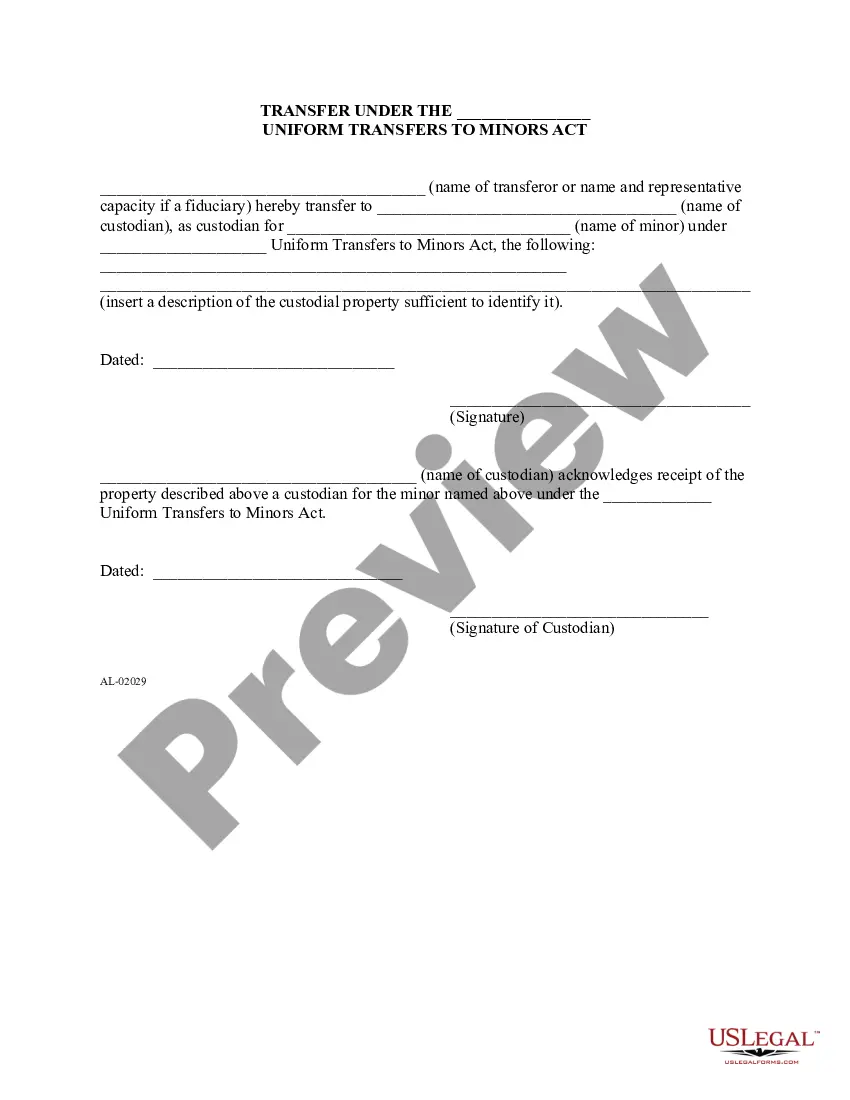
The Transfer Under The District of Columbia is a legal document that enables a transferor to designate a custodian for property belonging to a minor. This form is specifically designed to comply with the District of Columbia's Uniform Transfers to Minors Act, ensuring legal validity and adherence to relevant statutes. It differs from other transfer forms by focusing on custodial arrangements for minors, making it essential for guardians and parents managing assets for children.
Form components explained
- Name of transferor: This is where the individual making the transfer is identified.
- Name of custodian: Specifies the person responsible for managing the property on behalf of the minor.
- Name of minor: Identifies the child receiving the property.
- Description of property: A clear identification of the assets being transferred.
- Date and signature of the transferor: Officially dates and validates the transfer.
- Date and signature of the custodian: Confirms receipt of the property.
Common use cases
This form should be used when an adult wishes to transfer property or financial assets to a minor, establishing a custodian to manage those resources until the child reaches the age of majority. It's commonly utilized in scenarios such as gifting funds, stocks, or other tangible assets to children for their future education or use.
Who can use this document
- Parents or guardians looking to transfer property to their children.
- Family members wanting to create custodial accounts for minors.
- Individuals acting in a fiduciary capacity, such as trustees or estate executors.
Instructions for completing this form
- Identify the transferor: Fill in your name as the property owner.
- Designate the custodian: Enter the name of the person who will manage the property.
- Specify the minor: Include the name of the child who will benefit from the transfer.
- Describe the property: Provide a detailed description of the items or assets being transferred.
- Add dates and signatures: Ensure all parties sign and date the form to validate the transfer.
Does this form need to be notarized?
This form does not typically require notarization unless specified by local law. However, having a notarized signature can add an extra layer of authenticity and may be preferred in some situations.
Get your form ready online
Our built-in tools help you complete, sign, share, and store your documents in one place.
Make edits, fill in missing information, and update formatting in US Legal Forms—just like you would in MS Word.
Download a copy, print it, send it by email, or mail it via USPS—whatever works best for your next step.
Sign and collect signatures with our SignNow integration. Send to multiple recipients, set reminders, and more. Go Premium to unlock E-Sign.
If this form requires notarization, complete it online through a secure video call—no need to meet a notary in person or wait for an appointment.
We protect your documents and personal data by following strict security and privacy standards.

Make edits, fill in missing information, and update formatting in US Legal Forms—just like you would in MS Word.

Download a copy, print it, send it by email, or mail it via USPS—whatever works best for your next step.

Sign and collect signatures with our SignNow integration. Send to multiple recipients, set reminders, and more. Go Premium to unlock E-Sign.

If this form requires notarization, complete it online through a secure video call—no need to meet a notary in person or wait for an appointment.

We protect your documents and personal data by following strict security and privacy standards.
Mistakes to watch out for
- Failing to clearly describe the property being transferred.
- Not including the minor's name, which makes the transfer invalid.
- Omitting signatures and dates, which can lead to legal complications.
Why use this form online
- Convenience of downloading and printing the form at your convenience.
- Editable templates allow for easy customization based on individual needs.
- Access to forms drafted by licensed attorneys ensures compliance with legal standards.
Legal use & context
- The form is designed to legally transfer property in trust for a minor.
- It protects the assets until the minor reaches adulthood, as defined by local laws.
- The completed form serves as proof of the transfer and custodianship arrangement.
Summary of main points
- This form is essential for transferring property to minors under the District of Columbia law.
- Ensure proper completion and signatures to validate the transfer.
- Consult local laws for any notarization requirements to reflect the legal intent accurately.
Looking for another form?
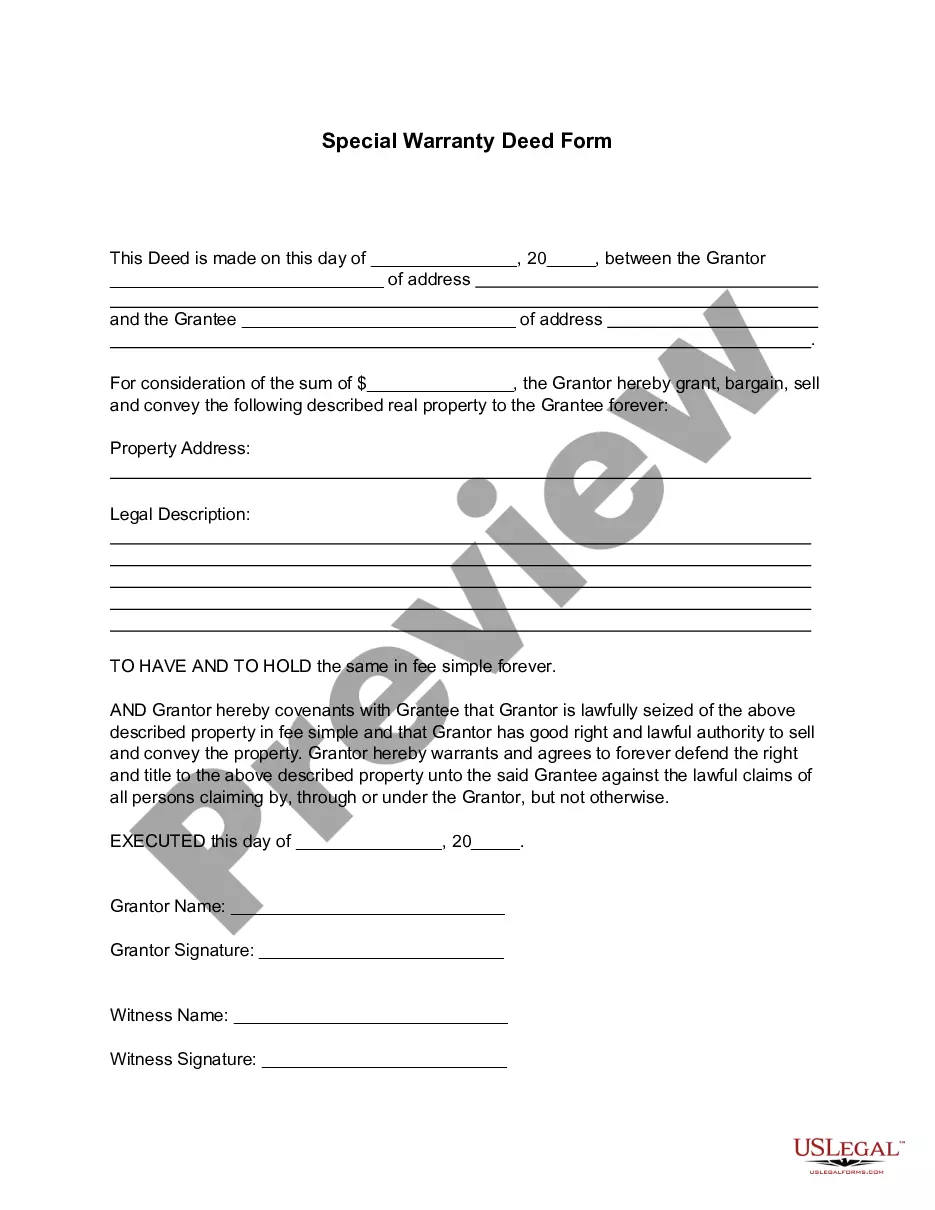
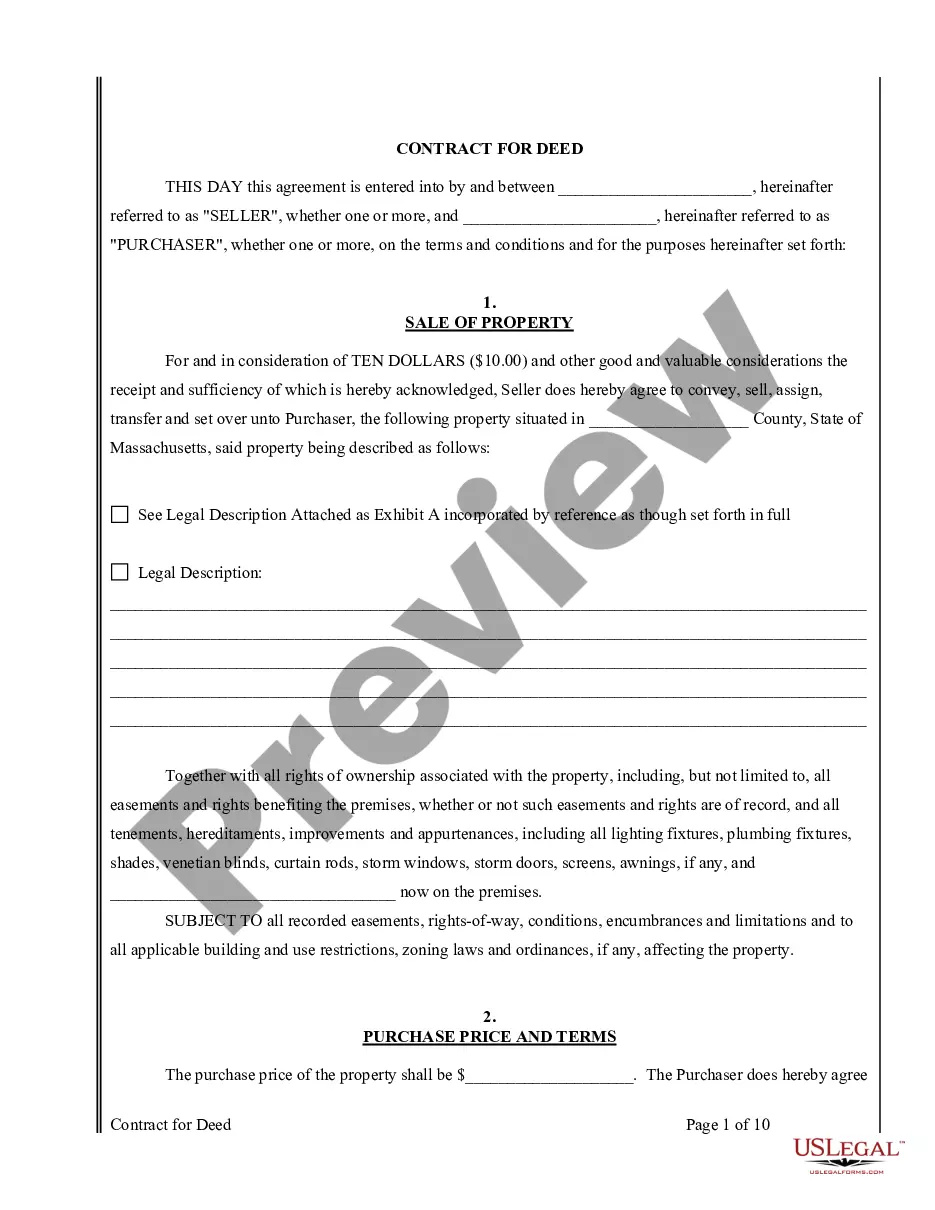
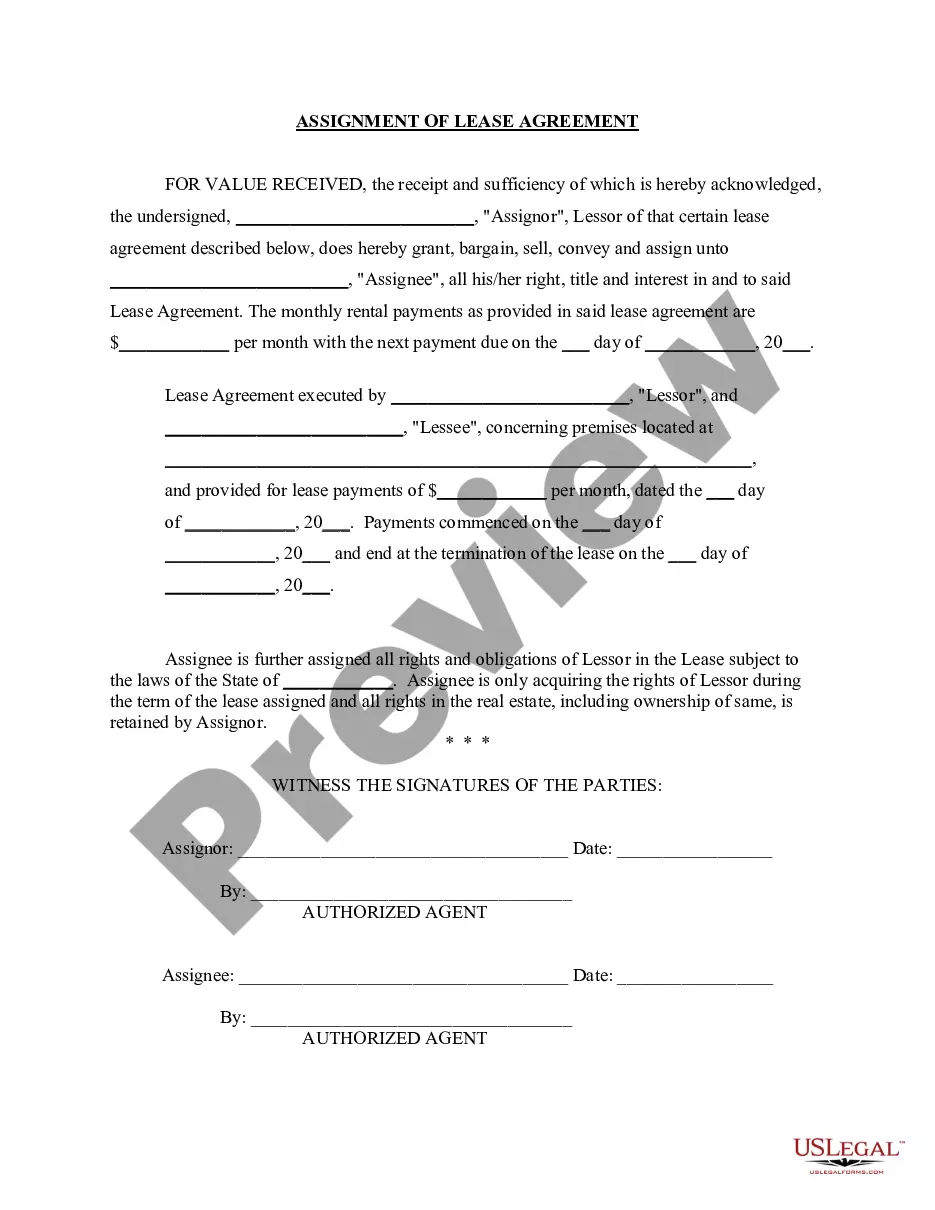
Form popularity
FAQ
In the District of Columbia, the three primary types of deeds are warranty deeds, quitclaim deeds, and bargain and sale deeds. Each type serves different purposes, with warranty deeds providing the strongest protection to the buyer. Understanding these differences can be crucial when you decide to transfer under the District of Columbia and ensure your real estate interests are safeguarded.
The process for the District of Columbia to become a state involves legislative action and approval from Congress. This topic is a significant part of ongoing political discussions and advocacy efforts from DC residents. If you're interested in participating in this dialogue, various advocacy groups are working towards statehood, presenting an opportunity to connect with the community.
To transfer your car registration in the District of Columbia, you will need to complete a few simple steps. First, gather your vehicle title, proof of residency, and identification. After that, visit the DC Department of Motor Vehicles where you can submit the required forms and fees to complete your registration transfer. This ensures that your vehicle records are updated correctly.
The District of Columbia offers a vibrant urban lifestyle filled with cultural attractions, diverse neighborhoods, and excellent educational institutions. Many residents appreciate the accessibility of government resources and job opportunities in various sectors. So, if you are considering a move or exploring ways to transfer under the District of Columbia, you may find it a rewarding choice.
Transferring schools in the District of Columbia involves several steps. First, you need to select the new school and gather necessary records from your current school. It's advisable to check with the DC Public Schools or the charter school network for any specific documentation required during the transfer process. This can facilitate your transition smoothly and help you settle quickly in your new environment.
While it is not legally required to have a lawyer to obtain a deed in the District of Columbia, consulting one can simplify the process. A lawyer can help you navigate the requirements and ensure that the necessary documents are properly prepared. Using USLegalForms can also be an effective alternative to get the necessary forms, making it easier for you to transfer under the District of Columbia.
Filing a DC non-resident tax return involves completing a specific tax form designated for non-residents. You must provide information about your income earned in the district during the tax year. Make sure to gather all necessary documentation, as you will need to report your income accurately. For assistance, utilizing tools like USLegalForms can help streamline the filing process and ensure you meet all requirements.
In the District of Columbia, the seller typically pays the transfer tax on property sales. However, this can be negotiated between the buyer and seller during the sale. It is important to clarify these agreements in writing to avoid misunderstandings later. Proper advice from resources like USLegalForms can help ensure compliance with transfer tax regulations.
No, the District of Columbia is not one of the 50 states. Instead, it is a federal district that serves as the nation’s capital. It has its own local government and laws but does not possess the same status as a state. Understanding these distinctions can help when dealing with legal and tax matters related to property transfer under the District of Columbia.
Filing requirements in the District of Columbia depend on the type of document you are submitting. For property transactions like transfers, specific forms must be filled out and submitted to the appropriate authorities. Furthermore, be aware of deadlines to ensure compliance with all regulations. Utilizing platforms like USLegalForms can guide you through the necessary steps.