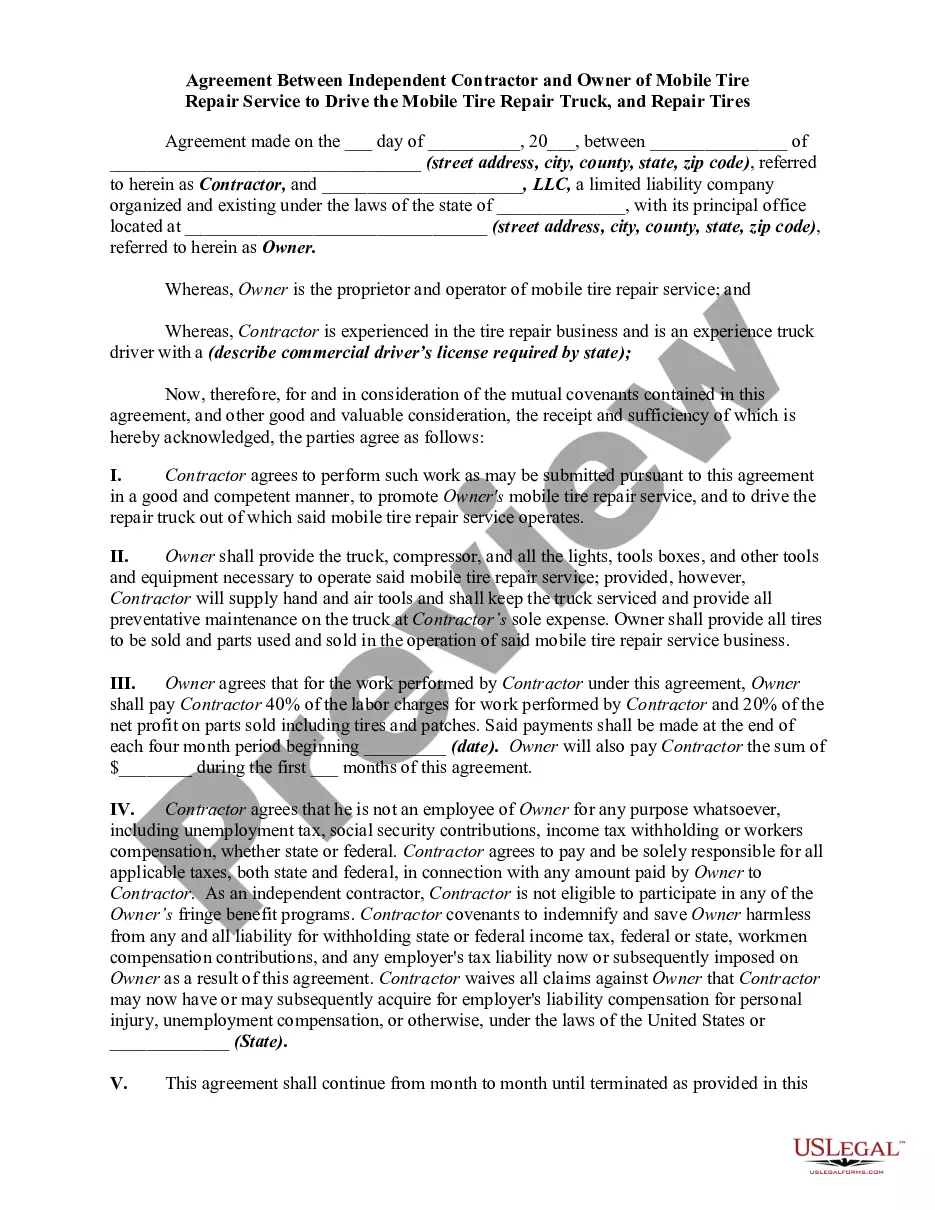
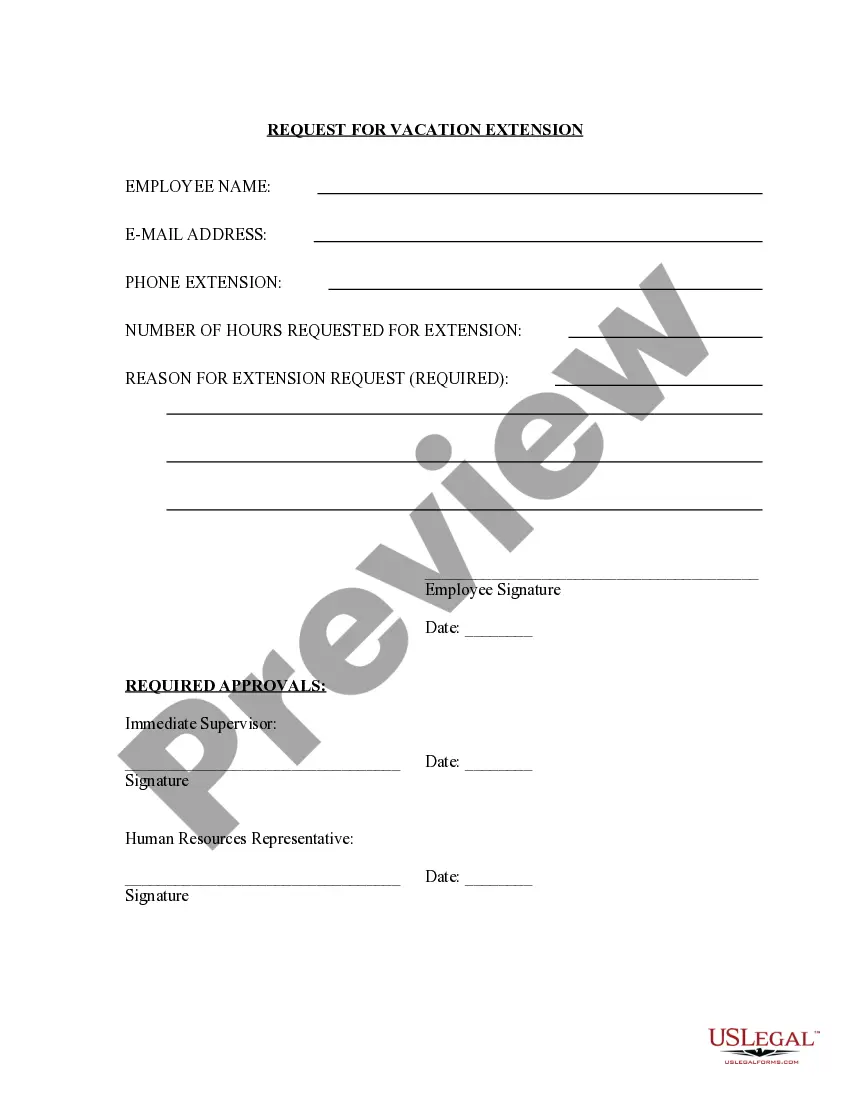
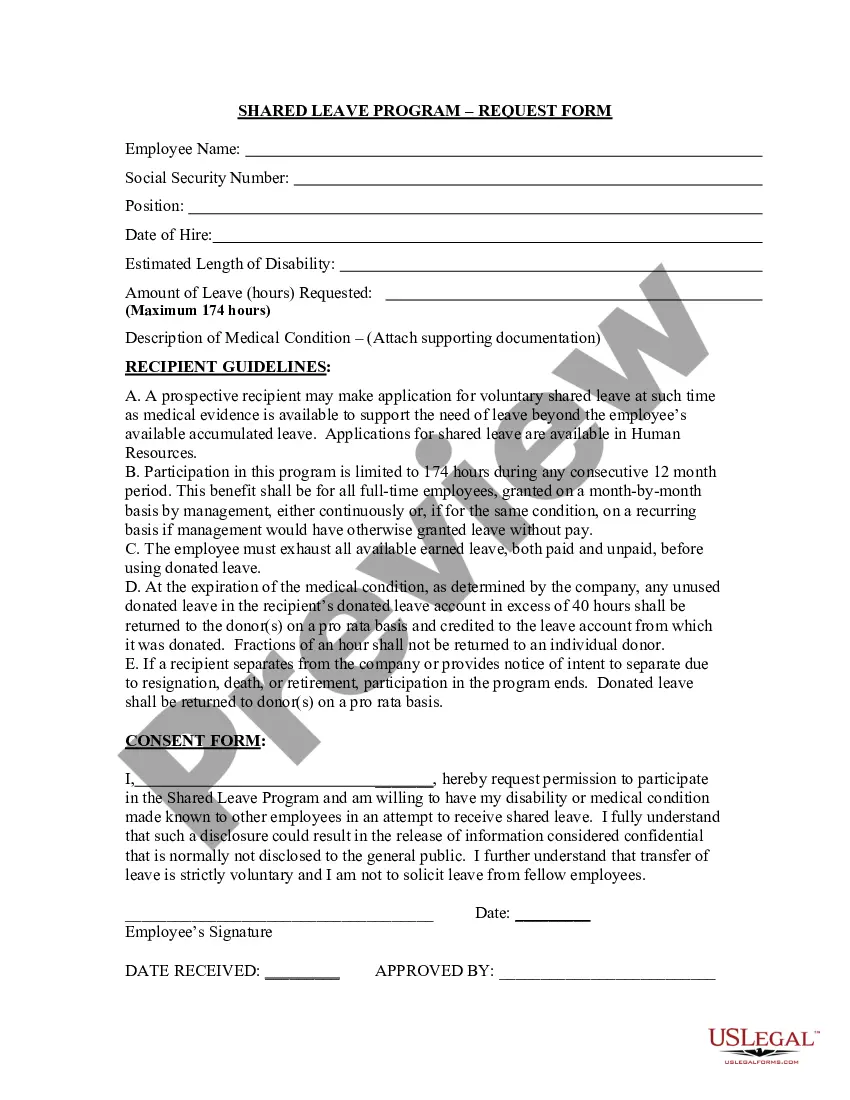
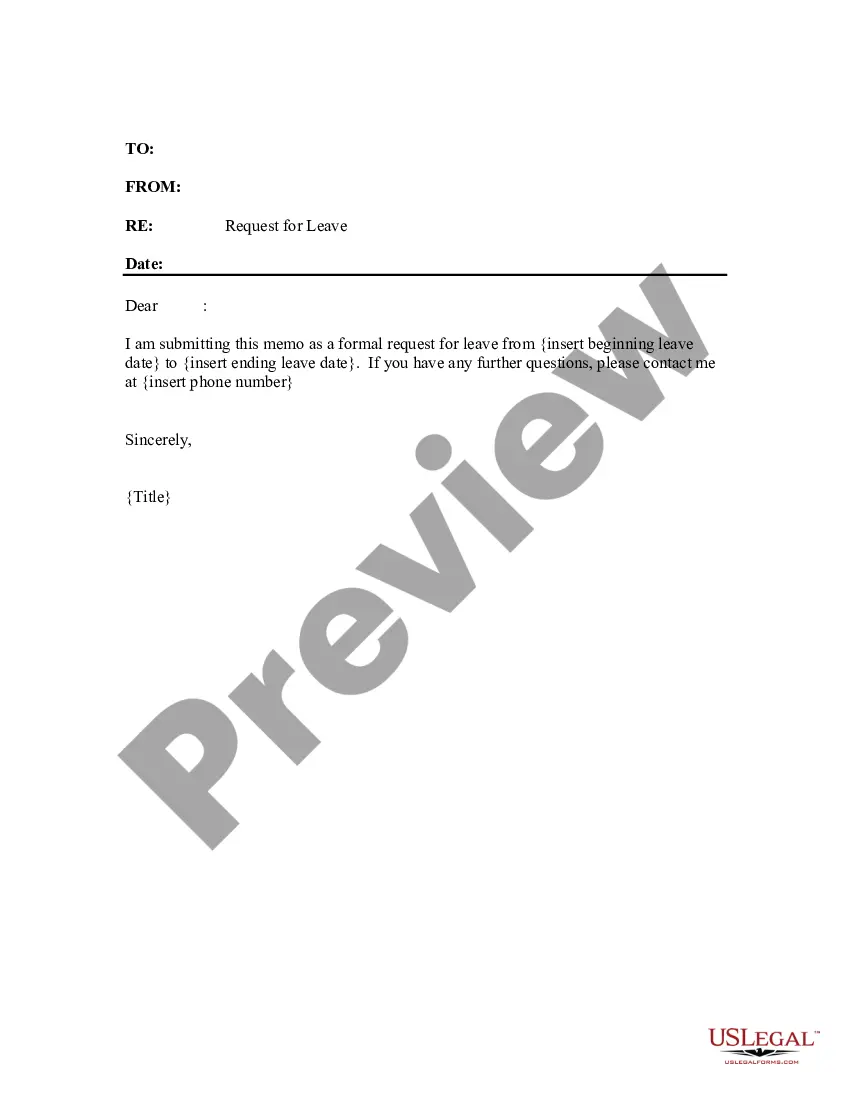
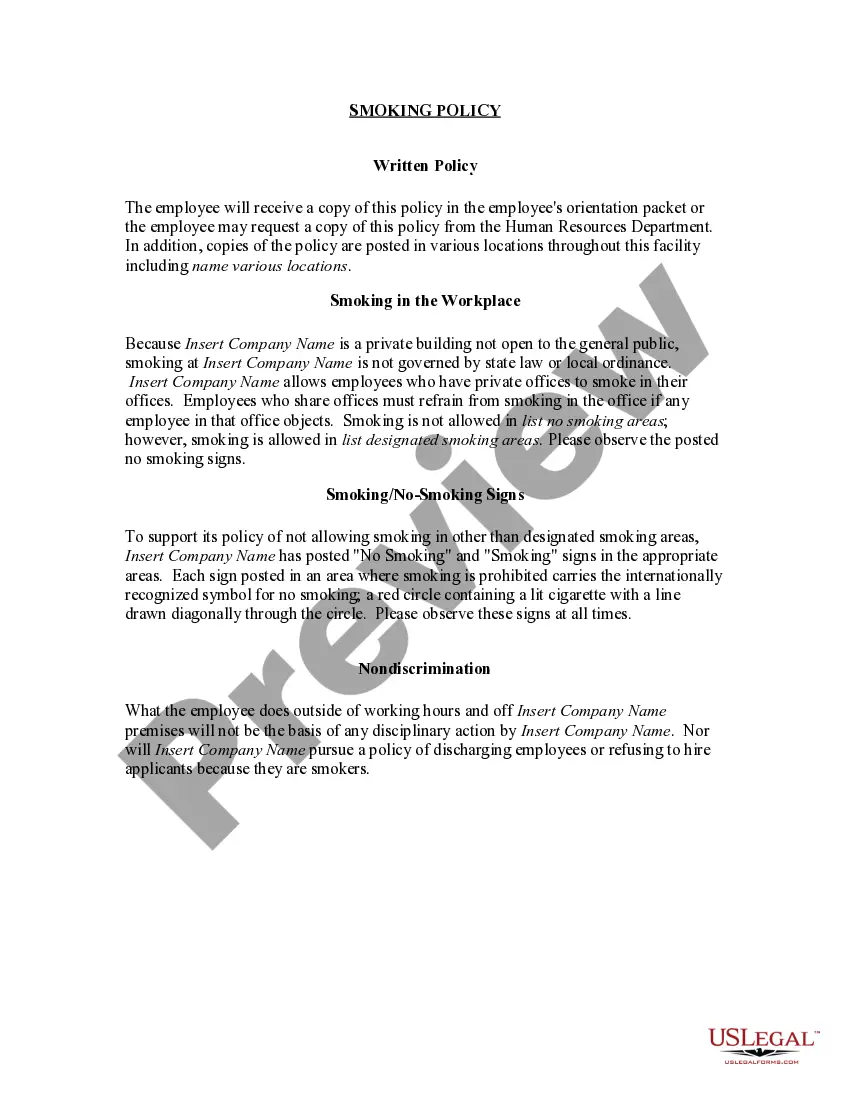
Connecticut Employee Vacation Request
Description

Get your form ready online
Our built-in tools help you complete, sign, share, and store your documents in one place.
Make edits, fill in missing information, and update formatting in US Legal Forms—just like you would in MS Word.
Download a copy, print it, send it by email, or mail it via USPS—whatever works best for your next step.
Sign and collect signatures with our SignNow integration. Send to multiple recipients, set reminders, and more. Go Premium to unlock E-Sign.
If this form requires notarization, complete it online through a secure video call—no need to meet a notary in person or wait for an appointment.
We protect your documents and personal data by following strict security and privacy standards.

Make edits, fill in missing information, and update formatting in US Legal Forms—just like you would in MS Word.

Download a copy, print it, send it by email, or mail it via USPS—whatever works best for your next step.

Sign and collect signatures with our SignNow integration. Send to multiple recipients, set reminders, and more. Go Premium to unlock E-Sign.

If this form requires notarization, complete it online through a secure video call—no need to meet a notary in person or wait for an appointment.

We protect your documents and personal data by following strict security and privacy standards.
Looking for another form?



How to fill out Employee Vacation Request?
Are you presently in a situation where you necessitate paperwork for either business or specific reasons on a daily basis.
There is a wide array of legal document templates accessible online, but locating the ones you can rely on isn't easy.
US Legal Forms offers an extensive collection of form templates, including the Connecticut Employee Leave Request, which are designed to comply with state and federal regulations.
When you find the right form, click Get it now.
Select the pricing plan you want, provide the necessary information to create your account, and pay for the order using your PayPal or Visa or MasterCard.
- If you are already familiar with the US Legal Forms website and have an account, simply Log In.
- Once you're logged in, you can download the Connecticut Employee Leave Request template.
- If you don’t have an account and want to start using US Legal Forms, follow these steps.
- Choose the form you need and ensure it is for the correct jurisdiction/region.
- Use the Review option to examine the document.
- Read the description to confirm that you have chosen the right form.
- If the form isn't what you're looking for, use the Search field to find the document that suits your requirements.
Form popularity
FAQ
In Connecticut, an employer is not required to provide its employees with vacation benefits, either paid or unpaid. If an employer chooses to provide such benefits, it must comply with the terms of its established policy or employment contract.
What Happens If You Don't Give 2 Weeks' Notice? You could break the provisions of your contract, and that could have legal repercussions. If you have no choice, then notifying your employer and giving as much notice as possible (or perhaps even working out a new deal) can potentially make the fallout less serious.
Under the law, a service worker accrues one hour of paid sick leave for every 40 hours worked. Employers are required to allow workers to accrue 40 paid sick leave hours in a single calendar year, equivalent to five work days.
VACATION LEAVE Most employees who have been employed 0 to 5 years earn one (1) day per month; over five (5) and under twenty (20) years earn one and one quarter (1 1/4) days per month; over twenty (20) years earn one and two thirds (1 2/3) days per month. Part-time employees earn vacation leave on a pro-rata basis.
It's normal (but not a legal requirement) to give two weeks of notice. However, a "reasonable" resignation period is based on several factors. These include the employee's position, length of service, pay, and time it would likely take to replace the employee.
VOLUNTARY RESIGNATIONAny employee who intends to resign shall give written notice as much in advance as possible and preferably at least three (3) weeks notice.
Connecticut has its own version of the family and medical leave law. It requires employers with at least 75 employees to give eligible employees up to 16 weeks off in any 24-month period for the following reasons: for the employee to recover from a serious health condition.
If you know ahead of time you want to use your paid time off, you don't have to give more than 7 days' notice. If you didn't know ahead of time, tell your supervisor as soon as possible. For unpaid time off under the Family and Medical Leave (FMLA) law, you must give 30 days' notice or as much notice as you can.
Yes, an employer can require employees to take annual leave, provided that they follow the relevant procedures, in particular giving the employee the required notice.
All Connecticut employers must provide a Separation Packet, which includes a Separation Notice (UC-61) and instructions to the worker immediately upon termination of employment or indefinite layoff. The notice should be provided regardless of whether the termination is voluntary or involuntary.