Connecticut Equity Share Agreement
Description

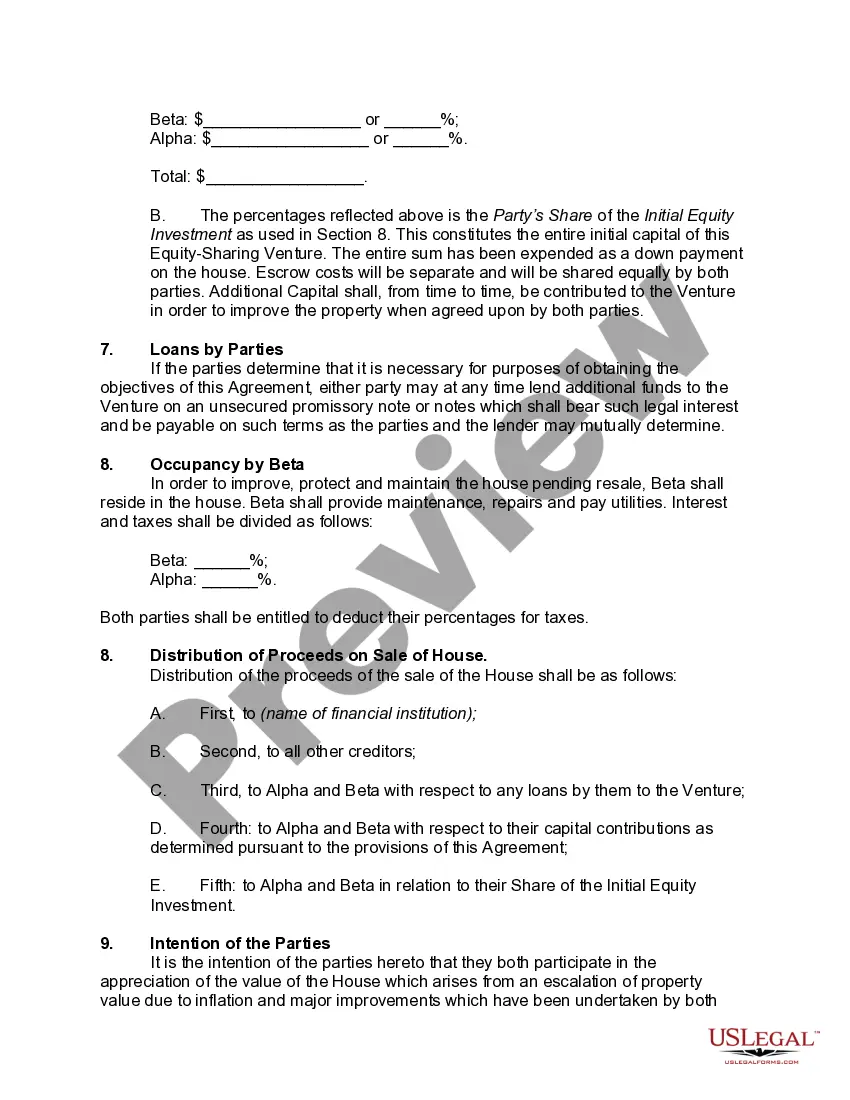
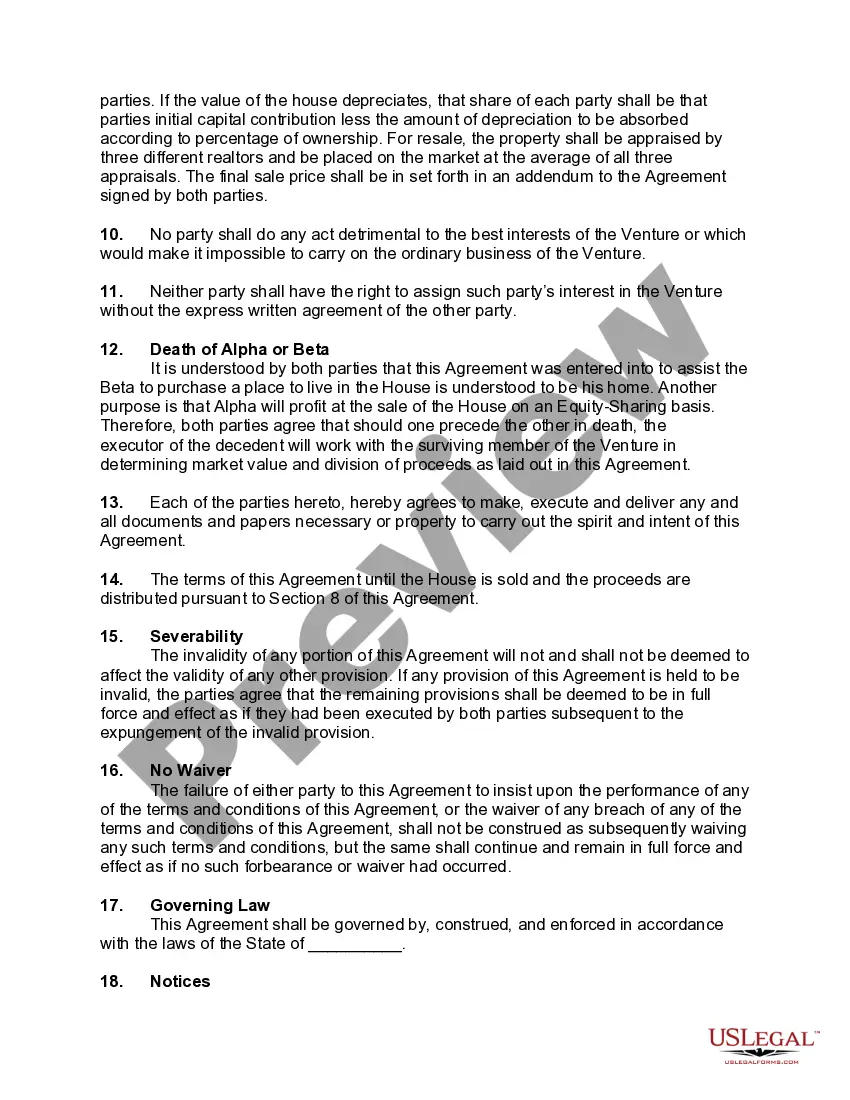
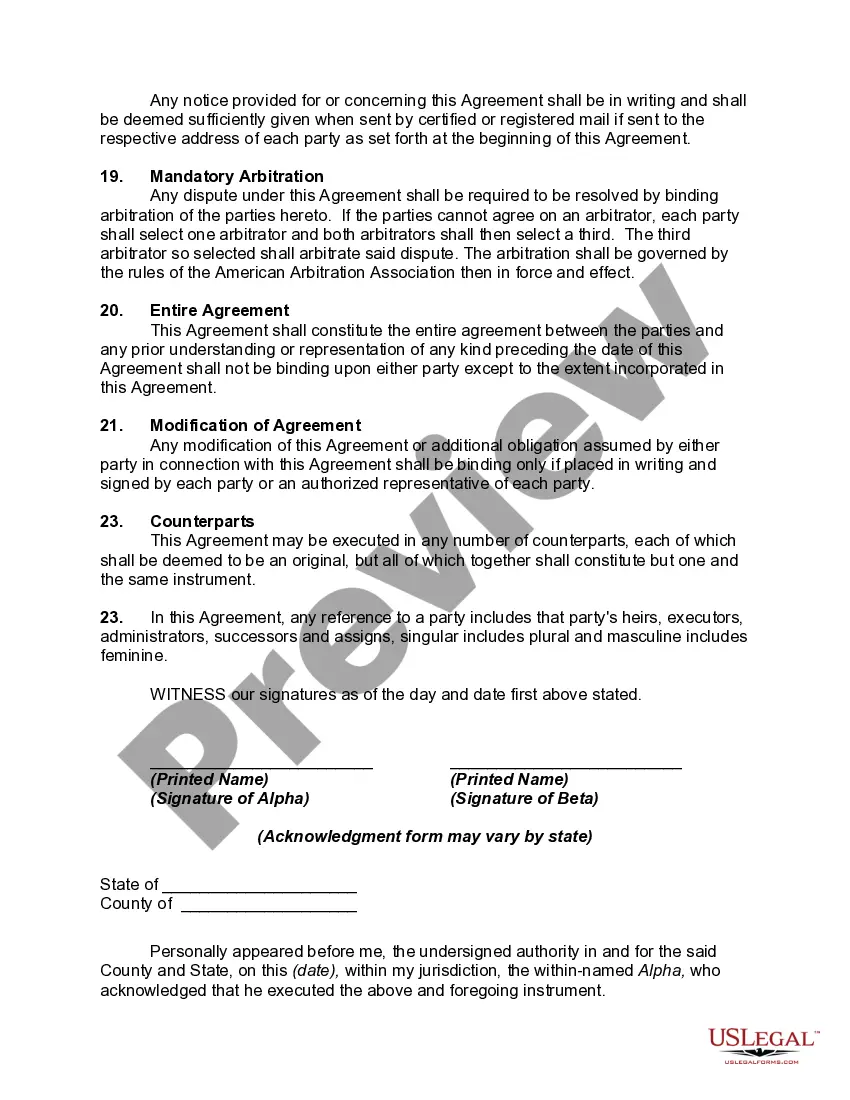


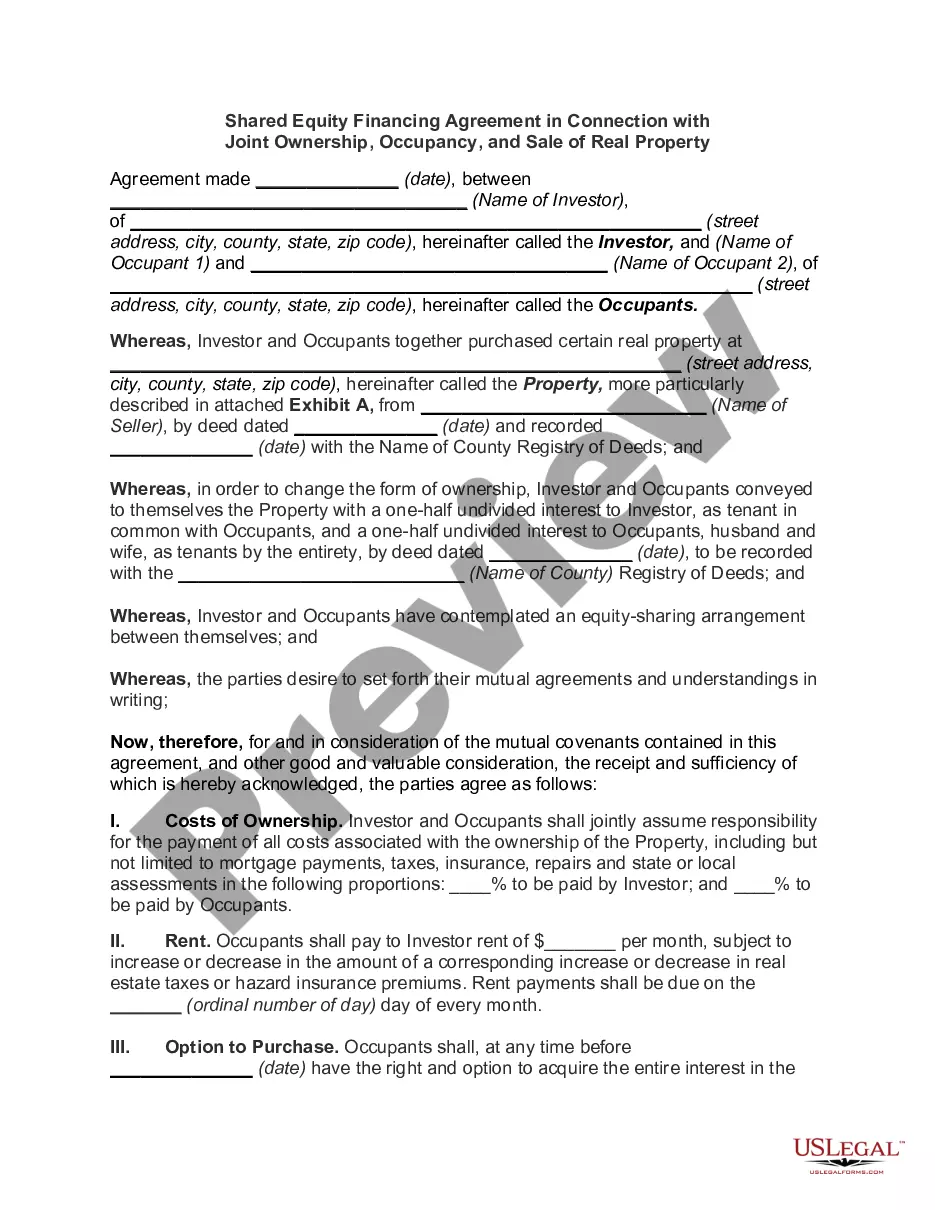
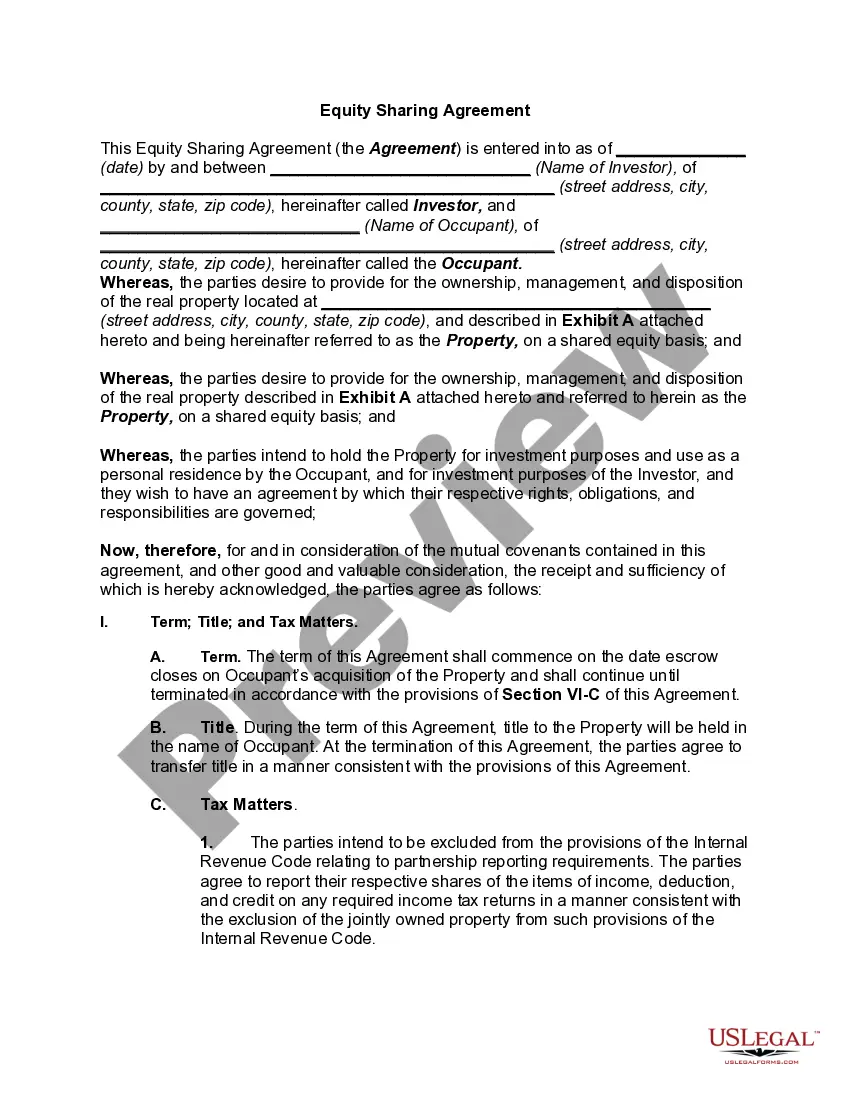


How to fill out Equity Share Agreement?
US Legal Forms - one of the largest collections of legal documents in the USA - provides a range of legal form templates that you can download or print.
By using the website, you can access thousands of forms for professional and personal purposes, organized by categories, states, or keywords. You can find the latest versions of forms such as the Connecticut Equity Share Agreement in moments.
If you are already a member, Log In and download the Connecticut Equity Share Agreement from the US Legal Forms repository. The Download button will appear on every form you view. You can access all previously saved forms from the My documents tab of your account.
Complete the transaction. Use your credit card or PayPal account to finalize the order.
Select the format and download the form onto your device.
- Ensure you have selected the correct form for your city/state.
- Click the Review button to examine the form’s content.
- Check the form description to confirm that you have picked the right form.
- If the form doesn’t meet your needs, utilize the Search feature at the top of the screen to find a suitable one.
- Once satisfied with the form, validate your choice by clicking the Buy now button.
- Next, select the payment plan you prefer and provide your details to register for an account.
Form popularity
FAQ
Determining whether a Home Equity Agreement (HEA) is better than a Home Equity Line of Credit (HELOC) depends on personal circumstances. A Connecticut Equity Share Agreement might suit those seeking immediate funds without monthly repayments, whereas a HELOC provides withdrawing options based on your creditworthiness. Each option has pros and cons; thus, assess your financial situation and long-term goals before making a decision.
While a Connecticut Equity Share Agreement provides immediate financial relief, it also has downsides. You may end up sharing a significant portion of your future home appreciation with investors, reducing your profit when you sell. Additionally, these agreements often require upfront fees or a portion of equity, which may not be ideal for all homeowners. It's crucial to weigh these factors against your immediate financial needs.
Choosing between a Home Equity Agreement (HEA) and a Home Equity Line of Credit (HELOC) depends on your financial needs. A Connecticut Equity Share Agreement can offer a unique option where you share equity with investors, eliminating monthly payments but sharing future appreciation. In contrast, a HELOC allows for flexibility in borrowing but comes with repayment obligations that interest rates may affect. Evaluate both options to determine which aligns with your financial goals.
Choosing between a Home Equity Line of Credit (HELOC) and a Home Equity Agreement (HEA) depends on your financial situation and needs. A HELOC allows you to borrow against your home’s equity but requires monthly payments. In contrast, a Connecticut Equity Share Agreement may offer a more flexible repayment structure. Assessing your long-term goals and consulting with experts can help determine which option is best for you.
While a home equity agreement can ease financial burdens, there are downsides to consider. The primary concern is the potential loss of equity if your home appreciates significantly. You may also face restrictions on how to use your property or when to sell. Reviewing these factors with a knowledgeable advisor can help you understand whether a Connecticut Equity Share Agreement meets your needs.
A shared equity agreement, such as those available in Connecticut, can be an effective way to reduce upfront costs of buying a home. It allows you to partner with investors, which can improve your chances of homeownership. However, you should consider your financial situation and long-term plans before proceeding. Understanding the terms and implications of a Connecticut Equity Share Agreement is crucial to making a good decision.
Entering into a Home Equity Investment (HEI) carries certain risks. You may have to share a portion of your home’s appreciation with the investor, impacting your long-term financial return. Additionally, if the market declines, you could end up with less equity than you anticipated. It's important to weigh these risks against the benefits of a Connecticut Equity Share Agreement.
The monthly payment on a $50,000 home equity line of credit can vary based on interest rates and the repayment terms. Typically, payments may be interest-only during the draw period, which makes them lower initially. However, it’s crucial to understand that the actual payment may increase once you enter the repayment period. Consulting with lenders or utilizing tools from US Legal Forms can help you estimate your payments accurately.
To obtain a Connecticut Equity Share Agreement, start by assessing the value of your home and your financial requirements. Next, research lenders that offer such agreements and gather the necessary documentation, like proof of income and property ownership. Once you find a suitable lender, you can apply online or in person, and they will guide you through the rest of the process. Using resources from US Legal Forms can simplify the application and contract review stages.
Finding the best lender for a Connecticut Equity Share Agreement depends on your needs and financial situation. It's essential to compare offerings from various financial institutions, including credit unions, banks, and specialized lenders. Look for lenders with competitive rates, transparent terms, and a solid reputation for customer service. Platforms like US Legal Forms can help you navigate this process and make informed decisions.