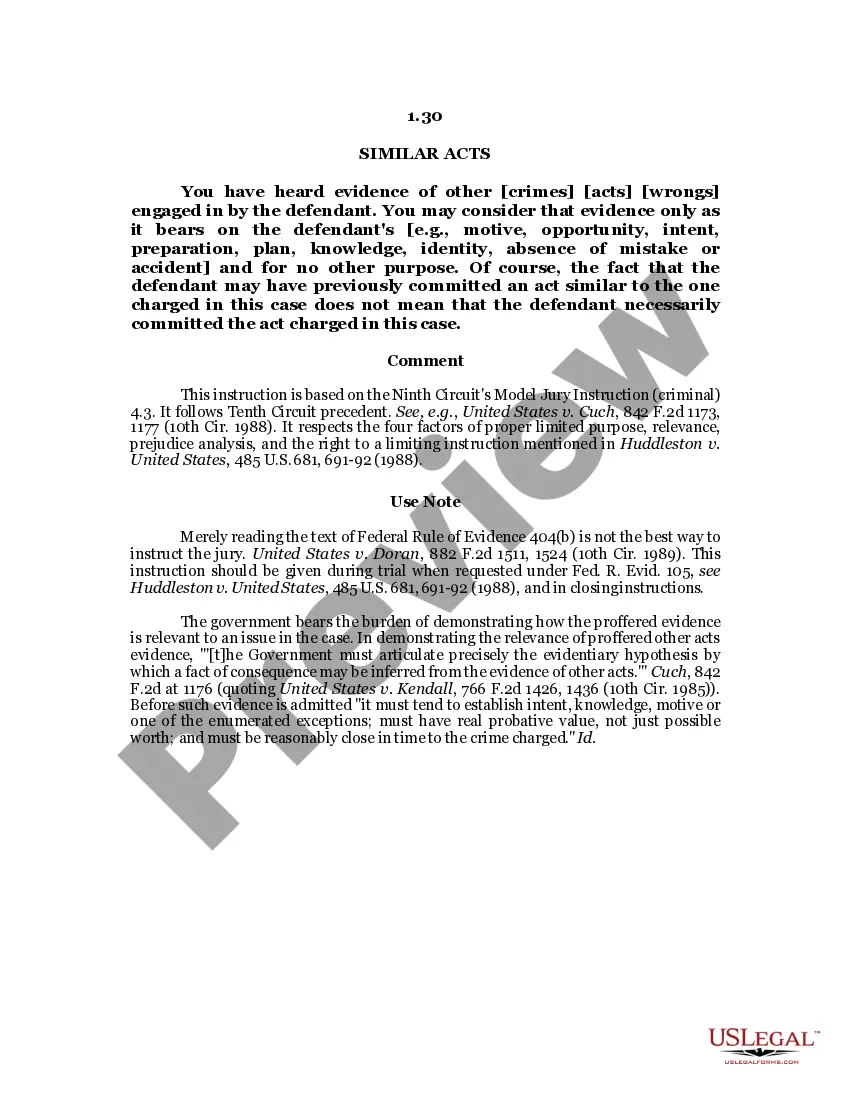
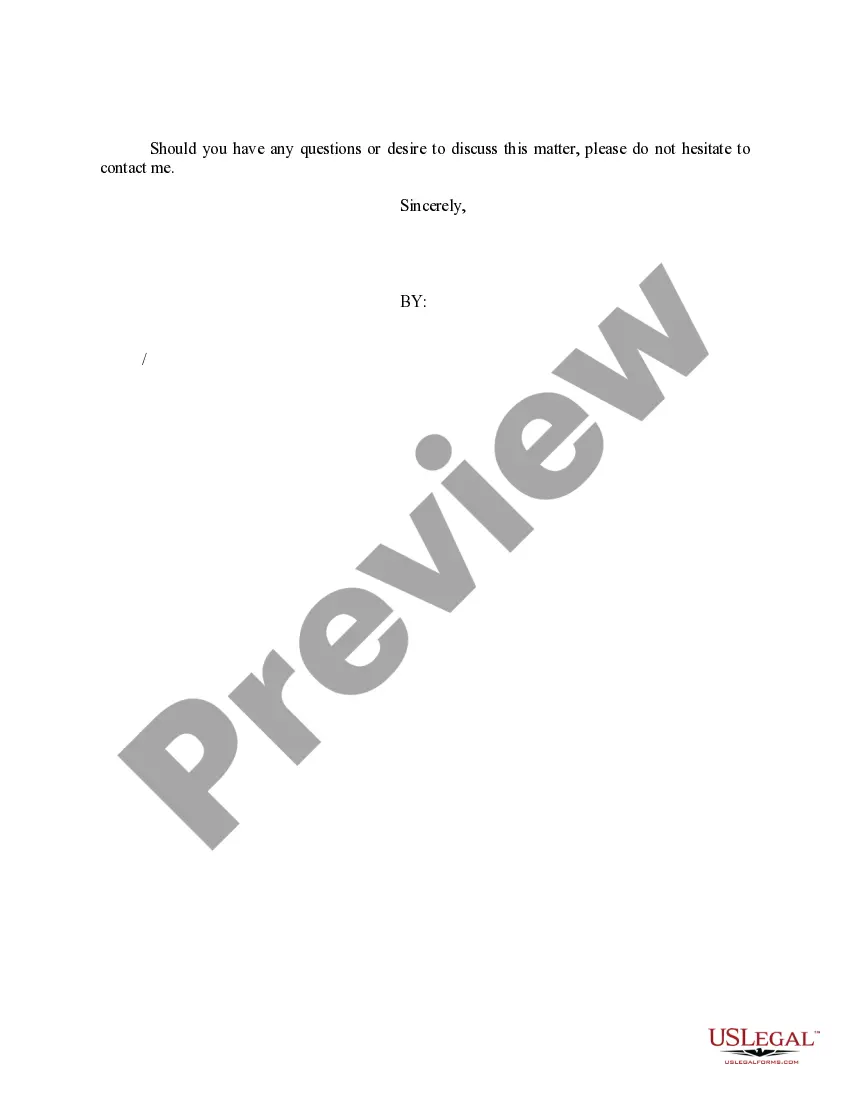
Connecticut Sample Letter for Alleged Payments Due from Defendant
Description
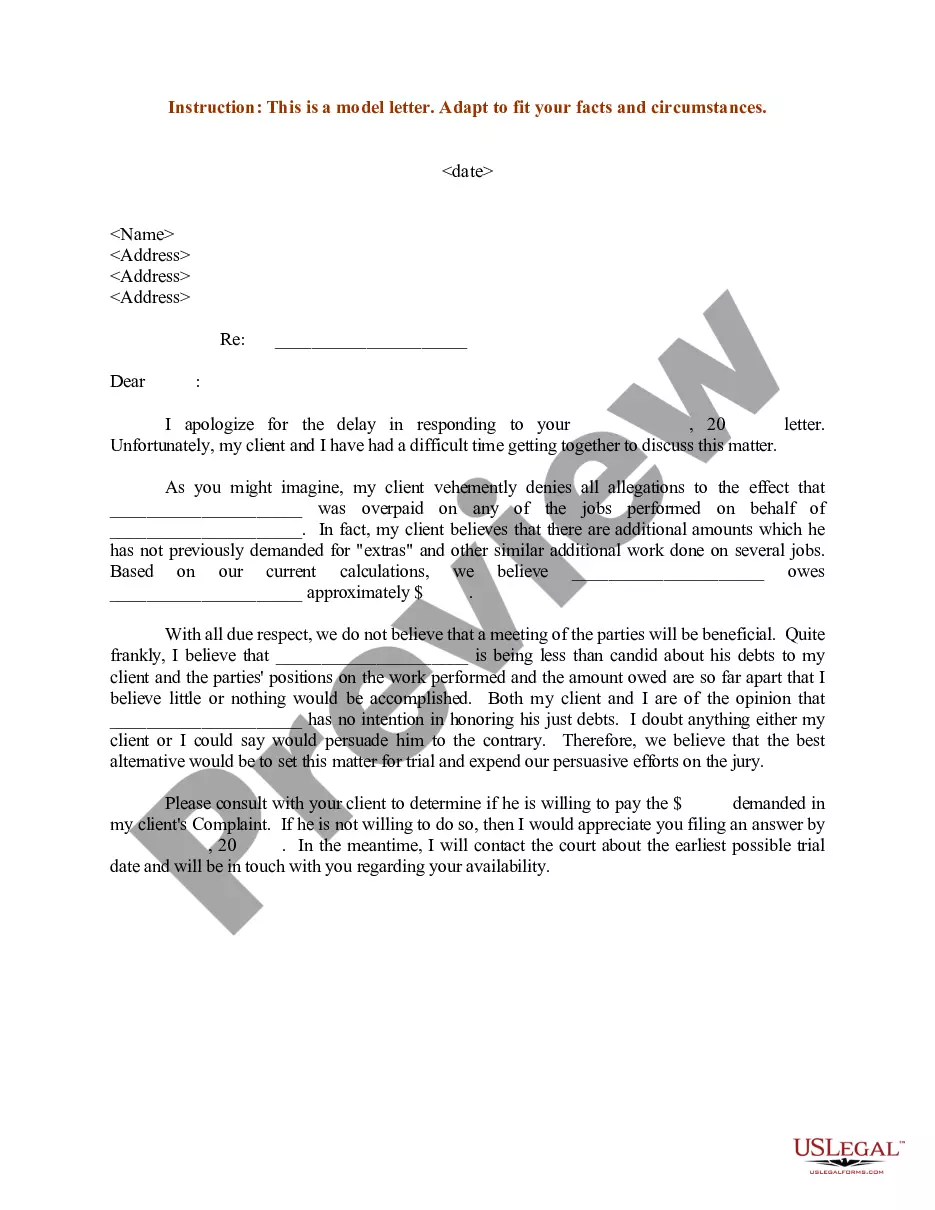
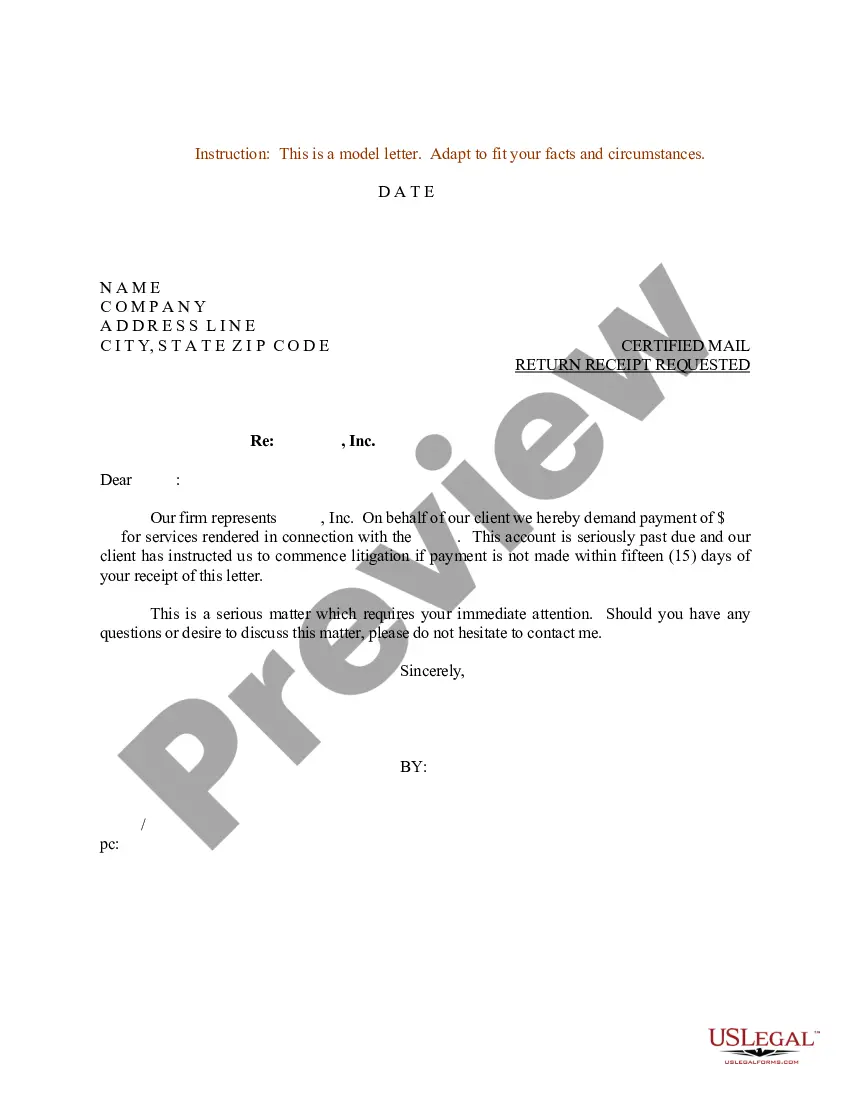
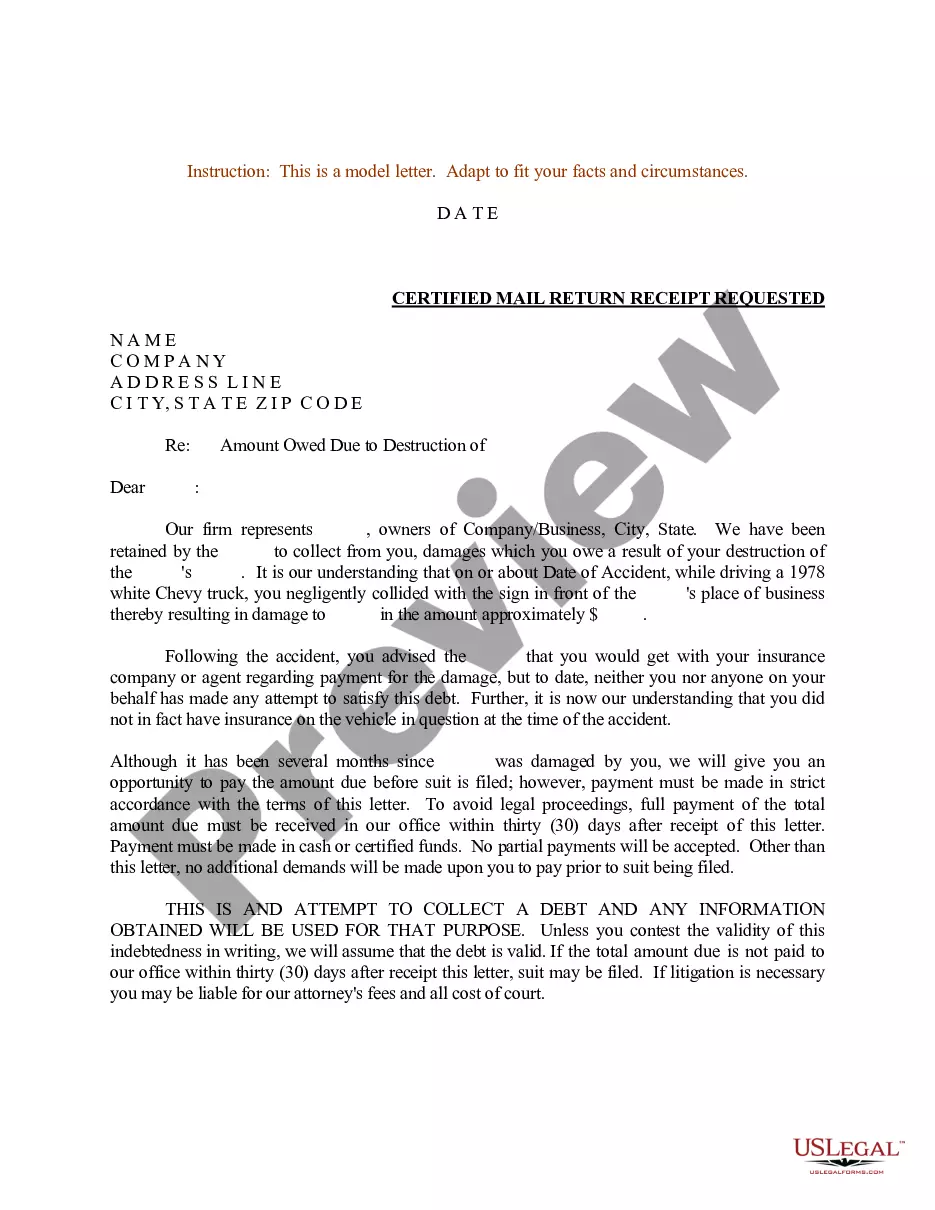
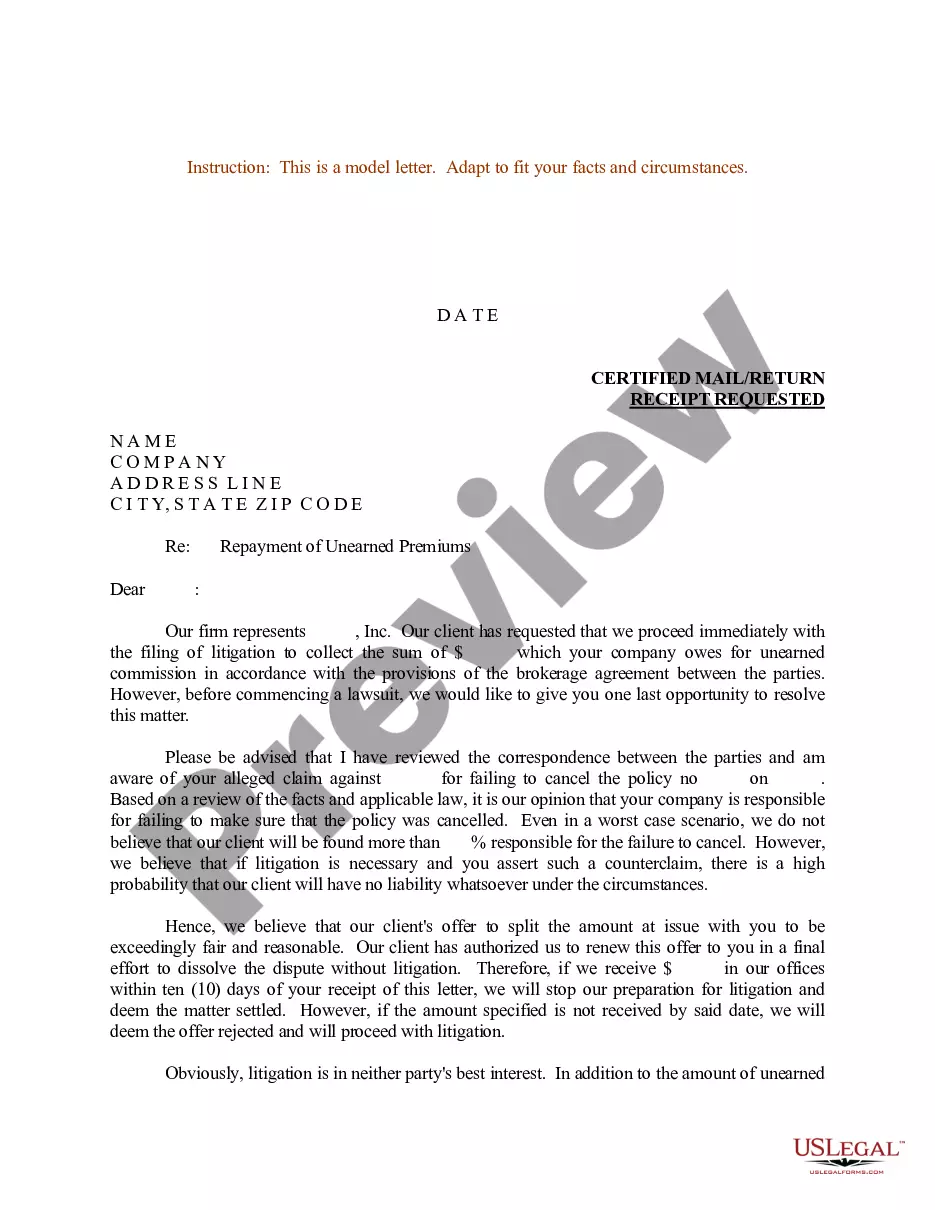
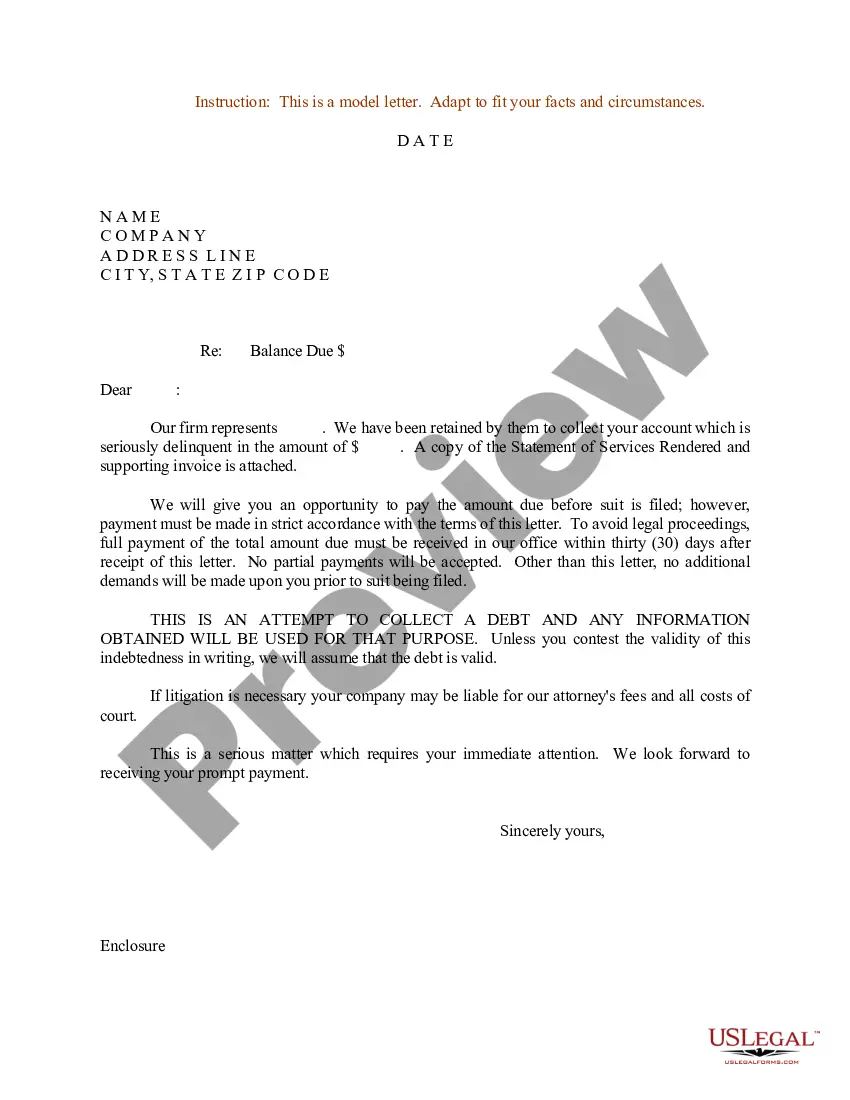
How to fill out Sample Letter For Alleged Payments Due From Defendant?
If you need to finalize, obtain, or print valid document templates, utilize US Legal Forms, the top assortment of legal forms available online.
Leverage the site’s straightforward and user-friendly search to find the documents you need.
Numerous templates for business and personal use are categorized by types and jurisdictions, or keywords. Use US Legal Forms to find the Connecticut Sample Letter for Alleged Payments Due from Defendant in just a few clicks.
Every legal document template you purchase is yours indefinitely. You have access to every form you downloaded in your account. Select the My documents section and choose a form to print or download again.
Finalize and obtain, and print the Connecticut Sample Letter for Alleged Payments Due from Defendant with US Legal Forms. There are countless professional and state-specific forms available for your business or personal needs.
- If you are already a US Legal Forms user, Log In to your account and click the Download button to obtain the Connecticut Sample Letter for Alleged Payments Due from Defendant.
- You can also access forms you previously downloaded in the My documents section of your account.
- If you are using US Legal Forms for the first time, follow these steps.
- Step 1. Ensure you have selected the form for the correct city/state.
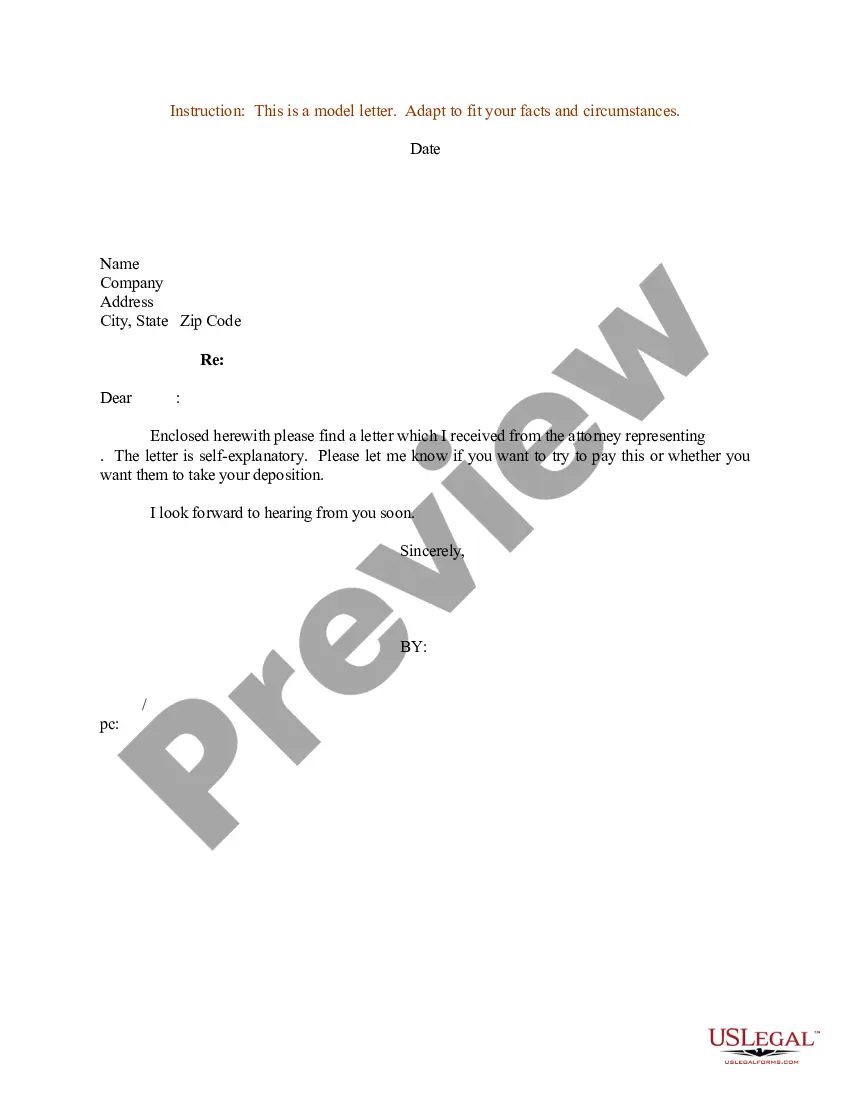
- Step 2. Utilize the Preview option to review the form's content. Don’t forget to read the description.
- Step 3. If you are not satisfied with the form, use the Search field at the top of the screen to find alternative versions of the legal form template.
- Step 4. Once you have found the form you need, click the Get now button. Choose the pricing plan you prefer and enter your details to register for an account.
- Step 5. Complete the transaction. You can use your credit card or PayPal account to finalize the purchase.
- Step 6. Select the format of your legal form and download it to your device.
- Step 7. Complete, modify, and print or sign the Connecticut Sample Letter for Alleged Payments Due from Defendant.
Form popularity
FAQ
An intent to sue letter should have the addresses of both parties, a detailed description of the dispute, the settlement demand (e.g., payment amount, cease and desist, repair damages, etc.), the sender's contact information, and the deadline for the proposed settlement.
An offer of compromise will generally be accepted when it is unlikely that DRS would be able to collect the full amount owed, and the amount offered reasonably reflects collection potential. Delegation order: The authority granted to the Commissioner under Conn. Gen.
If the offer of compromise is not accepted within thirty days and prior to the rendering of a verdict by the jury or an award by the court, the offer of compromise shall be considered rejected and not subject to acceptance unless refiled.
Offers of Compromise: The Commissioner of Revenue Services or a designated agent of the Commissioner of Revenue Services is authorized to compromise any controversy arising from the application or enforcement of any Connecticut General Statute over which the Commissioner has authority.
Motions for orders of compliance (or motions to compel, as they are frequently called) are governed by Section 13-14 of the Connecticut Practice Book. As in many jurisdictions, judges in Connecticut generally prefer that parties and their counsel resolve discovery disputes without the need for judicial intervention.
If you don't pay the judgment, the plaintiff can ask the court for an order called an execution to collect the money from you. Some types of income and assets are protected by law. The plaintiff has 10 years to collect the judgment.