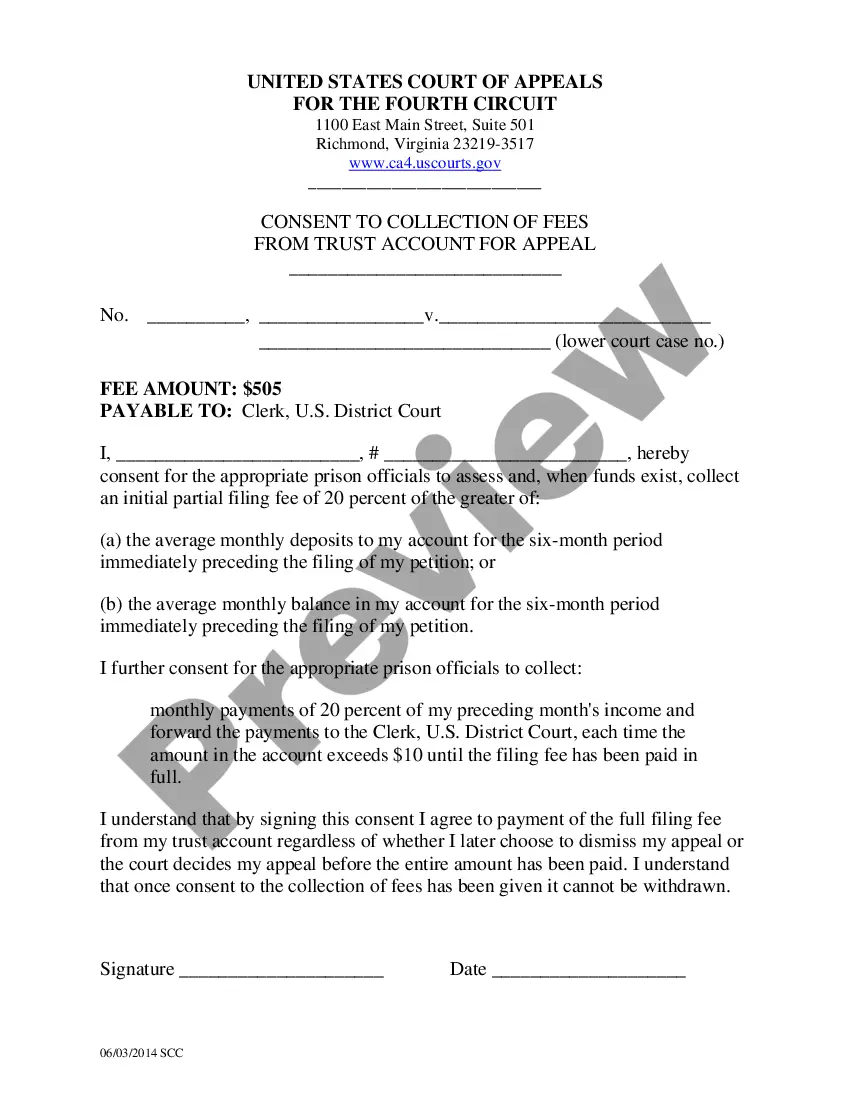
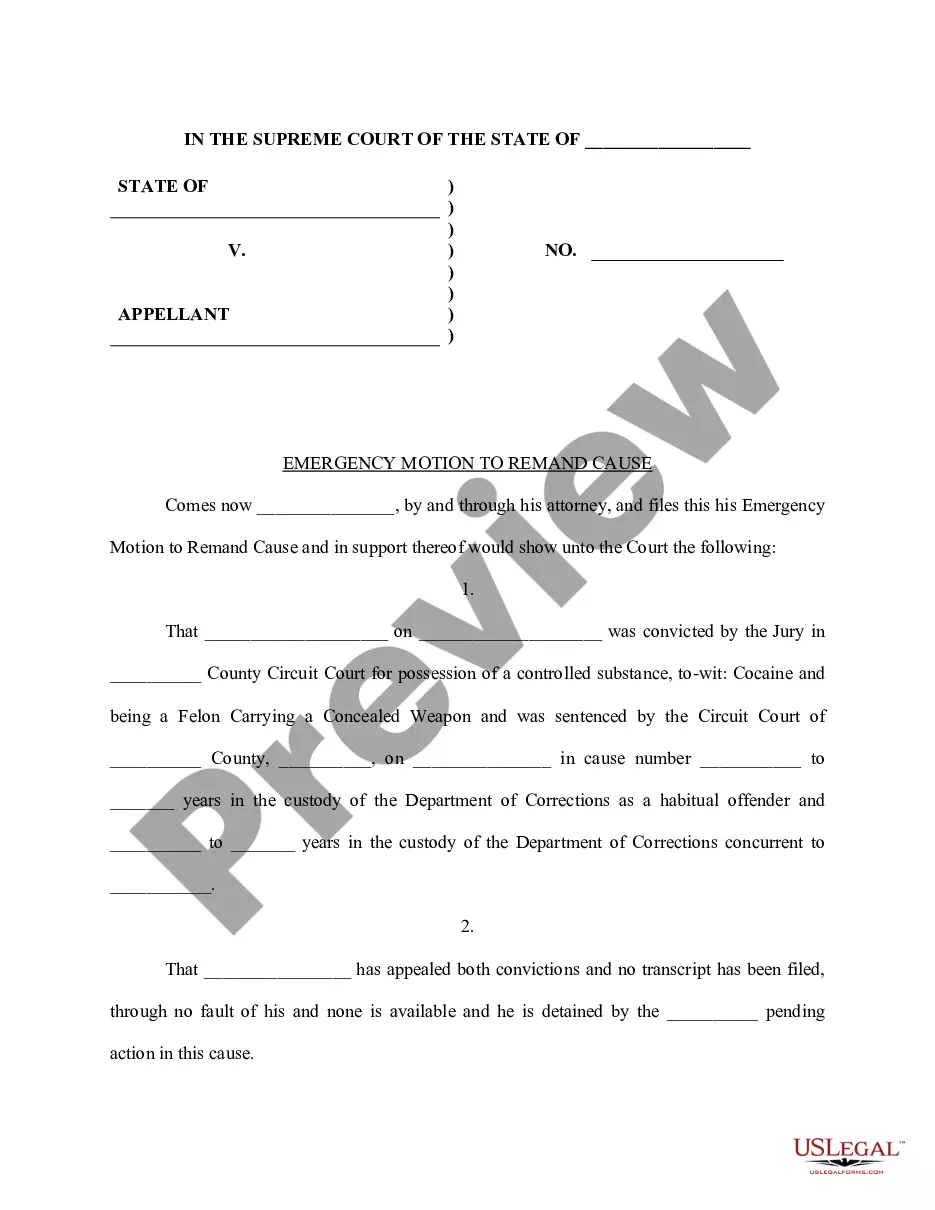
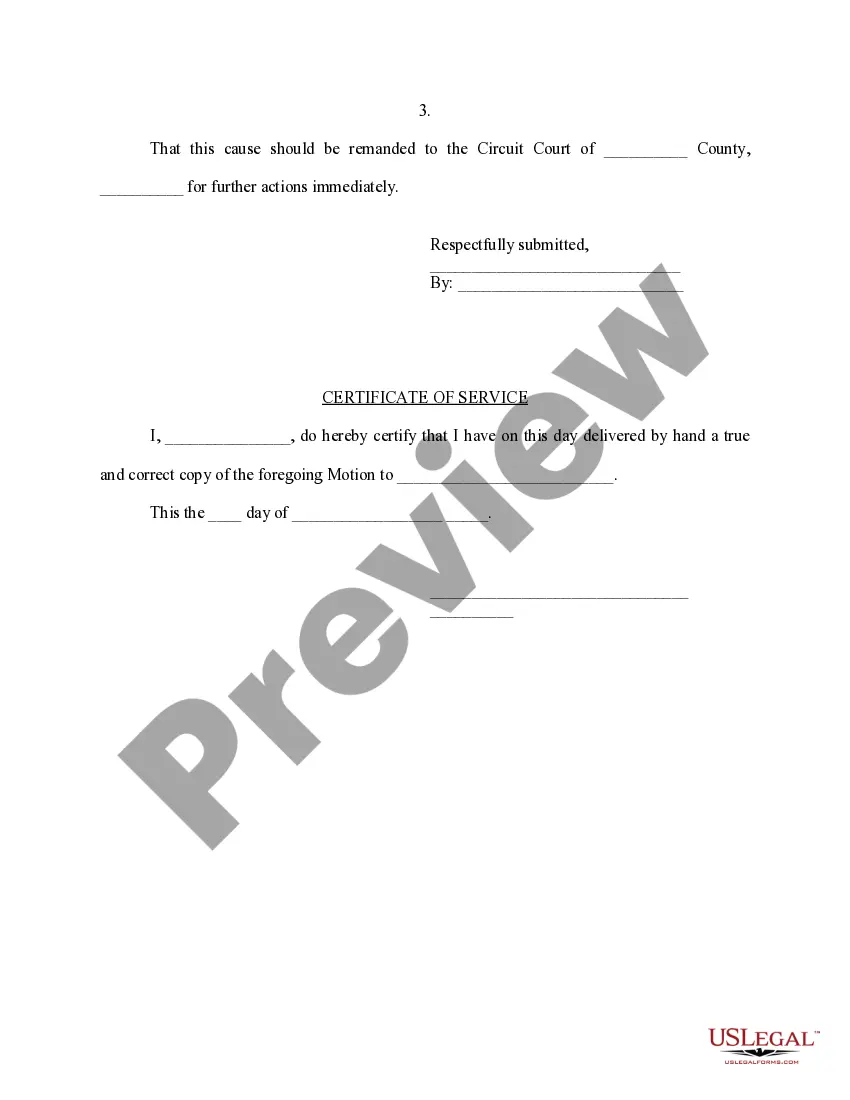
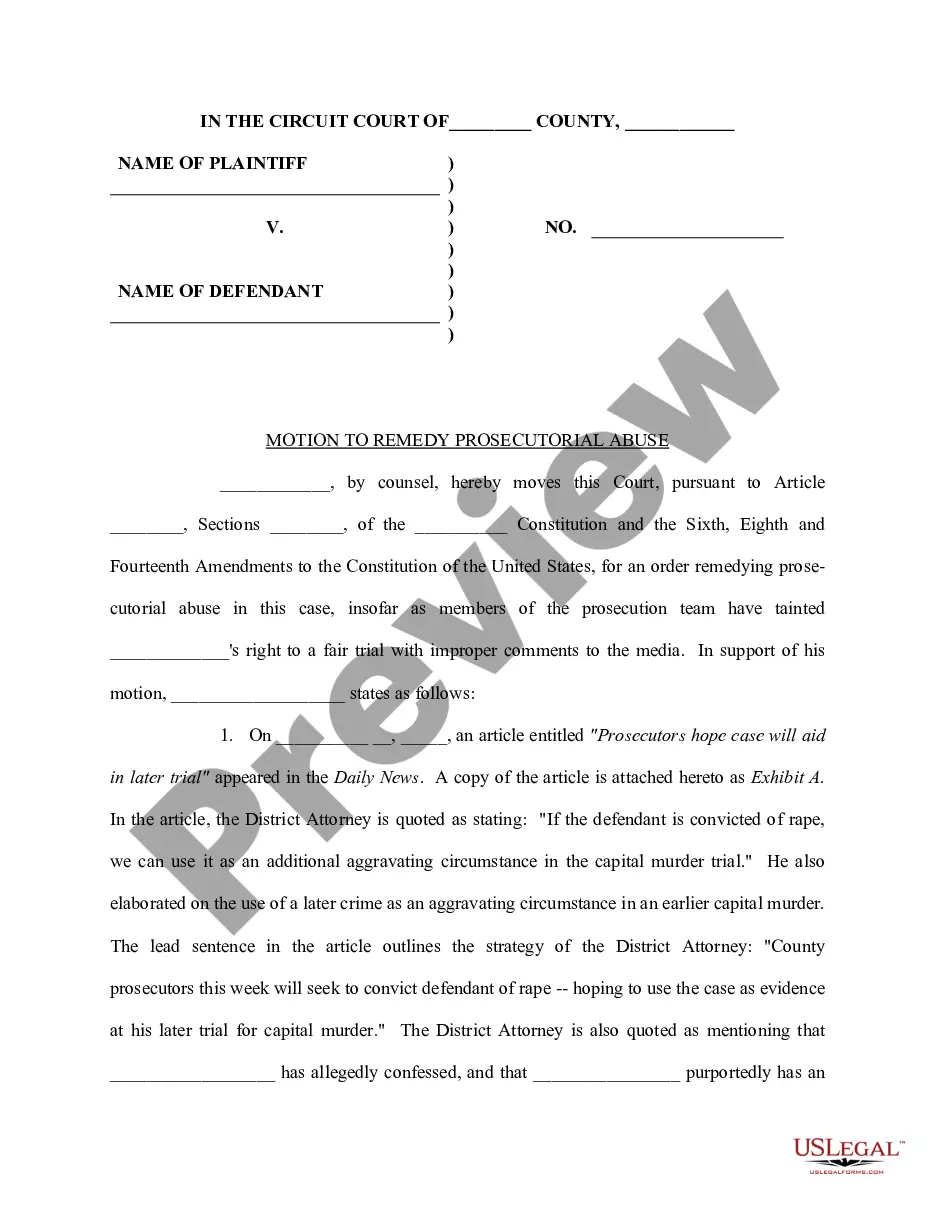
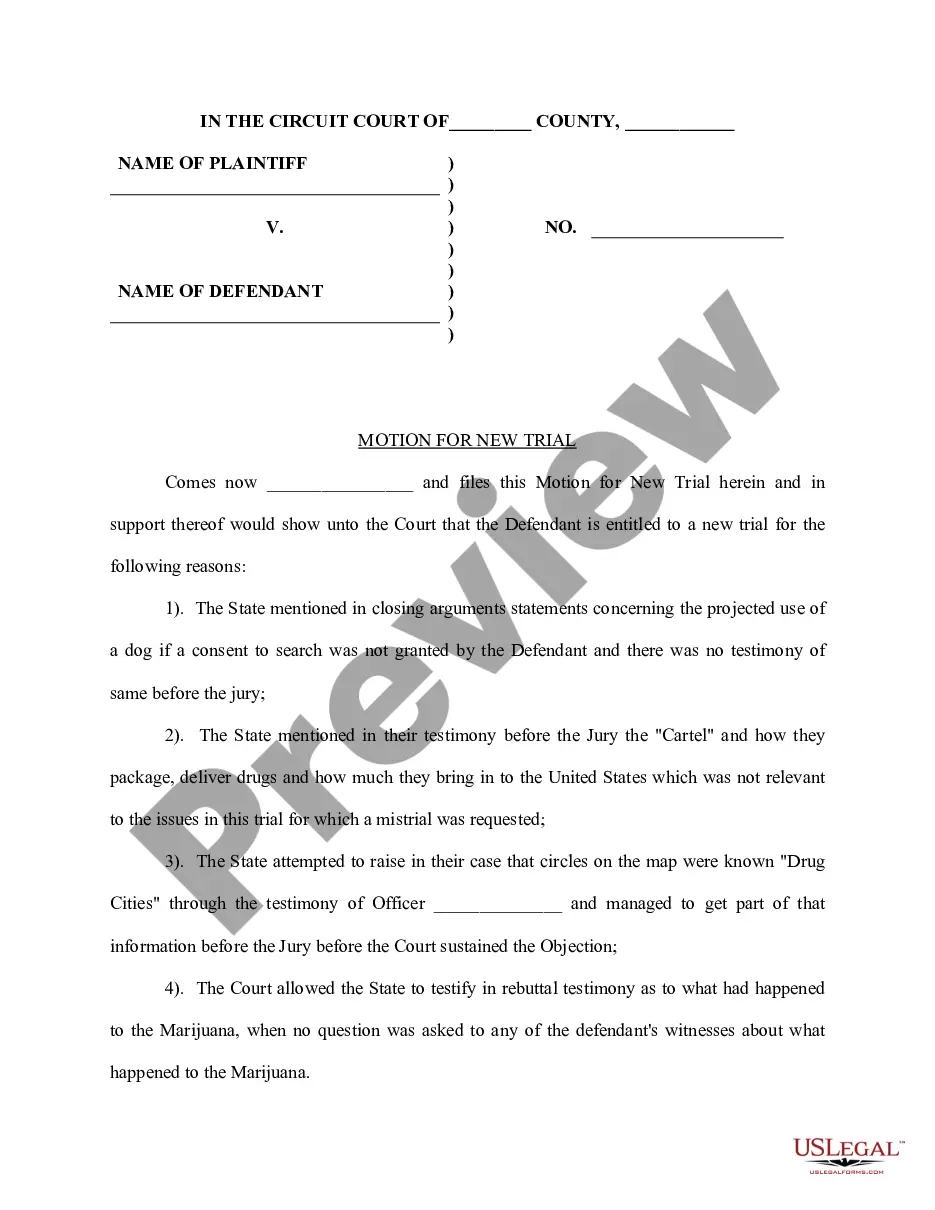
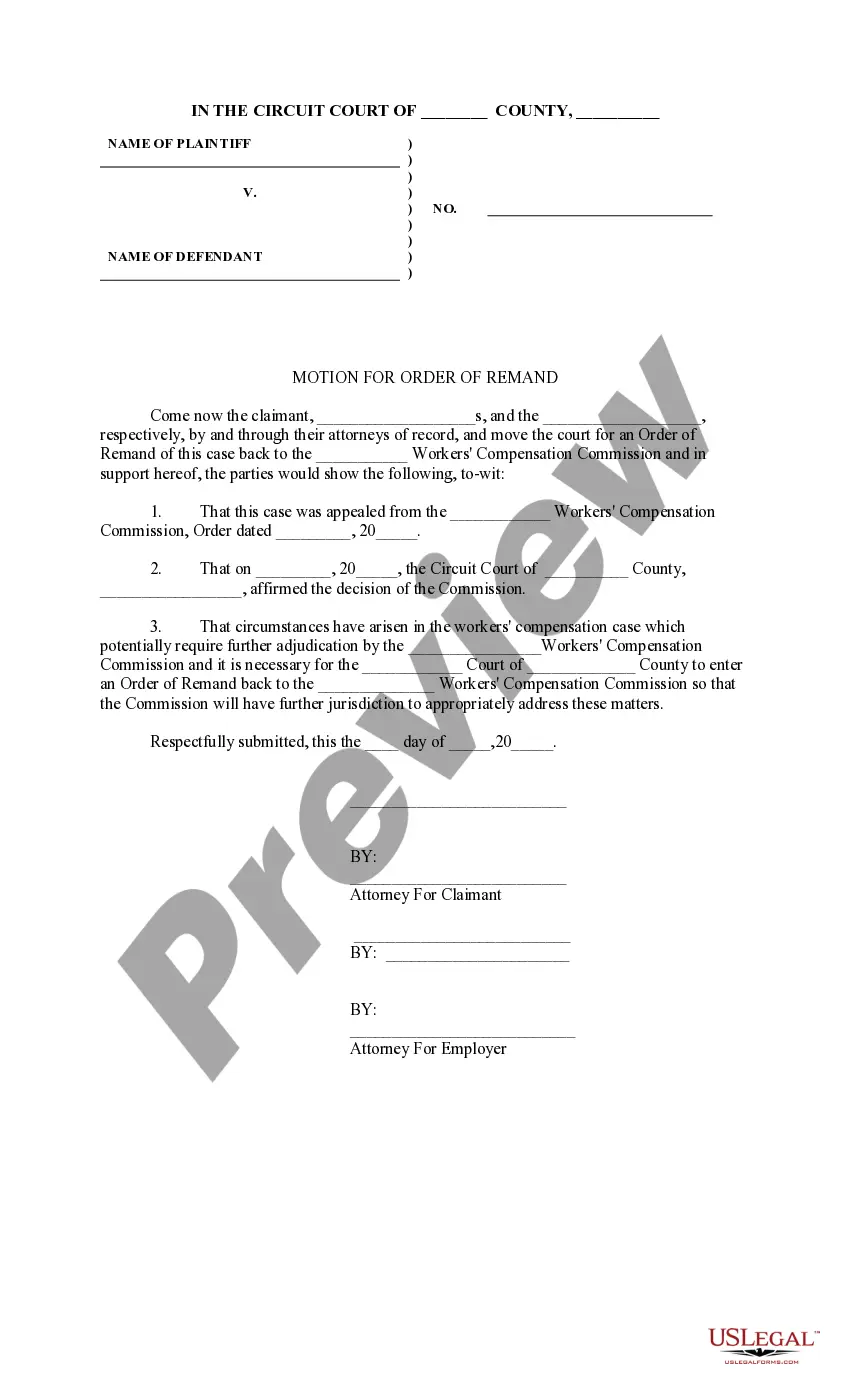
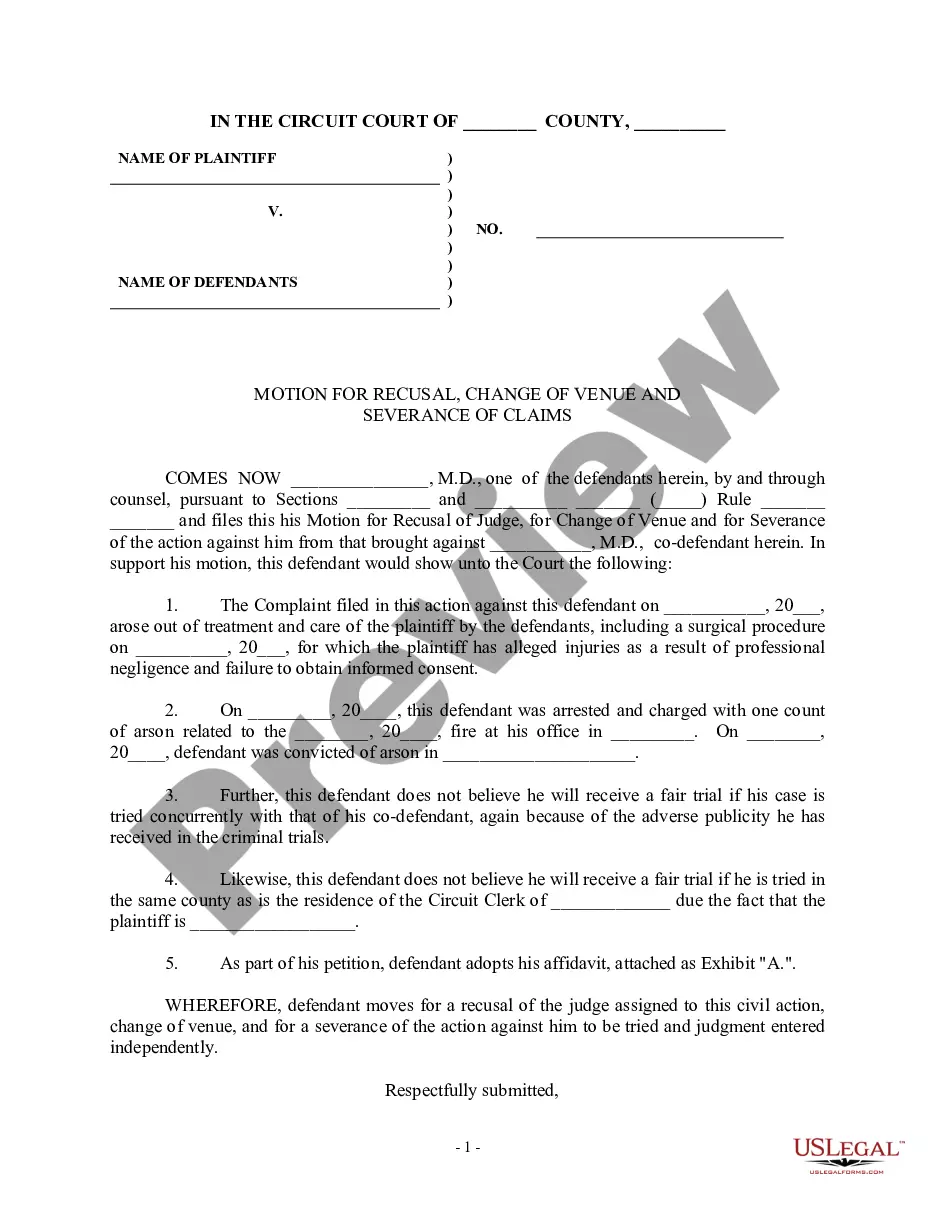
Connecticut Emergency Motion to Remand Cause
Description
Get your form ready online
Our built-in tools help you complete, sign, share, and store your documents in one place.
Make edits, fill in missing information, and update formatting in US Legal Forms—just like you would in MS Word.
Download a copy, print it, send it by email, or mail it via USPS—whatever works best for your next step.
Sign and collect signatures with our SignNow integration. Send to multiple recipients, set reminders, and more. Go Premium to unlock E-Sign.
If this form requires notarization, complete it online through a secure video call—no need to meet a notary in person or wait for an appointment.
We protect your documents and personal data by following strict security and privacy standards.

Make edits, fill in missing information, and update formatting in US Legal Forms—just like you would in MS Word.

Download a copy, print it, send it by email, or mail it via USPS—whatever works best for your next step.

Sign and collect signatures with our SignNow integration. Send to multiple recipients, set reminders, and more. Go Premium to unlock E-Sign.

If this form requires notarization, complete it online through a secure video call—no need to meet a notary in person or wait for an appointment.

We protect your documents and personal data by following strict security and privacy standards.
Looking for another form?



How to fill out Emergency Motion To Remand Cause?
Finding the correct legal document template can be challenging. Clearly, there are numerous templates accessible online, but how can you locate the legal form you require? Utilize the US Legal Forms website. The platform offers a vast array of templates, including the Connecticut Emergency Motion to Remand Cause, which you can utilize for both business and personal needs. All forms are verified by experts and comply with state and federal regulations.
If you are already registered, Log In to your account and click the Download button to obtain the Connecticut Emergency Motion to Remand Cause. Use your account to browse through the legal forms you have previously acquired. Navigate to the My documents tab of your account to retrieve another copy of the document you need.
If you are a new user of US Legal Forms, here are straightforward steps you can follow: First, ensure you have selected the correct form for your city/region. You can view the form using the Preview feature and check the form details to confirm it is suitable for you. If the form does not meet your requirements, use the Search section to find the appropriate form. Once you are confident that the form will work, click the Get now button to acquire the form. Choose the pricing plan you want and enter the necessary information. Create your account and complete your order using your PayPal account or credit card. Select the file format and download the legal document template to your device. Complete, edit, print, and sign the obtained Connecticut Emergency Motion to Remand Cause.
Make sure to take advantage of the resources available to you to simplify the process of obtaining legal documents.
- US Legal Forms is the largest repository of legal forms.
- You can find numerous document templates.
- Utilize the service to obtain professionally created documents.
- Ensure compliance with state regulations.
- Access a variety of templates for various needs.
- Expert verification of all forms.
Form popularity
FAQ
Rule 4.2 of the Rules of Professional Conduct provides that ?[i]n representing a client, a lawyer shall not communicate about the subject of the representation with a party the lawyer knows to be represented by another lawyer in the matter, unless the lawyer has the consent of the other lawyer or is authorized by law ...
A party opposing a summary judgment motion must, within 28 days after the movant serves the motion, file and serve a response brief and any evidence (that is not already in the record) that the party relies on to oppose the motion.
In addition, Local Rule 56 requires that: [e]ach statement of material fact in a Local Rule 56(a) Statement by a movant or opponent must be followed by a citation to (1) the affidavit of a witness competent to testify as to the facts at trial and/or (2) evidence that would be admissible at trial.
Rule 7.1. A lawyer shall not make a false or misleading communication about the lawyer or the lawyer's services.
Practice Book § 17-44 (2023). Supporting Documents: ?A motion for summary judgment shall be supported by appropriate documents, including but not limited to affidavits, certified transcripts of testimony under oath, disclosures, written admissions and other supporting documents.? Conn. Practice Book § 17-45(a) (2023).
Motions for orders of compliance (or motions to compel, as they are frequently called) are governed by Section 13-14 of the Connecticut Practice Book. As in many jurisdictions, judges in Connecticut generally prefer that parties and their counsel resolve discovery disputes without the need for judicial intervention.
These grounds can include, but are not limited to: forum non conveniens, meaning it is more appropriate for another court to hear the case; prior pending action, meaning a case between the parties on the same matter is already happening; or in a medical malpractice case the Certificate of Good Faith not being properly ...
Rule 1.10 - Imputation of Conflicts of Interest: General Rule (a) While lawyers are associated in a firm, none of them shall knowingly represent a client when any one of them practicing alone would be prohibited from doing so by Rules 1.7, 1.8(c), or 1.9, unless the prohibition is based on a personal interest of the ...