Connecticut Discovery Interrogatories from Plaintiff to Defendant with Production Requests
Understanding this form
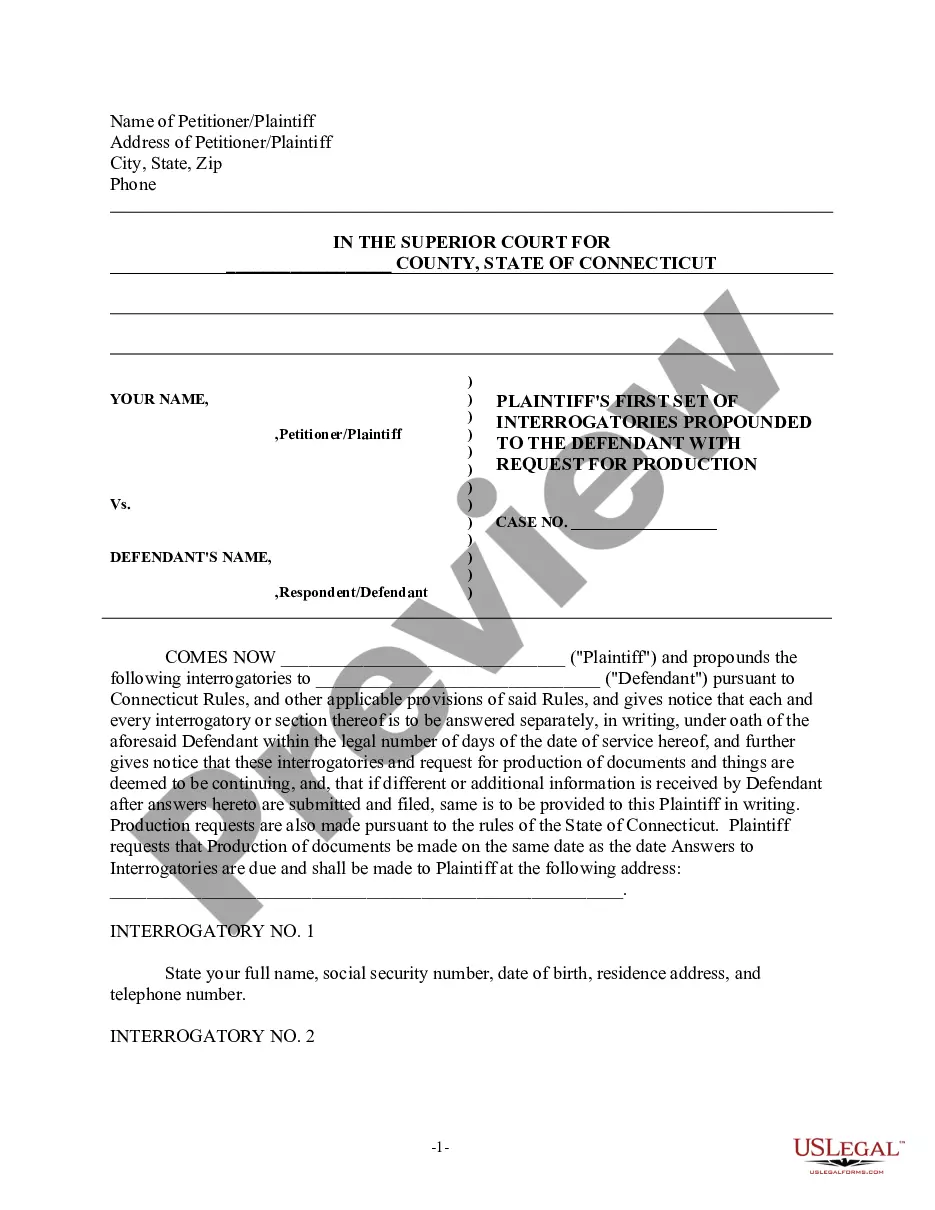
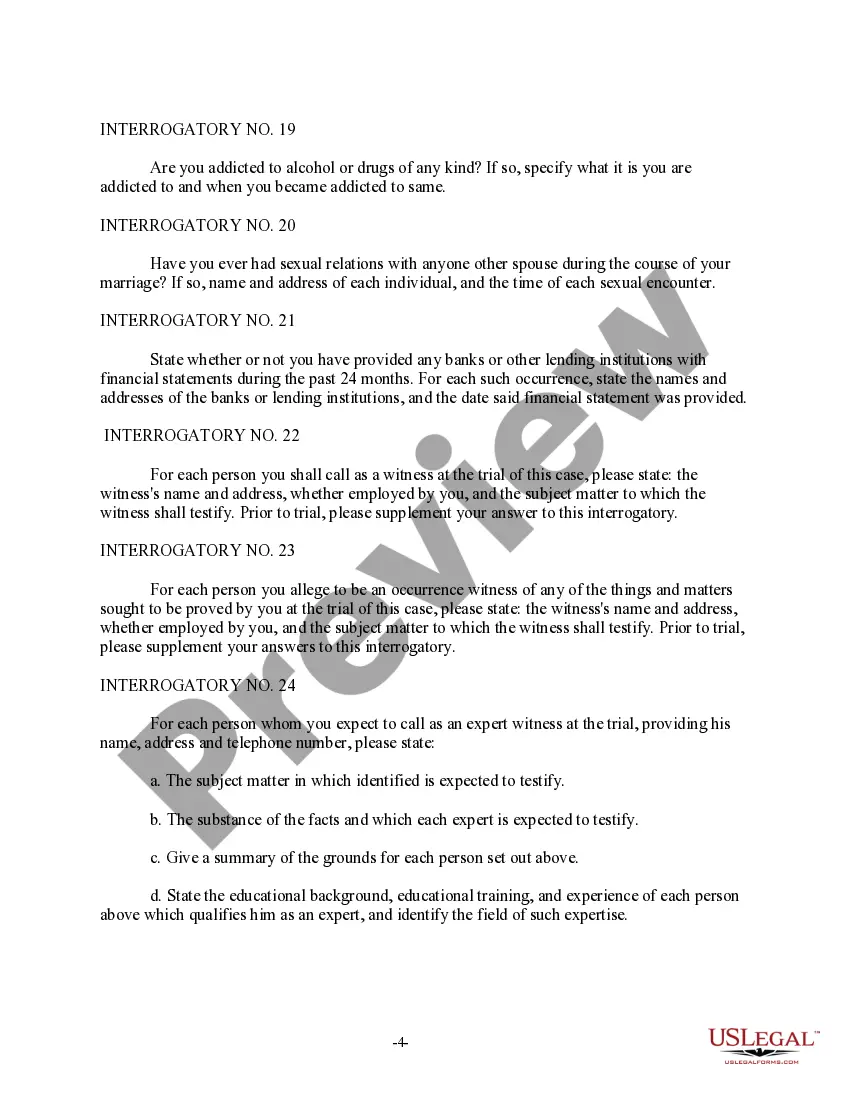
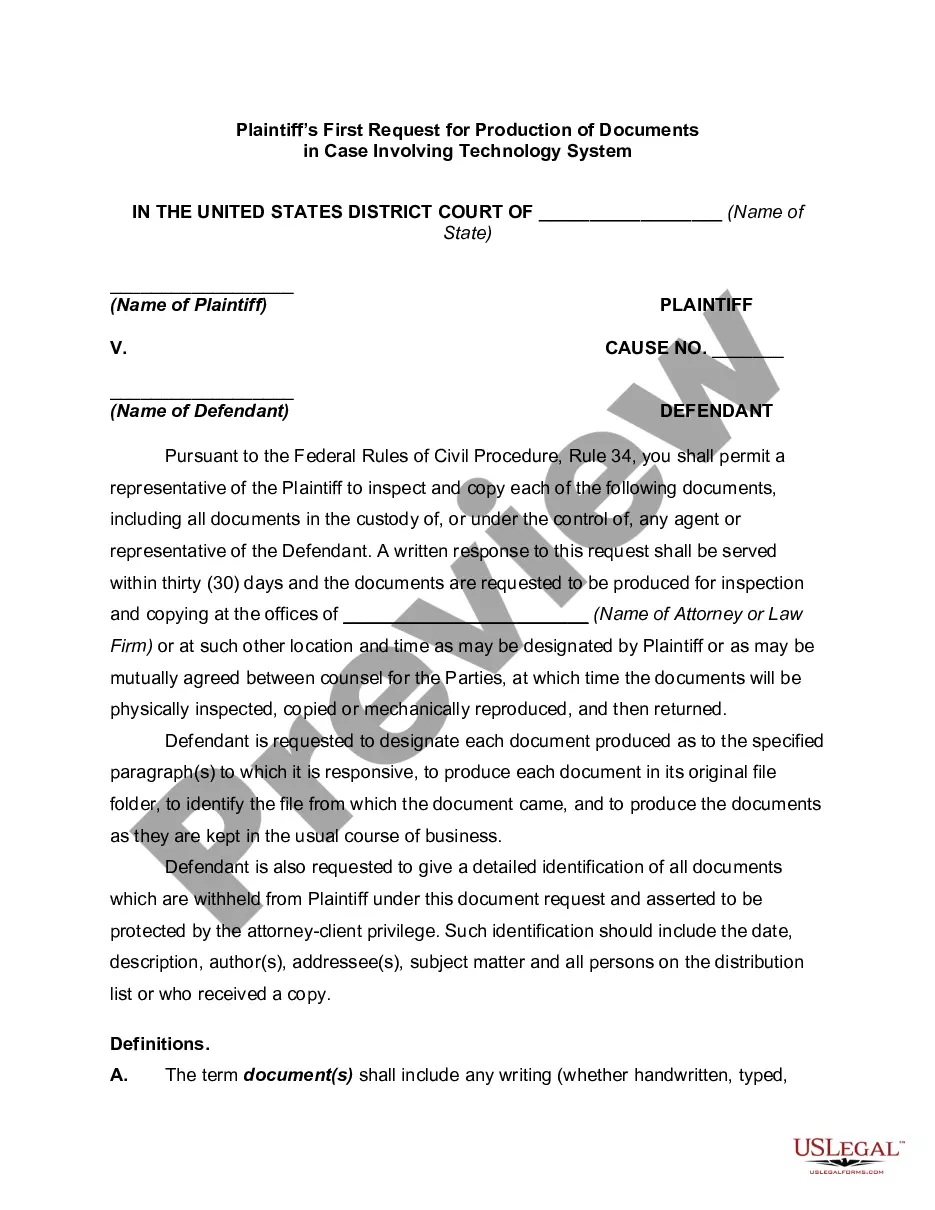
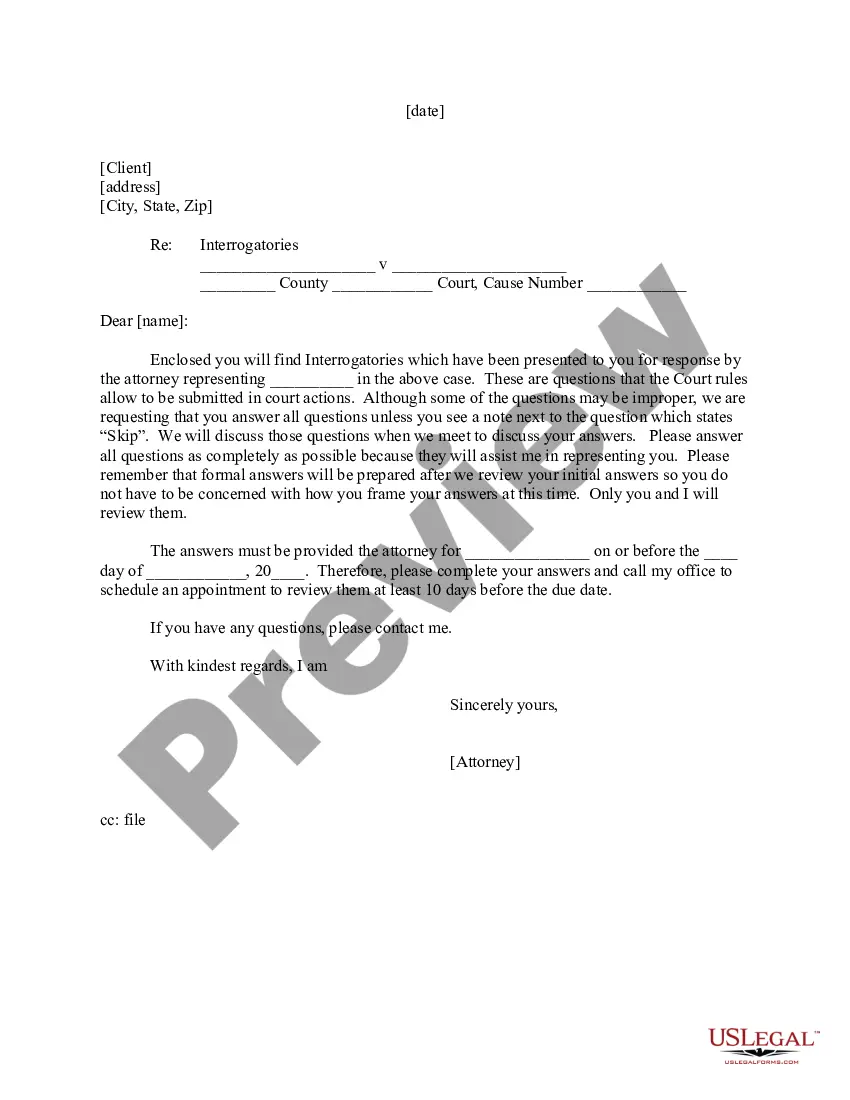
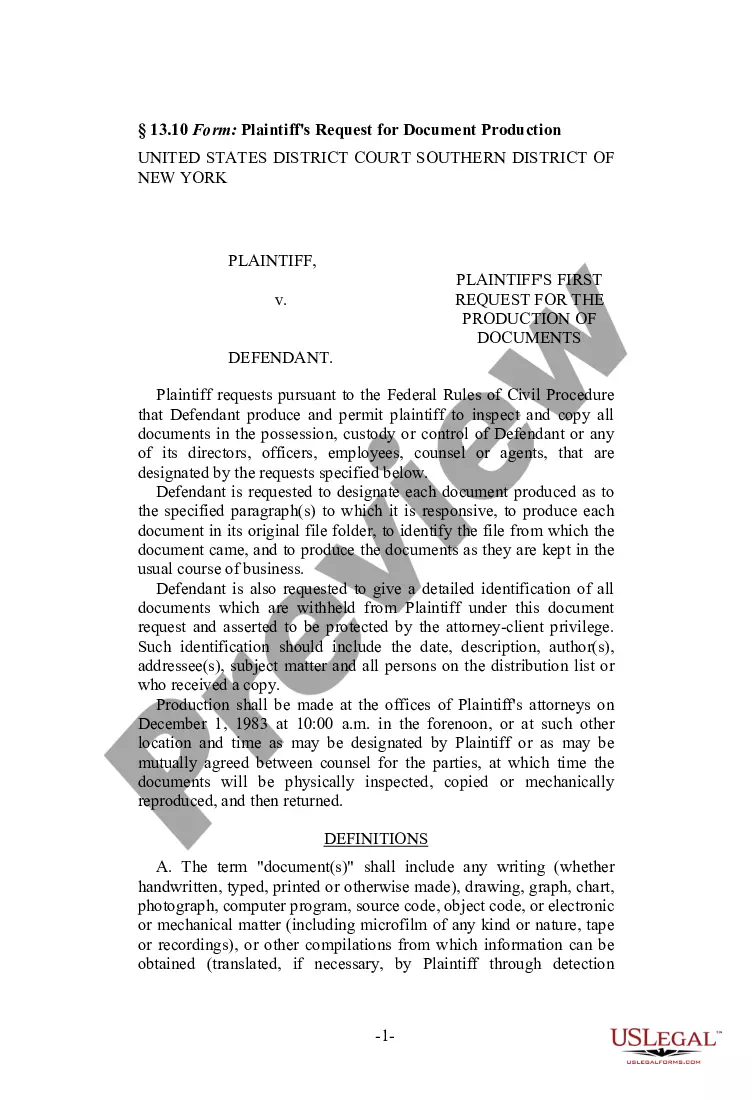
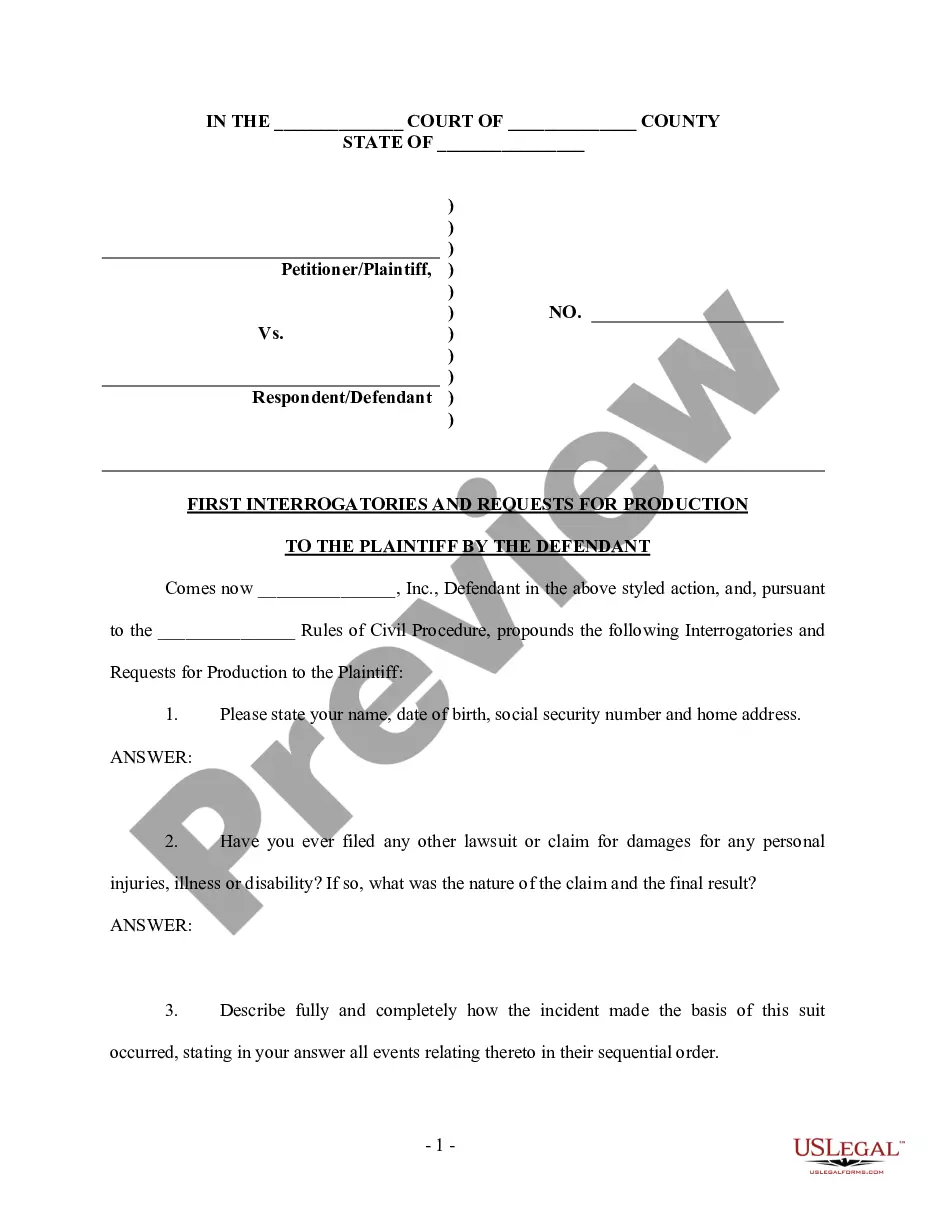
This form, "Discovery Interrogatories from Plaintiff to Defendant with Production Requests," is a legal document used in divorce proceedings. It consists of a set of questions (interrogatories) that the plaintiff can send to the defendant to gather essential information related to the case. This form also includes requests for the production of relevant documents. It serves as an important tool for obtaining evidence and understanding the defendant's position before trial.
Main sections of this form
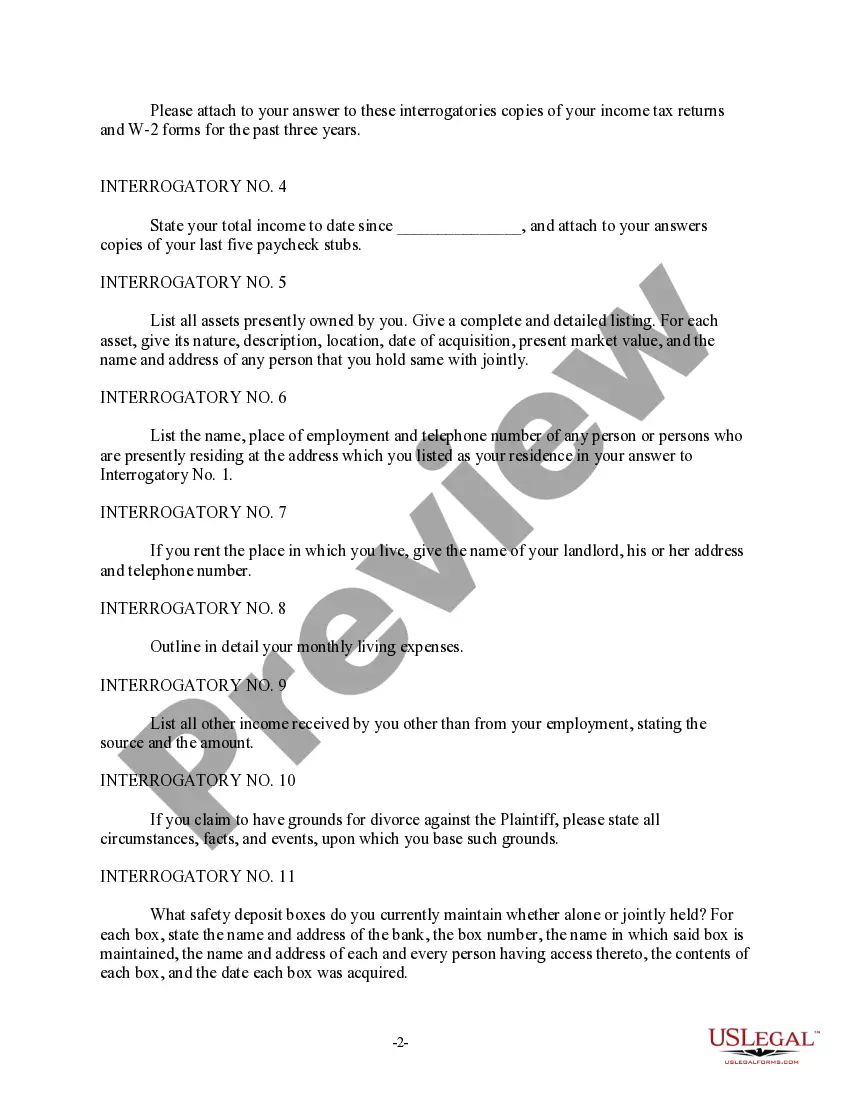
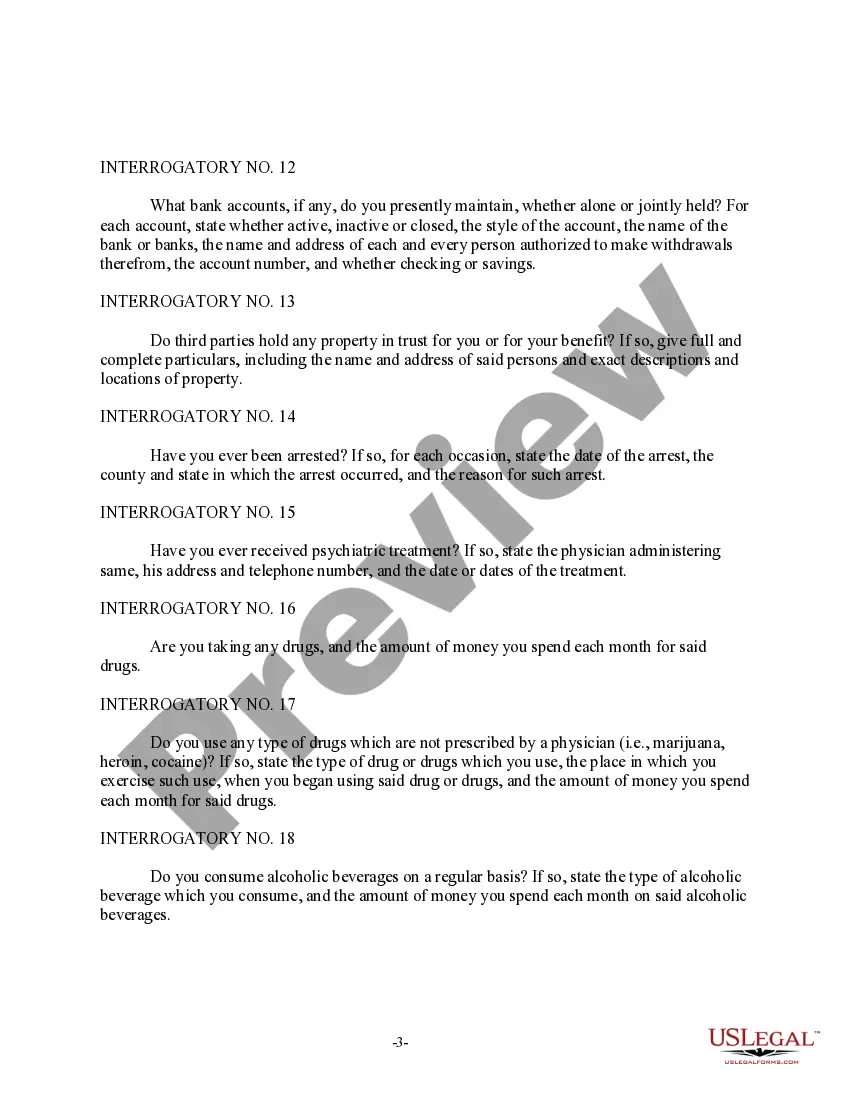
- Interrogatories that require the defendant to provide specific answers regarding personal information, income, assets, and other relevant facts.
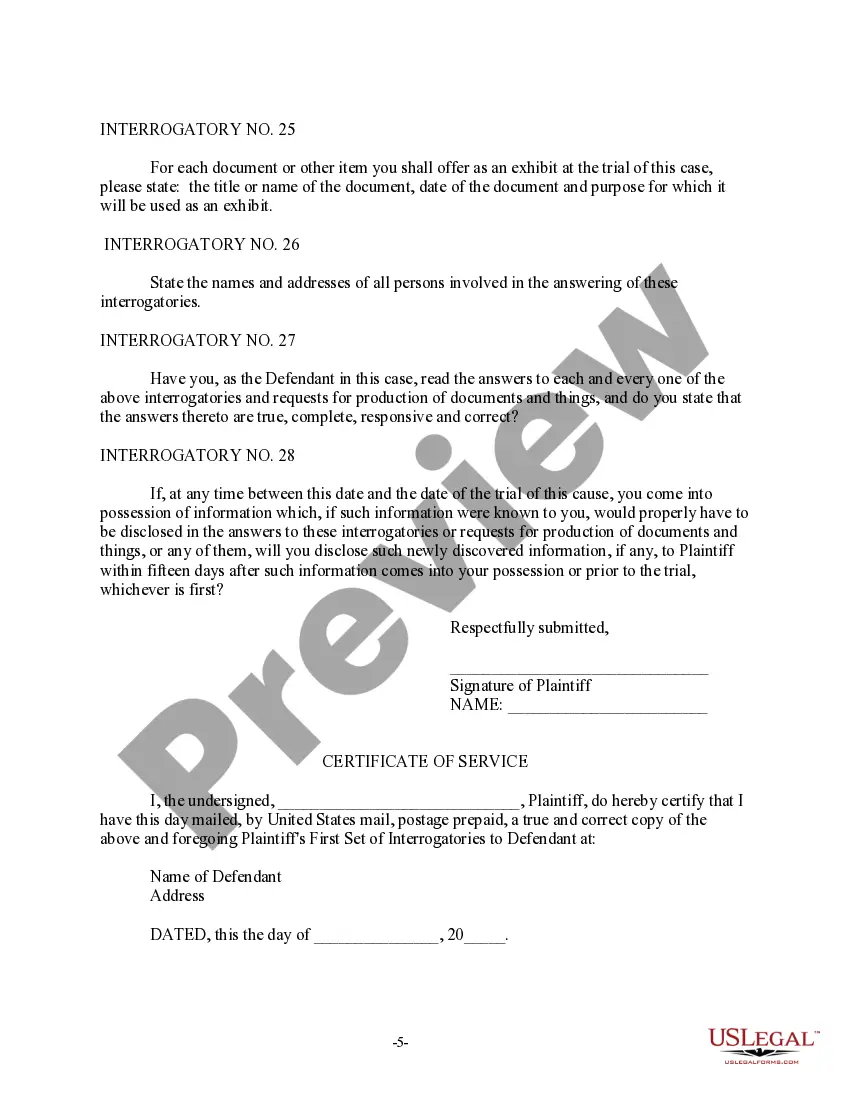
- Requests for production of documents, including tax returns, financial statements, and evidence of living expenses.
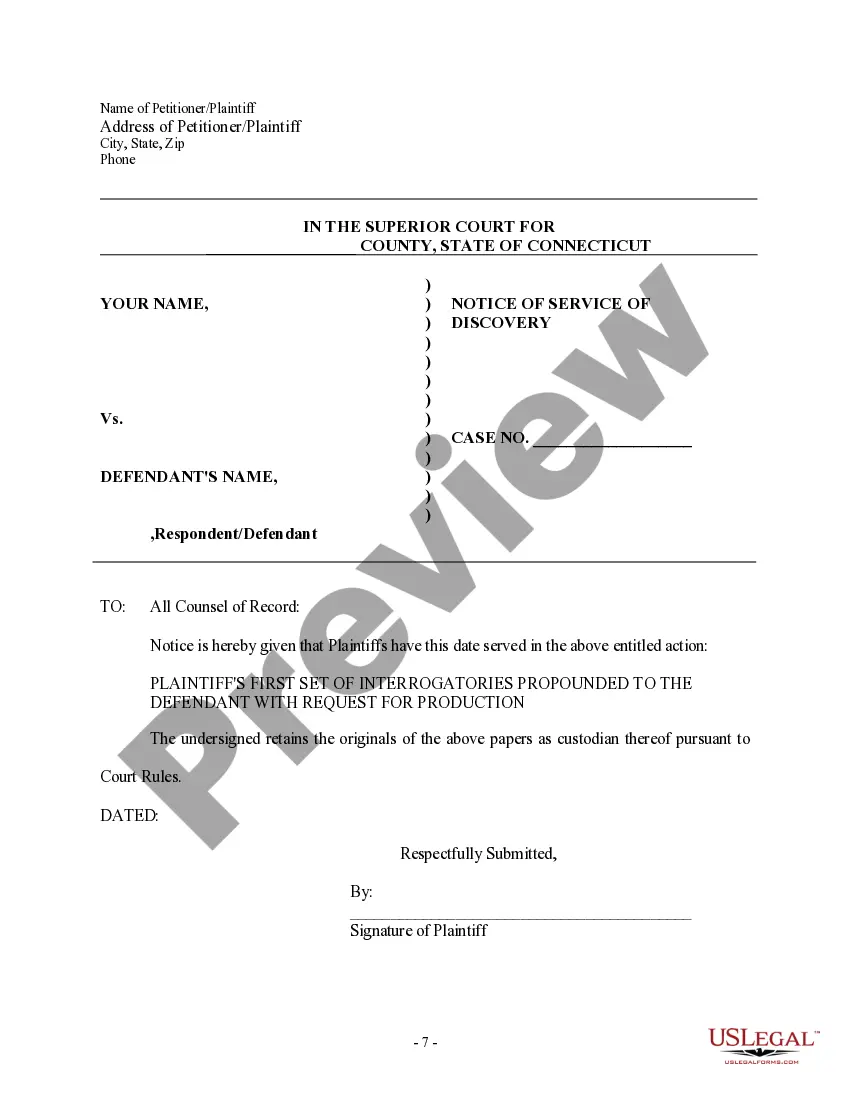
- A notice of service to inform the court and other parties that the interrogatories have been served to the defendant.
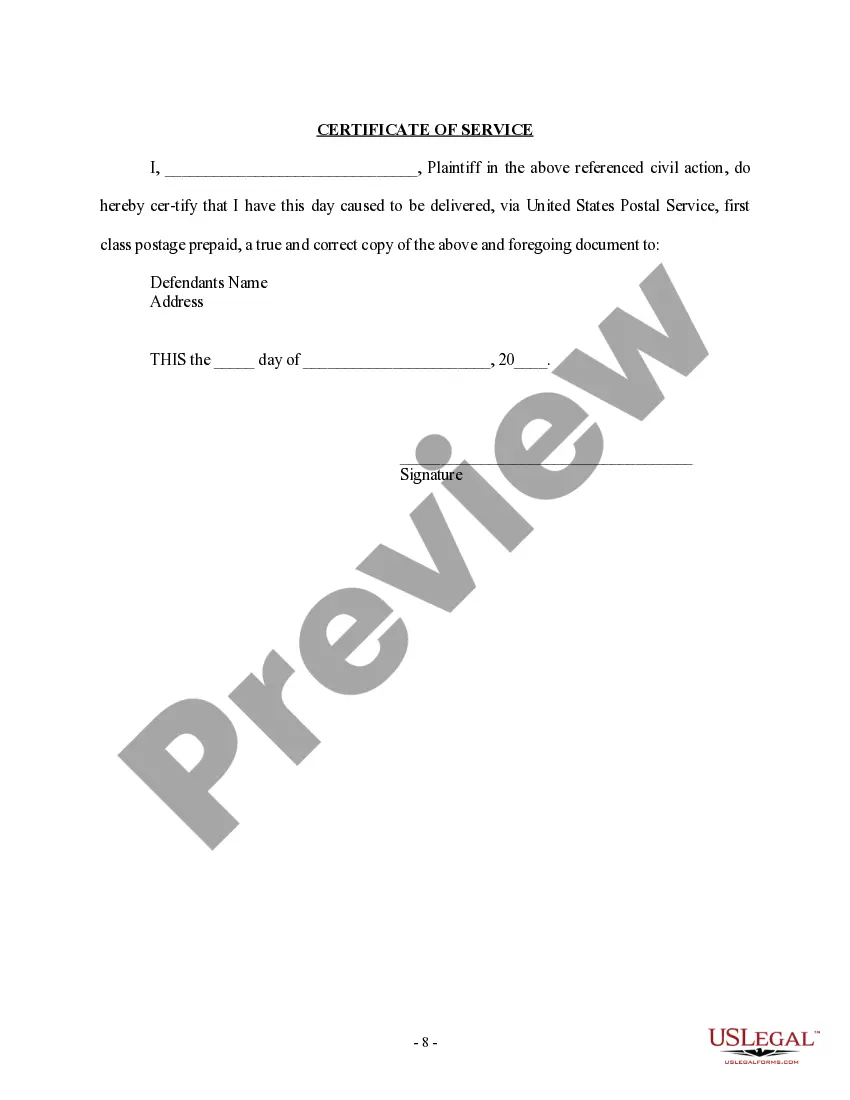
- Certification of service confirming that the documents were sent to the other party in the case.


When to use this document
This form should be used when a plaintiff initiates a divorce action and needs detailed responses from the defendant. It is particularly useful when seeking to establish financial responsibilities, asset distribution, and other pertinent details that may influence divorce proceedings or child custody arrangements.
Intended users of this form
- Individuals filing for divorce who wish to gather information from the other spouse.
- Lawyers representing plaintiffs in divorce cases needing to develop a strong case through discovery.
- Parties involved in disputes over asset division, financial support, or child custody that require detailed responses from the other party.
Instructions for completing this form
- Fill in the names and addresses of both the plaintiff and defendant at the beginning of the form.
- Answer each interrogatory by providing the required information accurately and thoroughly.
- Attach any necessary documents requested in the production requests, such as tax returns or bank statements.
- Review your answers for completeness and accuracy before submitting the form.
- Sign and date the certification of service to confirm that the form was sent to the other party.
Does this form need to be notarized?
This form does not typically require notarization unless specified by local law. Make sure to check any specific requirements in your jurisdiction or consult with a legal professional if unsure.
Get your form ready online
Our built-in tools help you complete, sign, share, and store your documents in one place.
Make edits, fill in missing information, and update formatting in US Legal Forms—just like you would in MS Word.
Download a copy, print it, send it by email, or mail it via USPS—whatever works best for your next step.
Sign and collect signatures with our SignNow integration. Send to multiple recipients, set reminders, and more. Go Premium to unlock E-Sign.
If this form requires notarization, complete it online through a secure video call—no need to meet a notary in person or wait for an appointment.
We protect your documents and personal data by following strict security and privacy standards.

Make edits, fill in missing information, and update formatting in US Legal Forms—just like you would in MS Word.

Download a copy, print it, send it by email, or mail it via USPS—whatever works best for your next step.

Sign and collect signatures with our SignNow integration. Send to multiple recipients, set reminders, and more. Go Premium to unlock E-Sign.

If this form requires notarization, complete it online through a secure video call—no need to meet a notary in person or wait for an appointment.

We protect your documents and personal data by following strict security and privacy standards.
Common mistakes
- Failing to provide comprehensive and detailed answers to interrogatories.
- Not attaching all requested documents, which could result in delays or dismissals.
- Inaccuracies or incomplete information, which can affect the outcomes of the case.
- Neglecting to sign the certification of service, potentially leading to procedural issues.
Advantages of online completion
- Convenience of filling out the form at your own pace from any location.
- Ability to easily edit the form to fit the specifics of your case.
- Access to professional templates drafted by licensed attorneys, ensuring legal compliance.
- Instant download options for immediate access to your completed documents.
Legal use & context
- The form is legally binding and must be answered truthfully under oath to avoid penalties.
- Failure to respond appropriately can lead to sanctions, including default judgments.
- Responses to interrogatories use information to determine the equitable division of assets in divorce cases.
Summary of main points
- The form is essential for gathering information from the defendant in a divorce case.
- It includes both interrogatories and requests for document production.
- Answering the form accurately and thoroughly is crucial for a successful divorce process.
- This form is specific to Connecticut laws regarding divorce and discovery procedures.
Looking for another form?
Form popularity
FAQ
This form is used in Connecticut divorce proceedings to obtain information and documents from the defendant. It provides a set of written questions (interrogatories) and requests for production of documents, helping the plaintiff learn personal information, income, assets, and other facts before trial. It also includes a notice of service and a certification of service.
No. In this form, production requests are separate discovery tools from the interrogatories. The production requests ask the defendant to produce documents (such as tax returns and financial statements), while the interrogatories require the defendant to answer questions under oath. Both are served together to gather information and evidence for the case.
Connecticut Rule 4.2 of the Rules of Professional Conduct restricts direct communications with a party who has a lawyer. When using this form, contact should go through the party's attorney or be limited to permitted disclosures to avoid improper communications. Consider consulting a licensed attorney for specific guidance.
Yes. In Connecticut divorce matters, discovery typically includes both written interrogatories and requests for production. This form packages those elements in one document so the plaintiff can obtain sworn answers and supporting documents from the defendant as part of the discovery process.
The production requests in this form cover documents such as tax returns, financial statements, and evidence of living expenses. They help verify income, assets, and financial obligations for divorce-related discovery.
This form includes production requests for documents in addition to interrogatories, allowing the plaintiff to obtain sworn answers and supporting documents in one package. It also includes a notice of service and a certification of service as part of the process.