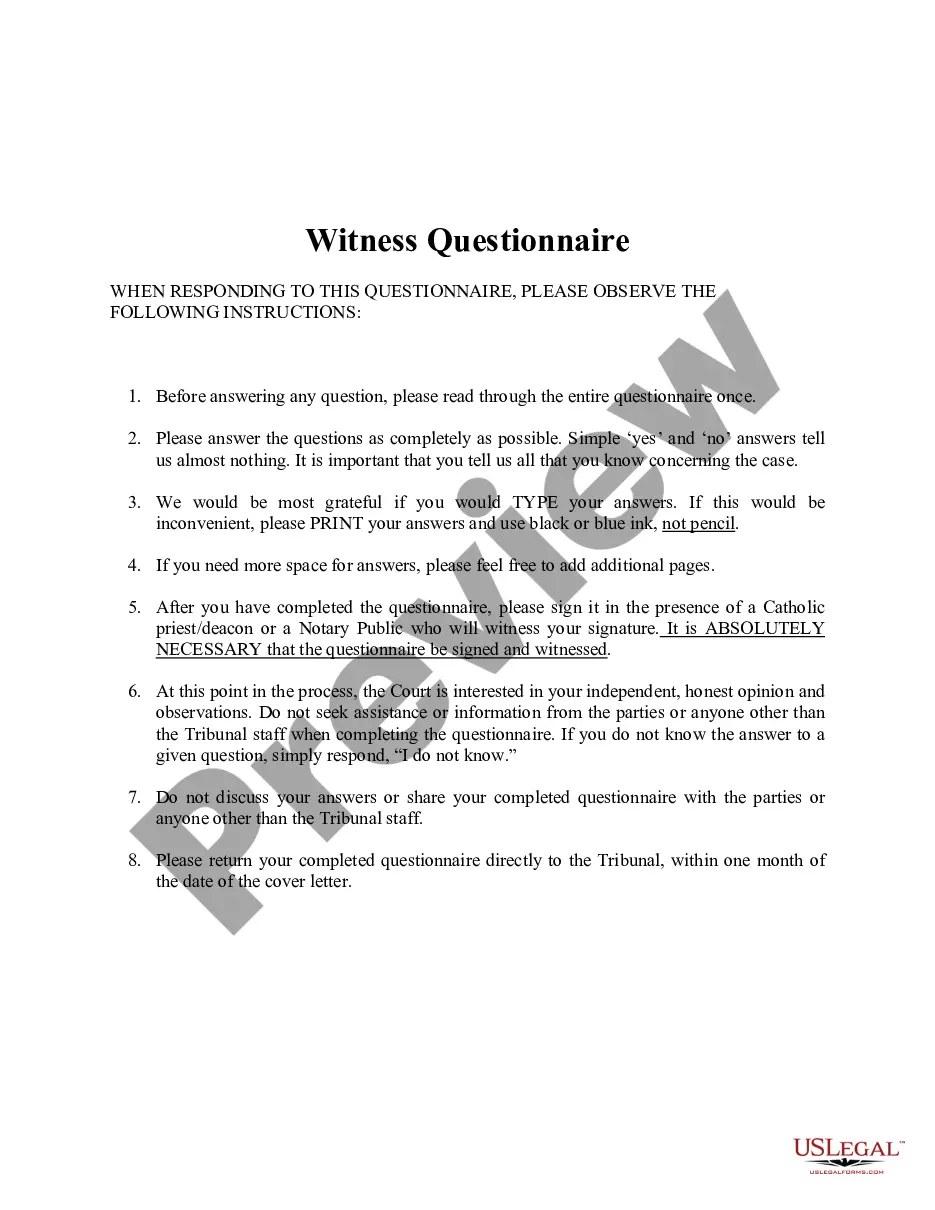
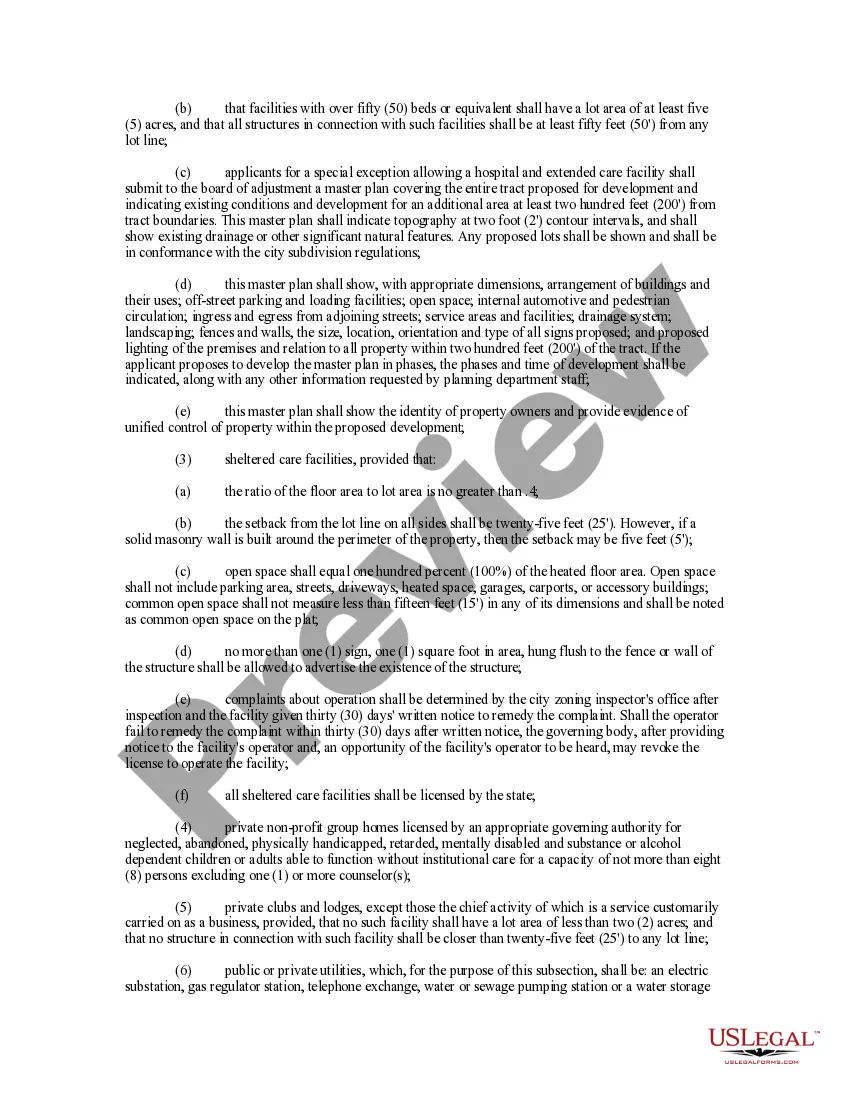
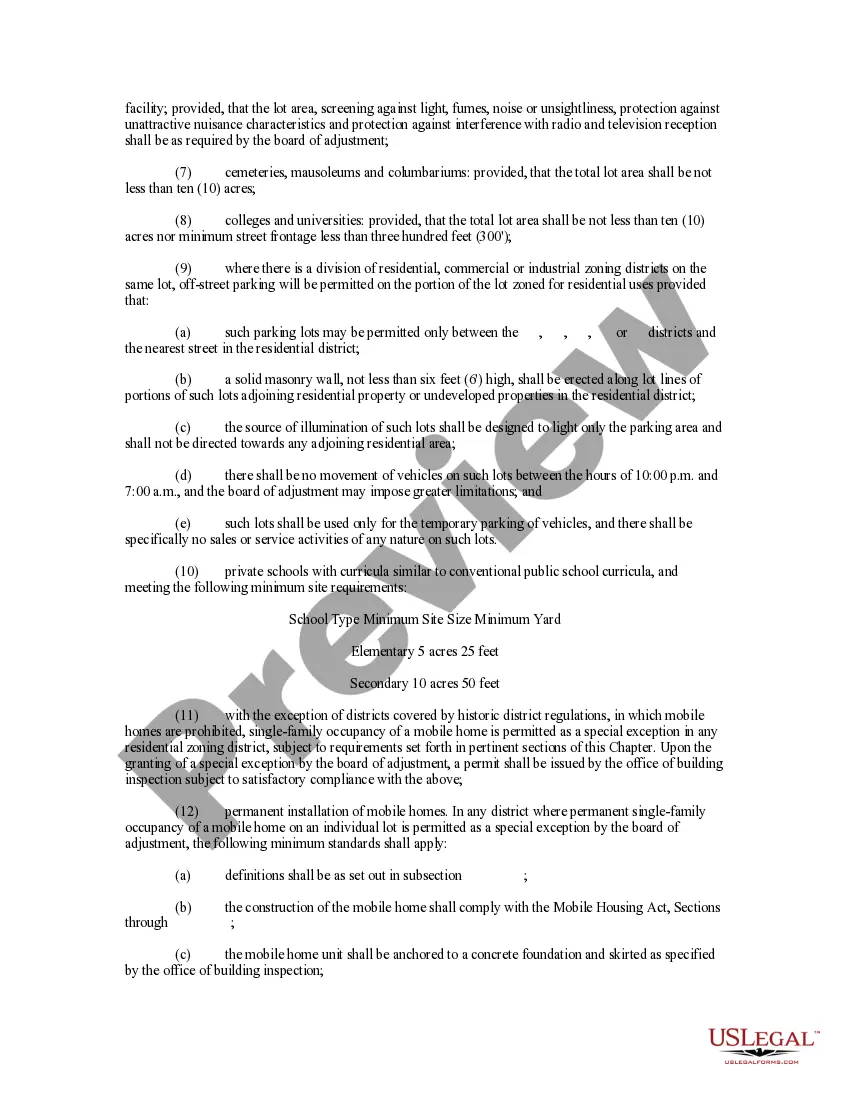
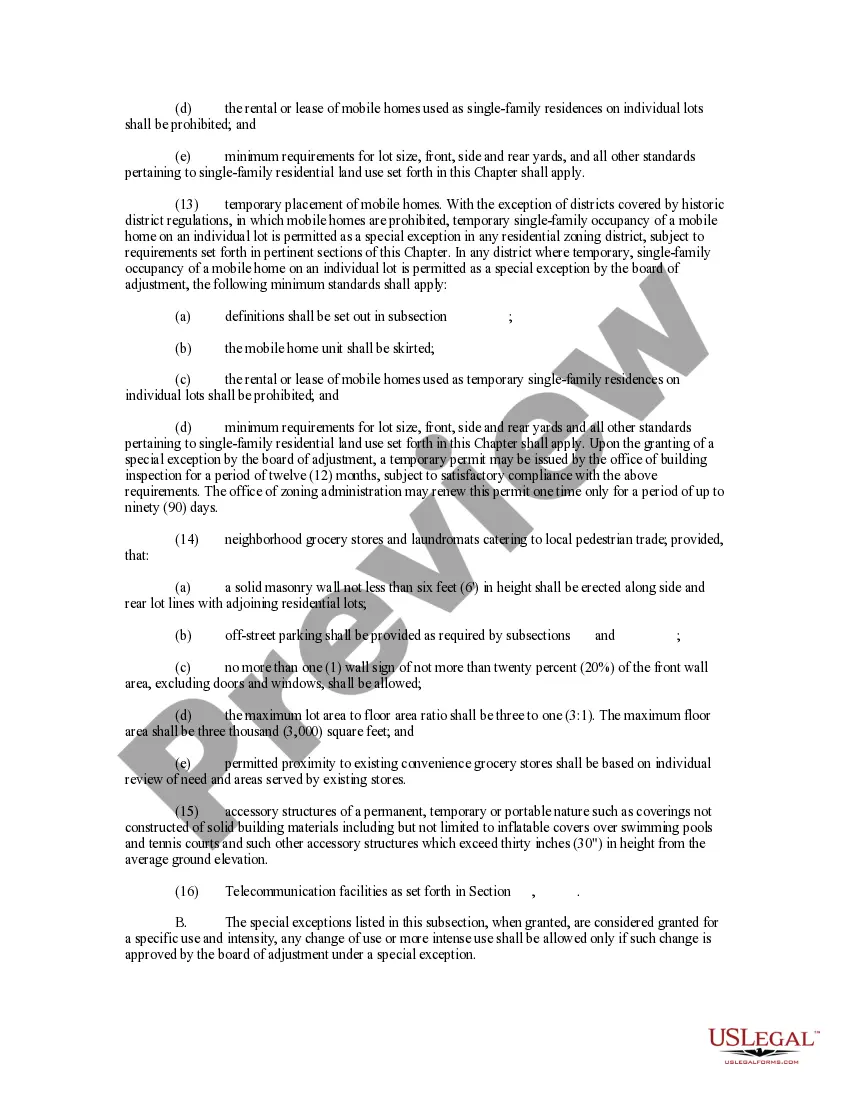
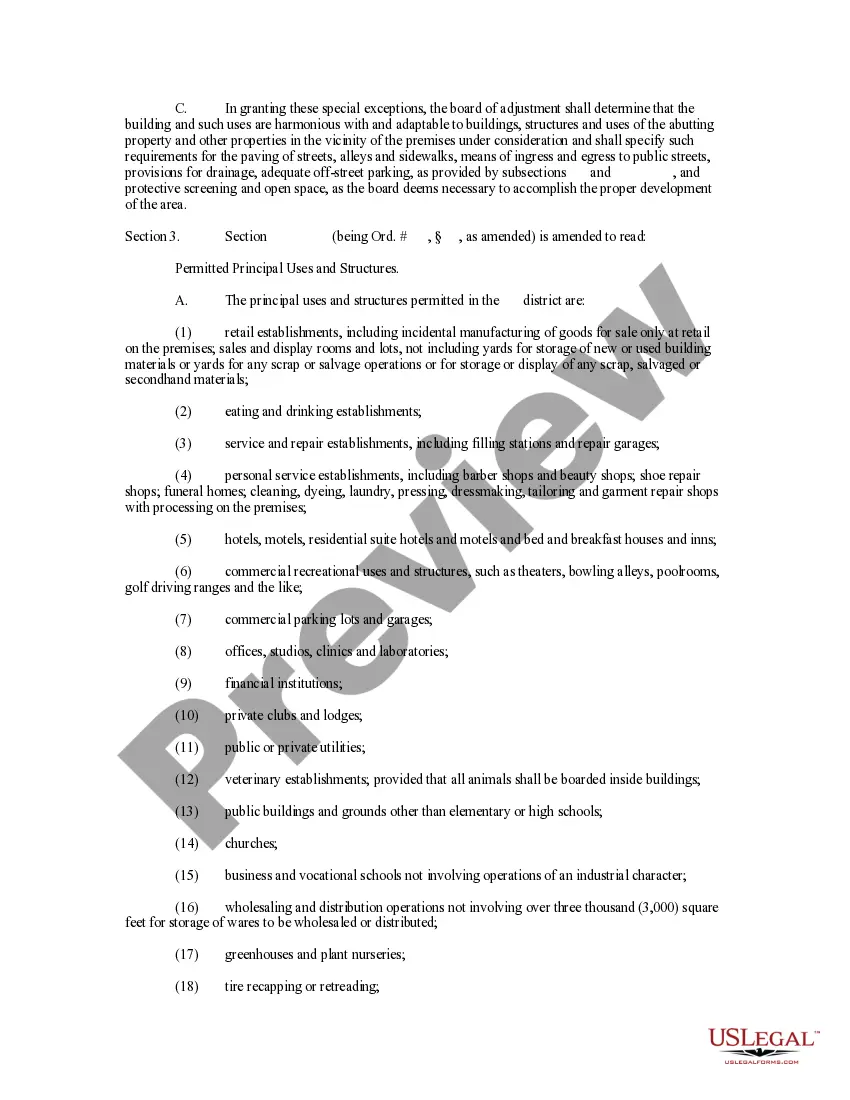
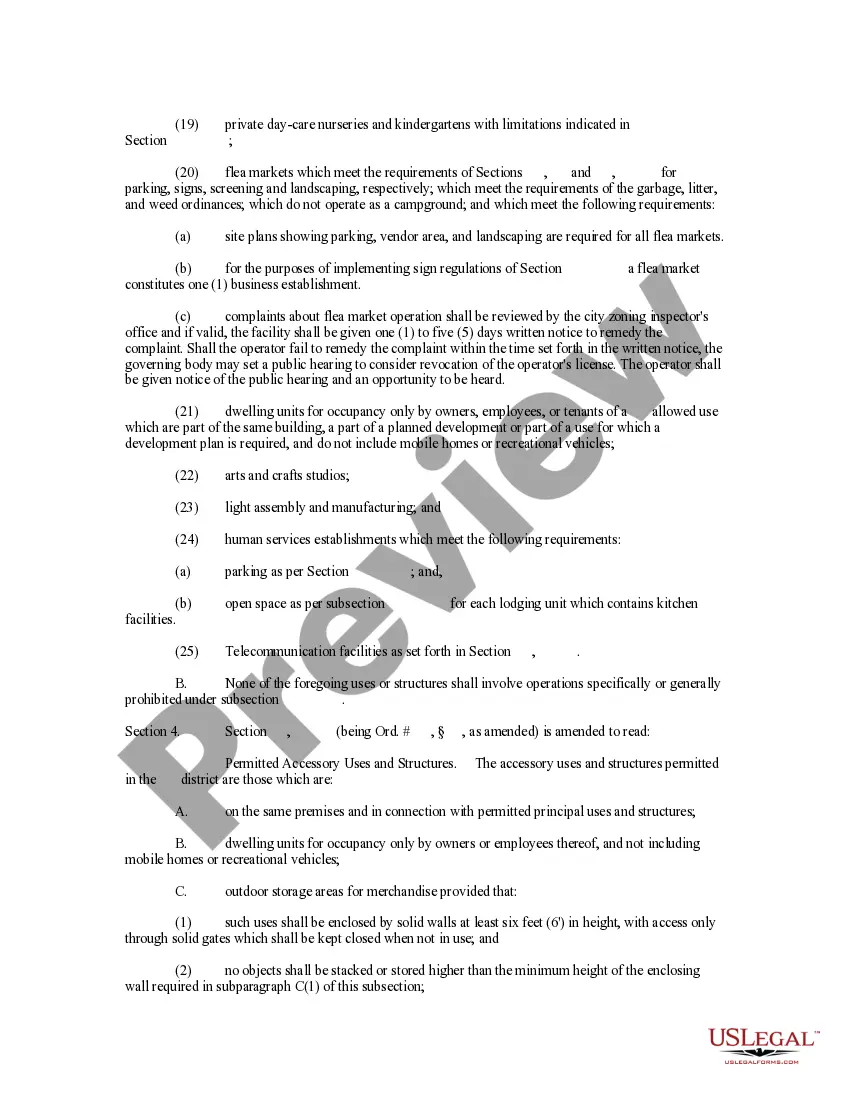
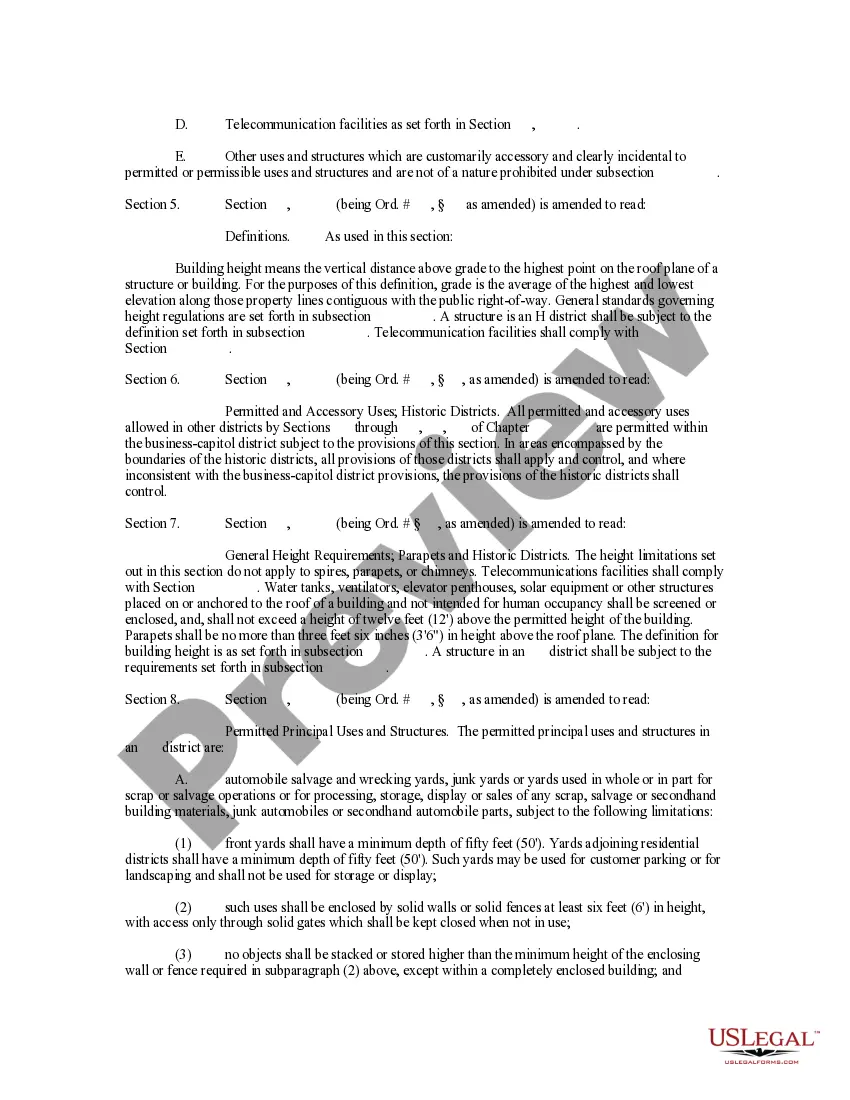
Colorado Telecommunications Ordinance
Description

Get your form ready online
Our built-in tools help you complete, sign, share, and store your documents in one place.
Make edits, fill in missing information, and update formatting in US Legal Forms—just like you would in MS Word.
Download a copy, print it, send it by email, or mail it via USPS—whatever works best for your next step.
Sign and collect signatures with our SignNow integration. Send to multiple recipients, set reminders, and more. Go Premium to unlock E-Sign.
If this form requires notarization, complete it online through a secure video call—no need to meet a notary in person or wait for an appointment.
We protect your documents and personal data by following strict security and privacy standards.

Make edits, fill in missing information, and update formatting in US Legal Forms—just like you would in MS Word.

Download a copy, print it, send it by email, or mail it via USPS—whatever works best for your next step.

Sign and collect signatures with our SignNow integration. Send to multiple recipients, set reminders, and more. Go Premium to unlock E-Sign.

If this form requires notarization, complete it online through a secure video call—no need to meet a notary in person or wait for an appointment.

We protect your documents and personal data by following strict security and privacy standards.
Looking for another form?



How to fill out Telecommunications Ordinance?
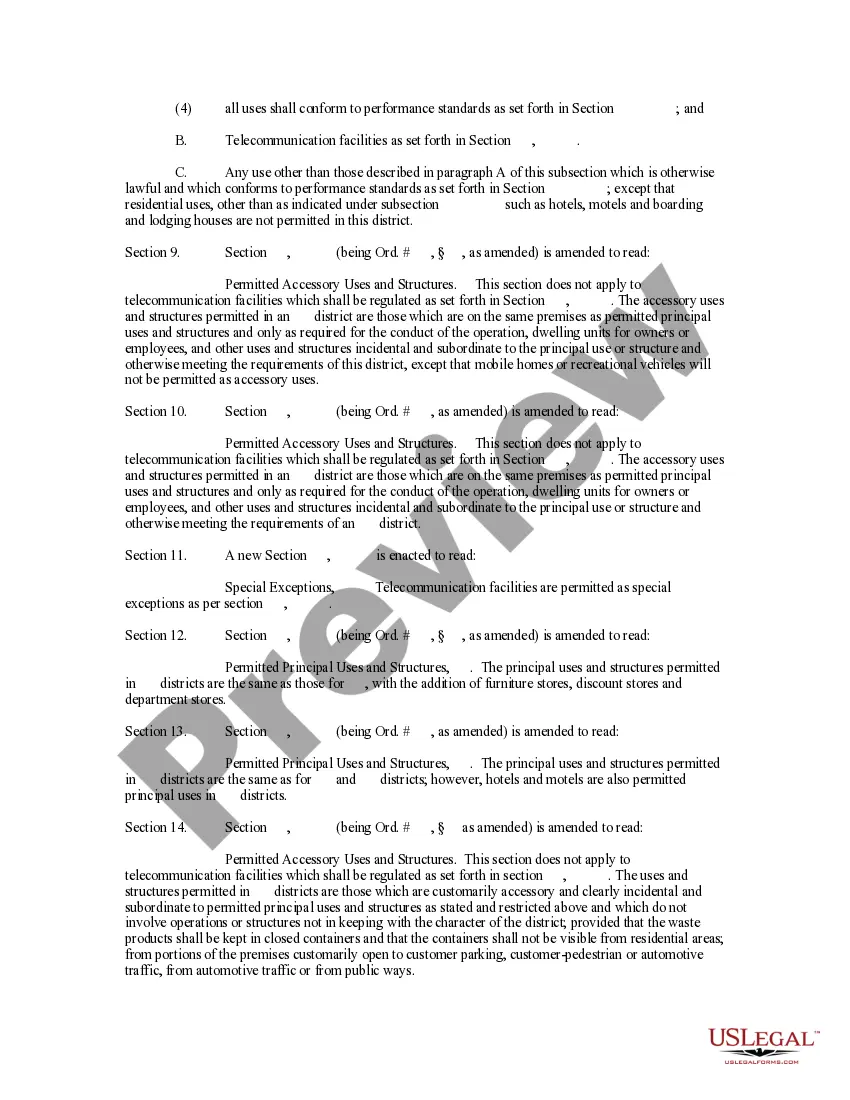
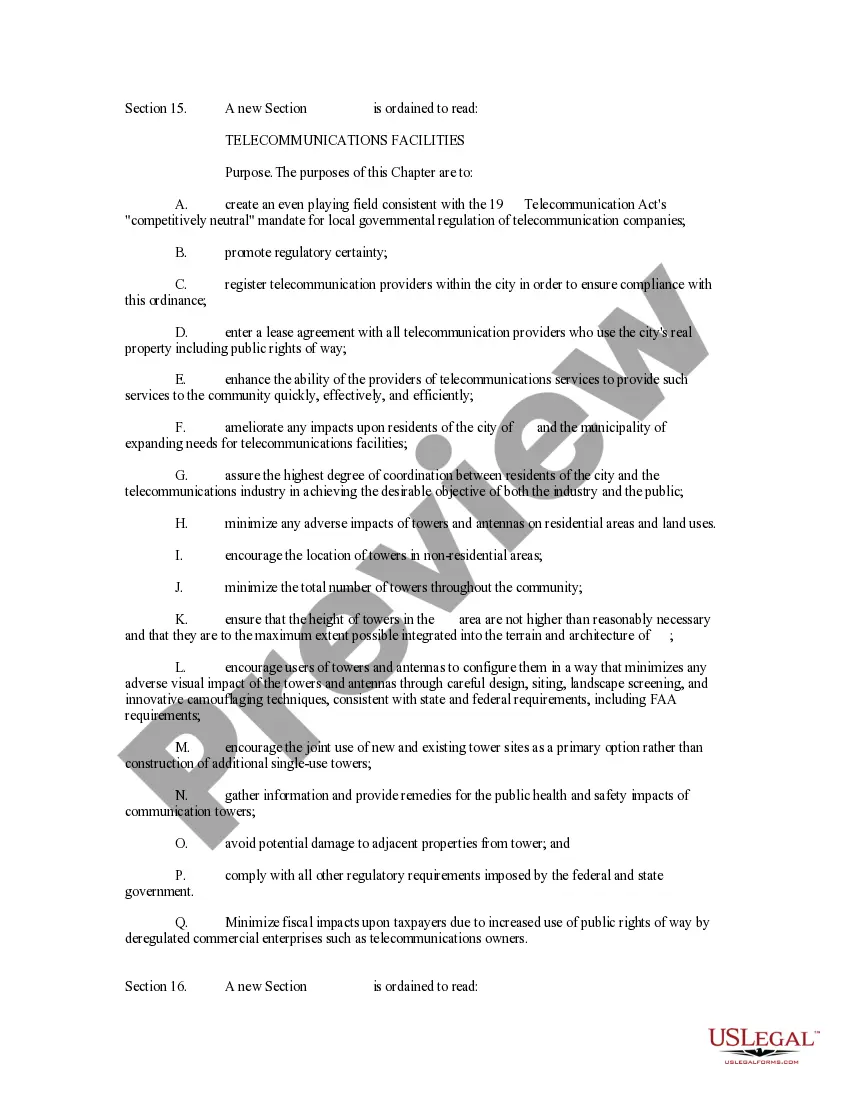
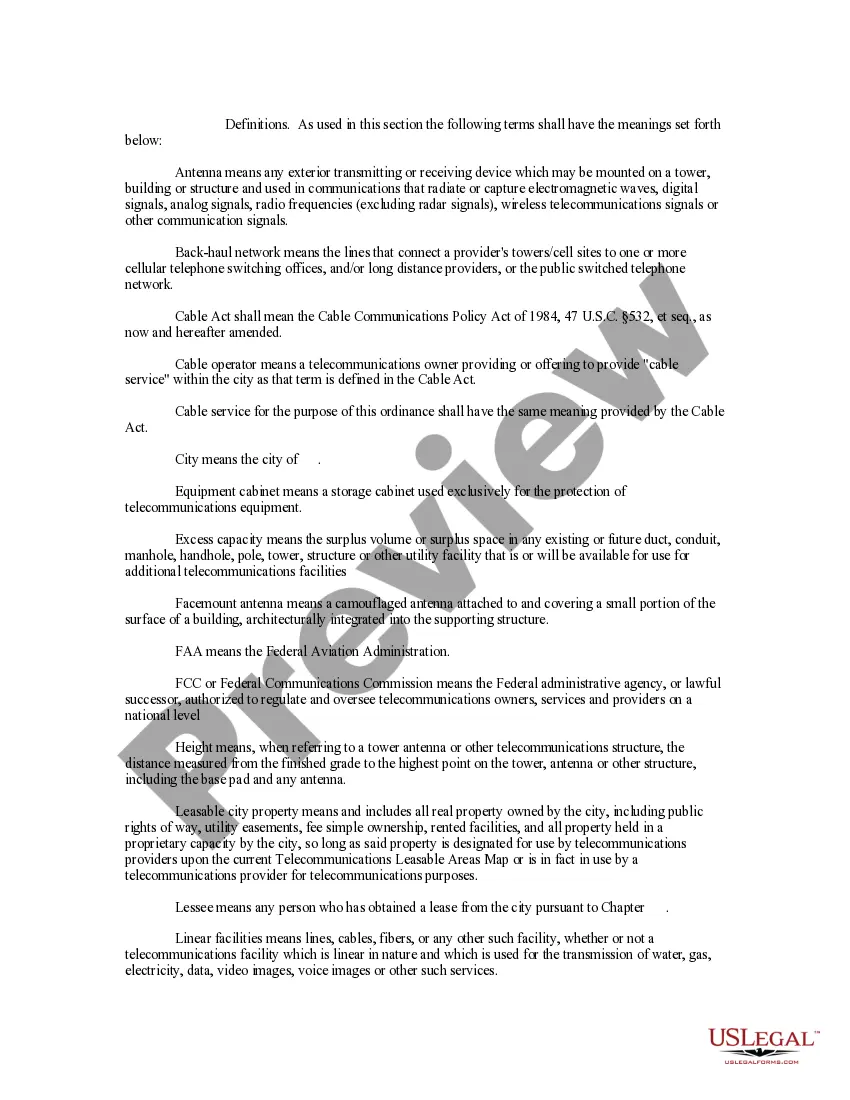
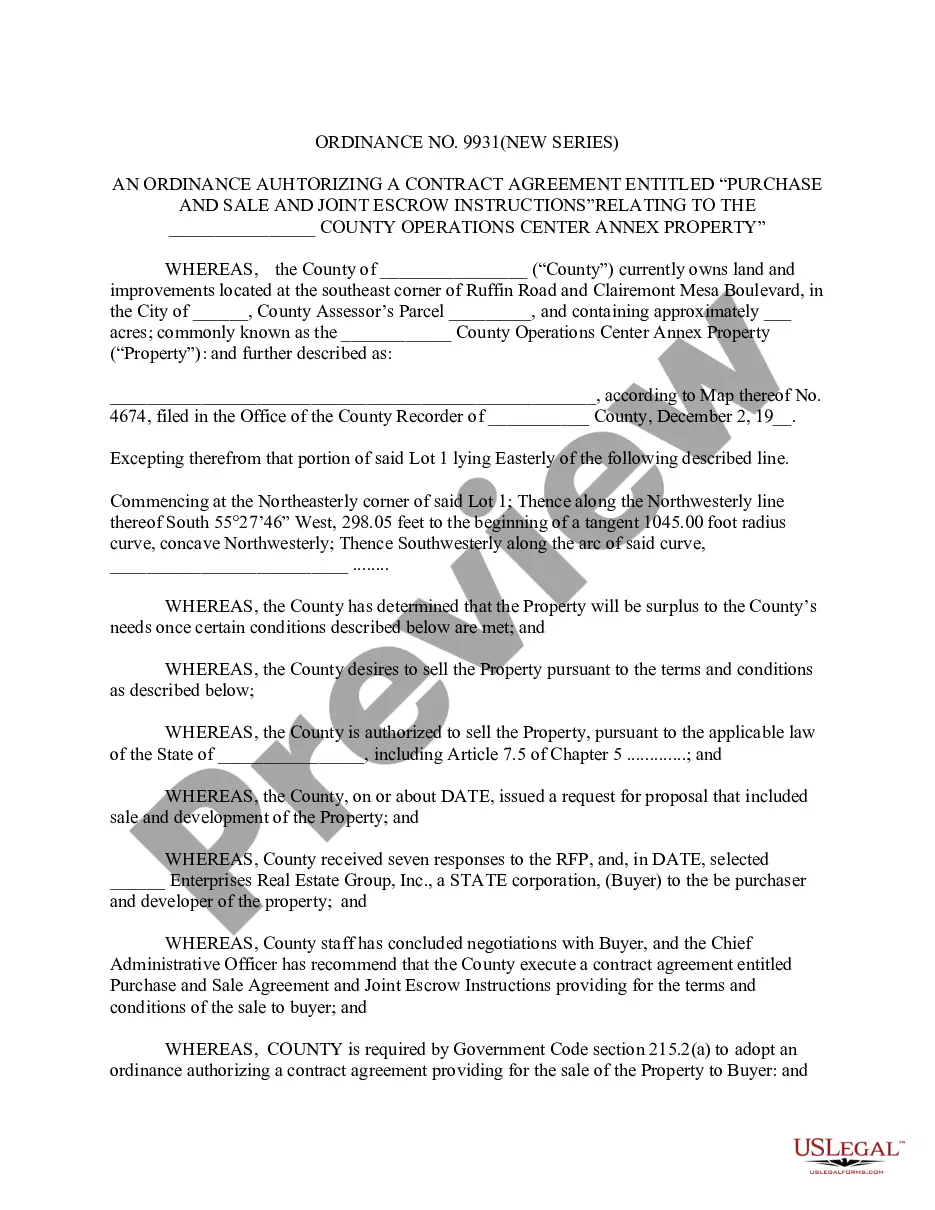
You can commit hrs on the Internet attempting to find the authorized papers format that meets the state and federal needs you need. US Legal Forms provides thousands of authorized forms that happen to be evaluated by professionals. You can easily acquire or print the Colorado Telecommunications Ordinance from the service.
If you have a US Legal Forms accounts, it is possible to log in and click on the Download option. After that, it is possible to comprehensive, modify, print, or signal the Colorado Telecommunications Ordinance. Every authorized papers format you purchase is yours for a long time. To have yet another backup of any purchased kind, visit the My Forms tab and click on the related option.
If you use the US Legal Forms site the first time, stick to the straightforward directions under:
- First, make sure that you have selected the right papers format to the area/city of your choice. Read the kind information to ensure you have chosen the proper kind. If available, take advantage of the Preview option to appear from the papers format also.
- If you would like get yet another version in the kind, take advantage of the Research industry to find the format that suits you and needs.
- After you have discovered the format you want, click on Get now to proceed.
- Pick the pricing strategy you want, type your qualifications, and sign up for a free account on US Legal Forms.
- Total the deal. You may use your credit card or PayPal accounts to fund the authorized kind.
- Pick the format in the papers and acquire it for your gadget.
- Make alterations for your papers if necessary. You can comprehensive, modify and signal and print Colorado Telecommunications Ordinance.
Download and print thousands of papers templates making use of the US Legal Forms site, which provides the biggest variety of authorized forms. Use professional and state-distinct templates to deal with your small business or individual requirements.
Form popularity
FAQ
Aims. In the name of public interest, a large proportion of telecommunications policy is concerned with the economic regulation of interstate and international communication. This includes all communication by radio, telephone, wire, cable and satellite.
The Telecommunications Act of 1996 is the first major overhaul of telecommunications law in almost 62 years. The goal of this new law is to let anyone enter any communications business -- to let any communications business compete in any market against any other.
Complaint Procedure If you are unable to resolve the problem with the utility and you need further assistance, please contact the External Affairs office of the Public Utilities Commission at 303-894-2070 or 800-456-0858 if you reside outside of the Denver metro area but within the State of Colorado.
Telecommunications are the means of electronic transmission of information over distances. The information may be in the form of voice telephone calls, data, text, images, or video.
The 1996 Telecommunications Act allows individuals and companies to acquire as many radio stations, as they want, with relaxed restrictions on the number of stations a single broadcaster may own in the same city. The larger the market, the more stations a company may own within the city.
The general objective of the 1996 Act was to open up markets to competition by removing unnecessary regulatory barriers to entry. Congress attempted to create a regulatory framework for the transition from primarily monopoly provision to competitive provision of telecommunications services.
The Telecommunications Act of 1996 is the first major overhaul of telecommunications law in almost 62 years. The goal of this new law is to let anyone enter any communications business -- to let any communications business compete in any market against any other.
An act to promote competition and reduce regulation in order to secure lower prices and higher quality services for American telecommunications consumers and encourage the rapid deployment of new telecommunications technologies.