Colorado Residential Rental Lease Application
What is this form?
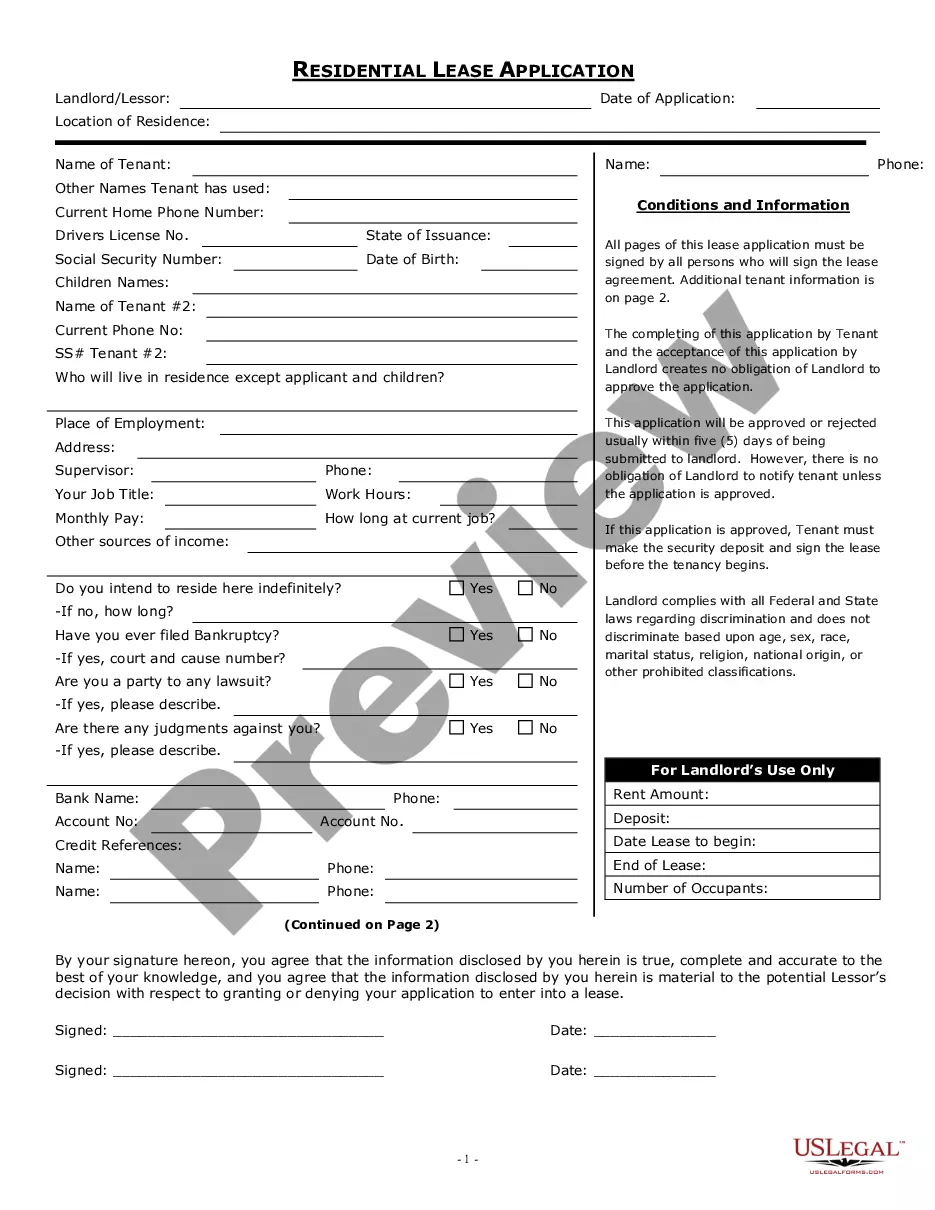
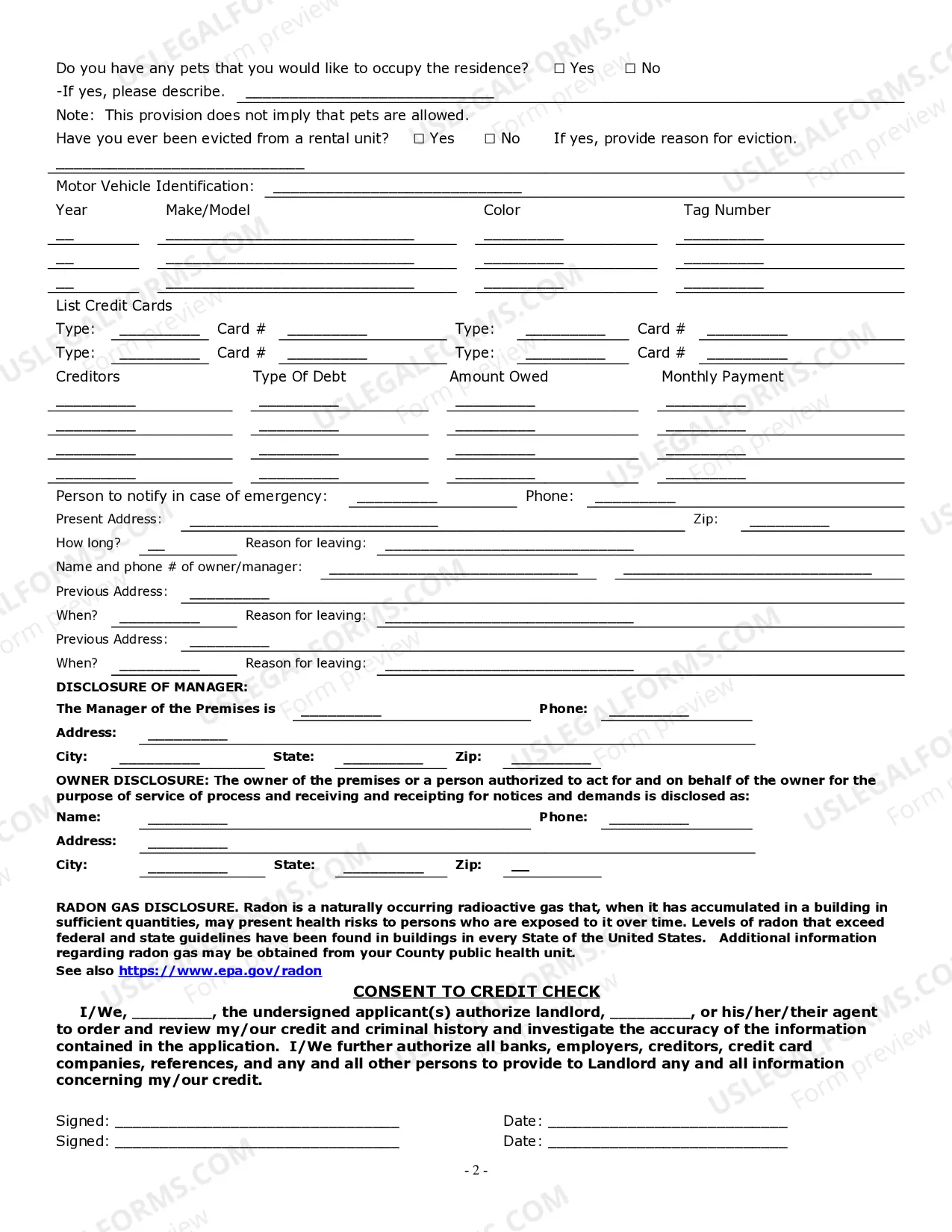
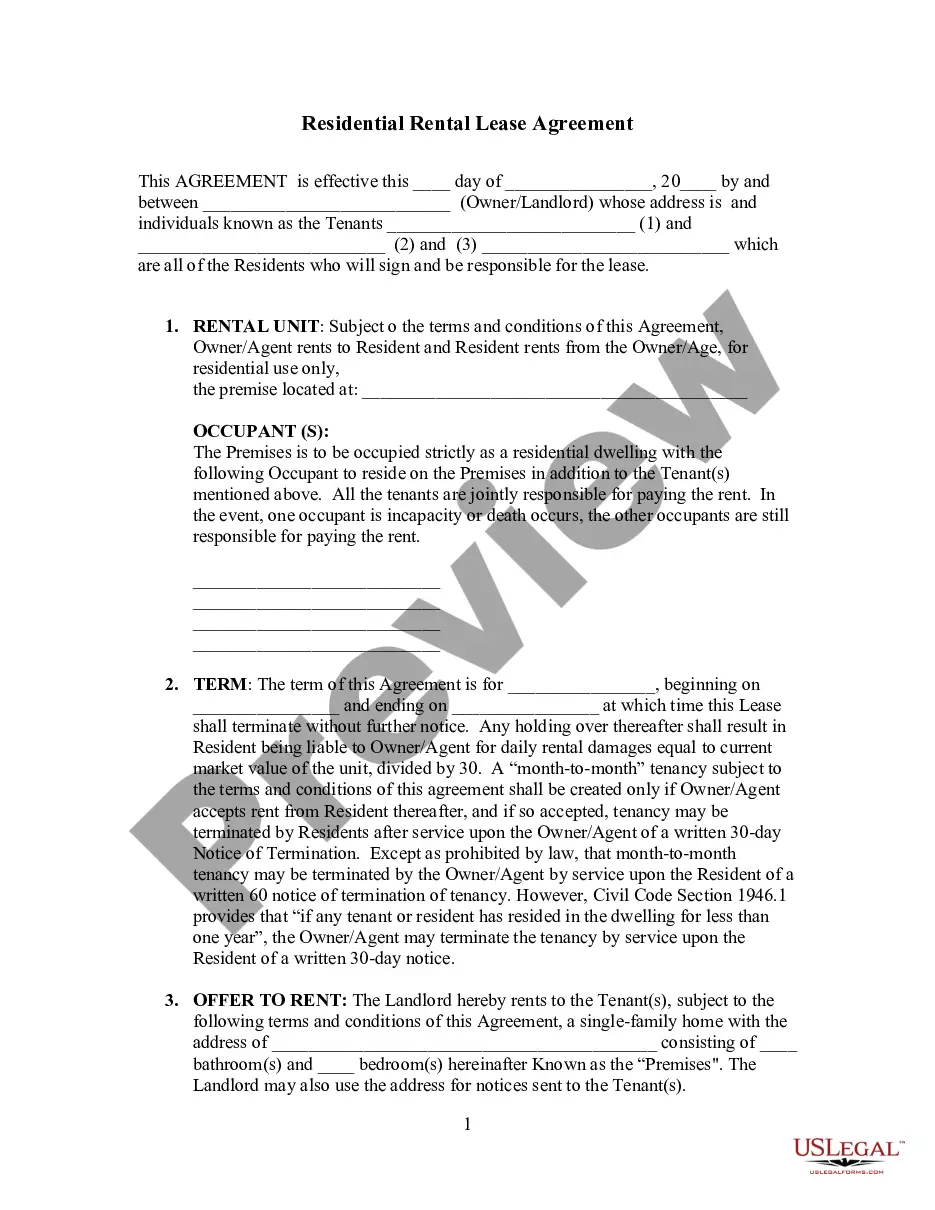
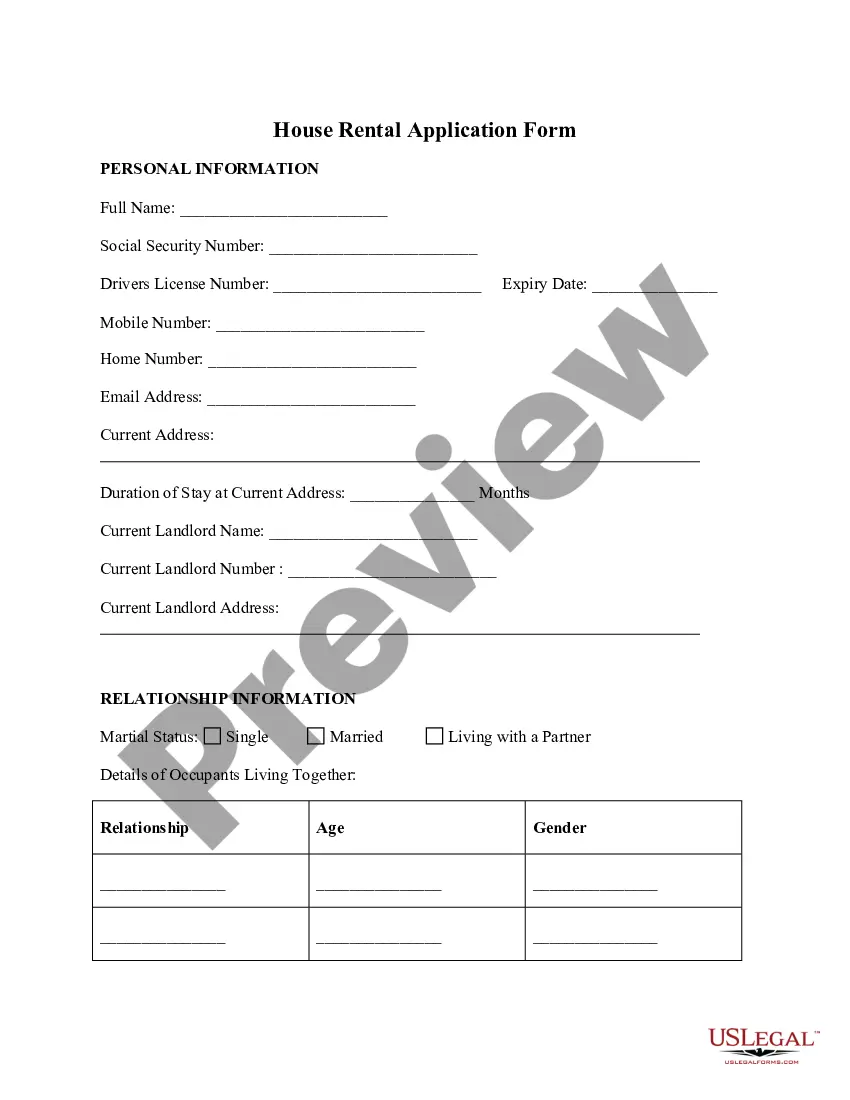
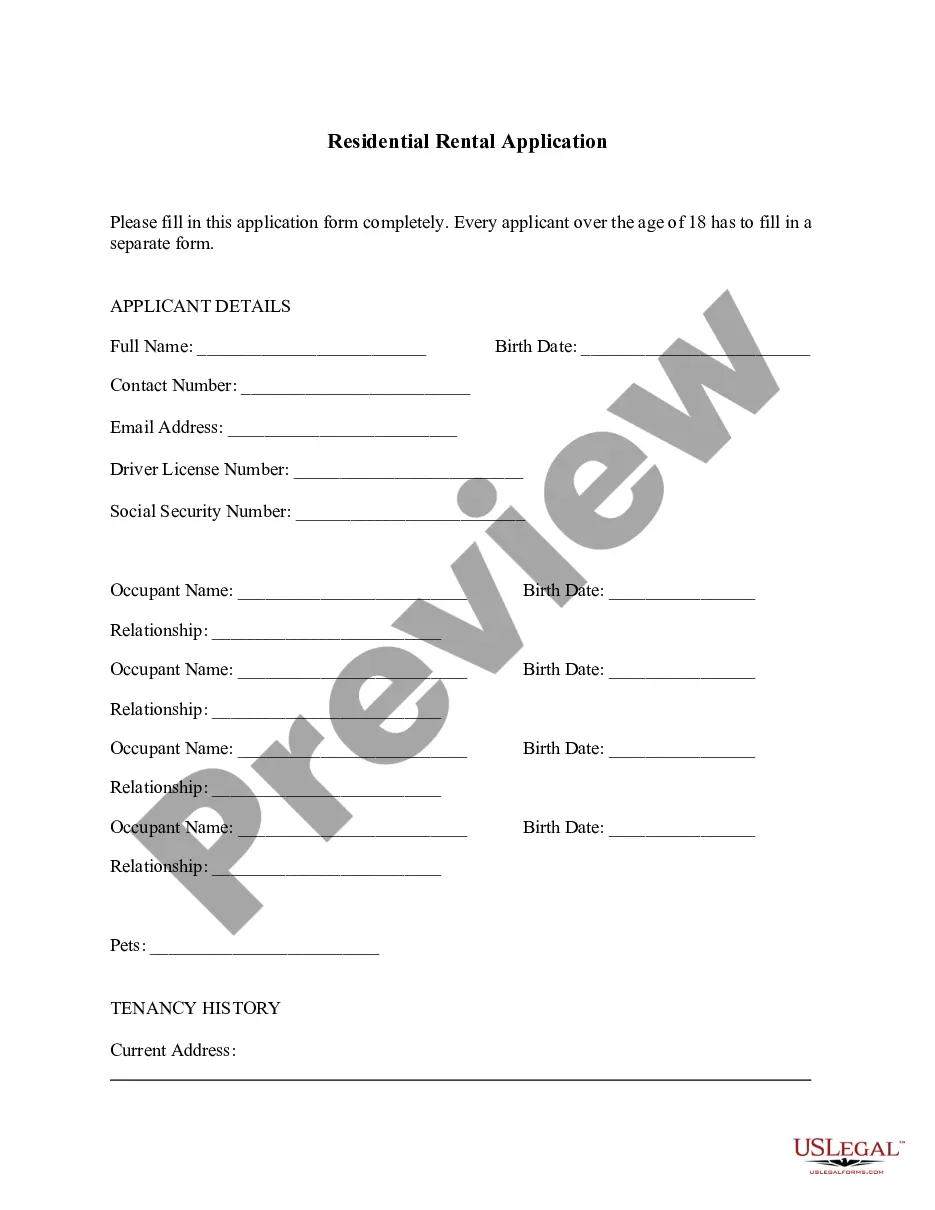
The Residential Rental Lease Application is a formal request made by a prospective tenant to the landlord to lease a residential property. This application allows the landlord to evaluate the tenantâs qualifications, including their ability to pay rent and their financial history. It is distinct from a rental agreement, which is the contract that is signed if the application is approved.
What’s included in this form
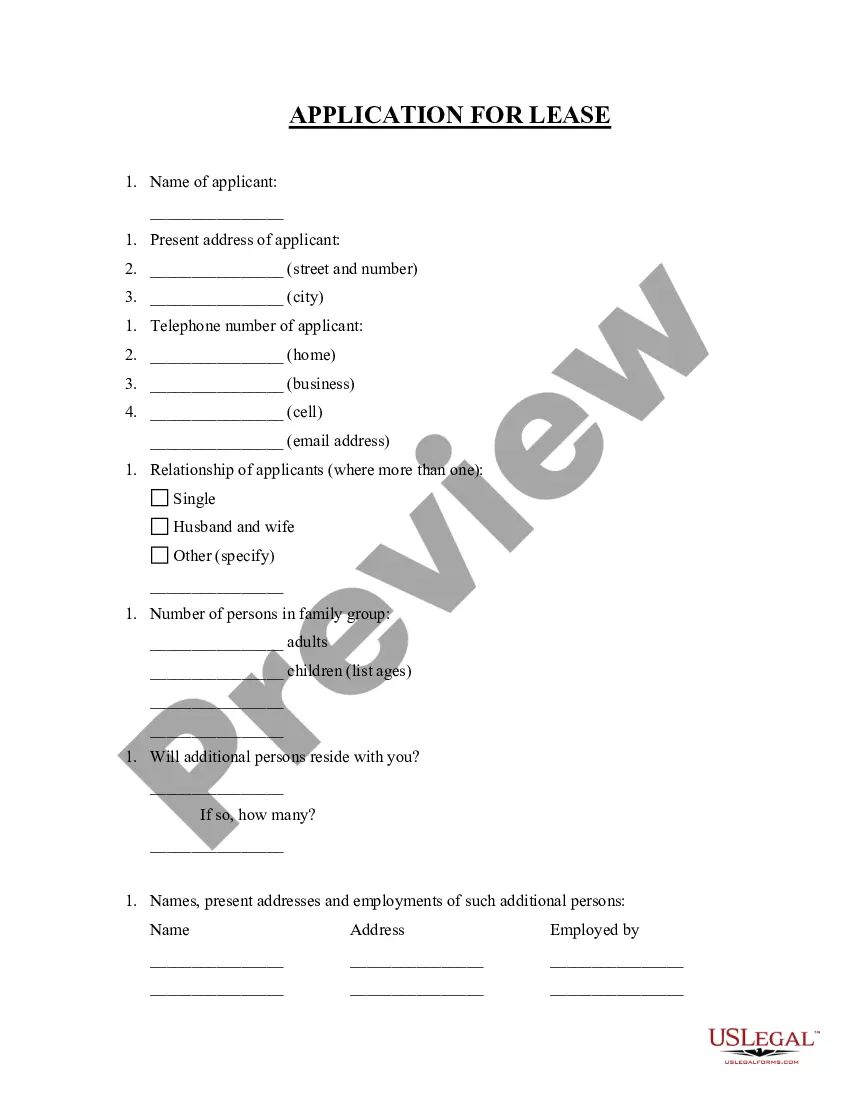
- Applicant Information: Basic details about the tenant, including names and contact information.
- Rental History: Information regarding previous tenancies if applicable.
- Financial Disclosure: Details about income, employment, and any other financial resources.
- Credit Authorization: Consent for the landlord to conduct credit and background checks.
- Signature Section: Area for applicants to sign, confirming the accuracy of provided information.

When this form is needed
This form should be used when a landlord is considering a potential tenant for a rental property. It is particularly important to complete this application before any formal lease agreement is drafted. The application assists landlords in making informed decisions about who to lease their property to and helps to streamline the rental process.
Intended users of this form
- Prospective tenants seeking to rent residential properties.
- Landlords looking to screen potential tenants efficiently.
- Property management companies facilitating tenant applications on behalf of landlords.
Steps to complete this form
- Identify the parties: Fill in the full names and contact information of all applicants.
- Provide rental history: Include details of previous residences, landlords, and duration of stay.
- Disclose financial information: Enter income details, employment, and any additional supporting financial information.
- Sign the application: Both applicants must sign and date the form to certify the information is accurate.
- Submit to the landlord: Ensure the completed application is submitted within the timeframe specified by the landlord.
Does this document require notarization?
This form does not typically require notarization unless specified by local law. Always check any additional state or local requirements that may apply to your specific situation.
Get your form ready online
Our built-in tools help you complete, sign, share, and store your documents in one place.
Make edits, fill in missing information, and update formatting in US Legal Forms—just like you would in MS Word.
Download a copy, print it, send it by email, or mail it via USPS—whatever works best for your next step.
Sign and collect signatures with our SignNow integration. Send to multiple recipients, set reminders, and more. Go Premium to unlock E-Sign.
If this form requires notarization, complete it online through a secure video call—no need to meet a notary in person or wait for an appointment.
We protect your documents and personal data by following strict security and privacy standards.

Make edits, fill in missing information, and update formatting in US Legal Forms—just like you would in MS Word.

Download a copy, print it, send it by email, or mail it via USPS—whatever works best for your next step.

Sign and collect signatures with our SignNow integration. Send to multiple recipients, set reminders, and more. Go Premium to unlock E-Sign.

If this form requires notarization, complete it online through a secure video call—no need to meet a notary in person or wait for an appointment.

We protect your documents and personal data by following strict security and privacy standards.
Typical mistakes to avoid
- Not providing complete contact information for all applicants.
- Failing to disclose all financial information or previous rental history.
- Not signing or dating the application, making it invalid.
- Ignoring local laws regarding discrimination in rental applications.
Advantages of online completion
- Convenience: Easily fill out the form at your own pace without the need for in-person visits.
- Editability: Make changes quickly and accurately until you are satisfied with the application.
- Reliable legal templates: Access professionally drafted forms that meet legal standards.
Legal use & context
- This form creates no lease obligation until approved by the landlord and signed by the tenant.
- Information provided is material for the landlordâs decision-making process.
Quick recap
- The Residential Rental Lease Application is essential for assessing tenant suitability.
- Proper completion of the application is vital for quick processing.
- Always verify state-specific requirements regarding rental applications.
Looking for another form?
Form popularity
FAQ
Red flags on a rental application may include inconsistencies in your personal information or concerns about your rental history. If your income appears insufficient to cover rent, that may raise eyebrows. Additionally, any signs of previous evictions or unresolved disputes with past landlords can negatively impact your Colorado Residential Rental Lease Application. Be prepared to clarify any issues that arise during the review process.
To successfully pass a rental application check, maintain a good credit score and a positive rental history. Ensure that your Colorado Residential Rental Lease Application is complete and includes necessary documentation, such as proof of income and rental references. Communicating openly and providing thoughtful responses to any inquiries can help build trust with the landlord, increasing your chances of approval.
Common reasons for denying a rental application include a low credit score, lack of sufficient income, and previous rental violations. Landlords will also look closely at your rental history and personal references. If your Colorado Residential Rental Lease Application contains false information, that can be a significant red flag leading to denial. Always provide honest details for the best chance of approval.
A landlord may refuse rent due to several reasons, including poor credit history or previous evictions. They may also consider rental history, particularly if major concerns arise. Furthermore, if your Colorado Residential Rental Lease Application shows inconsistent information or discrepancies, a landlord might hesitate to accept your application. Transparency and accuracy matter greatly in this process.
To enhance your Colorado Residential Rental Lease Application, provide complete and accurate information. Include references and proof of income to demonstrate your reliability. Additionally, consider writing a personal letter to the landlord, expressing why you are a great tenant. A personable approach can make a significant difference in being selected.
When reviewing a Colorado Residential Rental Lease Application, watch for unclear clauses or vague terms. This may indicate potential issues or hidden fees. Additionally, look for terms that limit your rights as a tenant, such as restrictions on visitors or unusual maintenance responsibilities. Always seek clarity on any points that seem ambiguous.
Filling out a landlord application is a straightforward process. Start by gathering necessary information about the property, tenant, and leasing terms, including rental history and income verification. Using a structured platform like US Legal Forms can simplify this process by providing templates and guidance for crafting your Colorado Residential Rental Lease Application easily and effectively.
Colorado does not have statewide rent control; however, many municipalities have implemented their regulations. It's important to know the specific rules in your area since some local governments limit the percentage of allowable rent increases. When negotiating your Colorado Residential Rental Lease Application, always be aware of local laws to ensure compliance and fairness.
The latest law concerning renters in Colorado emphasizes increased protections against unjust eviction and requires greater transparency about rental terms. This law aims to ensure that tenants receive adequate notice and time to respond before facing eviction proceedings. When you prepare your Colorado Residential Rental Lease Application, it's essential to comply with these regulations to protect yourself legally.
Recent updates to renters' rights in Colorado include regulations on eviction protections and stricter limits on security deposits. These changes aim to ensure tenants are treated fairly and can maintain housing stability. When you review your Colorado Residential Rental Lease Application, be sure to check for any clauses that may affect your rights as a tenant under these new laws.