Colorado Affidavit - Death of Joint Tenant
What this document covers
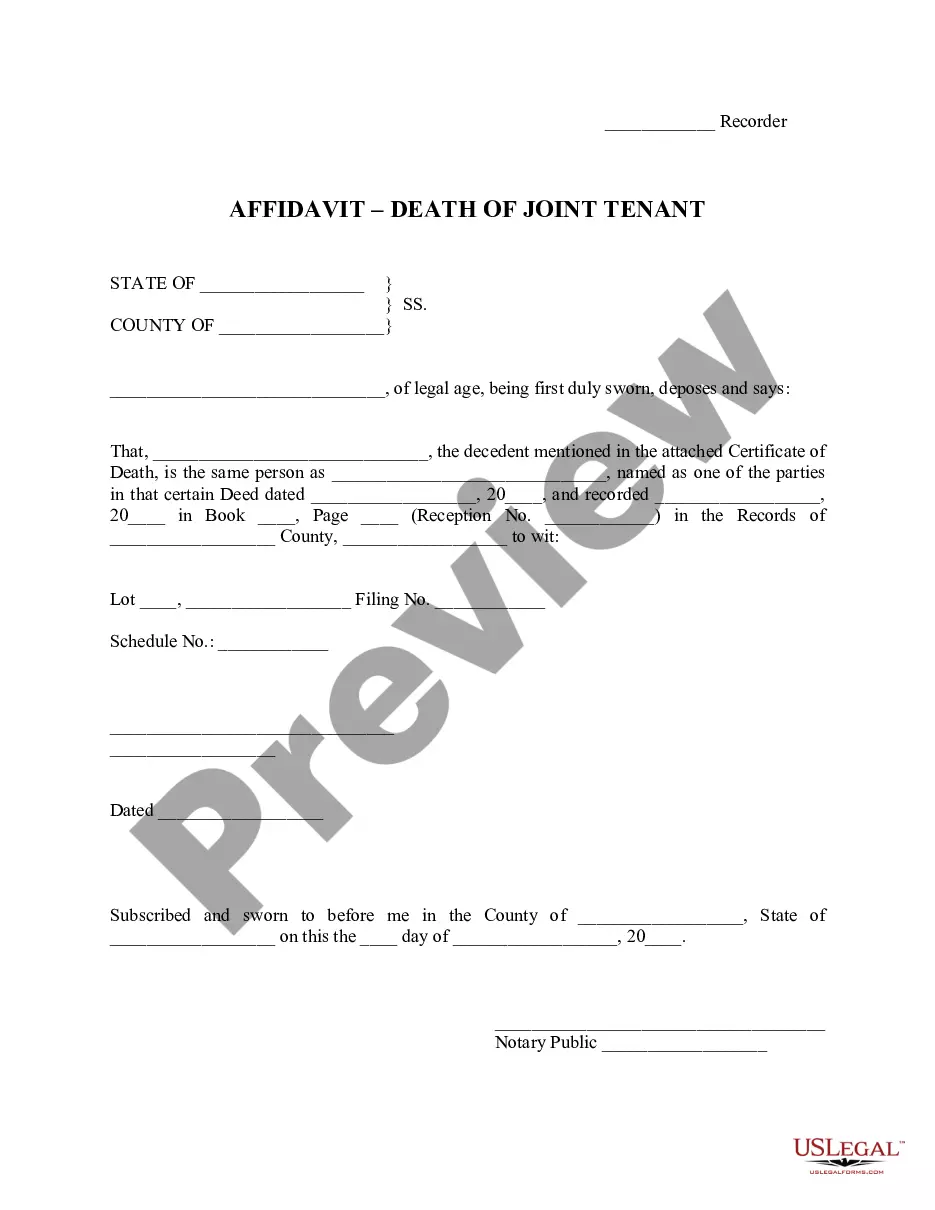
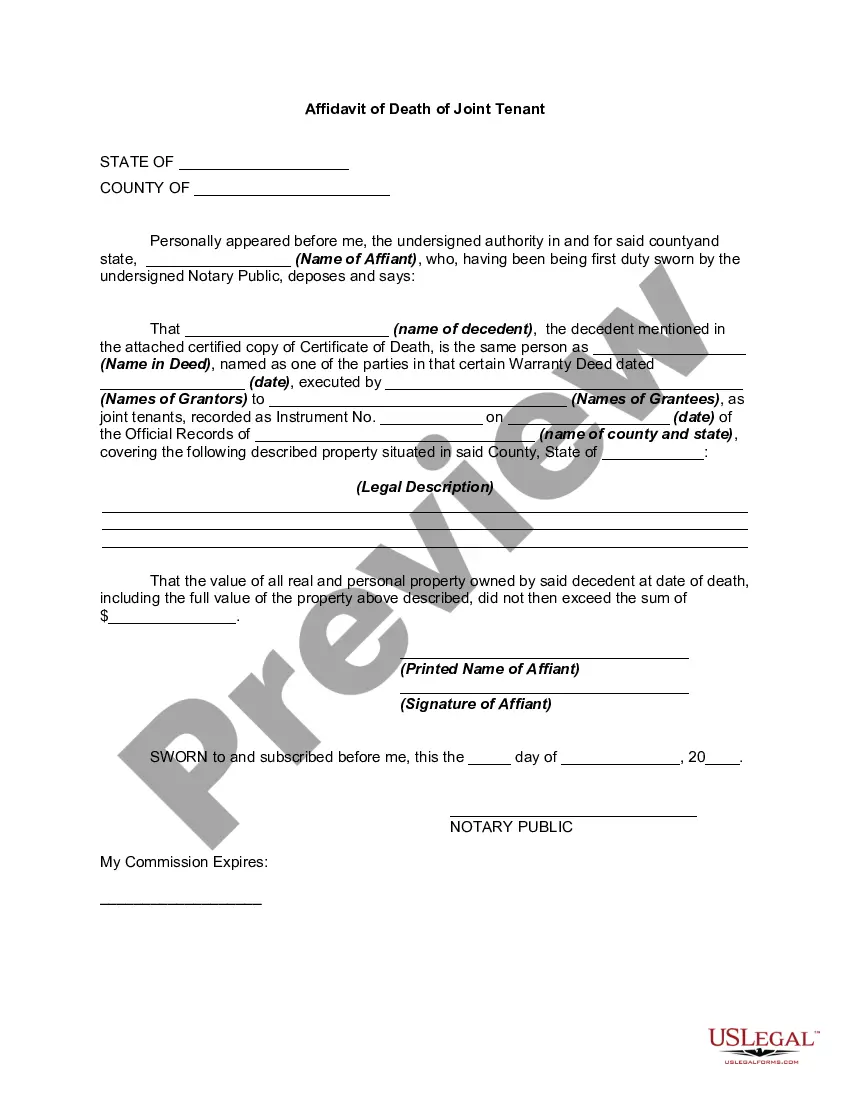
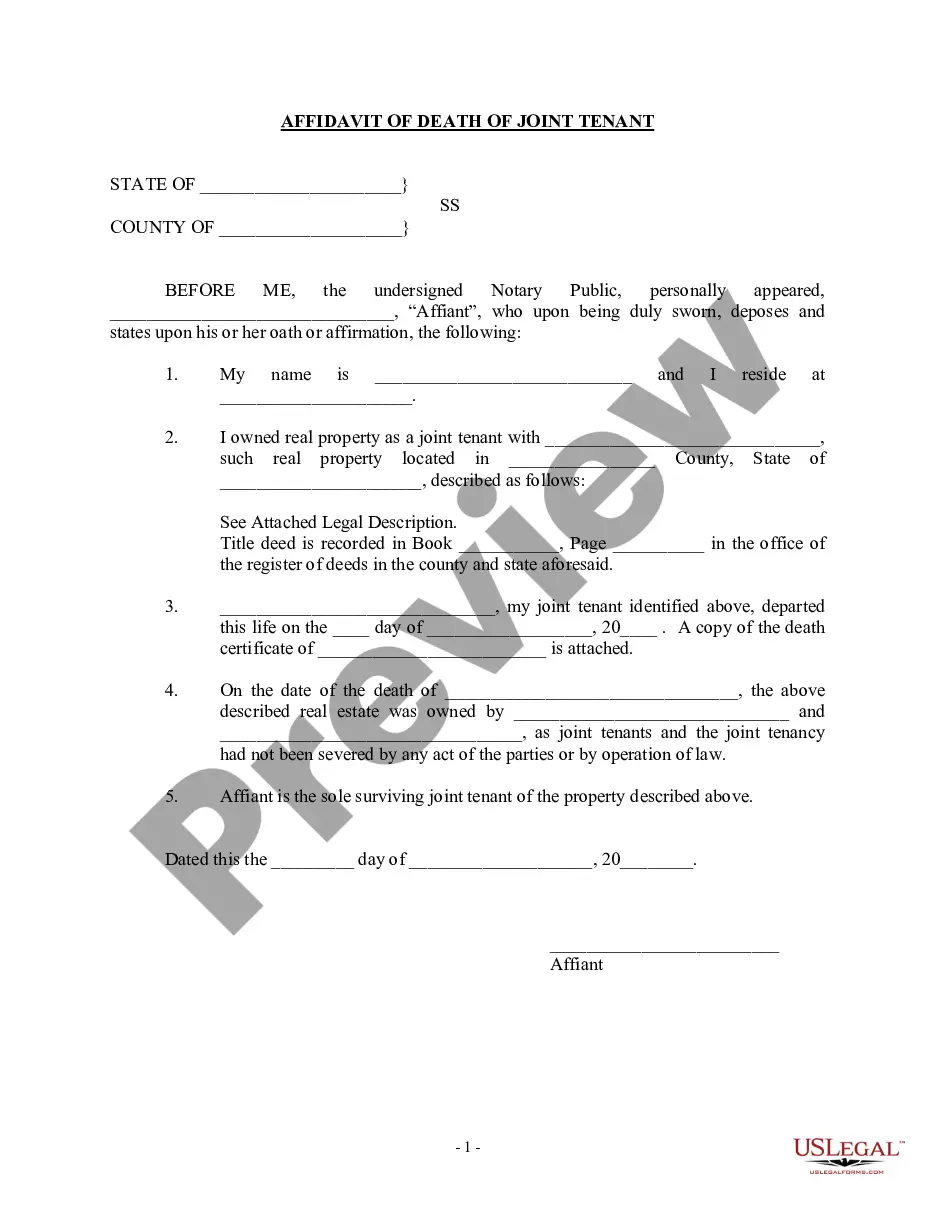
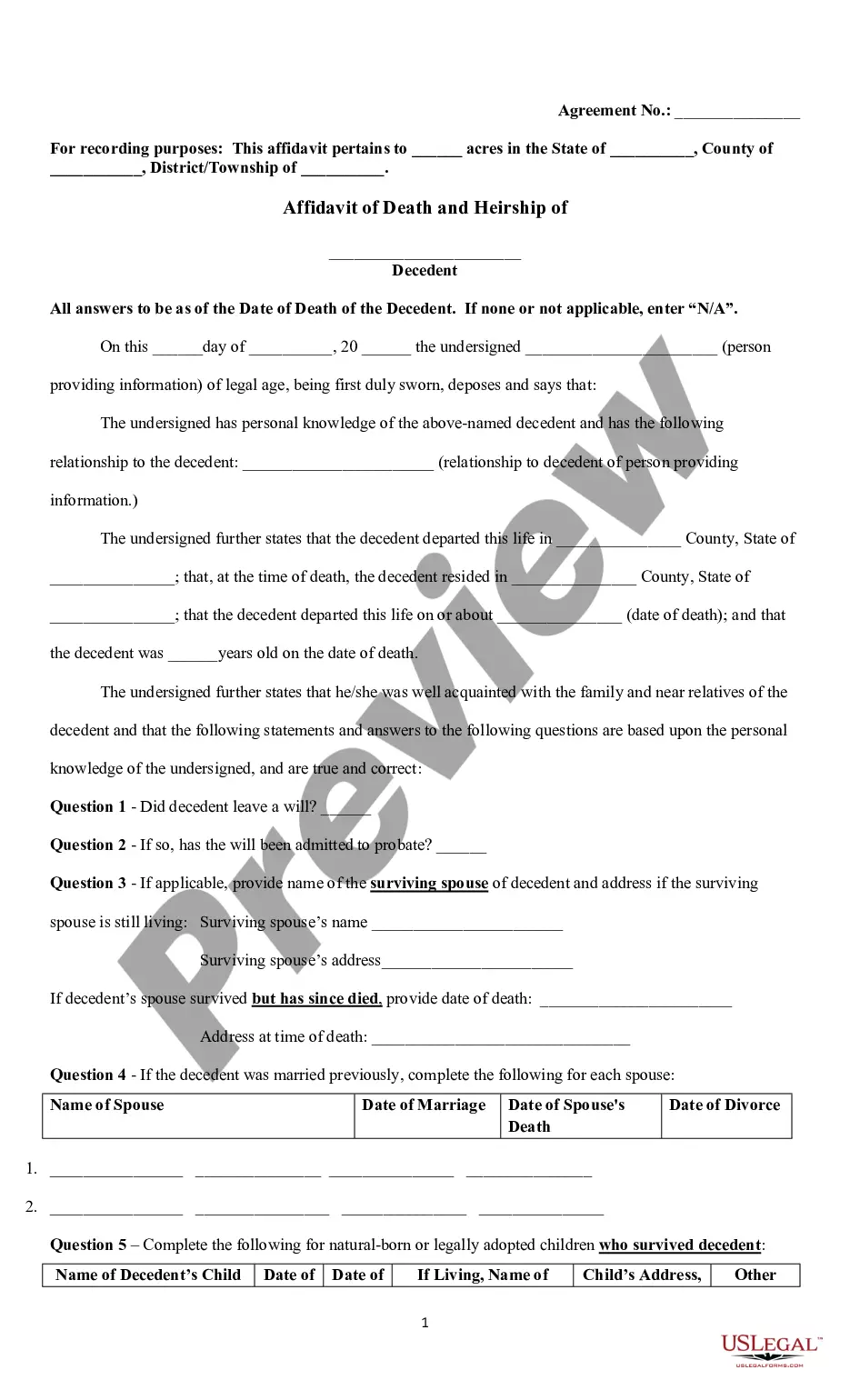
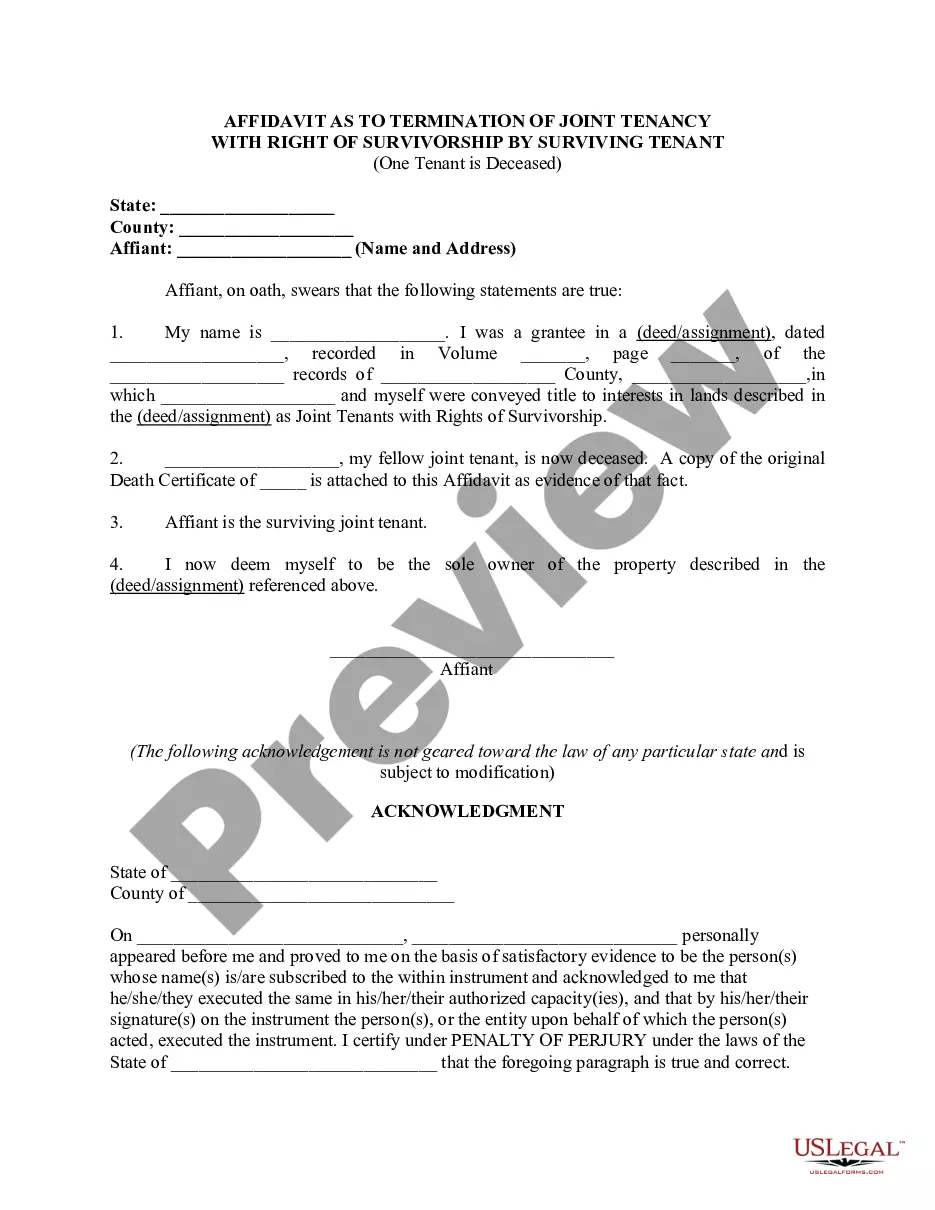
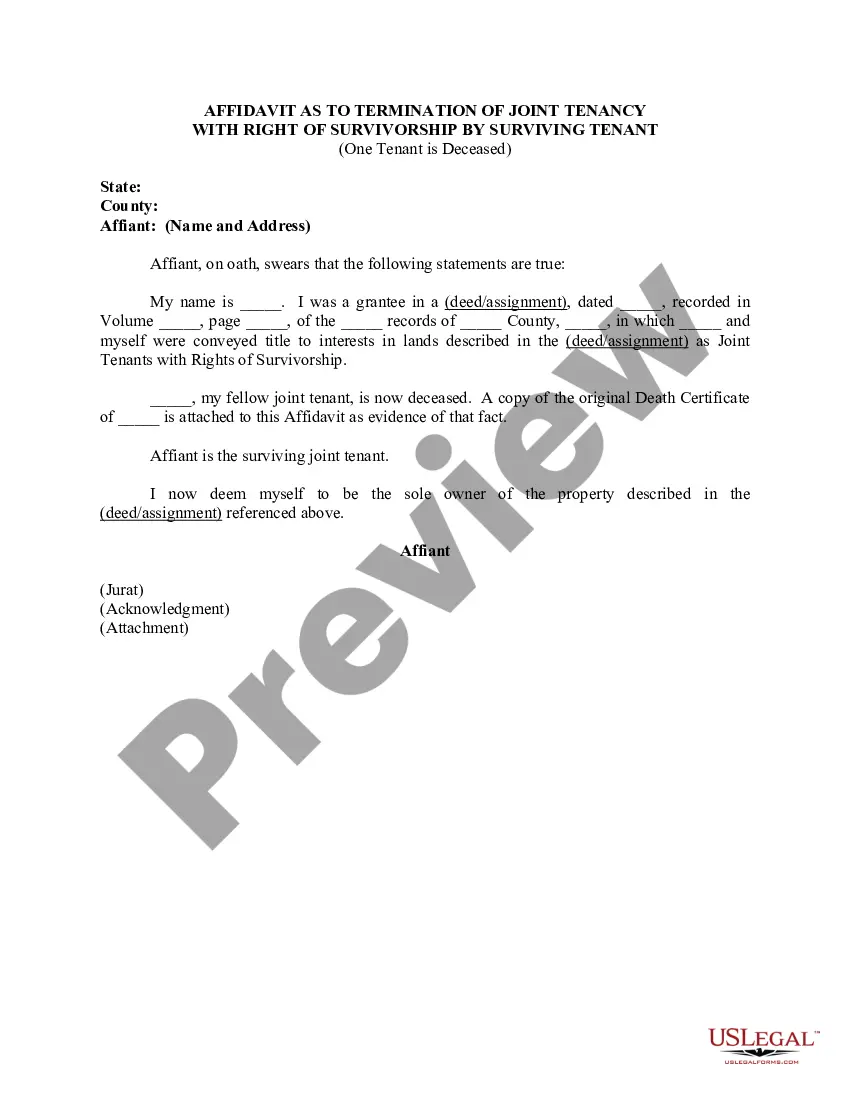
The Affidavit - Death of Joint Tenant is a legal document that confirms the death of a co-owner of property held in joint tenancy with the right of survivorship. This affidavit is executed by the surviving tenant, effectively transferring full ownership of the property to them. Unlike other property transfer forms, this affidavit specifically addresses the transition of ownership following the death of one joint tenant without the need for probate court involvement.
Form components explained
- Identification of the decedent and surviving tenant.
- Reference to the certificate of death.
- Details of the property, including its legal description.
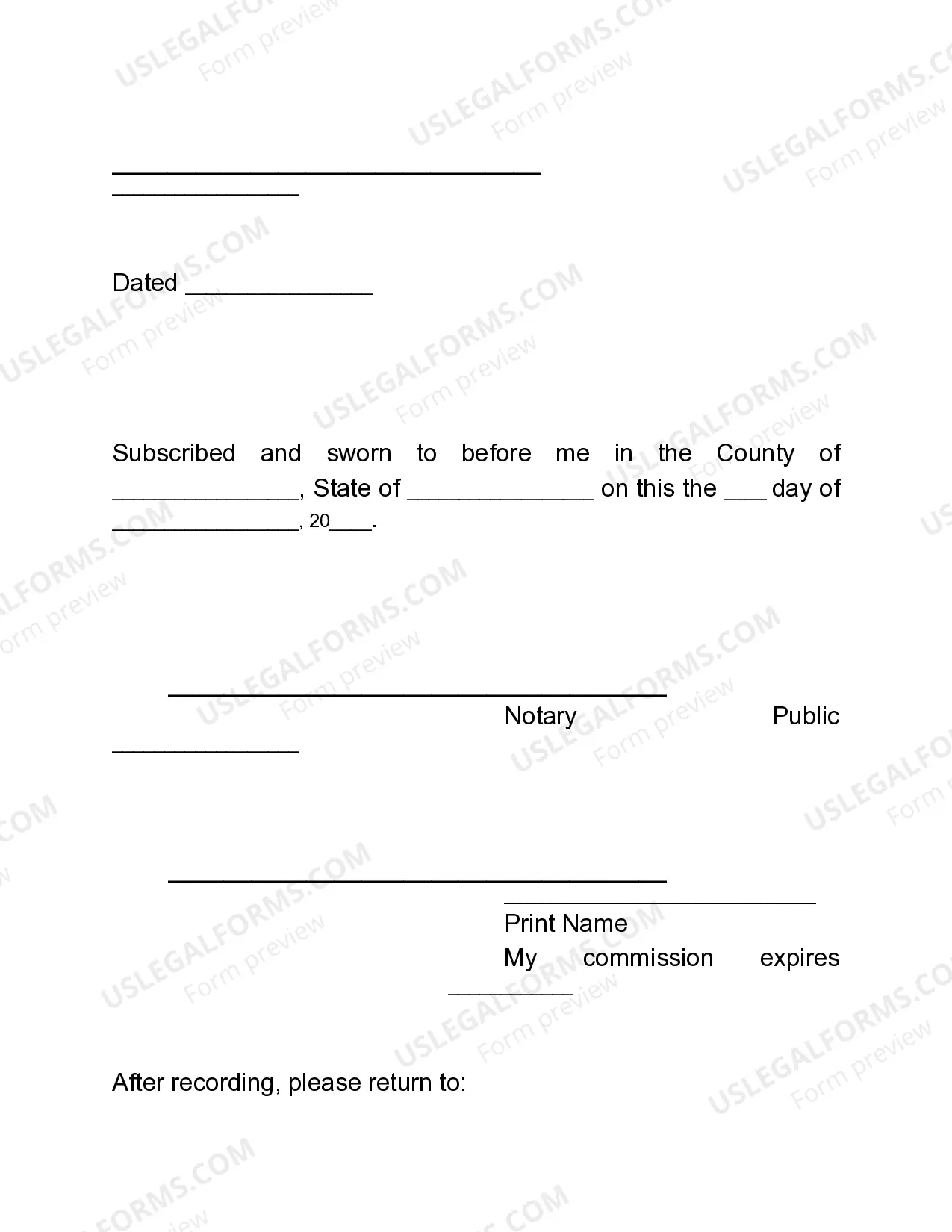
- Acknowledgment and attestation before a notary public.
- Signature and date from the surviving tenant.

When to use this document
This form is typically used when one joint tenant of a property passes away, and the surviving tenant needs to establish their sole ownership. It is necessary for situations where the property will be legally transferred to the survivor and can be used to update property records and title deeds appropriately.
Who can use this document
- Surviving joint tenants of a property.
- Heirs or family members dealing with the estate of a deceased joint tenant.
- Real estate professionals assisting with ownership transfers.
Steps to complete this form
- Identify the parties involved: the decedent and the surviving tenant.
- Obtain and attach the certificate of death for the decedent.
- Provide a legal description of the property in question.
- Sign the affidavit in the presence of a notary public.
- Fill in the date of the signing and ensure all information is accurate.
Does this document require notarization?
Yes, this form must be notarized to be legally valid. Having it notarized ensures that the signatures are verified and that the document complies with legal requirements. US Legal Forms offers integrated online notarization services, allowing you to complete this step conveniently and securely via video call.
Get your form ready online
Our built-in tools help you complete, sign, share, and store your documents in one place.
Make edits, fill in missing information, and update formatting in US Legal Forms—just like you would in MS Word.
Download a copy, print it, send it by email, or mail it via USPS—whatever works best for your next step.
Sign and collect signatures with our SignNow integration. Send to multiple recipients, set reminders, and more. Go Premium to unlock E-Sign.
If this form requires notarization, complete it online through a secure video call—no need to meet a notary in person or wait for an appointment.
We protect your documents and personal data by following strict security and privacy standards.

Make edits, fill in missing information, and update formatting in US Legal Forms—just like you would in MS Word.

Download a copy, print it, send it by email, or mail it via USPS—whatever works best for your next step.

Sign and collect signatures with our SignNow integration. Send to multiple recipients, set reminders, and more. Go Premium to unlock E-Sign.

If this form requires notarization, complete it online through a secure video call—no need to meet a notary in person or wait for an appointment.

We protect your documents and personal data by following strict security and privacy standards.
Common mistakes to avoid
- Failing to include the certificate of death with the affidavit.
- Incorrectly identifying the property or the decedent.
- Not having the affidavit notarized when required.
Benefits of completing this form online
- Immediate access to a professionally drafted legal document.
- Convenience of completing the form at your own pace.
- Ability to easily edit and tailor the form to your specific situation.
Looking for another form?
Form popularity
FAQ
An Affidavit does not override a will; rather, it serves as a legal declaration that can support the terms outlined in the will. If an Affidavit of death is filed, it provides official documentation of the passing of a joint tenant, allowing property transfers without conflicting with the will's provisions. Therefore, using a Colorado Affidavit - Death of Joint Tenant can help clarify these matters, ensuring all legal documents work together harmoniously.
If an Affidavit is not notarized, it may be deemed invalid or unenforceable in legal matters. Notarization adds a level of authenticity and trust to the document, ensuring that the information provided is accurate. When dealing with important declarations, such as a Colorado Affidavit - Death of Joint Tenant, notarization is highly recommended to avoid complications down the line.
The most common use of an Affidavit of death is to establish the demise of a joint tenant and transfer their interest in the property to the surviving joint tenant. This affidavit serves as official proof of death for legal and financial matters. Utilizing a Colorado Affidavit - Death of Joint Tenant simplifies this procedure and helps facilitate the transfer of ownership in a clear manner.
To file an Affidavit of death in Texas, you must first complete the affidavit form, which requires specific information about the deceased joint tenant. After completing the form, you should file it with the county clerk's office in the county where the deceased resided. Using the Colorado Affidavit - Death of Joint Tenant can streamline the process and ensure you have the necessary documentation ready for filing.
If one owner of a jointly owned property dies in Colorado, the surviving co-owners automatically inherit the deceased owner's share due to the right of survivorship. This means that the property does not go through probate, ensuring a quick transition of ownership. Understanding this process is vital when preparing a Colorado Affidavit - Death of Joint Tenant. Using a service like uslegalforms can guide you through the necessary steps.
Yes, Colorado does recognize joint tenancy with right of survivorship. This legal structure allows co-owners to automatically inherit the deceased owner's share without going through probate. This recognition streamlines the transfer of property upon an owner's death, making it a preferred choice for many. If you need assistance with a Colorado Affidavit - Death of Joint Tenant, uslegalforms can provide you with the right tools.
In Colorado, the form for establishing joint tenancy with rights of survivorship can usually be found through state resources or legal document services. This form needs to clearly state the intention of the owners and include necessary details about the property. Completing this form accurately is crucial for creating valid joint tenancy. Uslegalforms offers templates that simplify this task and ensure compliance with state laws.
Joint tenancy with rights of survivorship can present certain disadvantages. First, all owners have equal rights over the property, making it difficult if one party wants to sell their share. Additionally, one owner's debts may affect the entire property, as creditors can claim a share. It's important to weigh these factors when considering a Colorado Affidavit - Death of Joint Tenant.
A joint tenancy is the most common form of co-ownership that includes the right of survivorship. This arrangement allows co-owners to share equal ownership of the property, and upon the death of one owner, their share automatically transfers to the surviving owners. This simplifies the inheritance process and avoids the need for probate. Understanding this concept is essential when dealing with a Colorado Affidavit - Death of Joint Tenant.
Yes, a Colorado Affidavit - Death of Joint Tenant typically needs to be notarized to ensure the document is legally valid. Notarization serves as a safeguard against fraud and verifies the identity of the person signing. It adds a layer of credibility to the affidavit, which is crucial when transferring property ownership. Using a reliable platform like uslegalforms can streamline this process and provide clear instructions.