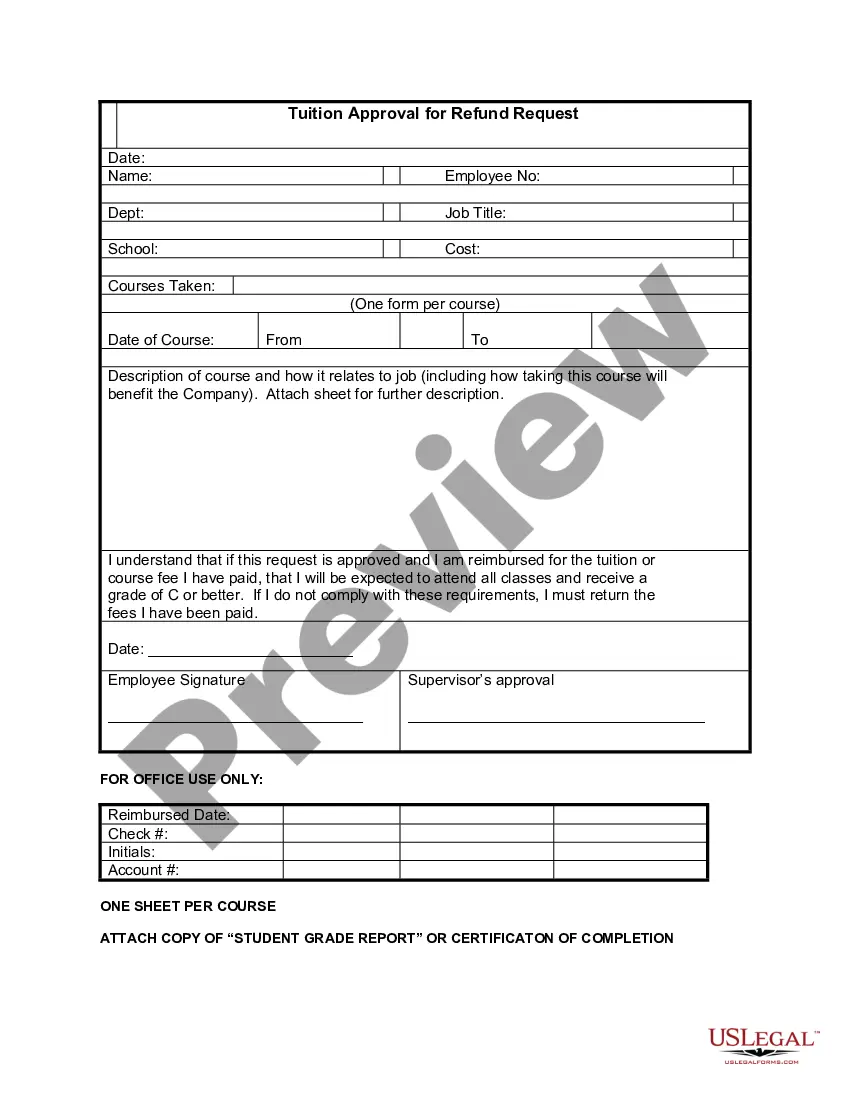
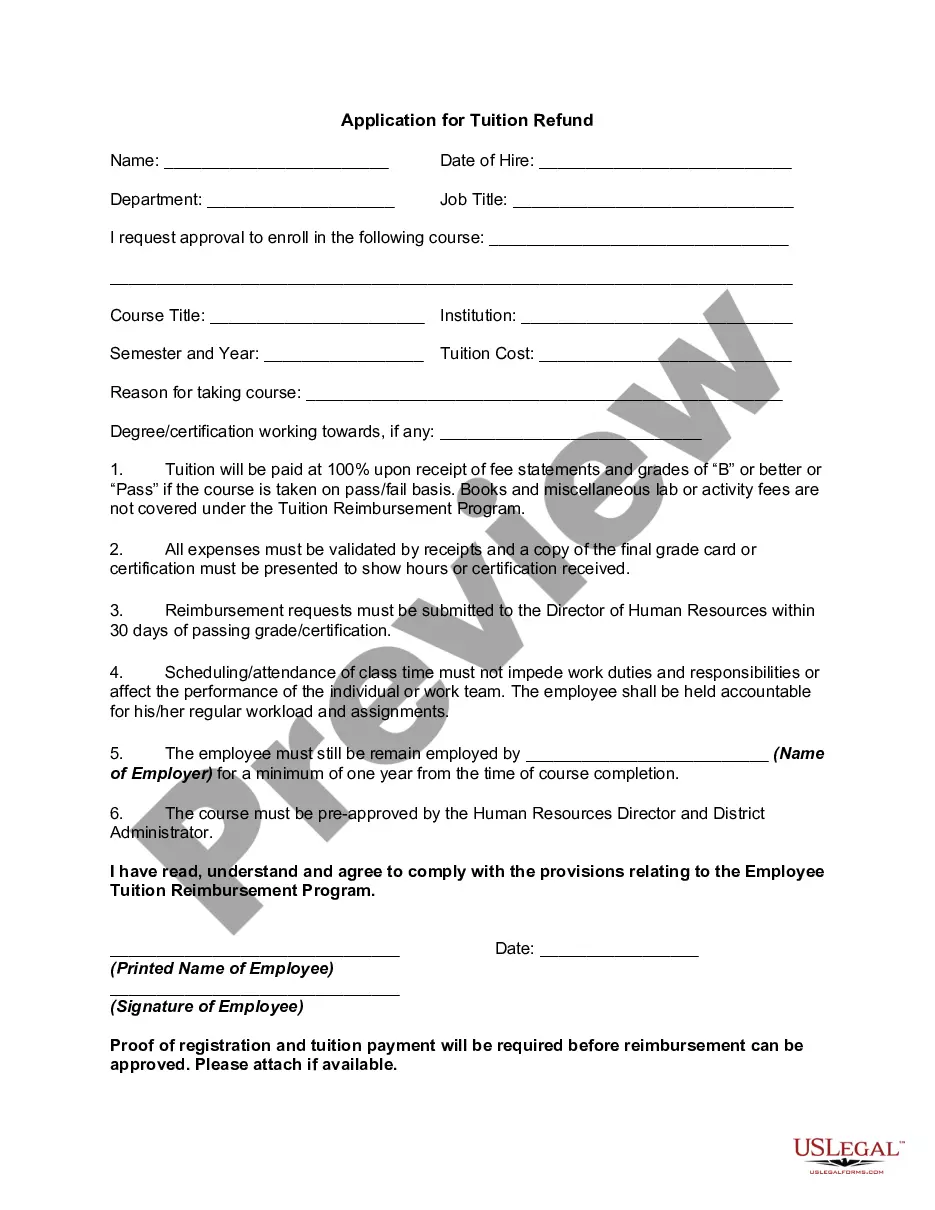
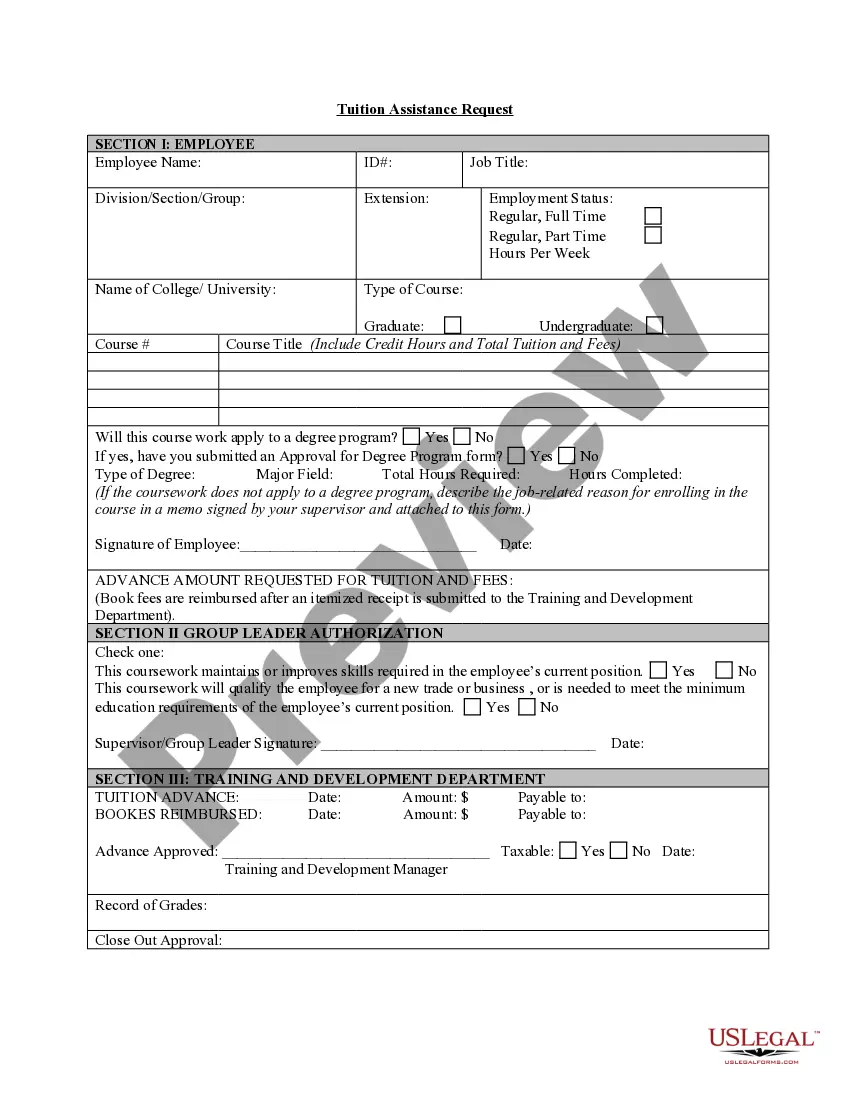
Many companies these days have a tuition reimbursement program. This is a program through which a company pays for part or all of an employee's tuition. In a company which has a tuition reimbursement program, the company generally wants to encourage employees to pursue professional development. Some companies limit the types of education they will pay for, expecting employees to take training and classes relevant to the type of work the company does, or to take classes which can lead to a higher position in the company. For example, a company might pay for someone to get an MBA with the goal of retaining that person and creating an opportunity for advancement.
Employees enrolled in a tuition reimbursement program usually need to make a certain grade point average, and they cannot drop out of school. If they fail to meet these standards, they will be expected to repay the company, and they may also be required to pay if they quit working while school is in session or if they quit shortly after school ends.
California Tuition Approval for Refund Request
Category:
State:
Multi-State
Control #:
US-03023BG
Format:
Word;
Rich Text
Instant download
Description

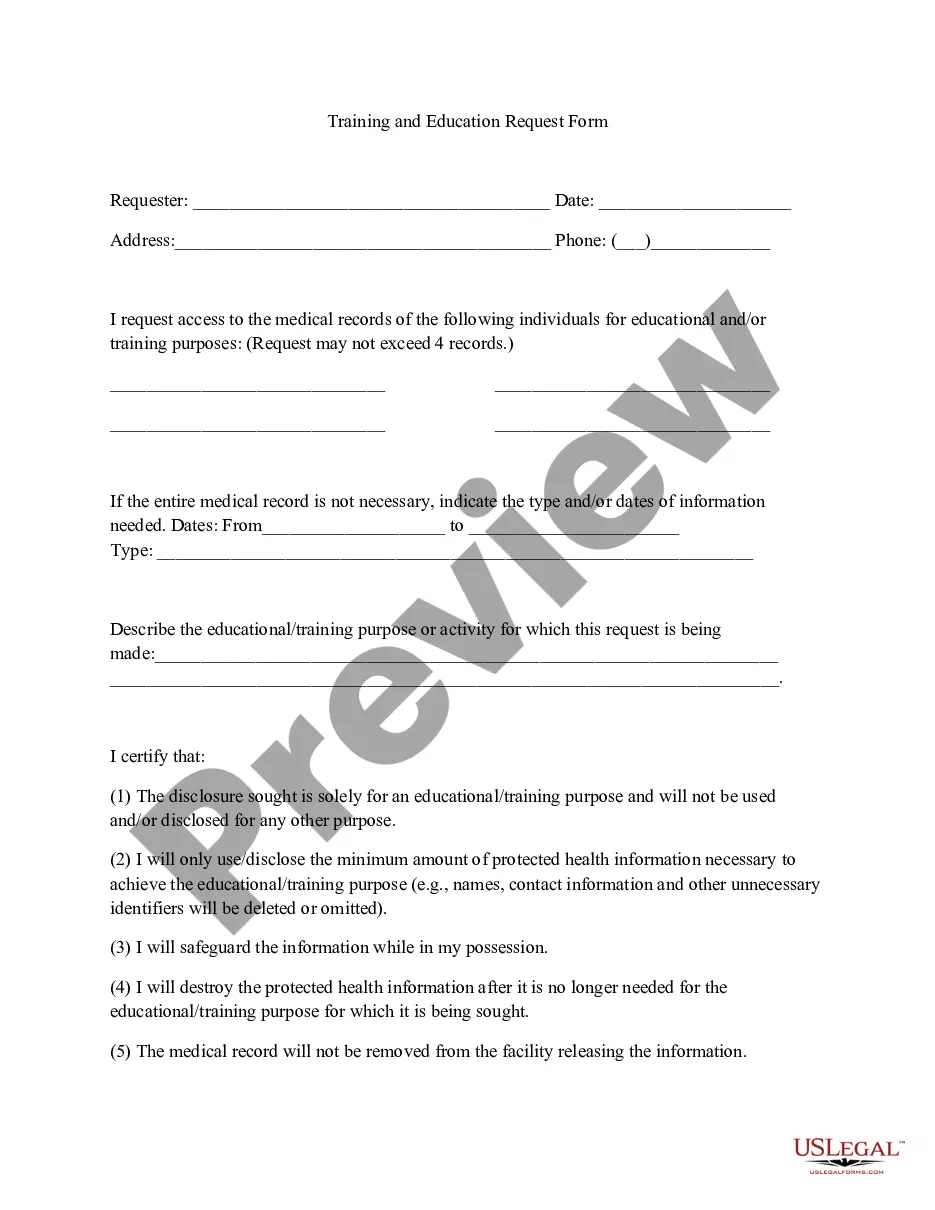
Get your form ready online
Our built-in tools help you complete, sign, share, and store your documents in one place.
Built-in online Word editor
Make edits, fill in missing information, and update formatting in US Legal Forms—just like you would in MS Word.
Export easily
Download a copy, print it, send it by email, or mail it via USPS—whatever works best for your next step.
E-sign your document
Sign and collect signatures with our SignNow integration. Send to multiple recipients, set reminders, and more. Go Premium to unlock E-Sign.
Notarize online 24/7
If this form requires notarization, complete it online through a secure video call—no need to meet a notary in person or wait for an appointment.
Store your document securely
We protect your documents and personal data by following strict security and privacy standards.

Make edits, fill in missing information, and update formatting in US Legal Forms—just like you would in MS Word.

Download a copy, print it, send it by email, or mail it via USPS—whatever works best for your next step.

Sign and collect signatures with our SignNow integration. Send to multiple recipients, set reminders, and more. Go Premium to unlock E-Sign.

If this form requires notarization, complete it online through a secure video call—no need to meet a notary in person or wait for an appointment.

We protect your documents and personal data by following strict security and privacy standards.
Looking for another form?
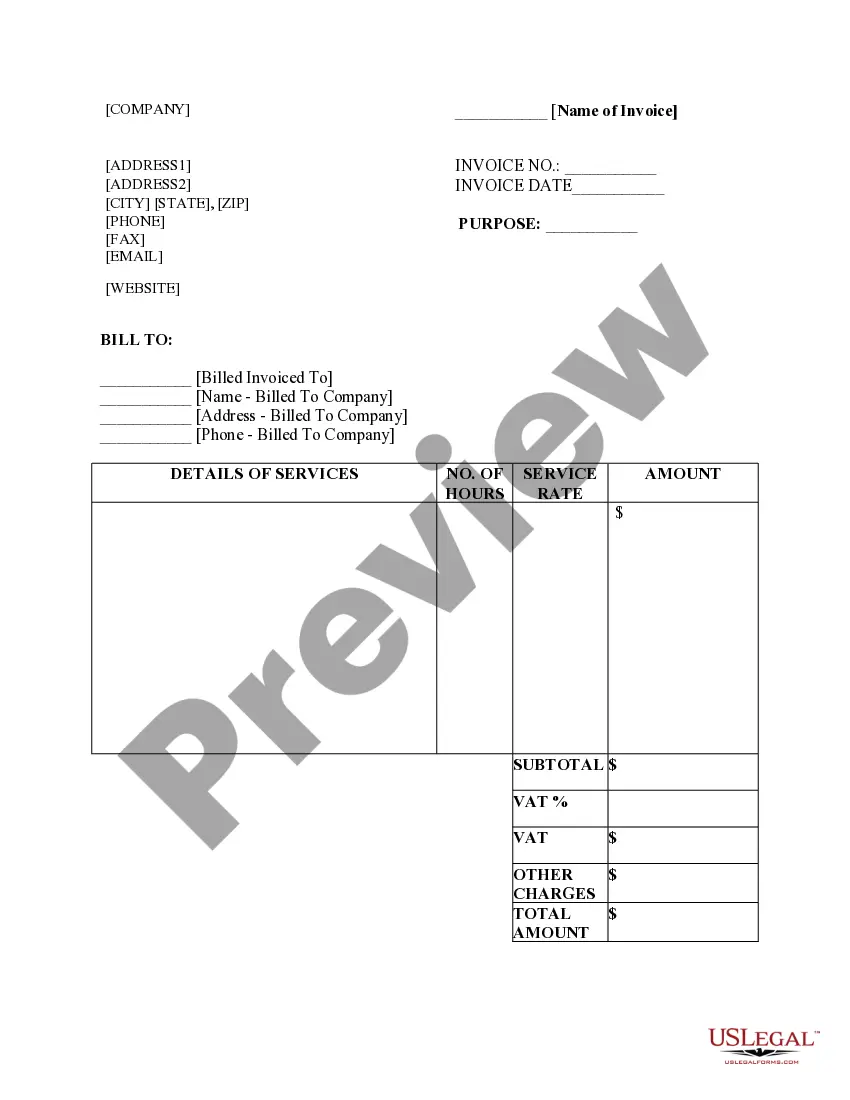



How to fill out Tuition Approval For Refund Request?
If you need to thorough, obtain, or print authorized document templates, utilize US Legal Forms, the largest collection of legal forms available online.
Take advantage of the site’s user-friendly and efficient search to find the documents you require.
A variety of templates for commercial and personal use are categorized by types and states, or keywords.
Step 4. Once you have found the form you want, click on the Get now button. Choose the pricing plan you prefer and provide your details to create an account.
Step 5. Complete the payment process. You may use your credit card or PayPal account to finalize the transaction.
- Utilize US Legal Forms to download the California Tuition Approval for Refund Request in just a few clicks.
- If you are already a US Legal Forms user, Log In to your account and click the Obtain button to retrieve the California Tuition Approval for Refund Request.
- You can also access forms you previously downloaded in the My documents section of your account.
- If you are using US Legal Forms for the first time, follow these instructions.
- Step 1. Ensure you have selected the template for the correct city/state.
- Step 2. Use the Preview option to review the form’s contents. Remember to read the description.
- Step 3. If you are unsatisfied with the template, use the Search field at the top of the page to find other versions of the legal template.
Form popularity
FAQ
A tuition refund appeal is a formal request for reconsideration of your initial refund decision. If your California Tuition Approval for Refund Request has been denied or you believe you qualify for a refund, you can submit an appeal detailing your reasoning. This process allows students to present additional information or context to their school’s financial department, which may lead to a favorable decision.
The timeframe for receiving your tuition refund can depend on several factors, including your school’s processing policies. After submitting your California Tuition Approval for Refund Request, it typically takes about two to six weeks for the refund to be credited back to your account. To get the most accurate estimate, you should reach out to your school’s financial office and inquire about their procedures.
You can track your financial aid refund through your college's financial services department. When you submit your California Tuition Approval for Refund Request, you should receive notifications regarding its status. Many institutions offer online portals where you can check the progress of your refund, making it easier for you to stay informed and manage your finances efficiently.
California State University has specific refund policies that dictate when and how students can request refunds. Students should submit a California Tuition Approval for Refund Request within the designated time frame, which usually follows the administrative calendar. The policies often allow refunds for dropped courses if submitted on time, but it is essential to check your campus's specific guidelines for detailed procedures.
Yes, you can receive a refund on college tuition under specific conditions. To initiate the process, you need to file a California Tuition Approval for Refund Request, typically due to withdrawal from classes or other qualifying reasons. Each college has its own refund policy, so reviewing the guidelines at your institution is crucial to understand your eligibility for a return.
The processing time for tuition refunds can vary based on the institution. Generally, once your California Tuition Approval for Refund Request is submitted, you can expect processing to take anywhere from two to six weeks. During this period, institutions review your request, assess eligibility, and then issue the refund if approved. It's important to stay updated by checking your school’s policies regarding refund timelines.
The Student Tuition Recovery Fund (STRF) in California serves to protect students in the event that a private postsecondary institution closes. This fund is designed to help recover lost tuition if you qualify under the California Tuition Approval for Refund Request. Students can submit requests for reimbursement through the STRF, which can significantly ease financial burdens caused by unexpected school closures. Understanding this resource is critical for students navigating their financial commitments.
To obtain your refund check from school, first confirm that your financial aid and tuition status are up-to-date. After verifying your eligibility, your school will typically process the refund automatically according to their timeline. For specifics, check with your financial aid office to understand their procedure and timelines. The California Tuition Approval for Refund Request guidelines can also provide essential instructions for handling refunds effectively.
If you have received a tuition refund, think about using it for essential academic expenses, as outlined in the California Tuition Approval for Refund Request. This could include purchasing textbooks, paying for online learning tools, or even saving for future classes. If you have covered these costs, consider using the refund to reduce existing debt or save for emergencies. Always account for the refund in your financial planning for education.
Spending your financial aid refund can be acceptable, but it must be aligned with educational expenses. According to the California Tuition Approval for Refund Request criteria, anything that supports your academic journey is wise to consider. Think about necessary costs, such as technology, coursework materials, and living expenses, ensuring you utilize these funds appropriately. Keeping accurate records of your spending can help ensure compliance.