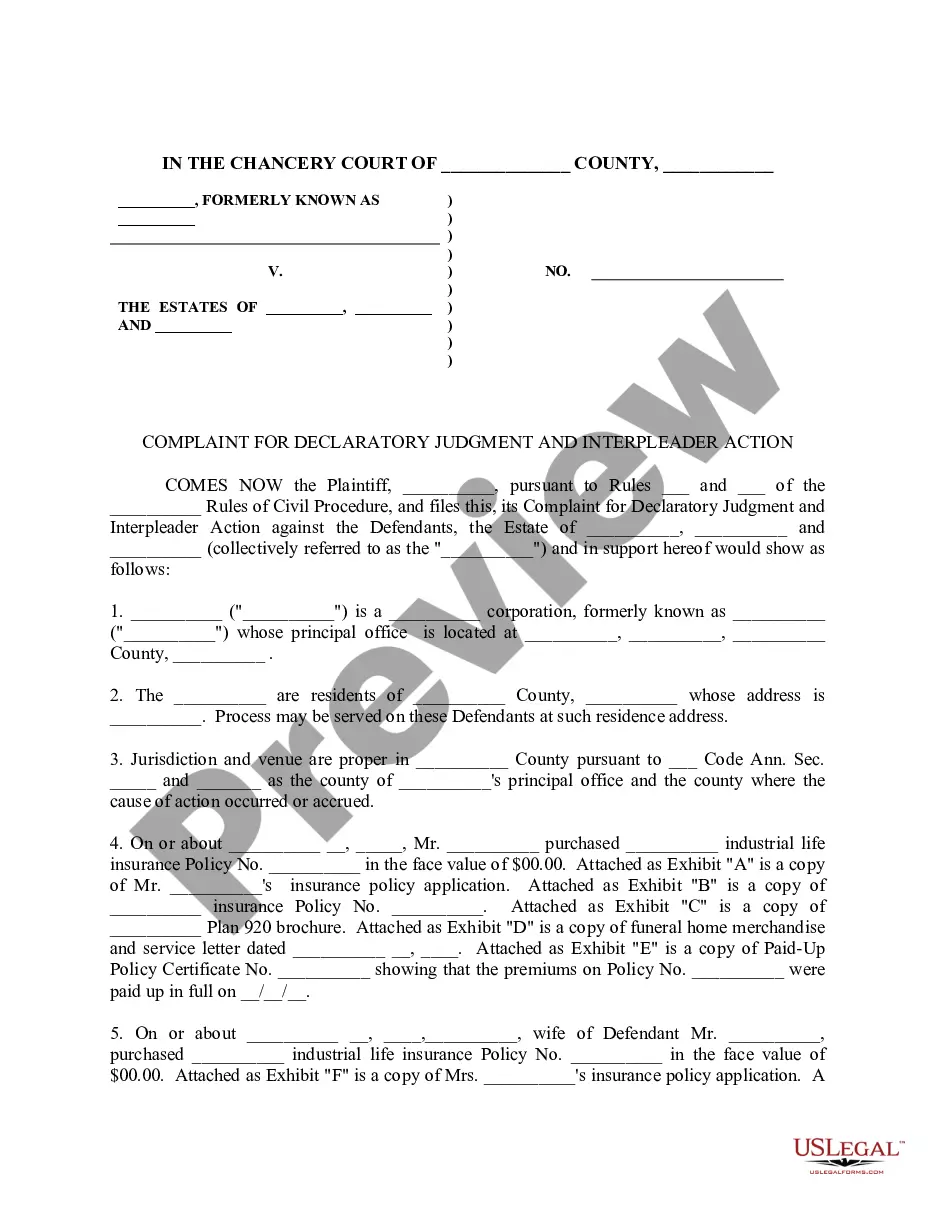
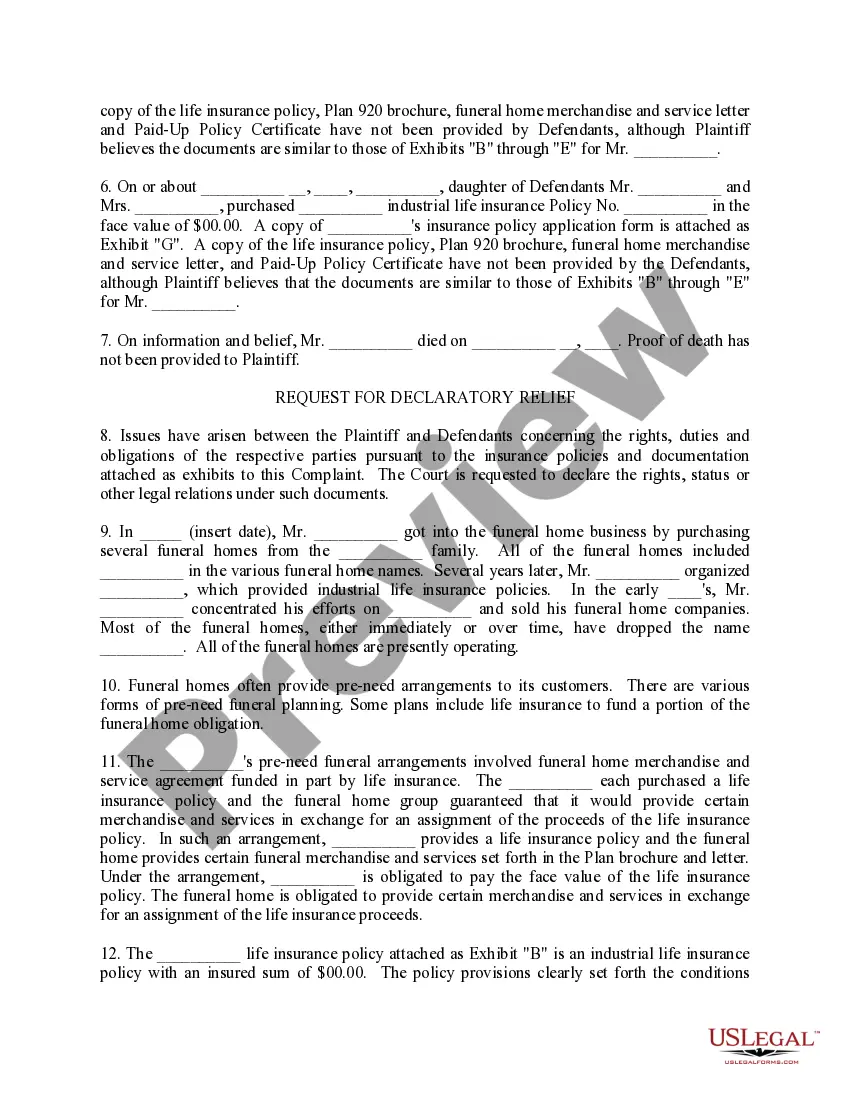
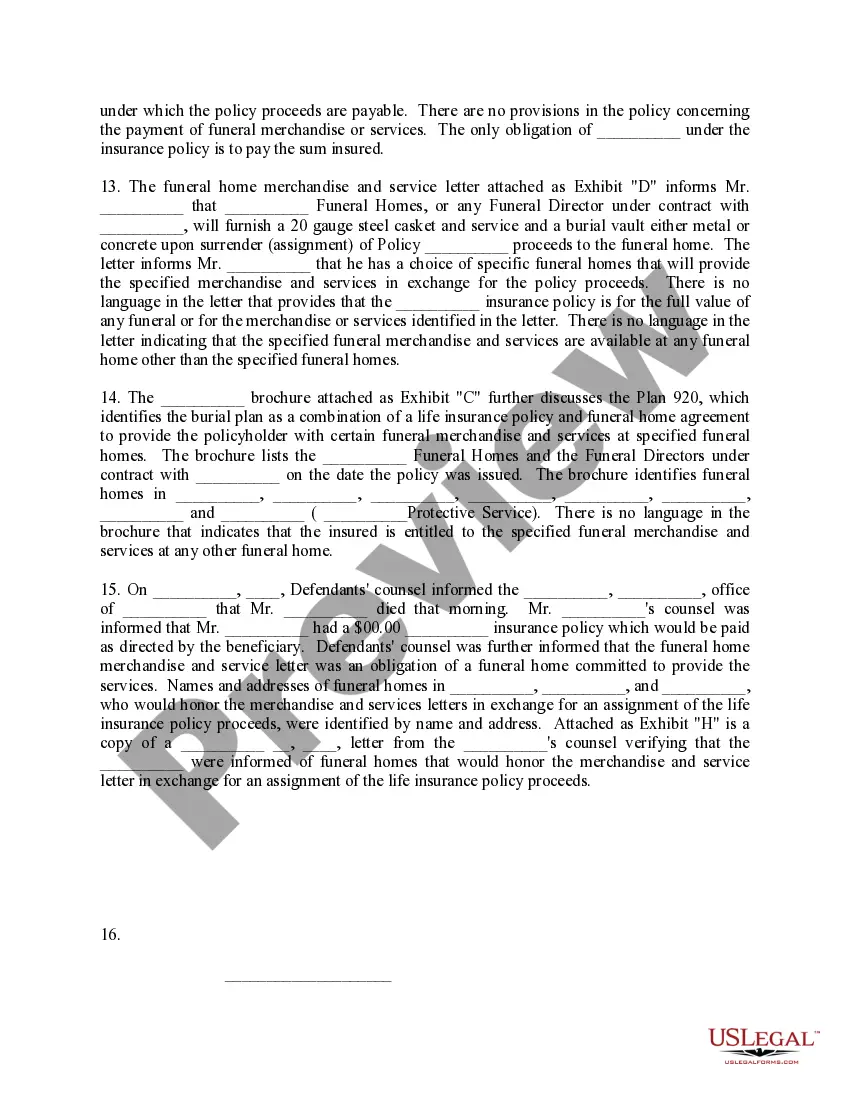
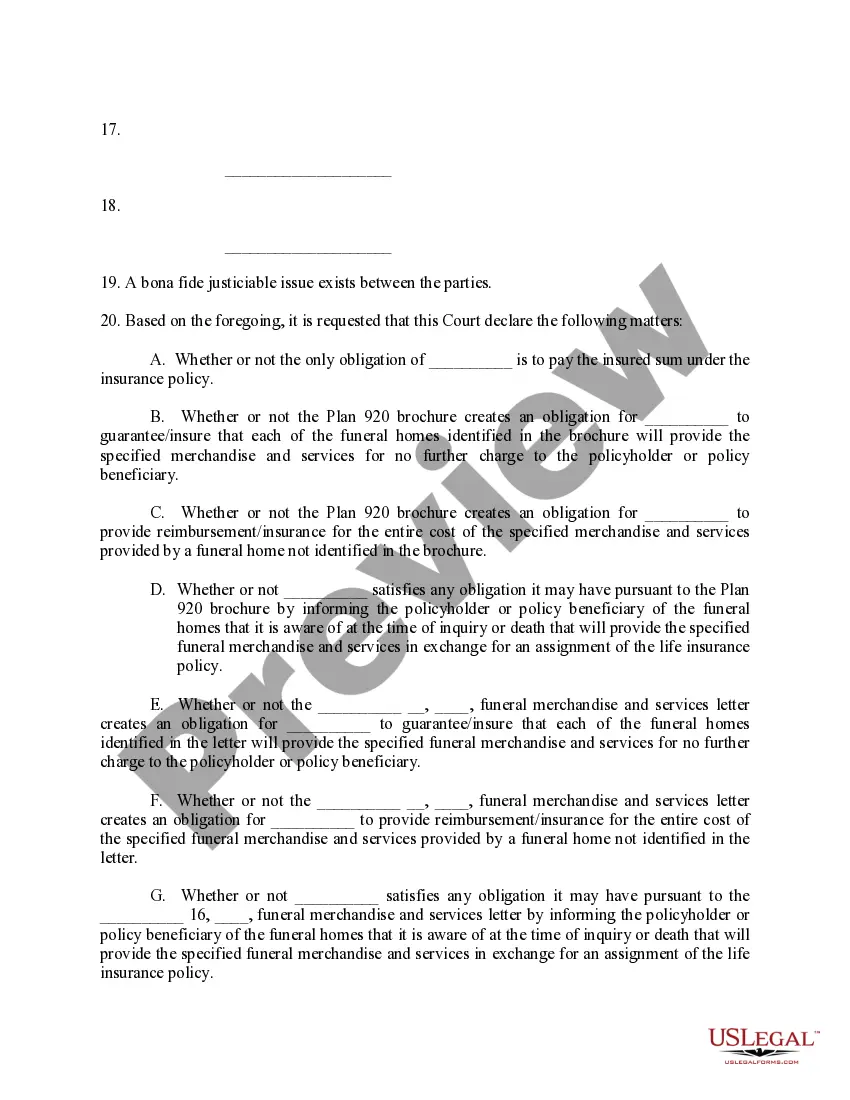
California Complaint for Declaratory Judgment and Interpleader Action or Burial Policy
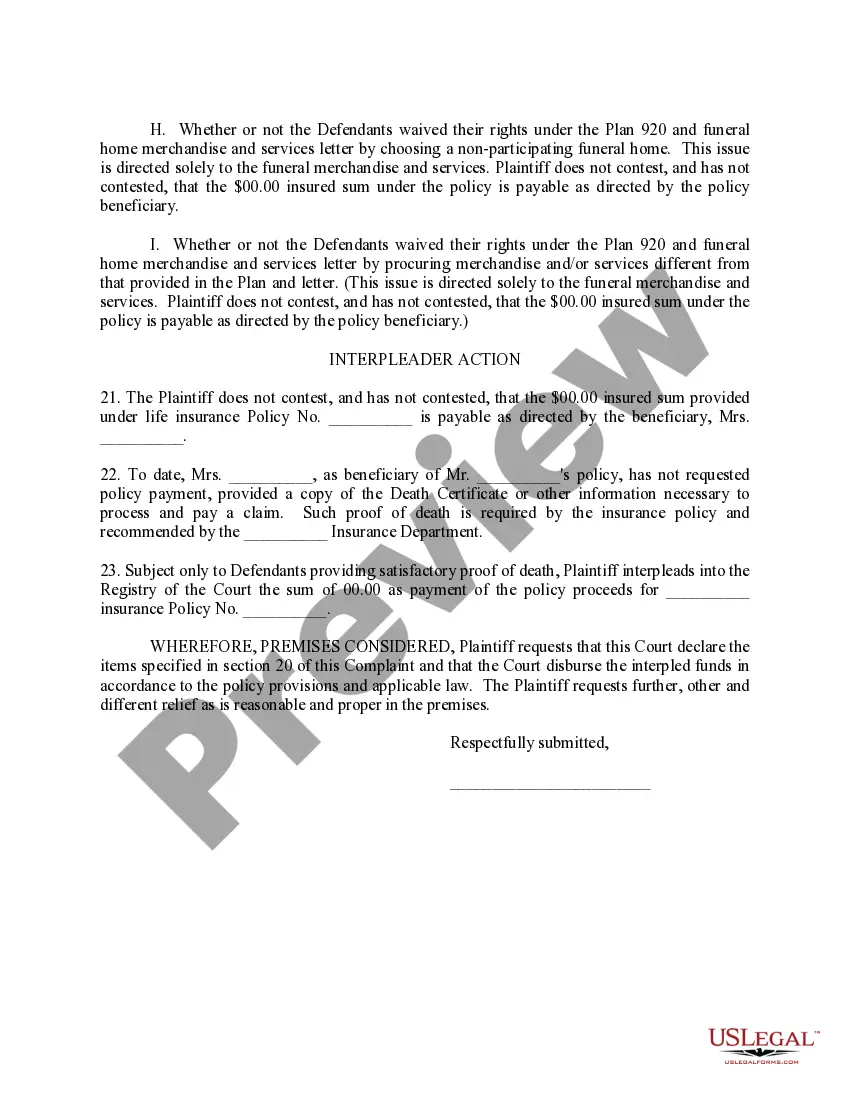
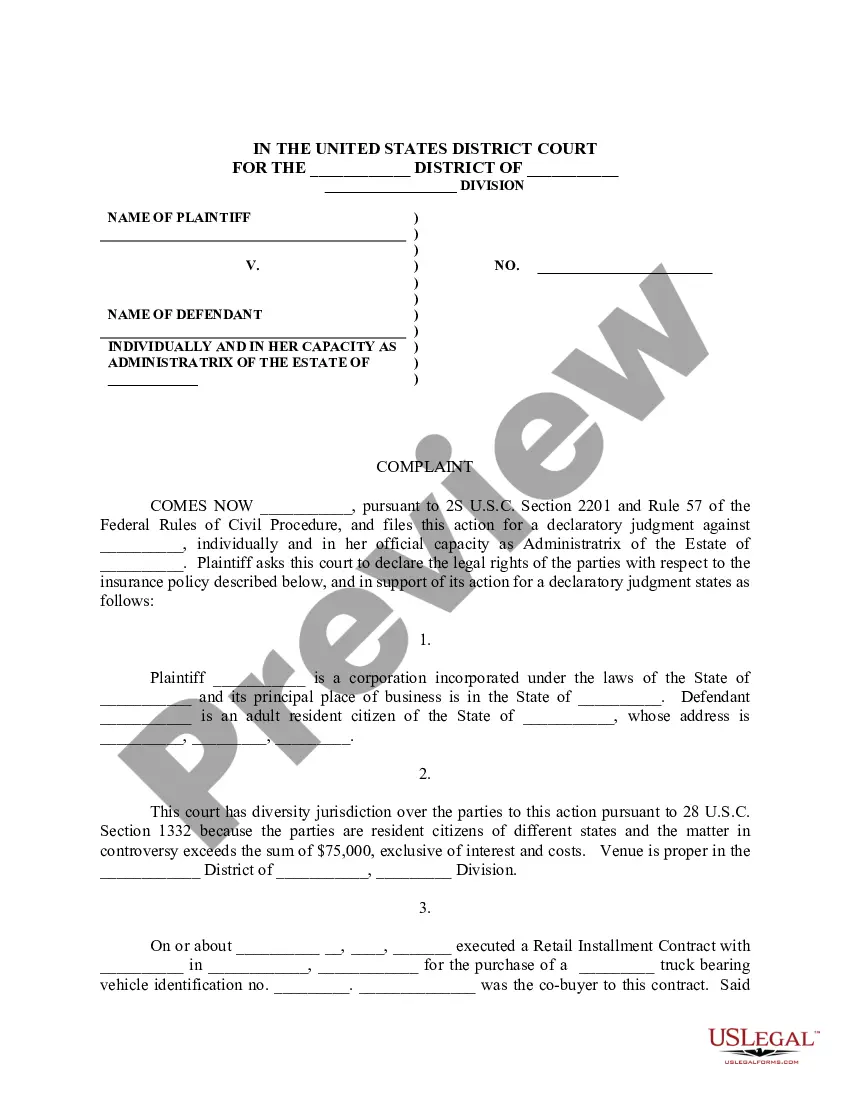
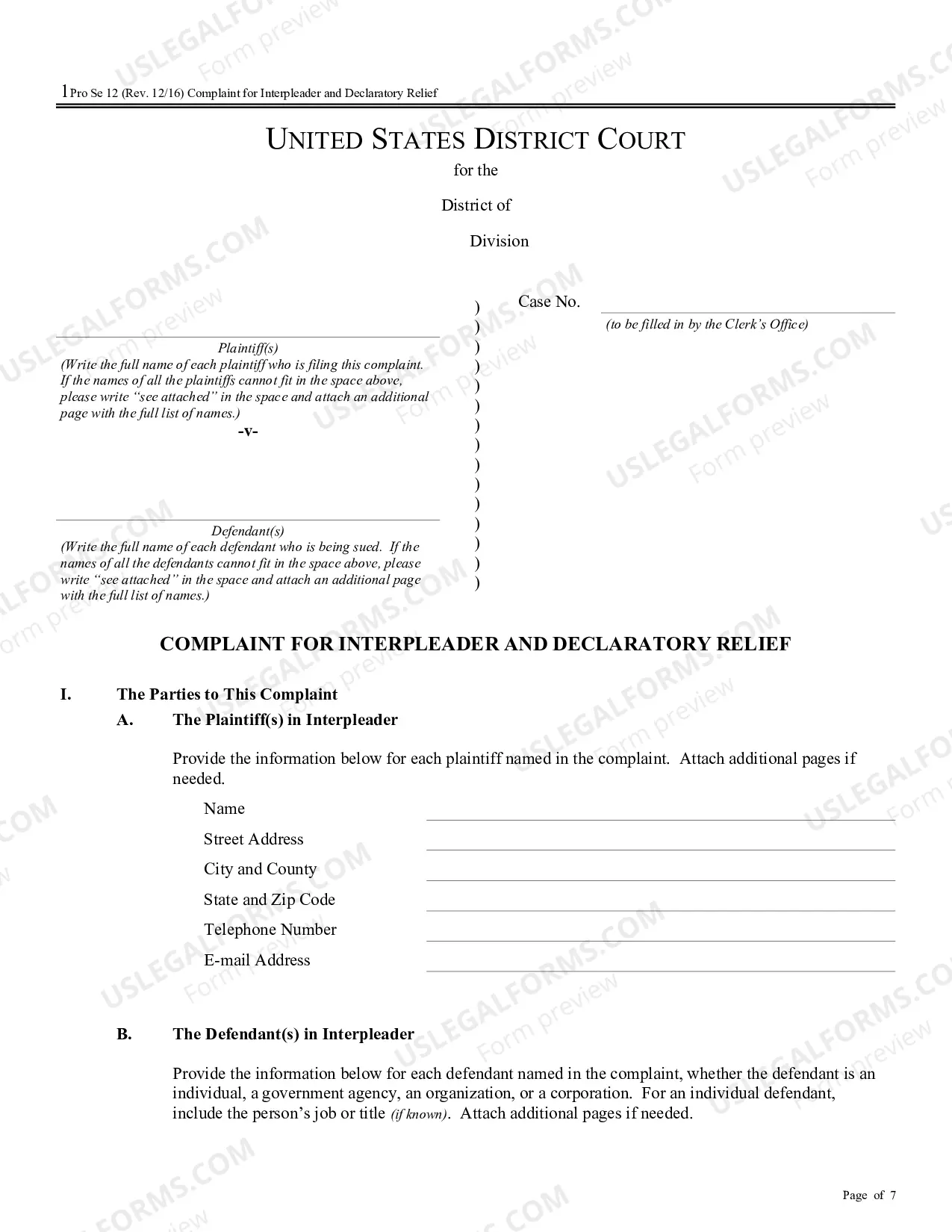
Description


Get your form ready online
Our built-in tools help you complete, sign, share, and store your documents in one place.
Make edits, fill in missing information, and update formatting in US Legal Forms—just like you would in MS Word.
Download a copy, print it, send it by email, or mail it via USPS—whatever works best for your next step.
Sign and collect signatures with our SignNow integration. Send to multiple recipients, set reminders, and more. Go Premium to unlock E-Sign.
If this form requires notarization, complete it online through a secure video call—no need to meet a notary in person or wait for an appointment.
We protect your documents and personal data by following strict security and privacy standards.

Make edits, fill in missing information, and update formatting in US Legal Forms—just like you would in MS Word.

Download a copy, print it, send it by email, or mail it via USPS—whatever works best for your next step.

Sign and collect signatures with our SignNow integration. Send to multiple recipients, set reminders, and more. Go Premium to unlock E-Sign.

If this form requires notarization, complete it online through a secure video call—no need to meet a notary in person or wait for an appointment.

We protect your documents and personal data by following strict security and privacy standards.
Looking for another form?
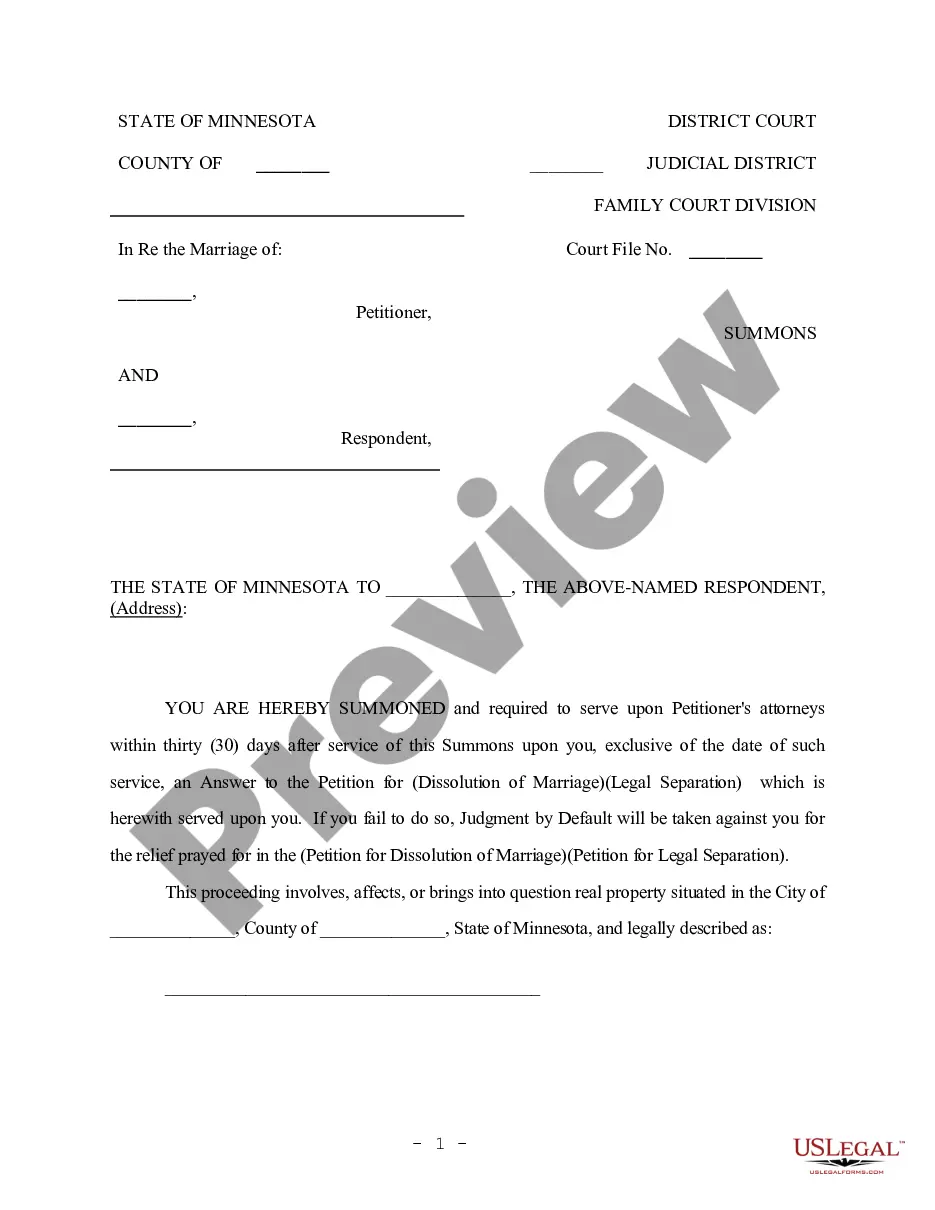
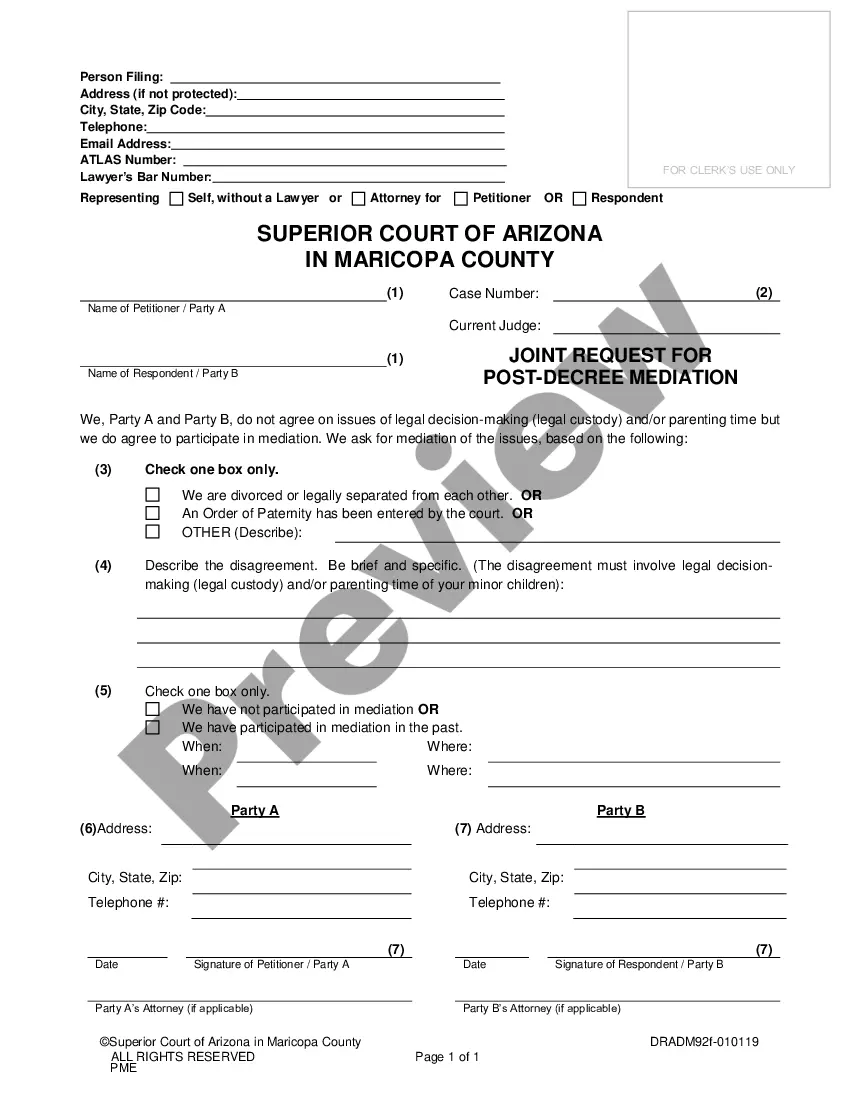
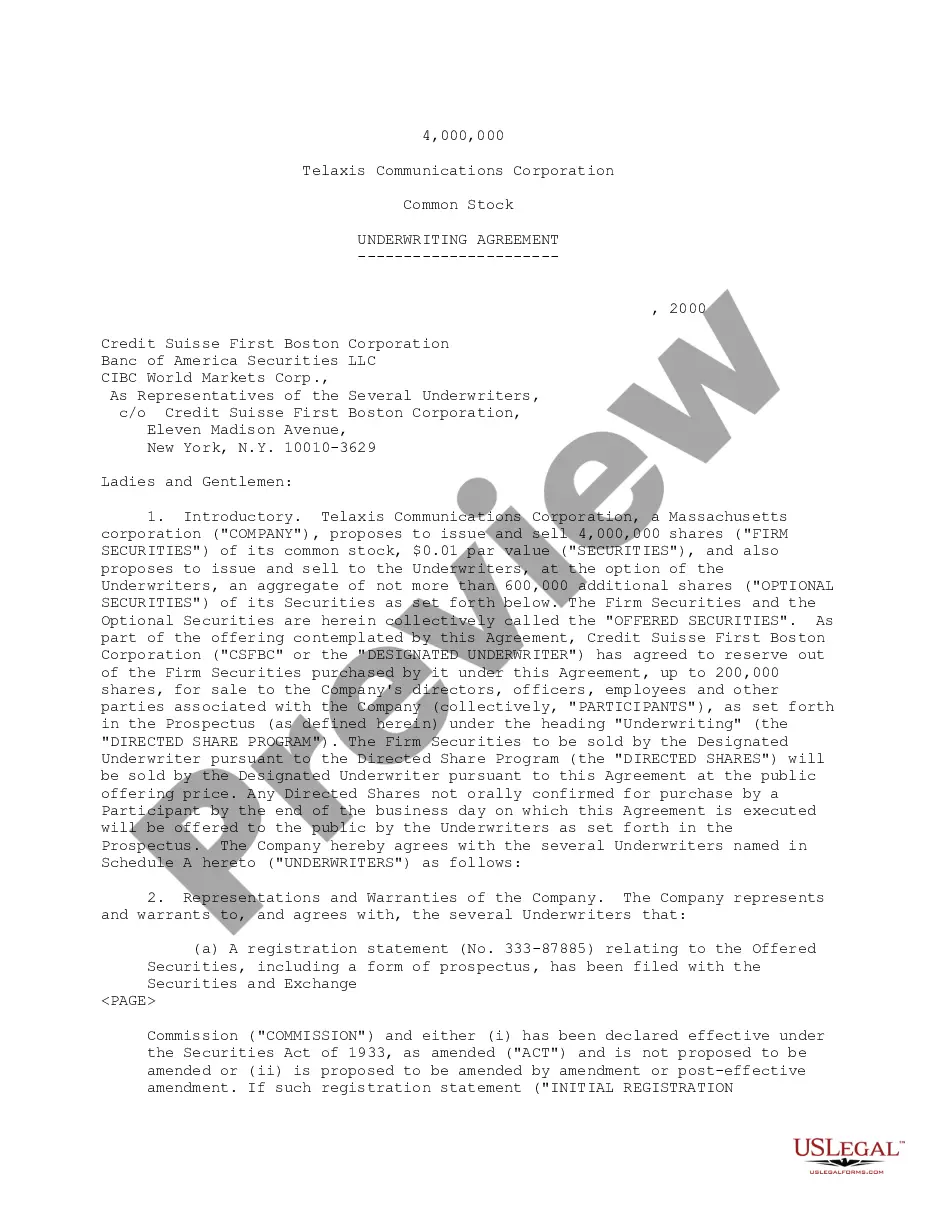

How to fill out Complaint For Declaratory Judgment And Interpleader Action Or Burial Policy?
Are you in a situation where you need documents for either business or personal matters almost every day? There is a wide array of legal document templates available online, but finding trustworthy versions can be challenging. US Legal Forms offers thousands of form templates, including the California Complaint for Declaratory Judgment and Interpleader Action or Burial Policy, designed to meet state and federal standards.
If you are already familiar with the US Legal Forms website and have an account, simply Log In. Then, you can download the California Complaint for Declaratory Judgment and Interpleader Action or Burial Policy template.
If you do not have an account and wish to start using US Legal Forms, follow these steps: Obtain the form you need and make sure it is for the correct city/region. Use the Review option to examine the form. Read the description to ensure you have selected the correct document. If the form isn’t what you’re looking for, use the Search feature to find the form that meets your needs and specifications. Once you locate the appropriate form, click Get now. Choose the pricing plan you require, fill out the necessary information to create your account, and pay for your order using your PayPal or Visa or Mastercard. Select a convenient document format and download your copy. Access all the document templates you have purchased in the My documents section. You can download an additional copy of the California Complaint for Declaratory Judgment and Interpleader Action or Burial Policy at any time, if needed. Just select the required form to download or print the document template.
Avoid altering or removing any HTML tags. Only synonymize plain text outside of the HTML tags.
- Use US Legal Forms, the most extensive collection of legal forms, to save time and avoid errors.
- The service offers expertly crafted legal document templates for various purposes.
- Create an account on US Legal Forms and start making your life a bit easier.
- Find reliable documents for personal or organizational needs effortlessly.
- Navigate through thousands of templates tailored for state and federal compliance.
- Access your purchased documents anytime through your account.
- Simplify your document management process with professional templates.
Form popularity
FAQ
'In an interpleader action, the court initially determines the right of the plaintiff to interplead the funds; if that right is sustained, an interlocutory decree is entered which requires the defendants to interplead and litigate their claims to the funds. ' [Citation.]
While denominated "causes of action" in the complaint, declaratory and injunctive relief are remedies, not causes of action. (McDowell v. Watson (1997) 59 Cal.
An interpleader is a way for a party who holds property (a stakeholder) to initiate a suit between all claimants, who are parties claiming a right to that property. An interpleader allows the stakeholder to bring all claimants into the same action, instead of litigating against claimants in separate actions.
The action of interpleader may be maintained although the claims have not a common origin, are not identical but are adverse to and independent of one another, or the claims are unliquidated and no liability on the part of the party bringing the action or filing the cross-complaint has arisen.
An interpleader suit is a suit in which the real dispute is between the defendants only and the defendants interplead (plead against each other) instead of pleading against the plaintiff in an ordinary suit.
A declaratory judgment is legally binding and has the same result and power than a final judgment. These judgments are also known as a declaration or declaratory relief.
Another example is that an escrow holder in a real estate transaction holds a deposit and the parties are arguing about whether one or the other should receive the deposit back. In such cases, the escrow holder will often file an interpleader action.
Preface: An interpleader suit is one in which the real controversy/dispute is not between the plaintiff and the defendant, but is rather between the defendants only, who inter-plead against each other.